Category: Chemical Peel

  • How Often Does Skin Renew? Skin Cell Turnover Explained

    How Often Does Skin Renew? Skin Cell Turnover Explained

    Your Skin Is Shedding Right Now: Understanding Skin Cell Turnover & How to Support It


    How Often Does Your Skin Renew Itself?
     

    Did you know your skin is constantly renewing itself? On average, your body sheds 30,000–40,000 skin cells every minute. That adds up to roughly 4 Kilograms of skin cells each year — a statistic that never fails to surprise.
    But what does that mean on a smaller, more relatable scale?

    Daily Skin Cell Shedding

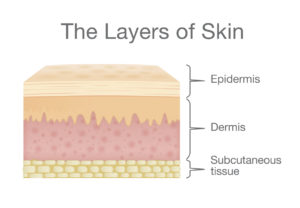
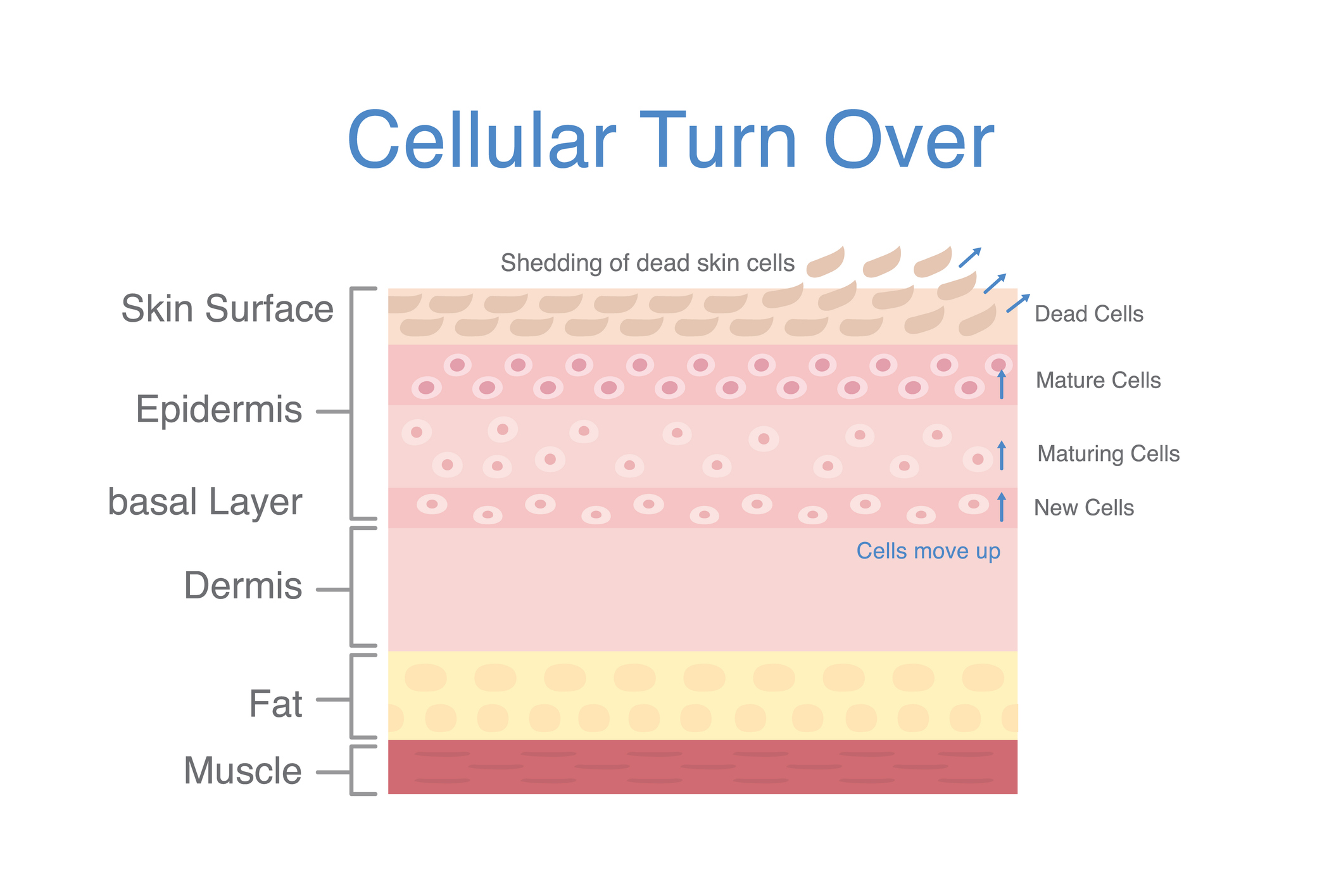
    Your skin is a living, breathing organ that’s always in motion. Each day, your body sheds an estimated 500 million skin cells. These cells come from the outermost layer of the skin, the epidermis, which acts as your primary barrier against the outside world.

    Weekly Skin Cell Shedding

    Over the course of a week, this natural process results in the loss of around 3.5 billion skin cells. While it sounds dramatic, it’s completely normal — and essential for healthy, resilient skin. This constant renewal allows new, healthier cells to rise to the surface, helping your skin maintain its protective function, texture and appearance.

    Why Does Skin Shed in the First Place?

    Skin shedding (also known as desquamation) is part of your skin’s renewal cycle, often referred to as cell turnover. New skin cells are formed in the deeper layers of the epidermis and gradually migrate upwards. As they reach the surface, older cells flatten, die, and are eventually shed.

    This process helps:

    • Maintain a healthy skin barrier
    • Protect against environmental damage
    • Regulate temperature
    • Support even skin tone and texture

    However, cell turnover slows with age, stress, sun exposure and certain skin conditions. When old skin cells linger on the surface for too long, skin can appear dull, rough or uneven — which is why exfoliation and in-clinic treatments can be helpful for some people.

    Factors That Affect How Quickly Your Skin Sheds

    Several internal and external factors influence skin renewal:
    Age and Skin Renewal

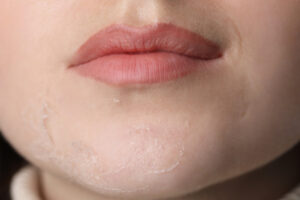
    Younger skin typically renews itself every 28 days. Over time, this process can slow to 40–60 days, contributing to dryness, congestion and texture changes.

    Sun Exposure

    UV radiation can disrupt healthy cell turnover, damage collagen and lead to uneven shedding. This is also one of the big factors in premature ageing. 

    Climate & Environment

    Dry air, pollution and harsh weather can interfere with the skin barrier and shedding process.

    Skincare and Exfoliation Habits

    Over-exfoliation can damage the barrier, while too little exfoliation may allow dead cells to accumulate. Dermatologists are fans of harsh daily scrubs (such as those containing nut shells or large, jagged particles), which can create microscopic tears in the skin and erode the stratum corneum, or the outermost layer. 

    Supporting Your Skin’s Natural Renewal Process

    Hydration

    Well-hydrated skin functions better. Adequate water intake and barrier-supportive moisturisers help prevent flakiness and irritation.

    Gentle Exfoliation

    Exfoliation assists the skin in removing dead cells that don’t shed efficiently on their own.

    Sun Protection

    Daily sunscreen use helps preserve healthy skin renewal and prevents UV-related damage that slows turnover and can be a factor in premature skin ageing. If you ask Dr Rich what the best anti-aging cream is, he will always say SPF 50 sunscreen.

    Dermatology Skincare Products That Support Skin Shedding

    If you’re looking to support your skin’s natural exfoliation process, dermatology-guided skincare can help.

    Chemical Exfoliators (AHAs & BHAs)

    Chemical exfoliants dissolve the bonds holding dead skin cells together.

    • Glycolic Acid (AHA): Improves texture and radiance
    • Salicylic Acid (BHA): Penetrates pores and supports congestion-prone skin

    These ingredients are commonly incorporated into dermatologist-recommended peels and home-care products. are generally preferred over physical scrubs because they dissolve the “glue” between dead cells without creating micro-tears like some harsh daily scrubs that cause micro-tears, inflammation, clogged pores and more. 

    Retinoids (Vitamin A Derivatives)

    Retinoids are widely used to support skin renewal and texture refinement.

    • Encourage more efficient cell turnover
    • Support collagen production
    • Improve uneven texture and tone

    They are often introduced gradually to minimise irritation and are best guided by a dermatologist.

    • Retinol & Retinoid Products
      • Retinol: A gentler, over-the-counter form of Vitamin A that encourages skin renewal.
      • Prescription Retinoids: Stronger retinoids like tretinoin are often recommended by dermatologists for more significant skin concerns like acne and signs of aging.
      • Popular Products @ Scriptskincare  :

    Enzyme-Based Exfoliation

    Fruit enzymes gently digest surface proteins, making them suitable for sensitive skin types who struggle with acids or scrubs.

    Enzyme-based products gently exfoliate the skin by breaking down the proteins that hold dead skin cells together. These products are often a good alternative for those with sensitive skin who may find acids or scrubs too harsh.

    Hydrating Moisturisers

    When your skin sheds, it’s important to lock in moisture to prevent dehydration and keep the skin barrier intact. Moisturisers help replenish moisture and create an optimal environment for skin regeneration.

    • Ceramides & Hyaluronic Acid
      • These ingredients strengthen the skin’s natural barrier and prevent moisture loss.

    Barrier-Supporting Moisturisers

    Ingredients such as ceramides and hyaluronic acid support hydration while skin renews itself, helping maintain comfort and resilience.

    Chemical Peels (Professional & At-Home)

    Chemical peels are designed to assist exfoliation of surface skin layers and support the skin’s natural renewal process. They range from mild at-home peels to more intense professional treatments.

    • Superficial Peels – focus on texture & brightness 
      • Mild chemical peels that use AHAs or BHAs help exfoliate the skin without downtime.
    • Professional Peels –  delivered under medical supervision for targeted concerns
      • Stronger chemical peels, such as TCA or glycolic peels, are typically performed by dermatologists and can offer more noticeable results.

    Vitamin C Serums
    While Vitamin C is often thought of as an anti-aging powerhouse, it also promotes cell turnover. Vitamin C helps brighten the skin and fades hyperpigmentation caused by sun exposure or acne scars. It can aid the shedding of skin cells by encouraging fresh, new skin growth.

    Popular Products:

    Laser & Device Treatments That Support Skin Texture & Renewal

    For patients looking for in-clinic options, device-based treatments can complement the skin’s natural renewal process by targeting texture, tone and collagen support.

    At Dermatology Institute of Victoria and Enrich Clinic, dermatologists may recommend the following technologies depending on skin type and concerns:

    Fractional Laser Treatments

    Fractional lasers work by creating controlled micro-injuries in the skin, stimulating repair and renewal.

    They can help improve:

    • Uneven skin texture
    • Fine lines
    • Sun-related skin changes

    By encouraging the skin’s natural healing response, these treatments support exfoliation and long-term regeneration.

    Non-Ablative Laser Treatments

    Non-ablative lasers target deeper skin layers while leaving the surface largely intact.

    They are commonly used to:

    • Improve skin tone and texture
    • Support collagen remodelling
    • Encourage gradual skin renewal with minimal downtime

    Microneedling (Medical Skin Needling, The Secret)

    Microneedling uses fine needles to create micro-channels in the skin, triggering repair pathways.  Devices such as The Secret and Micro Needling help with collagen production as well as other benefits, including:

    • Improved texture
    • Enhanced penetration of topical treatments
    • Support for smoother, more even skin

    Light & Energy-Based Devices

    Certain light-based treatments can help manage pigmentation, redness and textural irregularities by encouraging healthy skin turnover and barrier repair.

    All treatments are assessed individually and tailored by dermatologists to ensure suitability and safety.

    Vitamin C & Skin Renewal – How does it fit in?

    Vitamin C supports skin brightness and collagen formation. While it doesn’t exfoliate directly, it works alongside the renewal process to improve the appearance of newly surfaced skin.

    Sun Protection: The Final (Essential) Step

    Freshly renewed skin is more vulnerable to UV damage. Daily sunscreen use helps protect the skin barrier, maintain even texture, and preserve the results of exfoliation or in-clinic treatments.

    SPF Protection

    After shedding skin cells, your skin is often more sensitive and prone to damage. Protecting your newly revealed skin with sunscreen is essential to prevent further UV damage and support the skin’s overall health.

    See the full range at Script Skin here

    Final Thoughts: Skin Shedding Is a Good Thing

    Skin shedding isn’t something to worry about— it’s a sign that your skin is doing its job. Supporting this process with the right skincare, sun protection and (when appropriate) dermatologist-guided treatments can help maintain smoother, healthier-looking skin over time. Supporting the natural shedding process is essential for maintaining fresh, glowing skin. Whether you prefer exfoliating with gentle acids, applying retinoids for cell turnover, or using a hydrating moisturiser to lock in moisture, there are plenty of dermatology products to fit your routine. Just remember to start slowly with active ingredients (like retinoids or exfoliators) to avoid irritation, and always follow up with sunscreen to protect your skin!

    Ready to start your skin shedding journey? Consider consulting one of our dermatologists to tailor a skincare regimen to your specific needs!

     

  • What are the best consistency and moisturiser type for my skin?

    What are the best consistency and moisturiser type for my skin?

    What’s the Best Consistency and Type of moisturisers for Australian Skin

    Whether you’re dealing with dry winter skin, post-laser sensitivity, or want that healthy, hydrated glow year-round, choosing the right moisturiser can make a big difference. With Australia’s unique climate—from dry inland air to coastal humidity—and increasing demand for cosmetic treatments, understanding how to support your skin barrier is more important than ever. Let’s also not forget that everyone is unique, and so skin also varies from person to person, type to type.Professional advice is always a good start. 

    As dermatologists and skin professionals, in Australia, hydration is fundamental to healthy skin and post-treatment recovery. In this guide, we explore the best consistencies and types of body moisturisers, what ingredients to look for, and how they support both everyday skin maintenance and cosmetic dermatology outcomes.

    Why Moisturising Matters in Dermatology and Skin Treatments

    Whether you’re visiting your cosmetic dermatologist for laser resurfacing, chemical peels, or treating chronic conditions like eczema or psoriasis, the skin needs moisture to heal and function well. Moisturisers serve three key purposes:

    1. Hydrate – Increase the skin’s water content.
    2. Protect – Strengthen the skin barrier and reduce trans-epidermal water loss.
    3. Soothe – Calm inflammation and improve comfort after treatments.

    In cosmetic dermatology clinics across Australia, moisturisers are routinely recommended after procedures such as laser treatments, microneedling, or dermal treatments to support the healing process and maintain results.

    Understanding Moisturiser Types by Consistency

    The key to choosing the proper moisturiser lies in its formulation and texture. Here’s a breakdown of the most common types used in dermatological skincare:

    1. Lotions – Light and Fast-Absorbing

    • Best for: Normal to slightly dry skin, humid climates, oily or acne-prone body areas (like the back or chest).
    • Texture: Thin and fluid, often water-based.
    • Use if: You want something that absorbs quickly and won’t feel sticky in the heat.

    In Australia, where summers can be hot and humid, many dermatologists recommend lightweight lotions containing ingredients such as glycerin or hyaluronic acid for daily hydration. These are particularly useful after treatments like LED therapy or superficial peels when the skin isn’t overly dry.

    2. Creams – Balanced and Hydrating

    • Best for: Dry or sensitive skin, mild barrier repair.
    • Texture: Thicker than lotions but still spreadable.
    • Use if: You need more nourishment without a heavy, greasy feel.

    Certain creams are a go-to for dermatology clinics, especially for post-procedure use. After treatments like IPL (intense pulsed light) and Laser treatments, or facial rejuvenation, patients are often advised to apply fragrance-free creams containing ceramides and niacinamide to help reduce redness and inflammation.

    3. Body Butters and Balms – Rich and Occlusive

    • Best for: Very dry, flaky, or compromised skin.
    • Texture: Thick, buttery, and sometimes waxy.
    • Use if: You’re in a dry climate or need to lock in serious moisture (e.g., elbows, knees, post-retinoid treatments).

    In cooler parts of Australia, such as Tasmania or elevated areas in NSW and VIC, winter skin often craves extra nourishment. You would think it would be the other way around, but often with heating, heavy clothing and the weather, this is the case. Rich moisturisers with shea butter, urea, or cocoa butter are ideal for this, especially for people using topical treatments like tretinoin or undergoing laser resurfacing.

    4. Gels and Gel-Creams – Lightweight and Cooling

    • Best for: Oily, acne-prone, or inflamed skin.
    • Texture: Water-based, often oil-free.
    • Use if: You want a cooling, non-comedogenic option, ideal for summer or after treatments like chemical peels.

    These formulas are popular among younger patients or those receiving acne treatments, particularly in the tropical climates of Queensland and the Northern Territory. Look for aloe vera, panthenol, or green tea extract in these products.

    Of course, remember to always add factor 50+ sunscreen to your face or any other exposed areas if you are going outside. 

    Moisturiser Ingredients to Look For

    In both cosmetic and medical dermatology, ingredients matter. Here are some evidence-based moisturising ingredients frequently recommended by Australian dermatologists:

    • Ceramides – Restore the skin barrier and retain moisture.
    • Glycerin – A humectant that draws water into the skin.
    • Hyaluronic Acid – Binds water for deep hydration without heaviness.
    • Niacinamide – Anti-inflammatory and brightening. 
    • Shea Butter – Deep nourishment and soothing benefits. Not suitable for oily skin. 
    • Urea – Hydrating and exfoliating; ideal for rough or keratinised skin.
    • Squalane – Lightweight oil with antioxidant properties.

    For patients recovering from procedures like fractional laser resurfacing or microneedling, most dermatology clinics often recommend fragrance-free creams rich in ceramides and hyaluronic acid, such as CeraVe, La Roche-Posay, or QV Intensive.

    Pro Tip: Apply on Damp Skin

    Dermatologists often recommend applying your body moisturiser within three minutes of showering. Damp skin absorbs moisturiser more effectively, helping lock in hydration—particularly useful after in-clinic treatments or when dealing with trans-epidermal water loss, a common issue in ageing or sun-damaged skin.

    What are  “Actives” in skincare? 

    Actives refer to active ingredients in skincare, these ingredients that do the heavy lifting. They’re the scientifically proven compounds—like retinol, vitamin C, niacinamide, peptides, AHAs, BHAs, and more—that create fundamental, measurable changes in the skin. Unlike basic hydrators or textures that make a product feel nice, actives are designed to target specific concerns such as pigmentation, fine lines, breakouts, dullness, or loss of firmness. They work by interacting directly with skin cells or the skin barrier to boost renewal, improve clarity, increase collagen production, or calm inflammation. When used correctly (and consistently!), actives help your skincare routine move beyond “maintenance” to truly transformative results.

    Actives can cause issues if they’re not chosen or used correctly. While they offer powerful benefits, they also come with a bit of “personality.” Some actives, like retinoids, AHAs, BHAs, and high-strength vitamin C, can cause irritation, redness, dryness, peeling, breakouts, or heightened sun sensitivity, especially when you’re new to them or use too much too soon. 

    Others may clash when layered together or be unsuitable for specific skin types or conditions (e.g., rosacea, eczema, compromised barriers). 

    The key is slow and steady: introduce one active at a time, start with lower strengths, patch test when possible, and always pair actives with a gentle routine and daily SPF. When used thoughtfully, actives are incredibly effective—but respecting their potency helps keep your skin happy.

    See your dermatologist to discuss what actives would suit your skin type or skin issues.

    Common Mistakes to Avoid

    1. Using face moisturisers on the Body – These are often too expensive and not rich enough for thicker body skin.
    2. Applying to dry skin – Misses the chance to trap moisture.
    3. Using fragranced products post-treatment – Can irritate healing skin and disrupt results.
    4. Skipping moisturiser after in-clinic treatments – Slows healing and increases risk of dryness or redness.
    5.  Using active ingredients that are inappropriate for your skin type or condition. 
    6. Not applying factor 50+ sunscreen on your face and other exposed areas every day.

    Consistency Counts in More Ways Than One

    Choosing the right moisturiser for your Body is about more than just texture—it’s about supporting your skin’s natural barrier, especially after cosmetic procedures or during seasonal transitions. Whether you’re managing post-laser care in Melbourne, navigating humidity in Brisbane, or simply building a solid body care routine, using the right moisturiser—and applying it consistently—can visibly improve your skin health.

    If you’re unsure what’s best for your needs, speak to your cosmetic doctor, dermatologist or skincare clinician. At ENRICH we can incorporate tailored skin barrier support into your treatment plan. We recognise that well-hydrated skin heals better and responds more effectively to treatments.

    How We Can Help

    At ENRICH & DIV, we offer skin consultations before any treatment, or you can come into our Clinic and discuss any topical creams we have in our range at our Script skincare store downstairs with our ENRICH & DIV skin consultant.

    Book a consultation with our team at ENRICH & DIV today, and let’s make your skin health a priority. 


  • Skinovation: 5 Aesthetics Skincare Trends of 2022 Influencing 2023

    Skinovation: 5 Aesthetics Skincare Trends of 2022 Influencing 2023

    Australians are no strangers to the pursuit of flawless skin, with the nation spending an astounding $22 billion on skincare yearly. As the skincare market continues to expand, a plethora of innovative products and treatments are becoming available, providing us with a diverse range of options to achieve our desired skin goals.

    Being well-informed about these trends not only allows you to make educated decisions about the products you use and the treatments you invest in but also helps you navigate the vast skincare landscape with ease.

    So, buckle up and get ready to explore the world of cutting-edge skincare as we help you discover the trends that will transform your complexion and redefine your approach to skincare in 2023.

    Trend #1: Prevention and More Frequent Skin Checks

    In recent years, there has been a growing emphasis on proactive skincare and prevention, with consumers increasingly recognising the importance of maintaining a consistent, well-rounded skincare routine to protect their skin from potential damage. 

    “Addressing concerns early, such as when fine lines start to appear around the eyes, using anti-wrinkle injections then rather than waiting until the lines get more prominent will give a better result and also less cost,” says our very own Dr Maria Milone.

    This shift in mindset has led to more frequent skin checks and consultations with professionals, ensuring that potential issues are identified and addressed before they become more serious.

    Benefits of regular skin checks and consultations with professionals

    • Early detection. Regular skin checks mean early identification of your skin’s potential problems, such as sun damage, pigmentation and even skin cancer, increasing the chances of successful treatment and minimising long-term consequences.
    • Personalised skincare recommendations. Consulting with professionals allows for a deeper understanding of your skin type, concerns, and goals, ensuring that your skincare routine is tailored to your needs and optimised for maximum efficacy.
    • Monitoring progress. Regular consultations facilitate tracking your skin’s progress over time, enabling you to make necessary adjustments to your routine and treatments to maintain optimal skin health.

    Tips for incorporating prevention and skin checks into a skincare routine

    • Schedule regular appointments. To stay on top of your skin’s health, book routine appointments with a dermatologist or skincare professional. Aim for at least one comprehensive skin check per year, with more frequent visits if you have a history of skin issues or concerns.
    • Embrace sun protection. Prevention starts with daily sun protection. Incorporate a broad-spectrum sunscreen with a minimum SPF30 into your skincare routine, and reapply every 2 hours when spending extended periods outdoors.
    • Invest in quality skincare. Opt for high-quality skincare products formulated with active ingredients that provide both preventative and corrective benefits, such as antioxidants, retinoids and peptides.
    • Educate yourself. Stay informed about the latest skincare trends, research and innovations to make informed decisions about the products and treatments that align with your skin goals and values.
    • Adopt a holistic approach. Remember that skincare is just one aspect of overall skin health. Incorporate a balanced diet, regular exercise and stress management techniques into your lifestyle to support the health and appearance of your skin from the inside out.

    Trend #2: More natural results

    Today, more individuals seek treatments and products that enhance their unique features while preserving their authentic appearance rather than opting for dramatic, artificial transformations.

    As Dr Afrah Mazhar noted, “I’m finding that the current trend in the cosmetic field is aiming for a more natural result. Patients and celebrities are reversing their dermal filler if it’s not looking right or natural. We have also become more focused on skincare and lasers. Now I’m my opinion, this is a great change. This has always been my personal aesthetic, and now I feel like the tide is turning on overdone cosmetic results.”

    How skincare and aesthetic treatments are adapting to deliver more natural results:

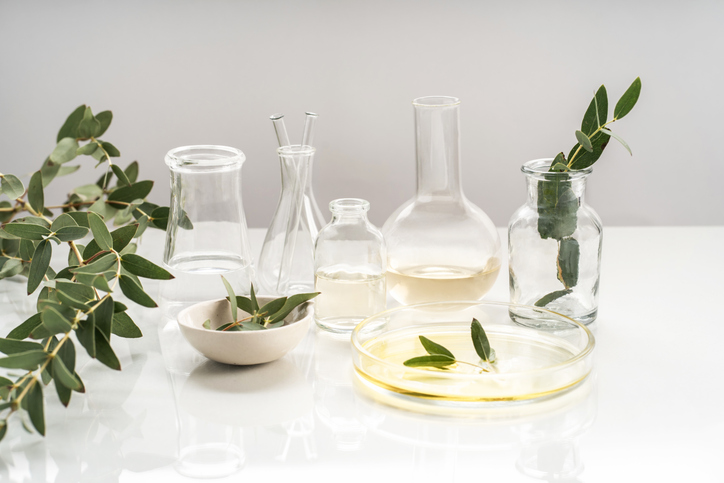
    natural beauty skin care products and glassware, flasks and petri bowl with plants

    • Subtle enhancements. Skin specialists now focus on subtle, targeted treatments that amplify a person’s natural beauty while minimising signs of ageing and skin imperfections. New techniques with dermal fillers, microneedling and gentle chemical peels are gaining popularity for their ability to deliver refined, understated results.
    • Customisation. The industry is increasingly embracing personalised skincare solutions, recognising that a one-size-fits-all approach may not yield your desired natural outcomes. Bespoke treatment plans and product formulations are also becoming more prevalent, ensuring you receive tailored care that addresses your unique preferences.
    • Ingredient innovation. Skincare products are formulated with innovative, naturally-derived ingredients that work synergistically with our skin to support its inherent healing and regenerative processes, promoting a more natural and youthful appearance.

    Tips for achieving a natural look with skincare treatments and products:

    • Choose the right practitioner. Select a skincare professional or aesthetician who shares your vision of natural beauty and has a proven track record of delivering subtle, natural-looking results.
    • Prioritise quality. Invest in high-quality skincare products with effective, naturally-derived ingredients supporting your skin’s health and natural radiance. Look for brands that prioritise transparency and sustainability in their formulations.
    • Develop a consistent routine. Maintain a regular skin care regimen that includes cleansing, exfoliating, moisturising, sun protection and targeted treatments for specific concerns such as pigmentation, fine lines or acne. Consistency is key to achieving a naturally beautiful complexion.
    • Embrace multi-functional products. Opt for products that serve multiple purposes, such as tinted sunscreens or serums that combine antioxidant, brightening, and anti-ageing benefits. These multi-functional products can help you look more natural while simplifying your skincare routine.
    • Focus on skin health. Remember that a truly natural look begins with healthy skin. Prioritize overall skin health by adopting a holistic approach encompassing a balanced diet, adequate hydration, stress management and sufficient sleep.

    Trend #3: Combination treatments

    This involves combining different skincare treatments to target multiple issues simultaneously, offering a more comprehensive and personalised solution. These treatments provide enhanced results, time efficiency and cost-effectiveness, making them an increasingly popular choice.

    Some popular treatment combinations for various skin concerns include:

    To choose the right combination treatments for your needs, we recommend consulting with one of our dermatologists, highly qualified nurses or aesthetic doctors, who can assess your skin concerns and provide personalised recommendations. Additionally, researching different treatment options, considering your skin type, setting realistic expectations and monitoring your progress will ensure you achieve the best possible results from your combination treatments.

    Trend #4: Bio Remodelling 

    Hydrating fillers or bio remodelling is a new generation of dermal hydration that contains a naturally occurring substance in our skin that attracts and retains moisture.

    Bio remodelling injections are formulated with a higher concentration of this substance which allows them to integrate seamlessly into our skin, providing deep hydration without causing significant volume changes. This results in a more natural and refreshed appearance and improved skin quality, texture and elasticity.

    Benefits of using bio-remodelling for skin rejuvenation and anti-aging:

    • Improved skin hydration. By attracting and retaining moisture, bio-remodelling help to restore and maintain optimal skin hydration levels, resulting in a plumper, more radiant complexion.
    • Enhanced skin quality. Bio-remodelling can improve our skin texture, elasticity and firmness, addressing common signs of aging and promoting a more youthful appearance.
    • Natural-looking results. Due to their unique formulation, hydrating fillers provide subtle, natural-looking results, enhancing your features without causing significant volume changes or altering your facial structure.
    • Minimally invasive. Hydrating filler treatments are minimally invasive and require little to no downtime, making them a convenient and low-risk option for skin rejuvenation and anti-aging.

    Expectations and potential risks associated with hydrating filler treatments

    While bio-remodelling is generally considered well-tolerated, some potential risks and side effects may include temporary redness, swelling, bruising, or discomfort at the injection site. These side effects are typically resolve on their own within a few days. Choosing a qualified and experienced practitioner to perform the treatment is essential to minimise potential risks.

    Minor results from bio-remodelling treatments can be seen immediately after the procedure, with optimal results typically visible within two weeks and two treatments, one month apart. The longevity of the results varies between individuals, but most of our clients noticed effects to last between six to twelve months. Our specialists may recommend regular maintenance treatments to prolong the results.

    Trend #5: Global Treatments

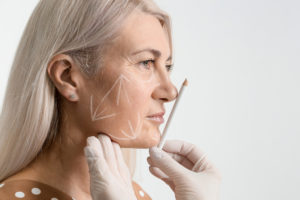
    Marking the face with a white pencil for surgical intervention close-up

    “As skin ages, a global treatment is often a better option (i.e. treating the whole face rather than just individual spots)  An example of that might be full face Fraxel for spot removal and anti-wrinkle injections for specific areas or filler and anti-wrinkle injections in one session across all the areas that require these treatments,” says Dr Milone.

    By adopting a global treatment approach and focusing on the whole face rather than just individual spots or areas, you can enjoy a more comprehensive skincare journey. As you explore and integrate these techniques and approaches into your skincare routine, you’ll be well on your way to achieving a more radiant, youthful, and healthy complexion.

    Examples of global treatment techniques and approaches

    • Layered treatments. Combining different treatments in a single session, such as chemical peels, microdermabrasion, and laser therapy, can simultaneously address various concerns like texture, pigmentation and scarring.
    • Facial contouring and rejuvenation. Utilising a combination of dermal fillers, hydrating fillers, and other injectable treatments can provide a more balanced and natural-looking facial rejuvenation, targeting the whole face rather than just specific areas.
    • Full-face skin resurfacing. Techniques like laser resurfacing, micro-needling, and radiofrequency treatments can target the entire face, improving overall skin quality, texture and tone.
    • Comprehensive skincare regimens. Creating a well-rounded skincare routine that includes products targeting hydration, exfoliation, sun protection and antioxidant support ensures that the entire face receives the necessary care and attention.

    Trending with Enrich

    The aesthetics skincare industry is continuously evolving, bringing forth innovative trends that cater to a wide range of skin concerns and preferences. As we move through 2023, we encourage you to explore new innovations and see what might suit your personal skincare routine. 

    Our team is dedicated to helping you navigate the ever-evolving world of aesthetic skincare, ensuring that your journey is both enjoyable and effective. Contact us today.

  • Protecting your skin when you work outside

    Protecting your skin when you work outside

    Here in Australia, when working outdoors you must make looking after your skin a priority.  With high UV rates and a statistically disproportionate skin cancer rate in our population, we are one of the most vulnerable countries in the world regarding sun exposure.

    People of all ages and genders should be aware of the dangers to their skin. You need to know how to protect your skin and the best ways to maintain your skin health. You need to know the important facts about the sun, and what to be careful of. Let’s outline why all those things you’ve been told about skin safety are not just for show!

    Taking care when working outdoors

    Many Australians spend a lot of time outdoors, especially when working. Many of us can be so focussed on the task at hand that we forget to protect our skin. But regardless of how busy you are, you should always look to protect your skin when working outside.

    You should always be aware that the sun doesn’t have to be ‘out’ for it to damage your skin. If the skies are overcast, or even if the weather is cold, it is still possible you won’t be protected. So you should be aware of ultraviolet (UV) ratings. According to the Bureau of Meteorology, Australia has one of the highest levels of UV exposure in the world, and “you can still get burnt on cool or cloudy days – so think UV, not heat”. B.O.M states that you should protect yourself against the sun when the UV index is at 3 or above. For further context, when working outdoors you get exposed to around ten times as much UV radiation as indoors.

    The good news is there are many ways to protect yourself. Your clothing is essential. Long sleeves and long trousers can protect your arms and legs. Clothing obviously will need to be well ventilated to avoid overheating on those glorious but super hot days. Light-coloured clothes generally draw less heat, and loose-fitting clothes allow more air to get through, which can cool you down. Wearing a broad-brimmed hat and sunglasses also protects your eyes & face. 

    Sunscreen is a daily essential in sun protection. Pro tip:  use properly by applying every day to unprotected skin. This includes your face before you put on makeup and even in Winter. An SPF rating of 50+ is highly recommended. Make sure you never use sunscreen that is out of date, and please, ignore the myth that cosmetics provide strong protection! Yes, some cosmetics contain a small amount of SPF, but the level of protection is incomparable to sunscreen. When asked what is the best anti-aging cream, Dr Rich always replies, “SPF 50+ sunscreen – every day – at every age”.sunscreen to protect your skin

    You should always take these measures seriously. If you need to take your hat off briefly, have a break from working and find some shade. Space your workout to limit sun exposure during the most intense periods (generally between 10 am and 4 pm). Even bring a change of clothes if they’re likely to get extremely hot. Quite simply, you shouldn’t let discomfort inhibit your skin protection measures.

    Finally, when working on a high UV rating day, do tasks inside or in the shade whenever possible. You should take every opportunity to cool down and avoid UV exposure. 

    How intense is the sun in Australia?

    Skin colour (amount of melanin in the skin), genetics and heritage are as widely dispersed as any modern European country; however, Australia has over ten times the rate of melanoma compared to Europe. This is mainly due to different atmospheric conditions in this part of the world, which exposes Australians to roughly 15% more UV radiation than Europeans.

    Once upon a time, our genetics could correlate with our environment. Broadly speaking, evolution had dictated that people in hotter parts of the world had darker skin. Lighter skin contains less melanin, which provides some degree of protection against UV radiation, and immigration has led to some people being in areas not suited to their skin. Of course, those with darker skin should also protect themselves.

    As we can see, UV rating is an important measure as to the potency of the sun. But just how important is it? According to cancer.org.au, UV “radiation is the invisible killer that you can’t see or feel”. UV radiation can cause burns in just 11 minutes of exposure. UV rating days of 1-2 are considered mild, and sunscreen is not recommended. However, moderate (3-5), high (6-7), very high (8-10) and extreme (11 and above) UV radiation days are all sunscreen days.

    You should always be clear on what the rating is. The rating varies significantly at any given time during the day around Australia, so be sure you are getting the most relevant, local information. Most phone weather apps, including B.O.M., have UV alerts or measures visible.

    Unfortunately, Australians have not been heeding the warnings, as we have the world’s highest rate of skin cancer. Rates of melanoma increased by 60% in the years between 1982 and 2010, despite research and warning around sun protection rapidly increasing. 

    What you should do to maintain skin healthskin health

    There are also other tips to help maintain healthy skin when. 

    • Stop smoking – our skin benefits significantly if you don’t smoke. Smoking can decrease blood flow in the blood vessels in your skin, and it lessens the oxygen and nutrients in your skin. Yet another great reason to give it up! 
    • Be gentle with your skin. Limit time spent in hot water (such as in a shower or bath).
    • Moisturise and cleanse! You should moisturise your skin daily, use mild cleansers, and always be careful when shaving.
    • Have a regular peel – Man or woman, this quick, cost-effective skin pick me up every 4-6 weeks can help to maintain good skin health. Our skin peels at ENRICH can take under 30 minutes to perform. 
    • Book in for an annual skin check – having regular skin cancer and mole checks, especially if you are an outdoor worker, is a skin health must-do. Early detection of skin cancer, both melanoma and Non-melanoma skin cancer, can be life-saving. 


    Ensure you know your skin. Sun exposure can lead to freckles (which are cute when you are young but more like age spots as you get older, moles, premature ageing and other skin issues. We can help with your skin health at ENRICH Clinic. Call 03 9500 500 to have a chat or make an appointment for a consultation. Contact us today!

  • Acne treatment Melbourne – acne scarring at ENRICH Clinic

    Acne treatment Melbourne – acne scarring at ENRICH Clinic

    acne treatment melbourne

    Acne is an inflammatory skin condition resulting in whiteheads, blackheads & pimples appearing predominantly on the face, forehead, chest, upper back & shoulders.

    Dr Michael Rich leads a team of experienced cosmetic doctors & dermatologists in Melbourne, highly trained in advanced lasers & treatments for acne and acne scarring. If acne or acne scarring is an issue for you, contact us to arrange a consultation. 

    Types of Acne Scars

    • Rolling scars – broad, sloped-edge depressions in the skin
    • Ice-pick scarring – pitted, deep, thin slit-like scars
    • Box-car scars – defined-edge depressions
    • Atrophic scarring – thin, flat scars
    • Keloid (hypertrophic) scars – thick, lumpy scarring

    Treatments for acne scarring – Acne treatment Melbourne

    ENRICH Clinic is home to several effective laser treatments for acne scarring. Radio frequency devices & lasers can be used to target skin cells at a deeper level, working to strengthen and support skin cells & structure. This reduces the appearance of scars and marks that acne can cause.

    Radio frequency treatments have the added benefit of killing bacteria and improving overall skin tone & texture. Laser treatments work by either stimulating collagen producing cells & collagen or ablating the skin surrounding the scar, evening out the surface of the skin.

    Other effective and minimally invasive treatments include:

    Deep acne scars

    Of course, there are some very extreme cases of deep acne scarring and they will be too deep for ablative laser treatments to work alone. A combination of medicated creams, medication, lasers, light treatments & lasers and of course time may be the best route to clear, smooth skin. 

    Contact us to secure an appointment for acne scarring consult or treatment at ENRICH Clinic

  • How to prepare for a chemical peel

    How to prepare for a chemical peel

    The humble chemical peel is making a huge comeback – it’s a budget-friendly way to get noticeably more beautiful skin. Skin will look and feel smoother, tighter, and fresher.

    There’s no need to undergo complicated procedures when a peel may be a perfect option. If you’re new to cosmetic treatments, a chemical peel can be a lovely introduction. You’ll get legitimate skin results that don’t cost the earth.

    But, how do you prepare yourself for a chemical peel?

    chemical peel treatment woman

    Understand a chemical peel

    The first step to preparing yourself for a chemical peel is to understand what a chemical peel is and what it does to your skin.

    A chemical peel, in essence, is a skin resurfacing tool. Special ingredients dissolve the upper layers of skin, with the depth of peel determined by the strength of ingredients. The deeper the peel, the more downtime you can expect since the skin will be affected by the peel as it renews.

    With select layers of skin removed, we can effectively soften the appearance of fine lines and wrinkles, improve the look of scars, discolouration and pigmentation, freshen acne-prone skin, and reduce the impacts of sun damage.

    Be examined to see which peel is best for you

    First things first. The strongest chemical peels are only available through a clinic like ENRICH Clinic, because they use pharmaceutical-grade ingredients. These restrictions apply because, in the wrong hands, a chemical peel can be dangerous and cause damage to the skin.

    Our strongest peels are only ever applied by trained, experienced cosmetic doctors as a therapeutic skin treatment.

    We also have lighter glycolic peels which also remove skin cells but in a gentle, no-downtime, way.  A skin consultation is required before we can apply any chemical peel so that we can figure out what peel your skin will respond best to.

    Step one is making an appointment with one of our trusted clinicians to discuss your skin.

    Avoid exfoliation

    Don’t exfoliate your skin before your chemical peel. We are going to be performing the skin resurfacing using acidic ingredients, and there is no need for you to prepare with a pre-exfoliation. Stripping the skin can make your skin more sensitive to the peel we apply.  We do ask that you remove all makeup before a peel, but you can do that at the clinic. A chemical peel is an exfoliation.

    Talk to your clinic about what medications you use on your face

    If you are using facial medications, for example, for acne, then your skin may be less tolerant of the chemical peel. Please make sure to let us know of any medications you are using so we can make sure they’re safe to continue in the lead-up to your appointment.

    Check your schedule for important events

    When you’re booking your peel, depending on the strength, you may need to leave a few weeks for a full recovery. Light glycolic peels, however, have no downtime.  Avoid booking a major chemical peel when you have a big event coming up – there are far more appropriate, no-downtime treatments to get your skin looking fresh. A chemical peel is not going to be your go-to if you have a big photoshoot coming up in a few days.

    Need more science on how chemical peels work? Check out this scientific paper.

    Read up on what to expect during a chemical peel

    1. A tingling sensation
      As the ingredients in your peel work to dissolve your skin cells, there’ll come a certain point when the more sensitive skin underneath is affected. The tingling may start gently then intensify, or it may stay about the same the whole time.
    2. Itching
      Your skin may itch a tiny bit during your peel, which is normal. It usually is only a small area, like an itchy nose, because you have a substance on your face that is tingling your nerves. An itch is a nervous system response to a stimulus, so it’s not surprising at all that during a chemical peel you may have a few itchy spots. Talk to your practitioner if you need to solve an itch!
    3. Heat or cool
      During the peel, you may feel warming or cooling of the skin. Either sensation is normal, though a feeling of warmth is more common than cool. The skin will respond to its ‘injury’ by sending blood and other resources to the area, making it red and hot.
    4. Tight skin
      It’s normal during a chemical peel to have a taut sensation of the skin. Your skin is being stripped bare and will feel a bit tight. This taut feeling will resolve. We make sure to moisturise you well before you leave so you won’t feel dry. Hot and tight is entirely normal, however, and will resolve within 24-48 hours.

    Read up on what to expect after a chemical peel

    1. Your skin may peel and flake
      Skin peeling is sort of the point of a chemical peel, but not all peels go deep enough to cause peeling in the days afterwards. Skin can take a few days to start to peel, so speak to your practitioner about what to expect. Deep peels may take up to two weeks to refresh the full face, so if you’ve had a deep peel, expect a lot of, well, peeling.
    2. Photosensitive skin Your skin is so fresh; you can’t afford to get any UV rays near it, especially as it heals. UV damage can result in pigmentation problems, so be vigilant with sun protection, especially in reflective areas such as the car and near water or windows.
    3. Sensitive skin
      Your skin has been through an ordeal, so be gentle with it. You may find your skin is more sensitive to products you would typically use without an issue, so get advice from your practitioner on what to use post-peel.

    Why we love chemical peels

    • Clears dull, dry surface skin
    • Freshens complexion
    • Non-invasive
    • 15-30 minute appointment
    • No or minimal downtime (though deeper peels can have downtime)

    We are skin rejuvenation experts.
    Contact us for a consultation

    ENRICH Clinic

  • Non-invasive face treatments

    Non-invasive face treatments

    At ENRICH Clinic, we have many effective non-invasive facial treatments to suit your budget and skin goals. There are so many, with multiple names, that you may not know where to start. Here we offer you an overview of an excellent way to choose treatments based on your skin goals.


    Before we get into the specifics of the treatments, it’s useful to understand what your specific skin goals are and write them down. There may be a part of your face that is bugging you – redness, pimples, sun damage, dry skin, wrinkles – or you may want to look great for a special event or make an anti-ageing plan. We can also do non-surgical rhinoplasty.

    Your skin goals are the most important thing for us here at ENRICH Clinic, so having a consultation will fast track your discovery process where you will benefit from our experience.

    The internet can be a mind-boggling place, so we recommend making an appointment with one of our specialist cosmetic practitioners to see how we can help you.

    Non-surgical face treatments

    Injectables

    • Dermal fillers
    • Muscle relaxers (anti-wrinkle injections)
    • Liquid facelifts (anti-wrinkle injections and dermal filler)
    • Fat-dissolving injections

    Skin treatments

    • Chemical peels
    • The Secret or Microneedling
    • Microdermabrasion

    Laser and similar procedures

    • Continuous, fractional, ablative and non-ablative lasers
    • IPL and other heat-based devices
    • LED anti-ageing devices
    • Piqo laser
    • China Doll Facial

    Each treatment has a thing or two that it’s really good at, so starting with your skin goals in mind, we can then narrow down the procedures that will most benefit you.

    Here are some great examples of how we help our patients to get you started.

    Anti-ageingPortrait of beautiful mature woman sitting in cafeteria looking away. Cheerful mature woman wearing eyeglasses thinking with finger on chin. Happy woman relaxing at cafe and smiling.

    Anti-ageing is where a cosmetic clinic comes into its own. We love our range of anti-ageing treatments, and so do our clients. There are many to choose from, and it will depend heavily on which element of anti-ageing you are focused.

    Because the ageing process affects the areas of the face differently, we treat each area separately.

    Elements of facial ageing include:

    • The development of fine lines and wrinkles
    • Loss of fat volume creating a sallow look of the cheeks and around the eyes
    • Loss of collagen and elastin contributing to wrinkling and sagging
    • Deepening of grooves

    To combat each of these, we can use a collection of tools that address one or more element. Fine lines and wrinkles can be softened using resurfacing (makes all skin the same ‘height’), filled in with dermal fillers, or collagen boosted with wave-based treatments.

    We can arrest deep grooves and wrinkles as they are forming with anti-wrinkle injections, keeping your face smoother for longer.

    Fat in our face creates a more youthful appearance, so dermal filler has a huge role to play in our anti-ageing strategies. The hollows left due to diminishing fat volume in the cheeks can be plumped back up with dermal filler injections, as can the tear troughs and nasolabial folds (the lines that join your mouth and nose).

    Facial redness

    Redness is the result of blood vessels close to the surface of the skin. There is regular redness – this may be genetic, maybe you run hot – then we have redness caused by inflammation, known as rosacea.

    We have very effective laser treatments that remove the tiny blood vessels, reducing the visible impact of being hot, flushed or generally blotchy or red. This treatment works the same for any blood vessel condition, minor or major.

    If you have red cheeks or a red face all the time,  you may benefit from a consultation with a dermatologist to look into the cause. Sometimes a skin treatment isn’t the most appropriate way forward here.

    Rough or dry skin

    The outer layer of skin is by design made up of hard, dead skin cells – the keratinised layer of skin that protects us from the outside world. Keratinised skin, because it’s dead skin cells, can easily become dry, flakey and rough. Think of elbows, knees and heels.

    These dead skin cells can also lead to face appearing dry, dull and lacklustre. The solution is to get rid of the skin cells. We achieve this with several tools, for example, laser resurfacing, chemical peels and microdermabrasion. The top layer of dull skin is removed, revealing the fresh skin underneath.

    Acne or acne scarring

    Acne and acne scarring are two very distinct problems with individual solutions. Acne is an active skin infection, while acne scarring is the result of a specific skin injury. Acne scars develop due to a space created underneath the skin, in the pore, by the infection, that is then filled in with scar tissue.

    We have several strategies for managing acne, including hormonal management and very targeted skin treatments. Skin treatments include light- and wave-based devices to kill bacteria and promote skin health.

    Acne scar treatments often include collagen remodelling to change how scars appear, but depending on the type of scar, we can also work to resurface the skin.

    We are skin experts who prefer to use non-invasive strategies to achieve your skin goals. We have such an amazing array of tools at our disposal, so come in for a consultation so we can show some of them off to you! We feel confident that we can help you have more beautiful skin, whatever that means to you.

    At ENRICH Clinic, we have three expert dermatologists, including our founder Dr Michael Rich, Dr Lena Ly and Dr Charles Xie

    We are experienced cosmetic dermatologists & phsicians.
    Contact us for an appointment

  • What is the difference between a mole and a freckle?

    What is the difference between a mole and a freckle?

    A mole and a freckle share many of the same qualities, with the main one being colour. However, moles and freckles are different in some key ways, with the most significant difference being that a mole will be slightly raised, while freckles can’t be felt if you run your finger over them. Moles also tend to be darker than freckles.

    But, there’s more to it. To understand the significant differences between freckles and moles, we have to look into the skin cells that make moles and freckles: melanocytes.

    What is melanin?

    Melanin is a dark substance produced by pigment-producing skin cells, melanocytes. When your skin absorbs ultraviolet (UV) rays, your melanocytes are activated and produce melanin to help protect your other skin cells from UV damage. (You can think of melanocytes as putting up a protective umbrella for the next rainstorm. You got wet this time though.)

    Melanin is a physical barrier of colour between your upper skin cells and those beneath. This pigment absorbs future UV rays, ensuring they don’t damage your other cells. Skin cells under the top layer have no protection otherwise.

    Melanocytes are found all over your body but are restricted to the underneath side of the epidermis – the bottom section of the top layer of skin cells. Melanocytes are capable of producing a freckle or mole pretty much anywhere.

    What is a freckle?

    A freckle is made up of melanocytes that have produced pigment in response to UV rays. Freckles tend to be lighter in colour than moles, but this isn’t always true: freckles can be very dark, almost black. Freckles tend to be found in the superficial layers of skin cells compared with moles.

    Freckles can suddenly appear, but you’re most likely to notice freckles appearing in winter when the skin is pale, and they stand out more. Every winter, you’ll probably notice more freckles around your body if you’ve been out in the sun the previous summer.

    Freckles may fade and disappear over time.

    Do freckles require treatment?

    Freckles are not dangerous and do not require treatment. But some people don’t like their freckles. If that’s the case, we have strategies to remove the layer of skin that freckles reside in. We can lighten or remove freckles, depending on where they are and how many you have.

    Speak to us at ENRICH Clinic – we have treatments to reduce pigmentation spots like freckles.

    What is a mole?

    Moles are small brown (or tan, black, red, blue or pink) spots on the skin which range in size and their protrusion off the skin. Moles develop when melanocytes (skin cells) grow in clumps or clusters, on top of each other, and as such, they can have a wrinkly top or be flat, and vary quite a lot in colour. A mole may have a hair growing out of it.

    Moles originate deeper in skin layers and tend to appear when we’re younger, rather than with advancing age. It’s estimated that each of us will have 10-40 moles by the time we hit adulthood. Some moles can develop when we’re in the womb, meaning we can be born with moles.

    Moles can go away sometimes, but usually, they’re with you for the long haul.

    Do moles require treatment?

    Generally, moles are often safe and do not require any treatment, but its always worth having them checked routinely. Some moles may be removed for aesthetic or practical reasons or prophylactically to avoid melanoma issues in future. Mole removal techniques will depend on the size and location of the mole and whether it will be sent for a biopsy.

    Moles need to be checked regularly by a qualified person to look for changes. Moles can turn into melanomas (dangerous skin cancers), so early diagnosis and treatment are essential. This means getting regular mole checks.Young beautiful freckles woman face portrait with healthy skin

    If you notice a mole changing in any way – shape, colour, size, becoming itchy, sore or bleeding – see a doctor immediately.

    What’s the difference between a freckle and a mole?

    • Freckles cannot turn cancerous, but moles can
    • Moles originate in deeper skin layers than freckles
    • Freckles tend to be flat, while moles are usually raised
    • You usually see more freckles than moles
    • Fair-skinned people will often get a freckle instead of a tan (but not a mole)
    • Moles tend to appear earlier in our lives and stick around
    • Freckles can appear throughout our lives and disappear
    • Moles are not directly associated with sun exposure, whereas freckles are

    What’s alike between a freckle and a mole?

    • The tendency for moles and freckles is genetic
    • Both freckles and moles are darker than surrounding skin, never lighter
    • All skin colours can get freckles and moles, but they are easier to spot on light-skinned people

    What is a skin tag then?

    A skin tag is a small benign piece of skin that hangs by a stalk. Skin tags can look like moles but tend to be more skin-coloured than pigmented. The stalk gives them away as being a skin tag, but skin tags range in size and may appear quite mole-like.

    Skin tags are often found in areas that make regular rubbing skin contact  (armpits, groin, neck, etc.) and become more numerous as we age. Skin tags are not at risk of developing cancers, unlike moles.

    Do skin tags require treatment?

    Not unless you are unhappy with the appearance of a skin tag or if they are bothering you in a practical sense, for example rubbing on clothes or jewellery. Skin tags can be quickly removed in the doctor’s office or dermatology clinic using a few different methods, from a simple snip off, to burning, freezing or lasering.

    What are sunspots/lentigo?

    Lentigines are areas of pigmentation on the skin that we might call an age spot or a sunspot. These are similar to freckles but tend to be well defined; more like a splotch than a freckle. They are also larger than freckles.

    Lentigines appear most in areas that are in contact with UV rays, such as the back of hands, face, and chest. A lentigo may appear after radiation therapy and are more common as we age.

    Do lentigines require treatment?

    No, but like most of these other pigmented spots, we can remove it if you don’t like the look of it. Skin resurfacing and specialized lasers that address pigmentation are the best way to make these spots disappear. Speak to us – we can help.

    What are seborrheic keratoses?

    Seborrheic keratosis is a black or brown growth often found on the chest, back and head. These growths develop from keratinocytes and can look like warts. Seborrheic keratoses tend to develop as we age; however, they are harmless, not contagious, and are not typically associated with skin cancer.

    Do seborrheic keratoses require treatment?

    No, but you may not like their appearance. In that case, we have a few very simple, effective strategies for removing seborrheic keratoses in our clinic.

    We can effectively remove most spots!
    Contact us for an appointment.

    ENRICH Clinic

  • Why two skin treatments can offer 3X the result

    Why two skin treatments can offer 3X the result

    Combining skin treatments may seem like double the effort, but it could offer triple the benefit. There is no single ‘best’ treatment when it comes to your skin. Often a few excellent procedures combine that offer, together, even better results than you’d see with just one treatment alone.

    If you are concerned about signs of ageing (wrinkles, blemishes, brown spots or sallow cheeks), you aren’t going to find one single best treatment. A laser may work well on your skin tone, while an anti-wrinkle injection may be useful to stave off a deep wrinkle.

    Age and sunspots are treated with a laser, chemical peel or another light-based treatment, while sallow cheeks can also be treated with hydration increasing treatments.

    Finding treatments that complement one another is key to getting the 1 + 1 = 3 effect. We love combining treatments because the results can often be three times more effective!

    Ageing is a complicated process

    There is no one-size-fits-all when it comes to how your face is going to age or what concerns you the most. There is an intricate pattern of wrinkles, some that stay static (like a frown line) and those that appear on flatter surfaces of the skin (think forehead and cheeks).

    We lose facial volume, which in turn results in new folds and contours appearing over time. Blood vessels can also become more prominent.

    The multifaceted process of ageing, therefore, is best served with a combination cosmetic approach.

    Treatments that work well in combination

    Needling, lasers, intense pulsed light (IPL), microdermabrasion, chemical peels, hydration treatments and high-quality skincare products can all be used together in various combinations for positve cosmetic outcomes.

    We use these combos a lot at ENRICH Clinic, where Dr Michael Rich is a great proponent of the multi-treatment approach. The treatments can often be performed in one appointment but may be scheduled over several appointments where necessary.

    Classic treatment combos

    • Laser and radiofrequency
    • Hydration and wrinkle reducing treatments
    • Acne medication and topical acne or acne scarring treatments
    • Skin needling (The Secret) and chemical peels
    • Peels & Diodes
    • Ultraformer (HIFU) and lasers

    What is the best cosmetic treatment combination?

    The best cosmetic treatment combination for you depends on your skin concerns. Talk to your cosmetic dermatologist or doctor to see what their thoughts are. Consultations are the key as well as developing a long-term plan for your skin health, and also handy for budgeting!  Combination treatments can be different for everyone and depends on ou skin type, age, diet, gender and genetics.

    A break between treatments may be necessary, so your skin can do its thing

    Some procedures are, by necessity, performed away from others. For example, a robust collagen-boosting treatment requires at least a month, if not more, to reach its maximum potential. There’s not much point in doing more collagen-boosting treatments over the top. Your skin is already maxing itself out. However, this doesn’t mean you can’t do wrinkle-reducing treatment or even a pampering, ultra-hydrating facial.

    Other treatments require a break due to the way they function in the skin. For example, certain needle-based treatments need time to settle before other skin treatments go over the top. This timing is in place because the liquid can migrate, or the skin has been pierced so you have to be careful of infection for at least 24 hours — also, no facial massage after any kind of needling.

    Swelling from some treatments may impede the effect of others, so a break for healing may be useful for the best outcomes for some combined treatments. You don’t have to have them done in the same appointment for the combination treatment effect to come into play.

    Using lasers and other wave-based treatments in combination

    Some cosmetic devices are designed to penetrate more deeply than others, which is why we may utilise the powers of two or more wave-based devices as a combination treatment.

    One such combination may be a radiofrequency device, which penetrates deeper layers, with a laser that works on the skin’s surface. This way, skin gets a deep treatment that stimulates, tightens and strengthens as well as undergoes a smoothing, brightening, resurfacing treatment. Here’s a paper on a study that reviewed how certain combination treatments can be effective.

    Your cosmetic doctor knows the best combination of treatments. 

    If you’re not sure what you need, don’t worry! We do. Come in for a consultation, and we’ll help you figure out the best course of action for your skin.


    Let us get the most out of your skin.
    Contact us for an appointment

    ENRICH Clinic

  • Are chemical peels expensive?

    Are chemical peels expensive?

    Chemical peels are a cheaper alternative to some of the more advanced laser and wave-based skin rejuvenation treatments, offering excellent results for the price. The goal of a chemical peel is to remove the top layers of outer skin, revealing fresh, new skin underneath.

    The cost of chemical peels varies depending on how deep the peel goes (which determines which strength ingredients are used), how many appointments you need, which clinic you choose, and the expertise of your practitioner.

    Chemical peels range in price, starting at around $65 * at ENRICH. How you want your skin to look is key, and the peel will be in line with the sorts of results you want. The cost of the chemical peel recommended will be in line with the treatment you are receiving.

    Elements that affect the cost of chemical peels

    • Your skin goals
    • How many peels you need over time
    • The quality and ingredients of the peel
    • The skill of your practitioner

    To achieve your skin goals, at ENRICH we use only the best-quality chemical peels and our clinic has experienced practitioners.

    Our doctors and dermatologists perform advanced peels at ENRICH, and our lighter peels are performed by our nursing team.

    Why you’ll love our chemical peels (and the price)

    At ENRICH, a chemical peel is performed by a trusted, qualified practitioner. We’ll walk you through the treatment from start to finish – no surprises, including on the price of your chemical peel. You’ll leave knowing how to care for your just-treated skin, and what to expect from your treatments over time.

    Chemical peels don’t hurt, but you will feel some tingling as the skin cells are dissolved. You’ll feel a little pink and warm in the cheeks afterwards, but this will dissipate over the course of the day, depending on how strong the peel is.

    How many chemical peels will I need and how does this affect the price?

    Our chemical peels may be used for a very specific purpose, for example removing skin blemishes or fine lines and superficial wrinkles. Chemical peels may also be used as part of your ongoing beauty regime, to keep skin fresh and dewy as you age.

    Peels are a fantastic way to keep your skin refreshed all year round. Many people come to our clinic for chemical peels every one to two months, often combined with other anti-ageing and skin beautifying treatments.

    The price of a chemical peel

    Peels have a long history in cosmetic dermatology, being one of the only original skin rejuvenation treatments that has stood the test of time. Chemical peels have regained some popularity due to their cost-effectiveness and consistent, positive results.

    While there are newer, more high-tech versions of skin resurfacing, the classic chemical peel is an oldie but a goodie. We love our array of peels, and our clients are very satisfied with the results.

    Read more about the different types of peels available and chemical peel costs

    If an improved complexion is what you’re after, a chemical peel may be in your price range and is a good entry-level cosmetic procedure. If you’re unsure of what sort of results you can expect, booking in for a series of starter peels can be a great idea.

    At ENRICH our simple glycolic peel followed by a healing light diode is just $85. At many other places you would pay $150 or

    more for such a treatment.

    You can see if you like the treatment, results, and of course, the price of your chemical peel. If you want or need more advanced treatments, our cosmetic practitioners and dermatologists can discuss options with you.

    Chemical peels as a form of skin resurfacing

    When the peel ingredients are on your skin, they are dissolving skin cells, dirt and debris. This process can help to treat skin conditions such as acne, while leaving your skin refreshed and rejuvenated. The chemical peel triggers the production of collagen in the skin, which over time, helps keep your skin firm and toned.

    One peel can only do so much, as your skin must adjust to the process. Each peel can go progressively a little deeper, with results becoming more visible beyond just a fresher complexion. You can expect to see a reduction in fine lines and wrinkles, smoother skin, more even skin tone, and a reduction in breakouts and the appearance of large pores.

    Peels range from very mild fruit acids to more advanced, deeper-acting ingredients. You can get some very light chemical peels over the counter, but these are unlikely to get you the results you want and act only as a mild exfoliant. For deeper peels, a trained practitioner must administer these in a clinic, as they must be handled with care and precision.

    If you’re into science and want the evidence, this 2017 scientific review (O’Conner et al) offers a wealth of information, including what the Ancient Egyptians used!

    Chemical peels cost – the non-financial costs of a chemical peel (side-effects)

    • Redness – peels do irritate the skin, as the ingredients dissolve the top layers of skin
    • With deeper peels, skin may flake or peel off over the next few days
    • Sun sensitivity – sunscreen after a peel is non-negotiable
    • Be kind to your skin after a peel – it’s just had its top layer removed

    Read more about the recovery process after a chemical peel.

    Why we love chemical peels

    • Can treat most skin types
    • Effective  no downtime skin resurfacing treatment
    • Lower cost than other more advanced treatments
    • Non-invasive skin resurfacing
    • A great “starter” treatment for the cosmetic novice

    We provide treatment expertise on chemical peels and skin rejuvenation.
    Contact our friendly clinic staff for a consultation

    ENRICH Clinic

    • please note prices correct at time of publication but can be subject to change
  • What is a chemical peel?

    What is a chemical peel?

    A chemical peel is a cosmetic treatment designed to remove the top layers of skin on the face, revealing fresh skin underneath. The outer layers of your skin are known as ‘keratinised’, which essentially means they are harder and dryer than the fresh skin underneath.

    Once these outer layers are dissolved using chemicals, the new skin underneath is revealed, and the complexion is refreshed. A chemical peel is a type of skin resurfacing, which can now also be performed with lasers.

    Benefits of chemical peels:

    • Correct blemishes
    • Reduce the appearance of fine lines and wrinkles
    • Remove pigmentation
    • Correct uneven tone or texture
    • Soften facial acne scars
    • Reduce acne breakouts
    • Reduce redness and blotches

    There are several types of peel, generally categorised by how deeply they treat skin layers. The lightest peels, often using fruit acids, are used to reduce the appearance of fine lines and wrinkles, reduce skin dryness, remove pigmentation and help manage acne.

    The next sort of peels go deeper, and are used to reduce the appearance of surface wrinkles, blemishes and pigmentation. The strongest peels are used to treat deeper wrinkles, sun-damaged skin, and precancerous growths.

    Read more about the different types of chemical peels ENRICH provides

    Anaesthetic is not required for most chemical peels, and in trained hands, chemical peels are considered to be an effective and budget-friendly alternative to more expensive laser treatments and cosmetic surgery.

    There are some very deep chemical peels that require anaesthesia, however these resurfacing cases are now usually treated using laser resurfacing techniques at ENRICH.

    How much does a chemical peel cost?

    Prices vary depending on the strength of the peels, and between providers. You can expect to pay in the hundreds for a high-quality peel by an experienced dermatology clinic.

    What you should know before a chemical peel

    • Chemical peels are useful for removing the topmost, dull, dry layer of skin
    • Professional peels are much stronger than at-home peels
    • Chemical peels are a non-invasive skin treatment
    • A peel can help reduce the appearance of fine lines and wrinkles
    • Can reduce breakouts
    • Glycolic peels can be done every fortnight as  skin maintenance

    Why chemical peels are popular (again)

    chemical peels melbourneChemical peels are seeing a resurgence in popularity due to their effectiveness and price: you can get a lot of bang for your buck. The peel has been largely superseded by lasers, ultrasound, radiofrequency and other devices, but the chemical peel remains a solid anti-ageing and face-brightening tool.

    Darker skin tones and chemical peels – the wait is over

    There has been a misconception in the past that darker skin tones are risky to perform chemical peels on, however this may not be true. What remains true is that the person performing the peel must be qualified and experienced in chemical peels on darker skin tones – your practitioner is the key to results.

    The issue was revealed to be that doctors were mostly treating light skin tones, and lacked the experience or research subjects to properly treat a diverse group of patients effectively. Darker skin tones do need to be treated with care due to the greater levels of pigmentation present, but an experienced practitioner is well-versed in all skin types.

    How does a chemical peel work?

    • The chemicals in a peel dissolve skin cells, so applied in the correct dosage, remove the top layer(s) of skin
    • A chemical peel may be mild or deep, depending on your needs and skin type
    • The strength of a peel refers to how many skin cells it can dissolve during the treatment
    • At ENRICH, doctors perform the most advanced peels

    If you’re into science and want more information on chemical peels and how they work, this 2017 scientific review (O’Conner et al) offers some excellent information, including what the Ancient Egyptians were using.

    A chemical peel treatment – what goes on?

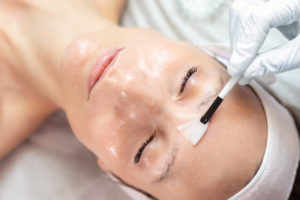
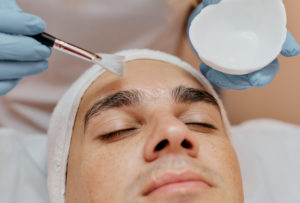
    Your cosmetic practitioner will cleanse your face, removing makeup and oil, then carefully apply the peel mixture to your face. The peel has time to work, and then the application is washed off, you are re-moisturised, given after-care instructions, and sent on your way. At ENRICH Clinic, our nurses often undertake the glycolic and fruit acid peel procedures whilst our doctors perform the deeper peels.

    Warning: stay out of the sun after a peel

    Deeper peels may require specialised after-care, but in all cases, staying out of the sun completely or wearing lots of sunscreen is really important, at least for a little while. This is because your protective outer layer of skin is gone, and the fresh new cells underneath are very susceptible to UV damage. UV exposure can result in pigmentation developing.

    Protecting yourself physically from the sun includes incidental sun exposure while driving around, even on a cloudy day, steering clear of sunny windows, and avoiding sitting by water, even with a hat on.

    Post-inflammatory pigmentation is real, and you can ruin the effect of your chemical peel in no time, giving yourself a new reason to go back to the dermatologist.

    What to expect after a chemical peel

    • Some redness and warmth
    • Possible flaking or scaling, depending on the depth of the peel
    • Dry skin
    • With deeper peels, you may experience some swelling
    • Tenderness or tingling
    • Sun sensitivity
    • Once the initial effects wear off, brighter, refreshed skin

    Chemical peels are considered an effective cosmetic treatment and certainly have their place in our arsenal against that pesky top layer of dry, dull skin. Most skin types can tolerate a chemical peel. However, not everyone is a suitable candidate. Speak to any one of our cosmetic nurses or doctors for an assessment of your skin to see if you are suitable.

    Contact our friendly team for an appointment

  • How to exfoliate correctly

    How to exfoliate correctly

    exfoliate skinExfoliating is a controversial activity. We can be led to believe that forcibly removing dead skin cells leaves skin fresh and radiant, but this isn’t always true.

    In fact, when exfoliating is not done correctly, it can cause your skin to become dry, itchy, and then, extra greasy. This is because your skin reacts to having its natural oils stripped off by becoming more oily to compensate for its loss. This happens all over our body, and is a natural response to something being out of balance – the body tries to even it out. This is how we maintain homeostasis: the ultimate balancing act.

    Exfoliating is not for everyone and not for every part of the body. Exfoliating, more than just your towel while drying yourself, for example, can make acne or breakouts worse. The action of your towel is quite enough exfoliating for most people, which might seem gross – aren’t the dead cells supposed to come off in the shower? – and is why your towels start to smell if you don’t wash them. There is still plenty of you coming off in the towel – oils, dead skin cells, bits you missed. (This is normal and healthy and no amount of scrubbing or washing will change this.)

    Exfoliating too hard can also damage the skin, so understanding your skin type can be the clue to getting the most out of your exfoliation program – which might include not exfoliating at all.

    Figuring out what your skin type is:

    • Normal skin – clear, not sensitive
    • Sensitive skin – can sting/burn after using certain products, reacts to a lot of things
    • Dry skin – flaky, itchy, rough
    • Oily skin – greasy, shiny, slick in certain areas
    • Combination skin – a mixture of dry and oily

    How you exfoliate matters – mechanical or chemical?

    Mechanical exfoliation is the manual labour kind, with exfoliation gloves, creams with tiny beads or abrasives, and other rubbing-action styles with brushes, sponges, or scrubbers. Chemical exfoliation is the style used in chemical peels to dissolve skin cells.

    How to exfoliate correctly:

    • Don’t go over the same skin over and over with mechanical exfoliation and stick to areas that may need it – elbows, knees, but avoid exfoliating your face.
    • Some over-the-counter products can cause your skin to become more sensitive or to peel. You may already be using exfoliating products, so check the ingredients.
    • Anyone with dry, sensitive or breakout-prone skin should avoid exfoliating
    • Anyone with oily skin may wish to try chemical peels or even laser resurfacing.
    • Anyone with dark skin or pigmentation problems should avoid exfoliating due to the risk of pigmentation issues.
    • Be kind! Your skin doesn’t need to be beaten into submission. Gently gently.
    • Apply moisturiser immediately after drying yourself after exfoliating to maintain hydration.
    • Choose a realistic schedule – don’t overdo it. Less can be more.

    Talk to your dermatologist about your skin.
    Contact us

  • Non-invasive and minimally invasive treatments for acne scarring

    Non-invasive and minimally invasive treatments for acne scarring

    acne scarring treatmentsThere are several options for treating acne scarring without much downtime. These include:


    The Secret 

    The Secret Microneedling Fractional Radio Frequency (RF) system is a unique technology, ideal for facial rejuvenation. The treatment improves scars and plumps and tightens the skin by applying precisely controlled radio frequency energy directly into various depths of the skin with microneedles. The combination of radio frequency and microneedling induces collagen production and strengthens elastin fibres. Microneedling does damage the skin initially, but allows for collagen to be regenerate and increased during the healing process.

    Read more about The Secret.

    Glycolic Acid Face Peels

    These peels are effective for both active acne and mild acne scarring treatment, for mild pigmentation as well as refreshing the skin, by removing the dead surface layer, unblocking pores and leaving a glowing complexion. After the peel there may be some mild redness for around 30 minutes.
    Read more about peels.

    Topical vitamin A preparations

    Topical treatments can help stimulate collagen production, and smooth skin.

    Micro-dermabrasion with Erbium laser

    This is true dermabrasion (not like crystal dermabrasion). It gently abrades the skin, with mild redness for 24 hours afterwards.
    Read more about microdermabrasion.

    RevLite laser

    RevLite laser is a gentle treatment for improving skin texture, reducing pore size and generally making the skin look fresher. Because it is a gentle treatment with no downtime whilst still achieving collagen stimulation, multiple acne scar treatments are required but there is absolutely no interruption to your daily life.

  • Dark skin tones and chemical peels – what you need to know

    Dark skin tones and chemical peels – what you need to know

    dark skin tones treatmentsDark skin comes with its own characteristics and tendencies, with pigmentation being a major cause of dermatologist visits. There are some misconceptions regarding chemical peels in dark skin, which can be used with great success for pigmentation problems – an issue dark skin is prone to.

    Pigmentation in darker skin 

    Pigmentation is an issue for many people, with darkening (melasma), lightening, and loss of pigment (vitiligo). It’s not that these issues are necessarily less common in lighter-skinned folks, but they are simply more obvious on darker skin.

    Melasma

    Melasma is a condition whereby grey-brown patches of pigment appear on the skin. This is more pronounced in darker skins, because there is more melanin available. Read more about reducing the appearance of melasma.

    Vitiligo

    Vitiligo is a skin condition whereby there is a loss of pigment in patches, which is much more obvious on darker skin because the contrast is greater. This occurs on pale skin too, but you can’t see it as easily. Vitiligo is associated with autoimmune conditions, though it may appear on its own.

    Post-inflammatory pigmentation

    Dark spots appear on the skin after damage or trauma to the skin. It is more pronounced in dark skin due to extra melanin.

    Sun-damage hyperpigmentation

    Sun damage can cause hyperpigmentation of the skin, and dark-skinned people do – despite popular belief – need to protect their skin from UV rays with sunscreen.

    Chemical peels

    Chemical peels on darker skin are performed slightly differently to paler skin types, with an experienced dermatologist knowing how to treat darker skin correctly to avoid issues.

    There has been long-running misunderstandings about darker skins and chemical peels, believing that burning or post-inflammatory pigmentation could become a problem, but done properly, chemical peels on darker skin types are a great tool.

    Chemical peels can increase collagen production, reduce pore size, reduce excess oils on the skin’s surface, and reduce visible signs of ageing. Chemical peels can also solve or manage some pigmentation problems.

    Got pigmentation problems?
    We can solve them.
    Contact us