Category: Hyperhidrosis

  • Still sweating in cold weather? Managing Excessive Sweating (Hyperhidrosis)

    Still sweating in cold weather? Managing Excessive Sweating (Hyperhidrosis)

    Sweating isn’t just a summer problem — for people with hyperhidrosis, it can happen in any season. Whether it’s winter, summer or spring, excessive sweating can strike without warning, leaving clothes damp and sweaty.  While most of us sweat to cool down, those with hyperhidrosis experience overactive sweat glands that keep working even when the weather doesn’t call for it.

    Managing Excessive Sweating (Hyperhidrosis): Understanding Your Options

    If you find yourself sweating for no clear reason — even in cool weather — you may have this condition called hyperhidrosis, also known as excessive sweating. Hyperhidrosis can affect the underarms, hands, feet, and sometimes the face or scalp, leading to damp clothing, discomfort, and social anxiety.

    At ENRICH Clinic Melbourne, our experienced dermatologists and practitioners offer medically guided options to help manage excessive sweating safely and effectively.

    What Is Hyperhidrosis?
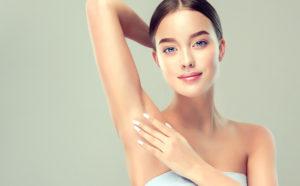
    Hyperhidrosis is the medical term for excessive sweating beyond what is required for temperature control. People with this condition may experience noticeable sweating even when resting, in cool environments, or without emotional stress.

    The condition typically affects:

    • Underarms (axillary hyperhidrosis)

    • Hands (palmar hyperhidrosis)

    • Feet (plantar hyperhidrosis)

    • Face or scalp (craniofacial hyperhidrosis)

    For many, the condition begins during adolescence but can persist throughout life if not addressed.

    Why Does It Happen?

    Sweating is controlled by the sympathetic nervous system, which sends signals from the brain to sweat glands. In hyperhidrosis, these signals are overactive, causing glands to release sweat even when the body doesn’t need cooling.

    In most people, hyperhidrosis is primary (without an underlying medical cause). In fewer cases, it can be secondary, triggered by another condition such as hormonal changes, certain medications, infections, or metabolic disorders.

    Living With Excessive Sweating

    Constant dampness can be frustrating and embarrassing. You may notice:

    • Clothing stains or the need to change clothes often

    • Difficulty gripping objects or shaking hands confidently

    • Discomfort when writing, typing, or using tools

    • Cold, clammy skin

    • Emotional distress or avoidance of social situations

    Fortunately, there are both at-home management strategies and medical treatment options that can help reduce excessive sweating and improve comfort.

    Managing Hyperhidrosis at Home

    Mild cases of hyperhidrosis can sometimes be improved with practical steps:

    • Antiperspirants:
      Use aluminium chloride-based antiperspirants designed for hyperhidrosis. These work by temporarily blocking the sweat ducts. Stronger medical-grade products are available via prescription if supermarket versions aren’t effective.

    • Breathable clothing:
      Wear loose, natural fabrics that allow airflow and absorb moisture.

    • Absorbent pads or dress shields:
      These can help protect clothing and maintain dryness under the arms.

    • Lifestyle factors:
      Manage triggers such as caffeine, spicy food, and stress, which can sometimes increase sweating.

    However, for moderate to severe hyperhidrosis, these approaches may not be enough. In such cases, medical treatments may be considered.

    Medical Treatments for Hyperhidrosis

    At ENRICH Clinic, we use clinically tested, evidence-based options that target the sweat glands or their nerve signals directly. The two main treatment pathways are nerve-blocking treatments and energy-based (thermal) devices such as MiraDry.

    Nerve-Blocking Treatments

    Nerve-blocking treatments involve precise placement of small amounts of a nerve-blocking agent just beneath the skin. This temporarily interferes with the nerve signals that instruct sweat glands to produce sweat, effectively reducing their activity.

    These treatments can be used for:

    • Underarms

    • Palms

    • Soles of the feet

    • Sometimes the scalp or forehead (depending on suitability)

    Each treatment session takes around 30–45 minutes, and results can last for several months before a repeat session may be required. Over time, many patients schedule maintenance sessions based on their individual response.

    As with any medical procedure, there can be discomfort, bruising, or local tenderness during or after treatment. These effects are usually temporary and vary between individuals.

    Nerve-blocking needling offers a temporary but effective solution for many people who prefer a reversible option before considering longer-lasting procedures.

    MiraDry® Thermal Treatment

    For a longer-term solution specifically targeting underarm sweating, the MiraDry® system uses controlled thermal energy to reduce the number of sweat glands.

    The device works by gently heating the tissue beneath the skin’s surface, disrupting sweat and odour glands while cooling and protecting the upper layers of skin. Because sweat glands do not regenerate, this process has a lasting effect in the treated area.

    Key points about MiraDry®:

    • Suitable for underarm hyperhidrosis only

    • Each session takes around 60 minutes

    • Most people notice a reduction after one session, though some may benefit from a second treatment

    • Temporary swelling, numbness, or tenderness may occur for several days to weeks afterward

    • The degree of reduction varies between individuals

    MiraDry® cannot be used for the hands or feet. The suction mechanism and microwave energy it uses are not compatible with those areas due to the proximity of important structures like tendons, arteries and nerves close to the surface of the skin.

    Hyperhidrosis of the Hands and Feet

    Excessive sweating of the hands (palmar hyperhidrosis) and feet (plantar hyperhidrosis) can significantly affect daily life. People with these conditions often describe avoiding handshakes or feeling embarrassed in professional or social settings.

    For these areas, treatment options include:

    • Topical antiperspirants or prescription creams

    • Nerve-blocking needling performed by an experienced medical practitioner

    • Oral medications (in some cases, to reduce overall sweating)

    • Surgical interventions (only for select, severe cases)

    Each approach has its own benefits and considerations, and a consultation with a dermatologist can help determine the most suitable option.

    Choosing the Right Option
    The best treatment depends on:

    • The areas affected (armpits, hands, feet, etc.)

    • The severity of sweating

    • Your comfort with temporary vs. longer-lasting outcomes

    • Medical suitability and personal preference

    At ENRICH Clinic, your treatment plan is always tailored to your needs and delivered by qualified medical professionals.

    What to Expect at ENRICH Clinic

    During your consultation, a practitioner will assess your symptoms, medical history, and lifestyle factors contributing to sweating. They’ll discuss suitable options, explain the process, and ensure you understand possible risks and expected outcomes before proceeding.

    All procedures are performed in a clinical setting using medical-grade devices. You’ll receive aftercare guidance to support recovery and comfort following treatment.

    While individual results vary, our goal is to help you manage your symptoms safely and effectively so you can regain confidence and comfort in your daily life.

    When to Seek Advice
    you experience:

    • Constant sweating that interferes with work, relationships, or daily life

    • Damp clothing even in cool conditions

    • Skin irritation or infections caused by moisture

    • Emotional distress related to excessive sweating

    …it may be time to seek professional support.

    Our team at ENRICH Clinic Melbourne can assess your situation and develop a management plan that fits your needs.

    The Takeaway

    Hyperhidrosis can be more than a physical concern — it can affect confidence, comfort, and quality of life. Fortunately, safe, evidence-based treatments exist to help reduce excessive sweating and restore balance.

    Whether you choose nerve-blocking treatments or MiraDry®, our goal is to help you feel comfortable and informed every step of the way.

    Book a consultation with ENRICH Clinic to discuss your options and see how we can help you manage hyperhidrosis effectively.

    Contact us  or call 03 9500 9500 for your stop the sweat consultation!

  • What to do about super sweaty armpits

    What to do about super sweaty armpits

    Sweaty armpits can be distressing. Having to take a change of clothes with you, worrying about odours, and checking for sweat stains takes up a lot of mental and emotional energy.

    Getting treatment for super sweaty armpits means getting a diagnosis of hyperhidrosis, which is done by a doctor. At ENRICH Clinic, we can diagnose and treat hyperhidrosis effectively. Try us!

    Hyperhidrosis

    Hyper = excessive
    Hidrosis = sweat

    When you talk to us about your super sweaty armpits, we’ll ask you about your medical history and symptoms. We’ll need to do a physical examination to make sure everything looks and feels good before we can recommend any treatments.

    We may request blood, urine or laboratory testing, to see if your sweating has an underlying cause, such as hyperthyroidism (an overactive thyroid) or hypoglycaemia (low blood sugar).

    The super sweat test

    There are a few different tests we can use to determine the level of sweat produced by your body. We also use these tests to pinpoint where exactly the sweating is focused. These tests assist us in providing the right treatments.

    How we treat hyperhidrosis

    At ENRICH Clinic, we have two main methods to treat hyperhidrosis including the MiraDry treatmennt – talk to us abotu your options.

    The miraDry device uses microwave energy to heat the deeper layers of skin where your sweat glands live. The upper levels of the skin are gently sucked into the handpiece and cooled, so we treat just the layer containing the sweat glands.

    The thermal microwave energy heat-damages the sweat glands to the point that they can’t grow back or produce sweat.

    treatment for excessive sweating

    Why we love miraDry

    • Long-lasting sweat treatment for underarms
    • Non-surgical, non-invasive
    • Dramatically reduces underarm sweating and resultant odour
    • Between one to three treatments required
    • Return to exercise in a couple of days
    • Some swelling and sensitivity of underarm to resolve

    MiraDry treatments are clinically proven with an average of 82 per cent sweat reduction and an 89 per cent odour reduction. These results are averages, so be aware that individual results may vary. Some of you will see more significant sweat reductions, while some will see less.  Miradry can only be used under the arms, and not for any other sweat prone areas.


    Palm and sole treatments

    We can treat other parts of the body with a diffrent treatmetn to Miradry, for example, the palms of the hands, which offers an 80-90 per cent reduction in sweating. Hand itreatments  are repeated at six-monthly intervals since the hands are a high-traffic area. The more we use an area of our body and the more it moves, the faster the substance will absorb.

    We can also apply neuromodulating treatments  to the soles of the feet; however, feet treatments are not nearly as effective as other parts of the body, such as the hands and armpits in stopping sweating..

    Hyperhidrosis treatments can take 10-15 minutes for certain body areas, but the Mira Dry treatment for underarms is much longer. You aren’t required to do anything special for your aftercare except to avoid intensive exercise or a hot sauna on the day of the treatment. We advise not shaving your armpits for 3-4 days before the procedure.

    Come and see us and we’ll help you decide before summer hits! There are pros and cons to each treatment, and figuring out your preferences is important to us.

    Be free.
    Contact us for a consultation

    ENRICH Clinic

  • Why two skin treatments can offer 3X the result

    Why two skin treatments can offer 3X the result

    Combining skin treatments may seem like double the effort, but it could offer triple the benefit. There is no single ‘best’ treatment when it comes to your skin. Often a few excellent procedures combine that offer, together, even better results than you’d see with just one treatment alone.

    If you are concerned about signs of ageing (wrinkles, blemishes, brown spots or sallow cheeks), you aren’t going to find one single best treatment. A laser may work well on your skin tone, while an anti-wrinkle injection may be useful to stave off a deep wrinkle.

    Age and sunspots are treated with a laser, chemical peel or another light-based treatment, while sallow cheeks can also be treated with hydration increasing treatments.

    Finding treatments that complement one another is key to getting the 1 + 1 = 3 effect. We love combining treatments because the results can often be three times more effective!

    Ageing is a complicated process

    There is no one-size-fits-all when it comes to how your face is going to age or what concerns you the most. There is an intricate pattern of wrinkles, some that stay static (like a frown line) and those that appear on flatter surfaces of the skin (think forehead and cheeks).

    We lose facial volume, which in turn results in new folds and contours appearing over time. Blood vessels can also become more prominent.

    The multifaceted process of ageing, therefore, is best served with a combination cosmetic approach.

    Treatments that work well in combination

    Needling, lasers, intense pulsed light (IPL), microdermabrasion, chemical peels, hydration treatments and high-quality skincare products can all be used together in various combinations for positve cosmetic outcomes.

    We use these combos a lot at ENRICH Clinic, where Dr Michael Rich is a great proponent of the multi-treatment approach. The treatments can often be performed in one appointment but may be scheduled over several appointments where necessary.

    Classic treatment combos

    • Laser and radiofrequency
    • Hydration and wrinkle reducing treatments
    • Acne medication and topical acne or acne scarring treatments
    • Skin needling (The Secret) and chemical peels
    • Peels & Diodes
    • Ultraformer (HIFU) and lasers

    What is the best cosmetic treatment combination?

    The best cosmetic treatment combination for you depends on your skin concerns. Talk to your cosmetic dermatologist or doctor to see what their thoughts are. Consultations are the key as well as developing a long-term plan for your skin health, and also handy for budgeting!  Combination treatments can be different for everyone and depends on ou skin type, age, diet, gender and genetics.

    A break between treatments may be necessary, so your skin can do its thing

    Some procedures are, by necessity, performed away from others. For example, a robust collagen-boosting treatment requires at least a month, if not more, to reach its maximum potential. There’s not much point in doing more collagen-boosting treatments over the top. Your skin is already maxing itself out. However, this doesn’t mean you can’t do wrinkle-reducing treatment or even a pampering, ultra-hydrating facial.

    Other treatments require a break due to the way they function in the skin. For example, certain needle-based treatments need time to settle before other skin treatments go over the top. This timing is in place because the liquid can migrate, or the skin has been pierced so you have to be careful of infection for at least 24 hours — also, no facial massage after any kind of needling.

    Swelling from some treatments may impede the effect of others, so a break for healing may be useful for the best outcomes for some combined treatments. You don’t have to have them done in the same appointment for the combination treatment effect to come into play.

    Using lasers and other wave-based treatments in combination

    Some cosmetic devices are designed to penetrate more deeply than others, which is why we may utilise the powers of two or more wave-based devices as a combination treatment.

    One such combination may be a radiofrequency device, which penetrates deeper layers, with a laser that works on the skin’s surface. This way, skin gets a deep treatment that stimulates, tightens and strengthens as well as undergoes a smoothing, brightening, resurfacing treatment. Here’s a paper on a study that reviewed how certain combination treatments can be effective.

    Your cosmetic doctor knows the best combination of treatments. 

    If you’re not sure what you need, don’t worry! We do. Come in for a consultation, and we’ll help you figure out the best course of action for your skin.


    Let us get the most out of your skin.
    Contact us for an appointment

    ENRICH Clinic

  • 7 reasons you might be sweating too much

    7 reasons you might be sweating too much

    too much sweat treatmentSweating is our body’s way of letting off steam, so to speak, releasing heat into the universe and away from our skin.

    Temperature control, however, is just one reason why we sweat. Sweating is a complex set of interactions that involves multiple systems within us. We use the skin, glands, and the nervous system, plus areas of the brain that control our core body temperature.

    1. Hyperhidrosis

      Hyperhidrosis is a condition that affects an estimated third of all humans, with ‘primary focal hyperhidrosis’ the term used to describe ‘excess’ (as in, we don’t like it) sweating that appears in certain areas: palms, underarms, and your face. The sweating is deemed to be in ‘natural’ areas and appears on both sides equally.

      Why? We don’t really know. Those with hyperhidrosis do not have larger or more sweat glands than anyone else, so like everything else: when we don’t know, we like to blame genetics. Excessive sweating treatments for hyperhidrosis are available at our Melbourne clinic, and you can read more about excessive sweating treatments here.

    2. Pregnancy

      Many pregnant women complain of sweatiness, which usually happens due to an increase in body temperature during pregnancy. Hormone levels cause increased blood flow to the skin, increase your metabolism, and cause sweating.

    3. An overactive thyroid

      The thyroid is responsible for managing our metabolism, so when your thyroid dials itself up, we sweat more. Hyperthyroidism produces excess thyroid hormones, causing your sweating to ramp up along with all your other body systems.

      Sweating is not the only symptom of hyperthyroidism, since a rushing metabolism means weight loss, sleeplessness, and fatigue. See your doctor if you think you may have these symptoms, since hyperthyroidism can be treated. Excessive sweating treatments for those with overactive thyroids is most likely to revolve around treating the thyroid.

    4. Hitting menopause

      Perimenopause is the time just prior to a woman entering menopause – meno meaning menstruation (periods) and pause meaning, well, pause – stop – period stop. This stage of a woman’s life causes hormonal changes that can result in hot flushes that cause sweating.

      These hot flushes can happen at any time, night or day, and can be quite disruptive and are pretty uncomfortable. Luckily, hot flushes will eventually end as menopause kicks in for real. Excessive sweating treatments for those in perimenopause are management strategies, and for some, perhaps hormonal modulations.

    5. Type I and II diabetes

      Diabetics can have increases in sweating as a physiological response to either low blood sugar, a peculiar food response, or even at night. A marker of blood sugar falling below proper levels is sweating.

      The peculiar form of sweating is called ‘gustatory sweating’, which occurs in some diabetics with nerve damage. Gustatory sweating occurs when a diabetic thinks about food or eats food, with the sweating typically only occurring from the shoulders up. Diabetics can also get night sweats (nocturnal hyperhidrosis) but this is not just for diabetics – those with infections, sleep apnoea and hormone issues may sweat at night. Excessive sweating treatments in diabetics are likely to focus on blood sugar regulation and management strategies.

    6. Sweat by medication

      Some drugs can cause sweating, in particular, a class of drug called a diaphoretic. You can find a long list of these sweat-inducing drugs at the International Hyperhidrosis Society. If you suspect your medicine may be causing your sweating, check the list and known side effects in the drug information sheet that comes in the packet.

      Excessive sweating treatments for those on medications could include switching or reducing the dose of medications, and in the case where this is not possible, establishing management strategies.

    7. Being nervous or anxious

      Your body is hardwired to produce sweat when you get nervous or anxious – that is, if you feel threatened. Stress hormones are deemed to be responsible for this. Some theories suggest that we sweat more during stressful times so that water can be eliminated via the skin (as opposed to the kidneys), possibly to reduce the need to urinate in an emergency.

      Your breathing and heart rate will also increase to push blood into the areas of your body – muscles, heart – that you need to run away or fight if necessary. This causes an increase in temperature; thus sweating is used to regulate body temperature. Anyone with anxiety disorders may need management strategies that include excessive sweating treatments. Speak to your doctor for more information on your individual case.

    Need to get your sweating under control?
    Talk to our Melbourne clinic.