Category: Hair Loss

  • Thinning Hair: Causes, Treatments, and When to talk to your Dermatologist.

    Thinning Hair: Causes, Treatments, and When to talk to your Dermatologist.

    Thinning hair can feel unexpected, or even overwhelming—but it’s also incredibly common. Many people experience noticeable changes in their hair density at some stage of life, and while it’s not always a sign of a medical issue, understanding why it happens is the first step to getting the right help.

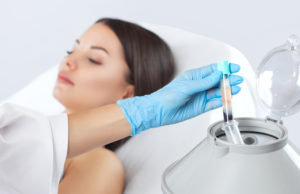
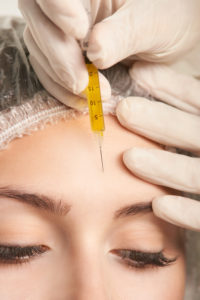
    At ENRICH Clinic, our dermatology team—including Dr Bevin Bhoyrul and Dr Michael Rich—regularly diagnose and treat hair loss using evidence-based medical dermatology, regenerative options such as PRP (Platelet-Rich Plasma), and advanced red light therapies designed to improve scalp health and stimulate follicles as well as oral medication. 

    This guide covers the most common causes of thinning hair, the treatments that may help, and when it’s time to seek expert care.

    Not All Hair Loss Is the Same (And Why That Matters)

    It’s important to understand that thinning hair is not one single condition. Hair loss is an umbrella term, not a diagnosis. Genetics, hormones, stress, illness, autoimmune activity, nutritional deficiencies, and even certain hairstyles can all play a role. Each cause affects the hair follicles in a different way—some slow growth, some push hair into shedding mode, and others damage the follicle directly.

    Because of these variations, symptoms, speed of progression, and treatment options will differ dramatically from person to person. This is why an early professional diagnosis is so valuable.

    Below are the main types of hair loss our dermatologists commonly diagnose.

    Genetic Hair Loss (Androgenetic Alopecia)
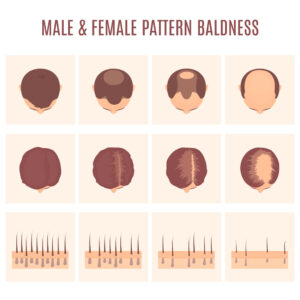
    The most common cause of thinning hair is Androgenetic Alopecia.

    Androgenetic Alopecia—often called male pattern baldness or female pattern hair loss—is the most common cause of thinning hair. It’s a hereditary condition, which means the genes that influence hair follicle sensitivity are passed down through families. But genes are only part of the story. A combination of hormones, follicle changes, age, and individual biology all contribute.

    Common signs include:

    • Men: receding hairline, thinning at crown
    • Women: widening part line, diffuse thinning on the top of the scalp
    • Miniaturised (smaller) hairs in affected areas

    Why does it happen?

    The Hair Follicles Become Sensitive to DHT 

    This hormone causes them to shrink and produce finer hairs over time.

    • DHT is a by-product of testosterone and is present in all genders.
    • Some people inherit follicles that are more sensitive to DHT.

    When DHT attaches to these sensitive follicles, it can trigger a process called follicle miniaturisation.

    Weirdly, DHT seems to be trending on social media of late, with lots of “experts” looking to sell and help you replace that hormone. Buyer beware, and it is always best to get an opinion from a real expert such as a dermatologist whose specialty is skin, hair and nails. 

     Miniaturisation: The Follicle Shrinks Over Time

    Miniaturisation means the hair follicle gradually becomes smaller. As this happens:

    • hairs become shorter
    • strands become finer
    • the growth phase shortens
      more hairs enter the resting (shedding) phase

    Eventually, the follicle may produce “vellus” hairs—very fine, almost invisible strands—or stop producing hair entirely.

    Hormones and Age Play a Major Role
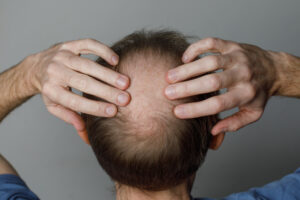
    Androgenetic alopecia can begin at any age after puberty but often becomes more noticeable:

    • in men: 20s–40s
    • in women: around perimenopause or post-menopause

    Why?
    Because hormones naturally shift with age. In women, lower oestrogen levels mean hair follicles are more influenced by androgens such as DHT.

    Treatment options at ENRICH Clinic and DIV  may include:

    • Topical or oral medications (prescribed by our dermatologists)
    • Needling-based therapies  can stimulate follicles
    • Low-level red light therapy for scalp circulation and follicle activity
    • Personalised combinations based on severity and goals

    Early intervention gives the best outcomes.

    Temporary Hair Shedding (Telogen Effluvium)
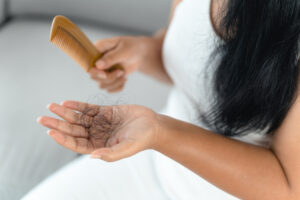
    Often stress-related or hormonal

    This type of hair loss is usually temporary and happens when the body experiences a significant stressor—physical or emotional.

    Common triggers include:

    • Illness or high fever
    • Surgery
    • Hormonal shifts (postpartum, menopause, thyroid imbalance)
    • Crash dieting or iron deficiency
    • Emotional stress or trauma

    Shedding often appears two to three months after the trigger, and while it usually resolves, recovery may take several months.

    Dermatologist-guided care can help by:

    • Identifying and treating underlying causes
    • Supporting regrowth with needling-based therapies, medications  and LED red light therapy
    • Improving scalp health to optimise recovery

    Autoimmune Hair Loss (Alopecia Areata)

    Patchy or sudden hair loss

    Alopecia Areata is an autoimmune condition where the immune system mistakenly attacks hair follicles, causing round or oval patches of hair loss.

    In more severe cases, it may affect:

    • Eyebrows
    • eyelashes
    • beard
    • the entire scalp (Alopecia Totalis)

    Treatment typically involves:

    • Prescription topical or medications
    • Immune-modulating therapies
    • Scalp treatments to encourage regrowth
    • Supportive options like PRP, depending on the case

      Early diagnosis is key to managing flare-ups and protecting follicle health.

    Scarring Alopecia (Cicatricial Alopecia)

    Less common, but requires urgent diagnosis

    This is a group of inflammatory conditions that cause permanent follicle damage if not treated early. Symptoms may include:

    • burning scalp sensation
    • redness or scaling
    • tenderness
    • visible changes in scalp texture

    Because follicle loss is permanent once scarring occurs, a vist to your dermatologist is key to recovery. 

    Traction Alopecia

    Hair loss from tension or styling habits

    Repeated pulling on the hair from:

    • tight ponytails
    • Braids
    • hair extensions
    • chemical relaxers ( hair straightening treatments) 

    ….. can all damage follicles over time.

     Who would have thought that keeping your hair “tidy” could cause hair loss? If you have to put your hair up, try to use the softest bands you can find. Those rubber bands are not an option for good hair health. 

    If caught early, regrowth is often possible. If tension continues, follicles may scar.

    How ENRICH Clinic Approaches Hair Loss Treatment

    At ENRICH Clinic, we combine medical dermatology, including prescription and topical medications, regenerative therapies, and red light-based solutions to treat thinning hair.

    Platelet-Rich Plasma (PRP)

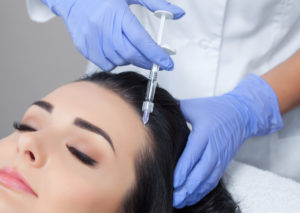
    PRP is a doctor-performed treatment that uses a concentration of your own platelets prepared from a small blood sample. It is commonly used in medical and dermatology settings, including for patients seeking support with hair-loss concerns.

    Red Light-Based Therapies

    ENRICH Clinic uses evidence-based energy devices to boost circulation, reduce inflammation, and encourage follicle repair.

    Low-level laser treatments using red light wavelengths can complement PRP and medical therapies for a synergistic effect.

    Medical Dermatology Expertise

    Consultations with Dr Bevin-Bhoyrul and Dr Michael Rich focus on:

    • diagnosing the type of hair loss
    • ruling out thyroid, hormonal, or autoimmune causes
    • prescribing topical or oral medications where appropriate
    • designing a personalised treatment plan

    When Should You Worry About Thinning Hair?

    Seek professional assessment if you notice:

    • sudden or rapid shedding
    • round patches of hair loss
    • redness, burning, itching or pain on the scalp
    • thinning that runs in the family and is getting worse
    • changes after illness, stress, childbirth or menopause
    • hair not growing back after 3–6 months

    A dermatologist can identify the cause, protect follicles, and start treatment early—often preventing long-term loss.

    Contact us to talk about your hair at ENRICH Clinic today

  • What is alopecia?

    What is alopecia?

    Alopecia is a general term for hair loss. There are many reasons for hair loss, ranging from stress, to drug reactions, pregnancy and many more. However, today we are talking about the autoimmune disorder alopecia areata.hair loss treatments melbourne

    Alopecia areata is an autoimmune disorder that causes hair to fall out. This hair loss usually presents as clumps that vary in shape and size. It can be confined to one area but can also be in multiple areas. There are many variables for different people. For some people, the hair will grow back permanently; for others, it will come back and fall out again, while for some, it simply will not grow back.

    There are many things you need to know about alopecia. This article explores who can get alopecia, the different types of alopecia, the symptoms, the diagnosis, and how to treat it.

    Who can get alopecia?

    In short, anyone can develop a form of alopecia. Hair or skin colour does not significantly impact your predisposition to any type of alopecia. Around one in 50 people will experience some form of alopecia in their lifetime. For context, this translates to around 150 million people worldwide. So if you have alopecia, you certainly aren’t alone! People are usually first affected after the age of ten and generally before the age of 40.

    Types of alopecia areata – the disease

    There are a number of different types of alopecia areata, which reflect just how varying hair loss can be in location and amount.

    • Alopecia areata totalis refers to loss of hair on the entirety of your head and is seen in about 5% of alopecia sufferers.
    • Alopecia areata universalis is the loss of hair on the entirety of your body, as you might imagine. This is very uncommon, appearing in less than 1% of people with alopecia.
    • Diffuse alopecia areata is a sudden thinning of your hair rather than lost patches.
    • Ophiasis alopecia areata is when hair loss occurs on top of the head. This leaves a band shape around the sides and back of your head and is seen commonly in men.

    Alopecia areata symptoms

    Hair loss is the most common symptom of alopecia areata and is often the only symptom. There are a number of indicators that you might be suffering from alopecia. They include small bald patches on any body part, which sometimes get larger and join each other into a larger bald section. Sometimes you might lose a lot of hair in a short space of time, which can be in different parts of the body. Often the hair loss will increase in colder weather.

    Symptoms outside of hair loss can include changes to your fingernails and toenails, such as brittleness and redder colour. They might also become rough or lose their shine. Despite no rash or redness in the skin, it is common to feel itching, tingling or even a burning sensation just before the hair falls out.

    There are also some signs within your hair itself that can indicate alopecia. These can include:

    • Exclamation mark hairs. These get narrower at the bottom and appear around the edges of bald patches.
    • White hairs. Which grow in bald areas.
    • Cadaver hairs. Which split before growing through the surface of the skin.

    Roughly 30% of people with alopecia will eventually see their hair loss become extensive or even fall out and regrow in a continuous cycle. Whilst nearly half of the people who develop alopecia will see their hair return in full within a year, the other end of the spectrum sees hair not returning at all. Around 10% of people with alopecia will eventually develop alopecia totalis or alopecia universalis.

    Alopecia areata causeshair loss in brush

    As an autoimmune disease – which refers to your immune system attacking your body – alopecia attacks your hair follicles. Alopecia is believed to be a genetic disease. As such, those with relatives who have alopecia are more likely to have the condition themselves. In addition, people with down syndrome, seasonal allergies or asthma are also more likely to have alopecia.

    Alopecia can also be caused by stress and hormonal factors. For example, significant physical or emotional stress can lead to thinning in the hair or even hair loss in patches. In many such cases, hair will grow back within a few months. Pregnancy, childbirth and menopause also lead to alopecia quite often.

    Other factors such as burns or injury can cause alopecia. Iron or protein deficiency, excess Vitamin A intake, and even rapid weight loss are all factors that can lead to alopecia.

    There are some myths about hair loss as well. No, having dandruff or wearing hats will not cause you to lose your hair; it is not a form of cancer, and it is NOT contagious!

    Alopecia diagnosis

    You should see a dermatologist if you think you have any form of alopecia. This way, you can discuss your symptoms with an expert, who will go through the relevant processes. These can include testing how easily hair comes out of your skin, checking your fingernails, or in rare cases, performing a biopsy. This is the removal and study of a small section of your skin.

    But generally speaking, diagnosing alopecia is a very straightforward process. Biopsies and further tests are rare because alopecia symptoms are so distinctive that doctors can usually diagnose it without further extensive examination.

    Hair loss treatments grow hair back Melbourne

    Alopecia treatment

    Alopecia areata cannot be cured, but it can be managed with the right treatment. The good news is it’s possible you grow back hair that has fallen out.

    There are a number of different medications and treatments that can help with alopecia in general. Hair can be regrown because the hair follicles are still alive in an alopecia patient. Specific medications are designed to stimulate hair growth. These vary significantly in the treatment process, and you should consult your doctor about any potential treatments you are considering.

    When the hair loss is significant or repetitive, topical immunotherapy is a common treatment. This is a unique process in which chemicals are applied to the scalp to cause a type of allergic reaction. Success is when the treatment reaction causes the hair to grow back. Of course, this varies from patient to patient and alopecia type.

    Get in touch

    Need to treat your hair loss or need an alopecia diagnosis? You can contact us at the ENRICH Clinic by calling 03 9500 9500 or visiting our contact page. We provide a lot of information and high-quality hair loss treatments.

  • How menopause affects your body

    How menopause affects your body

    Menopause is a process that will happen to all women at some point in their life. It is the time when you stop experiencing your monthly period, and it is most often the end of the reproductive lifecycle. Menopause symptoms are caused by a hormonal imbalance; these hormones being oestrogen and progesterone.

    No two women are the same, and they will experience menopause symptoms during the three main stages of menopause at different times and with different intensities. A key indicator that you are reaching menopause is when you have not had your period in 12 consecutive months.

    So, as anyone who has experienced menopause will attest to, the process is quite complicated, stressful, and can be very exhausting. There can be a number of health complications.

    face of woman of menopausal ageOn top of that, every woman’s experience of menopause is unique.

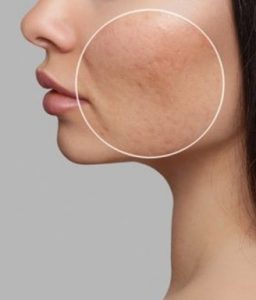
    According to Better Health Channel, most women will experience menopause between the ages of 45 and 60, with 51 being the average age, although it can happen outside of this timeframe. If menopause occurs before the age of 40 though, this is considered to be premature.

    There are many different symptoms of menopause, and it affects many other parts of your body. Thankfully there are different treatments that can lessen your symptoms and make the process slightly more bearable (or less unbearable?).

    The three stages of menopause

    • Perimenopause is when hormones start to change and decline and menstrual cycles become erratic. Hot flushes can begin at this time, as well as other menopause symptoms.
    • Menopause occurs when your body no longer produces hormones that cause your menstrual period. This is for 12 consecutive months. 
    • Postmenopause is after those 12 menopause months, and you remain in this stage for the rest of your life.

    Overall, menopause symptoms can last between 5- 10 years, sometimes even more. Every woman is different. 

    Menopause symptoms and treatments

    There are a wide range of symptoms, and not every woman going through menopause will experience all of them. These can be general symptoms or specific parts of your body that change. They include, but are not limited to:

    • Changes to your menstrual cycle are very common in the lead-up to menopause – or perimenopause. It can be periods occurring less often, but sometimes periods increase in frequency during this stage.sleeping problems during menopause
    • Hot flushes are alsoextremely common, defined as a sudden feeling of warmth in the neck or chest. According to Robert R Freedman, these can be defined as “feelings of intense warmth along with sweating, flushing, and chills”.
    • Sleeping problems can occur, which extends to general tiredness and lower energy levels.
    • Mood changes can be quite severe, with more leading situations leading to anxiety, irritability and sometimes depression.
    • Breast tenderness and, in some cases, quite severe pain.
    • Muscle pain, muscle tension and joint pain – even Osteoporosis.

    Menopause can also lead to weight gain, dry skin, increased heart rate, forgetfulness and irritability.

    Health Direct explains that menopause symptoms sometimes appear before your period stops. These symptoms can often be more severe in cases where menopause was brought on by surgery or cancer treatment. Furthermore, “hot flushes and night sweats are more common in women from Western cultures, while Asian women report more aches and pains, insomnia and mood changes.” As can be seen, menopause symptoms are highly variable.

    Enrich Clinic can help

    For some of the more specific symptoms, ENRICH Clinic offers a range of services and treatments that can help with some of the milder symptoms of menopause.

    Adult Acne

    acne scarring during menopause

    A lesser-known result of menopause is the occurrence of adult acne. In the study Menopausal Acne – Challenges And Solutions, Khunger and Mehrotra observe that acne is a common side-effect of menopause. The study states that the “etiology of menopausal acne is multifactorial, with hormonal imbalance being the major culprit”. Whilst the hormonal imbalance is hard to manage without some form of replacement therapy, there are options to treat acne.

    ENRICH’s acne and acne scar treatment options are wide-ranging, offering treatments and strategies to help manage your acne. 

    Dry Skin and Itchiness

    More broadly, menopause can cause skin dryness and itchiness. As the Australian Medical Centre describes, some women have experienced “a sensation like insects crawling under their skin”.

    Skin breakouts can be helped with regular treatments, but they have to be the right ones. As all cases are different, we would love to have a chat about your situation and establish the best possible method to address your acne. You can call us on 03 9500 9500, or come and see us at 872 High St, Armadale.

    Hair loss

    hair loss during menopause

    Menopause has been linked to hair loss and hair thinning. In their paper Skin Ageing, Calleja-Agius, Muscat-Baron and Brincat state, “The onset of menopause can lead to a diffuse or an androgenic alopecia”. They also note that there are a number of compilations with menopause that can lead to hair loss and thinning. 

    Thankfully, there are hair loss treatment options that can help.

    At ENRICH, we use PRP (platelet-rich plasma) and other solutions tailored to our patient’s needs. Check out our hair loss treatment truths blog for a quick hair loss overview.

    Spider veins

    During menopause, you might develop spider veins, which are thankfully less terrifying than they sound. They are sometimes confused with varicose veins, which are “knobbly, twisted and darkish-blue in appearance”, as explained by Better Health. “Spider veins are like varicose veins, but smaller and closer to the surface of the skin. They are often red or blue, and can look like tree branches or spider webs.” They cover variable areas and usually appear on your legs or face.

    We offer Sclerotherapy for spider veins, which involves injecting the vein with a solution that causes it to collapse, and renders it useless. There can be side effects to this treatment, but this is uncommon. This is not to be confused with surgical varicose treatments, which ENRICH does not offer.

    Our Excel V treatments are also an option. These can reduce redness in your face and treat unsightly blood vessels. You can learn more about these by reading our Excel V Laser for Blood Vessels blog.

    Other Skin Conditions

    Without the “anti-ageing” influence of oestrogen, our skin can suffer from laxity and reduced collagen production. Menopause can often make our skin either break out or become dry.  Looking after our skin health is key during this time. Following a treatment plan set specifically for your skin at this time can not only help with the physical but also play a big part in your mental well-being. Feeling good about your skin is not spoiling yourself, it’s essential, especially during menopause. 

    Given there are so many varied changes you go through during menopause, it is easy to feel stressed out and for the process to negatively affect your mental health. It is crucial to take care and be kind to yourself during this time, as this can give you that vital boost you need to get through the process.

    We can help

    Contact us

  • Men and women: don’t wait to get help for hair loss

    Men and women: don’t wait to get help for hair loss

    Hair falls out for many reasons; perhaps your thyroid is suffering, you’ve just given birth, your iron levels are too low, or indeed you are experiencing pattern baldness that you’ve long been expecting. 

    Men and women both experience hair loss, sometimes for the same reasons and sometimes not, so working out why your hair is falling out is an important first step to course-correcting. 

    Hair may fall out slowly or in clumps, offering clues as to what’s going on in your body, so don’t ignore hair loss and hope it’ll stop or go away by itself; it may get worse and worse, causing irreparable damage to hair follicles. Treatment is easier and more effective during early hair loss. 

    hair regrowth for women

    Make an appointment with a specialist hair loss dermatologist now

    Hair loss is frequently a long-lasting state, so the earlier you catch it, the more effectively you can interrupt the process causing the hair to fall out. Book in with a specialist hair loss dermatology clinic like ENRICH Clinic in Melbourne sooner rather than later to be assessed. 

    It can be easy to be in denial about hair loss – it usually occurs slowly, so it isn’t dramatic and doesn’t spur you on to action when you’re pretending it isn’t happening. When you first notice hair falling out, it is the right time to try to stop hair loss in its tracks, preserve follicles, or undergo treatment for a medical condition.

    Not all hair loss is challenging to reverse; for example, pregnancy-related female hair loss isn’t the same as male pattern baldness. The hair loss after giving birth is related to the drop in oestrogen, while male pattern baldness is related to an abundance of a specific type of testosterone, which harms head-hair follicles (but paradoxically can contribute to extra facial and body hair growth). 

    male hair loss treatment

    Hair growth treatments for men and women – Melbourne

    There are several treatments for hair loss, with a combination of treatments usually applied to a patient depending on their hair loss circumstances. 

    Some hair regrowth treatments include: 

    • Platelet-rich plasma (PRP) hair treatment
    • Minoxidil hair cream
    • Hormone therapies
    • Hair transplants (which we do not perform at ENRICH Clinic)

    Understanding PRP for hair loss in men and women

    PRP is a treatment for hair loss that involves first drawing blood, separating the plasma and platelets, and then injecting the platelet-rich plasma into a particular site on the body, in this case, the scalp. 

    PRP has an excellent track record and some solid science behind it for many medical treatments involving healing or rebuilding tissue, such as wound healing. However, individual results vary for PRP hair regrowth, and patients usually require more than one treatment for the best results. 

    What is PRP?

    The platelets in PRP are activated and release numerous growth factors: blood vessel growth factors, skin cell growth factors, and other important cell stimulating properties. The growth factors released from the platelets act on stem cells in the bulge area (base) of follicles, encouraging the development of and promoting blood supply to new follicles. The result is a new, healthy hair follicle growing a strong hair. 

    After PRP treatments, patient satisfaction is very high, and researchers believe that PRP could replace some other standard hair-loss treatments. 

    PRP is a low-risk, effective treatment for alopecia areata, an autoimmune disorder characterised by sudden patchy hair loss across the body. Alopecia areata is a complex condition with no cure. 

    minoxidil hair cream

    What is Minoxidil hair cream?

    We first heard of Minoxidil as a medication for high blood pressure, with a ‘side effect’ of extra hair growth (hypertrichosis). This discovery led to the hair cream being developed as a male and female pattern baldness treatment with scientific backing

    Topical minoxidil hair cream is one of the leading hair regrowth treatments for men and women with androgenic alopecia, hair loss caused by androgens. It is still not clearly understood exactly how minoxidil works, but it works well for many suffering hair loss. 

    The combinaton of Minoxidil and PRP

    With these two mainstay treatments, we can not only encourage new hair follicles to develop and produce a hair, but we can interrupt the process that caused the hair loss in the first place in pattern baldness – the effect of androgens on the hair follicle. 

    The combination of treatments results in a scenario where follicles have the best chance of surviving and keeping hair on the head. 

    Other causes of hair loss

    • Hormonal changes (pregnancy, childbirth, menopause)
    • Medical conditions (thyroid, nutrient deficiencies)
    • Hair-pulling disorder (trichotillomania)
    • Scalp infections (ringworm)
    • Medication (for cancer, arthritis, depression, cardiovascular disease, gout, high blood pressure)
    • Radiation therapy to the scalp
    • Stress and emotional shock
    • Hair treatments and certain hairstyles that pull on the hair

    How to get help for hair loss in men and women

    Because the same underlying mechanisms drive not all hair loss, it’s important to be thoroughly assessed before jumping to any conclusions about your hair loss. Make an appointment with a specialist at ENRICH Clinic, and we’ll carefully work through your circumstances and health history to see what’s going on and what we can do about it. 

    Importantly, denial here is not your friend! We will take great care of you, and if you feel uncomfortable about what your hair loss might mean, talk to us. We can help reassure you in terms of treatments, especially when we catch it early. You’re in the best hands. 

    ENRICH Clinic

    Talk to us today

  • Hair loss treatment truths

    Hair loss treatment truths

    If you’re losing your hair, we recommend seeing a dermatologist experienced in hair loss for advice. Each of us has a unique make-up, and it’s important to consider that when we lose our hair.

    Hair loss comes under the umbrella term alopecia, with two main subtypes: androgenic alopecia and an autoimmune disease called alopecia areata. They are very different types of hair loss.

    hair loss treatment for men

    Truth #1. There are several causes of hair loss in men and women – get diagnosed

    While in men there is generally just the one reason for hair loss – male pattern baldness, otherwise known as androgenic alopecia – but in women and five per cent of men, hair loss may not be as clearcut.

    We suggest being examined by an experienced hair-loss practitioner and making no assumptions since there’s also hair loss stemming from other health problems such as thyroid conditions.

    If we have a clear diagnosis, it makes treatment simpler.

    genetic hair loss

    Truth #2. Genetic hair loss can come from both sides of the family

    At one stage we were told hereditary baldness was passed down from your mother’s side. If your mum’s father or his brothers were bald, you could expect the same fate. Except, this has been revealed to be untrue.

    Baldness genes follow dominance patterns. If your dad and his brothers are bald, guess what? Probably you too. Your mum’s family genes may not get a say.

    Truth #3. Women experience much more hair loss than is discussed

    If you ask around, you’ll likely discover that many women have experienced hair loss at different points of their lives. Hair loss can also mean thinning hair, not just ‘going bald’.

    Many women start to lose their hair/experience more significant hair shedding during or after pregnancy. This hair loss can come as quite a shock but is quite common. The loss may be patchy and can cause distress. Hormones may be to blame.

    In older age, women can go partially or fully bald just like men can, which is also called androgenic alopecia, and in women, female pattern baldness. Older women have a hormonal profile very similar to men, and the effects of androgens can be seen on the scalp.

    Women also undergo cancer treatments and lose their hair in equal numbers to men.

    hair loss treatments for women

    Truth #4. Shock can cause your hair to fall out

    Hearing bad news or having an emotionally distressing time – a shock – can result in the loss of one’s hair, but slowly over a few months rather than all in one go. The hair loss is likely to be partial or patchy rather than extensive, and once normality is restored, and the emergency is over, hair should naturally grow back.

    This type of hair loss is known as telogen effluvium. Telogen effluvium might occur after a period of extreme stress, where the hair follicles go into a resting, inactive state. This resting state results in the current hair falling out but not being replaced.

    Truth #5. Anabolic steroids contribute to hair loss

    Anabolic steroids can contribute to and speed up hair loss as they increase the specific androgens that cause baldness. The loss can be reversed in some people when the steroids stop, but the change may be permanent.

    How we treat hair loss at ENRICH Clinic

    We believe that a thorough examination of every person experiencing hair loss is in order and a full health history taken to rule out any underlying health conditions.

    Losing your hair can be extremely distressing, especially if the loss occurs over a short period. Because we are doctors and dermatologists, we treat you, the person, not just your hair loss. Having a clear understanding of why you are losing your hair means we can target your treatments for best results.

    Platelet-rich plasma (PRP) for hair loss

    PRP is being used in many areas of medicine to rejuvenate cells and promote healing. Stimulation can easily apply to hair follicles, especially those damaged by the impacts of androgens. PRP stimulates follicles with growth factors, which has been scientifically proven to stimulate hair growth.

    The levels of hair growth vary between people, but PRP has proven itself as a weapon of desire in the fight against hair loss.

    PRP has no side-effects and a substantial success rate. You might not get all your hair back, but you’ll very likely get some. It’s difficult to determine how many treatments you’ll need over time, but we can see the great results over the course of a year with studies.

    Don’t believe us? Read one scientific study yourself.

    Medication for hair loss

    There are medications, androgen-blocking drugs, that can be applied in a topical cream or as an oral formulation to block androgens from negatively affecting hair follicles.

    These medications aren’t for everyone and can provoke some unpleasant side-effects, but many men find them useful to a greater or lesser degree.

    Talk to us – we’re hair-loss experts!

    Come and discuss your options in a consultation at our Armadale clinic. We are expert dermatologists, and you can rest assured that you are in the best hands.

    We have state-of-the-art equipment and highly experienced hair-loss expert doctors. We’ll guide you through a clear diagnosis and on to the most appropriate, effective solutions.

    We are hair-loss experts.
    Contact us for a consultation

    ENRICH Clinic

  • Top conditions dermatologists treat

    Top conditions dermatologists treat

    While there are doctors of many sorts who encounter and treat skin conditions, the ultimate skin specialist is a dermatologist. A dermatologist is a skin, hair and nail expert, dealing with everything from hair loss, to skin cancers, to autoimmune conditions that manifest in the skin.

    Other doctors who may treat skin conditions include GPs, paediatricians (children’s doctors), gynaecologists, ear, nose and throat specialists, emergency physicians and even sometimes dentists.

    Your family doctor often successfully treats most common skin conditions such as insect bites, mild contact dermatitis and skin infections; however there comes the point where a doctor will refer you on to someone more experienced – a dermatologist.

    Patients are referred to a dermatologist when their complaint is complex, severe, or isn’t responding to the usual treatments. In fact, you need a referral from your GP to see a dermatologist.

    A visit to the dermatologist may be in order when there are certain functional or cosmetic complaints, for example, when scar tissue is preventing the full range of motion or is causing distress.

    A dermatologist may spend a great deal of time diagnosing and treating a variety of skin issues. This in turn helps people to feel better about how they look, which is an important aspect of dermatology practice.

    The most common skin conditions a dermatologist treats include: 

    1. Benign and malignant skin tumours and melanomas (growths and cancers)
    2. Psoriasis (an autoimmune skin condition where the skin cells replicate too quickly causing patches of hard skin)
    3. Acne (severe, persistent pimples that become infected on the face, back, chest or another area)
    4. Acne scarring
    5. Contact dermatitis (skin reaction caused by contact with an irritant, e.g. dishwashing liquid)
    6. Actinic and seborrhoeic keratosis (skin growths caused by sun exposure)
    7. Rosacea (facial flushing and redness)
    8. Alopecia (hair loss)

    Research into the most treated dermatological conditions shows that our skin complaints usually aren’t life-threatening, and while many are annoying or uncomfortable, they are not serious.

    There are so many expressions of health or disease that appear as symptoms on the skin, but some skin conditions – like pimples – are just what they look like and aren’t complicated (a blocked pore).

    A dermatologist can treat underlying health conditions

    A dermatologist is a medical doctor and therefore can treat other elements of your health besides just your skin, hair or nails.

    Some examples of the broad scope of practice of a dermatologist include: 

    Acne, acne scarring and acne treatments

    Acne is a great example of the skin interacting with what’s going on in your body as a whole. Acne doesn’t have just one cause; however, the hormonal interactions that cause the sebum-producing glands in the skin to produce more oil can be a major factor.

    This abundance of oil gets trapped in the skin, which provides a food source for bacteria, and persistent acne can be the result. A treatment to manage hormones or inflammation may be appropriate for acne in some people, resulting in full or partial clearance of the problem.

    There are frequent new developments in active acne treatments, and we cherry-pick the very best for our patients. We won’t just give you the standard treatments; we have novel light-based treatments, lasers, topical treatments and medications. We have access and training in the strongest, best acne therapies.

    Dealing with active acne isn’t our only challenge; the resultant scarring can be distressing. Acne bacteria cause a small space to be created underneath the skin, which results in the classic appearance of acne scarring. The scars are depressed in the skin a little, which leaves the face ‘pockmarked’, with shadows cast by the small hollows of the scar. dermatology treatments melbourne

    We have several treatments to modify the appearance of this scarring, smoothing out the skin in both tone and texture using state-of-the-art scar remodelling technology.

    Psoriasis and psoriasis treatments – managing the immune system

    Psoriasis is a skin condition intricately connected with the immune system, though why psoriasis develops isn’t well understood. The treatment for psoriasis, in its most severe cases, is a strong drug that suppresses the immune system. The symptoms appear on the skin, but the trigger is coming from the immune system.

    Treatments for psoriasis in our clinic follow the latest in scientific guidelines and technology. We’re able to use several types of treatments to try to effect change in the skin, from high-tech wave-based treatments to the very latest in topical applications.

    Some conditions that affect only the skin include: 

    Actinic and seborrhoeic keratosis

    There are many skin conditions largely caused by UV exposure, including skin cancers and actinic (solar) and seborrhoeic keratosis. The sun causes changes to occur within the DNA of skin cells, and over a lifetime, this can result in skin lesions, some dangerous and some benign.

    Actinic (solar) keratosis – suspicious scaly spots

    Sun-damaged skin can develop actinic keratosis – a little patch of scaly, scab-like skin. These little scabs are understood to be a precancerous change or early form of skin cancer.

    Often actinic keratosis occurs in fair-skinned people who live in very sunny areas, such as the tropics or sub-tropics, and have a lot of sun exposure over many years. The cause of actinic keratosis is DNA damage by UVB rays.

    We treat actinic keratosis how we treat all suspicious growths: we will do a full investigation and likely remove the lesion.

    Seborrhoeic keratosis – benign brown wart-like growths

    While actinic keratosis is considered potentially dangerous, seborrhoeic keratosis is not. Seborrhoeic keratosis is a harmless, brown, wart-like growth on the skin, usually in areas exposed to the sun. People may have hundreds of these growths, which are very common. These growths are not the same as moles or freckles.

    We can comfortably and quickly remove these growths in the clinic using one of several effective methods.

    A dermatologist treats a wide range of issues affecting health

    At ENRICH Clinic, we are a specialist dermatology clinic and as you can see, treat a huge array of skin, hair, nail, and overall health problems.dermatology for hair growth

    We have a team of specialist doctors, each of whom has an area of interest that sets them apart from the others. Our team is diverse by design, so our patients get the best of everything.

    Want more beautiful skin?
    We can help.
    Contact us

    ENRICH Clinic

  • How much hair loss is normal in the shower?

    How much hair loss is normal in the shower?

    how much hair loss is normal

    Looking at the mass of hair in the plughole after a shower or bath may be alarming. It’s normal to lose a certain amount of head hairs per day; everyone is different. The number will vary per person depending on how many hairs there were to start with and what is going on in your body.

    To understand what’s normal and what’s concerning, we should take a minute to understand a little about hair growth cycles.

    Hair growth has four separate stages

    1. The anagen phase lasts 3-5 years; head hair grows at about an inch per month, faster in summer than winter; one hair may grow for seven years and up to a metre long.
    2. The catagen phase is a transitional phase that lasts about ten days, where the follicle shrinks and detaches from its base – but stays put.
    3. The telogen phase lasts about three months with the hair still in your head, but the follicle unattached. The follicle takes a well-deserved rest during this time.
    4. The exogen phase is where the independent, single hair is finally released from its follicle and falls out, with a new hair pushing up from underneath. That’s where you see it coming out in the shower.

    hair falling out in shower

    How much hair loss is normal in the shower?

    Estimates have it that on average we lose between 80 and 150 hairs per day (depending on what source you use). However, this number comes with a few assumptions attached that don’t necessarily help you to figure out if your rate of hair loss is reasonable for you.

    First, we are assuming that the average scalp contains 100,000 hairs, because someone did a study once, and that was the nice round figure they decided on.

    Secondly, 10 per cent of this hair is in the resting phase (telogen phase) at any given time.

    That’s two big assumptions that we cannot be sure are true for you.

    The 80-150 figure also doesn’t differentiate between different age groups, men and women, or different ethnic backgrounds. While this is a popular number to throw around, it is not scientifically validated. In fact, it’s painting everyone with a very broad brush.

    Without diving into hair counting research, let’s dive into how you can accurately count your hairs and see what’s normal for you.

    What is the 60-second hair count?

    A newer formula exists that uses the 60-second hair count for assessing shedding hair. It was developed by researchers who asked 60 white men with full heads of hair, no sign of balding, to undertake a special shampoo regime and then comb their hair forward over a towel for 60 seconds, for three consecutive days. They all had the same combs and the same shampoo.

    Who shed what hairs in the experiment:

    • Men aged 20-40 shed 0-78 hairs – an average loss of 10.2 hairs per 60-second test
    • Men aged 41-60 shed 0-43 hairs – an average loss of 10.3 hairs per 60-second test
    • When repeated six months later, the test results were much the same

    This research establishes that the 60-second hair count is a reliable indicator of average hair loss in healthy white men without signs of balding. The studies must be completed now for different age groups (children, teenagers, elderly), people of colour, and women.

    In the meantime, we can use this strategy at home to determine what is normal for you. You should do this test when you don’t suspect that you are losing your hair, to get a baseline for you. In saying that, it will be useful to count your hairs lost regardless of the reason. It is still useful information.

    How to do the 60-second hair count at home

    Remember, this was a scientific experiment on men with relatively short hair. They were not using conditioner or styling their hair. The conditions they were in were consistent, which kept the trial the same amongst them all and provided consistent results.

    You can adapt this however you like, but stay consistent whatever you do.

    Repeating the experiment at home

    Shampoo and condition your hair, and comb it thoroughly – the most hairs will come out during the shampoo phase, so don’t count these hairs. For the next three days before you wash your hair, lean over a towel and comb your hair from your neck scalp line towards the towel. Tip: choose a towel that has a colour that contrasts with your hair colour, making the strands easier to count

    Count the hairs and record the number. Wash hair again.

    Repeat for two more days, to make three consecutive hair-counting days in total, washing the hair every day. See how you fit in with the age groups above. Repeat the experiment in six months for comparison.hair shedding in the shower

    Why we notice hair shedding in the shower or bath

    If you’ve ever seen hair under a microscope, you can see that it has keratin scales. When you wash your hair with shampoo, these scales flare out a little, which makes your hair feel a bit knotty until you run conditioner through it.

    The conditioner smooths these keratin scales down, so the hair seems thinner and smoother. This process makes it easy to comb – and easy for hairs to come loose.

    You’ll recognise the fluffiness that comes after freshly-washed hair dries, which is those keratin scales, flared. Dry hair also knots together more than wet hair, as the keratin is no longer quite as smooth – the little scales are like barbs that catch on each other, creating a tangle.

    It’s this detangling, like getting your hair wet or conditioning it, that allows loose hairs (and if you’re rough, any that were needing a nudge) to fall out.

    hair falling out in the shower

    There are a few reasons that it may seem like lots of hair is falling out in the shower, including:

    • Your hair has lots of styling products in it between washes (hairs stick together instead of falling out)
    • You’ve been styling, treating or colouring your hair aggressively, and hair is breaking off
    • Your hair is falling out (can occur in thyroid conditions, after chemotherapy, balding, pregnancy, stress, certain health conditions)

    Types of hair loss

    There are several causes of hair loss, with the most common being androgenic alopecia – that is, male or female pattern baldness which occurs due to the influence of testosterone on hair follicles. We manage this form of hair loss with several forms of treatment as is appropriate for the person. This hair loss can start right after puberty in men, but in women, it tends to start much later in life when androgens become the dominant hormone in menopause.

    Alopecia areata is another form of hair loss related to an autoimmune condition. Tinea Capitis is a fungus that infects the scalp, causing hair loss, particularly in children. There are a handful of rarer causes of hair loss, which is why it’s important to never ignore hair loss even if you think it’s genetic and was bound to happen. If you address is sooner rather than later, we can do much more with better results.

    What to do if you are losing your hair

    The most important thing to do is to see your doctor to discuss your hair loss, and this is not for vanity purposes, but to establish the underlying cause.

    If you are in a low-risk group (i.e. a young woman) and start losing your hair in clumps, you will need to be tested to figure out why so much hair is falling out (if it’s not apparent, e.g. pregnancy).

    If you are in a high-risk group (i.e. a 45-year-old man) and start losing your hair, it could be male pattern balding and part of you growing into your older self. Don’t be complacent, though – men are just as capable of being under extreme stress or developing a thyroid condition as women.

    See your doctor or dermatologist at ENRICH Clinic to be assessed and treatment options laid out. This assessment is particularly relevant if the extra hair loss seems sudden or the hair on your scalp becomes patchy.

    If you are experiencing predictable hair loss, we have some effective treatments that work best when caught early and in certain conditions. We can assess and recommend a direction that will suit your particular need.

    Contact us for a consultation

    ENRICH Clinic

  • How your own plasma may help stop hair loss

    How your own plasma may help stop hair loss

    Hair loss in men and women can be treated using platelet-rich plasma (PRP). We use your own plasma (blood) for these hair-loss cures, which, whilst it sounds a little unconventional, PRP has had success in treating partial baldness effectively.

    Can baldness be cured?

    Research shows that PRP may play a beneficial role in hair regrowth in people with pattern hair loss. The hair-growth results are clinically significant in trials, meaning yes, PRP for hair regrowth works. How well it works in each person is variable, however.

    The ‘magical baldness cure’ is still being developed, and treatments so far are not absolute, but PRP shows promise in at least regaining at least some head hair for those experiencing balding. This means PRP can help with partial baldness but not complete baldness. Of course, hair transplants are an option, but they too depend on what hair you have available for transplant. We do not do hair transplants at ENRICH Clinic.

    The process of PRP injections as a hair loss  treatment

    First, we draw some blood from your arm, about 18ml. This blood is put into a centrifuge, which separates out the important elements in the blood. The concentration of platelets is increased in the plasma by removal of other blood elements such as white and red blood cells. This results in platelet-rich plasma.

    The platelets are then activated using a special added ingredient into the plasma – calcium. Inactive platelets won’t do anything, but activated platelets secrete growth factors that have an impact on local cells. This is how PRP works within your cells to regenerate whatever cells are nearby. In this case, it’s head hair follicles.

    You’ll need several treatments, 30 days apart, and follow-up treatments as needed. Results may start to taper off at about 14 months after the last treatment.

    Results of PRP hair loss cures – is this a true hair loss cure?

    In PRP baldness trials, hair density increased, with the number of hairs per square millimetre of the scalp increasing. The thickness of the scalp also increased, along with a slight increase in the number of blood vessels to the area.

    After three months, hair should start to regrow, and be thicker.

    It’s important to note that the centrifuge being used for PRP hair loss cures matters, since a high-quality machine gets more platelets per blood sample. Talk to your cosmetic dermatologist at ENRICH about this at your appointment. The centrifuge really matters for this hair loss treatment, so demand only the best.

    Need more proof? Check out the science behind PRP as a baldness cure.

    Side-effects of the PRP hair loss cure

    PRP as a hair loss treatment is very well tolerated and side-effects are rare.

    What sorts of baldness can be treated with PRP? Is PRP a true baldness cure?

    There are a few different types of baldness, with PRP hair-regrowth cures focusing on male pattern baldness and autoimmune-related hair loss. Androgenic alopecia (baldness in men and menopausal women) is due to the damage that certain androgens (male-type hormones) have on hair follicles. In a nutshell, androgens kill hair follicles in susceptible people.


    Alopecia areata is an autoimmune disease that causes the loss of hair across the body. PRP treatment studies involving patients affected with Alopecia are producing good results.

    Baldness is men, in particular, is extremely common, however baldness in women is less discussed. Around 80 per cent of men will experience some balding across their lifetime, while 40 per cent of women will. PRP can treat baldness in men and women.

    Typically drug therapies are recommended for hair loss, however these act to block androgens throughout the whole body, which has secondary effects that can be unpleasant. Hair transplants may also be recommended, but the same issues that affect the current hair follicles will also affect the new transplants.

    In PRP, new, healthy hair follicles are stimulated to grow a hair, and the health of the scalp in supporting these hairs is improved.

    How is PRP helps control baldness

    Growth factors released in activated platelets trigger regeneration of cells, which provides the baldness cure of PRP. This occurs naturally in the body after trauma, like a cut or scrape or broken bone. The platelets send signals to other cells nearby to jump into action to repair the damaged site.

    The theory is that growth factors released from platelets act on the follicles, stimulating new follicle development and a fresh blood supply. Interactions between cells and the growth factors active the growing phase of hair follicles, which will later produce a new hair.

    Got questions? Check out PRP cure for baldness FAQ.

    Why do we lose our hair and how does this factor into a baldness cure? Can baldness be cured?

    It’s important to understand the hair growth cycle when we’re talking hair loss and hair loss cures. There is a specific change in the hair growth cycles in balding whereby the growth and stability of a hair are interrupted. It is also important to understand that everyone is unique and can have different reactions to treatments from extreme to mild.

    Hair growth cycles in normal and bald people

    1. Anagen phase
    2. Catagen phase
    3. Telogen phase

    Baldness treatments – the anagen phase

    This phase of the hair growth cycle lasts about 3-5 years, with head hair growing about an inch per month, while hair grows faster in summer than winter. A full head of long hair may reach up to 30 inches. The anagen phase is usually longer in Asians, where one hair can grow for as long as seven years and grow up to a metre long.

    Baldness treatments – the catagen phase

    When the anagen phase of your hair growth cycle ends, the catagen phase starts. This phase is about 10 days long, and is a transitional phase.

    Baldness treatments – the Telogen phase

    The telogen phase is where your hair is released and falls out. The follicle it fell from then has a period of rest for a few months, and then it starts all over again. All your hair follicles are independent operators, having their growth cycles at different times, keeping your head constantly full of hair.

    The hair growth cycle means you always have hair on your head, and shed some hair each day. It’s normal to lose about 80 hairs off your head each day.

    The interruption of the hair growth cycles and how this causes baldness

    Interruptions to hair growth can be caused by health conditions, but the most common cause of interruptions to hair growth is pattern balding.

    Hair follicles that don’t have everything they need or are actively being destroyed may struggle to produce a hair, resulting in thinning hair or balding.

    Androgenic alopecia means short anagen phases and the type of hair changes from thick and coarser, to thinner and more wispy hair types (terminal to vellus). Drug therapies attempt to increase the anagen phase.

    We do PRP hair loss treatments in men and women.
    Contact our clinic to start your journey back to a full(er) head of hair

  • What does a dermatologist do?

    What does a dermatologist do?

    We define a dermatologist is an expert medical professional who works to diagnose, treat and prevent skin, hair and nail conditions. A cosmetic dermatologist specialises in the aesthetics of the skin, and may work on anti-ageing and beautifying skin.

    In Australia, you need a referral from your regular doctor to see a dermatologist, but you do not need a referral for cosmetic dermatology appointments. Many costs may be partially or fully covered by medicare or private health insurance for referred medical treatments, however cosmetic treatments are paid privately, with some exceptions.

    Dermatologist qualifications – how do we define a dermatologist?

    Dermatologists in Australia complete a six-year medical degree, which requires another several years of full-time training and practice as a hospital junior. Then, a doctor must complete four years of specialist training to become qualified as a dermatologist and complete their dermatologist qualifications.

    The Australiasian College of Dermatologists is the only accredited provider of this specialist training and dermatologist qualifications. This College is the only provider who can define ‘dermatologist’ legally in Australia.

    dermstologist in melbourne

    Define dermatologist – what does a dermatologist do?

    Because the skin is the largest organ of the human body, many complaints taken to a doctor are skin-related. Your regular doctor can deal with many minor skin complaints, but a referral may be required if the problem is beyond their scope of practice or ability to diagnose or treat you. This is the domain of the dermatologist.

    Define a dermatologist – who does a dermatologist with the correct qualifications treat?

    Dermatologists treat everyone, from babies to the elderly, for all skin conditions. In Australia, sunspots and skin cancers may play a large part in clinical practice due to our lack of ozone and our love of the outdoors.

    Common conditions a dermatologist treats include:

    Define a dermatologist – what treatments do dermatologists use?

    The treatment you are offered will depend on the problem you present with, but dermatologists have a wide range of tools at their disposal to treat various conditions. This includes lasers, light and wave-based devices, and creams, ointments and drugs.

    dermatology clinic in melbourne

    Define a dermatologist – Does a cosmetic dermatologist need extra dermatologist qualifications?

    While a cosmetic dermatologist is the same as a regular dermatologist, their private practice includes what’s known as aesthetic medicine. A cosmetic dermatologist also treats the regular set of issues of skin, hair and nails, but has an interest in cosmetic outcomes too.

    ‘Cosmetic’ means the look, or aesthetics, of something, but this doesn’t mean cosmetic dermatology is overly focused on ‘superficial beauty’. Being able to put your best face forward to the world matters, and to some people this means treating parts of their face or body the same way we might get braces.

    A cosmetic dermatologist has the expertise and equipment to solve sometimes embarrassing or uncomfortable issues that may affect our day-to-day life. This includes scarring, pigmentation, and the shape of our faces after surgery or trauma. The realm of the cosmetic dermatologist is wide and varied, and helps people feel good about themselves in some way, big or small.

    A dermatologist performing cosmetic procedures is trained in the treatments they apply.

    Define a dermatologist – a cosmetic dermatologist may perform:

    • Non-surgical nose or facial augmentation
    • Anti-ageing treatments such as dermal  or wrinkle reducing treatments
    • Laser and light/wave-based treatments to improve skin quality
    • Treatments for skin tone or texture
    • Removal of visible blood vessels around the nose or cheeks
    • Removal or fading of scarring or pigmentation/birthmarks
    • Hair regrowth strategies after hair loss in men and women
    • Laser hair removal
    • Laser tattoo removal
    • Skin tightening
    • Penile treatments –  papule removal

    Cosmetic dermatologists have a huge range of state-of-the-art technology in their clinics, and are well-placed to treat the aesthetics of skin, hair and nails. At ENRICH, Dr Michael Rich and his team are dedicated dermatologists and doctors, treating all dermatological conditions and providing cosmetic dermatology services.

    The ENRICH team of specialist dermatologists and cosmetic doctors are experienced professionals.

    The team at ENRICH consists of dermatologists and cosmetic doctors each with their own special interests:

    Dr Michael Rich – MBBS, FACD

    Dr Michael Rich, founder and director of the ENRICH Clinic, is a dermatologist specialising in dermatology and cosmetic dermatology and surgery.

    Dr Michael Rich is a specialist dermatologist who practices in clinical dermatology, aesthetic dermatology and surgery. He established the clinical dermatology and cosmetic practice – ENRICH Clinic which is based in Melbourne and has been practising for over 30 years.Dr Rich was the Founder and 2015 and 2016 President of the Skin and Cancer Foundation of Victoria (now Skin Health Institute), a centre of dermatological and skin health and a training facility closely affiliated with the University of Melbourne and St Vincent’s Hospital.

    Dr Priscilla Auyeng – MBBS, FRACP, FRCPA, PHD

    Dr Auyeng has completed specialist training in clinical immunology, allergy and immunopathology, and is ENRICH’s allergy expert. Think hayfever, hives and eczema, and mast-cell disorders, this is where Dr Auyeng can help.

     Dr Maria Milone MBBS, FRACGP, DIP OBS

    Dr Milone is a practising GP and cosmetic practitioner with a special interest in sweat disorders, skin rejuvenation techniques and cosmetic treatments. Dr Milone focuses on cosmetic techniques that minimise patient discomfort and give the most natural outcome.

     Dr Afrah Mazhar MBBS, FRACGP

    Dr Mazhar is one of ENRICH’s cosmetic facial treatment experts, with a keen interest in and a knack for lasers, anti-ageing treatments and other cosmetic treatments. Dr Mazhar firmly believes that every face is beautiful and that this beauty can be enhanced, not created.

     Dr Lena Ly  MBBS, FACD,

    Dr Lena Ly is passionate about Dermatology. Dr Ly’s areas of interest include eczema in children and adults, allergies, hair, nails, skin cancer and sweating disorders.

    We have a dermatologist or cosmetic doctor that could help you 
    Contact ENRICH to make an appointment with our specialists today

  • What are growth factors and platelet rich plasma?

    What are growth factors and platelet rich plasma?

    Platelet-rich plasma (PRP) is used cosmetically as a skin rejuvenation tool, for supporting hair regrowth and regenerating skin. The concentrated platelets contain growth factors that stimulate tissue regeneration and renewal.

    PRP skin rejuvenation was made famous by Kim Kardashian, with the ‘vampire facial’, but PRP can be used in many medical circumstances to improve the performance of regenerating cells across the body. PRP is being used for sports injuries and some degenerative diseases, such as osteoarthritis in the knee.

    Beware, some clinics only perform a low-grade ‘swish’, which is not nearly as effective as the full PRP treatments we perform at ENRICH.

    How we use PRP cosmetically

    • Reduces healing time after laser treatments
    • Rejuvenates skin
    • Improves overall skin quality
    • Reduces the appearance of fine lines and wrinkles
    • Smooths skin texture
    • Improves uptake of fat transfers
    • Promotes hair regrowth in hair loss

    How PRP is used medically

    • Accelerating surgical wounds and injuries
    • Tendon injuries
    • Orthopaedic surgery
    • Dental surgery
    • Cosmetic surgery
    • Heart surgery

    What is plasma?

    Plasma is your body’s diamond and jewel (and junk) transportation system. You can think of plasma as the river, and your cells, nutrients, messengers – and platelets – as the precious cargo that gets carried around in the flow, dropped off where it needs to go.

    What are platelets?

    Platelets are disc-like cells (like a tiny plate) floating around in your bloodstream waiting for something ‘bad’ to happen so they can activate, and start the repair process. Your platelets are your body’s little paramedics, the local emergency response team.

    Platelets swing into action (activate) when you damage your skin or tissue, binding together to form a clot and sending off a ‘got an emergency, guys!’ signal to other nearby cells. When platelets are just floating around your bloodstream, they are not activated and don’t do anything much.

    Activated platelets secrete growth factors and produce a special ‘glue’ (fibrin fibres) that control the delivery of growth factors to damaged tissue and help the platelets stick together. Activated platelets also produce anti-inflammatory and anti-bacterial elements, keeping inflammation down and microbes out.

    This first response mechanism is why activated platelet-rich plasma – blood with lots of active platelets in it – can work well for use in regenerative medicine and cosmetic skin rejuvenation. It’s not just regular inactive platelets being injected – it’s ready-to-work, getting-their-hands-dirty, highly-concentrated activated platelets, primed and ready to regenerate.

    How do we get activated platelet-rich plasma?

    First, we draw blood (30-50ml or 2-4 tablespoons) from your arm for PRP treatments. Only your own blood is ever used, which means PRP is a very low-risk treatment.

    To get the plasma to be highly concentrated with platelets (platelet-rich), the blood has to go through a special machine, a centrifuge, to remove the components we don’t need. The centrifuge takes less than 10 minutes to perform its separation task, while you watch in the clinic.

    The heavy bits, like red blood cells, sink to the bottom of the vial in the spinning centrifuge, and the lighter bits – like platelets – rise to the top. This leaves us with the separated plasma with a high concentration of platelets in it: platelet-rich plasma.

    platelet rich plasma treatment melbourne

    Once we have the PRP, we add an activating agent into the PRP to make the platelets active. That is, to start secreting their high-octane growth factors that kick off the natural healing and regeneration process wherever we inject them.

    prp injections

    PRP contains 5-7 times more platelets than normal blood, resulting in about 95 per cent platelets, compared with normal blood which has just six per cent platelets. At ENRICH, we use the highly specialised, state-of-the-art Angel PRP centrifuge to get more platelets out of your plasma, enhancing the results of our PRP treatments.

    Be wary as some clinics or salons use a lower-grade centrifuge that may only give you minimal platelets which can mean an ineffective treatment. Always ask questions of you practitioners.

    What are PRP growth factors?

    There are some special growth factors found in platelets (PRP growth factors) that are beneficial for the regeneration of tissue, particularly skin. There are about 30 known growth factors in platelets, but the main four that we take advantage of are:

    • Epidermal growth factor (EGF) – ‘epidermal’ means the outer layer of skin cells, and EGF stimulates cell growth and helps repair tissue
    • Vascular endothelial growth factor (VEGF) – makes new blood vessels
    • Fibroblast growth factor (FGF) – fibroblasts are skin cells, so FGF encourages cells to multiply and turn into specialised cells, and supports wound healing
    • Platelet-derived growth factor (PDGF) – encourages new blood vessels to develop

    How well do PRP and PRP growth factors work?

    PRP is a relatively new cosmetic treatment that is still undergoing rigorous scientific study, however initial studies on PRP and PRP growth factors have proved very promising. Across 14 reviewed studies, all reported positive aesthetic outcomes with PRP injections, with the most common reported benefits being:

    • Increases in volume (creates more youthful-looking face)
    • Improvements in texture (smoother skin)
    • Improved tone (reduces redness/blotchiness)
    • Decreased appearance of wrinkles
    • Increased hair growth after male-pattern hair loss
    • Improvements in the appearance of facial acne scarring

    Read a scientific review on the beneficial use of PRP for facial rejuvenation.

    prp for facial rejuvenation

    How many PRP treatments will I need?

    The number of PRP treatments you get will depend largely on what your skin or hair-growth goals are. PRP for skin rejuvenation or hair loss usually requires three treatments at 4-6-week intervals, but you can expect these results to last for up to two years.

    Does PRP work instantly?

    The nature of using your body’s own healing systems means seeing the visible results of PRP treatments takes a little time. Collagen production takes about three months, but the first thing you’ll notice is an improvement in skin elasticity and firmness. This will start relatively soon after your first treatment, and increase over time and with further treatments.

    Factors that decrease the effectiveness of treatments include smoking, stress, and being generally unwell.

    What to expect after PRP treatments

    There will be some mild to moderate swelling in the treatment area immediately after the injections, which goes down quickly – within days. The area might feel hot and be red, which is the immediate reaction of the activated platelets in your skin.

    The blood injection itself is fluid, so some extra fluid (swelling) will be present for a few days until it is absorbed. Any bruising will be short-lived – those activated platelets set up a great clean-up job!

    If you have a big event coming up, we recommend planning your treatments well in advance, to accommodate the 4-6 weeks between the three typical treatments. For more information on PRP treatments, read our patient information and FAQ.

    Please note this blog was written in 2019, and whilst still effective for hair growth, there may be treatments specifically for skin rejuvenation that are more suitable. Contact ENRICH Clinic to discuss. 
    Contact ENRICH for an appointment

  • The unique challenges of trans dermatology – taking care of everyone

    The unique challenges of trans dermatology – taking care of everyone

    The skin problems trans people bring to dermatology are not unique by themselves, but they can appear for unique reasons, specifically when hormones are being used.

    For example, trans men often suffer from acne and hair loss due to testosterone treatments – testosterone directly stimulates skin cells to produce sebum, resulting in blocked pores and more acne, sometimes severe, while also affecting hair follicles, causing hair loss. The reversal of this is trans women who end up with dry skin due to the antiandrogenic effects of oestrogen therapy.

    Trans men and women may not turn up at a dermatology clinic without great psychological effort, since explaining oneself to a new, unknown doctor can be extremely daunting. At ENRICH’s dermatology clinic in Melbourne, we welcome everybody and will work with you as an individual on your skin concerns.

    Main dermatology concerns of trans men who take hormone therapy

    Treating acne in trans men

    For trans men taking testosterone, acne is a very common side-effect that requires then another treatment to alleviate or manage, often medication or skin treatments, or both. All men are treated the same way, since no acne treatment in men blocks testosterone. We use light, lasers, and topical treatments for our acne patients, with good success rates. We have quite a few options up our sleeves for acne treatments, with the goal to avoid future breakouts and scarring.

    Treating male pattern hair loss in trans men

    Many androgenic alopecia treatments for men contain testosterone blockers, which isn’t an option for men undergoing testosterone-based hormone treatments. Some patients will need to wait until they have got to their desired outcomes of changes before going on certain drugs, as they are not all appropriate and will actively block testosterone. We also have PRP, which is used for everyone when it comes to hair loss, since it works separately to hormones directly on the hair follicle’s own little mini hair production system.

    Treating dry skin in trans women

    Because of the antiandrogenic effects of oestrogen, women undergoing oestrogen therapies may experience dry skin as the testosterone-fuelled sebum dries up. This may self-regulate, but it can be an ongoing issue that can require special care and extra treatments or barrier moisturisers.

    Treating incomplete body and facial hair loss in trans women

    Body and facial hair will typically fall out once oestrogen therapy begins, but it may be incomplete, leaving some hair remaining, sometimes in very conspicuous places like the face. This can be inconvenient, with laser hair removal a good option for removing this hair in a long-lasting way.

    Changing the face to fit the person – trans men and women

    Masculinising or feminising the face can be achieved with non-invasive neuromodulators or dermal fillers, and in some cases, cosmetic surgery. There are a lot of non-surgical options to explore with your cosmetic dermatologist, so give us a call to make time for a consultation.

    We welcome everyone!
    Contact our Melbourne dermatology clinic for an appointment

  • PRP for hair loss in women

    PRP for hair loss in women

    women's hair loss treatmentsWomen lose their hair too, but it’s not talked about the same way men’s hair loss is. This is because it can be harder to see in women, but also because the causes and treatments are less well known. Platelet-rich plasma (PRP) is an emerging treatment for hair loss in both genders, with some great results in women.

    (Read more about PRP here.)

    Female pattern hair loss (FPHL) is quite different to male pattern hair loss (MPHL), with men losing hair all over the scalp, but women’s tending to thin out and be patchy in areas. Transplant surgery is not necessarily a viable option for women who are losing their hair, which is where PRP can step in to successfully fill the gap of thinning hair.

    Causes of hair loss in women:

    • Hormonal changes
    • Pregnancy
    • Genetic factors
    • Menopause
    • Stress
    • Chemotherapy
    • Thyroid conditions
    • Anaemia
    • Autoimmune conditions
    • Psoriasis
    • Skin conditions
    • Chemical damage (styling chemicals, etc.)

    No surgery, no drugs, no ointments: PRP solution to female hair loss

    PRP treatments use the stem cells in your own blood to stimulate hair follicles to grow. This is a complex mechanism of transporters and growth factors and stimulators whereby the follicle is instructed to grow a hair. This occurs after the follicle got the previous message to stop growing hairs, the mechanism of which we’re not entirely sure.

    PRP is injected all over the scalp, where research has shown that after several treatments and many months (hair grows slow), new hair starts to grow. This helps to stop further hair loss, increases the number of hairs per centimetre, and thus causes the hair to thicken. The effect can be quite dramatic when the process is successful. It’s better to start PRP earlier rather than later for best results. It can take up to six months to start seeing results, but you can start to see results in as little as two months.

    The injections can cause a little bit of swelling, bruising and possibly a tiny bit of bleeding, but this heals up quickly.

    PRP has been used for years in sports medicine, cosmetics, and orthopaedics, with the most recent exposure being a Kardashian sister purporting the benefits of her ‘vampire facial’ – that is, PRP injections across the face as an anti-ageing treatment. (We offer these treatments at our Melbourne clinic.) Now, hair loss in women and men may be the latest and greatest way that PRP helps us retain our lovely locks.

    PRP isn’t a one-stop-shop treatment for all hair loss in all people – it’s not for everyone. Speak to your cosmetic dermatologist who can help you determine the cause of your hair loss and establish the best treatment strategies for you.

    We have female hair-loss treatments.
    Contact us

  • Grey hair and ageing

    Grey hair and ageing

    grey hairWe associate grey hair with getting older (despite the trend currently for young people to dye their hair silver or grey). But why do we go grey in the first place, and is there a way to stop it?


    Whilst there is no cure for grey hair (aside from hair dye!) ENRICH Clinic is home to several anti-ageing and rejuvenation techniques to keep you looking and feeling young.

    Medical researchers have identified the elements our hair shaft matrix comes from, which appear to be specific to the hair shaft, not to normal follicle cells. A certain growth factor then causes the necessary stem cells to be produced that cause hair to have pigmentation – these factors maintain the melanocytes, our melanin-producing (pigment) cells that cause both tanning, dark skin, and hair colour. When this factor is depleted, hair growth stops and hair turns grey.

    Another way hair turns grey is due to oxidative stress to the melanocyte stem cell or at a particular point in the hair melanocyte, which can cause death of the melanocyte. This means no pigment is produced, resulting in a grey hair.

    Certain genetic mutations (like those seen in Chediak-Higashi syndrome) and ageing reduce and downregulate some antioxidants, which results in more melanocyte malfunction and death.

    There is also a gene involved in grey hair, which is a gene involved with the storage and production of melanin.

    Does this mean if we eat more antioxidants, we won’t go grey?

    Not exactly. The only ‘therapy’ designed for greying hair is to dye it or let it go for it, which could be argued are not treatments or cures at all. These gene pathways may prove a good starting point for figuring out how to stop or slow the greying process.

    What about platelet-rich plasma?

    PRP treatments are being used as a novel hair-loss treatment, with some physicians reporting a reversal of greying in those whose scalps have been injected with PRP, however the results are not universal. There are currently no published studies regarding PRP as a treatment for greying hair, nor any other growth factors for that matter, though watch this space.

    We do PRP scalp treatments for hair loss.
    Contact us

  • Treating alopecia areata (autoimmune hair loss)

    Treating alopecia areata (autoimmune hair loss)

    Alopecia areataAlopecia areata simply means ‘hair loss’, and is a condition whereby hair is lost from any area on the body, typically in bald patches.

    This condition might also be called autoimmune alopecia, since it is believed to be an autoimmune condition. Alopecia areata can affect hair anywhere on the body, including the scalp, eyebrows, eyelashes and facial hair.

    Most people have no other symptoms, but start to notice a bald patch appearing somewhere, perhaps at the hairdresser. There may be a sensation of prickling or discomfort in the affected area, known as trichodynia. Alopecia areata may appear with nail symptoms, known as trachyonychia.

    What we know about alopecia areata: 

    • Anyone of any age from any country can develop alopecia areata, with about half of all cases starting in childhood, and about 80 per cent starting prior to age 40.
    • A family history of alopecia areata or another autoimmune condition exists in up to 25 per cent of those with alopecia areata.
    • Up to eight susceptibility genes have been found.
    • Those with alopecia areata have higher than average rates of vitiligo, eczema and thyroid conditions.
    • People with Down’s syndrome have alopecia areata more often.
    • Some medication can trigger alopecia areata.
    • A virus, trauma, hormonal change or emotional or physical stress may trigger onset or recurrence of alopecia areata.
    • This is what can cause ‘going white overnight’ due to shock or trauma (see more about going grey here).

    Why does the hair fall out and stop growing?

    The T cells in the hair follicles release inflammatory molecules that reject the hair in the follicle, but we’re not sure why.

    Hair-loss treatments for alopecia areata

    Hair-loss treatments are evolving, with a new treatment looking very promising. Traditional treatments include:

    • Topical treatments that can improve hair growth in some people, but hair falls out when treatment ends (topical steroids and prescription ointments)
    • Corticosteroid injections into the bald areas, which helps speed up hair growth, but is temporary
    • Systemic corticosteroids via intravenous injection can temporarily regrow hair, however this treatment cannot be justified long term due to adverse effects
    • Immunotherapy, such as causing contact allergic dermatitis in affected areas to deliberately irritate the skin to stimulate the hair follicle
    • Lipid-lowering treatments that may have immune effects
    • JAK inhibitors – latest new treatments that look promising

    Counselling is recommended, since losing one’s hair in patches without a cure in sight can be quite terrifying. Camouflage is therefore a suitable goal, and can be achieved via various mechanisms. Typically the eyebrows, eyelashes and head hair are the most missed areas of hair, which can be replaced with a wig or hairpiece, false eyelashes (including for men), and eyebrows drawn on or even tattooed on. Each of these solutions comes with its own issues, so speak to your cosmetic dermatologist for more solutions.

    In 80 per cent of people with a single bald patch, the hair grows back spontaneously within a year. Most people, even with severe alopecia areata, see either a full or partial recovery.

    Let us delve into your alopecia areata. 
    We’re expert dermatologists.
    Contact us