Category: Varicose Veins

  • Spider Vein & Broken Capillary Treatments in Melbourne

    Spider Vein & Broken Capillary Treatments in Melbourne

    Can a Skin Clinic Help You with Those Veins?
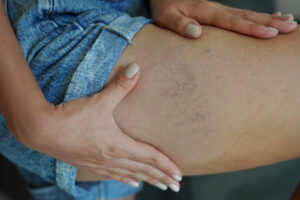
    Spider veins, varicose veins, and broken capillaries are common concerns that many Australians want to address. Whether it’s for cosmetic reasons or comfort, visible veins can sometimes signal deeper issues. But when should you consider visiting a dermatology or medical skin clinic for vein treatment, and which options are effective?

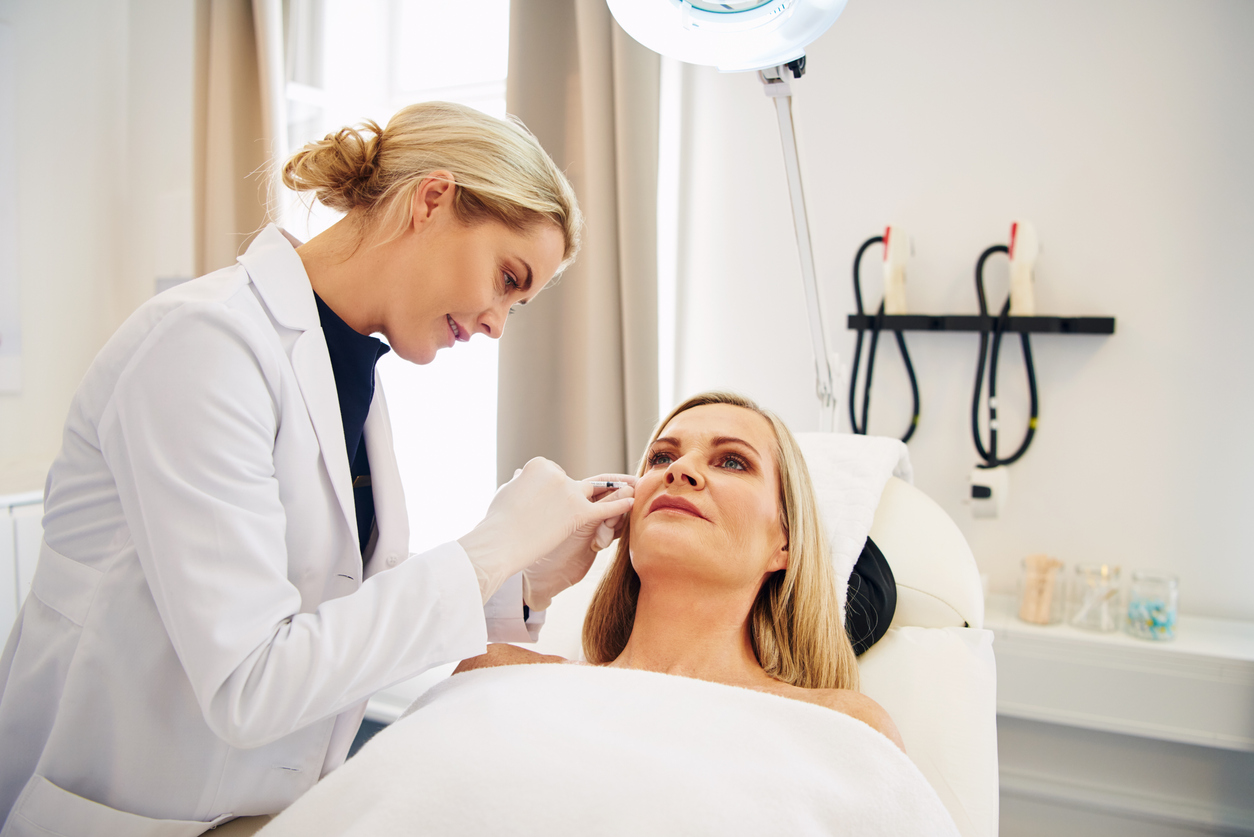
    At Enrich Clinic and the Dermatology Institute of Victoria (DIV) in Melbourne, our doctors provide evidence-based vein treatments, including the Excel V laser system by Cutera and sclerotherapy—two of the most widely recognised and effective methods for dealing with unwanted veins.

    Why Do Veins Become Visible with Age?

    • Thinning skin and collagen decline – As we age, our skin loses elasticity and structure, making tiny blood vessels more visible. See Ageing Skin – Australasian College of Dermatologists (ACD).
    • Repeated trauma or pressure – Everyday activities such as wearing glasses, scrubbing the face too harshly, or crossing legs for long periods can stress small blood vessels, causing them to dilate or break.
    • Hormonal changes and pregnancy – Shifts in hormone levels, particularly during pregnancy, increase blood volume and pressure in superficial veins, contributing to telangiectasia (spider veins). See Telangiectases (Spider Veins) – ACD.
    • Sun damage and UV exposure – Australia’s high UV index weakens vessel walls, making redness or veins more apparent. See Varicose veins and spider veins – Better Health Channel.

    What Are Broken Capillaries? Are They Dangerous?
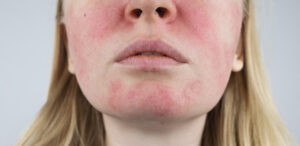
    Broken capillaries—also called spider veins or thread veins—are tiny blood vessels just beneath the skin’s surface. They typically appear on the face, thighs, calves, or ankles, and show up as fine red, blue, or purple lines.

    For most people, spider veins are primarily cosmetic and often blanch (fade) when pressed. However, if veins are accompanied by pain, swelling, heaviness, or skin changes, seek medical advice, as these can sometimes signal underlying venous insufficiency. See Varicose veins – Healthdirect and the ACD overview on Leg Veins.

    Do Home Treatments Work?

    There’s no shortage of home remedies advertised for spider veins—creams, vitamins, essential oils, even DIY massage devices. While some may provide temporary relief or reduce redness, they do not remove or significantly diminish visible veins.

    • Cold compresses, Vitamin C, Vitamin K, and certain botanicals may calm inflammation.
    • Lifestyle modifications—avoiding excess alcohol, heat, spicy foods, and excessive sun—may prevent existing veins from worsening. Long periods of sitting can also aggravate venous congestion; see The dangers of sitting – Better Health Channel.
    • Exercise and weight management improve circulation and may reduce the risk of new vein formation.

    Bottom line: only professional, medical treatments like vascular laser or sclerotherapy have proven, lasting results for removing spider veins and broken capillaries. See ACD’s section on Leg Veins and RACGP guidance on Varicose veins – assessment and management.

    Professional Vein Treatment Options at Enrich & DIV

    Excel V Laser

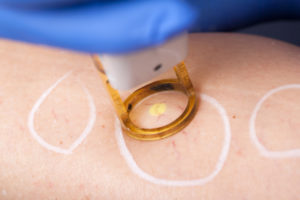
    The Excel V laser is designed for facial veins, redness, and superficial vascular lesions. Using dual wavelengths (532 nm and 1064 nm), it targets both superficial and deeper vessels, safely heating and sealing them so that treated veins fade over several weeks. (See ACD’s discussion of laser options for telangiectasia.)

    • Sessions typically 10–15 minutes
    • Some discomfort with integrated cooling
    • Results often visible after 1–2 treatments
    • Minimal downtime—most people resume daily activities the next day

    Sclerotherapy
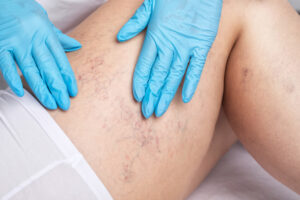
    For leg spider veins and small varicose veins, sclerotherapy is a long-standing, first-line option in Australia and worldwide. See the Australian Society of Plastic Surgeons (ASPS) overview on Sclerotherapy (Spider Veins) and ASPS patient leaflet (PDF).

    How it works

    1. The skin is cleansed and legs positioned to elevate veins.
    2. A very fine needle injects a sclerosant solution directly into the vein.
    3. The solution irritates the vein wall, causing it to collapse.
    4. Over weeks, the body naturally reabsorbs the treated vein.
    5. Compression stockings are worn afterwards to support healing.

    Treatment plan & results

    • Usually 2–4 sessions, spaced 4–6 weeks apart
    • Noticeable fading in 3–6 weeks; full results over several months
    • Significant, lasting improvements in appearance and comfort

    Possible side effects

    Temporary bruising, redness, or pigmentation changes are common but settle. Other risks include allergic reactions or small clots—hence treatments should be carried out by experienced doctors. See ACD’s Leg Veins and RACGP’s synopsis of international guidance (RACGP 2017).

    When Is Surgery Necessary?

    Larger or symptomatic varicose veins may need a vascular surgeon’s input. Options include endovenous laser ablation (EVLA), radiofrequency ablation (RFA), and, less commonly today, vein stripping/ligation. See ANZSVS (vascular surgeons) patient resources on Endovenous Therapy – RFA & EVLT and Varicose Vein – Surgery.

    At Enrich Clinic and DIV, we assess each patient’s needs. If surgical intervention is more appropriate, we’ll recommend a vascular specialist. (We do not perform EVLA/RFA , vein stripping or any surgical intervention  in-clinic.)

    Which Treatment Is Right for You?

    Concern Best Treatment
    Facial redness & spider veins Excel V laser
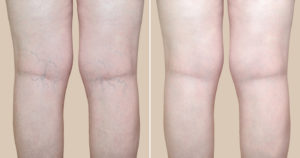
    Spider veins on legs Sclerotherapy
    Mixed superficial & feeder veins Combination (Excel V + sclerotherapy)

    Every treatment plan is customised based on vein size, skin tone, location, and patient goals.

    Frequently Asked Questions

    Are spider veins dangerous?
    Usually, they’re cosmetic. Pain, swelling, heaviness, or skin changes may indicate underlying venous disease that needs medical assessment. See Better Health Channel and Healthdirect.

    How many treatments will I need?
    Laser therapy often needs 1–2 sessions; sclerotherapy typically 2–4 sessions for optimal results.

    How soon will I see results?
    Laser results often appear within weeks; sclerotherapy results build gradually over 3–6 weeks.

    Can home remedies remove spider veins?
    No—creams and supplements may soothe redness, but only medical treatments remove veins. See ACD on Leg Veins.

    Is recovery time long?
    No. Both Excel V and sclerotherapy involve minimal downtime. Most people return to work or normal activities the next day.

    Are treatments safe in Australia?
    Yes—when performed by qualified doctors following best-practice protocols. See RACGP, ACD A–Z of Skin, and ANZSVS patient information.

    Why Choose a Skin Clinic in Melbourne?

    Australia has one of the highest rates of sun exposure–related skin damage, making spider veins and broken capillaries more common. Choosing a specialist skin clinic in Melbourne ensures accurate assessment, access to advanced technology, evidence-based care, and personalised plans tailored to Australian skin types and lifestyles.

    Key Takeaways

    • Spider veins, varicose veins, and broken capillaries are common in Australia.
    • Home remedies can’t remove veins—only in-clinic procedures like vascular laser and sclerotherapy are proven effective.
    • Excel V laser is ideal for facial veins; sclerotherapy is the standard option for leg veins.
    • Larger or symptomatic varicose veins may require referral to a vascular surgeon (EVLA/RFA/surgery).
    • Always choose a qualified medical clinic for safe, evidence-based vein care.


    Medical resources referenced for this blog

    • Better Health Channel – Varicose & spider veins

    • Healthdirect – Varicose veins & Varicose vein surgery

    • Australasian College of Dermatologists – Telangiectases, Leg Veins, Ageing Skin

    • RACGP – Varicose veins: assessment & management and Guidelines & new modalities

    • ANZSVS – Endovenous Therapy (RFA & EVLT), Varicose Vein – Surgery

    • Australian Society of Plastic Surgeons – Sclerotherapy (Spider Veins) and patient info PDF


  • How menopause affects your body

    How menopause affects your body

    Menopause is a process that will happen to all women at some point in their life. It is the time when you stop experiencing your monthly period, and it is most often the end of the reproductive lifecycle. Menopause symptoms are caused by a hormonal imbalance; these hormones being oestrogen and progesterone.

    No two women are the same, and they will experience menopause symptoms during the three main stages of menopause at different times and with different intensities. A key indicator that you are reaching menopause is when you have not had your period in 12 consecutive months.

    So, as anyone who has experienced menopause will attest to, the process is quite complicated, stressful, and can be very exhausting. There can be a number of health complications.

    face of woman of menopausal ageOn top of that, every woman’s experience of menopause is unique.

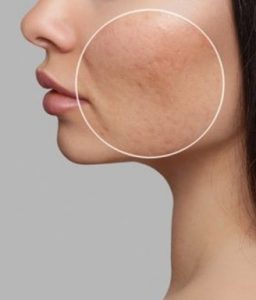
    According to Better Health Channel, most women will experience menopause between the ages of 45 and 60, with 51 being the average age, although it can happen outside of this timeframe. If menopause occurs before the age of 40 though, this is considered to be premature.

    There are many different symptoms of menopause, and it affects many other parts of your body. Thankfully there are different treatments that can lessen your symptoms and make the process slightly more bearable (or less unbearable?).

    The three stages of menopause

    • Perimenopause is when hormones start to change and decline and menstrual cycles become erratic. Hot flushes can begin at this time, as well as other menopause symptoms.
    • Menopause occurs when your body no longer produces hormones that cause your menstrual period. This is for 12 consecutive months. 
    • Postmenopause is after those 12 menopause months, and you remain in this stage for the rest of your life.

    Overall, menopause symptoms can last between 5- 10 years, sometimes even more. Every woman is different. 

    Menopause symptoms and treatments

    There are a wide range of symptoms, and not every woman going through menopause will experience all of them. These can be general symptoms or specific parts of your body that change. They include, but are not limited to:

    • Changes to your menstrual cycle are very common in the lead-up to menopause – or perimenopause. It can be periods occurring less often, but sometimes periods increase in frequency during this stage.sleeping problems during menopause
    • Hot flushes are alsoextremely common, defined as a sudden feeling of warmth in the neck or chest. According to Robert R Freedman, these can be defined as “feelings of intense warmth along with sweating, flushing, and chills”.
    • Sleeping problems can occur, which extends to general tiredness and lower energy levels.
    • Mood changes can be quite severe, with more leading situations leading to anxiety, irritability and sometimes depression.
    • Breast tenderness and, in some cases, quite severe pain.
    • Muscle pain, muscle tension and joint pain – even Osteoporosis.

    Menopause can also lead to weight gain, dry skin, increased heart rate, forgetfulness and irritability.

    Health Direct explains that menopause symptoms sometimes appear before your period stops. These symptoms can often be more severe in cases where menopause was brought on by surgery or cancer treatment. Furthermore, “hot flushes and night sweats are more common in women from Western cultures, while Asian women report more aches and pains, insomnia and mood changes.” As can be seen, menopause symptoms are highly variable.

    Enrich Clinic can help

    For some of the more specific symptoms, ENRICH Clinic offers a range of services and treatments that can help with some of the milder symptoms of menopause.

    Adult Acne

    acne scarring during menopause

    A lesser-known result of menopause is the occurrence of adult acne. In the study Menopausal Acne – Challenges And Solutions, Khunger and Mehrotra observe that acne is a common side-effect of menopause. The study states that the “etiology of menopausal acne is multifactorial, with hormonal imbalance being the major culprit”. Whilst the hormonal imbalance is hard to manage without some form of replacement therapy, there are options to treat acne.

    ENRICH’s acne and acne scar treatment options are wide-ranging, offering treatments and strategies to help manage your acne. 

    Dry Skin and Itchiness

    More broadly, menopause can cause skin dryness and itchiness. As the Australian Medical Centre describes, some women have experienced “a sensation like insects crawling under their skin”.

    Skin breakouts can be helped with regular treatments, but they have to be the right ones. As all cases are different, we would love to have a chat about your situation and establish the best possible method to address your acne. You can call us on 03 9500 9500, or come and see us at 872 High St, Armadale.

    Hair loss

    hair loss during menopause

    Menopause has been linked to hair loss and hair thinning. In their paper Skin Ageing, Calleja-Agius, Muscat-Baron and Brincat state, “The onset of menopause can lead to a diffuse or an androgenic alopecia”. They also note that there are a number of compilations with menopause that can lead to hair loss and thinning. 

    Thankfully, there are hair loss treatment options that can help.

    At ENRICH, we use PRP (platelet-rich plasma) and other solutions tailored to our patient’s needs. Check out our hair loss treatment truths blog for a quick hair loss overview.

    Spider veins

    During menopause, you might develop spider veins, which are thankfully less terrifying than they sound. They are sometimes confused with varicose veins, which are “knobbly, twisted and darkish-blue in appearance”, as explained by Better Health. “Spider veins are like varicose veins, but smaller and closer to the surface of the skin. They are often red or blue, and can look like tree branches or spider webs.” They cover variable areas and usually appear on your legs or face.

    We offer Sclerotherapy for spider veins, which involves injecting the vein with a solution that causes it to collapse, and renders it useless. There can be side effects to this treatment, but this is uncommon. This is not to be confused with surgical varicose treatments, which ENRICH does not offer.

    Our Excel V treatments are also an option. These can reduce redness in your face and treat unsightly blood vessels. You can learn more about these by reading our Excel V Laser for Blood Vessels blog.

    Other Skin Conditions

    Without the “anti-ageing” influence of oestrogen, our skin can suffer from laxity and reduced collagen production. Menopause can often make our skin either break out or become dry.  Looking after our skin health is key during this time. Following a treatment plan set specifically for your skin at this time can not only help with the physical but also play a big part in your mental well-being. Feeling good about your skin is not spoiling yourself, it’s essential, especially during menopause. 

    Given there are so many varied changes you go through during menopause, it is easy to feel stressed out and for the process to negatively affect your mental health. It is crucial to take care and be kind to yourself during this time, as this can give you that vital boost you need to get through the process.

    We can help

    Contact us

  • Why two skin treatments can offer 3X the result

    Why two skin treatments can offer 3X the result

    Combining skin treatments may seem like double the effort, but it could offer triple the benefit. There is no single ‘best’ treatment when it comes to your skin. Often a few excellent procedures combine that offer, together, even better results than you’d see with just one treatment alone.

    If you are concerned about signs of ageing (wrinkles, blemishes, brown spots or sallow cheeks), you aren’t going to find one single best treatment. A laser may work well on your skin tone, while an anti-wrinkle injection may be useful to stave off a deep wrinkle.

    Age and sunspots are treated with a laser, chemical peel or another light-based treatment, while sallow cheeks can also be treated with hydration increasing treatments.

    Finding treatments that complement one another is key to getting the 1 + 1 = 3 effect. We love combining treatments because the results can often be three times more effective!

    Ageing is a complicated process

    There is no one-size-fits-all when it comes to how your face is going to age or what concerns you the most. There is an intricate pattern of wrinkles, some that stay static (like a frown line) and those that appear on flatter surfaces of the skin (think forehead and cheeks).

    We lose facial volume, which in turn results in new folds and contours appearing over time. Blood vessels can also become more prominent.

    The multifaceted process of ageing, therefore, is best served with a combination cosmetic approach.

    Treatments that work well in combination

    Needling, lasers, intense pulsed light (IPL), microdermabrasion, chemical peels, hydration treatments and high-quality skincare products can all be used together in various combinations for positve cosmetic outcomes.

    We use these combos a lot at ENRICH Clinic, where Dr Michael Rich is a great proponent of the multi-treatment approach. The treatments can often be performed in one appointment but may be scheduled over several appointments where necessary.

    Classic treatment combos

    • Laser and radiofrequency
    • Hydration and wrinkle reducing treatments
    • Acne medication and topical acne or acne scarring treatments
    • Skin needling (The Secret) and chemical peels
    • Peels & Diodes
    • Ultraformer (HIFU) and lasers

    What is the best cosmetic treatment combination?

    The best cosmetic treatment combination for you depends on your skin concerns. Talk to your cosmetic dermatologist or doctor to see what their thoughts are. Consultations are the key as well as developing a long-term plan for your skin health, and also handy for budgeting!  Combination treatments can be different for everyone and depends on ou skin type, age, diet, gender and genetics.

    A break between treatments may be necessary, so your skin can do its thing

    Some procedures are, by necessity, performed away from others. For example, a robust collagen-boosting treatment requires at least a month, if not more, to reach its maximum potential. There’s not much point in doing more collagen-boosting treatments over the top. Your skin is already maxing itself out. However, this doesn’t mean you can’t do wrinkle-reducing treatment or even a pampering, ultra-hydrating facial.

    Other treatments require a break due to the way they function in the skin. For example, certain needle-based treatments need time to settle before other skin treatments go over the top. This timing is in place because the liquid can migrate, or the skin has been pierced so you have to be careful of infection for at least 24 hours — also, no facial massage after any kind of needling.

    Swelling from some treatments may impede the effect of others, so a break for healing may be useful for the best outcomes for some combined treatments. You don’t have to have them done in the same appointment for the combination treatment effect to come into play.

    Using lasers and other wave-based treatments in combination

    Some cosmetic devices are designed to penetrate more deeply than others, which is why we may utilise the powers of two or more wave-based devices as a combination treatment.

    One such combination may be a radiofrequency device, which penetrates deeper layers, with a laser that works on the skin’s surface. This way, skin gets a deep treatment that stimulates, tightens and strengthens as well as undergoes a smoothing, brightening, resurfacing treatment. Here’s a paper on a study that reviewed how certain combination treatments can be effective.

    Your cosmetic doctor knows the best combination of treatments. 

    If you’re not sure what you need, don’t worry! We do. Come in for a consultation, and we’ll help you figure out the best course of action for your skin.


    Let us get the most out of your skin.
    Contact us for an appointment

    ENRICH Clinic

  • How to remove spider veins

    How to remove spider veins

    Spider veins are veins that have become dysfunctional and are no longer serving their purpose, that is, the vein is unable to effectively transport blood, but is instead collecting it. Treatments for spider veins are reasonably quick, painless, and are extremely effective.

    The spider vein quick fix at home – it doesn’t exist

    You may be wondering how to get rid of spider veins on the legs or face, searching for a quick treatment for spider veins. Treating spider veins is not as simple as a special cream or exercise – spider veins require a specialised treatment that can only be provided by a clinic and a trained doctor.

    While spider veins themselves are not dangerous, a spider vein is a sign of other vascular activity. This means you’ll need to be examined to see what else may be going on.  Here we explain why you have spider veins, and overview effective treatments for spider veins and varicose veins.

    Understanding circulation to establish what’s normal and what’s not

    Getting a basic rundown of how your circulation works can make it easier to understand why spider veins appear. You may remember from high school biology that your blood only goes in one direction through a vein or artery.

    • Arteries carry oxygenated blood away from the heart to body tissues
    • Veins carry deoxygenated blood towards the heart for a refill of oxygen

    Here we are only discussing veins, but arteries are just bigger versions of veins, so the same generally applies.

    Veins are like a map of one-way streets, leading to or from the heart. Veins have one-way valves on their walls, which stops the blood going backwards with gravity.

    There are veins deep inside our bodies, and veins closer to the surface. The superficial veins nearest our skin drain into the deeper veins through a special network of junctions, like small streams into bigger rivers.

    The venous system is designed to pump blood through your body, and once it’s delivered the oxygen and other goodies, get it out of there.

    When a vein becomes weak, it stops functioning properly. A dysfunctional vein may collect and hold onto more blood than healthy veins, which causes the vein to bulge. This puts a strain on the vein’s valves, which will eventually start to fail. The vein is then described as being ‘incompetent’. That is, it can’t do its job properly.

    Incompetent veins come in the same sizes and locations as healthy veins. The ones we can see are called spider veins, reticular veins, and varicose veins.

    Veins vary by size and location:

    • Spider veins are small and sit on the very outer of our body
    • Reticular veins are larger, sitting slightly deeper under the skin’s surface
    • Varicose veins are large, and when they become incompetent, can bulge above the skin

    Spider veins, reticular veins and varicose veins are all the same thing

    You cannot treat spider veins without addressing other existing incompetent veins, if you have any. This is because a varicose vein, for example, causes spider veins by not managing blood flow and pressure correctly. If you don’t treat the underlying varicose vein, you will just end up with more spider veins.

    Dysfunctional veins will not always be visible, which is why having a thorough examination is so important – spider veins can be a sign of a deeper circulation problem. Symptoms of deeper dysfunctional veins may appear, such as feelings of heaviness in the legs, or aching, burning, throbbing, cramping and restless legs.

    Diagnostic procedures to determine the state of your veins, such as ultrasounds, are non-invasive and are done at ENRICH Clinic.

    Why does a vein become incompetent?

    It is still a bit of mystery why a vein may stop working properly. We do know that circulation problems tend to run in families, so if your relatives have varicose or spider veins, it’s likely that you will too.

    What we know about who gets spider and varicose veins

    • Women are more likely to have varicose veins at an earlier age than men
    • Around a third of all men and women are affected
    • Hormonal fluctuations in women may worsen varicose veins (puberty, pregnancy, menopause, birth control pills)
    • Pregnancy directly contributes to varicose veins by increasing blood volume and downward pressure of the growing foetus
    • Risks increase as we get older, if we stand a lot, are obese, don’t move around much, or have had a previous leg injury or thrombosis

    But aren’t these veins important for circulation?

    These incompetent veins put a lot of pressure on other surrounding veins because they aren’t doing their bit in your system. It’s like having a lazy co-worker – you end up doing more of the work, causing you more stress and wearing you out faster.

    Firing the lazy co-worker means the rest of the team can take on the load more evenly, and the system starts working more efficiently again: circulation improves.

    Spider veins do not serve you, and many people feel they are unsightly. This means there is no reason to keep them sticking around, whether you care about how they look or not. Spider veins aren’t healthy veins.

    Can a varicose or spider vein heal by itself?

    Your body has an incredible ability to heal itself, and in some cases varicose veins may go away by themselves instead of being removed. A varicose vein that appears during pregnancy is a good example of this. It is well known that after about three months post-pregnancy, the varicose veins tend to disappear.

    But, this doesn’t mean the vein wasn’t damaged from its traumatic time under such pressure. It is also well observed that future pregnancies make varicose veins worse, and they may not disappear from view next time.

    This process indicates that once a vein ‘goes’, it is a slow deterioration that appears to be irreversible. When you can see a varicose or spider vein, it’s because it’s too late for your body to heal it by itself. That time has passed.

    Your body is repairing itself all the time, so you can rest assured that your body is doing its best to take care of all your other veins. You can help by taking some of these incompetent veins out of commission, allowing the rest of your circulation to do its important work without a lazy co-worker.

    It also pays to have a healthy lifestyle, to care for your circulatory system and protect your veins.

    How to remove spider veins and varicose veins

    Early removal of spider veins and varicose veins is preferable for many reasons: it’s easier to remove smaller varicose veins, being less complicated with good outcomes. Late diagnosis and treatment for spider veins means a greater risk of complications and possibly irreversible disease.

    If you are planning on becoming pregnant and have varicose veins, it’s advisable to have the varicose veins removed first – they will get worse during pregnancy. This means the vein becoming less and less able to cope under the strain of daily life.

    Spider veins should only be removed after varicose veins have been successfully treated.

    At ENRICH Clinic, we have effective treatments for spider veins and varicose veins using the latest technology and techniques. We do not treat varicose veins at ENRICH Clinic however we do provide a referral to a specialist if required.

    Spider vein treatments – sclerotherapy

    Sclerotherapy is a treatment for spider veins or varicose veins whereby a special liquid is injected into an abnormal vein. The vein doesn’t like this liquid, gets inflamed, fusing together, which results in the vein being unable to contain blood.

    The injured vein is then reabsorbed by the body and disappears over several months. A vein may need more than one sclerotherapy removal treatments to fully collapse and disappear.

    We are spider vein experts.
    Contact us for a consultation

    ENRICH Clinic

  • What does a dermatologist do?

    What does a dermatologist do?

    We define a dermatologist is an expert medical professional who works to diagnose, treat and prevent skin, hair and nail conditions. A cosmetic dermatologist specialises in the aesthetics of the skin, and may work on anti-ageing and beautifying skin.

    In Australia, you need a referral from your regular doctor to see a dermatologist, but you do not need a referral for cosmetic dermatology appointments. Many costs may be partially or fully covered by medicare or private health insurance for referred medical treatments, however cosmetic treatments are paid privately, with some exceptions.

    Dermatologist qualifications – how do we define a dermatologist?

    Dermatologists in Australia complete a six-year medical degree, which requires another several years of full-time training and practice as a hospital junior. Then, a doctor must complete four years of specialist training to become qualified as a dermatologist and complete their dermatologist qualifications.

    The Australiasian College of Dermatologists is the only accredited provider of this specialist training and dermatologist qualifications. This College is the only provider who can define ‘dermatologist’ legally in Australia.

    dermstologist in melbourne

    Define dermatologist – what does a dermatologist do?

    Because the skin is the largest organ of the human body, many complaints taken to a doctor are skin-related. Your regular doctor can deal with many minor skin complaints, but a referral may be required if the problem is beyond their scope of practice or ability to diagnose or treat you. This is the domain of the dermatologist.

    Define a dermatologist – who does a dermatologist with the correct qualifications treat?

    Dermatologists treat everyone, from babies to the elderly, for all skin conditions. In Australia, sunspots and skin cancers may play a large part in clinical practice due to our lack of ozone and our love of the outdoors.

    Common conditions a dermatologist treats include:

    Define a dermatologist – what treatments do dermatologists use?

    The treatment you are offered will depend on the problem you present with, but dermatologists have a wide range of tools at their disposal to treat various conditions. This includes lasers, light and wave-based devices, and creams, ointments and drugs.

    dermatology clinic in melbourne

    Define a dermatologist – Does a cosmetic dermatologist need extra dermatologist qualifications?

    While a cosmetic dermatologist is the same as a regular dermatologist, their private practice includes what’s known as aesthetic medicine. A cosmetic dermatologist also treats the regular set of issues of skin, hair and nails, but has an interest in cosmetic outcomes too.

    ‘Cosmetic’ means the look, or aesthetics, of something, but this doesn’t mean cosmetic dermatology is overly focused on ‘superficial beauty’. Being able to put your best face forward to the world matters, and to some people this means treating parts of their face or body the same way we might get braces.

    A cosmetic dermatologist has the expertise and equipment to solve sometimes embarrassing or uncomfortable issues that may affect our day-to-day life. This includes scarring, pigmentation, and the shape of our faces after surgery or trauma. The realm of the cosmetic dermatologist is wide and varied, and helps people feel good about themselves in some way, big or small.

    A dermatologist performing cosmetic procedures is trained in the treatments they apply.

    Define a dermatologist – a cosmetic dermatologist may perform:

    • Non-surgical nose or facial augmentation
    • Anti-ageing treatments such as dermal  or wrinkle reducing treatments
    • Laser and light/wave-based treatments to improve skin quality
    • Treatments for skin tone or texture
    • Removal of visible blood vessels around the nose or cheeks
    • Removal or fading of scarring or pigmentation/birthmarks
    • Hair regrowth strategies after hair loss in men and women
    • Laser hair removal
    • Laser tattoo removal
    • Skin tightening
    • Penile treatments –  papule removal

    Cosmetic dermatologists have a huge range of state-of-the-art technology in their clinics, and are well-placed to treat the aesthetics of skin, hair and nails. At ENRICH, Dr Michael Rich and his team are dedicated dermatologists and doctors, treating all dermatological conditions and providing cosmetic dermatology services.

    The ENRICH team of specialist dermatologists and cosmetic doctors are experienced professionals.

    The team at ENRICH consists of dermatologists and cosmetic doctors each with their own special interests:

    Dr Michael Rich – MBBS, FACD

    Dr Michael Rich, founder and director of the ENRICH Clinic, is a dermatologist specialising in dermatology and cosmetic dermatology and surgery.

    Dr Michael Rich is a specialist dermatologist who practices in clinical dermatology, aesthetic dermatology and surgery. He established the clinical dermatology and cosmetic practice – ENRICH Clinic which is based in Melbourne and has been practising for over 30 years.Dr Rich was the Founder and 2015 and 2016 President of the Skin and Cancer Foundation of Victoria (now Skin Health Institute), a centre of dermatological and skin health and a training facility closely affiliated with the University of Melbourne and St Vincent’s Hospital.

    Dr Priscilla Auyeng – MBBS, FRACP, FRCPA, PHD

    Dr Auyeng has completed specialist training in clinical immunology, allergy and immunopathology, and is ENRICH’s allergy expert. Think hayfever, hives and eczema, and mast-cell disorders, this is where Dr Auyeng can help.

     Dr Maria Milone MBBS, FRACGP, DIP OBS

    Dr Milone is a practising GP and cosmetic practitioner with a special interest in sweat disorders, skin rejuvenation techniques and cosmetic treatments. Dr Milone focuses on cosmetic techniques that minimise patient discomfort and give the most natural outcome.

     Dr Afrah Mazhar MBBS, FRACGP

    Dr Mazhar is one of ENRICH’s cosmetic facial treatment experts, with a keen interest in and a knack for lasers, anti-ageing treatments and other cosmetic treatments. Dr Mazhar firmly believes that every face is beautiful and that this beauty can be enhanced, not created.

     Dr Lena Ly  MBBS, FACD,

    Dr Lena Ly is passionate about Dermatology. Dr Ly’s areas of interest include eczema in children and adults, allergies, hair, nails, skin cancer and sweating disorders.

    We have a dermatologist or cosmetic doctor that could help you 
    Contact ENRICH to make an appointment with our specialists today

  • Don’t underestimate the danger of varicose veins

    Don’t underestimate the danger of varicose veins

    Many people don’t fully grasp the seriousness of varicose veins, and how compromised veins put them at risk of deep vein thrombosis, or blood clots. People tend to think of varicose veins as an unsightly or painful annoyance, but don’t appreciate that the reason the veins became compromised in the first place has not been addressed, and the varicose veins themselves may remain untreated for many years or even a lifetime.

    About a quarter of adults have varicose veins in their legs, causing symptoms like a sensation of heaviness, aching legs, restless legs, cramping during the night, and swollen legs at the end of the day. A person may not realise that their experience is one of varicose veins, and put the symptoms down to age or genetics, and dismiss the serious situation as a mere cosmetic annoyance.

    A vein that doesn’t work as it used to – an incompetent vein – puts people at risk of blood clots and skin ulcers that don’t heal.

    Diagnosing and treating varicose veins

    When we see patients at our Melbourne clinic with varicose veins, we perform a complete examination and take a thorough medical history, with ultrasounds of both legs, down to the deep layers. We’ll discuss your symptoms and how long they have been occurring for, so we can get a broad picture of your health and varicose veins.

    There are grades of varicose veins, ranging from no disease to ulcers, which is the extreme end of the spectrum. Varicose veins don’t rapidly evolve, so usually the problems have been around for quite some time before people seek help.

    We start off with therapy that is the least invasive for patients, which might include compression stockings, elevating legs, and light exercise like walking. We may recommend a three-month trial of light therapies and see if we can improve your condition without deeper treatments, like sclerotherapy.

    What is sclerotherapy?

    Sclerotherapy is one of modern medicine’s success stories, a varicose vein treatment that has stood the test of time. Sclerotherapy involves injecting the vein with a special solution that irritates the sides of the vein so it collapses and removes itself from circulation, so to speak. The varicose vein cells will then be scavenged by the body in its normal process of eliminating dead cells.

    There may be several varicose vein treatments required, depending on the severity and number of varicose veins in the legs. Both legs can be treated at once.

    Sclerotherapy is a very effective treatment for varicose veins and spider veins at our Melbourne dermatologist clinic, where we are highly trained and experienced in performing effective sclerotherapy for varicose veins.

    We inject each varicose vein one by one, and then over the coming week or so, the varicose vein will start to close over, redirecting blood flow into healthy veins. Sclerotherapy works extremely well most of the time, is largely comfortable, and requires only a little aftercare.

    We can clear your legs of varicose veins and spider veins.
    Contact our Melbourne clinic to make an appointment