Category: Microdermabrasion

  • 1 + 1 = 3: How Pairing Two Skin Treatments Can Yield Triple the Benefits

    1 + 1 = 3: How Pairing Two Skin Treatments Can Yield Triple the Benefits

    Our maths teachers have taught us that 1 + 1 = 2. But life lessons, especially when it comes to skincare and beauty, have a way of proving that sometimes, combining two elements can create an entirely new outcome that can help achieve patient expectations.

    In the world of aesthetics and dermatology, the right pairing of treatments can work together in harmony, offering exponential benefits beyond the individual results of each procedure.

    So let’s explore this fascinating concept and unlock the secrets of these synergistic skincare combinations to help you achieve the glowing, rejuvenated complexion you’ve always desired.

    The science behind combining treatments

    There is proof that combining treatments and/or products works. It lies in understanding the unique characteristics of each treatment, as well as their interactions with one another. By doing so, harnessing the synergistic effects of certain treatments is possible, leading to enhanced penetration of active ingredients and faster, more efficient results.

    Synergistic effects

    Certain treatments, when used together, can amplify each other’s benefits, creating a synergy that leads to improved efficacy. These synergistic effects result from complementary mechanisms that enable the treatments to work harmoniously, ultimately providing a more potent impact on our skin.

    For example, using vitamin C alongside sunscreen not only protects your skin from UV damage but also boosts the antioxidant power of vitamin C, which helps neutralise free radicals and prevent premature ageing.

    Enhanced penetration

    Some treatments can enhance the penetration of active ingredients, allowing them to reach deeper layers of the skin and work more effectively.

    For instance, chemical exfoliants such as alpha-hydroxy acids (AHAs) and beta-hydroxy acids (BHAs) remove dead skin cells, unclog pores, and promote cell turnover. Incorporating these into your skincare routine creates a smoother, more receptive surface that allows other active ingredients, like retinol or peptides, to penetrate more deeply and efficiently, improving your skin texture and appearance.

    Faster and more efficient results

    The ultimate goal of combining treatments is to achieve faster and more efficient results. By carefully selecting complementary treatments, you can target multiple skin concerns simultaneously and reduce the time it takes to see visible improvements.

    For example, pairing a hydrating hyaluronic acid serum with a collagen-boosting treatment like micro-needling can tackle dryness and fine lines at the same time. This not only saves you time and effort but also ensures that your skin receives the maximum benefits from each treatment.

    Popular skin treatment pairings and their benefits

    For acne scars

    Acne scars can be a frustrating and persistent reminder of past breakouts, leaving behind an uneven skin texture and sometimes even causing emotional distress.

    Fortunately, advancements in aesthetic treatments have led to the development of highly effective solutions for reducing the appearance of acne scars. 

    Two treatments that can be combined for enhanced results are Laser Genesis and dermal treatment.

    Laser Genesis

    This non-invasive laser treatment stimulates collagen production, improves our skin texture, and reduces the appearance of acne scars. By gently heating the dermis, Laser Genesis promotes our skin’s natural healing process, encouraging the growth of new, healthy skin cells to replace damaged tissue. This treatment is particularly effective if you have mild to moderate acne scars and can also help reduce redness and improve overall skin tone.

    Dermal Treatment

    By injecting into the scarred area, dermal treatments can help lift and fill the scar, making it less noticeable and promoting a smoother skin surface. Dermal treatments are especially effective if you have atrophic acne scars, such as rolling, boxcars and ice pick scars.

    Combining Laser Genesis and dermal treatment for acne scars

    This powerful pairing can result in a smoother, more even complexion with a significant reduction in the appearance of your acne scars. Laser Genesis works to improve skin texture, tone, and promote collagen production, while dermal treatments directly target and fill in depressed scars.

    Combining these treatments may also help prevent future scarring by promoting healthier skin and encouraging ongoing collagen production.

    For Alopecia

    Our doctors often recommend a multi-pronged approach to address hair loss effectively. One such combination involves Platelet-Rich Plasma (PRP) therapy, oral medications, and Low-Level Laser Therapy (LLLT) using a diode.

    PRP therapy

    Platelet-Rich Plasma therapy is a non-surgical hair restoration treatment that utilises your own blood to stimulate hair growth. Blood is drawn from you, centrifuged to separate the plasma and injected into your scalp. The plasma is rich in growth factors and proteins that promote cellular regeneration and stimulate hair follicles, increasing hair growth and thickness.

    Oral medications

    Several oral medications, such as finasteride and minoxidil, are available for treating hair loss. Finasteride is a prescription medication that inhibits the conversion of testosterone to dihydrotestosterone (DHT), a hormone responsible for hair follicle miniaturisation and hair loss. Minoxidil, available over the counter, is a vasodilator that increases blood flow to hair follicles, encouraging hair growth. 

    Low-Level Laser Therapy (LLLT) using a diode

    LLLT is a non-invasive hair restoration treatment that uses specific wavelengths of light to stimulate hair growth. Exposing your scalp to low-level red light emitted from a diode can increase cellular activity in hair follicles, promoting hair growth and improving hair thickness. LLLT is often administered via handheld devices, laser caps or in-office treatments. This is a low-impact treatment than can have an effect over time however is best realised as part of a combination treatment. 

    PRP + tablets +diode

    Combining PRP therapy, oral medications and LLLT offers a comprehensive approach to treating alopecia. Each treatment targets different aspects of hair loss, creating a synergistic effect that can yield better results than any single treatment alone. PRP stimulates hair follicles at the cellular level, oral medications address hormonal imbalances, and LLLT enhances blood flow and cellular activity in the scalp. This powerful combination can significantly improve hair growth and overall health, helping you regain confidence and self-esteem.

    For pigment/sun spots/age spots

    Pigmentation issues, such as sun spots and age spots, are common skin concerns caused by an overproduction of melanin, usually due to sun exposure, hormonal changes, or the natural aging process. To effectively address these pigmentation issues, a combination of treatments can offer more comprehensive results. Two popular combinations include Fraxel and IPL and Piqo laser treatment.

    Fraxel + IPL

    Fraxel is a fractional laser treatment that targets our skin’s surface and deeper layers to reduce pigmentation, improve skin texture, and stimulate collagen production. By creating microscopic columns of controlled skin damage, Fraxel promotes our skin’s natural healing process, gradually fading pigmentation and a more even skin tone.

    IPL, or Intense Pulsed Light therapy, is a non-laser treatment that uses a broad spectrum of light to target melanin in the skin selectively. The light is absorbed by the pigmented areas in our skin, breaking down the melanin and causing the pigmentation to fade over time. IPL is particularly effective if you need to treat superficial pigmentation and promote a more even skin tone.

    By combining Fraxel and IPL, you can address both superficial and deep pigmentation, as well as improve overall skin texture and tone. The two treatments work synergistically to deliver more comprehensive results, effectively targeting various pigmentation issues and producing a more radiant and youthful appearance.

    IPL & Piqo

    IPL, as mentioned earlier, targets superficial pigmentation by using a broad spectrum of light to break down melanin and promote an even skin tone.

    PiQo4 is a versatile laser treatment that combines both nanosecond and picosecond laser pulses to address various types of pigmentation, including deeper and larger pigmented areas. The different pulse durations allow the laser to shatter pigment particles in our skin more effectively, resulting in faster clearance and reduced risk of side effects.

    When combined, IPL and Piqo provide a comprehensive approach to treating pigmentation issues. The IPL therapy addresses superficial pigmentation, while the Piqo laser targets deeper and larger pigmented areas. This powerful combination ensures a more even skin tone and an overall improvement in skin appearance.

    Please note: most combined laser treatments need to be 2-4 weeks apart, depending on the intensity of each laser.

    For facial rejuvenation

    Rejuvenation treatments focus on revitalising and refreshing our skin, improving its overall appearance, and addressing various signs of ageing. To achieve the best results,  ask our dermatologists or doctors about combining multiple rejuvenation treatments, targeting different aspects of skin health and beauty. Here are three popular rejuvenation combinations to consider:

    Beautiful Eye Package + Anti-Wrinkle Injections

    The Beautiful Eye Package typically includes treatments designed to address concerns in the delicate eye area, such as dark circles, puffiness, fine lines, and crow’s feet. This package includes an Ultraformer treatment followed by a Thermi Smooth & diode two weeks after. This combination was developed by ENRICH clinic to get a strong result around the eye. 

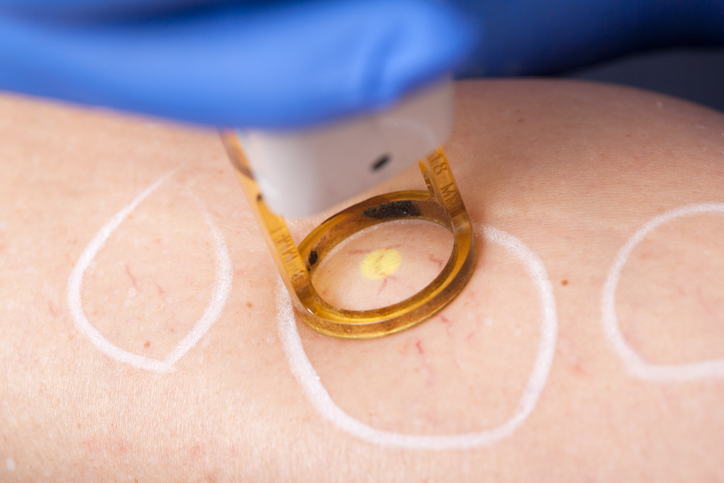
    ThermiSmooth® is a treatment that uses radio frequency energy via a temperature-controlled handpiece.  Using small, circular motions, the handpiece is gently rolled on the surface of your skin while heating targeted tissues below your skin.  

    Wrinkle reducing treatment help relax our facial muscles that form expression lines and wrinkles. By combining the Beautiful Eye Package with anti-wrinkle injections, you can address both the surface and underlying causes of ageing in the eye area, resulting in a more youthful and refreshed appearance.

    Glow Gun & Piqo

    The Glow Gun is a skin rejuvenation treatment that uses an injectable device to deliver a blend of vitamins, antioxidants, and other nutrients directly into our skin. This infusion promotes hydration, nourishment, and overall skin health, producing a natural, glowing complexion.

    As mentioned earlier, Piqo is a versatile laser treatment that combines nanosecond and picosecond laser pulses to address various skin concerns, such as pigmentation and uneven texture. When combined with the Glow Gun treatment, Piqo can further enhance skin rejuvenation by addressing surface imperfections and promoting an even skin tone.

    Piqo Rejuvenation + Erbium Microdermabrasion

    The Piqo Rejuvenation treatment,  is a non-invasive facial that uses a picosecond laser to exfoliate, brighten and rejuvenate your skin. The carbon lotion attracts and absorbs impurities, while the laser targets the particles, removing the outer layer of dead skin cells and stimulating collagen production. This treatment results in a smoother, more radiant complexion.

    Erbium microdermabrasion is a gentle exfoliation treatment that uses an erbium laser to remove the outermost layer of dead skin cells, revealing a brighter and smoother complexion. This treatment promotes cell turnover and can help to address fine lines, mild acne scars, and uneven skin texture.

    When combined, the China Doll treatment and Erbium microdermabrasion provide a comprehensive rejuvenation experience, addressing both surface imperfections and deeper skin concerns. This pairing results in a more radiant, youthful, and even complexion.

    Our cosmetic consultants can talk you through any 1+1 =3 pairings that suit your skin health regime.

    Customising treatment pairings for specific skin concerns

    Each person’s skin is unique, and a one-size-fits-all approach may not effectively address individual needs. Hence, customising treatment pairings for specific skin concerns is crucial for achieving the best possible results in your skincare journey. Here’s the process:

    Identify your skin needs

    The first step in customising treatment pairings is identifying your unique skin concerns and goals. Consider factors such as your skin type (e.g., oily, dry, combination, or sensitive), your primary concerns (e.g., acne, pigmentation, aging, or redness) and any underlying medical conditions or lifestyle factors that may affect your skin health. By understanding your individual needs, you can make more informed decisions about the most suitable treatments to address your concerns.

    Choose appropriate treatments

    Once you’ve identified your skin needs, it’s essential to select treatments that are specifically designed for your skin type and concerns. For example, if you have sensitive skin, you may need to opt for gentler treatments or products with fewer active ingredients. On the other hand, if you have oily, acne-prone skin, you may benefit from treatments that exfoliate, unclog pores and regulate sebum production.

    Some popular treatment pairings can be adjusted to cater to different skin types and concerns. For instance, if you’re looking to treat pigmentation, you may choose between Fraxel and IPL for more resistant pigmentation or opt for a gentler combination like Piqo and Glycolic Peels for sensitive skin.

    Work with a specialist dermatologist or an aesthetic physician

    We highly recommend consulting with a dermatologist or aesthetic physician to ensure you select the most appropriate treatments for your specific needs. These professionals have the expertise to assess your skin condition, identify your individual needs, and recommend customised treatment pairings that will deliver the best results.

    During your consultation, your dermatologist or aesthetic physician may recommend treatments such as chemical peels, laser therapy, or injectables, based on your skin type, concerns, and desired outcomes. They can also help you develop a tailored skincare routine, including the use of appropriate products and at-home treatments to complement and enhance the results of your in-office treatments.

    Embark on your journey towards good skin health and clearer skin at Enrich

    The key to unlocking your skin’s true potential lies in exploring personalised treatment pairings tailored to your unique needs and concerns. By combining complementary treatments, you can harness the power of synergy to achieve results that might surpass what can be accomplished with individual treatments alone. 

    Working closely with a dermatologist or aesthetic physician is essential to develop a customised skin care plan that addresses your skin type, concerns, and goals.

    Contact us.

  • Skinovation: 5 Aesthetics Skincare Trends of 2022 Influencing 2023

    Skinovation: 5 Aesthetics Skincare Trends of 2022 Influencing 2023

    Australians are no strangers to the pursuit of flawless skin, with the nation spending an astounding $22 billion on skincare yearly. As the skincare market continues to expand, a plethora of innovative products and treatments are becoming available, providing us with a diverse range of options to achieve our desired skin goals.

    Being well-informed about these trends not only allows you to make educated decisions about the products you use and the treatments you invest in but also helps you navigate the vast skincare landscape with ease.

    So, buckle up and get ready to explore the world of cutting-edge skincare as we help you discover the trends that will transform your complexion and redefine your approach to skincare in 2023.

    Trend #1: Prevention and More Frequent Skin Checks

    In recent years, there has been a growing emphasis on proactive skincare and prevention, with consumers increasingly recognising the importance of maintaining a consistent, well-rounded skincare routine to protect their skin from potential damage. 

    “Addressing concerns early, such as when fine lines start to appear around the eyes, using anti-wrinkle injections then rather than waiting until the lines get more prominent will give a better result and also less cost,” says our very own Dr Maria Milone.

    This shift in mindset has led to more frequent skin checks and consultations with professionals, ensuring that potential issues are identified and addressed before they become more serious.

    Benefits of regular skin checks and consultations with professionals

    • Early detection. Regular skin checks mean early identification of your skin’s potential problems, such as sun damage, pigmentation and even skin cancer, increasing the chances of successful treatment and minimising long-term consequences.
    • Personalised skincare recommendations. Consulting with professionals allows for a deeper understanding of your skin type, concerns, and goals, ensuring that your skincare routine is tailored to your needs and optimised for maximum efficacy.
    • Monitoring progress. Regular consultations facilitate tracking your skin’s progress over time, enabling you to make necessary adjustments to your routine and treatments to maintain optimal skin health.

    Tips for incorporating prevention and skin checks into a skincare routine

    • Schedule regular appointments. To stay on top of your skin’s health, book routine appointments with a dermatologist or skincare professional. Aim for at least one comprehensive skin check per year, with more frequent visits if you have a history of skin issues or concerns.
    • Embrace sun protection. Prevention starts with daily sun protection. Incorporate a broad-spectrum sunscreen with a minimum SPF30 into your skincare routine, and reapply every 2 hours when spending extended periods outdoors.
    • Invest in quality skincare. Opt for high-quality skincare products formulated with active ingredients that provide both preventative and corrective benefits, such as antioxidants, retinoids and peptides.
    • Educate yourself. Stay informed about the latest skincare trends, research and innovations to make informed decisions about the products and treatments that align with your skin goals and values.
    • Adopt a holistic approach. Remember that skincare is just one aspect of overall skin health. Incorporate a balanced diet, regular exercise and stress management techniques into your lifestyle to support the health and appearance of your skin from the inside out.

    Trend #2: More natural results

    Today, more individuals seek treatments and products that enhance their unique features while preserving their authentic appearance rather than opting for dramatic, artificial transformations.

    As Dr Afrah Mazhar noted, “I’m finding that the current trend in the cosmetic field is aiming for a more natural result. Patients and celebrities are reversing their dermal filler if it’s not looking right or natural. We have also become more focused on skincare and lasers. Now I’m my opinion, this is a great change. This has always been my personal aesthetic, and now I feel like the tide is turning on overdone cosmetic results.”

    How skincare and aesthetic treatments are adapting to deliver more natural results:

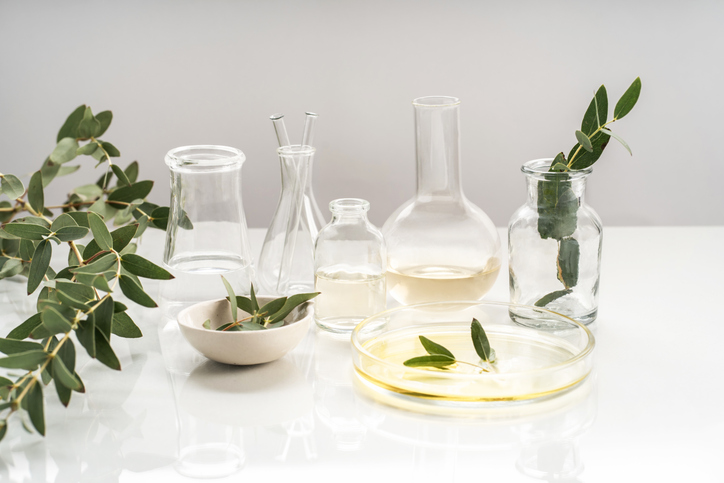
    natural beauty skin care products and glassware, flasks and petri bowl with plants

    • Subtle enhancements. Skin specialists now focus on subtle, targeted treatments that amplify a person’s natural beauty while minimising signs of ageing and skin imperfections. New techniques with dermal fillers, microneedling and gentle chemical peels are gaining popularity for their ability to deliver refined, understated results.
    • Customisation. The industry is increasingly embracing personalised skincare solutions, recognising that a one-size-fits-all approach may not yield your desired natural outcomes. Bespoke treatment plans and product formulations are also becoming more prevalent, ensuring you receive tailored care that addresses your unique preferences.
    • Ingredient innovation. Skincare products are formulated with innovative, naturally-derived ingredients that work synergistically with our skin to support its inherent healing and regenerative processes, promoting a more natural and youthful appearance.

    Tips for achieving a natural look with skincare treatments and products:

    • Choose the right practitioner. Select a skincare professional or aesthetician who shares your vision of natural beauty and has a proven track record of delivering subtle, natural-looking results.
    • Prioritise quality. Invest in high-quality skincare products with effective, naturally-derived ingredients supporting your skin’s health and natural radiance. Look for brands that prioritise transparency and sustainability in their formulations.
    • Develop a consistent routine. Maintain a regular skin care regimen that includes cleansing, exfoliating, moisturising, sun protection and targeted treatments for specific concerns such as pigmentation, fine lines or acne. Consistency is key to achieving a naturally beautiful complexion.
    • Embrace multi-functional products. Opt for products that serve multiple purposes, such as tinted sunscreens or serums that combine antioxidant, brightening, and anti-ageing benefits. These multi-functional products can help you look more natural while simplifying your skincare routine.
    • Focus on skin health. Remember that a truly natural look begins with healthy skin. Prioritize overall skin health by adopting a holistic approach encompassing a balanced diet, adequate hydration, stress management and sufficient sleep.

    Trend #3: Combination treatments

    This involves combining different skincare treatments to target multiple issues simultaneously, offering a more comprehensive and personalised solution. These treatments provide enhanced results, time efficiency and cost-effectiveness, making them an increasingly popular choice.

    Some popular treatment combinations for various skin concerns include:

    To choose the right combination treatments for your needs, we recommend consulting with one of our dermatologists, highly qualified nurses or aesthetic doctors, who can assess your skin concerns and provide personalised recommendations. Additionally, researching different treatment options, considering your skin type, setting realistic expectations and monitoring your progress will ensure you achieve the best possible results from your combination treatments.

    Trend #4: Bio Remodelling 

    Hydrating fillers or bio remodelling is a new generation of dermal hydration that contains a naturally occurring substance in our skin that attracts and retains moisture.

    Bio remodelling injections are formulated with a higher concentration of this substance which allows them to integrate seamlessly into our skin, providing deep hydration without causing significant volume changes. This results in a more natural and refreshed appearance and improved skin quality, texture and elasticity.

    Benefits of using bio-remodelling for skin rejuvenation and anti-aging:

    • Improved skin hydration. By attracting and retaining moisture, bio-remodelling help to restore and maintain optimal skin hydration levels, resulting in a plumper, more radiant complexion.
    • Enhanced skin quality. Bio-remodelling can improve our skin texture, elasticity and firmness, addressing common signs of aging and promoting a more youthful appearance.
    • Natural-looking results. Due to their unique formulation, hydrating fillers provide subtle, natural-looking results, enhancing your features without causing significant volume changes or altering your facial structure.
    • Minimally invasive. Hydrating filler treatments are minimally invasive and require little to no downtime, making them a convenient and low-risk option for skin rejuvenation and anti-aging.

    Expectations and potential risks associated with hydrating filler treatments

    While bio-remodelling is generally considered well-tolerated, some potential risks and side effects may include temporary redness, swelling, bruising, or discomfort at the injection site. These side effects are typically resolve on their own within a few days. Choosing a qualified and experienced practitioner to perform the treatment is essential to minimise potential risks.

    Minor results from bio-remodelling treatments can be seen immediately after the procedure, with optimal results typically visible within two weeks and two treatments, one month apart. The longevity of the results varies between individuals, but most of our clients noticed effects to last between six to twelve months. Our specialists may recommend regular maintenance treatments to prolong the results.

    Trend #5: Global Treatments

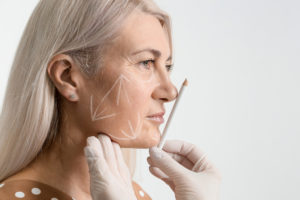
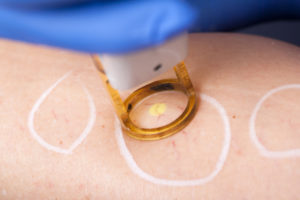
    Marking the face with a white pencil for surgical intervention close-up

    “As skin ages, a global treatment is often a better option (i.e. treating the whole face rather than just individual spots)  An example of that might be full face Fraxel for spot removal and anti-wrinkle injections for specific areas or filler and anti-wrinkle injections in one session across all the areas that require these treatments,” says Dr Milone.

    By adopting a global treatment approach and focusing on the whole face rather than just individual spots or areas, you can enjoy a more comprehensive skincare journey. As you explore and integrate these techniques and approaches into your skincare routine, you’ll be well on your way to achieving a more radiant, youthful, and healthy complexion.

    Examples of global treatment techniques and approaches

    • Layered treatments. Combining different treatments in a single session, such as chemical peels, microdermabrasion, and laser therapy, can simultaneously address various concerns like texture, pigmentation and scarring.
    • Facial contouring and rejuvenation. Utilising a combination of dermal fillers, hydrating fillers, and other injectable treatments can provide a more balanced and natural-looking facial rejuvenation, targeting the whole face rather than just specific areas.
    • Full-face skin resurfacing. Techniques like laser resurfacing, micro-needling, and radiofrequency treatments can target the entire face, improving overall skin quality, texture and tone.
    • Comprehensive skincare regimens. Creating a well-rounded skincare routine that includes products targeting hydration, exfoliation, sun protection and antioxidant support ensures that the entire face receives the necessary care and attention.

    Trending with Enrich

    The aesthetics skincare industry is continuously evolving, bringing forth innovative trends that cater to a wide range of skin concerns and preferences. As we move through 2023, we encourage you to explore new innovations and see what might suit your personal skincare routine. 

    Our team is dedicated to helping you navigate the ever-evolving world of aesthetic skincare, ensuring that your journey is both enjoyable and effective. Contact us today.

  • Non-invasive face treatments

    Non-invasive face treatments

    At ENRICH Clinic, we have many effective non-invasive facial treatments to suit your budget and skin goals. There are so many, with multiple names, that you may not know where to start. Here we offer you an overview of an excellent way to choose treatments based on your skin goals.


    Before we get into the specifics of the treatments, it’s useful to understand what your specific skin goals are and write them down. There may be a part of your face that is bugging you – redness, pimples, sun damage, dry skin, wrinkles – or you may want to look great for a special event or make an anti-ageing plan. We can also do non-surgical rhinoplasty.

    Your skin goals are the most important thing for us here at ENRICH Clinic, so having a consultation will fast track your discovery process where you will benefit from our experience.

    The internet can be a mind-boggling place, so we recommend making an appointment with one of our specialist cosmetic practitioners to see how we can help you.

    Non-surgical face treatments

    Injectables

    • Dermal fillers
    • Muscle relaxers (anti-wrinkle injections)
    • Liquid facelifts (anti-wrinkle injections and dermal filler)
    • Fat-dissolving injections

    Skin treatments

    • Chemical peels
    • The Secret or Microneedling
    • Microdermabrasion

    Laser and similar procedures

    • Continuous, fractional, ablative and non-ablative lasers
    • IPL and other heat-based devices
    • LED anti-ageing devices
    • Piqo laser
    • China Doll Facial

    Each treatment has a thing or two that it’s really good at, so starting with your skin goals in mind, we can then narrow down the procedures that will most benefit you.

    Here are some great examples of how we help our patients to get you started.

    Anti-ageingPortrait of beautiful mature woman sitting in cafeteria looking away. Cheerful mature woman wearing eyeglasses thinking with finger on chin. Happy woman relaxing at cafe and smiling.

    Anti-ageing is where a cosmetic clinic comes into its own. We love our range of anti-ageing treatments, and so do our clients. There are many to choose from, and it will depend heavily on which element of anti-ageing you are focused.

    Because the ageing process affects the areas of the face differently, we treat each area separately.

    Elements of facial ageing include:

    • The development of fine lines and wrinkles
    • Loss of fat volume creating a sallow look of the cheeks and around the eyes
    • Loss of collagen and elastin contributing to wrinkling and sagging
    • Deepening of grooves

    To combat each of these, we can use a collection of tools that address one or more element. Fine lines and wrinkles can be softened using resurfacing (makes all skin the same ‘height’), filled in with dermal fillers, or collagen boosted with wave-based treatments.

    We can arrest deep grooves and wrinkles as they are forming with anti-wrinkle injections, keeping your face smoother for longer.

    Fat in our face creates a more youthful appearance, so dermal filler has a huge role to play in our anti-ageing strategies. The hollows left due to diminishing fat volume in the cheeks can be plumped back up with dermal filler injections, as can the tear troughs and nasolabial folds (the lines that join your mouth and nose).

    Facial redness

    Redness is the result of blood vessels close to the surface of the skin. There is regular redness – this may be genetic, maybe you run hot – then we have redness caused by inflammation, known as rosacea.

    We have very effective laser treatments that remove the tiny blood vessels, reducing the visible impact of being hot, flushed or generally blotchy or red. This treatment works the same for any blood vessel condition, minor or major.

    If you have red cheeks or a red face all the time,  you may benefit from a consultation with a dermatologist to look into the cause. Sometimes a skin treatment isn’t the most appropriate way forward here.

    Rough or dry skin

    The outer layer of skin is by design made up of hard, dead skin cells – the keratinised layer of skin that protects us from the outside world. Keratinised skin, because it’s dead skin cells, can easily become dry, flakey and rough. Think of elbows, knees and heels.

    These dead skin cells can also lead to face appearing dry, dull and lacklustre. The solution is to get rid of the skin cells. We achieve this with several tools, for example, laser resurfacing, chemical peels and microdermabrasion. The top layer of dull skin is removed, revealing the fresh skin underneath.

    Acne or acne scarring

    Acne and acne scarring are two very distinct problems with individual solutions. Acne is an active skin infection, while acne scarring is the result of a specific skin injury. Acne scars develop due to a space created underneath the skin, in the pore, by the infection, that is then filled in with scar tissue.

    We have several strategies for managing acne, including hormonal management and very targeted skin treatments. Skin treatments include light- and wave-based devices to kill bacteria and promote skin health.

    Acne scar treatments often include collagen remodelling to change how scars appear, but depending on the type of scar, we can also work to resurface the skin.

    We are skin experts who prefer to use non-invasive strategies to achieve your skin goals. We have such an amazing array of tools at our disposal, so come in for a consultation so we can show some of them off to you! We feel confident that we can help you have more beautiful skin, whatever that means to you.

    At ENRICH Clinic, we have three expert dermatologists, including our founder Dr Michael Rich, Dr Lena Ly and Dr Charles Xie

    We are experienced cosmetic dermatologists & phsicians.
    Contact us for an appointment

  • What is the difference between a mole and a freckle?

    What is the difference between a mole and a freckle?

    A mole and a freckle share many of the same qualities, with the main one being colour. However, moles and freckles are different in some key ways, with the most significant difference being that a mole will be slightly raised, while freckles can’t be felt if you run your finger over them. Moles also tend to be darker than freckles.

    But, there’s more to it. To understand the significant differences between freckles and moles, we have to look into the skin cells that make moles and freckles: melanocytes.

    What is melanin?

    Melanin is a dark substance produced by pigment-producing skin cells, melanocytes. When your skin absorbs ultraviolet (UV) rays, your melanocytes are activated and produce melanin to help protect your other skin cells from UV damage. (You can think of melanocytes as putting up a protective umbrella for the next rainstorm. You got wet this time though.)

    Melanin is a physical barrier of colour between your upper skin cells and those beneath. This pigment absorbs future UV rays, ensuring they don’t damage your other cells. Skin cells under the top layer have no protection otherwise.

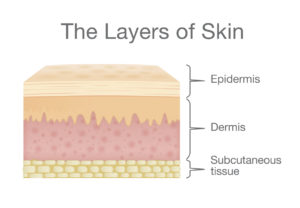
    Melanocytes are found all over your body but are restricted to the underneath side of the epidermis – the bottom section of the top layer of skin cells. Melanocytes are capable of producing a freckle or mole pretty much anywhere.

    What is a freckle?

    A freckle is made up of melanocytes that have produced pigment in response to UV rays. Freckles tend to be lighter in colour than moles, but this isn’t always true: freckles can be very dark, almost black. Freckles tend to be found in the superficial layers of skin cells compared with moles.

    Freckles can suddenly appear, but you’re most likely to notice freckles appearing in winter when the skin is pale, and they stand out more. Every winter, you’ll probably notice more freckles around your body if you’ve been out in the sun the previous summer.

    Freckles may fade and disappear over time.

    Do freckles require treatment?

    Freckles are not dangerous and do not require treatment. But some people don’t like their freckles. If that’s the case, we have strategies to remove the layer of skin that freckles reside in. We can lighten or remove freckles, depending on where they are and how many you have.

    Speak to us at ENRICH Clinic – we have treatments to reduce pigmentation spots like freckles.

    What is a mole?

    Moles are small brown (or tan, black, red, blue or pink) spots on the skin which range in size and their protrusion off the skin. Moles develop when melanocytes (skin cells) grow in clumps or clusters, on top of each other, and as such, they can have a wrinkly top or be flat, and vary quite a lot in colour. A mole may have a hair growing out of it.

    Moles originate deeper in skin layers and tend to appear when we’re younger, rather than with advancing age. It’s estimated that each of us will have 10-40 moles by the time we hit adulthood. Some moles can develop when we’re in the womb, meaning we can be born with moles.

    Moles can go away sometimes, but usually, they’re with you for the long haul.

    Do moles require treatment?

    Generally, moles are often safe and do not require any treatment, but its always worth having them checked routinely. Some moles may be removed for aesthetic or practical reasons or prophylactically to avoid melanoma issues in future. Mole removal techniques will depend on the size and location of the mole and whether it will be sent for a biopsy.

    Moles need to be checked regularly by a qualified person to look for changes. Moles can turn into melanomas (dangerous skin cancers), so early diagnosis and treatment are essential. This means getting regular mole checks.Young beautiful freckles woman face portrait with healthy skin

    If you notice a mole changing in any way – shape, colour, size, becoming itchy, sore or bleeding – see a doctor immediately.

    What’s the difference between a freckle and a mole?

    • Freckles cannot turn cancerous, but moles can
    • Moles originate in deeper skin layers than freckles
    • Freckles tend to be flat, while moles are usually raised
    • You usually see more freckles than moles
    • Fair-skinned people will often get a freckle instead of a tan (but not a mole)
    • Moles tend to appear earlier in our lives and stick around
    • Freckles can appear throughout our lives and disappear
    • Moles are not directly associated with sun exposure, whereas freckles are

    What’s alike between a freckle and a mole?

    • The tendency for moles and freckles is genetic
    • Both freckles and moles are darker than surrounding skin, never lighter
    • All skin colours can get freckles and moles, but they are easier to spot on light-skinned people

    What is a skin tag then?

    A skin tag is a small benign piece of skin that hangs by a stalk. Skin tags can look like moles but tend to be more skin-coloured than pigmented. The stalk gives them away as being a skin tag, but skin tags range in size and may appear quite mole-like.

    Skin tags are often found in areas that make regular rubbing skin contact  (armpits, groin, neck, etc.) and become more numerous as we age. Skin tags are not at risk of developing cancers, unlike moles.

    Do skin tags require treatment?

    Not unless you are unhappy with the appearance of a skin tag or if they are bothering you in a practical sense, for example rubbing on clothes or jewellery. Skin tags can be quickly removed in the doctor’s office or dermatology clinic using a few different methods, from a simple snip off, to burning, freezing or lasering.

    What are sunspots/lentigo?

    Lentigines are areas of pigmentation on the skin that we might call an age spot or a sunspot. These are similar to freckles but tend to be well defined; more like a splotch than a freckle. They are also larger than freckles.

    Lentigines appear most in areas that are in contact with UV rays, such as the back of hands, face, and chest. A lentigo may appear after radiation therapy and are more common as we age.

    Do lentigines require treatment?

    No, but like most of these other pigmented spots, we can remove it if you don’t like the look of it. Skin resurfacing and specialized lasers that address pigmentation are the best way to make these spots disappear. Speak to us – we can help.

    What are seborrheic keratoses?

    Seborrheic keratosis is a black or brown growth often found on the chest, back and head. These growths develop from keratinocytes and can look like warts. Seborrheic keratoses tend to develop as we age; however, they are harmless, not contagious, and are not typically associated with skin cancer.

    Do seborrheic keratoses require treatment?

    No, but you may not like their appearance. In that case, we have a few very simple, effective strategies for removing seborrheic keratoses in our clinic.

    We can effectively remove most spots!
    Contact us for an appointment.

    ENRICH Clinic

  • Why two skin treatments can offer 3X the result

    Why two skin treatments can offer 3X the result

    Combining skin treatments may seem like double the effort, but it could offer triple the benefit. There is no single ‘best’ treatment when it comes to your skin. Often a few excellent procedures combine that offer, together, even better results than you’d see with just one treatment alone.

    If you are concerned about signs of ageing (wrinkles, blemishes, brown spots or sallow cheeks), you aren’t going to find one single best treatment. A laser may work well on your skin tone, while an anti-wrinkle injection may be useful to stave off a deep wrinkle.

    Age and sunspots are treated with a laser, chemical peel or another light-based treatment, while sallow cheeks can also be treated with hydration increasing treatments.

    Finding treatments that complement one another is key to getting the 1 + 1 = 3 effect. We love combining treatments because the results can often be three times more effective!

    Ageing is a complicated process

    There is no one-size-fits-all when it comes to how your face is going to age or what concerns you the most. There is an intricate pattern of wrinkles, some that stay static (like a frown line) and those that appear on flatter surfaces of the skin (think forehead and cheeks).

    We lose facial volume, which in turn results in new folds and contours appearing over time. Blood vessels can also become more prominent.

    The multifaceted process of ageing, therefore, is best served with a combination cosmetic approach.

    Treatments that work well in combination

    Needling, lasers, intense pulsed light (IPL), microdermabrasion, chemical peels, hydration treatments and high-quality skincare products can all be used together in various combinations for positve cosmetic outcomes.

    We use these combos a lot at ENRICH Clinic, where Dr Michael Rich is a great proponent of the multi-treatment approach. The treatments can often be performed in one appointment but may be scheduled over several appointments where necessary.

    Classic treatment combos

    • Laser and radiofrequency
    • Hydration and wrinkle reducing treatments
    • Acne medication and topical acne or acne scarring treatments
    • Skin needling (The Secret) and chemical peels
    • Peels & Diodes
    • Ultraformer (HIFU) and lasers

    What is the best cosmetic treatment combination?

    The best cosmetic treatment combination for you depends on your skin concerns. Talk to your cosmetic dermatologist or doctor to see what their thoughts are. Consultations are the key as well as developing a long-term plan for your skin health, and also handy for budgeting!  Combination treatments can be different for everyone and depends on ou skin type, age, diet, gender and genetics.

    A break between treatments may be necessary, so your skin can do its thing

    Some procedures are, by necessity, performed away from others. For example, a robust collagen-boosting treatment requires at least a month, if not more, to reach its maximum potential. There’s not much point in doing more collagen-boosting treatments over the top. Your skin is already maxing itself out. However, this doesn’t mean you can’t do wrinkle-reducing treatment or even a pampering, ultra-hydrating facial.

    Other treatments require a break due to the way they function in the skin. For example, certain needle-based treatments need time to settle before other skin treatments go over the top. This timing is in place because the liquid can migrate, or the skin has been pierced so you have to be careful of infection for at least 24 hours — also, no facial massage after any kind of needling.

    Swelling from some treatments may impede the effect of others, so a break for healing may be useful for the best outcomes for some combined treatments. You don’t have to have them done in the same appointment for the combination treatment effect to come into play.

    Using lasers and other wave-based treatments in combination

    Some cosmetic devices are designed to penetrate more deeply than others, which is why we may utilise the powers of two or more wave-based devices as a combination treatment.

    One such combination may be a radiofrequency device, which penetrates deeper layers, with a laser that works on the skin’s surface. This way, skin gets a deep treatment that stimulates, tightens and strengthens as well as undergoes a smoothing, brightening, resurfacing treatment. Here’s a paper on a study that reviewed how certain combination treatments can be effective.

    Your cosmetic doctor knows the best combination of treatments. 

    If you’re not sure what you need, don’t worry! We do. Come in for a consultation, and we’ll help you figure out the best course of action for your skin.


    Let us get the most out of your skin.
    Contact us for an appointment

    ENRICH Clinic

  • How to reverse sun damage on the face

    How to reverse sun damage on the face

    The jury is out on whether you can reverse all sun damage on the face with cosmetic treatments, but we have a few tricks up our sleeve for just that. At ENRICH Clinic, we have a set of pretty great tools in our arsenal, some which can remove sun-damaged skin cells.

    Before we get into reversing sun damage, we need to be on the same page with just what sun-damaged skin is.

    What is sun-damaged skin?

    When you expose your skin to the sun, ultraviolet (UV) rays penetrate your skin, entering the cells and send signals to your skin cells. Not all UV rays are damaging – just UVB rays.

    In response to this damaging influx of UVB energy, specialized skin cells called melanocytes produce a pigment, melanin. Melanin is the dark skin pigment that makes darker skin tones and in lighter skin tones, causes a tan to develop. Melanin is responsible for freckles and moles – and melanoma.

    The little skin cell that got a tan…

    Melanin production occurs when the DNA in a skin cell is damaged. The DNA damage is the SOS of a skin cell to the melanocytes: “Produce more pigment!” they cry, “More! More! We’re dying here!”

    The skin cell lays gasping while the melanocytes get to work, trying to prevent further damage by building a physical barrier of pigment in the skin cells. This pigment helps protect against future sun, but the damage to the DNA in the cell has occurred. That’s how the melanocyte knew what to do in the first place.

    A tan is never a healthy sign for your skin cells – it’s a cry for help. It just means you’ve been out in the sun (which may seem like you’ve been on a relaxing tropical holiday, hence the association with relaxation and health).

    Is darker skin protective, or does it mean I’ve got damaged skin cells?

    In darker skin tones, there is already a base layer of melanin present from birth that protects the cells from increased UVB damage. Darker skin tones still have a skin cancer risk and in some cases, a higher risk of certain types of melanoma.

    Darker skin does not exempt you from skin damage from UVB rays (though darker skin types don’t get as much skin cancer as lighter skin tones, plus darker skin ages better regardless of sun exposure).

    You still have to wear sunscreen!reverse sun damage with cosmetic procedures

    Sun-damaged skin makes you wrinkly faster

    The more sun you are exposed to, the worse the damage. Excessive UV exposure may result in the production of certain enzymes in the skin that breaks down collagen and elastin fibres. These fibres are the strength and structure of your skin and are the only things holding you up. Without collagen and elastin, your thinning skin starts to sag and wrinkle.

    Another problematic occurrence is the increase in a specific growth factor that increases the proliferation of blood vessels, resulting in very sun-damaged skin appearing with a map of veins across it.

    Sun-damaged skin can look fine from the outside, but once you put it under a Woods lamp, all the sun damage appears. This damage will keep appearing as the years wear on, as pigmentation spots, wrinkles and sagging.

    The big sun that got a bad reputation

    We shouldn’t completely hide from the sun. We need sunshine to cause the chemical reaction in our skin that results in vitamin D production. Vitamin D is essential for our immune system and bones, and we should remember this in our attempts to cover up and block the sun’s rays.

    If you don’t get any sun or are always fully protected, consider getting tested regularly for vitamin D levels and using a supplement. Speak to your healthcare provider.

    Reversing sun damage in the skin

    ‘Reversing’ may not be the best term here, since that’s not necessarily the process that occurs in the skin when we treat sun damage. Sun damage may have gone deep.

    When we treat sun-damaged skin, we are usually removing the damaged or pigmented skin cells and promoting the function of the skin. These advanced skin treatments are done at the clinic only, so do require appointments and in some cases, an outlay of money and recovery time.

    However, we can remove much of the sun damage from your face in our clinic, sometimes in just one treatment.

    Can skin cells repair DNA damage?sunscreen to protect skin

    Other animal species can repair DNA damage, but humans, not really. Non-mammals have a photolyase enzyme that can remove damaged lesions; however, mammals don’t have this marvellous piece of kit.

    The only protection we have from DNA damage to skin cells is to avoid direct UV rays without sunscreen or protective clothing. Wearing sunscreen is the only protection we have from damaging UV rays.

    You do have some internal mechanisms to help, which is where antioxidants come in. Research shows that UV exposure is a significant trigger for the release of damaging free radicals. Eating a diet rich in antioxidants can help mitigate some of the damage. Antioxidants can help pick up some of those stray free radicals floating around, taking them out of circulation so they can’t keep doing damage.

    That means a diet rich in high-antioxidant fresh fruit and vegetables.

    Methods we use to reverse or remove sun-damaged skin

    • Chemical peels
    • Microdermabrasion
    • Laser skin resurfacing
    • Laser skin treatments
    • Topical treatments

    How chemical peels remove sun damage on the face

    Chemical peels are a type of skin resurfacing using various ingredients to dissolve the outermost layers of skin. The depth of the peel depends on the ingredients used.

    Benefits of chemical peels

    • May remove sun-damaged and pigmented superficial skin cells
    • Freshens complexion
    • Improves texture and tone
    • Can mitigate blemishes and redness
    • Stimulates collagen production
    • Deep clean skin – removes whiteheads and blackheads
    • Helps control oil production
    • Tends to be low or no downtime
    • One or more treatments
    • Peels are very affordable

    How microdermabrasion removes sun damage on the face

    Microdermabrasion is the gentle process of removing the topmost skin cells, revealing fresh new skin underneath. At ENRICH Clinic, we prefer to use the erbium laser for microdermabrasion as results are far superior to other abrasive dermabrasions on the market.

    Benefits of microdermabrasion

    • Helps remove damaged superficial skin cells
    • Refreshes complexion
    • Evens skin tone
    • Improves skin texture
    • Reduces the appearance of large pores
    • Smooths blemishes, pigmentation and redness
    • Stimulates collagen production to help firm skin
    • Clears breakouts
    • Helps control oil production
    • Low or no downtime
    • One treatment is excellent, but regular treatments improve results
    • Microdermabrasion is gentle on skin

    How laser skin resurfacing removes sun damage on the face

    Using the laser to resurface skin is much like microdermabrasion, but much more in-depth. This type of treatment can come with some dramatic results, but also some downtime. Where microdermabrasion can be a lunchtime no-downtime treatment, laser resurfacing requires some home time.

    Benefits of laser skin resurfacing

    • Dramatic results
    • Removes significant amounts of sun-damaged skin
    • Improves the appearance of fine lines and wrinkles
    • Can soften deep grooves
    • Completely resurfaces the skin to a deep level
    • How laser skin treatments remove sun damage on the face

    We also have laser skin treatments that target specific issues on the skin surface caused by sun damage such as pigmentation. Lasers can focus on any one particular skin problem with ease, allowing us to target the results of sun damage, rather than a full resurfacing treatment. Spots on the face, hands and chest are easy and painless to remove in the clinic.

    Laser skin treatments work well with other treatments such as anti-wrinkle injections and dermal fillers.

    Benefits of laser skin treatments

    • Remove or reduce the prominence of single spots quickly
    • No need for full laser resurfacing treatments
    • Work on individual areas or full face and neck
    • Efficiently treat the skin on the backs of the hands
    • Reduce the appearance of fine lines and wrinkles
    • Stimulate collagen for overall firming (where required)

    How topical treatments remove sun damage on the face

    There are a handful of excellent high-strength topical treatments for sun-damaged skin only available through your clinic and cosmetic doctor. You require a prescription for these products, and therefore, a consultation will be required.

    Benefits of topical treatments

    • Reduce the appearance of fine lines and wrinkles
    • Improve skin texture and tone
    • Rejuvenate skin cells
    • Strengthen skin
    • Helps prevents degradation of collagen
    • Improves skin barrier and skin thickness

    Interested in the process of skin ageing and what science is doing about it? Read this scientific paper, Fighting Against Skin Ageing.

    We are cosmetic skin experts!
    Contact us for a consultation on your skin

    ENRICH Clinic

  • Why there isn’t one laser for all treatments

    Why there isn’t one laser for all treatments

    To understand why there isn’t one laser for all treatments, you need to understand what each laser does during a treatment. You’ll soon see why one is better for specific jobs than another.

    What does a laser do?

    A laser is a single wavelength – a colour – of high-energy light focused into a tiny, single beam.

    Uses of lasers in everyday life

    • A teacher or professor may have a laser pointer in a classroom
    • The remote control on your TV uses a laser
    • A light show during a show may use lasers

    A laser beam, laser precision, laser light – the point of a laser is that it is a single beam of focused light energy. Laser beams come in varying strengths, for example, your remote control laser beam is very weak, transmits only over a short distance, and won’t do any damage if you shine it in your eyes.

    Stronger lasers, however, can get hot and burn, penetrate solid objects, and can transmit signals over a long distance. You do not want those going in your eyes.

    How a laser beam works

    Lasers can only emit one wavelength – colour – at a time. When we use lasers in cosmetic treatments, we are utilising a process known as ‘selective photothermolysis’.

    Photothermolysis
    Photo means light
    Thermo means heat
    Lysis means to destroy

    In cosmetic treatments that use thermolysis, we, therefore, use light to produce heat to destroy tissue.

    The wavelength – like the colour – of whatever we are targeting must be the same as the wavelength – like the colour – of the laser beam. This is how we selectively target blood vessels, brown spots, or remove tattoo ink with laser treatments.

    Many laser treatments target the water in tissue, which has its own wavelength (as opposed to a ‘colour’ as we know it).

    Each laser is generally able to produce just the one wavelength at a time, but up to four different wavelengths (using different settings) in total, limiting each of them to whatever wavelength(s) they were built for. A laser can’t produce two wavelengths at the same time.

    Starting to get it now?

    Each laser has its particular wavelength(s) that are attracted to different elements in our skin. This selectivity is why lasers are so precise and don’t affect the tissue that does not match the colour (wavelength) of choice. The laser can’t ‘see’ these colours (wavelengths) and so can’t affect them.

    If you have a brown spot (melanin) you want vapourising, the ablative brown-wavelength laser is your tool of choice.Young beautiful freckles woman face portrait with healthy skin

    Similarly, laser hair removal uses the same system: darker hair pigments attract the laser beam.

    Spider veins on your cheeks? The red-wavelength laser is your tool of choice to target haemoglobin.

    Some lasers have a long-range, while others have a short range. If you want to target a spider vein under the skin, for example, you need a laser that can reach that distance into your tissue but doesn’t affect outer skin or nearby skin. So, a non-ablative laser treatment targeting the red colour wavelength would be the choice.

    But, it’s also a matter of heating the target tissue quickly enough to cause damage to it. This is where the power and depth capacity of the laser treatment comes into play.

    The word laser is an acronym:

    Light
    Amplification by
    Stimulation
    Emission of
    Radiation

    Types of lasers – ablative versus non-ablative lasers

    There are two general types of lasers used in cosmetics: the ablative and the non-ablative laser.

    • Ablative lasers vapourise the top layers of skin, causing varying degrees of downtime and visible results on the topmost skin
    • Non-ablative lasers keep the top layer of skin intact, affecting deeper layers of tissue – no visible damage, no downtime

    From there, we have a vast array of brands and variations in the power and settings of each laser. The main difference between machines is the wavelength (colour) the device produces, which directly affects what sorts of skin conditions you might use it for.

    Different types of skin tightening lasers for fine lines and wrinkles

    When using a laser treatment to remove or reduce fine lines and wrinkles, we’d likely start with a skin resurfacing (ablative) laser. We would use this to remove the hills and valleys of the wrinkle. That is, to even out the skin, so it is all the same level, softening the contrast between the dips and creases a little. This reduces the appearance of wrinkles and can erase fine lines.

    These lasers also stimulate collagen production, so over time, help increase the strength and firmness of the skin.

    The carbon dioxide (CO2) laser or Erbium YAG are the most common laser treatments for fine lines and wrinkles. The CO2 laser treatment is often used for more in-depth skin treatments but also to remove skin tags and warts or for laser-assisted surgeries that require precision.

    At ENRICH, we have a vast array of state-of-the-art lasers !

    Different types of skin tightening lasers

    Skin tightening is achieved by applying the laser treatment to the skin, which produces a controlled injury to the collagen-producing layer, the dermis. Existing collagen is contracted, and new collagen production is ramped up.

    Collagen is your skin’s infrastructure, the matrix that holds you together. When you contract and stimulate collagen, it has a tightening and  toning effect on your tissue, resulting in a visible skin tightening effect.

    We have many devices for skin tightening, depending on your individual needs.

    Different types of lasers for skin pigmentation

    Pigmentation (melanin) is produced in the epidermis – the top layer of skin – by melanocytes. The lasers most appropriate tend to be ablative devices that are matched for brown colouring. Sunspots, liver spots, age spots, melasma and hyperpigmentation, can be successfully vapourised.

    Different types of lasers for removing precancerous lesions

    Indeed, a skin cancer is usually surgically removed by a doctor to ensure the full cancer is removed. However, when a lesion is not yet cancerous, it can be quickly and easily removed with a laser treatment before it has a chance to develop into a malignancy.

    This works much like pigmentation, and we vapourise the lesion with an ablative laser.

    Different types of lasers for blood vessel conditions (spider veins, birthmarks, etc.)

    Vascular lesions such as broken blood vessels, spider veins, spider nevi, hemangiomas and port-wine birthmarks (which contain a vast blood supply) can be successfully treated with a laser treatment that targets haemoglobin-red – red. The laser ignores the tissue around the red so that a blood vessel can be destroyed without harm to other tissue.

    Different types of  tattoo removal lasers

    Tattoo removal can be done with a CO2, Q-switched laser or Nd:YAG laser, but our laser treatment of choice is the very fast, effective PiQ04 picosecond laser.

    Our picosecond laser has four different wavelengths that actively target many different colours typical in tattoos. When we combine all our lasers, we have the best selection for any tattoo to be removed, no matter the colours, including trickier cosmetic tattoo pigments. The picosecond laser is exceptionally efficient when it comes to tattoo removal.

    Different types of hair removal lasers

    Hair removal lasers have been restrictive in the past because they relied so heavily on light skin and dark hair; however, advancements in lasers have all but eliminated this. In laser hair removal, the laser needs something to be attracted to, which tends to mean a slightly darker, pigmented hair shaft.

    The laser energy travels down the hair shaft, transferring its heat to the surrounding follicle, damaging it so that it cannot produce a hair. This is how laser hair removal works.

    Visit us for laser hair removal in Melbourne

    Different types of lasers for acne and acne scars

    Deeper acne scarring can be treated using the CO2 laser, but this depends on the state of the skin and the depth of the scarring. Acne scarring may be addressed by remodelling the collagen that makes up the scarring or by resurfacing the skin, and your doctor will decide which laser is best for your skin.

    A combination of both ablative and nonablative lasers may be used, along with some of our non-laser devices.

    We have a large range of lasers to tackle your skin issues
    Contact us to see how we can help you

    ENRICH Clinic

  • How  diamond tip microdermabrasion differs from laser skin rejuvenation

    How diamond tip microdermabrasion differs from laser skin rejuvenation

    Laser skin resurfacing and microdermabrasion using a diamond tip are both effective nonsurgical skin rejuvenation treatments, however they do differ in their application. Both treatments aim for the same outcome: the top layer of skin removed, to stimulate collagen and elastin, and to provide a rejuvenating skin boost.

    At ENRICH in Melbourne, our microdermabrasion is done with a laser, so it is in fact a form of laser skin rejuvenation, but many clinics are still using the diamond-tipped sandblasting-type microdermabrasion machines. Diamond-tipped machines use tiny abrasive particles and a vacuum suction device that removes the debris as the treatment is carried out.

    Laser skin resurfacing relies on high-intensity energy pulses to remove the top layer of skin, revealing fresh new skin underneath, while microdermabrasion uses a sort of sandblasting action. The goal of both treatments is to smooth out skin, so any valleys, hills, blemishes or marks are softened. This creates a finer texture and a more evenly toned look.

    Lasers do a more effective job of skin rejuvenation because the laser beam is able to penetrate deeper into the skin without causing damage, vaporising upper layers of skin cells. Microdermabrasion’s reach is rather superficial in comparison and unless you are undergoing dermabrasion – the really hardcore sandblasting type – the sandy bitties don’t get too far in, or you would bleed (as occurs in dermabrasion).

    Any form of microdermabrasion causes the skin to produce collagen and elastin as it performs its healing process, which makes skin imperfections less visible or removes them entirely. There are different types of lasers that do the trick, with every dermatologist having their own preferences.

    Microdermabrasion – the manual method – may cause some downtime compared to laser microdermabrasion. A single, effective deeper laser treatment can supersede multiple microdermabrasion appointments, but it depends on your budget and what you are after.

    Laser skin rejuvenation can be very gentle on the skin, remarkably so, as can microdermabrasion. There is a sliding scale of depth for these treatments, where you can get deep treatments that cause downtime, to the most lightweight that give you a refresher, without any redness.

    Laser skin resurfacing

    Deeper treatments might include resurfacing the skin, which has a sliding scale of depth. Laser skin resurfacing can be used for serious skin flaws, sun damage, and blemishes, offering a fresh slate of sorts.

    Laser skin treatments can be performed using one of a handful of lasers, from CO2 lasers, Erbium lasers, and others. Each treatment is tailored to your needs, so you get the best results. You cannot perform these treatments at home, and a professional clinic with trained, experienced practitioners is your best bet for a great outcome. Most skin types and any skin tone can be treated, but anyone with rosacea and some other skin issues may be excluded.

    We do effective microdermabrasion at our Melbourne clinic.
    Contact us

  • Understanding an inflammatory tattoo reaction

    Understanding an inflammatory tattoo reaction

    back tattoosAn inflammatory tattoo reaction is hypersensitivity in the area where a tattoo has been drawn on the skin, and can appear days, weeks, months, and even years later. 

    Most tattoos are done on purpose – insoluble pigment is needled into the dermis in a pattern of our choosing (decoration, cosmetic tattoos, reconstructive tattoos) – but this isn’t the only form of tattoo there is. Other tattoos can be caused by trauma, for example, dirt or gravel tattoos that cause the implantation of dirt or coal deeply under the skin. Another sort of tattoo is caused by medical treatments such as ferrous subsulfate (Monsel’s solution), used to help stop bleeding or purposely placed for medical treatments like radiation.

    A tattoo reaction can occur anytime a tattoo is created, and can appear despite other tattoos previously done not causing such a reaction. The normal reaction of skin to the injury a tattoo creates is for the skin to scab, crust and feel tender as the skin heals, which resolves within weeks. There may be itching, redness, swelling and tenderness; all normal responses that resolve.

    Henna tattoos and allergic reactions

    Henna tattoos are causing some significant allergic contact dermatitis reactions, which can appear from 24 hours up to two weeks after a henna tattoo has been applied. The allergen responsible is paraphenylenediamine (PPD), which is added to make the pigment darker and dry in a shorter amount of time. PPD cross-reacts with several substances, so anyone with allergies of any kind should double-check before using any henna product that includes these ingredients or is marketed as ‘black henna’.

    What an inflammatory tattoo reaction looks like

    Delayed hypersensitivity reactions can occur weeks, months, or even years later. A tattoo reaction may appear with swollen nodules or plaques, a lichenoid reaction or an eczema-like rash on the tattoo site. After sun exposure, there may be itching or redness, typically with red and/or yellow pigments causing a photosensitive or photoallergic reaction. Lymph nodes may swell if tattoo pigments migrate to a node via the lymphatic system. Scaling, crusting and ulcers may appear.

    This reaction can occur with any tattoo pigment and usually, the tattoo reaction occurs at the site of the tattoo, making it reasonably easy to detect.

    Causes of inflammatory tattoo reactions

    These reactions can be caused by a few different issues, with the first being infection. When an infection is needled deep into the skin, it can’t get out, so develops deep underneath the skin. This also applies to fungus. Another issue is the foreign body response your body has to the pigments. Underlying this reaction is often an allergy or sensitivity reaction to a metallic substrate in the pigment, which is the most common cause of a reaction to a tattoo.

    Some reactions in the past have been caused by red pigments that contained mercury, however, this is now a restricted pigment (mercury sulphide, cinnabar). Substitute reds, however, can also cause reactions (cadmium red or yellow). The metals are thought to be the main inflammatory suspect, also found in cobalt with blue, cadmium with both yellow and red, chromium with green and manganese with purple, while carbon (India ink) and iron oxide are common in black pigments.

    Treatment for tattoo reactions

    There are some medical options that range from steroids to laser treatments, however, each person’s situation will be unique and depend on whether they want the tattoo to stay put. Microdermabrasion or another type of skin resurfacing may be the only suitable treatment, which would mean complete removal of the tattoo, which may have been a significant investment in time and money, and have great sentimental value.

    We can treat inflammatory tattoo reactions.
    Contact us