Category: Dermatology

  • Is AI Helping or Hindering Dermatology Diagnosis in Australia?

    Is AI Helping or Hindering Dermatology Diagnosis in Australia?

    Artificial intelligence (AI) is rapidly reshaping many areas of healthcare — and dermatology is no exception. From smartphone skin scanners to sophisticated lesion-mapping platforms used in specialist clinics, AI is increasingly part of the diagnostic conversation.

    But is AI genuinely improving dermatology diagnosis, or is it creating new risks and confusion?

    For patients researching skin concerns — whether it’s a changing mole, acne, pigmentation, or a persistent rash — AI may seem like a convenient shortcut. However, dermatology is complex, visual, and highly contextual. Technology can assist, but it cannot replace clinical expertise.

    In this article, we explore the role of AI in dermatology, its potential benefits and limitations, and how it fits within evidence-based, clinical care in Australia.

    What Is AI in Dermatology?

    Artificial intelligence in dermatology refers to computer systems trained on large datasets of skin images to recognise patterns. These systems use machine learning algorithms to:

    AI tools are most commonly discussed in relation to skin cancer detection, but research is expanding into acne, inflammatory conditions, and pigment disorders.

    For example, some systems are trained to differentiate between benign lesions and suspicious lesions using image recognition. However, AI tools do not make medical diagnoses independently — they provide decision support that must be interpreted by a qualified medical practitioner. This is especially true when dealing and diagnosing skin cancer . 

    The Potential Benefits of AI in Dermatology

    1. Earlier Identification of Concerning Lesions

    Some AI systems have demonstrated the ability to analyse images and flag lesions that warrant further assessment. In theory, this may:

    • Encourage earlier medical review
    • Support triage in rural or remote areas
    • Improve workflow efficiency in high-volume settings

    This may be particularly relevant in Australia, where skin cancer rates are among the highest in the world.

    2. Supporting (Not Replacing) Clinical Judgement

    In specialist clinics, AI may assist dermatologists by:

    • Comparing lesions against extensive image databases
    • Providing probability-based classifications
    • Supporting digital mole mapping systems
    • However, AI does not assess:
    • Patient history
    • Symptom progression
    • Immune status
    • Medication influences
    • Full body skin examination findings

    A dermatologist integrates all of these factors during a consultation — something an algorithm cannot replicate.

    Clinics such as Enrich Clinic and Dermatology Institute of Victoria (DIV) prioritise comprehensive, doctor-led assessment alongside appropriate technology where indicated.

    3. Improved Access in Underserved Areas

    AI-assisted teledermatology platforms may improve access for patients in regional Australia. However, telehealth and image-based assessments still require medical oversight.

    The Limitations and Risks of AI in Dermatology

    While promising, AI in dermatology is not without concerns.

    1. Image Quality and Context Limitations

    AI systems are highly dependent on image quality. Variations in:

    • Lighting
    • Camera resolution
    • Skin tone representation in datasets
    • Lesion positioning

    can significantly impact accuracy. Additionally, many publicly available apps are not regulated as medical devices in Australia. The Therapeutic Goods Administration(TGA) regulates medical devices and digital health tools. Not all AI skin apps meet TGA standards.

    2. Risk of False Reassurance

    A low-risk output from an app does not replace a clinical diagnosis. Delayed medical review based on AI reassurance may result in:

    • Late presentation of skin cancers
    • Missed inflammatory or autoimmune conditions
    • Progression of treatable disorder

    3. Dataset Bias

    AI models are only as good as the datasets used to train them. Historically, dermatology image datasets have over-represented lighter skin tones. This raises concerns about:

    • Reduced accuracy in diverse populations
    • Health equity implications
    • Diagnostic bias

    The World Health Organization has highlighted the importance of inclusive AI ethics in healthcare.

    AI and Skin Cancer Detection: What Does the Evidence Say?

    Research has shown that certain AI systems can perform at levels comparable to trained dermatologists in controlled study environments. However:

    • Real-world conditions vary
    • Studies are often retrospective
    • Clinical judgement includes more than image analysis

    AI may assist in identifying suspicious features, but biopsy decisions, management planning, and patient counselling remain clinical responsibilities.

    At clinics such as the Dermatology Institute of Victoria, dermoscopy and specialist review are integrated into skin cancer assessment protocols — with technology supporting, not replacing, medical expertise.

    AI in Cosmetic Dermatology and Skin Analysis

    AI is also increasingly used in aesthetic skin analysis platforms that:

    • Map pigmentation
    • Assess redness
    • Evaluate skin texture
    • Track changes over time

    While these tools may support treatment planning discussions, they do not replace clinical examination.

    For patients exploring skincare ingredients, barrier repair, and evidence-based formulations, educational resources and product transparency are essential. Script Skincare provides ingredient-focused information aligned with dermatological principles.

    The Human Element: Why Clinical Context Still Matters
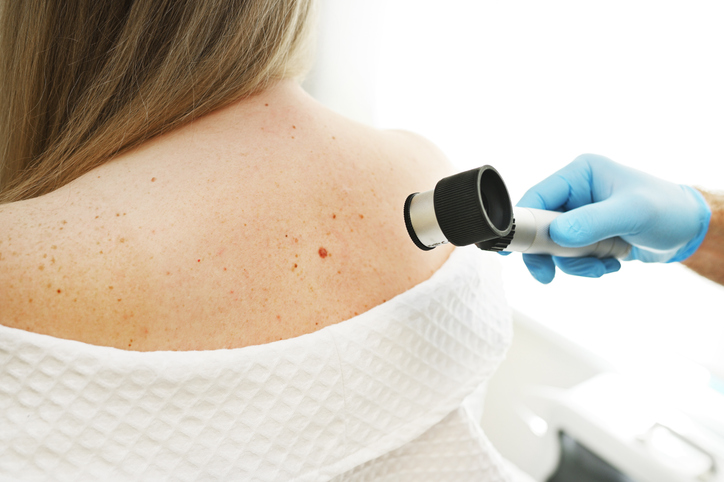
    Dermatology diagnosis involves more than pattern recognition. A dermatologist considers:

    • Family history
    • Occupational exposure
    • Immune status
    • Systemic disease
    • Medication interactions
    • Morphology and distribution patterns
    • Symptom evolution

    AI cannot palpate a lesion, assess texture, or interpret subtle contextual cues such as asymmetry across the entire body. Let not forget it takes years of training and experience to become a dermatologist .

    At Enrich Clinic and DIV, consultations are doctor-led and patient-centred, ensuring that technology is integrated appropriately within a broader clinical framework.

    Is AI Helping or Hindering?

    The answer is nuanced.

    AI May Help When:

    • Used as a clinical decision-support tool
    • Integrated within regulated healthcare systems
    •  Interpreted by qualified practitioners
    • Applied to appropriate image datasets

    AI May Hinder When:

    • Used as a standalone diagnostic substitute
    • Relied upon without medical review
    • Promoted with misleading marketing claims
    • Applied outside regulatory frameworks

    The Future of AI in Dermatology

    AI is likely to continue evolving in areas such as:

    • Automated mole mapping
    • Predictive risk modelling
    • Treatment outcome tracking
    • Clinical workflow optimisation

    However, ethical governance, transparency, and regulatory compliance will remain central to safe implementation.

    The goal is not replacement — but collaboration.

    Technology may assist dermatologists in analysing patterns at scale, but human expertise remains essential in translating data into diagnosis and management. Everyone is indiviual and this is the level of care that is important in any healthcare situation. 

    Hero or Villain?

    AI is neither hero nor villain in dermatology diagnosis. Most importantly, it is a tool — one that must be applied carefully, ethically, and within regulated medical practice.

    For patients, the safest approach remains:

    • Seek a qualified medical assessment for new or changing skin concerns
    • Use AI tools cautiously
    • Avoid relying solely on app-based reassurance

    If you have concerns about your skin, a comprehensive consultation with a qualified dermatologist is the most reliable way to assess your condition.

    While technology continues to evolve, nothing replaces an experienced clinical eye.

    If you’d like your skin professionally assessed — whether for a mole check, skin cancer review or general dermatology concern — we invite you to book a consultation with our doctor-led team at ENRICH Clinic  and The Dermatology Institute of Victoria


  • What are the best consistency and moisturiser type for my skin?

    What are the best consistency and moisturiser type for my skin?

    What’s the Best Consistency and Type of moisturisers for Australian Skin

    Whether you’re dealing with dry winter skin, post-laser sensitivity, or want that healthy, hydrated glow year-round, choosing the right moisturiser can make a big difference. With Australia’s unique climate—from dry inland air to coastal humidity—and increasing demand for cosmetic treatments, understanding how to support your skin barrier is more important than ever. Let’s also not forget that everyone is unique, and so skin also varies from person to person, type to type.Professional advice is always a good start. 

    As dermatologists and skin professionals, in Australia, hydration is fundamental to healthy skin and post-treatment recovery. In this guide, we explore the best consistencies and types of body moisturisers, what ingredients to look for, and how they support both everyday skin maintenance and cosmetic dermatology outcomes.

    Why Moisturising Matters in Dermatology and Skin Treatments

    Whether you’re visiting your cosmetic dermatologist for laser resurfacing, chemical peels, or treating chronic conditions like eczema or psoriasis, the skin needs moisture to heal and function well. Moisturisers serve three key purposes:

    1. Hydrate – Increase the skin’s water content.
    2. Protect – Strengthen the skin barrier and reduce trans-epidermal water loss.
    3. Soothe – Calm inflammation and improve comfort after treatments.

    In cosmetic dermatology clinics across Australia, moisturisers are routinely recommended after procedures such as laser treatments, microneedling, or dermal treatments to support the healing process and maintain results.

    Understanding Moisturiser Types by Consistency

    The key to choosing the proper moisturiser lies in its formulation and texture. Here’s a breakdown of the most common types used in dermatological skincare:

    1. Lotions – Light and Fast-Absorbing

    • Best for: Normal to slightly dry skin, humid climates, oily or acne-prone body areas (like the back or chest).
    • Texture: Thin and fluid, often water-based.
    • Use if: You want something that absorbs quickly and won’t feel sticky in the heat.

    In Australia, where summers can be hot and humid, many dermatologists recommend lightweight lotions containing ingredients such as glycerin or hyaluronic acid for daily hydration. These are particularly useful after treatments like LED therapy or superficial peels when the skin isn’t overly dry.

    2. Creams – Balanced and Hydrating

    • Best for: Dry or sensitive skin, mild barrier repair.
    • Texture: Thicker than lotions but still spreadable.
    • Use if: You need more nourishment without a heavy, greasy feel.

    Certain creams are a go-to for dermatology clinics, especially for post-procedure use. After treatments like IPL (intense pulsed light) and Laser treatments, or facial rejuvenation, patients are often advised to apply fragrance-free creams containing ceramides and niacinamide to help reduce redness and inflammation.

    3. Body Butters and Balms – Rich and Occlusive

    • Best for: Very dry, flaky, or compromised skin.
    • Texture: Thick, buttery, and sometimes waxy.
    • Use if: You’re in a dry climate or need to lock in serious moisture (e.g., elbows, knees, post-retinoid treatments).

    In cooler parts of Australia, such as Tasmania or elevated areas in NSW and VIC, winter skin often craves extra nourishment. You would think it would be the other way around, but often with heating, heavy clothing and the weather, this is the case. Rich moisturisers with shea butter, urea, or cocoa butter are ideal for this, especially for people using topical treatments like tretinoin or undergoing laser resurfacing.

    4. Gels and Gel-Creams – Lightweight and Cooling

    • Best for: Oily, acne-prone, or inflamed skin.
    • Texture: Water-based, often oil-free.
    • Use if: You want a cooling, non-comedogenic option, ideal for summer or after treatments like chemical peels.

    These formulas are popular among younger patients or those receiving acne treatments, particularly in the tropical climates of Queensland and the Northern Territory. Look for aloe vera, panthenol, or green tea extract in these products.

    Of course, remember to always add factor 50+ sunscreen to your face or any other exposed areas if you are going outside. 

    Moisturiser Ingredients to Look For

    In both cosmetic and medical dermatology, ingredients matter. Here are some evidence-based moisturising ingredients frequently recommended by Australian dermatologists:

    • Ceramides – Restore the skin barrier and retain moisture.
    • Glycerin – A humectant that draws water into the skin.
    • Hyaluronic Acid – Binds water for deep hydration without heaviness.
    • Niacinamide – Anti-inflammatory and brightening. 
    • Shea Butter – Deep nourishment and soothing benefits. Not suitable for oily skin. 
    • Urea – Hydrating and exfoliating; ideal for rough or keratinised skin.
    • Squalane – Lightweight oil with antioxidant properties.

    For patients recovering from procedures like fractional laser resurfacing or microneedling, most dermatology clinics often recommend fragrance-free creams rich in ceramides and hyaluronic acid, such as CeraVe, La Roche-Posay, or QV Intensive.
    Pro Tip: Apply on Damp Skin

    Dermatologists often recommend applying your body moisturiser within three minutes of showering. Damp skin absorbs moisturiser more effectively, helping lock in hydration—particularly useful after in-clinic treatments or when dealing with trans-epidermal water loss, a common issue in ageing or sun-damaged skin.

    What are  “Actives” in skincare? 

    Actives refer to active ingredients in skincare, these ingredients that do the heavy lifting. They’re the scientifically proven compounds—like retinol, vitamin C, niacinamide, peptides, AHAs, BHAs, and more—that create fundamental, measurable changes in the skin. Unlike basic hydrators or textures that make a product feel nice, actives are designed to target specific concerns such as pigmentation, fine lines, breakouts, dullness, or loss of firmness. They work by interacting directly with skin cells or the skin barrier to boost renewal, improve clarity, increase collagen production, or calm inflammation. When used correctly (and consistently!), actives help your skincare routine move beyond “maintenance” to truly transformative results.

    Actives can cause issues if they’re not chosen or used correctly. While they offer powerful benefits, they also come with a bit of “personality.” Some actives, like retinoids, AHAs, BHAs, and high-strength vitamin C, can cause irritation, redness, dryness, peeling, breakouts, or heightened sun sensitivity, especially when you’re new to them or use too much too soon. 

    Others may clash when layered together or be unsuitable for specific skin types or conditions (e.g., rosacea, eczema, compromised barriers). 

    The key is slow and steady: introduce one active at a time, start with lower strengths, patch test when possible, and always pair actives with a gentle routine and daily SPF. When used thoughtfully, actives are incredibly effective—but respecting their potency helps keep your skin happy.

    See your dermatologist to discuss what actives would suit your skin type or skin issues.

    Common Mistakes to Avoid

    1. Using face moisturisers on the Body – These are often too expensive and not rich enough for thicker body skin.
    2. Applying to dry skin – Misses the chance to trap moisture.
    3. Using fragranced products post-treatment – Can irritate healing skin and disrupt results.
    4. Skipping moisturiser after in-clinic treatments – Slows healing and increases risk of dryness or redness.
    5.  Using active ingredients that are inappropriate for your skin type or condition. 
    6. Not applying factor 50+ sunscreen on your face and other exposed areas every day.

    Consistency Counts in More Ways Than One

    Choosing the right moisturiser for your Body is about more than just texture—it’s about supporting your skin’s natural barrier, especially after cosmetic procedures or during seasonal transitions. Whether you’re managing post-laser care in Melbourne, navigating humidity in Brisbane, or simply building a solid body care routine, using the right moisturiser—and applying it consistently—can visibly improve your skin health.

    If you’re unsure what’s best for your needs, speak to your cosmetic doctor, dermatologist or skincare clinician. At ENRICH we can incorporate tailored skin barrier support into your treatment plan. We recognise that well-hydrated skin heals better and responds more effectively to treatments.

    How We Can Help

    At ENRICH & DIV, we offer skin consultations before any treatment, or you can come into our Clinic and discuss any topical creams we have in our range at our Script skincare store downstairs with our ENRICH & DIV skin consultant.

    Book a consultation with our team at ENRICH & DIV today, and let’s make your skin health a priority. 


  • From Wrinkle Treatments to Dermal Care—Why Skin Procedures Need Medical Experts

    From Wrinkle Treatments to Dermal Care—Why Skin Procedures Need Medical Experts

    Why Skin Procedures Need Medical Experts

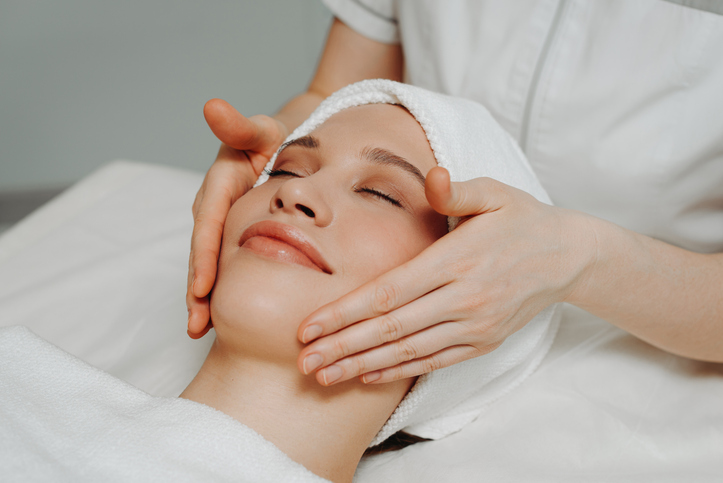
    Why Wouldn’t You Go to a Skin Expert? facial massage

    You go to a gym or a trainer for your body. You go to a professional hairdresser for your hair. So why trust your skin—the body’s largest and most visible organ—to someone unqualified?

    Your skin is not just about aesthetics; it plays a vital role in your health and well-being. Whether you’re considering certain wrinkle-reducing treatments, dermal care, or laser procedures, one thing is clear: cosmetic treatments are medical grade treatments. They require training, precision, and safety oversight.

    Why Expertise Matters in Skin Care

    Cosmetic skin treatments, including certain wrinkle-reducing treatments, laser therapies, and medical-grade skincare, aren’t simply beauty trends—they’re clinical procedures.

    When performed by medical professionals such as dermatologists, doctors, or registered nurses, these treatments combine a safety profile with efficacy. In contrast, when administered by untrained or underqualified providers, these same treatments can be dangerous.

    According to the Australasian College of Dermatologists, improper application of needle-based applications and lasers can result in infections, burns, nerve damage, or even blindness. These risks are not theoretical—they’re real and preventable.

    “Backyard injectables can be fatal—some Australians don’t even realise they’re receiving them,” reports The Guardian.

    Why You Should Choose a Qualified Australian Provider

    Here in Australia, there are stringent health regulations and professional standards for cosmetic practitioners. The safest choice is always to go with a provider who:

    • Is registered with AHPRA (Australian Health Practitioner Regulation Agency)
    • Works under medical oversight (e.g., in a doctor-led clinic)
    • Uses only TGA-approved products and devices
    • Offers consultation, follow-up, and complication support

    The Dangers of Non-Medical Cosmetic Providers

    Choosing someone who isn’t a qualified health practitioner to administer cosmetic treatments can lead to:

    • Lumpy or uneven results
    • Allergic reactions
    • Infections and swelling
    • Tissue death or vascular complications
    • Permanent scarring
    • No immediate access to medical care

    Worse still, News.com.au has revealed the ease of importing counterfeit products into Australia. Without proper regulation, these products can contain harmful or unknown ingredients.

    Going professional: what does it look like?

    • Dermatologists: Fully trained specialists with full medical qualifications, certified by the Australasian College of Dermatologists 
    • GPs and Registered Nurses: Many now specialise in cosmetic and skin-health treatments, with accredited training in anatomy, infection control, and procedure management. Look up AHPRA 
    • Accreditation is key: Aftercare pathways, reporting frameworks, and legal frameworks all depend on proper registration.

    What you can do: smart and safe skincare

    1. Book with certified professionals – Check AHPRA registration and membership with the Australasian College of Dermatologists.
    2. Research the provider’s qualifications – Are they a FRACP Dermatologist, GP with cosmetic training, or registered nurse?
    3. Don’t chase bargains – Cheaper doesn’t equal safer. Price gaps often mean corners cut. 
    4. Ask questions – What are the risks? Side effects? Emergency contacts?
    5. Check follow-up care – Ensure there’s post-treatment support locally, including corrections or referrals.
    6. Report poor practices – If you suspect unqualified work or counterfeit products, report it to TGA or AHPRA.

    Overseas Procedures: A Growing, Risky Trend

    i

    The appeal of cheaper treatments abroad is understandable, but the risks often outweigh the savings. Australian patients are travelling for cosmetic procedures in countries where regulations, hygiene, and training don’t match local standards.

    The Australian Society of Aesthetic Plastic Surgeons warns that complications are common in medical tourism—and when you return to Australia, many health professionals may be unable (or unwilling) to help.

    Here’s why: if an Australian doctor treats complications from an overseas procedure, they could become legally liable for the outcome, despite not performing the original treatment.

    Even if an overseas clinic claims to offer “board-certified” care, their standards may differ significantly from Australian medical training and governance.

    Plastic Surgery Australia has issued safety warnings for those considering going abroad for treatments.

    So medical tourism can appear appealing—but consider:

    1. Regulations differ: Overseas clinics may lack TGA oversight or proper sterilisation. 
    2. Inadequate pre-procedure consultations: You may sign up without seeing the actual doctor, or due to language barriers  Society of Plastic Surgeons.
    3. Follow-up challenges: Aftercare distance, post-flight complications (like deep-vein thrombosis), and foreign medical standards increase health risks 
    4. Rising corrective cases: 38% more Australian patients needing help post-overseas cosmetic surgery 


    ⚠️ A hidden legal risk

    If complications arise after an overseas procedure, local health practitioners often cannot help—you may be left with no legal recourse because the original provider is offshore. Public hospitals may be forced to intervene in emergencies, but follow-up and corrective care falls squarely on your shoulders.

    Your Skin Deserves Expert Care

    When it comes to your health and appearance, there are no shortcuts. A cheap treatment today can result in permanent damage tomorrow.

    Don’t leave your skin in the hands of someone who lacks the training or credentials. Whether it’s a specific wrinkle-reducing treatment, laser resurfacing, or medical-grade skin care, consult a professional.

    You wouldn’t trust a random person with your teeth or your heart—why do it with your skin?

    At ENRICH Clinic, we specialise in advanced skin treatments & consultations performed by experienced dermatologist, doctors, nurses, and dermal clinicians. Our team offers:

  • Should You Pop Pimples? A Dermatologist Weighs In

    Should You Pop Pimples? A Dermatologist Weighs In

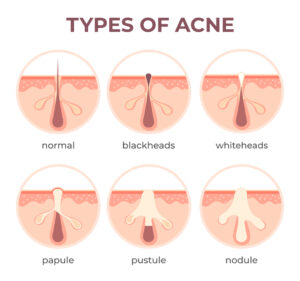
    We’ve all been there. You wake up with a giant pimple right before a big event, or you catch a glimpse of a whitehead in the mirror and can’t resist the urge to squeeze. It’s tempting – the instant gratification of popping a pimple can be oh-so-satisfying.

    But is popping pimples really a good idea? Or is it causing more harm than good? We asked our very own board-certified dermatologist, Dr. Rich, to weigh in and give us an expert opinion.

    Is it better to pop a pimple or not?

    In a word, no. While popping a pimple might seem like a quick fix, it’s usually a bad idea. Dr Rich explains that popping a pimple can worsen inflammation, potentially leading to longer healing times and more noticeable redness.

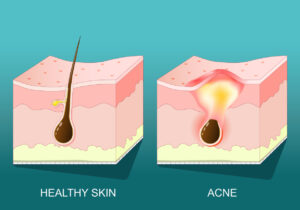
    Furthermore, the pressure from popping can rupture the pimple under the skin, forcing bacteria and pus deeper into the tissues. This can result in a more severe infection and increase the likelihood of acne scarring.

    And let’s not forget the bacteria on our hands. Popping a pimple with unwashed hands can introduce new bacteria into the broken skin, worsening the infection or even causing new breakouts.

    Where does the pus go if you don’t pop a pimple?

    If you leave a pimple alone, your body’s natural healing process takes over. White blood cells rush to the site of the infection to fight off the bacteria. These white blood cells, along with dead skin cells and sebum (oil), form the pus you see in a pimple.

    Over time, the inflammation subsides, and the pimple either comes to a head and drains on its own or is reabsorbed by the body. This process might take a few days or even weeks, depending on the severity of the pimple. While it might not be as satisfying as popping, allowing the pimple to heal naturally is ultimately the best way to minimise scarring and prevent further breakouts.

    Dr Rich reassures us that the body’s immune system will eventually eliminate the pus even without popping. 

    Effective pimple treatments

    We understand that waiting for the natural healing process can be frustrating, especially when dealing with a stubborn pimple or a full-blown breakout. If you can’t resist the urge to take action, Dr Rich recommends the following:

    Consultation with a dermatologist

    They can help you get to the root of your acne problem and prescribe the proper treatment based on your skin type and specific needs. This might include prescription medications, topical creams, or other therapies.

    Getting quick fixes

    If you’re looking for an over-the-counter solution, look for products containing ingredients like salicylic acid, retinol, or benzoyl peroxide. These can help reduce inflammation, unclog pores, and kill bacteria. Our ENRICH Glycolic Skin solution sprayed onto a cotton wool pad and dabbed on the pimple also works.

    Treatments for long-term acne issues

    Patience, lifestyle changes and a good skincare routine are foundations of clearer skin. But for persistent or recurring acne, some long-term treatment options are:

    Prescription medicine

    If you have moderate to severe acne, your dermatologist may prescribe medications based on your specific needs. Oral antibiotics can help reduce inflammation and kill acne-causing bacteria. Topical medications can unclog pores, regulate oil production, and prevent new breakouts.

    Regular skin peels

    Chemical peels, such as salicylic or glycolic acid peels, exfoliate the skin’s surface, remove dead skin cells, and unclog pores. This can help reduce the severity of acne breakouts, improve skin texture, and fade acne scars.

    Dedicated skin routine with products designed for acne treatment 

    Having a consistent skincare routine with products specifically formulated for acne-prone skin is crucial for managing and preventing breakouts. A dermatologist can prescribe specific products for you, but usually, these are cleansers containing salicylic acid or benzoyl peroxide, toners with witch hazel or tea tree oil, oil-free and non-comedogenic moisturisers, and spot treatments with sulphur or niacinamide.

    The Secret

    This procedure, also known as RF microneedling, combines the power of microneedling with radiofrequency energy to stimulate collagen production and rejuvenate the skin. 

    Microneedling creates controlled micro-injuries to trigger the body’s natural healing response. This promotes skin regeneration and reduces the appearance of acne scars, fine lines, and wrinkles. These wave-based therapies also kill bacteria and improve overall tone and texture.

    The Secret is not an acne treatment per se but for managing acne scarring. But it can be used along with acne prescription medicine for faster healing.

    Consult with ENRICH dermatologist today about your acne

    Acne treatment is highly individualised because the most effective approach varies depending on factors like your age and skin type.

    Adults with acne, for instance, often require different treatment plans than teenagers due to differences in skin structure and hormonal activity. 

    It’s best to consult with a dermatologist for personalised advice and a treatment plan.

    If you’re struggling with acne or have questions about how to care for your skin, book a consultation with us via email, phone or online.

  • The evolution of intense pulsed light

    The evolution of intense pulsed light

    Intense pulsed light (IPL) has become a staple in beauty salons and dermatology clinics alike. This is no surprise, given it’s been one of the most versatile tools–from tackling unsightly veins to rejuvenating sun-kissed skin.

    But how did this technology emerge from its early days of treating leg veins to become the tool it is today?

    What is IPL and the science behind it?

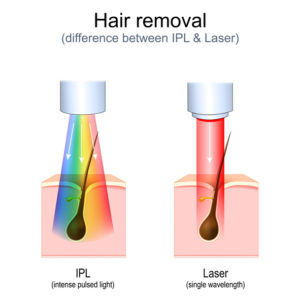
    Intense Pulsed Light (IPL) therapy is a non-invasive aesthetic treatment that uses broad-spectrum light pulses to target specific structures in the skin. It’s not a laser, which emits a single wavelength of light, but rather a “flashlamp” that emits a range of wavelengths across the visible and near-infrared spectrum.

    Here’s how the science behind IPL works:

    IPL vs laser hair removal

    • Selective absorption. Different colour-absorbing molecules (aka chromophores) within the skin absorb specific wavelengths of light. For example, melanin in hair follicles absorbs light in the red and infrared range, while hemoglobin in blood vessels absorbs green and yellow light.

    • Targeted heating. When a molecule absorbs light, it converts into heat. This targeted heating can trigger various biological responses, depending on the chromophore and the treatment goal.

    Depending on the targeted chromophore and the parameters of the light pulse (wavelength, pulse duration, energy level), IPL can achieve various effects:

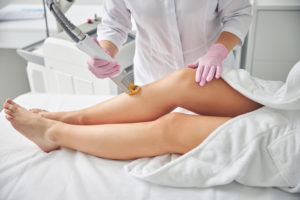
    • Hair removal. By heating melanin in hair follicles, IPL damages the follicle, leading to reduced hair growth.(Please note : as of 2025 ENRICH Clinic no longer performs hair removal )
    • Treatment of pigmented lesions. Targeting melanin in sunspots, freckles, and melasma can lighten or fade these marks.

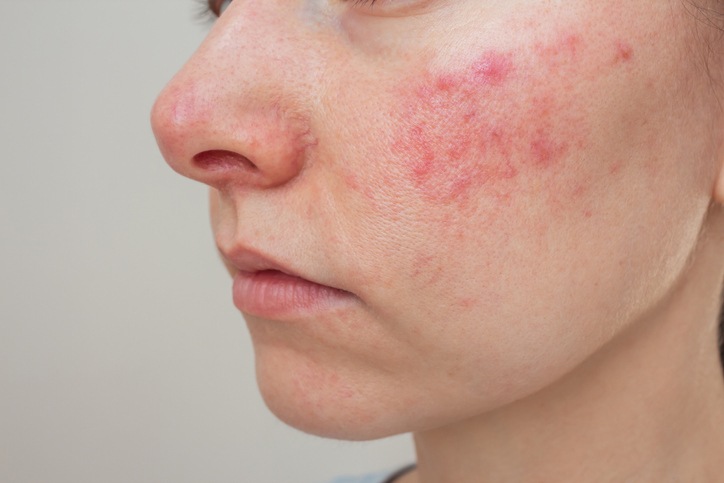
    • Treatment of vascular lesions. Heating hemoglobin in blood vessels can cause them to shrink or collapse, reducing the appearance of spider veins and rosacea.

    • Photodynamic therapy. Combining IPL with certain light-activated medications can target precancerous lesions and acne bacteria.
    • Skin rejuvenation. Stimulating collagen production and promoting cell renewal through controlled heating can improve skin texture, reduce fine lines, and promote overall skin health.

    What is the history of intense pulsed light?

    IPL’s origins can be traced back to the significant developments in light-based therapies, including laser technology, during the 20th century. 

    The key innovation that led to IPL was adapting flashlamp technology, which allowed for emitting a broad spectrum of light, unlike the single wavelength of lasers. This breakthrough occurred in the 1990s, marking the beginning of IPL as we know it today.

    The early use of IPL was primarily focused on treating spider veins.

    How has IPL developed over the years?

    The first generation of IPL devices primarily emitted light in the infrared part of the spectrum. While effective for certain treatments, this approach often led to epithelial damage due to the intense heat and had a higher incidence of side effects, including skin burns and pigmentation issues.

    Responding to these challenges, experts created second and third-generation IPL devices that incorporated water filters that effectively filtered out the infrared portion of the light spectrum. This advancement significantly reduced the risk of side effects, making IPL treatments safer and more comfortable for patients. 

    The fourth generation of IPL devices, like Lumenis One from Lumenis, addressed some of the earlier limitations and shortcomings of IPL technology. They offered enhanced precision, greater control over light intensity and wavelength, and more effective cooling systems to protect the skin. 

    Modern-day uses of IPL

    Hair removal

    IPL has become a popular method for hair removal. It targets the melanin in hair follicles with light pulses, which are then converted to heat, damaging the follicle and inhibiting future hair growth.

    Treatment of pigmented lesions

    IPL also treats pigmented skin lesions, such as sunspots, freckles, and melasma. The light energy targets melanin in these lesions, helping to break down the pigment and reduce the appearance of these spots, leading to a more even skin tone.

    Treatment of vascular lesions

    Vascular lesions like spider veins and port wine stains are well-treated with IPL. The light targets and heats the hemoglobin in the blood vessels, causing them to collapse and eventually be reabsorbed by the body, reducing the visibility of these lesions.

    Photodynamic therapy

    IPL is also used in photodynamic therapy, particularly for treating certain types of skin cancer and pre-cancerous growths. This approach applies a light-sensitive drug to the skin, which becomes active when exposed to the IPL. This combination can destroy cancer cells or pathogens.

    Acne management

    IPL can be effective in managing acne, especially inflammatory acne. The light helps to reduce inflammation and can also target the bacteria that contribute to acne, reducing the severity and frequency of acne outbreaks.

    Evaporative dry eye

    A newer application of IPL is in treating evaporative dry eye, a condition often related to dysfunction of the meibomian glands in the eyelids. IPL helps to unblock these glands, improving tear quality and reducing dry eye symptoms. We do not do this treatment at ENRICH; this is the area of an eye specialist. 

    Skin rejuvenation

    Lastly, IPL is widely used for skin rejuvenation, addressing fine lines, wrinkles, enlarged pores, and uneven skin texture. The light energy stimulates collagen production and promotes cell renewal, leading to firmer, smoother, and more youthful-looking skin.

    The future of IPL therapy

    While IPL therapy remains a beneficial method for various medical needs, IPL may be drawing to its natural conclusion for dermatology as more specific technologies overtake it in effectiveness. 

    IPL is no longer a standalone option in skin care; instead, it’s increasingly used with other treatments. For example, while we still use IPL for areas like the hands and décolletage at ENRICH, it’s often paired with technologies like Fraxel lasers, for décolletage or face treatments.

    The shift towards single-wavelength, energy-based treatments marks a significant development. These technologies offer more precise and effective results for specific conditions than IPL’s broader spectrum approach. However, IPL  continues to be widely used in clinics and by beauticians, primarily because of its established presence and the widespread availability of IPL machines.

    Find out what’s best for your skin at ENRICH

    Exploring the possibilities of IPL therapy and other skin treatments? Contact us

  • What is the difference between eczema, dermatitis and psoriasis?

    What is the difference between eczema, dermatitis and psoriasis?

    For millions of Australians, the battle against itchy, inflamed skin is a daily reality. One of its causes is rated in the top five causes of non-fatal disease burden. Three common culprits behind this struggle are eczema, dermatitis, and psoriasis. 

    These terms are often interchangeable in general discussion, but they are completely different & represent distinct skin conditions with varying characteristics and management strategies. If you’re experiencing itchy and inflamed skin, you must understand the differences to seek appropriate treatment and improve your quality of life. 

    Eczema vs psoriasis vs dermatitis: the differences

    Eczema

    Appearance

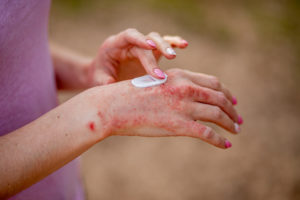
    Eczema, also known as atopic dermatitis, typically manifests as red, dry, itchy patches of skin with fine scaling. Blisters, oozing, and crusting can occur in severe cases.

    The skin may also appear discoloured, with shades varying from pink to brown, depending on your skin tone.

    Sensation

    Eczema is notorious for its intense itching, often worse at night and with scratching. The sensation can be relentless and even disrupt sleep.

    Location

    It typically affects the inner elbows, back of the knees, face, and neck. However, it can appear on any part of the body. In infants, eczema tends to affect the cheeks and scalp.

    Triggers

    Numerous factors can trigger eczema flares, including stress, dry air, harsh soaps, allergies, and certain fabrics. Identifying individual triggers is crucial for effective management.

    Onset

    Most commonly, eczema develops in infanthood between ages 0 and 6 months. According to a study, more than half of surveys indicated that the condition was diagnosed around that age. Many children outgrow the condition, but for 52% of eczema sufferers, it continues into adulthood.

    Treatment options

    Treatment for eczema involves a combination of moisturising creams to hydrate the skin, topical steroids to reduce inflammation during flare-ups, and avoiding known triggers. In severe cases, doctors may prescribe systemic treatments or immunosuppressant medications. They may also recommend phototherapy.

    Psoriasis

    Psoriasis is multi-system disease that can affect the joints, heart, lung and bowels and is not often well understood. 

    Appearance

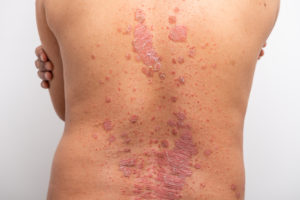
    Psoriasis presents as thick, red, raised patches of skin covered with silvery-white scales. These plaques are distinctive and can cover large areas of the body.

    Sensation

    Psoriasis typically causes less intense itching than eczema, but burning, stinging, and tenderness are common. If psoriasis affects joints, it can lead to painful cracking and bleeding of the skin.

    Location

    Common areas for psoriasis include the scalp, elbows, knees, and lower back, but it can develop anywhere, including the nails and joints.

    Triggers

    Hormones, stress, infections, physical injury to the skin, certain medications, and weather changes can trigger psoriasis flares. But unlike eczema, psoriasis is more closely linked to the immune system, and these triggers can prompt an autoimmune response.

    Onset

    Psoriasis can start at any age, with two common onset periods: one in late adolescence and another in middle age. This is especially true for hormone-caused psoriasis because it’s associated with puberty and menopause.

    Treatment options

    The severity and extent of the condition can vary significantly from person to person, so treatment of psoriasis also varies. It ranges from topical creams and ointments to help reduce inflammation and slow skin cell growth to phototherapy. For more severe cases, systemic medications and biologic drugs target specific parts of the immune system.

    Dermatitis

    Dermatitis encompasses a broad category of skin conditions, each with diverse presentations. So, the specific appearance, sensation, location, and triggers can vary depending on the type of dermatitis. Here are some of them:

    • Atopic dermatitis. This is another term for eczema, which we covered in detail above.
    • Contact dermatitis. This skin problem presents as a red, swollen rash. It may also blister, ooze, or develop crusts. The sensation is often intense itching or burning, especially when the skin comes into contact with allergens or irritants. Common locations include areas directly exposed to the irritant or allergen, such as hands, face, neck, or legs. Triggers range from allergic reactions to substances like nickel, latex, or certain cosmetics to irritants such as soaps, detergents, or chemicals. Contact dermatitis typically occurs soon after exposure to the trigger.
    • Seborrheic dermatitis. It’s characterised by oily, scaly patches on the skin, often appearing with a yellowish or reddish tinge. It can be itchy and slightly sore. This usually occurs on the scalp, face (particularly around the nose and eyebrows), ears, and chest. The exact causes are unclear, but stress, hormonal changes, cold and dry weather, and yeast living on the skin are potential triggers. It is common in infants (as cradle cap) and adults.

    Managing dermatitis involves avoiding known triggers, using emollients to moisten the skin, and applying topical steroids during flare-ups. In some cases, antihistamines are prescribed to control itching.

    Have your skin checked at ENRICH

    If you’re worried you have one of these skin conditions and need help with diagnosis or treatment, contact us.

  • Can snoring be dangerous? We detail the top 5 problems that might be contributing to your snoring!

    Can snoring be dangerous? We detail the top 5 problems that might be contributing to your snoring!


    men's treatments

    If you or someone you live with snores, you’ll know what a disturbing effect it can have on enjoying a quality night’s sleep! Snorers (or their partners) may feel increasingly tired and unable to obtain restful, deep sleep. If snoring is an issue for you, ENRICH Clinic can help. The Romeo laser we use in treatments is effective and comfortable and can help reduce your snoring. Required treatments range from 1 – 3, depending on the patient.

    Snoring is the sound of the soft tissue in the back of your throat vibrating as you breathe whilst still asleep. Whilst we know the impact it can have on a good night’s sleep, did you know that snoring might be a sign of more serious health issues? Here, we discuss the top four reasons that can cause snoring and outline our clinic’s approach to treatment.

    What causes snoring?

    Snoring can be the result of a combination of different physical factors.

    1. The anatomy of the mouth and nasal airways

    The anatomy of the mouth and nasal airways can contribute to snoring. If the airways are blocked, a snoring sound will occur. The snoring can be temporary, perhaps due to allergies or infection (think being sick with a cold and struggling to breathe freely overnight!), or more permanent and severe due to the nostrils’ shape and anatomy of the mouth and airways.

    2. Soft tissue

    If the soft palate and uvula are lacking in tone, thus narrowing the airway, snoring can occur due to the contact of the uvula on the throat and soft palate.

    3. Low muscle tone in the tongue and throat muscles

    The mouth and throat are comprised of muscles, and if they are too relaxed, they can collapse and loosen in the airways, resulting in snoring. Muscle relaxation can occur temporarily from alcohol consumption or the use of some medications (you might find you snore after falling asleep after a few too many!), as well as from general muscle laxity as we age.

    4. Being overweight

    If you are overweight, it is likely that you may have excess fat around the neck. This can lead to extra pressure on the airways when sleeping. In addition, oversized tonsils and adenoids can also become an issue, but this is usually only temporary.

    5. Gender

    Causes of snoring in females

    Pregnancy and menopause are two significant life stages that can influence snoring in women through hormonal and physical changes. 

    Snoring during pregnancy is often due to hormonal changes that cause nasal passage swelling, combined with weight gain that narrows the airways in the neck and throat. This issue typically intensifies in the third trimester but usually diminishes after giving birth.

    During and after menopause, a decrease in estrogen and progesterone, hormones that experts believe help protect against snoring, can increase snoring. This, coupled with common post-menopausal weight gain, can narrow the airways and change breathing patterns during sleep, further contributing to snoring.

    Causes of snoring in men

    Snoring in men is often attributed to distinct anatomical and physiological traits. The larger oropharynx in men, resulting from bigger upper airways and a lower larynx, increases the likelihood of airway obstruction during sleep, leading to snoring. 

    Also, men typically accumulate more fat in their upper chest and neck, further narrowing the airways and making snoring more likely. 

    Lastly, the change in the structure of the airways when transitioning from sitting to lying down is more pronounced in men, leading to increased airway obstruction in this position.

    Other factors include:

    • Alcohol or sedative consumption
    • Smoking
    • Allergies or a cold with nasal congestion
    • Sleep position
    • Natural aging processes
    • Decline in collagen

    When should snoring be a concern?

    • Witnessed breathing pauses during sleep
    • Excessive daytime sleepiness
    • Difficulty concentrating
    • Morning headaches
    • Sore throat upon awakening
    • Restless sleep
    • Gasping or choking at night
    • High blood pressure
    • Chest pain at night
    • Your snoring is so loud it’s disrupting your partner’s sleep

    These symptoms are associated with obstructive sleep apnoea.

    Do I have sleep apnoea?

    snoring treatments

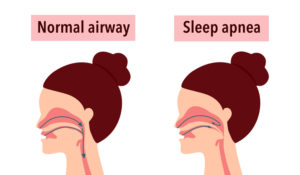
    It’s important to note that not all snoring is the result of sleep apnoea. Sleep apnoea occurs when the walls of the throat close together during sleep, blocking off the upper airway. Breathing stops for a while (generally between ten seconds and up to one minute) until the brain registers the lack of breathing or a drop in oxygen levels and sends a small wake-up call to the body. Often, the person suffering from sleep apnoea doesn’t even realise they have woken up. The pattern can repeat itself hundreds of times each night, causing fragmented and disrupted sleep. This can result in excessive daytime sleepiness, poor daytime concentration, and fatigue. Approximately five per cent of Australians suffer from this sleep disorder, with around one in four men over the age of thirty years affected.

    Sleep apnoea is treated differently from snoring and must be investigated and ruled out by the treating doctor. It is quite a serious issue, sleep apnoea and can have some health implications, so please check in with your GP and, if need be, see an Ear, Nose & Throat specialist if you suspect you have sleep apnoea.

    We do not treat sleep apnoea here at ENRICH Clinic.

    How do I stop my snoring?

    Lose weight

    Extra weight, especially around the neck, can compress and narrow the airways. Losing weight can alleviate this pressure and improve airflow during sleep.

    Avoid alcohol close to bedtime

    Avoiding alcoholic beverages a few hours before going to bed can help keep these muscles firm, reducing the likelihood of snoring.

    Treat nasal congestion

    Addressing the cause of congestion, whether allergies, a cold, or a structural issue like a deviated septum, can help improve breathing and reduce snoring. 

    Avoid sleep deprivation

    When you’re sleep-deprived, you tend to sleep more deeply the next time you catch up on sleep, causing the muscles in your throat to relax more than usual, which can worsen snoring.

    Avoid sleeping on your back

    Sleeping on your back can cause the tongue and soft palate to collapse to the back of your throat, blocking the airway and leading to snoring. Sleeping on your side can help keep the airway open.

    Seek medical treatment

    If lifestyle changes aren’t effective, seek medical advice. A healthcare provider can assess for underlying conditions like obstructive sleep apnea, which may require specific treatments such as Continuous Positive Airway Pressure (CPAP) therapy, oral appliances, or, in some cases, surgery.

    Romeo, Romeo wherefore art thou Romeo – Snoring treatments at ENRICH Clinic

    The Romeo procedure is a snoring treatment that delivers laser to the soft palate, which causes stimulation and tightening of collagen that firms up the soft palate. This change results in decreased vibrations and decreased snoring. This leads to a reduction in the vibration of the tissue and snoring when the patient is asleep. The treatment itself is very comfortable for the patient. It is normal to experience a warm sensation at the back of the throat as the laser tightens the tissue, but this is tolerable. Post-treatment recovery is usually quick, and there is no downtime with the Romeo laser – many patients return to work immediately.

    Research has shown that snoring can be reduced by up to 60% after two or three treatments with ENRICH Clinic’s high-tech target lasers designed to tighten the soft palate and stop snoring. The laser has minimal downtime, with doctors suggesting you might have a few days with a sore throat feeling. Following the treatment, we recommend avoiding cold foods, fizzy drinks and no smoking or alcohol for 24-48 hours. For best results, patients will undergo two to three treatments at four-week intervals.

    Contact us for an appointment to stop snoring today.

  • Why is my skin suddenly itching all over?

    Why is my skin suddenly itching all over?

    If you’re wondering, “Why is my skin suddenly itching all over?” You’re not alone. Itchy skin is a condition we’ve all faced at some point. It can range from a mild annoyance to a significant discomfort that disrupts our daily lives. While it’s usually nothing serious, sometimes it can be a sign of a bigger health issue.

    Itchy skin, or ‘pruritus’, can be caused by many different things – from the weather to allergies or even more complex health problems. Understanding what’s behind that itch is vital to finding the right way to treat it.

    Reasons your skin is itchy

    Dermatitis

    Dermatitis is a general term for skin inflammation. It can cause an itchy rash or red, swollen skin. There are different types, like atopic dermatitis (eczema), contact dermatitis (from touching irritants), and seborrheic dermatitis (often affects the scalp). 

    Each type has its triggers, such as hot/cold temperatures, irritants and microbes, but all result in itchy skin. 

    Dry skin

    Dry skin, known as xerosis, happens when your skin lacks moisture. It’s pervasive in areas with low humidity or during the colder winter months when the air is drier both outside and inside due to heating systems. This dry air can strip moisture from your skin, leading to dehydration and itching. 

    Cold temperatures also contribute by reducing the skin’s natural oil production, which is essential for retaining moisture and protecting the skin barrier. 

    The tendency to take hot showers or baths in winter can further remove natural oils from the skin, worsening the dryness.

    Allergic reactions

    Allergies are another common cause of itchy skin. Various allergens like food, medications, latex, nickel, or certain chemicals in cosmetics or personal care products trigger it. 

    When your body encounters an allergen, it can react by releasing histamines, leading to symptoms like inflammation and itchy skin.

    Environmental factors

    Poison Ivy plant, forest floor

    The environment has a significant impact on skin health. In Australia, where the climate and natural surroundings are quite diverse, several environmental factors can cause skin irritation and itchiness.

    Intense UV rays, for example, can dry out our skin, making it itchy and irritated. Insect bites are another common culprit, especially in areas near water or bush. 

    Australia is also home to various plants that can cause skin reactions, like poison ivy. Contact with it can result in an itchy rash.

    Nerve-related issues

    Sometimes, itching sensations can be caused by issues with the nervous system, a condition known as neuropathic itch. This type of itch happens when there’s a problem with the nerves themselves. Nerve irritations, shingles, or peripheral neuropathy due to diabetes are common causes of neuropathic itch.

    Internal diseases

    Certain internal diseases like liver disease, kidney failure, or thyroid problems can cause itching. This itching occurs due to the way these diseases affect the body’s normal processes and lead to a buildup of toxins.

    For instance, when the liver is not functioning properly, it struggles to filter out toxins from the blood. These toxins can accumulate in the body and cause symptoms, including itching.

    Psychological factors

    When you’re dealing with stress or mental health issues like anxiety or depression, these can show up in physical ways, including causing your skin to itch. This is because stress can alert your body to sensations, turning even a tiny itch into something much more noticeable. Sometimes, you might start scratching without even realising it, especially if you’re nervous or anxious, which can worsen the itchiness.

    Depression can also affect your skin. It might change how you care for yourself, including your skincare routine, leading to dry and itchy skin. Plus, some medicines for treating depression and anxiety can have side effects that include making your skin itch.

    Nutrient deficiency

    When you’re not getting enough of certain nutrients, like vitamins, iron, and fatty acids, it can lead to itchiness. Your skin needs a range of nutrients to stay healthy, and a deficiency in these can affect your skin’s health.

    For example, Vitamin A helps repair skin tissue, and a lack of it can lead to dry, itchy skin, while the lack of adequate iron in your diet affects your skin’s oxygen supply, leading to poor health. Fatty acids, especially omega-3 and omega-6, play a vital role in maintaining the health of your skin’s lipid barrier. This barrier helps retain moisture and protect your skin from irritants. A deficiency in these fatty acids can lead to dry skin prone to itching.

    How to identify the possible cause of sudden itchiness

    It can be uncomfortable and puzzling when you suddenly start experiencing itchiness. Here are some steps you can take to determine what might be causing your itchy skin so you can get the proper treatment:

    Observe the area

    First, take a close look at the itchy area. Is the skin dry, red, or swollen? Are there any rashes, bumps, or blisters? The appearance of the skin can give clues about the cause. For example, a red, bumpy rash might suggest an allergic reaction, while dry, flaky skin could indicate xerosis (dry skin).

    Consider recent changes

    Think about any recent changes in your life that could affect your skin. Have you started using new skincare products, detergents, or cosmetics? Have you been exposed to new environments or substances, like chlorine in a swimming pool or a new sunscreen brand? Sometimes, the cause of itchiness can be traced back to a recent change in your environment or products you use.

    Review timing and triggers

    Try to recall when the itchiness started and what you were doing then. Did it begin after you ate a certain food, used a particular product, or visited a specific place? Also, consider if the itchiness worsens at certain times of the day or in particular situations, like after a shower or during the night. Nocturnal pruritus can be caused by either the natural change in our circadian rhythm or bed bugs!

    Monitor other symptoms

    Symptoms like fatigue, weight changes, or digestive issues can be relevant. For example, if you’re also feeling exhausted, it could be a sign of an internal condition like a thyroid problem or iron deficiency.

    Perform a patch test

    If you suspect a particular product is causing the itchiness, you can do a patch test. Apply a small amount of the product to a discreet area of your skin and wait 24 to 48 hours. If the skin becomes itchy or irritated in that spot, you might be allergic or sensitive to the product. Otherwise, your itchy skin is caused by something else.

    Keep a skin diary

    Record what you eat, the products you use, your activities, and when you experience itchiness. Over time, this record can help you and your healthcare provider identify patterns or triggers for your skin reactions.

    When should I be worried about itchy skin?

    Persistent itchiness

    If your itchiness is constant and doesn’t go away with over-the-counter treatments or home remedies, seeing a doctor is a good idea. Persistent itchiness, especially if it’s severe and interferes with your daily activities or sleep, could indicate an underlying health issue like eczema, psoriasis, or internal diseases.

    Accompanying severe symptoms

    If your itchy skin is accompanied by more severe symptoms, such as significant swelling, hives, or difficulty breathing, seek medical attention immediately. These could be signs of a severe allergic reaction, known as anaphylaxis, which is a medical emergency. Other severe symptoms to watch out for include rapid heartbeat, dizziness, or a feeling of tightness in the chest.

    Signs of infection

    If you’ve been scratching the itchy area and notice signs of infection, such as increased redness, swelling, warmth, or tenderness, or if the area starts to ooze pus, it’s important to consult a healthcare professional. An infection may require treatment with antibiotics or other medications.

    How do I stop uncontrollable itching all over my body?

    Dealing with uncontrollable itching all over your body can be extremely uncomfortable and frustrating. Here are some strategies for immediate relief and long-term solutions:

    For immediate relief

    Cold compresses

    woman soothing itchy skin with an ice pack

    Applying a damp cloth to itchy areas can provide quick relief. The cold helps reduce inflammation and numbs the skin, which can lessen the itchy sensation.

    Over-the-counter creams and ointments

    Various creams and ointments are available to help soothe itchy skin. Look for products containing hydrocortisone, calamine, or menthol. 

    Antihistamines

    If your itchiness is due to an allergic reaction, over-the-counter antihistamines can help. They work by blocking the action of histamine, a chemical in the body that contributes to allergic symptoms, including itching.

    Have an oatmeal bath

    Oatmeal contains compounds that have anti-inflammatory and antioxidant properties. These compounds help soothe and reduce redness and inflammation in the skin, alleviating itchiness. It also has a high lipid and protein content, which can help to nourish and moisturise the skin. This is particularly beneficial for dry, itchy skin, as it helps to restore the skin’s natural barrier, preventing further moisture loss and protecting against irritants.

    To create an oatmeal bath, add 1 cup of finely ground whole oats to lukewarm bathwater and soak for 15-20 minutes. Moisturise immediately after bathing.

    Don’t wear tight clothes, and avoid itchy fabrics

    Tight clothing can irritate your skin and make itching worse. Wear loose, comfortable clothes made from soft fabrics like cotton. Avoid wool and synthetic fabrics, as they can be more irritating to the skin.

    Long-term solutions

    Consult a specialist

    If your itching persists or you suspect it’s a symptom of an underlying condition, it’s important to see a healthcare professional. A dermatologist or allergist can help diagnose the cause of your itchiness and recommend appropriate treatments.

    Lifestyle changes

    Altering your daily habits can be effective in controlling and preventing itchy skin. Changes include ensuring you drink plenty of water, using a humidifier to maintain moisture levels in your environment, opting for shorter, cooler showers or baths, and choosing gentle, unscented soaps and laundry detergents.

    Prescription medications

    When remedies available without a prescription don’t bring relief, it might be time to consult your doctor for stronger medication options. Depending on what’s causing your itchiness, they might suggest prescription-strength creams, oral drugs, or other specific treatments.

    Itchy skin? Contact us

    If you’re struggling with itchy skin that just won’t go away, contact us for advice and tailored solutions.

  • What is xanthelasma, and how can you treat it?

    What is xanthelasma, and how can you treat it?

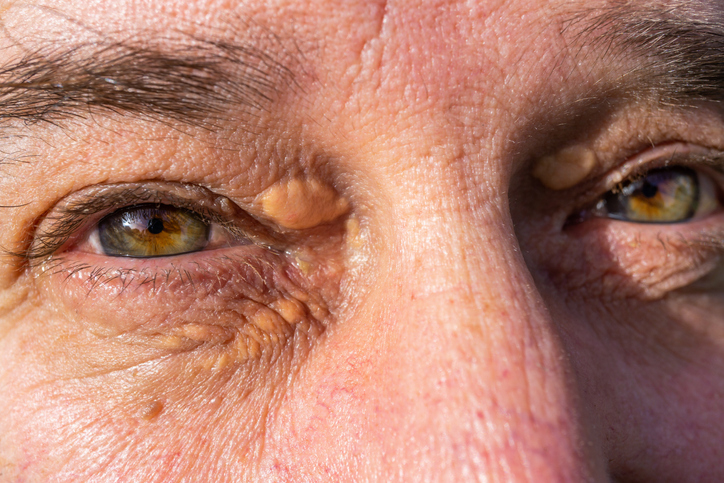
    Have you noticed a yellowish growth on or near the corners of your eyelids, particularly close to your nose? If so, you might be dealing with a condition known as xanthelasma. While this is common, it can indicate underlying health conditions.

    Below, we’ll explain xanthelasma, its causes and the most effective treatment options.

    What is xanthelasma?

    person with xanthelasma

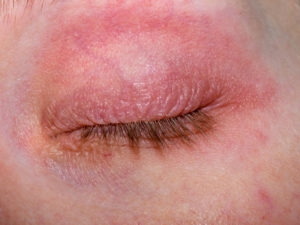
    Xanthelasma, medically referred to as xanthelasma palpebrarum, is a condition characterised by the development of benign, yellowish growths on the skin. These growths are typically soft, flat or slightly raised and appear as plaques or patches. 

    They are most commonly found on the upper or lower eyelids, particularly near the inner corner of the eye. They are often symmetrical and can grow over time, both in size and thickness, that they can cover a significant portion of the eyelid.

    Xanthelasma is more common in middle-aged and older individuals of Asian and Mediterranean descent, with a higher prevalence in women than in men. It is also more frequently observed in people with certain health conditions, such as hyperlipidemia, liver disease and diabetes. 

    While not painful, their appearance can be a cosmetic concern for many.

    What is the main cause of xanthelasma?

    Genetic factors

    One of the genetic factors in the development of xanthelasma is inherited high cholesterol, a condition known medically as familial hypercholesterolemia. This genetic disorder affects how your body eliminates bad cholesterol, resulting in high low-density lipoprotein (LDL) cholesterol in your blood. This genetic predisposition makes you more susceptible to these cholesterol deposits.

    Lifestyle factors

    Diet

    If you regularly consume foods high in fats, cholesterol, and calories, you may be at a higher risk of developing xanthelasma. Such a diet can lead to increased LDL cholesterol levels, the type often associated with forming these cholesterol deposits. 

    Lack of exercise

    Besides diet, a sedentary lifestyle is another significant factor contributing to the development of xanthelasma. Lack of regular physical activity can lead to weight gain and poor cholesterol metabolism, both risk factors for xanthelasma.

    Medical conditions

    Interestingly, not all individuals with xanthelasma have high cholesterol levels. This observation has led some experts to believe that other factors, such as inflammation, might also contribute to the development of xanthelasma. Chronic inflammation in the body, regardless of cholesterol levels, can lead to changes in the skin and the formation of these characteristic plaques.

    Does xanthelasma ever go away?

    In general, xanthelasma plaques do not resolve on their own. Once formed, these cholesterol deposits remain or may grow in size over time unless actively treated.

    What is the treatment of choice for xanthelasma?

    The choice of treatment for xanthelasma often depends on the size and location of the plaques and your overall health and preferences. Each method has its side effects, which your doctor will discuss.

    Here’s what you can expect:

    Surgical procedures


    Surgical excision has traditionally been a preferred method for treating xanthelasma because it yields excellent cosmetic outcomes. There are several techniques:

    • Traditional surgical excision
    • Le Roux’s technique, a modified blepharoplasty approach
    • Simple excision with blepharoplasty ( we do not do blepharoplasty at ENRICH) 
    • Simple excision and local flaps or skin grafts
    • Surgery and chemical peeling
    • Light electrodesiccation and topical trichloroacetic acid (TCA) application

    Chemical peels

    Chemical peeling with trichloroacetic acid (TCA) is another recognised treatment for xanthelasma.

    TCA is used topically in concentrations ranging from 50% to 100%. The application process involves carefully smearing the TCA in a circular manner, ensuring the highest concentration at the lesion’s margins. After application, the treatment area is neutralised with sodium bicarbonate to halt the acid’s effect.

    Laser

    Laser ablation has emerged as an effective therapy for the treatment of xanthelasma. This technique uses lasers to precisely treat the affected areas by:

    1. destruction of perivascular foam cells
    2. coagulation of dermal vessels

    The thermal energy generated by the laser destroys the foam cells around blood vessels. These cells are typically laden with lipids and contribute to the formation of xanthelasma. Then, the treatment coagulates the blood vessels in the dermis to block further leakage of lipids into the surrounding tissue, which is crucial in preventing the recurrence of xanthelasma.

    There are different techniques your dermatologist can use:

    • CO2 laser
    • Erbium Laser 
    • Q-switched Nd:YAG laser
    • Argon laser
    • Potassium titanyl phosphate (KTP) laser
    • Pulsed dye laser

    At ENRICH Clinic, we use the Erbium laser for xanthelasma treatment. 

    Radiofrequency

    Radiofrequency (RF) ablation has been explored as another treatment option for xanthelasma. According to studies, RF ablation can be effective and may require fewer treatment sessions compared to chemical peeling.

    But, it is associated with a higher rate of complications, such as scarring and pigmentation, compared to TCA treatment. 

    How can you prevent xanthelasma?

    While xanthelasma itself is not harmful, its presence–as previously mentioned–can be a sign of underlying health issues, mainly related to cholesterol and lipid metabolism. So preventing it often involves overall health and lifestyle changes, such as:

    Managing cholesterol levels

    Since high cholesterol levels are closely linked with the development of xanthelasma, managing these levels is crucial. You can achieve this through:

    • Incorporating a diet low in saturated fats and cholesterol. Focus on fruits, vegetables, whole grains, and lean proteins.
    • If prescribed by a healthcare provider, taking cholesterol-lowering medications can effectively manage cholesterol levels.

    Maintaining a healthy lifestyle

    Lifestyle choices significantly prevent xanthelasma. Regular physical activity to maintain a healthy weight and improve cholesterol metabolism is one. Another is avoiding smoking, which can exacerbate cholesterol-related issues.

    Having regular health check-ups

    Regular check-ups with a healthcare provider can help in early detection and management of conditions that might lead to xanthelasma, such as hyperlipidemia, liver diseases and thyroid disorders.

    Monitoring and managing underlying health conditions

    If you have conditions like diabetes, liver disease, or thyroid issues, managing these effectively is another solution to preventing xanthelasma. 

    Get a xanthelasma treatment plan at ENRICH

    If you are concerned about xanthelasma and looking for treatment options, we can create a treatment plan for you. Contact us today.

  • If you only do 5 things for your skin health, pick these

    If you only do 5 things for your skin health, pick these

    There is seemingly an unlimited number of essential things we absolutely must do for our health and beauty, but the fact is, we can’t do everything. Settling on a handful of key skincare tips to keep your skin beautiful can simplify your routines and help keep some pressure off while working on the other things in your life. 

    Finding the most effective beauty treatments that don’t take too much time or money is what you’re aiming for here. If even one or two of these skin care tips are the bare minimum, you’ll be better off. 

    #1. Regular chemical peels to care for skin in two ways

    Chemical peels are a cost-effective strategy to support beautiful skin without a significant investment of time or money. Drop into ENRICH Clinic in Melbourne every so often for an effective anti-ageing treatment that costs you less than $70, takes less than an hour and will hold your skin in good stead in more than one way over time. 

    Despite having a much nicer name, beauty parlour facials are not the same as chemical peels. While they might smell good and feel lovely, a regular beauty facial just doesn’t have any oomph in it and doesn’t last for more than the day of. A chemical peel, by comparison, will freshen your complexion while also stimulating collagen, so you get a skin perk up while also keeping skin looking younger for longer. It’s a win-win. 

    how to take care of your skin

    #2. Care about what you put in your body – and what comes out

    Your diet does matter when it comes to not only your skin’s health but your entire body. Not all diets – including so-called healthy diets – suit everybody, so work out what sort of food you feel the best on, and make an effort. 

    If you find that certain foods upset your belly (even veggies, fruits or other ‘healthy’ food), consider seeing a dietician, nutritionist or naturopath for advice on what could be going wrong and how to fix it. Don’t ignore niggling digestive problems, as they often have a flow-on effect on the rest of your body, including your skin, not to mention being uncomfortable. There are solutions. 

    Diet and digestion are more than just filling the hunger void. The quality of your food matters (McDonald’s vs homecooked), when you eat (going all day without eating, eating late at night, overeating, undereating), and how food digests and nutrients are absorbed. 

    Suppose you’re missing essential nutrients from your diet. In that case, it will show up someplace else, with the skin a common area for nutritional deficiencies, allergies and intolerances to rear their ugly head. 

    Low zinc, for example, can mean more breakouts that are slower to heal. Low protein will show up as flaky nails and brittle hair. Low iron can result in pale skin and sensitivity to the cold, not to mention feeling and looking tired. Dairy allergy or intolerance can show up as eczema or asthma flares. The list is endless, so if you’re having niggling symptoms, get them checked out. 

    #3. Wash your face every night

    Removing the oil and dirt from your face before you lay your head on the pillow is one of the best things you can do for your skin. Lying on the same greasy pillow night after night is not ideal. 

    Dirt and skin cells cling to grease without any trouble at all, so if you go to bed with a dirty face, you then transfer that mess to the pillow. Then the next night, you add to it, so after a week of the same pillowcase, you have yourself a filthy little petri dish that you’re applying like a heat pack to your face each night. Not a pleasant thought. 

    Wash your face with a gentle, effective cleanser, remove any makeup, and apply a good quality nighttime moisturiser. Wait for the moisturiser to dry completely before lying down on your pillow to avoid any unnecessary transfer of the moisturiser to the pillowcase. Wash your pillowcase once a week, even if you keep the same sheets. 

    Additionally, make sure to wash any cloth masks after you’ve finished wearing them for the occasion or day, and don’t double up two days in a row. Masks are a hotbed of germs and grease. 

    skin care melbourne

    #4. Wear sunscreen

    Wearing 50+ sunscreen is the best antiageing preventative we have. Do it. Religiously. Find a light non-greasy sunscreen and apply to your face, neck and hands before applying make-up. 

    It’s important to understand that while we are mildly obsessed with sunscreen, slathering your whole body in sunscreen and avoiding the sun means you’re more likely to be vitamin D deficient. Vitamin D deficiency is associated with many health issues, including poor immune function and frequent infections. 

    With a pandemic upon us, taking small precautions like having sufficient vitamin D for your proper immune function may mean taking advantage of limited sunshine on exposed skin but using sunscreen on your face, neck and decolletage. 

    To get enough vitamin D, the Australian Cancer Council says: 

    The best source of vitamin D is UVB radiation from the sun. UV radiation levels vary depending on location, time of year, time of day, cloud coverage and the environment.

    For most people, adequate vitamin D levels are reached through regular incidental exposure to the sun. When the UV Index is 3 or above (such as during summer), most people maintain adequate vitamin D levels just by spending a few minutes outdoors on most days of the week.

    In late autumn and winter in some southern parts of Australia, when the UV Index falls below 3, spend time outdoors in the middle of the day with some skin uncovered. Being physically active (e.g. gardening or going for a brisk walk) also helps boost vitamin D levels.

    #5. See your dermatologist annually and get a skin health plan

    Add seeing your dermatologist into your regular medical care routine and get your skin checked regularly. This regular check might include having suspect moles looked at, having your skin assessed for opportunities for beautification, or treating a skin condition. As you age, your needs change and might include blood vessel treatments or lifts. 

    When you visit your dermatologist, we’re able to examine your skin, hair and nails and pick up any issues early. Getting used to regularly seeing your dermatologist is a healthy move, just like visiting the dentist for a checkup and clean once a year or getting your bloods done at your regular GP.  

    Want more information? Get in touch!

    ENRICH Clinic

  • Cosmetic Doctor, Dermatologist & Plastic Surgeon – what’s the difference? 

    Cosmetic Doctor, Dermatologist & Plastic Surgeon – what’s the difference? 

    It can get confusing when determining who is what regarding qualifications in cosmetic treatments. So let’s clear a few things up! 

    You’ll see a few common terms around the internet, but it’s important to check the website’s location. A lot of cosmetic content comes from the US, where the designations of doctors are different to those in Australia, though they are similar. If you’re looking at an Australian website and want to clarify who will be performing your treatments, here’s the brief. 

    Note: All medical doctors who work in the cosmetic field can be called cosmetic physicians. A physician is another word for a medical doctor. 

    What is a cosmetic doctor?

    A cosmetic doctor is a general practitioner (GP), a medical doctor who offers cosmetic treatments. A cosmetic doctor isn’t a dermatologist, and any doctor could call themselves a cosmetic doctor. ‘Cosmetic doctor’ is not an official designation, though it clearly explains a doctor’s area of interest. 

    A cosmetic doctor might perform anti-wrinkle and dermal filler injections, laser, radiofrequency and other high-tech treatments while also being able to help patients with other health concerns. A cosmetic doctor has a standard medical licence. 

    What is a dermatologist?

    A dermatologist is a specialised medical doctor who goes above and beyond their standard medical training and licences to hone one specific area of medicine: the skin, hair and nails, also known as dermatology. A dermatologist deeply understands skin diseases but may not necessarily specialise in cosmetic treatments. They take on extra years of study to achieve their specialist dermatology qualification. 

    A dermatologist may have a particular interest in their chosen field (i.e., skin cancer, eczema, acne, etc.) from a medical perspective; however, they may also be interested and experienced in the cosmetic side of skin, nails, and hair.  Thus, the cosmetic dermatologist is born. 

    Dermatologists can perform surgery, though the extent of the surgery will depend on their interests. Many minor dermatological surgeries include removing moles or skin lesions, with more extensive cosmetic surgeries including liposuction. 

    What is a cosmetic dermatologist? 

    Like the cosmetic doctor, the cosmetic dermatologist is a dermatology graduate interested in aesthetics (how we look). A cosmetic dermatologist works with patients to improve the look, shape and feel of the skin and body, for example, treating unwanted fatty deposits, sagging skin, wrinkles, or cellulite. 

    A cosmetic dermatologist works with patients affected by specific skin and medical conditions and scars. For example, a great deal of experience working with lasers means a cosmetic dermatologist is well-placed to administer the same treatment to those with scarring.

    The tools of the cosmetic dermatologist cross many divides in medicine alongside colleagues who work in reconstructive medicine (the plastic surgeon). The dermatologist vs plastic surgeon compares two separate (but related) medical disciplines, one focused solely on surgical procedures and the other on the skin. 

    What is a plastic surgeon?

    A plastic surgeon is a recognised medical designation, part of the specialty area of surgery. Like the cosmetic dermatologist, a plastic surgeon is a medical doctor who goes above and beyond the standard medical training to become a surgeon. Other recognised surgeons include a neurosurgeon (brain) or a vascular surgeon (veins). 

    Plastic surgeons work in what’s known as reconstructive or plastic surgery. Reconstructive surgery is all about repairing and reconfiguring after surgery or an accident, restoring the look and behaviour of a body part (form and function). 

    doctor inspecting a womans head ‘Plastic’ has often been subbed in for ‘superficial’ when discussing cosmetic or ‘plastic’ surgery – in the sense that plastic is cheap, fake and shiny, like a Barbie Doll. You would be forgiven for thinking that plastic surgery was a colloquial term with its reputation for Hollywood-Barbie Doll aspirations. But, it’s not – ‘plastic’ is a medical word that existed long before plastic. 

    The word plastic comes from the Greek word ‘plastikos’ and means to grow or form. The substance plastic as we know it was only invented in the early 1900s and was given its name due to its ability to be formed or moulded,

    Great examples of reconstructive or plastic surgery include creating a new breast after a mastectomy, rebuilding facial features after a severe car accident, or repairing a cleft palate as a child. 

    A plastic surgeon may also work solely in aesthetics, such as breast implants, tummy tucks or facelifts. When surgery is for aesthetics only (form, not function), it is considered cosmetic surgery rather than reconstructive surgery.

    What is a cosmetic surgeon?

    A cosmetic surgeon is, by contrast, is a regular doctor who performs some surgeries. Under current legislation, cosmetic surgery is not a recognised medical specialty. Any medical practitioner can perform cosmetic procedures. New laws are about to come into Australia, curtailing the use of the term Cosmetic Surgeon by those who do not have the surgical qualifications.

    Surgeons are doctors who have completed further training in a surgical specialty, recognised by the regulatory authorities of the Australian Medical Council (AMC), Medical Council of New Zealand (MCNZ), and the Australian Health Practitioners Regulatory Agency (AHPRA).

    All doctors learn surgery as part of medical training, and you undergo surgery when you have a mole or wart removed, receive certain laser treatments, or have liposuction. 

    APHRA  has recently updated some of its guidelines regarding cosmetic surgery and are still going  stay tuned!

    The medical board guidelines

    The Australian Medical Board has a set of guidelines for what they classify as a medical or surgical operation or procedure and if that is cosmetic. The Medical Board’s official guidelines for doctors who perform cosmetic medical and surgical procedures says: 

    Cosmetic medical and surgical procedures are operations and other procedures that revise or change the appearance, colour, texture, structure or position of normal bodily features with the dominant purpose of achieving what the patient perceives to be a more desirable appearance or boosting the patient’s self-esteem.

    Meanwhile, it says that a major cosmetic medical or surgical procedure – cosmetic surgery – involves cutting beneath the skin, such as breast augmentation, rhinoplasty, surgical facelifts and liposuction. 

    woman doctor inspecting mans back

    Minor cosmetic procedures are not considered surgery and do not involve cutting beneath the skin but can involve piercing the skin, for example, varicose vein treatments and laser treatments.

    Skin treatments include CO2 lasers, mole removal, laser hair removal, dermabrasion, chemical peels, injections, sclerotherapy and hair replacement therapy. Since they only change the appearance of an area of the body, these procedures are usually not considered ‘medically necessary’ and are usually not covered under Medicare. If your doctor considers your treatments medically justified, they fall outside the cosmetic umbrella. 

    Who are the doctors at ENRICH Clinic?

    Our clinic has a collection of specialist dermatologists, cosmetic dermatologists & cosmetic doctors. Dr. Michael Rich is a specialist dermatologist.

    Get in touch to make an appointment! 

    ENRICH Clinic

  • Acne treatment Melbourne – acne scarring at ENRICH Clinic

    Acne treatment Melbourne – acne scarring at ENRICH Clinic

    acne treatment melbourne

    Acne is an inflammatory skin condition resulting in whiteheads, blackheads & pimples appearing predominantly on the face, forehead, chest, upper back & shoulders.

    Dr Michael Rich leads a team of experienced cosmetic doctors & dermatologists in Melbourne, highly trained in advanced lasers & treatments for acne and acne scarring. If acne or acne scarring is an issue for you, contact us to arrange a consultation. 

    Types of Acne Scars

    • Rolling scars – broad, sloped-edge depressions in the skin
    • Ice-pick scarring – pitted, deep, thin slit-like scars
    • Box-car scars – defined-edge depressions
    • Atrophic scarring – thin, flat scars
    • Keloid (hypertrophic) scars – thick, lumpy scarring

    Treatments for acne scarring – Acne treatment Melbourne

    ENRICH Clinic is home to several effective laser treatments for acne scarring. Radio frequency devices & lasers can be used to target skin cells at a deeper level, working to strengthen and support skin cells & structure. This reduces the appearance of scars and marks that acne can cause.

    Radio frequency treatments have the added benefit of killing bacteria and improving overall skin tone & texture. Laser treatments work by either stimulating collagen producing cells & collagen or ablating the skin surrounding the scar, evening out the surface of the skin.

    Other effective and minimally invasive treatments include:

    Deep acne scars

    Of course, there are some very extreme cases of deep acne scarring and they will be too deep for ablative laser treatments to work alone. A combination of medicated creams, medication, lasers, light treatments & lasers and of course time may be the best route to clear, smooth skin. 

    Contact us to secure an appointment for acne scarring consult or treatment at ENRICH Clinic

  • Maskne – Is it a real condition and how do you treat it?

    Maskne – Is it a real condition and how do you treat it?

    Yes, it’s real!  There has been a few new buzzwords and phenomenon that has come with the world of COVID and this is one is all about the conditions that are caused by mask-wearing.maskne

    Stress is well known as a  trigger for acne, eczema, seborrheic dermatitis, and rosacea. Combine the physical manipulation and pressure of a mask on the skin and pandemic apprehension and you have a world of skin issues as a by-product of these “unprecedented times’

    We talk to Dr Michael Rich about what we can do to treat these conditions and when it is time to seek your dermatologist’s help.

    Are there any topicals that we can combine with mask-wearing that could help with chaffing or acne-related issues?

    Friction can be a problem and if it is a concern moisten skin pre putting a mask on and moisten again after removing. If acne-prone oily moisturiser will aggravate acne, so use water-based, or if not adequate, then a light silicone-based moisturiser.

    Is there a regular routine you can do with your skin to help with mask-wearing skin fatigue?

    As above moisten, and always use fragrant-free products.  Sunblock is essential. You can use a water-based block if acne-prone, or an oilier base if your skin is prone to dryness. Sunblock does two jobs: it protects your skin from the sun and treats the dryness.

    Is wearing makeup an issue?

    Reduce the wearing of heavy makeup as much as possible. Mineral makeup with a zinc base can be the best option as zinc can sometimes help with skin irritations. Also, avoid toners as they tend to dry the skin.

    If you can, just wear a sunscreen that also acts as a moisturiser and eye make-up only.

    It is common in the cosmetic industry to be suggesting to use multiple products, such as exfoliants which will irritate the already upset skin due to the mask. Oily creams, multiple serums, all of which potentiate and aggravate acne with the mask, leading to the skin which is irritated and upset. In my opinion, minimise all of these products.

    Why is sunscreen helpful?

    UVA and UVB radiation damage the vessels, the pigment network and elastin and collagen fibres and the cells which leads to redness, colour variation, laxity, wrinkling and skin cancers.  So if you choose to use only one product on your face,  it should be sunscreen.

    Any moisturiser is helpful as it forms a barrier on the skin. I always advise my patients to wear sunscreen 50+ that also acts as a moisturiser on their face every day as protection from UV rays, even in winter.

    Is there anything we should do with our masks to help prevent maskne?

    • Wash mask regularly if using a reusable one.
    • When you take your mask off, hang it up or put it somewhere, it does not attract more bacteria.
    • “Sun wash” by hanging out to air dry in the sunlight. UV light will help to kill bacteria. Throw the mask in the dryer for a few minutes. This too can help.
    • Be careful not to overtighten the mask.
    • Fit it correctly, take the time.
    • Avoid touching the mask once it is on.
    • Find the right mask for you – obviously. If you are in the health profession, there are particular mask you must wear. If you aren’t a three-layered breathable cotton mask could be for you or one that is a combination of fabrics. Buy a few of the one you end up settling on so you can rotate and wash them regularly

    What are the most frequent skin issues you have seen arise from the COVID pandemic?

    In regards to mask-related issues, the two most common problems have been

    • Acne and folliculitis (infection of hair follicles) due to heat and humidity and oily topicals are blocking the glands.
    • Irritant dermatitis from skin drying out and being irritated from mask, topicals and resultant secondary scratching.

    In regards to other “pandemic-related ” skin problems :

    • Hand dermatitis and eczema.; the frequent washing and sanitising s drying out the hands and skin elsewhere is leading to inflammation, and in the winter months, the skin always is predisposed to drying. These extra measures are accentuating the problem.

    As one would expect at times of stress, many existing conditions become worse. Such as eczema, acne, psoriasis, hair loss, rosacea, and many more.

    Why is skin health so important during these mask-wearing times?

    We are all already stressed and under pressure. For our skin to become inflamed, uncomfortable, itchy, full of pimples, just adds to the stress we are already experiencing. Nobody needs that.

    When is it time to call your dermatologist?

    Regular (annual or bi-annual) skin checks should be a part of your skin routine. Consulting a dermatologist on your skin health is a very positive action to take at least a couple of times a year and can often help to pick up issues before they reach a critical situation.  Of course, as soon as a serious skin issue arises, a dermatologist visit is key to treatment and containment. Looking after your skin health will be even more important as we get used to our new normal.  Avoid or treat your maskne quickly. Give us a call and we can talk to you about options or set up an appointment with one of our dermatologists.

    Contact us for a consultation

    ENRICH Clinic

  • Hair loss treatment truths

    Hair loss treatment truths

    If you’re losing your hair, we recommend seeing a dermatologist experienced in hair loss for advice. Each of us has a unique make-up, and it’s important to consider that when we lose our hair.

    Hair loss comes under the umbrella term alopecia, with two main subtypes: androgenic alopecia and an autoimmune disease called alopecia areata. They are very different types of hair loss.

    hair loss treatment for men

    Truth #1. There are several causes of hair loss in men and women – get diagnosed

    While in men there is generally just the one reason for hair loss – male pattern baldness, otherwise known as androgenic alopecia – but in women and five per cent of men, hair loss may not be as clearcut.

    We suggest being examined by an experienced hair-loss practitioner and making no assumptions since there’s also hair loss stemming from other health problems such as thyroid conditions.

    If we have a clear diagnosis, it makes treatment simpler.

    genetic hair loss

    Truth #2. Genetic hair loss can come from both sides of the family

    At one stage we were told hereditary baldness was passed down from your mother’s side. If your mum’s father or his brothers were bald, you could expect the same fate. Except, this has been revealed to be untrue.

    Baldness genes follow dominance patterns. If your dad and his brothers are bald, guess what? Probably you too. Your mum’s family genes may not get a say.

    Truth #3. Women experience much more hair loss than is discussed

    If you ask around, you’ll likely discover that many women have experienced hair loss at different points of their lives. Hair loss can also mean thinning hair, not just ‘going bald’.

    Many women start to lose their hair/experience more significant hair shedding during or after pregnancy. This hair loss can come as quite a shock but is quite common. The loss may be patchy and can cause distress. Hormones may be to blame.

    In older age, women can go partially or fully bald just like men can, which is also called androgenic alopecia, and in women, female pattern baldness. Older women have a hormonal profile very similar to men, and the effects of androgens can be seen on the scalp.

    Women also undergo cancer treatments and lose their hair in equal numbers to men.

    hair loss treatments for women

    Truth #4. Shock can cause your hair to fall out

    Hearing bad news or having an emotionally distressing time – a shock – can result in the loss of one’s hair, but slowly over a few months rather than all in one go. The hair loss is likely to be partial or patchy rather than extensive, and once normality is restored, and the emergency is over, hair should naturally grow back.

    This type of hair loss is known as telogen effluvium. Telogen effluvium might occur after a period of extreme stress, where the hair follicles go into a resting, inactive state. This resting state results in the current hair falling out but not being replaced.

    Truth #5. Anabolic steroids contribute to hair loss

    Anabolic steroids can contribute to and speed up hair loss as they increase the specific androgens that cause baldness. The loss can be reversed in some people when the steroids stop, but the change may be permanent.

    How we treat hair loss at ENRICH Clinic

    We believe that a thorough examination of every person experiencing hair loss is in order and a full health history taken to rule out any underlying health conditions.

    Losing your hair can be extremely distressing, especially if the loss occurs over a short period. Because we are doctors and dermatologists, we treat you, the person, not just your hair loss. Having a clear understanding of why you are losing your hair means we can target your treatments for best results.

    Platelet-rich plasma (PRP) for hair loss

    PRP is being used in many areas of medicine to rejuvenate cells and promote healing. Stimulation can easily apply to hair follicles, especially those damaged by the impacts of androgens. PRP stimulates follicles with growth factors, which has been scientifically proven to stimulate hair growth.

    The levels of hair growth vary between people, but PRP has proven itself as a weapon of desire in the fight against hair loss.

    PRP has no side-effects and a substantial success rate. You might not get all your hair back, but you’ll very likely get some. It’s difficult to determine how many treatments you’ll need over time, but we can see the great results over the course of a year with studies.

    Don’t believe us? Read one scientific study yourself.

    Medication for hair loss

    There are medications, androgen-blocking drugs, that can be applied in a topical cream or as an oral formulation to block androgens from negatively affecting hair follicles.

    These medications aren’t for everyone and can provoke some unpleasant side-effects, but many men find them useful to a greater or lesser degree.

    Talk to us – we’re hair-loss experts!

    Come and discuss your options in a consultation at our Armadale clinic. We are expert dermatologists, and you can rest assured that you are in the best hands.

    We have state-of-the-art equipment and highly experienced hair-loss expert doctors. We’ll guide you through a clear diagnosis and on to the most appropriate, effective solutions.

    We are hair-loss experts.
    Contact us for a consultation

    ENRICH Clinic

  • How to prepare for a chemical peel

    How to prepare for a chemical peel

    The humble chemical peel is making a huge comeback – it’s a budget-friendly way to get noticeably more beautiful skin. Skin will look and feel smoother, tighter, and fresher.

    There’s no need to undergo complicated procedures when a peel may be a perfect option. If you’re new to cosmetic treatments, a chemical peel can be a lovely introduction. You’ll get legitimate skin results that don’t cost the earth.

    But, how do you prepare yourself for a chemical peel?

    chemical peel treatment woman

    Understand a chemical peel

    The first step to preparing yourself for a chemical peel is to understand what a chemical peel is and what it does to your skin.

    A chemical peel, in essence, is a skin resurfacing tool. Special ingredients dissolve the upper layers of skin, with the depth of peel determined by the strength of ingredients. The deeper the peel, the more downtime you can expect since the skin will be affected by the peel as it renews.

    With select layers of skin removed, we can effectively soften the appearance of fine lines and wrinkles, improve the look of scars, discolouration and pigmentation, freshen acne-prone skin, and reduce the impacts of sun damage.

    Be examined to see which peel is best for you

    First things first. The strongest chemical peels are only available through a clinic like ENRICH Clinic, because they use pharmaceutical-grade ingredients. These restrictions apply because, in the wrong hands, a chemical peel can be dangerous and cause damage to the skin.

    Our strongest peels are only ever applied by trained, experienced cosmetic doctors as a therapeutic skin treatment.

    We also have lighter glycolic peels which also remove skin cells but in a gentle, no-downtime, way.  A skin consultation is required before we can apply any chemical peel so that we can figure out what peel your skin will respond best to.

    Step one is making an appointment with one of our trusted clinicians to discuss your skin.

    Avoid exfoliation

    Don’t exfoliate your skin before your chemical peel. We are going to be performing the skin resurfacing using acidic ingredients, and there is no need for you to prepare with a pre-exfoliation. Stripping the skin can make your skin more sensitive to the peel we apply.  We do ask that you remove all makeup before a peel, but you can do that at the clinic. A chemical peel is an exfoliation.

    Talk to your clinic about what medications you use on your face

    If you are using facial medications, for example, for acne, then your skin may be less tolerant of the chemical peel. Please make sure to let us know of any medications you are using so we can make sure they’re safe to continue in the lead-up to your appointment.

    Check your schedule for important events

    When you’re booking your peel, depending on the strength, you may need to leave a few weeks for a full recovery. Light glycolic peels, however, have no downtime.  Avoid booking a major chemical peel when you have a big event coming up – there are far more appropriate, no-downtime treatments to get your skin looking fresh. A chemical peel is not going to be your go-to if you have a big photoshoot coming up in a few days.

    Need more science on how chemical peels work? Check out this scientific paper.

    Read up on what to expect during a chemical peel

    1. A tingling sensation
      As the ingredients in your peel work to dissolve your skin cells, there’ll come a certain point when the more sensitive skin underneath is affected. The tingling may start gently then intensify, or it may stay about the same the whole time.
    2. Itching
      Your skin may itch a tiny bit during your peel, which is normal. It usually is only a small area, like an itchy nose, because you have a substance on your face that is tingling your nerves. An itch is a nervous system response to a stimulus, so it’s not surprising at all that during a chemical peel you may have a few itchy spots. Talk to your practitioner if you need to solve an itch!
    3. Heat or cool
      During the peel, you may feel warming or cooling of the skin. Either sensation is normal, though a feeling of warmth is more common than cool. The skin will respond to its ‘injury’ by sending blood and other resources to the area, making it red and hot.
    4. Tight skin
      It’s normal during a chemical peel to have a taut sensation of the skin. Your skin is being stripped bare and will feel a bit tight. This taut feeling will resolve. We make sure to moisturise you well before you leave so you won’t feel dry. Hot and tight is entirely normal, however, and will resolve within 24-48 hours.

    Read up on what to expect after a chemical peel

    1. Your skin may peel and flake
      Skin peeling is sort of the point of a chemical peel, but not all peels go deep enough to cause peeling in the days afterwards. Skin can take a few days to start to peel, so speak to your practitioner about what to expect. Deep peels may take up to two weeks to refresh the full face, so if you’ve had a deep peel, expect a lot of, well, peeling.
    2. Photosensitive skin Your skin is so fresh; you can’t afford to get any UV rays near it, especially as it heals. UV damage can result in pigmentation problems, so be vigilant with sun protection, especially in reflective areas such as the car and near water or windows.
    3. Sensitive skin
      Your skin has been through an ordeal, so be gentle with it. You may find your skin is more sensitive to products you would typically use without an issue, so get advice from your practitioner on what to use post-peel.

    Why we love chemical peels

    • Clears dull, dry surface skin
    • Freshens complexion
    • Non-invasive
    • 15-30 minute appointment
    • No or minimal downtime (though deeper peels can have downtime)

    We are skin rejuvenation experts.
    Contact us for a consultation

    ENRICH Clinic

  • What to do about toenail fungus

    What to do about toenail fungus

    Toenail fungus tends to develop slowly over time, so what seems like no big deal can turn into an embarrassing foot problem.

    Having horrible-looking toenails when summer rolls around means you might hide your feet. Instead of hiding your poor toenails, visit us at ENRICH Clinic and let’s see what’s wrong with your toenails. If you have toenail fungus, don’t try to treat it at home – if it hasn’t worked by now, then it’s not going to.

    toenail fungus treatments

    What is toenail fungus?

    A fungal infection of the nails means the nailbed has become infected with a type of fungus, which might be yeast, mould or tinea.

    Signs you have a toenail fungus

    You might think you knocked your toe on something and it’ll heal up. While this may be true, damage to the nail or nailbed is a prime opportunity for a pathogenic fungus to move in and make itself at home.

    Nails take a long time to grow back, especially toenails, so it might be a year or more before you realise whatever it is, it’s not going away. That’s the insidious nature of toenail fungus. It creeps up on you.

    The visible signs of toenail fungus are coloured areas or streaks, flaking or crumbling, and misshapen nails. Your nails may be pitted or have yellow spots in the half-moons, or nails may thicken.

    When a toenail fungus comes from foot tinea

    Tinea can infect spaces between the toes, an infection otherwise known as athlete’s foot. This fungus can then spread to the toenails, especially if you damage your nail or nailbed while you have tinea.

    If you have foot tinea, you need to treat the tinea to reduce reinfection once we’ve successfully treated your toenail fungus.

    Toenail yeast infections

    Yeast infection of the nails usually starts close to the cuticle (the area where your toenail connects to the foot). The skin at the nail edge may become swollen and red and start to lift off the nail. Coloured marks can begin to appear on the nail and spread outwards, while the nail may lift off its bed and be sore when you push on it.

    Toenail mould infections

    Mould can also grow around or underneath the nail, and appear similar to tinea infections.

    What else could it be? Other nail disorders

    Many problems can affect the toenails, which is why it’s important to get a proper diagnosis from a dermatologist.

    • Bacterial infection
    • Psoriasis
    • Eczema
    • Dermatitis
    • Warts
    • Nail thickening

    At ENRICH Clinic, we’re experts in toenail fungus and have a range of high-tech treatments to solve your nail problems once and for all.

    If you are looking for the latest in toenail fungus from the scientific community, look no further than this scientific review.

    Treating toenail fungus

    Once we’ve confirmed the diagnosis, we can choose the best treatment. Toenail fungus can sometimes be incredibly challenging to treat due to the nature of the nailbed and getting treatments into the space between the nail and the nailbed.

    Lasers treatments for toenail fungus

    A combination of treatments may work very well, but don’t expect a quick fix. Treating toenail fungus can take some time.

    Don’t forget that nail fungus is contagious! Don’t share nail tools, shoes, socks or slippers.

    Topical antifungal treatment

    Topical treatment of toenail fungus with an antifungal cream is often a long-term commitment. The cream requires frequent application, but if used correctly, can be very successful in eradicating stubborn toenail fungus.

    Topical antifungals are a suitable treatment in many cases, but we may opt to use our state-of-the-art lasers.

    Lasers treatments for toenail fungus

    Laser beams emit radiation that can kill fungus via heat inside an affected nail. Laser treatments for toenail fungus are comfortable, and 1-3 sessions are usually all that’s required.

    toes and feet treatments in melbourne

    Skip the home remedies – you need the strong stuff

    Most of you would have already tried treating toenail fungus at home with home remedies – and failed. If this has worked for you, then bravo, but for most of you, toenail fungus will follow you around, slowly destroying the lovely smooth, pale surface of your toenail without mercy.

    Traditional home remedies for toenail fungus include vinegar, baking soda, essential oils, garlic and mouthwash. These ingredients are proven bug killers, but there are limitations to their reach.

    You can treat the fungus with the areas of your toenail that you can reach, but the hidden reservoir of fungus is what keeps it sticking around. Unless you can get under the toenail or into the crevices, your attempts will fall flat.

    Save yourself some time and effort and head to the dermatologist to solve your toenail fungus problems.

    Set your feet free!
    Contact us for a consultation

    ENRICH Clinic