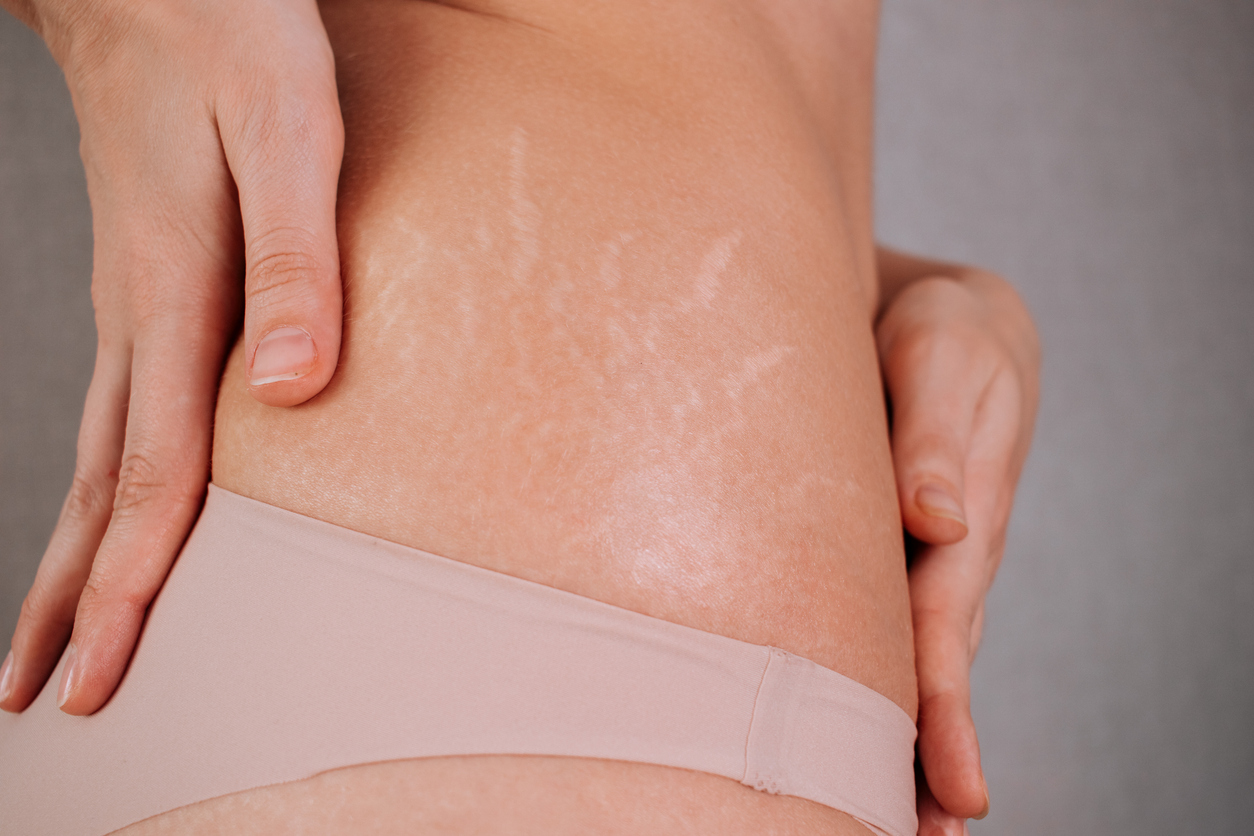
What Happens to Your Skin When You Lose Weight? Here’s some insights.
In recent years, Australia has seen a significant rise in weight loss journeys, whether through improved lifestyle habits, bariatric surgery, or the increasing popularity of new prescription medications. While shedding excess kilos brings many health benefits, one common but often surprising side effect is how your skin reacts.
At our dermatology clinic, we regularly see patients concerned about loose skin, stretch marks, and other skin changes after weight loss. So what’s actually going on beneath the surface?
Let’s take a closer look at what happens to your skin when you lose weight—and what you can do about it.
Why Does Skin Change After Weight Loss?
Your skin is a living organ that’s incredibly adaptable, but it has its limits. When you gain weight, your skin stretches to accommodate fat tissue. If this weight is carried for an extended period, the skin’s structural proteins—collagen and elastin—can weaken.
When you lose weight, especially rapidly, your skin doesn’t always bounce back to fit your new shape. This is especially noticeable after losing a large amount of weight or losing weight quickly, as is often the case with the newer prescription weight loss treatments now available in Australia.
Key factors that affect your skin’s response include:
- Age (younger skin is more elastic)
- Genetics
- How much weight you’ve lost
- How quickly you lost that weight
- Hydration and nutrition levels
Common Skin Concerns After Weight Loss
- Loose or Sagging Skin
This is the most common issue, particularly around the abdomen, upper arms, thighs, and face. - Stretch Marks
While often associated with weight gain, stretch marks can also become more noticeable as skin tightens and fat underneath decreases.
- Skin Irritation and Rashes
Excess folds of skin can trap sweat and moisture, leading to discomfort or fungal infections.
- Dryness and Dull Texture
Weight loss, especially when driven by medication or rapid dietary changes, can affect hydration and skin tone.
Will My Skin Bounce Back On Its Own?
It depends. For those who lose a modest amount of weight slowly, and who have good skin elasticity, some natural tightening is possible, especially if you’re under 40. However, for significant weight loss (10kg or more), especially over a short time, the skin often doesn’t fully contract.
It’s important to be realistic. While a healthy lifestyle helps, skin that’s been stretched for a long time usually needs a bit of extra help, or you wear it like a badge of honour for adopting an new lifestyle.
Professional Skin Tightening Treatments in Australia
Fortunately, modern dermatology offers a range of non-surgical treatments to help firm and rejuvenate the skin after weight loss. Remember, as we have said be realistic, that over 40 skin will not bounce back like 20-year-old skin:
1. Radiofrequency Skin Tightening
A popular, non-invasive option that uses heat to stimulate collagen production and firm the skin.
2. Ultrasound-Based Treatments – Ultraformer III
Uses focused ultrasound energy to lift and tighten deep layers of the skin.
3. Laser Skin Rejuvenation
Helps improve skin texture, reduce stretch marks, and promote elasticity.
4. Microneedling with RF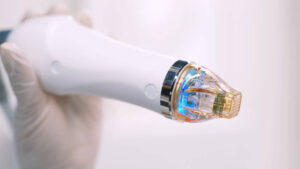
Combines collagen induction with radiofrequency energy for improved skin tone and structure. Our treatment is called the Secret RF and we are big fans for face and body.
5. Topical Retinoids and Firming Creams
Medical-grade products with retinol, peptides, and antioxidants can help improve skin firmness and reduce the appearance of stretch marks.
6. Surgical Referral
In cases of severe excess skin, especially after major weight loss, we may refer you to a qualified plastic surgeon for skin removal options. We do not perform skin-tightening surgery at ENRICH clinic.
At-Home Skin Care Tips Post-Weight Loss
If you’re on a weight loss journey or just starting one, supporting your skin from the inside and out can make a big difference:
- Hydrate regularly – inside and out.
- Eat skin-friendly nutrients – including vitamin C, zinc, and protein to support collagen. Your skin health and gut health are closely related.
- Consider collagen supplements – some Australian brands offer marine or bovine collagen powders. The jury is out on how effective these supplements are; they can be helpful.
- Moisturise daily – to maintain skin barrier health and hydration. For the body, generally, a heavier moisturiser than you use on your face should be considered unless you are acne-prone.
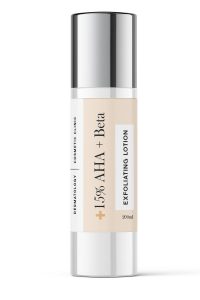
- Gentle exfoliation – to improve skin texture and tone. We mean gentle, without damaging the skin on a daily basis. ENRICH 15% AHA+Beta Exfoliating Lotion can help with exfoliation and removing dead skin cell buildup gently. We use this lotion on the body every third day, coupled with your normal skin moisturiser every other day.
When Should You See a Dermatologist?
If you’re experiencing loose skin that’s affecting your comfort or daily life, it’s time to seek expert advice. Our dermatologists can assess your skin’s condition and recommend tailored solutions—ranging from in-clinic treatments to medical-grade skincare.
We’re here to guide you through this next chapter of your transformation, with real solutions that support both your skin health and your self-confidence.
How We Can Help
At ENRICH & DIV, we offer moderate skin tightening and rejuvenation treatments suitable for certain stages of your weight loss journey. Whether you’ve recently started on medication-assisted weight loss or you’re months into your transformation, we can support you with personalised, science-backed dermatological care.
Book a consultation with our expert team at ENRICH & DIV today and let us help your skin look as good as you feel.
 As we age, the eyebrow starts to fall. This is due to the structure of the bones in the face, as well as the loss and movement of fat along the upper and lower eyelids. Skin elasticity also plays a role, since the less collagen and elastin our skin produces, the less it is able to hold itself up.
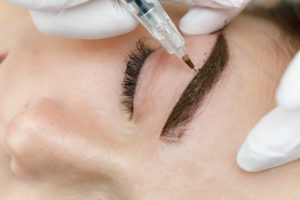 There are two types of pigments used in cosmetic tattoo inks – organic and inorganic. Organic uses lakes pigments, while inorganic pigments use iron oxides. Most manufacturers of cosmetic tattoo ink use a mixture of both, but they do not use traditional tattoo inks.