Category: Skincare

  • What Builds Collagen? Why It Matters for Skin & Ageing

    What Builds Collagen? Why It Matters for Skin & Ageing

    What Builds Collagen – Really

    And Why Collagen (and Elastin) Matter More Than You Think

    Collagen is one of the most talked-about ingredients in skincare, supplements and aesthetic treatments. But beyond the marketing, collagen is a vital structural protein that plays an essential role throughout the body — not just in the skin.

    So what actually builds collagen? When does collagen production slow down? Why is collagen important for skin health, and how does it differ from elastin? Let’s look at the science behind collagen — clearly, realistically, and without the hype.

    What Is Collagen?
    Collagen is the most abundant protein in the human body, making up around 30% of total protein content. It functions as a structural framework, providing strength and support to tissues.

    There are at least 28 different types of collagen, but the most relevant include:

    • Type I: skin, bones, tendons, ligaments
    • Type II: cartilage
    • Type III: skin, blood vessels and organs

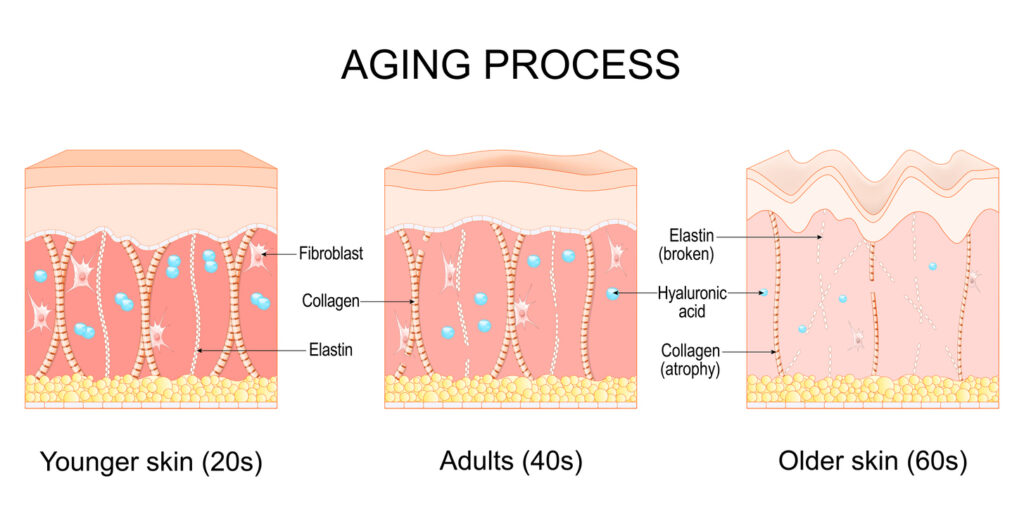
    In the skin, collagen is found in the dermis, where it forms a supportive network that helps skin maintain strength, structure and resilience.

    Why Is Collagen Important for Skin?

    Collagen plays a central role in:

    • Supporting skin structure and firmness
    • Helping skin withstand daily mechanical stress
    • Maintaining skin thickness and integrity
    • Supporting smooth surface texture

    When collagen levels are well maintained, skin tends to feel more resilient and supported. As collagen gradually declines, changes in texture, firmness and elasticity may become more noticeable — all part of normal skin ageing.

    It’s important to note that collagen doesn’t work alone. It functions alongside elastin, hyaluronic acid and other components of healthy skin.

    When Do You Stop Producing Collagen?
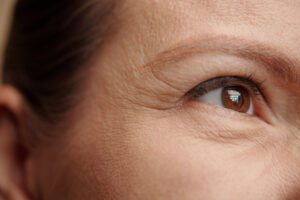
    You don’t stop producing collagen entirely, but collagen production begins to slow from the mid-to-late 20s.

    Research suggests:

    • From around age 30, collagen loss may occur at roughly 1% per year
    • Hormonal changes, including menopause, can accelerate collagen decline
    • Sun exposure, smoking and chronic inflammation can contribute to collagen breakdown

    The rate of collagen loss varies significantly between individuals and is influenced by genetics, lifestyle and environmental factors.

    What Builds Collagen 

    Collagen is made inside the body, not absorbed whole through the skin. The body builds collagen using specific building blocks and supportive nutrients.
    Key contributors to collagen production include:

    Protein and Amino Acids

    Collagen is formed from amino acids such as glycine, proline and hydroxyproline, derived from dietary protein sources.

    Vitamin C

    Vitamin C is essential for collagen synthesis. Without adequate vitamin C, the body cannot properly form collagen fibres.

    Minerals

    Zinc and copper support enzymatic processes involved in collagen formation and tissue repair.

    Sun Protection

    UV radiation accelerates collagen breakdown. Protecting skin from sun exposure helps preserve existing collagen.

    Overall Skin Health

    Chronic inflammation and barrier disruption can interfere with normal collagen balance. Supporting skin health helps maintain natural renewal processes.

    Collagen vs Elastin: What’s the Difference?

    Collagen and elastin are often grouped together, but they serve different roles in skin structure and ageing.

    What Is Collagen?

    Collagen acts like the skin’s scaffolding. It provides strength, structure and support within the dermis and throughout connective tissues in the body.

    What Is Elastin?

    Elastin is responsible for stretch and recoil. It allows skin to move and return to shape — like a rubber band. Elastin fibres are formed early in life and are far less easily replaced than collagen. UV exposure is a major contributor to elastin damage.

    Collagen vs Elastin at a Glance

    Feature Collagen Elastin
    Primary role Strength and structure Stretch and recoil
    Location Dermis Dermis
    Age-related change Gradual decline from late 20s Very limited regeneration
    Most affected by Ageing, UV, inflammation UV exposure, smoking
    Skin impact Loss of support and firmness Reduced elasticity and bounce

    Understanding this difference helps set realistic expectations — no skincare product can “replace” either protein directly.

    Where Else Is Collagen Important in the Body?

    Collagen isn’t just about skin appearance. It is essential for:

    • Bones: tensile strength and structure
    • Joints and cartilage: cushioning and movement
    • Tendons and ligaments: force transmission
    • Blood vessels: structural integrity
    • Organs and connective tissue: support and resilience

    This is why age-related collagen changes can affect multiple systems, not just the skin.

    Collagen, Skincare and Dermatology

    Topical collagen molecules are generally too large to penetrate the skin. However, skincare can still play a supportive role by:

    • Helping protect collagen from environmental damage
    • Supporting the skin barrier
    • Reducing oxidative stress

    Dermatologist-guided treatments may aim to support the skin’s natural repair and renewal pathways, rather than claiming to replace collagen.

    At Enrich Clinic and the Dermatology Institute of Victoria, collagen-related concerns are assessed in the context of overall skin health, ageing and individual needs.

    And Finally

    Collagen isn’t a miracle — but it is fundamental. It provides structure, strength and resilience throughout the body, and its gradual decline is a normal part of ageing. Understanding what collagen is, how it’s formed, and how it differs from elastin helps cut through marketing noise and supports informed, realistic skincare decisions. If changes in skin texture or firmness are a concern, a dermatologist can assess your skin holistically and discuss evidence-based options suited to you.

    Call us and book a consultation with one of our dermatologists to talk about your skin health. There are several treatment options designed to support collagen production and skin quality. A clinical assessment helps determine which options may be suitable for your skin.

    Book with ENRICH Clinic Here 

  • How Often Does Skin Renew? Skin Cell Turnover Explained

    How Often Does Skin Renew? Skin Cell Turnover Explained

    Your Skin Is Shedding Right Now: Understanding Skin Cell Turnover & How to Support It


    How Often Does Your Skin Renew Itself?


    Did you know your skin is constantly renewing itself? On average, your body sheds 30,000–40,000 skin cells every minute. That adds up to roughly 4 Kilograms of skin cells each year — a statistic that never fails to surprise.
    But what does that mean on a smaller, more relatable scale?

    Daily Skin Cell Shedding

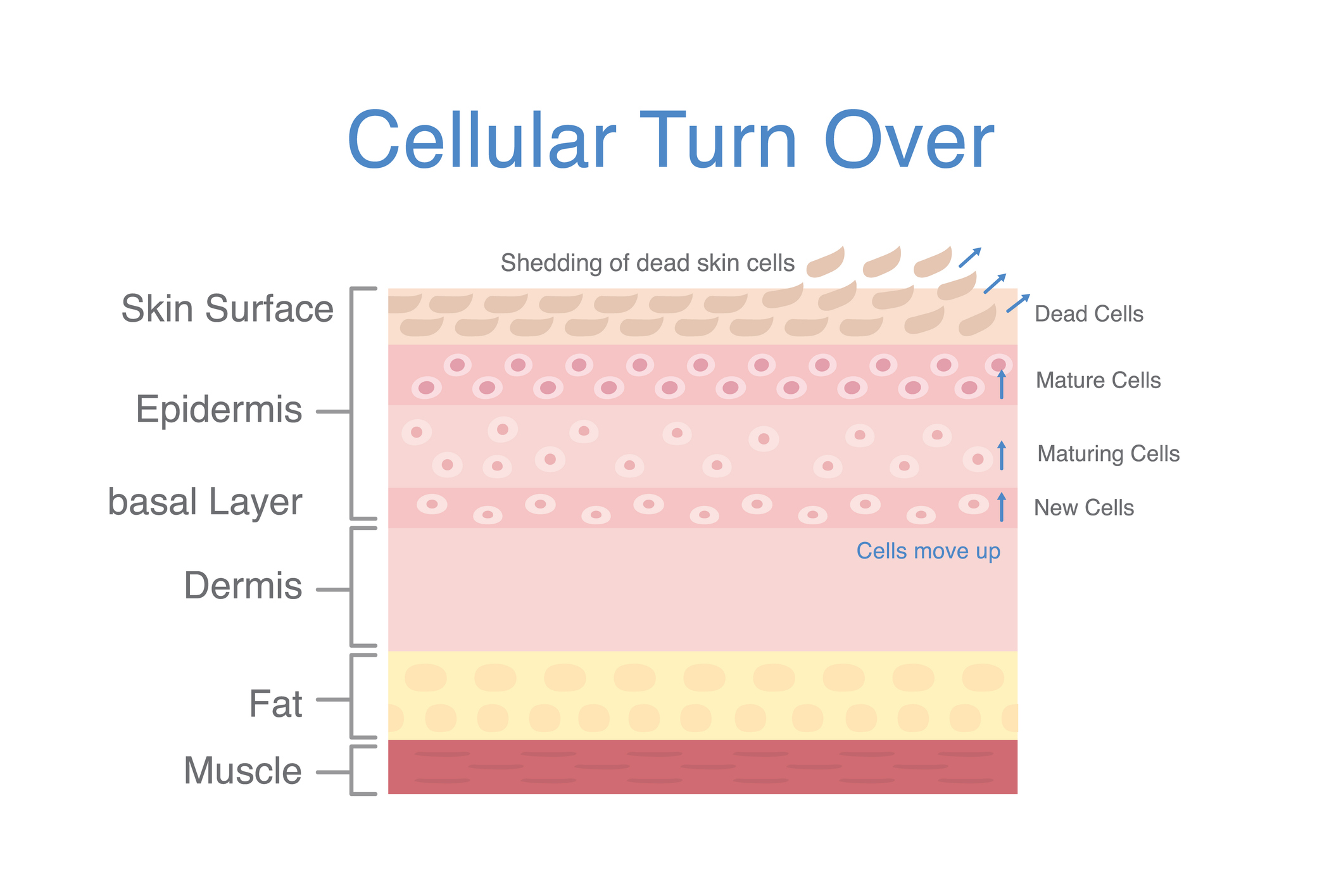
    Your skin is a living, breathing organ that’s always in motion. Each day, your body sheds an estimated 500 million skin cells. These cells come from the outermost layer of the skin, the epidermis, which acts as your primary barrier against the outside world.

    Weekly Skin Cell Shedding

    Over the course of a week, this natural process results in the loss of around 3.5 billion skin cells. While it sounds dramatic, it’s completely normal — and essential for healthy, resilient skin. This constant renewal allows new, healthier cells to rise to the surface, helping your skin maintain its protective function, texture and appearance.

    Why Does Skin Shed in the First Place?

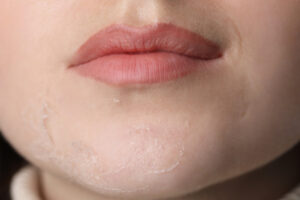
    Skin shedding (also known as desquamation) is part of your skin’s renewal cycle, often referred to as cell turnover. New skin cells are formed in the deeper layers of the epidermis and gradually migrate upwards. As they reach the surface, older cells flatten, die, and are eventually shed.

    This process helps:

    • Maintain a healthy skin barrier
    • Protect against environmental damage
    • Regulate temperature
    • Support even skin tone and texture

    However, cell turnover slows with age, stress, sun exposure and certain skin conditions. When old skin cells linger on the surface for too long, skin can appear dull, rough or uneven — which is why exfoliation and in-clinic treatments can be helpful for some people.

    Factors That Affect How Quickly Your Skin Sheds

    Several internal and external factors influence skin renewal:

    Age and Skin Renewal

    Younger skin typically renews itself every 28 days. Over time, this process can slow to 40–60 days, contributing to dryness, congestion and texture changes.

    Sun Exposure

    UV radiation can disrupt healthy cell turnover, damage collagen and lead to uneven shedding. This is also one of the big factors in premature ageing. 

    Climate & Environment

    Dry air, pollution and harsh weather can interfere with the skin barrier and shedding process.

    Skincare and Exfoliation Habits

    Over-exfoliation can damage the barrier, while too little exfoliation may allow dead cells to accumulate. Dermatologists are fans of harsh daily scrubs (such as those containing nut shells or large, jagged particles), which can create microscopic tears in the skin and erode the stratum corneum, or the outermost layer. 

    Supporting Your Skin’s Natural Renewal Process

    Hydration

    Well-hydrated skin functions better. Adequate water intake and barrier-supportive moisturisers help prevent flakiness and irritation.

    Gentle Exfoliation

    Exfoliation assists the skin in removing dead cells that don’t shed efficiently on their own.

    Sun Protection

    Daily sunscreen use helps preserve healthy skin renewal and prevents UV-related damage that slows turnover and can be a factor in premature skin ageing. If you ask Dr Rich what the best anti-aging cream is, he will always say SPF 50 sunscreen.

    Dermatology Skincare Products That Support Skin Shedding

    If you’re looking to support your skin’s natural exfoliation process, dermatology-guided skincare can help.

    Chemical Exfoliators (AHAs & BHAs)

    Chemical exfoliants dissolve the bonds holding dead skin cells together.

    • Glycolic Acid (AHA): Improves texture and radiance
    • Salicylic Acid (BHA): Penetrates pores and supports congestion-prone skin

    These ingredients are commonly incorporated into dermatologist-recommended peels and home-care products. are generally preferred over physical scrubs because they dissolve the “glue” between dead cells without creating micro-tears like some harsh daily scrubs that cause micro-tears, inflammation, clogged pores and more. 

    Retinoids (Vitamin A Derivatives)

    Retinoids are widely used to support skin renewal and texture refinement.

    • Encourage more efficient cell turnover
    • Support collagen production
    • Improve uneven texture and tone

    They are often introduced gradually to minimise irritation and are best guided by a dermatologist.

    • Retinol & Retinoid Products
      • Retinol: A gentler, over-the-counter form of Vitamin A that encourages skin renewal.
      • Prescription Retinoids: Stronger retinoids like tretinoin are often recommended by dermatologists for more significant skin concerns like acne and signs of aging.
      • Popular Products @ Scriptskincare  :

    Enzyme-Based Exfoliation

    Fruit enzymes gently digest surface proteins, making them suitable for sensitive skin types who struggle with acids or scrubs.

    Enzyme-based products gently exfoliate the skin by breaking down the proteins that hold dead skin cells together. These products are often a good alternative for those with sensitive skin who may find acids or scrubs too harsh.

    Hydrating Moisturisers

    When your skin sheds, it’s important to lock in moisture to prevent dehydration and keep the skin barrier intact. Moisturisers help replenish moisture and create an optimal environment for skin regeneration.

    • Ceramides & Hyaluronic Acid
      • These ingredients strengthen the skin’s natural barrier and prevent moisture loss.

    Barrier-Supporting Moisturisers

    Ingredients such as ceramides and hyaluronic acid support hydration while skin renews itself, helping maintain comfort and resilience.

    Chemical Peels (Professional & At-Home)

    Chemical peels are designed to assist exfoliation of surface skin layers and support the skin’s natural renewal process. They range from mild at-home peels to more intense professional treatments.

    • Superficial Peels – focus on texture & brightness 
      • Mild chemical peels that use AHAs or BHAs help exfoliate the skin without downtime.
    • Professional Peels –  delivered under medical supervision for targeted concerns
      • Stronger chemical peels, such as TCA or glycolic peels, are typically performed by dermatologists and can offer more noticeable results.

    Vitamin C Serums

    While Vitamin C is often thought of as an anti-aging powerhouse, it also promotes cell turnover. Vitamin C helps brighten the skin and fades hyperpigmentation caused by sun exposure or acne scars. It can aid the shedding of skin cells by encouraging fresh, new skin growth.

    Popular Products:

    Laser & Device Treatments That Support Skin Texture & Renewal

    For patients looking for in-clinic options, device-based treatments can complement the skin’s natural renewal process by targeting texture, tone and collagen support.

    At Dermatology Institute of Victoria and Enrich Clinic, dermatologists may recommend the following technologies depending on skin type and concerns:

    Fractional Laser Treatments

    Fractional lasers work by creating controlled micro-injuries in the skin, stimulating repair and renewal.

    They can help improve:

    • Uneven skin texture
    • Fine lines
    • Sun-related skin changes

    By encouraging the skin’s natural healing response, these treatments support exfoliation and long-term regeneration.

    Non-Ablative Laser Treatments

    Non-ablative lasers target deeper skin layers while leaving the surface largely intact.

    They are commonly used to:

    • Improve skin tone and texture
    • Support collagen remodelling
    • Encourage gradual skin renewal with minimal downtime

    Microneedling (Medical Skin Needling, The Secret)

    Microneedling uses fine needles to create micro-channels in the skin, triggering repair pathways.  Devices such as The Secret and Micro Needling help with collagen production as well as other benefits, including:

    • Improved texture
    • Enhanced penetration of topical treatments
    • Support for smoother, more even skin

    Light & Energy-Based Devices

    Certain light-based treatments can help manage pigmentation, redness and textural irregularities by encouraging healthy skin turnover and barrier repair.

    All treatments are assessed individually and tailored by dermatologists to ensure suitability and safety.

    Vitamin C & Skin Renewal – How does it fit in?

    Vitamin C supports skin brightness and collagen formation. While it doesn’t exfoliate directly, it works alongside the renewal process to improve the appearance of newly surfaced skin.

    Sun Protection: The Final (Essential) Step

    Freshly renewed skin is more vulnerable to UV damage. Daily sunscreen use helps protect the skin barrier, maintain even texture, and preserve the results of exfoliation or in-clinic treatments.

    SPF Protection

    After shedding skin cells, your skin is often more sensitive and prone to damage. Protecting your newly revealed skin with sunscreen is essential to prevent further UV damage and support the skin’s overall health.

    See the full range at Script Skin here

    Final Thoughts: Skin Shedding Is a Good Thing

    Skin shedding isn’t something to worry about— it’s a sign that your skin is doing its job. Supporting this process with the right skincare, sun protection and (when appropriate) dermatologist-guided treatments can help maintain smoother, healthier-looking skin over time. Supporting the natural shedding process is essential for maintaining fresh, glowing skin. Whether you prefer exfoliating with gentle acids, applying retinoids for cell turnover, or using a hydrating moisturiser to lock in moisture, there are plenty of dermatology products to fit your routine. Just remember to start slowly with active ingredients (like retinoids or exfoliators) to avoid irritation, and always follow up with sunscreen to protect your skin!

    Ready to start your skin shedding journey? Consider consulting one of our dermatologists to tailor a skincare regimen to your specific needs!


  • What are the best consistency and moisturiser type for my skin?

    What are the best consistency and moisturiser type for my skin?

    What’s the Best Consistency and Type of moisturisers for Australian Skin

    Whether you’re dealing with dry winter skin, post-laser sensitivity, or want that healthy, hydrated glow year-round, choosing the right moisturiser can make a big difference. With Australia’s unique climate—from dry inland air to coastal humidity—and increasing demand for cosmetic treatments, understanding how to support your skin barrier is more important than ever. Let’s also not forget that everyone is unique, and so skin also varies from person to person, type to type.Professional advice is always a good start. 

    As dermatologists and skin professionals, in Australia, hydration is fundamental to healthy skin and post-treatment recovery. In this guide, we explore the best consistencies and types of body moisturisers, what ingredients to look for, and how they support both everyday skin maintenance and cosmetic dermatology outcomes.

    Why Moisturising Matters in Dermatology and Skin Treatments

    Whether you’re visiting your cosmetic dermatologist for laser resurfacing, chemical peels, or treating chronic conditions like eczema or psoriasis, the skin needs moisture to heal and function well. Moisturisers serve three key purposes:

    1. Hydrate – Increase the skin’s water content.
    2. Protect – Strengthen the skin barrier and reduce trans-epidermal water loss.
    3. Soothe – Calm inflammation and improve comfort after treatments.

    In cosmetic dermatology clinics across Australia, moisturisers are routinely recommended after procedures such as laser treatments, microneedling, or dermal treatments to support the healing process and maintain results.

    Understanding Moisturiser Types by Consistency

    The key to choosing the proper moisturiser lies in its formulation and texture. Here’s a breakdown of the most common types used in dermatological skincare:

    1. Lotions – Light and Fast-Absorbing

    • Best for: Normal to slightly dry skin, humid climates, oily or acne-prone body areas (like the back or chest).
    • Texture: Thin and fluid, often water-based.
    • Use if: You want something that absorbs quickly and won’t feel sticky in the heat.

    In Australia, where summers can be hot and humid, many dermatologists recommend lightweight lotions containing ingredients such as glycerin or hyaluronic acid for daily hydration. These are particularly useful after treatments like LED therapy or superficial peels when the skin isn’t overly dry.

    2. Creams – Balanced and Hydrating

    • Best for: Dry or sensitive skin, mild barrier repair.
    • Texture: Thicker than lotions but still spreadable.
    • Use if: You need more nourishment without a heavy, greasy feel.

    Certain creams are a go-to for dermatology clinics, especially for post-procedure use. After treatments like IPL (intense pulsed light) and Laser treatments, or facial rejuvenation, patients are often advised to apply fragrance-free creams containing ceramides and niacinamide to help reduce redness and inflammation.

    3. Body Butters and Balms – Rich and Occlusive

    • Best for: Very dry, flaky, or compromised skin.
    • Texture: Thick, buttery, and sometimes waxy.
    • Use if: You’re in a dry climate or need to lock in serious moisture (e.g., elbows, knees, post-retinoid treatments).

    In cooler parts of Australia, such as Tasmania or elevated areas in NSW and VIC, winter skin often craves extra nourishment. You would think it would be the other way around, but often with heating, heavy clothing and the weather, this is the case. Rich moisturisers with shea butter, urea, or cocoa butter are ideal for this, especially for people using topical treatments like tretinoin or undergoing laser resurfacing.

    4. Gels and Gel-Creams – Lightweight and Cooling

    • Best for: Oily, acne-prone, or inflamed skin.
    • Texture: Water-based, often oil-free.
    • Use if: You want a cooling, non-comedogenic option, ideal for summer or after treatments like chemical peels.

    These formulas are popular among younger patients or those receiving acne treatments, particularly in the tropical climates of Queensland and the Northern Territory. Look for aloe vera, panthenol, or green tea extract in these products.

    Of course, remember to always add factor 50+ sunscreen to your face or any other exposed areas if you are going outside. 

    Moisturiser Ingredients to Look For
    In both cosmetic and medical dermatology, ingredients matter. Here are some evidence-based moisturising ingredients frequently recommended by Australian dermatologists:

    • Ceramides – Restore the skin barrier and retain moisture.
    • Glycerin – A humectant that draws water into the skin.
    • Hyaluronic Acid – Binds water for deep hydration without heaviness.
    • Niacinamide – Anti-inflammatory and brightening. 
    • Shea Butter – Deep nourishment and soothing benefits. Not suitable for oily skin. 
    • Urea – Hydrating and exfoliating; ideal for rough or keratinised skin.
    • Squalane – Lightweight oil with antioxidant properties.

    For patients recovering from procedures like fractional laser resurfacing or microneedling, most dermatology clinics often recommend fragrance-free creams rich in ceramides and hyaluronic acid, such as CeraVe, La Roche-Posay, or QV Intensive.

    Pro Tip: Apply on Damp Skin

    Dermatologists often recommend applying your body moisturiser within three minutes of showering. Damp skin absorbs moisturiser more effectively, helping lock in hydration—particularly useful after in-clinic treatments or when dealing with trans-epidermal water loss, a common issue in ageing or sun-damaged skin.

    What are  “Actives” in skincare? 

    Actives refer to active ingredients in skincare, these ingredients that do the heavy lifting. They’re the scientifically proven compounds—like retinol, vitamin C, niacinamide, peptides, AHAs, BHAs, and more—that create fundamental, measurable changes in the skin. Unlike basic hydrators or textures that make a product feel nice, actives are designed to target specific concerns such as pigmentation, fine lines, breakouts, dullness, or loss of firmness. They work by interacting directly with skin cells or the skin barrier to boost renewal, improve clarity, increase collagen production, or calm inflammation. When used correctly (and consistently!), actives help your skincare routine move beyond “maintenance” to truly transformative results.

    Actives can cause issues if they’re not chosen or used correctly. While they offer powerful benefits, they also come with a bit of “personality.” Some actives, like retinoids, AHAs, BHAs, and high-strength vitamin C, can cause irritation, redness, dryness, peeling, breakouts, or heightened sun sensitivity, especially when you’re new to them or use too much too soon. 

    Others may clash when layered together or be unsuitable for specific skin types or conditions (e.g., rosacea, eczema, compromised barriers). 

    The key is slow and steady: introduce one active at a time, start with lower strengths, patch test when possible, and always pair actives with a gentle routine and daily SPF. When used thoughtfully, actives are incredibly effective—but respecting their potency helps keep your skin happy.

    See your dermatologist to discuss what actives would suit your skin type or skin issues.

    Common Mistakes to Avoid

    1. Using face moisturisers on the Body – These are often too expensive and not rich enough for thicker body skin.
    2. Applying to dry skin – Misses the chance to trap moisture.
    3. Using fragranced products post-treatment – Can irritate healing skin and disrupt results.
    4. Skipping moisturiser after in-clinic treatments – Slows healing and increases risk of dryness or redness.
    5.  Using active ingredients that are inappropriate for your skin type or condition. 
    6. Not applying factor 50+ sunscreen on your face and other exposed areas every day.

    Consistency Counts in More Ways Than One

    Choosing the right moisturiser for your Body is about more than just texture—it’s about supporting your skin’s natural barrier, especially after cosmetic procedures or during seasonal transitions. Whether you’re managing post-laser care in Melbourne, navigating humidity in Brisbane, or simply building a solid body care routine, using the right moisturiser—and applying it consistently—can visibly improve your skin health.

    If you’re unsure what’s best for your needs, speak to your cosmetic doctor, dermatologist or skincare clinician. At ENRICH we can incorporate tailored skin barrier support into your treatment plan. We recognise that well-hydrated skin heals better and responds more effectively to treatments.

    How We Can Help

    At ENRICH & DIV, we offer skin consultations before any treatment, or you can come into our Clinic and discuss any topical creams we have in our range at our Script skincare store downstairs with our ENRICH & DIV skin consultant.

    Book a consultation with our team at ENRICH & DIV today, and let’s make your skin health a priority. 


  • Good Skin Is Not Just About Your Face | Hands, Neck & Décolletage

    Good Skin Is Not Just About Your Face | Hands, Neck & Décolletage

    Good Skin Is Not Just About Your Face – Treating Your Hands, Neck & Décolletage

    When most people think about skincare or rejuvenation, the focus is almost always on the face. Serums, moisturisers, laser treatments, sunscreen — they’re all typically applied front-and-centre. But there are three areas that often indicate your age faster than your face does:
    your hands, your neck, and your décolletage.

    These areas are exposed to the same environmental stressors as your face — UV radiation, pollution, dryness, and natural ageing — yet most people overlook them in their daily routine. At ENRICH Clinic in Melbourne, we see first-hand how it can be when these areas are treated with the same care as the face. From no-downtime lasers to deeper resurfacing options, we offer a range of evidence-based treatments designed to restore tone, texture, elasticity, and radiance safely and effectively.

    In this blog, we explore why these areas age differently, the types of pigmentation you may see, the difference between benign pigment and skin cancer, and the medical-grade treatments available.

    Why Hands, Neck & Décolletage Age Differently

    Thinner, More Delicate Skin
    The skin on the neck, chest, and hands is thinner and contains fewer oil glands, making it more vulnerable to:

    • fine lines
    • crepiness
    • dryness
    • discolouration
    • collagen loss


    Daily UV Exposure
    Even with diligent sunscreen use on the face, the neck and chest are often left unprotected. Hands are also constantly exposed while driving (that’s a big one) , walking, or even sitting by a window. Chronic UV exposure leads to:

    • pigmentation (sunspots, freckles)
    • broken capillaries
    • premature ageing
    • uneven tone

    Hormonal Changes

    During peri-menopause and menopause, oestrogen decline reduces collagen production, affecting the neck and décolletage in particular.

    Volume Loss

    Hands lose subcutaneous fat over time, making veins, tendons, and bones appear more prominent, giving a “hollowed” appearance.

    Common Concerns in These Areas

    • Brown spots / sunspots
    • Neck wrinkles
    • Décolletage wrinkles
    • Hand rejuvenation
    • Age spots
    • Crepey skin

    These concerns can usually be improved with targeted, non-surgical options — but first, it’s important to understand the difference between benign pigmentation and potential skin cancer.

    Pigment vs Skin Cancer: What You Must Know

    Pigmentation and sunspots are extremely common on the hands, neck, and chest due to chronic UV exposure. However, not all “sunspots” are harmless.

    Benign Pigmentation May Include:

    • Freckles 
    • Solar lentigines (sunspots)
    • Melasma
    • Post-inflammatory hyperpigmentation

    These are typically treated with:

    • Laser
    • light-based therapies
    • chemical peels
    • topical prescriptions

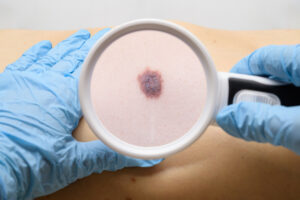
    But Skin Cancers May Also Present as Pigmented Lesions

    Some melanomas are flat and brown. Some basal cell carcinomas appear as shiny red or pink patches on the chest. Squamous cell carcinomas on the hands are also common in Australia.

    Red flags include:

    • Rapidly changing spots
    • Irregular borders
    • Multiple colours
    • Bleeding or crusting lesions
    • A lesion that looks “different” from the rest

    It’s important that any suspicious lesion be assessed by a GP or dermatologist.
    At ENRICH Clinic, we prioritise medical safety and regularly refer patients for full skin checks if anything appears atypical. At ENRICH Clinic and DIV we can help you with regular skins checks

    Laser Treatments for Hands, Neck & Décolletage

    ENRICH Clinic offers a comprehensive suite of medical-grade lasers tailored to address various concerns and skin types.  These often fall into two categories:

    No-Downtime Laser Treatments

    These are ideal for patients who want meaningful results without taking time off work or making social commitments. Often, these no-downtime treatments require repeat treatments and are perfect to put in your regular treatment or skin maintenance plan. 

    Laser Genesis

    • Redness
    • fine lines
    • mild crepiness
    • early pigment
    • overall texture

    Perfect for delicate areas like the neck and chest.

    IPL (Intense Pulsed Light)

    Effective on :

    • Sunspots
    • Redness
    • broken capillaries
    • general skin tone

    Helps hands and décolletage to reduce mottled pigmentation. The IPL laser has been tried and true  for treating the hands at ENRICH Clinic for many years. 

    Downtime Laser Treatments

    For deeper wrinkles, pronounced sun damage, or significant skin laxity, a more intensive laser may be suggested.

    CO₂ Laser Resurfacing

    This ablative laser can significantly improve:

    • deep sun damage
    • crepey skin
    • etched-in lines
    • Scarring
    • advanced pigmentation

    Downtime is longer, but results are often quite strong and last longer than no-downtime treatments. You will need  quite some time out of the sun and time to heal. This is a serious laser, and treatments should be performed by a dermatologist. 

    Erbium Laser

    A more controlled resurfacing option with slightly less downtime than CO₂ but still powerful for:

    • Texture
    • Lines
    • pigmentation

    Fractional Laser Resurfacing

    Targets micro-columns in the skin to induce collagen remodelling. Used for:

    • neck lines
    • décolletage crepiness
    • hand rejuvenation

    This laser has also been an ENRICH Clinic stalwart and it too has some downtime. About a week should do the trick for you skin to peel and heal. Some patients take longer, but it all depends on your skin type, amount of pigmentation and genetics. 

    ALMA Hybrid ™

    This laser has been used by our friends at DIV for a few years and has  solid results on 

    • Pigmentation correction of sunspots, age spots and freckles
    • Reduced appearance of wrinkles and fine lines
    • Skin tightening and rejuvenation
    • Reduced the appearance of sun damage
    • Acne scar improvement

    It is also an ablative laser, so at least a week, soemtimes more for the downtime. 

    Other Rejuvenation Options for These Areas

    Chemical Peels

    Help soften pigmentation and boost radiance, depending on the type and the tiem it is on your face. Glycolic peels are perfect for a 15-minute skin pick-me-up on a regular basis. The stronger peels are for more damaged skin and a doctor-led treatment. 

    Dermal treatments 

    To restore volume and soften hands and the neck area. There are now a  quite a few types of dermal treatments to choose from that can help these areas to increase volume. 

    Add to your regular routine 

    Add these areas to your regular skin care routine. As you apply any skin care to your face, take that application down to your neck and chest. Spread the leftover product on your hands, especially the top of your hands. Adds a few more minutes to your routine but is well worth it.  Make sure that factor 50 sunscreen also goes on your hands, face and neck – it will protect and also moisturise. If driving a lot of the day, have sunscreen in your car so you can apply it whenever needed. 

    Why Treating the Neck, Hands & Décolletage Matters

    These areas often show signs of ageing earlier than the face, and they play a key role in determining overall skin health. Addressing them can:

    ✔ create harmony with facial rejuvenation
     ✔ reduce pigment for a more even skin tone
    ✔ soften lines and crepiness
    ✔ protect long-term skin health

    At ENRICH Clinic, we tailor treatment plans based on medical assessment, skin type, lifestyle, and goals. Every patient is unique and we focus on what will suit your individual skin’s needs. Book a consult,  with one of our Doctors or Dermatologists and we can discuss options.