Category: Skin

  • Combining Skin Treatments: How a Layered Approach Supports Skin Health

    Combining Skin Treatments: How a Layered Approach Supports Skin Health

    Combining Treatments: Why a Layered Approach Can Help You Get More From Your Skin Plan

    Most people are looking for a single solution—one treatment, one product, one quick fix. In reality, skin doesn’t work like that. 

    Concerns such as pigmentation, redness, laxity, breakouts, and texture changes are usually influenced by multiple factors happening at different levels of the skin. That’s why a more considered, combination approach is often recommended.

    At Dermatology Institute of Victoria and ENRICH Clinic, treatment plans are rarely built around just one modality. Instead, they’re layered, combining in-clinic treatments with targeted at-home skincare such as Script Skincare, to support the skin from multiple angles.

    While no treatment can guarantee outcomes, combining the right approaches can often enhance overall skin quality and help you work toward your skin goals more effectively over time.

    Why Combining Treatments Makes Sense

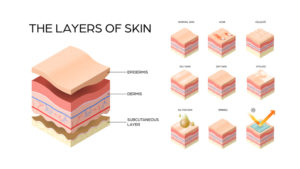
    Skin is a complex organ (and the largest in the body), composed of multiple layers, each playing a distinct role.
    Different treatments work at different depths and target different processes, such as:

    • Pigment production
    • Blood vessels and redness
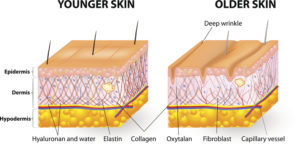
    • Collagen and elastin support
    • Oil production and inflammation
    • Surface texture and hydration

    A single treatment may improve one of these areas—but combining treatments allows you to address several at once.

    What a Combination Approach Can Offer

    A layered approach to skin treatments can:

    • Support improvements across multiple concerns
    • Help maintain consistency in skin quality
    • Complement how different treatments perform
    • Provide a more structured pathway toward your skin goals

    Rather than relying on one treatment to do everything, combination plans recognise that skin responds best to a coordinated approach.

    How Combination Treatment Plans Are Built

    A well-structured skin plan isn’t about doing more—it’s about doing what works, in the right order. At clinics like ENRICH and DIV, treatment plans are typically developed in stages:

    Assessment

    Understanding your skin condition, history, triggers, and goals.

    Foundation

    Establishing a consistent skincare routine to support the skin barrier and prepare for treatments.

    Correction

    Introducing in-clinic treatments to address specific concerns such as pigmentation, laxity, or redness.

    Maintenance

    Supporting results over time with lighter treatments and ongoing skincare. Each of these layers plays a role, and when combined, they can work together to support overall skin health.

    Where Laser Treatments fit in and what treatments are a good support. 

    Laser and energy-based treatments are commonly used to address:

    • Pigmentation and sun damage
    • Fine lines and wrinkles
    • Acne scarring
    • Uneven tone and texture

    Available options across ENRICH and DIV include fractional lasers, CO₂ resurfacing, Tixel®, and Pico/Piqo technologies.

    Why Combine With Maintenance Treatments?

    Laser treatments can create changes within the skin, particularly at deeper levels. However, without ongoing support, results may not be maintained as effectively. Maintenance treatments—such as hydrating facials, LED therapy, or light resurfacing—help support the skin between more intensive procedures.

    How This Works Together

    • Laser treatments help target deeper structural or pigment concerns
    • Maintenance treatments support recovery and skin function
    • Skincare helps maintain consistency

    This combination allows the skin to be treated and supported over time, rather than relying on a single intervention.

    Skin Tightening + Collagen Support Treatments – why do both matter ?

    As skin changes over time, loss of firmness and structure can become more noticeable.

    Technologies available at ENRICH and DIV include:

    Why Combine These?

    Different technologies work at different depths:

    • Some target deeper structural layers
    • Others focus on improving skin texture and quality

    Using them together allows for a more comprehensive approach.

    Example Approach

    • Initial treatment: deeper structural support (e.g. HIFU)
    • Follow-up treatments: RF microneedling or similar
    • Ongoing skincare: ingredients that support collagen and hydration

    This layered approach can help address both the structure and surface of the skin over time.

     Pigmentation or Redness Treatments – why this is almost never one step 

    Conditions such as pigmentation and rosacea often require a combination approach. Treatments options available include:

    • Vascular lasers (e.g. Excel V)
    • Pigment-targeting lasers
    • Dermatology-led treatment plans

    Why Add Skincare?

    While in-clinic treatments can target visible concerns, skincare helps support the skin between treatments and may help maintain results.

    Products from Script Skincare may include:

    • Vitamin A derivatives
    • Brightening agents
    • Barrier-support formulations

    How They Work Together

    • Laser treatments address visible pigment or redness
    • Skincare helps support skin function and maintenance
    • Sun protection is essential to help prevent recurrence

    This combination is particularly important for conditions that require ongoing management rather than a one-off solution.

    Resurfacing + Hydration + Barrier Support
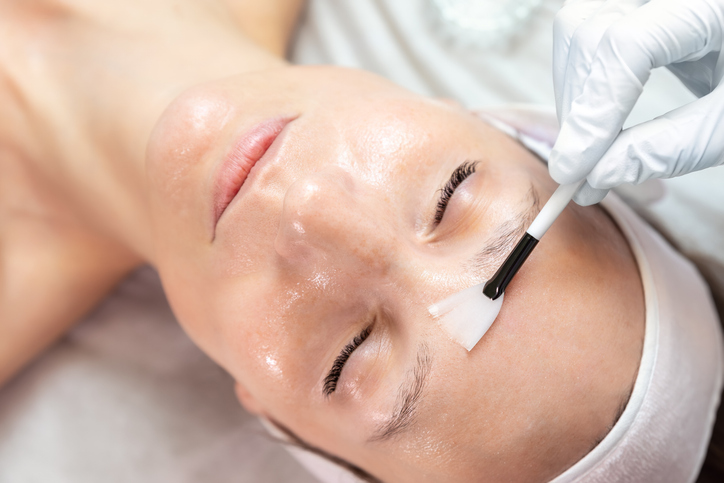
    Skin texture, dullness, and congestion are common concerns and often benefit from a combined approach.

    Treatments suggested include:

    Why Combine These?

    Each treatment plays a different role:

    Example Plan

    • Periodic resurfacing treatments
    • Regular hydration-focused treatments
    • Consistent daily skincare

    This approach focuses on improving overall skin quality rather than targeting a single issue.

    The Role of At-Home Skincare

    In-clinic treatments are only part of the picture. What you do daily has a significant impact on how your skin responds. Consistent skincare using products such as Script Skincare can:

    • Prepare the skin for treatments
    • Support recovery
    • Help maintain results
    • Improve overall skin function

    A Typical Routine May Include:

    • Gentle cleansing
    • Active ingredients (e.g. Vitamin A, antioxidants)
    • Hydration and barrier repair
    • Daily sun protection

    Without a consistent routine, results from in-clinic treatments may be harder to maintain.

    Timing Matters: Not Everything Happens at Once

    Combination treatments don’t mean having everything done in one visit. In most cases:

    • Treatments are spaced over time
    • Some are used as maintenance between others
    • Skincare is adjusted depending on your treatment plan

    This staged approach allows the skin to respond appropriately and reduces the likelihood of over-treatment.

    A Personalised Plan Is Key

    Every skin is different, and treatment plans should reflect that. At Dermatology Institute of Victoria and ENRICH Clinic, plans are typically tailored based on:

    • Skin type and condition
    • Medical history
    • Lifestyle factors
    • Tolerance for downtime
    • Individual goals

    What works well for one person may not be suitable for another.

    Managing Expectations

    It’s important to approach any treatment plan with realistic expectations.

    • Results vary between individuals
    • Multiple sessions may be required
    • Improvements are often gradual
    • Maintenance is usually needed

    A combination approach may enhance overall results compared to a single treatment, but it is not a quick fix. It’s a longer-term strategy focused on improving skin health over time.

    Bringing It All Together

    Combining treatments isn’t about doing more—it’s about doing what works together.

    By layering:

    • Targeted in-clinic treatments
    • Maintenance therapies
    • Consistent skincare

    …you can create a more structured and effective approach to improving your skin.

    The goal is not perfection, but healthier, more resilient skin that continues to improve with the right support.


    Book a consult with any of our team to discuss your skin health needs and treatments that will help with your skin care, maintenance and health.

  • Is AI Helping or Hindering Dermatology Diagnosis in Australia?

    Is AI Helping or Hindering Dermatology Diagnosis in Australia?

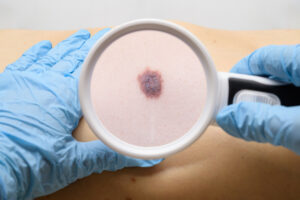
    Artificial intelligence (AI) is rapidly reshaping many areas of healthcare — and dermatology is no exception. From smartphone skin scanners to sophisticated lesion-mapping platforms used in specialist clinics, AI is increasingly part of the diagnostic conversation.

    But is AI genuinely improving dermatology diagnosis, or is it creating new risks and confusion?

    For patients researching skin concerns — whether it’s a changing mole, acne, pigmentation, or a persistent rash — AI may seem like a convenient shortcut. However, dermatology is complex, visual, and highly contextual. Technology can assist, but it cannot replace clinical expertise.

    In this article, we explore the role of AI in dermatology, its potential benefits and limitations, and how it fits within evidence-based, clinical care in Australia.

    What Is AI in Dermatology?

    Artificial intelligence in dermatology refers to computer systems trained on large datasets of skin images to recognise patterns. These systems use machine learning algorithms to:

    AI tools are most commonly discussed in relation to skin cancer detection, but research is expanding into acne, inflammatory conditions, and pigment disorders.

    For example, some systems are trained to differentiate between benign lesions and suspicious lesions using image recognition. However, AI tools do not make medical diagnoses independently — they provide decision support that must be interpreted by a qualified medical practitioner. This is especially true when dealing and diagnosing skin cancer . 

    The Potential Benefits of AI in Dermatology

    1. Earlier Identification of Concerning Lesions

    Some AI systems have demonstrated the ability to analyse images and flag lesions that warrant further assessment. In theory, this may:

    • Encourage earlier medical review
    • Support triage in rural or remote areas
    • Improve workflow efficiency in high-volume settings

    This may be particularly relevant in Australia, where skin cancer rates are among the highest in the world.

    2. Supporting (Not Replacing) Clinical Judgement

    In specialist clinics, AI may assist dermatologists by:

    • Comparing lesions against extensive image databases
    • Providing probability-based classifications
    • Supporting digital mole mapping systems
    • However, AI does not assess:
    • Patient history
    • Symptom progression
    • Immune status
    • Medication influences
    • Full body skin examination findings

    A dermatologist integrates all of these factors during a consultation — something an algorithm cannot replicate.

    Clinics such as Enrich Clinic and Dermatology Institute of Victoria (DIV) prioritise comprehensive, doctor-led assessment alongside appropriate technology where indicated.

    3. Improved Access in Underserved Areas

    AI-assisted teledermatology platforms may improve access for patients in regional Australia. However, telehealth and image-based assessments still require medical oversight.

    The Limitations and Risks of AI in Dermatology

    While promising, AI in dermatology is not without concerns.

    1. Image Quality and Context Limitations

    AI systems are highly dependent on image quality. Variations in:

    • Lighting
    • Camera resolution
    • Skin tone representation in datasets
    • Lesion positioning

    can significantly impact accuracy. Additionally, many publicly available apps are not regulated as medical devices in Australia. The Therapeutic Goods Administration(TGA) regulates medical devices and digital health tools. Not all AI skin apps meet TGA standards.

    2. Risk of False Reassurance

    A low-risk output from an app does not replace a clinical diagnosis. Delayed medical review based on AI reassurance may result in:

    • Late presentation of skin cancers
    • Missed inflammatory or autoimmune conditions
    • Progression of treatable disorder

    3. Dataset Bias

    AI models are only as good as the datasets used to train them. Historically, dermatology image datasets have over-represented lighter skin tones. This raises concerns about:

    • Reduced accuracy in diverse populations
    • Health equity implications
    • Diagnostic bias

    The World Health Organization has highlighted the importance of inclusive AI ethics in healthcare.

    AI and Skin Cancer Detection: What Does the Evidence Say?

    Research has shown that certain AI systems can perform at levels comparable to trained dermatologists in controlled study environments. However:

    • Real-world conditions vary
    • Studies are often retrospective
    • Clinical judgement includes more than image analysis

    AI may assist in identifying suspicious features, but biopsy decisions, management planning, and patient counselling remain clinical responsibilities.

    At clinics such as the Dermatology Institute of Victoria, dermoscopy and specialist review are integrated into skin cancer assessment protocols — with technology supporting, not replacing, medical expertise.

    AI in Cosmetic Dermatology and Skin Analysis

    AI is also increasingly used in aesthetic skin analysis platforms that:

    • Map pigmentation
    • Assess redness
    • Evaluate skin texture
    • Track changes over time

    While these tools may support treatment planning discussions, they do not replace clinical examination.

    For patients exploring skincare ingredients, barrier repair, and evidence-based formulations, educational resources and product transparency are essential. Script Skincare provides ingredient-focused information aligned with dermatological principles.

    The Human Element: Why Clinical Context Still Matters

    Dermatology diagnosis involves more than pattern recognition. A dermatologist considers:

    • Family history
    • Occupational exposure
    • Immune status
    • Systemic disease
    • Medication interactions
    • Morphology and distribution patterns
    • Symptom evolution

    AI cannot palpate a lesion, assess texture, or interpret subtle contextual cues such as asymmetry across the entire body. Let not forget it takes years of training and experience to become a dermatologist .

    At Enrich Clinic and DIV, consultations are doctor-led and patient-centred, ensuring that technology is integrated appropriately within a broader clinical framework.

    Is AI Helping or Hindering?

    The answer is nuanced.

    AI May Help When:

    • Used as a clinical decision-support tool
    • Integrated within regulated healthcare systems
    •  Interpreted by qualified practitioners
    • Applied to appropriate image datasets

    AI May Hinder When:

    • Used as a standalone diagnostic substitute
    • Relied upon without medical review
    • Promoted with misleading marketing claims
    • Applied outside regulatory frameworks

    The Future of AI in Dermatology

    AI is likely to continue evolving in areas such as:

    • Automated mole mapping
    • Predictive risk modelling
    • Treatment outcome tracking
    • Clinical workflow optimisation

    However, ethical governance, transparency, and regulatory compliance will remain central to safe implementation.

    The goal is not replacement — but collaboration.

    Technology may assist dermatologists in analysing patterns at scale, but human expertise remains essential in translating data into diagnosis and management. Everyone is indiviual and this is the level of care that is important in any healthcare situation. 

    Hero or Villain?

    AI is neither hero nor villain in dermatology diagnosis. Most importantly, it is a tool — one that must be applied carefully, ethically, and within regulated medical practice.

    For patients, the safest approach remains:

    • Seek a qualified medical assessment for new or changing skin concerns
    • Use AI tools cautiously
    • Avoid relying solely on app-based reassurance

    If you have concerns about your skin, a comprehensive consultation with a qualified dermatologist is the most reliable way to assess your condition.

    While technology continues to evolve, nothing replaces an experienced clinical eye.

    If you’d like your skin professionally assessed — whether for a mole check, skin cancer review or general dermatology concern — we invite you to book a consultation with our doctor-led team at ENRICH Clinic  and The Dermatology Institute of Victoria


  • Platysmal Bands & Neck Banding: Causes and Treatment Options

    Platysmal Bands & Neck Banding: Causes and Treatment Options

    Understanding Neck Banding (Platysmal Bands): Causes and Treatment Options

    Vertical neck bands, medically known as platysmal bands, are a common structural change that can develop as the skin and underlying muscles naturally change with age. While platysmal bands are harmless and part of normal ageing, some people choose to explore treatment options to improve the appearance of neck definition or skin texture.

    Both surgical and non-surgical management approaches exist. This article provides general educational information about platysmal bands, including factors that contribute to their development and treatment options that may be discussed with qualified healthcare professionals.

    What Are Platysmal Bands?

    The platysma is a thin sheet-like muscle that runs from the lower face down into the neck and upper chest. It contributes to facial expression, jaw movement and helps support the soft tissues of the neck.

    Over time, changes in the skin and muscle can lead to separation or tightening of muscle fibres, which may become visible as vertical neck bands.

    What Causes Neck Banding?

    Platysmal bands typically develop due to a combination of structural, environmental and genetic factors.

    Natural Ageing Changes

    Ageing causes gradual changes in collagen and elastin, which help maintain skin firmness and elasticity. These changes may make the platysma muscle more visible beneath the skin.

    Genetics

    Some individuals naturally have thinner skin or a more prominent platysma muscle, which may increase the visibility of neck banding.

    Repetitive Muscle Movement

    Regular movements such as jaw clenching, facial expressions and neck tension may contribute to muscle thickening and separation over time.

    Sun Exposure

    Ultraviolet (UV) exposure is known to contribute to collagen breakdown and premature skin ageing, which can influence neck skin quality.

    Weight Fluctuations

    Significant weight changes may stretch the skin and supporting tissues, sometimes increasing the appearance of neck laxity and banding.

    Surgical Management Options

    Surgical procedures are typically performed by specialist plastic surgeons. ENRICH Clinic and the Dermatology Institute of Victoria do not perform surgical neck lifting procedures, but patients may be referred for further surgical consultation when appropriate.

    Neck Lift (Platysmaplasty)

    A neck lift is a surgical procedure designed to reposition muscles and remove excess skin. It is generally considered when significant skin laxity or structural changes are present. As with all surgery, procedures involve recovery time and potential risks. Patients should discuss suitability and potential outcomes directly with a qualified surgeon.

    Other Surgical Techniques

    Less common surgical methods may include muscle modification or nerve-related procedures. Suitability varies between individuals and requires specialist assessment.

    DIV and Enrich Clinic do not perform any of these surgeries.  They are  performed by specialist plastic surgeons and facial plastic surgeons, particularly those with expertise in facial rejuvenation

    Non-Surgical Treatment Options

    Dermatology and cosmetic medicine may offer non-surgical treatments that focus on improving muscle activity, skin support or overall skin quality. Suitability varies between individuals, and outcomes differ depending on anatomy and ageing patterns.At clinics such as Dermatology Institute of Victoria (DIV) and ENRICH Clinic, treatment options may include the following.

    Prescription Muscle-softening  Treatments

    Treatment options that may help reduce muscle activity in the platysma include: This can soften the appearance of neck banding in some patients. Treatment is performed by appropriately trained medical practitioners and usually involves treatment into targeted muscle areas. Results vary between individuals and are temporary, requiring maintenance treatments if ongoing improvement is desired.

    Dermal Volume Support Treatments

    Dermal volume support treatments may be used to improve contour and support surrounding tissues in the neck and jawline region. These treatments may also support skin hydration and structure in selected patients. Suitability depends on skin thickness, tissue support and individual anatomy. Results are temporary and vary between individuals.

    Biostimulatory Skin Treatments

    Biostimulatory treatments such as Rejuran-1  focus on supporting the skin’s natural collagen-producing processes. These treatments are sometimes used to improve skin quality, elasticity and support in the neck and lower face. These treatments may be recommended as part of a personalised skin management plan.

    Treatments That May Support Overall Neck Skin Quality

    While some treatments focus on muscle activity or skin tightening, other dermatology treatments may support overall skin health and appearance.

    Radiofrequency Microneedling

    Radiofrequency (RF) microneedling treatments use controlled heat energy delivered through fine needles to stimulate collagen production and support skin tightening. At ENRICH Clinic, RF microneedling technology such as Secret RF is used to support skin quality, texture and mild laxity in the neck area. Multiple treatment sessions may be recommended, depending on individual goals and skin condition.

    Fractional Laser Skin Rejuvenation

    Fractional laser treatments may be used to improve skin texture, tone and early laxity. These treatments stimulate collagen renewal within the skin and may support overall neck rejuvenation. DIV and ENRICH Clinic provide fractional laser technologies that may be recommended following clinical assessment.

    Ultrasound Skin Tightening

    Ultrasound-based treatments use focused ultrasound energy to stimulate collagen production in deeper layers of tissue. These treatments may support skin firmness and neck contour in selected patients. Suitability depends on the degree of skin laxity and anatomical factors, and treatment recommendations vary following consultation.

    These may also include:

    • Medical-grade skin care
    • Laser rejuvenation treatments
    • Intense pulsed light (IPL) for pigmentation and sun damage
    • Preventative skin health strategies

    These treatments do not directly alter muscle structure but may improve overall neck skin appearance.

    Choosing the Right Treatment Approach

    There is no single treatment suitable for every patient. The most appropriate option depends on factors such as:

    • Skin quality and thickness
    • Degree of muscle activity
    • Presence of volume loss
    • Ageing pattern
    • Individual treatment goals
    • Medical history

    A consultation with a qualified healthcare professional is always recommended to determine appropriate options, expected outcomes and potential risk.

    Clinical Assessment 

    Neck structure, muscle activity and skin quality all play a role. A clinical assessment can help clarify what’s happening beneath the surface and discuss suitable treatment pathways based on your individual concerns. Our ENRICH Clinic team is here to guide you.

    Schedule a consultation or give us a call on  03 9500 9500 to  book and explore your options

  • What Builds Collagen? Why It Matters for Skin & Ageing

    What Builds Collagen? Why It Matters for Skin & Ageing

    What Builds Collagen – Really

    And Why Collagen (and Elastin) Matter More Than You Think

    Collagen is one of the most talked-about ingredients in skincare, supplements and aesthetic treatments. But beyond the marketing, collagen is a vital structural protein that plays an essential role throughout the body — not just in the skin.

    So what actually builds collagen? When does collagen production slow down? Why is collagen important for skin health, and how does it differ from elastin? Let’s look at the science behind collagen — clearly, realistically, and without the hype.

    What Is Collagen?

    Collagen is the most abundant protein in the human body, making up around 30% of total protein content. It functions as a structural framework, providing strength and support to tissues.

    There are at least 28 different types of collagen, but the most relevant include:

    • Type I: skin, bones, tendons, ligaments
    • Type II: cartilage
    • Type III: skin, blood vessels and organs

    In the skin, collagen is found in the dermis, where it forms a supportive network that helps skin maintain strength, structure and resilience.

    Why Is Collagen Important for Skin?

    Collagen plays a central role in:

    • Supporting skin structure and firmness
    • Helping skin withstand daily mechanical stress
    • Maintaining skin thickness and integrity
    • Supporting smooth surface texture

    When collagen levels are well maintained, skin tends to feel more resilient and supported. As collagen gradually declines, changes in texture, firmness and elasticity may become more noticeable — all part of normal skin ageing.

    It’s important to note that collagen doesn’t work alone. It functions alongside elastin, hyaluronic acid and other components of healthy skin.

    When Do You Stop Producing Collagen?

    You don’t stop producing collagen entirely, but collagen production begins to slow from the mid-to-late 20s.

    Research suggests:

    • From around age 30, collagen loss may occur at roughly 1% per year
    • Hormonal changes, including menopause, can accelerate collagen decline
    • Sun exposure, smoking and chronic inflammation can contribute to collagen breakdown

    The rate of collagen loss varies significantly between individuals and is influenced by genetics, lifestyle and environmental factors.

    What Builds Collagen 

    Collagen is made inside the body, not absorbed whole through the skin. The body builds collagen using specific building blocks and supportive nutrients.

    Key contributors to collagen production include:

    Protein and Amino Acids

    Collagen is formed from amino acids such as glycine, proline and hydroxyproline, derived from dietary protein sources.

    Vitamin C

    Vitamin C is essential for collagen synthesis. Without adequate vitamin C, the body cannot properly form collagen fibres.

    Minerals

    Zinc and copper support enzymatic processes involved in collagen formation and tissue repair.

    Sun Protection

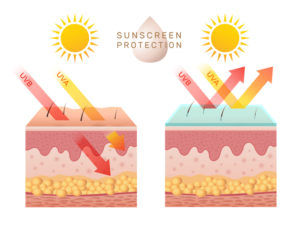
    UV radiation accelerates collagen breakdown. Protecting skin from sun exposure helps preserve existing collagen.

    Overall Skin Health

    Chronic inflammation and barrier disruption can interfere with normal collagen balance. Supporting skin health helps maintain natural renewal processes.

    Collagen vs Elastin: What’s the Difference?

    Collagen and elastin are often grouped together, but they serve different roles in skin structure and ageing.

    What Is Collagen?

    Collagen acts like the skin’s scaffolding. It provides strength, structure and support within the dermis and throughout connective tissues in the body.

    What Is Elastin?

    Elastin is responsible for stretch and recoil. It allows skin to move and return to shape — like a rubber band. Elastin fibres are formed early in life and are far less easily replaced than collagen. UV exposure is a major contributor to elastin damage.

    Collagen vs Elastin at a Glance

    Feature Collagen Elastin
    Primary role Strength and structure Stretch and recoil
    Location Dermis Dermis
    Age-related change Gradual decline from late 20s Very limited regeneration
    Most affected by Ageing, UV, inflammation UV exposure, smoking
    Skin impact Loss of support and firmness Reduced elasticity and bounce

    Understanding this difference helps set realistic expectations — no skincare product can “replace” either protein directly.

    Where Else Is Collagen Important in the Body?

    Collagen isn’t just about skin appearance. It is essential for:

    • Bones: tensile strength and structure
    • Joints and cartilage: cushioning and movement
    • Tendons and ligaments: force transmission
    • Blood vessels: structural integrity
    • Organs and connective tissue: support and resilience

    This is why age-related collagen changes can affect multiple systems, not just the skin.

    Collagen, Skincare and Dermatology

    Topical collagen molecules are generally too large to penetrate the skin. However, skincare can still play a supportive role by:

    • Helping protect collagen from environmental damage
    • Supporting the skin barrier
    • Reducing oxidative stress

    Dermatologist-guided treatments may aim to support the skin’s natural repair and renewal pathways, rather than claiming to replace collagen.

    At Enrich Clinic and the Dermatology Institute of Victoria, collagen-related concerns are assessed in the context of overall skin health, ageing and individual needs.

    And Finally

    Collagen isn’t a miracle — but it is fundamental. It provides structure, strength and resilience throughout the body, and its gradual decline is a normal part of ageing. Understanding what collagen is, how it’s formed, and how it differs from elastin helps cut through marketing noise and supports informed, realistic skincare decisions. If changes in skin texture or firmness are a concern, a dermatologist can assess your skin holistically and discuss evidence-based options suited to you.

    Call us and book a consultation with one of our dermatologists to talk about your skin health. There are several treatment options designed to support collagen production and skin quality. A clinical assessment helps determine which options may be suitable for your skin.

    Book with ENRICH Clinic Here 

  • Good Skin Is Not Just About Your Face | Hands, Neck & Décolletage

    Good Skin Is Not Just About Your Face | Hands, Neck & Décolletage

    Good Skin Is Not Just About Your Face – Treating Your Hands, Neck & Décolletage

    When most people think about skincare or rejuvenation, the focus is almost always on the face. Serums, moisturisers, laser treatments, sunscreen — they’re all typically applied front-and-centre. But there are three areas that often indicate your age faster than your face does:
    your hands, your neck, and your décolletage.

    These areas are exposed to the same environmental stressors as your face — UV radiation, pollution, dryness, and natural ageing — yet most people overlook them in their daily routine. At ENRICH Clinic in Melbourne, we see first-hand how it can be when these areas are treated with the same care as the face. From no-downtime lasers to deeper resurfacing options, we offer a range of evidence-based treatments designed to restore tone, texture, elasticity, and radiance safely and effectively.

    In this blog, we explore why these areas age differently, the types of pigmentation you may see, the difference between benign pigment and skin cancer, and the medical-grade treatments available.

    Why Hands, Neck & Décolletage Age Differently

    Thinner, More Delicate Skin
    The skin on the neck, chest, and hands is thinner and contains fewer oil glands, making it more vulnerable to:

    • fine lines
    • crepiness
    • dryness
    • discolouration
    • collagen loss


    Daily UV Exposure
    Even with diligent sunscreen use on the face, the neck and chest are often left unprotected. Hands are also constantly exposed while driving (that’s a big one) , walking, or even sitting by a window. Chronic UV exposure leads to:

    • pigmentation (sunspots, freckles)
    • broken capillaries
    • premature ageing
    • uneven tone

    Hormonal Changes

    During peri-menopause and menopause, oestrogen decline reduces collagen production, affecting the neck and décolletage in particular.

    Volume Loss

    Hands lose subcutaneous fat over time, making veins, tendons, and bones appear more prominent, giving a “hollowed” appearance.

    Common Concerns in These Areas

    • Brown spots / sunspots
    • Neck wrinkles
    • Décolletage wrinkles
    • Hand rejuvenation
    • Age spots
    • Crepey skin

    These concerns can usually be improved with targeted, non-surgical options — but first, it’s important to understand the difference between benign pigmentation and potential skin cancer.

    Pigment vs Skin Cancer: What You Must Know

    Pigmentation and sunspots are extremely common on the hands, neck, and chest due to chronic UV exposure. However, not all “sunspots” are harmless.

    Benign Pigmentation May Include:

    • Freckles 
    • Solar lentigines (sunspots)
    • Melasma
    • Post-inflammatory hyperpigmentation

    These are typically treated with:

    • Laser
    • light-based therapies
    • chemical peels
    • topical prescriptions

    But Skin Cancers May Also Present as Pigmented Lesions

    Some melanomas are flat and brown. Some basal cell carcinomas appear as shiny red or pink patches on the chest. Squamous cell carcinomas on the hands are also common in Australia.

    Red flags include:

    • Rapidly changing spots
    • Irregular borders
    • Multiple colours
    • Bleeding or crusting lesions
    • A lesion that looks “different” from the rest

    It’s important that any suspicious lesion be assessed by a GP or dermatologist.
    At ENRICH Clinic, we prioritise medical safety and regularly refer patients for full skin checks if anything appears atypical. At ENRICH Clinic and DIV we can help you with regular skins checks

    Laser Treatments for Hands, Neck & Décolletage

    ENRICH Clinic offers a comprehensive suite of medical-grade lasers tailored to address various concerns and skin types.  These often fall into two categories:

    No-Downtime Laser Treatments

    These are ideal for patients who want meaningful results without taking time off work or making social commitments. Often, these no-downtime treatments require repeat treatments and are perfect to put in your regular treatment or skin maintenance plan. 

    Laser Genesis

    • Redness
    • fine lines
    • mild crepiness
    • early pigment
    • overall texture

    Perfect for delicate areas like the neck and chest.

    IPL (Intense Pulsed Light)

    Effective on :

    • Sunspots
    • Redness
    • broken capillaries
    • general skin tone

    Helps hands and décolletage to reduce mottled pigmentation. The IPL laser has been tried and true  for treating the hands at ENRICH Clinic for many years. 

    Downtime Laser Treatments

    For deeper wrinkles, pronounced sun damage, or significant skin laxity, a more intensive laser may be suggested.

    CO₂ Laser Resurfacing

    This ablative laser can significantly improve:

    • deep sun damage
    • crepey skin
    • etched-in lines
    • Scarring
    • advanced pigmentation

    Downtime is longer, but results are often quite strong and last longer than no-downtime treatments. You will need  quite some time out of the sun and time to heal. This is a serious laser, and treatments should be performed by a dermatologist. 

    Erbium Laser

    A more controlled resurfacing option with slightly less downtime than CO₂ but still powerful for:

    • Texture
    • Lines
    • pigmentation

    Fractional Laser Resurfacing

    Targets micro-columns in the skin to induce collagen remodelling. Used for:

    • neck lines
    • décolletage crepiness
    • hand rejuvenation

    This laser has also been an ENRICH Clinic stalwart and it too has some downtime. About a week should do the trick for you skin to peel and heal. Some patients take longer, but it all depends on your skin type, amount of pigmentation and genetics. 

    ALMA Hybrid ™

    This laser has been used by our friends at DIV for a few years and has  solid results on 

    • Pigmentation correction of sunspots, age spots and freckles
    • Reduced appearance of wrinkles and fine lines
    • Skin tightening and rejuvenation
    • Reduced the appearance of sun damage
    • Acne scar improvement

    It is also an ablative laser, so at least a week, soemtimes more for the downtime. 

    Other Rejuvenation Options for These Areas

    Chemical Peels

    Help soften pigmentation and boost radiance, depending on the type and the tiem it is on your face. Glycolic peels are perfect for a 15-minute skin pick-me-up on a regular basis. The stronger peels are for more damaged skin and a doctor-led treatment. 

    Dermal treatments 

    To restore volume and soften hands and the neck area. There are now a  quite a few types of dermal treatments to choose from that can help these areas to increase volume. 

    Add to your regular routine 

    Add these areas to your regular skin care routine. As you apply any skin care to your face, take that application down to your neck and chest. Spread the leftover product on your hands, especially the top of your hands. Adds a few more minutes to your routine but is well worth it.  Make sure that factor 50 sunscreen also goes on your hands, face and neck – it will protect and also moisturise. If driving a lot of the day, have sunscreen in your car so you can apply it whenever needed. 

    Why Treating the Neck, Hands & Décolletage Matters

    These areas often show signs of ageing earlier than the face, and they play a key role in determining overall skin health. Addressing them can:

    ✔ create harmony with facial rejuvenation
     ✔ reduce pigment for a more even skin tone
    ✔ soften lines and crepiness
    ✔ protect long-term skin health

    At ENRICH Clinic, we tailor treatment plans based on medical assessment, skin type, lifestyle, and goals. Every patient is unique and we focus on what will suit your individual skin’s needs. Book a consult,  with one of our Doctors or Dermatologists and we can discuss options.

  • Freckles, Sunspots & Age Spots | Understanding Skin Pigmentation

    Freckles, Sunspots & Age Spots | Understanding Skin Pigmentation

    Understanding Pigmentation: Freckles, Sunspots and Age Spots

    Pigmentation is one of the most common skin concerns seen in dermatology and cosmetic skin clinics. While freckles, sunspots and age spots can look similar, they have distinct causes and behaviours. Understanding the differences helps you protect your skin and make informed choices about care and treatment.

    At ENRICH Clinic Melbourne, we regularly see patients seeking information about freckles, sun damage and uneven skin tone. Here’s what you should know.

    What Are Freckles?

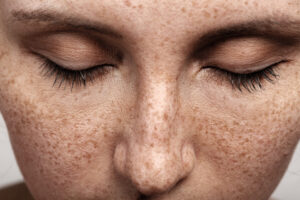
    Freckles are small, flat spots on the skin, usually less than 5 mm across. They form when clusters of skin cells produce extra melanin, the pigment that gives skin and hair their colour. Freckles are evenly coloured and harmless, though they are always darker than the surrounding skin.

    They can range in colour from light tan to deep brown or even reddish and often appear on areas that catch the sun—like the cheeks, nose, shoulders and arms.

    Why Do Freckles Form?

    Freckles are mostly genetic, influenced by the MC1R gene, sometimes nicknamed the freckle gene. If your parents are freckly, you probably will be too. But freckles only appear when UV exposure triggers pigment-producing cells to make more melanin.

    If you don’t carry the gene, no amount of sunshine will create freckles. Protecting your skin from UV rays will help reduce the formation and darkening of freckles over time.

    Freckles: The Skin’s Tiny Umbrellas

    Melanin acts like a natural sunscreen by absorbing and scattering UV radiation. Freckles can therefore be thought of as the skin’s way of shielding itself—tiny “umbrellas” of melanin helping to protect against UV damage.

    However, more freckles often mean more UV exposure than ideal. They’re your skin’s early-warning system: time for SPF 50+ or shade.

    Freckles often fade during winter as UV levels drop, but they can darken again when the sun returns.

    Freckles vs Sunspots vs Age Spots

    Sunspots (Solar Lentigines)

    Sunspots are usually larger—sometimes up to 2 cm—and appear on areas that see regular sun exposure, such as the face, arms, shoulders and backs of hands. They’re caused by cumulative UV exposure and are more common in adults than children.

    The term “liver spots” is an old misnomer; these marks come from sunlight, not liver issues. Unlike freckles, sunspots don’t fade in winter and may darken further with time.

    Age Spots

    Age spots are essentially the same as sunspots, with the name referring more to when they appear—later in life, after years of sun exposure. They are flat, brownish marks that remain stable over time.

    Freckles fade; age spots do not.

    Recognising Sun Damage

    Sun damage builds up gradually. Early signs include:

    • Uneven pigmentation or dark patches
    • Fine lines and wrinkles
    • Dry, rough or leathery skin texture
    • Dull or uneven skin tone
    • Redness or blotchiness

    Serious warning signs include spots that change shape, colour, or texture, or new moles that appear suddenly. Regular professional skin checks are essential for identifying potential skin cancers early.

    Preventing Pigmentation

    Prevention is always best:

    • Apply broad-spectrum SPF 50+ every day, even in winter.
    • Reapply every two hours outdoors or after swimming.
    • Wear protective clothing, hats and sunglasses.
    • Avoid peak UV hours (10 am – 3 pm).
    • Support skin health with antioxidants and moisturisers.

    Managing Pigmentation and Uneven Skin Tone

    If pigmentation is an issue, a range of non-surgical, evidence-based treatments can help improve the appearance of the skin. At ENRICH Clinic, our qualified medical practitioners use treatments tailored to each person’s needs, skin type and budget. Here are some options to consider.

    Laser and Light-Based Therapies

    Certain laser and Intense Pulsed Light (IPL) devices can target pigment in the upper skin layers. They work by breaking down clusters of melanin so the body can gradually clear them. These treatments may also stimulate collagen, helping with skin tone and texture.

    Chemical Peels and Exfoliation

    Supervised chemical peels and microdermabrasion gently remove surface layers of dead skin, promoting new cell turnover and revealing brighter skin beneath.

    Microneedling and Topical Options

    Microneedling uses fine needles to prompt the skin’s repair process, improving overall tone and firmness. Specific topical creams or serums prescribed by a medical practitioner may also assist in fading pigmentation gradually.

    Every person’s skin is different, so your practitioner will assess your skin type, pigmentation depth, and desired outcome before recommending a treatment plan.

    A Balanced Perspective

    Freckles, sunspots and age spots are common and usually harmless. Some people embrace them as part of their individuality; others prefer to reduce their visibility. Both choices are perfectly valid.

    At ENRICH Clinic, all cosmetic treatments are doctor-led, evidence-based and focused on informed decision-making. We don’t promise results—every skin responds differently—but we do provide clear information so you can make confident, informed choices about your care.

    When to Seek Medical Advice

    Book a professional review if you notice:

    • A freckle or mole that changes colour, shape or texture
    • A new spot that looks irregular or grows rapidly
    • Pigmentation that bleeds, crusts or feels sore


    Your doctor may recommend a full skin check or refer you to a dermatologist for further assessment if needed.

    The Takeaway

    Freckles, sunspots and age spots each tell a story about your skin’s relationship with the sun. Freckles often fade and are genetic, while sunspots and age spots develop from accumulated UV exposure.

    The best protection is prevention—consistent sunscreen SPF 50+, protective clothing and mindful sun habits. If you’d like to discuss professional options for improving uneven pigmentation, the experienced dermatologists and doctors at ENRICH Clinic Melbourne can guide you through evidence-based treatments tailored to your skin.

    Contact Us for a Consultation  or call 03 9500 9500

  • LED Light Therapy – What Each Colour Really Does for Your Skin

    LED Light Therapy – What Each Colour Really Does for Your Skin

    LED Light Therapy: What Each Colour Really Does for Your Skin

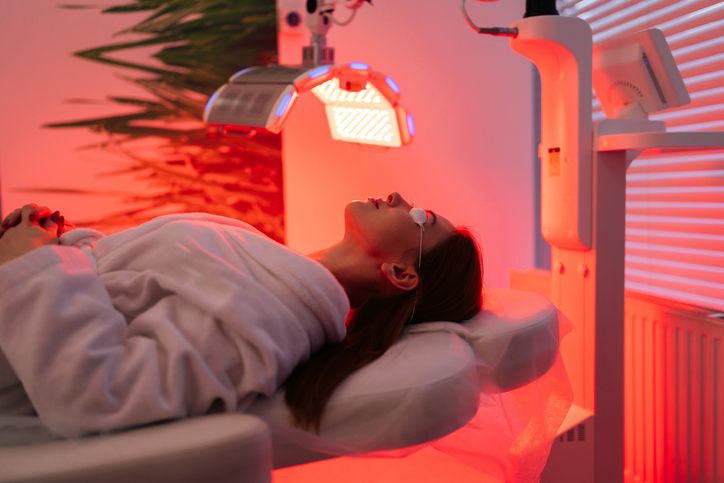
    LED light therapy is now a well-versed treatment in the skincare world  — and for good reason.  LED therapy is safe, painless, and effective. This non-invasive treatment uses different wavelengths (colours) of light to target specific skin concerns. But with all the colours out there, it can be confusing to know which one does what.

    Here’s a simple guide  — colour by colour — so you can choose the right one for your skin goals.

    ? Red Light (620–750 nm): Anti-Aging Hero

    What it does:
    Red light penetrates deep into the skin to stimulate the production of collagen and elastin. It helps reduce fine lines and wrinkles, improve skin elasticity, and speed up healing.

    Best for:

    • Fine lines & wrinkles
    • Loss of firmness
    • Redness and inflammation
    • Post-treatment healing

    Bonus: Red light therapy is great for sensitive skin — think rosacea or post-laser recovery.

    ? Blue Light (405–470 nm): Acne Fighter

    What it does:
    Blue light targets acne-causing bacteria (Propionibacterium acnes) on the skin’s surface, helping to reduce breakouts and inflammation without drying the skin out.

    Best for:

    • Acne
    • Oily or congested skin
    • Enlarged pores

    Caution: Can be drying for sensitive skin if overused, so balance is key.

    ? Green Light (525–550 nm): Skin Tone Balancer

    What it does:
    Green light helps to reduce hyperpigmentation by calming overactive melanin-producing cells. It evens out skin tone and can reduce redness or blotchiness.

    Best for:

    • Hyperpigmentation
    • Age spots
    • Redness or uneven tone
    • Dark circles

    Pro tip: Combine with red light for anti-aging + brightening benefits.

    ? Yellow Light (570–590 nm): Skin Soother

    What it does:
    Yellow light penetrates deeper than green and works to reduce redness, soothe sensitive skin, and improve lymphatic flow.

    Best for:

    • Rosacea
    • Red or irritated skin
    • Post-treatment calming
    • Sensitive or allergy-prone skin

    Think of it as the “comfort light” for stressed skin.

    ? Purple (Red + Blue Combo): Dual Action Repair

    What it does:
    Combines the benefits of red and blue light — reducing inflammation and killing acne bacteria while also promoting skin healing and anti-aging.

    Best for:

    • Acne-prone mature skin
    • Breakouts with scarring
    • Combination skin types

    White Light (Full Spectrum ie: all colours ): Deep Skin Repair

    What it does:
    White light is a combination of all visible wavelengths and penetrates the deepest. It stimulates skin renewal and can assist with overall skin repair and tone.

    Best for:

    • Deep wrinkles
    • Skin laxity
    • Dull, tired-looking skin

    Many people ask – Do LED treatments really work?  Short answer, they do, but results come with consistency

    Professional-strength LED treatments are always the best option, and visiting a professional to understand what each colour does helps you treat the right concern at the right depth. Professional devices used in clinics deliver higher light intensities and often penetrate deeper into the skin, resulting in faster and more noticeable results.

    LED home devices can have some effect for maintaining skin health, but they are generally not as powerful or targeted as professional-grade treatments.  At-home devices, while convenient and more affordable, usually operate at lower energy levels to ensure safety for untrained users.

    At ENRICH DIV we can help. Many of our laser treatments include an LED treatment, or you can try the LED treatment on its own.

    Call us on  039500 9500 or book a consultation here.

    ✨ Healthy skin doesn’t have to be complicated — just well-lit.

  • Should You Pop Pimples? A Dermatologist Weighs In

    Should You Pop Pimples? A Dermatologist Weighs In

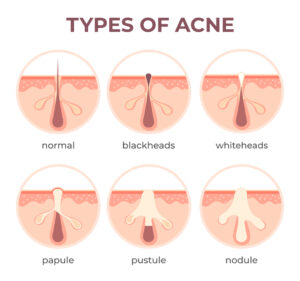
    We’ve all been there. You wake up with a giant pimple right before a big event, or you catch a glimpse of a whitehead in the mirror and can’t resist the urge to squeeze. It’s tempting – the instant gratification of popping a pimple can be oh-so-satisfying.

    But is popping pimples really a good idea? Or is it causing more harm than good? We asked our very own board-certified dermatologist, Dr. Rich, to weigh in and give us an expert opinion.

    Is it better to pop a pimple or not?

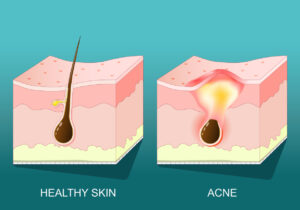
    In a word, no. While popping a pimple might seem like a quick fix, it’s usually a bad idea. Dr Rich explains that popping a pimple can worsen inflammation, potentially leading to longer healing times and more noticeable redness.

    Furthermore, the pressure from popping can rupture the pimple under the skin, forcing bacteria and pus deeper into the tissues. This can result in a more severe infection and increase the likelihood of acne scarring.

    And let’s not forget the bacteria on our hands. Popping a pimple with unwashed hands can introduce new bacteria into the broken skin, worsening the infection or even causing new breakouts.

    Where does the pus go if you don’t pop a pimple?

    If you leave a pimple alone, your body’s natural healing process takes over. White blood cells rush to the site of the infection to fight off the bacteria. These white blood cells, along with dead skin cells and sebum (oil), form the pus you see in a pimple.

    Over time, the inflammation subsides, and the pimple either comes to a head and drains on its own or is reabsorbed by the body. This process might take a few days or even weeks, depending on the severity of the pimple. While it might not be as satisfying as popping, allowing the pimple to heal naturally is ultimately the best way to minimise scarring and prevent further breakouts.

    Dr Rich reassures us that the body’s immune system will eventually eliminate the pus even without popping. 

    Effective pimple treatments

    We understand that waiting for the natural healing process can be frustrating, especially when dealing with a stubborn pimple or a full-blown breakout. If you can’t resist the urge to take action, Dr Rich recommends the following:

    Consultation with a dermatologist

    They can help you get to the root of your acne problem and prescribe the proper treatment based on your skin type and specific needs. This might include prescription medications, topical creams, or other therapies.

    Getting quick fixes

    If you’re looking for an over-the-counter solution, look for products containing ingredients like salicylic acid, retinol, or benzoyl peroxide. These can help reduce inflammation, unclog pores, and kill bacteria. Our ENRICH Glycolic Skin solution sprayed onto a cotton wool pad and dabbed on the pimple also works.

    Treatments for long-term acne issues

    Patience, lifestyle changes and a good skincare routine are foundations of clearer skin. But for persistent or recurring acne, some long-term treatment options are:

    Prescription medicine

    If you have moderate to severe acne, your dermatologist may prescribe medications based on your specific needs. Oral antibiotics can help reduce inflammation and kill acne-causing bacteria. Topical medications can unclog pores, regulate oil production, and prevent new breakouts.

    Regular skin peels

    Chemical peels, such as salicylic or glycolic acid peels, exfoliate the skin’s surface, remove dead skin cells, and unclog pores. This can help reduce the severity of acne breakouts, improve skin texture, and fade acne scars.

    Dedicated skin routine with products designed for acne treatment 

    Having a consistent skincare routine with products specifically formulated for acne-prone skin is crucial for managing and preventing breakouts. A dermatologist can prescribe specific products for you, but usually, these are cleansers containing salicylic acid or benzoyl peroxide, toners with witch hazel or tea tree oil, oil-free and non-comedogenic moisturisers, and spot treatments with sulphur or niacinamide.

    The Secret

    This procedure, also known as RF microneedling, combines the power of microneedling with radiofrequency energy to stimulate collagen production and rejuvenate the skin. 

    Microneedling creates controlled micro-injuries to trigger the body’s natural healing response. This promotes skin regeneration and reduces the appearance of acne scars, fine lines, and wrinkles. These wave-based therapies also kill bacteria and improve overall tone and texture.

    The Secret is not an acne treatment per se but for managing acne scarring. But it can be used along with acne prescription medicine for faster healing.

    Consult with ENRICH dermatologist today about your acne

    Acne treatment is highly individualised because the most effective approach varies depending on factors like your age and skin type.

    Adults with acne, for instance, often require different treatment plans than teenagers due to differences in skin structure and hormonal activity. 

    It’s best to consult with a dermatologist for personalised advice and a treatment plan.

    If you’re struggling with acne or have questions about how to care for your skin, book a consultation with us via email, phone or online.

  • Top 3 Vitamins We Love for Skin Health

    Top 3 Vitamins We Love for Skin Health

    With the rise of skincare trends and so much hype on social media, it’s easy to feel overwhelmed by all the information. From influencers raving about the latest miracle product to countless DIY face mask recipes, where does one even begin?

    If you need help figuring out where to start or are looking to cut through the noise and get straight to the essentials, this guide is for you. Below, we share the top vitamins we love that can make a difference in your skin health.

    Vitamin B3

    Vitamin B3 is one of the eight B vitamins. It plays a vital role in converting the food we eat into usable energy and maintaining the health of our skin, nervous, and digestive systems.

    It comes in two forms: niacin and niacinamide. Niacin is often used to treat high cholesterol and to reduce the risk of heart disease, while niacinamide is used in many skincare products due to its anti-inflammatory properties.

    Vitamin B3’s primary functions include:

    • Energy production: It helps our body break down carbohydrates, fats and proteins into energy.
    • DNA repair and production: Niacin is involved in DNA synthesis and repair and plays a role in our cellular response to stress.
    • Digestive system support: It helps produce certain hormones in our adrenal glands and removes harmful chemicals from the liver.
    • Improving skin health: Niacinamide can help reduce redness, inflammation, and acne.

    Why we love it

    Fortifies and hydrates the skin

    Niacin and niacinamide team up to keep our skin barrier strong and intact. Whereas niacin helps with cell energy and DNA repair, niacinamide further strengthens our skin by boosting the production of ceramides. This combination locks in moisture and keeps out harmful environmental pollutants. 

    Fights signs of aging and improves skin texture

    Beyond skin hydration, Vitamin B3–niacinamide in particular–also helps in collagen production. And we know that collagen reduces the appearance of fine lines and wrinkles, improves skin elasticity and minimises the appearance of pores to give your skin a smoother texture.

    Protects and repairs

    Niacinamide offers a defence mechanism against the harmful effects of UV radiation. While it doesn’t replace the need for sunscreen, it complements sun protection by helping repair UV-induced damage. Niacin is also an excellent remedy for post-sunburn or skin irritations since one of its main jobs is to help the body grow and repair itself.

    Reduces skin concerns

    Addressing specific skin concerns is another area where Vitamin B3 shines. Niacinamide is especially effective in treating hyperpigmentation, helping to even out skin tone and fade dark spots. If you have oily skin, you would be happy to know that niacinamide can also regulate sebum production, leading to fewer breakouts. Moreover, the anti-inflammatory properties inherent in both niacin and niacinamide offer relief from conditions like acne and rosacea, reducing redness, swelling, and irritation.

    May also help with skin cancer

    Recent studies have suggested that Vitamin B3 when taken in the right amounts, can help reduce our risk of non-melanoma skin cancers. While more research is needed, the potential protective effects of this vitamin against skin cancer make it an even more valuable nutrient for skin health.

    Where to get Vitamin B3

    • Skincare products: Many products are now fortified with niacinamide. It’s commonly seen in serums, moisturisers, sunscreens, facemasks, toners, essences, and eye creams.
    • Supplements: If you’re looking to boost Vitamin B3 intake, supplements are available over the counter. It can be in niacin tablets or capsules, multivitamin supplements, B-complex vitamins or niacinamide supplements.
    • Diet: Some rich sources include chicken, tuna, turkey, brown rice, mushrooms, and peanuts. 

    Vitamin C

    Also known scientifically as ascorbic acid, Vitamin C is a nutrient that plays an essential role in many bodily functions. These functions include collagen synthesis, boosting the immune system and detoxification.

    Another term you may hear alongside Vitamin C is sodium ascorbate. Essentially, it’s the sodium salt of ascorbic acid. It offers the same benefits as ascorbic acid but is often considered gentler on the stomach, especially when taken in larger doses.

    Why we love it

    Great for skin pigmentation

    Vitamin C is a potent antioxidant that can neutralise free radicals in our skin. This helps to reduce the appearance of dark spots and hyperpigmentation. Also, it can inhibit the enzyme responsible for producing melanin–the complex pigment responsible for the colouration of our skin, hair, and eyes–which can lead to a brighter and more even skin tone.

    Smoothens and brightens skin

    Vitamin C is crucial for collagen synthesis, providing skin structure and elasticity. This results in reduced fine lines and wrinkles and improved skin texture. Its brightening properties also fade pigmentation, reduce redness, and diminish under-eye circles, giving our skin a radiant appearance.

    Protects and repairs

    Vitamin C is a potent antioxidant against UV-induced free radicals, environmental pollutants, and sun damage. Also, it helps rapidly heal our wounds, blemishes, and acne scars.

    Hydrates and soothes

    Formulations with Vitamin C derivatives, like magnesium ascorbyl phosphate, hydrate our skin by reducing water loss. And because it has anti-inflammatory properties, it alleviates redness and inflammation, making it beneficial for conditions like acne and rosacea.

    Where to get Vitamin C

    • Skincare: Many skincare products are now enriched with Vitamin C. Mostly, they are serums, moisturisers and face masks. Our ENRICH Vitamin C night & day creams have a string of Vitamin C ingredients in them, a testament to our very own Dr Rich’s strong advocacy for the benefits of Vitamin C in skincare.
    • Supplements: The health market is flooded with Vitamin C supplements, available in various forms such as tablets, capsules, powders and effervescent tablets. 
    • Diet: A balanced diet is a natural source of Vitamin C. Citrus fruits like oranges, lemons, and grapefruits are classic sources. Other Vitamin C-rich foods include strawberries, bell peppers, broccoli, kiwi, and guava. 

    Vitamin D

    Vitamin D, often referred to as the “Sunshine Vitamin,” is a fat-soluble vitamin that helps maintain the health of our bones and teeth, supporting the immune system, brain, and nervous system and regulating insulin levels, among other functions.

    Why we love it

    Reduces risk of skin cancer

    By bolstering our skin’s defence mechanisms, Vitamin D can reduce the risk of certain types of skin cancers. If you are one of those with a higher susceptibility due to prolonged sun exposure or inherent genetic factors, adequate Vitamin D levels can help against the harmful effects of UV rays. 

    Promotes skin radiance

    Vitamin D optimises the skin’s immune system, helping destroy free radicals notorious for causing premature aging. This results in a more radiant and youthful complexion that glows from within.

    Reduces acne

    Research suggests that Vitamin D can regulate the production and activity of sebaceous glands, leading to less oily skin. Additionally, its anti-inflammatory properties can help reduce the redness and swelling associated with acne breakouts.

    Treats skin conditions

    Beyond its preventive measures, Vitamin D has therapeutic benefits, especially for chronic skin conditions like psoriasis and eczema. Its ability to promote skin cell growth and repair damaged skin makes it a sought-after remedy for these conditions.

    Enhances skin barrier

    Just like Vitamin B3, Vitamin D fortifies our skin barrier, ensuring that the skin retains its moisture and remains resilient against external aggressors, leading to healthier, more supple skin.

    Where to get Vitamin D

    • Skincare: While sun exposure is the most natural way to get Vitamin D, you can still get it from skincare products like creams, serums and oil.
    • Supplements: If you live in areas with limited sunlight or have specific health conditions that prevent you from getting enough Vitamin D, supplements can be a great option. They are available in various forms, including drops and tablets. Metagenics Vitamin D drops and tablets are available at ENRICH. You can ask our dermatologists or doctors to prescribe. 
    • Diet: Foods like fatty fish (such as salmon, mackerel, and sardines), cheese, egg yolks, and fortified foods (like dairy products and cereals) are also excellent sources of Vitamin D.

    Precautions

    While the benefits of these vitamins are plenty, adding them to your diet or skincare routine may cause unwanted results. You can consult our healthcare professionals, especially if you have an existing medical condition or are taking medications.

  • Considering Cosmetic Procedures? Know your Fitzpatrick Skin Type First

    Considering Cosmetic Procedures? Know your Fitzpatrick Skin Type First

    When we mention “skin type,” most of us immediately think of the common categories like normal, dry, oily, or combination. These classifications are correct, but they primarily revolve around the skin’s texture, hydration level, and how it reacts to products or environmental factors. 

    There’s another skin type classification that often goes unnoticed but plays a crucial role, especially when considering cosmetic procedures: the Fitzpatrick skin type. Here’s why we must be aware of it.

    What is the Fitzpatrick skin type system?

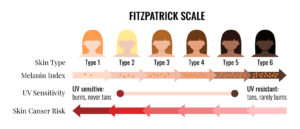
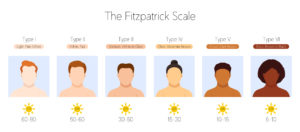
    The Fitzpatrick skin type system categorises skin types based on their response to ultraviolet (UV) light. It was developed by Dr Thomas Fitzpatrick in 1975.

    The six Fitzpatrick skin types

    Type I: Always burns, never tans

    This skin type is characterised by pale white skin highly sensitive to UV rays. Individuals with this skin type often have light-coloured hair, blue eyes and pale skin, often with freckles.

    Type II: Usually burns, tans minimally

    White-skinned individuals fall into this category. They might achieve a light tan after repeated sun exposure but are prone to sunburns. This is common in people with blonde or red hair and blue, green, or hazel eyes.

    Type III: Sometimes burns, tans uniformly

    This skin type is typically associated with light brown or cream-white skin. These individuals can tan to a moderate brown shade but risk sunburn.

    Type IV: Burns minimally, always tans well

    People with moderate brown or olive (Mediterranean type) skin fall under this category. They tan easily and have a reduced risk of sunburn compared to the lighter skin types.

    Type V: Very rarely burns, tans very easily

    This skin type is characterised by dark brown skin, which is common among Middle Eastern or some African types. Individuals with this skin type tan very quickly and have a minimal risk of sunburn.

    Type VI: Never burns, deeply pigmented

    This is the darkest skin type, ranging from intensely pigmented dark brown to black common in those of African descent. Individuals with this skin type have natural protection against sunburn due to the high melanin content in their skin.

    Why you should know your Fitzpatrick skin type

    Understanding your Fitzpatrick skin type is more than just a classification; it’s a guide to better skincare, health, and cosmetic decisions. Here’s why:

    Skin cancer risk and prevention

    Each Fitzpatrick skin type has a varying degree of susceptibility to UV radiation. For instance, individuals with Types I and II are at a higher risk of developing skin cancers like melanoma due to their skin’s heightened sensitivity to sun exposure. Recognising your skin type can help you understand your risk level and take appropriate preventive measures.

    Also, while everyone should practice sun protection, it’s especially crucial if you have light skin. This means you should use broad-spectrum sunscreens, wear protective clothing, and avoid peak sun hours. 

    But that’s not to say those with darker skin types are safe. If you belong to this group, you still need sun protection, as prolonged exposure can lead to skin damage and potential health risks.

    Vitamin D synthesis and sun exposure

    Our skin synthesises vitamin D when exposed to sunlight. However, the efficiency of this synthesis varies based on the Fitzpatrick skin type.

    Lighter skin types can produce vitamin D more quickly than darker skin types. This means if you have darker skin, you might need more prolonged sun exposure to synthesise the same amount of vitamin D. 

    But again, you should balance this need with the risk of skin damage, making it crucial to understand your skin type and consult a healthcare professional about your vitamin D needs.

    Guide to skin care and cosmetic procedures

    Your Fitzpatrick skin type can also guide you in selecting skincare products tailored to your skin’s needs. For example, lighter skin types might benefit from products with higher SPF or antioxidants to combat UV-induced damage. In comparison, darker skin types might look for products addressing hyperpigmentation or uneven skin tone.

    Knowing your Fitzpatrick skin type is also crucial in cosmetic procedures, especially those involving lasers or intense pulsed light (IPL). Some treatments might pose risks like hyperpigmentation or scarring for specific skin types. 

    How to determine your Fitzpatrick skin type

    While the descriptions provided above give a general idea, a dermatological assessment is the most accurate way to determine your Fitzpatrick skin type. A dermatologist will consider your genetic background, observe your skin’s natural colour, and ask about your history of sun exposure, tanning, and sunburn. 

    But you can also get a rough idea by observing how your skin reacts to sun exposure over time and comparing it to the descriptions of the six skin types we mentioned above.

    Know your skin type at ENRICH

    Before any treatment at ENRICH, we always check your skin type. Ready to start? Book an appointment with us now.


  • Skincare 101: Products and Treatments to Avoid for Each Skin Type

    Skincare 101: Products and Treatments to Avoid for Each Skin Type

    With the explosion of social media and influencer culture, navigating the skincare world has become even more complex. This Skincare 101 blog is here to help you cut through the noise, empowering you with the knowledge to confidently make informed decisions about the skin products and skin treatments that will work best for your unique skin type.

    In this blog, we will address the latest skincare trends and debunk common myths while also providing guidance on the products and treatments you should avoid based on your skin type – dry, oily, combination, sensitive, or acne-prone. Our goal is to ensure your skincare routine is effective in achieving a healthier, more radiant complexion.

    Identifying your skin type

    Before delving into the world of skincare products and treatments, it’s essential to identify your skin type accurately. Knowing your skin type helps you make better decisions when choosing products and allows you to create a customised skincare routine that caters to your specific needs. Here are some tips to help you accurately determine your skin type:

    Observe your skin

    Start by thoroughly cleansing your face and gently patting it dry. Then, wait for about an hour and observe your skin without applying any products. This will allow your skin to return to its natural state, providing you with a better understanding of its true condition.

    Assess your T-zone

    drawing of woman's face with 'T-zome' highlighted

    The T-zone (forehead, nose, and chin) is crucial for determining your skin type, as it can exhibit different characteristics from the rest of your face. Pay close attention to this area’s oiliness, dryness, or balance.

    Perform the blotting paper test

    Gently press a clean blotting paper onto different areas of your face (forehead, nose, cheeks, and chin). Examine the amount of oil left on the paper to help identify your skin type. The more oil absorbed, the oilier your skin type.

    Based on these observations, you can classify your skin into one of the following categories:

    • Normal. Your skin feels balanced, neither too oily nor too dry, with minimal or no breakouts, and has an even texture and tone.
    • Dry. Your skin feels tight and may exhibit flakiness or rough patches, a dull appearance and small pores.
    • Oily. Your skin appears shiny, especially in the T-zone, with enlarged pores and a higher likelihood of experiencing breakouts.
    • Combination. Your skin exhibits a mix of dry and oily areas, usually with an oily T-zone and dry or normal cheeks.
    • Sensitive. Your skin is prone to redness, itching, burning, or stinging sensations and reacts easily to products or environmental factors.
    • Acne-prone. Your skin is characterised by frequent breakouts, clogged pores, and inflammation, regardless of oiliness or dryness.

    Remember that your skin type can change due to age, hormones, climate and lifestyle. Therefore, it’s essential to re-evaluate your skin type periodically and adjust your skincare routine accordingly to maintain its health and radiance.

    Your dermatologist, dermal practitioner, beautician or aesthetic nurse can also help you identify your current skin type.  

    Don’ts for each skin type

    While having a normal skin type may seem like smooth sailing, avoiding specific ingredients, products, and treatments that could disrupt your skin’s balance is crucial. Let’s dive into the don’ts for each skin type, beginning with normal skin.

    logo design, icons and badges for natural and organic cosmetics - no synthetic fragrance and colours

    Normal skin

    • Avoid harsh exfoliants. Though normal skin is relatively balanced, using abrasive scrubs or over-exfoliating can damage the skin’s barrier and lead to irritation. Opt for gentle chemical exfoliants or mild physical scrubs instead.
    • Steer clear of alcohol-based products. Alcohol can strip your skin of its natural oils, leading to dryness and sensitivity. 
    • Pay attention to hydration. It’s essential to keep your skin moisturised even if it feels balanced. Choose lightweight moisturisers with hyaluronic acid, glycerin, or other hydrating ingredients.

    Dry skin

    • Avoid products with drying ingredients. Steer clear of products containing alcohol, sulphates, and harsh detergents that can exacerbate dryness. Instead, look for gentle cleansers and creams with nourishing ingredients like ceramides, shea butter, or jojoba oil.
    • Don’t over-exfoliate. Limit exfoliation to once or twice a week and opt for gentle chemical exfoliants like lactic acid or PHAs, which are less likely to irritate dry skin.
    • Skip long, hot showers. Prolonged exposure to hot water can strip your skin of natural oils, worsening dryness. Opt for shorter, lukewarm showers instead.

    Oily skin

    • Avoid comedogenic ingredients. Steer clear of heavy, pore-clogging ingredients like mineral oil, coconut oil, shea butter and petrolatum. Instead, look for non-comedogenic, oil-free products that won’t exacerbate oiliness or cause breakouts.
    • Don’t over-cleanse. Overwashing your face can strip your skin of natural oils, leading to increased oil production. Instead, try cleansing twice daily with a gentle, foaming cleanser.
    • Avoid harsh acne treatments. While using potent acne-fighting ingredients like benzoyl peroxide is tempting, be cautious not to overdo it. Using too much can cause irritation and dryness, leading to more oil production and breakouts. Glycolic acids can work well for acne skin. 

    Combination skin

    • Don’t use one-size-fits-all products. Avoid products that are too heavy for your oily areas or too light for your dry areas. Instead, consider using different products for each zone or opt for products specifically designed for combination skin.
    • Avoid over-drying toners. Skip alcohol-based toners that can worsen dryness in certain areas. Instead, choose gentle, alcohol-free toners with balancing ingredients like witch hazel or niacinamide.
    • Don’t neglect exfoliation. Ensure you exfoliate gently and regularly, as combination skin can benefit from the removal of dead skin cells and excess oil. Use a gentle glycolic exfoliant to avoid irritation.

    Sensitive skin

    • Avoid harsh ingredients. Steer clear of products containing alcohol, fragrance, synthetic dyes, or other potential irritants. Instead, opt for hypoallergenic, fragrance-free products formulated for sensitive skin.
    • Don’t over-exfoliate. Exfoliating too frequently or using harsh scrubs can exacerbate sensitivity. Instead, limit exfoliation to once a week and choose gentle chemical exfoliants like PHAs or low-concentration lactic acid.
    • Avoid aggressive treatments. Some chemical peels, heavy microdermabrasion and certain laser treatments can be too harsh for sensitive skin

    Acne-prone skin

    • Don’t touch your face frequently. Touching your face can transfer dirt, oil, and bacteria from your hands, leading to breakouts.
    • Don’t ignore your diet. A balanced diet is essential for overall skin health. Foods high in sugar, unhealthy fats, and dairy may contribute to acne for some people.
    • Don’t expect overnight results. Skincare products and treatments take time to work. Be patient and consistent with your skincare routine.
    • Get advice from a dermatologist. Acne is a condition that depends on many factors. Getting some expert advice, especially in the more dramatic cases, can be very beneficial.

    General precautions for all skin types

    Regardless of your skin type, there are certain precautions everyone should take to ensure their skincare routine is both considered and effective. Here are some general guidelines to follow:

    • Allergies and sensitivities. Always be aware of any known allergies or sensitivities to specific ingredients. Carefully read product labels and avoid any known irritants, even if they’re commonly recommended for your skin type.
    • Existing skin conditions. If you have a pre-existing skin condition like eczema, psoriasis, or rosacea, consult a dermatologist before starting a new skincare routine. They can recommend products and treatments that won’t exacerbate your condition and may help alleviate symptoms.
    • Pregnancy and breastfeeding. Certain ingredients, such as retinoids, salicylic acid, and some essential oils, should be avoided during pregnancy and breastfeeding. Consult your healthcare provider or dermatologist for advice on baby-safe skincare alternatives during this time.
    • Recent procedures or treatments. If you’ve recently undergone a skin treatment or procedure, such as chemical peels, laser therapy, or dermal fillers, follow your practitioner’s aftercare instructions carefully. Avoid using new products or treatments until your skin has fully healed, and always consult your practitioner before introducing new skincare products or treatments post-procedure.
    • Sun exposure. Protecting your skin from the sun’s harmful UV rays is crucial regardless of your skin type. Apply a broad-spectrum sunscreen with at least SPF 30 daily and reapply every two hours when outdoors. Sun protection is vital if you’re using exfoliants, retinoids, or other treatments that can make your skin more sensitive to sun exposure.
    • Patch testing. Before introducing a new product into your routine, perform a patch test to check for potential reactions. Apply a small amount of the product to a discreet area, such as behind your ear or the inside of your wrist and wait 24-48 hours. If you experience any redness, itching, or irritation, discontinue use and consult a dermatologist if necessary.
    • Exfoliation – many dermatologists warn against harsh mass-market exfoliates on the skin. They understand people do “like “ to exfoliate as it makes their skin feel clean, but it is often an unnecessary step, and many people overdo it. Skin does naturally exfoliate- every day, so nature often does the work for you without trying. There is much debate. Glycolic solutions are often the best trick if you need to exfoliate. Don’t get exfoliating mixed up with cleansing – which removes skin debris and should be performed every day with a good cleanser. 

    Consult with a skin professional at Enrich

    By accurately identifying your skin type, avoiding products and treatments that may cause harm, and following general precautions, you can create a customised skincare routine that addresses your unique needs while maintaining your skin’s overall health. 

    When in doubt, consult our dermatologists or skincare specialists to ensure you’re making the best choices for your skin. 

  • Why Taking Care Of Your Skin Is More Important Than Covering It Up with Makeup

    Why Taking Care Of Your Skin Is More Important Than Covering It Up with Makeup

    Growing older is a natural part of life. Just like the sun reliably rises in the east and sets in the west, we can’t avoid ageing. 

    However, unlike the sun’s daily cycle, we have some control over ageing. There are steps we can take to slow the process down. But, unfortunately, many of our daily habits might actually be speeding it up. 

    For one, we don’t invest enough in a consistent and comprehensive skincare routine that addresses our skin’s needs and promotes overall skin health. Instead, many still rely on quick fixes like cosmetics to cover up skin issues.

    Yes, makeup can temporarily make your skin look flawless and dewy, but it merely masks imperfections and may not address the root causes of your skin concerns. 

    Here’s why. 

    The science behind skin ageing and damage

    younger skin vs older skin infographic - skin layers

    Our skin is a complex, multi-layered organ that serves as the body’s primary barrier against environmental stressors, regulates temperature and provides sensory input. 

    While doing its job, it goes through various factors contributing to its degradation. Here are some:

    Extrinsic factors

    • Sun exposure. Ultraviolet (UV) radiation from the sun is the leading cause of premature skin ageing and damage. Excessive sun exposure can lead to the breakdown of collagen and elastin fibres, resulting in wrinkles, fine lines, age spots, and an increased risk of skin cancer.
    • Pollution. Airborne pollutants, such as smog and particulate matter, can clog pores and cause oxidative stress on the skin. This can lead to inflammation, uneven skin tone, and accelerated aging.
    • Smoking. The chemicals in tobacco smoke can damage the skin’s collagen and elastin fibres, leading to premature wrinkles, sagging skin, and a dull complexion.
    • Lifestyle choices. Poor diet, lack of exercise, inadequate sleep, and high-stress levels can negatively impact skin health, contributing to inflammation, breakouts, and premature aging.

    Intrinsic factors

    • Genetics. Our genes play a significant role in determining our skin type, texture, and how it ages. Some people may be genetically predisposed to specific skin issues, such as acne or early wrinkling.
    • Hormonal changes. Hormone fluctuations throughout our lives, such as during puberty, pregnancy, or menopause, can impact skin health and contribute to issues like acne or dryness.
    • Biological processes. Cellular aging, a natural process, can lead to a decrease in collagen production and skin elasticity, resulting in the formation of wrinkles and sagging skin.

    The benefits of prevention in skincare

    From what we’ve discussed earlier, it’s clear that our skin faces quite a few challenges that can lead to ageing and damage. That’s why adopting a proactive approach to skincare, focusing on prevention, can make a huge difference in maintaining the health and appearance of your skin. It’s one of the trends we hope will catch on. More specifically, prevention can:

    Minimise skin damage

    Starting preventive skin care measures early on allows you to tackle potential issues before they become more significant problems. For instance, using SPF50+ sunscreen daily from a young age helps keep premature wrinkles and age spots at bay, which can be caused by sun exposure.

    Also, remember that while some treatments can improve your skin’s appearance, they often can’t fully reverse long-term damage. For example, laser treatments might lessen the visibility of acne scars, but they can’t erase them entirely. In the same way, no treatment can restore skin elasticity and collagen levels to those you had as a teenager once they’ve decreased due to aging. Your body slows down collagen production after you hit 25 and begins to lose collagen after you turn 30.

    Reduce the risk of developing skin conditions

    Simple steps like consistently using a broad-spectrum sunscreen, wearing protective clothing, and limiting sun exposure can make a significant difference. These preventive measures reduce the risk of developing skin concerns like actinic keratoses, melasma, and solar elastosis.

    If you delay addressing your skin’s needs until a condition has developed, you might find that skin treatments, especially invasive ones, come with potential side effects and complications. 

    Be more cost-effective

    Investing in preventive skin care measures, such as using quality skincare products and receiving regular professional treatments, can save you money in the long run by reducing the need for expensive corrective treatments later in life. Take Stage III melanoma treatment as an example. It could set you back a whopping $60,000 to $100,725! But regular skin checks? They’ll cost less than  $300 – $500. Add in the cost of sunscreen, some protective clothing, and a stylish wide-brimmed hat, and you’re still spending way less on prevention than you would on treating skin cancer.

    Enhance overall skin health and appearance

    Celebrities may seem to have discovered the fountain of youth (and strong use of filters!), but the current trend and their secret weapon for reducing ageing is prevention. Whether it’s getting enough sleep, drinking plenty of water or making regular appointments with a dermatologist, skin-savvy stars understand that taking a proactive approach to skincare is essential for maintaining a youthful, radiant appearance.

    Preventive skin care practices

    If you’re not sure where to start when it comes to adopting preventive skincare practices, here are some essential steps to consider:

    Sun protection

    sunscreen protection on skin layers infographic

    Safeguarding your skin from the sun’s harmful ultraviolet (UV) rays is crucial in preventing premature skin ageing, sunburn and skin cancer.

    Start with applying a broad-spectrum sunscreen with an SPF of at least 50 to all exposed skin areas, even on cloudy days. Then, reapply every two hours or more frequently if you’re swimming or sweating.

    Then always wear clothing made of tightly woven fabrics, wide-brimmed hats and UV-blocking sunglasses to provide additional protection from the sun.

    Limit your sun exposure. Avoid extended periods in direct sunlight, particularly between 10 a.m. and 4 p.m., when UV rays are the strongest.

    Skin treatment plans

    Create a comprehensive skincare plan tailored to your needs to address specific concerns and support overall skin health.

    We recommend having a whole-year plan, as your skincare needs may change with the seasons. For instance, you might require a heavier moisturiser in winter or more frequent exfoliation in summer.

    You can discuss this with our skin specialists.

    Laser treatments

    When performed by a qualified professional, laser treatments can help address skin concerns such as acne scars, sun spots, and fine lines. Some beginner-friendly and non-invasive treatments include:

    • Laser Genesis. This non-invasive treatment gently heats the upper dermis layer of your skin. It’s excellent for stimulating collagen production and reducing the appearance of fine lines, wrinkles and uneven skin tone.
    • IPL (Intense Pulsed Light) Photofacial. IPL is a light-based treatment that targets pigmentation issues like sunspots, age spots, and redness. In addition, it can help even out your skin tone and improve overall skin appearance.
    • Fractional Non-Ablative Laser. This treatment uses a non-ablative laser to target the deeper layers of your skin without damaging the surface. As a result, it stimulates collagen production, improves skin texture, and reduces the appearance of scars and fine lines.

    Collagen buildup

    To maintain your skin’s elasticity and strength, use products containing ingredients like retinol, vitamin C, and peptides that promote collagen production. You can also consider micro-needling or radiofrequency treatments to stimulate collagen synthesis. The simple glycolic peel every month is both cost-effective and collagen-building. 

    Regular skin examinations and consultations with professionals

    This is a smart move to keep your skin in tip-top shape. Skin specialists keep a close eye on your skin’s health and tackle issues right away. They can spot potential issues early, offer personalised advice for your unique skin type and suggest the right treatments and products for you.

    Get qualified guidance from Enrich

    Our dermatologists are well-versed in the latest research, techniques, and technologies in the skincare industry, ensuring you receive the most effective and up-to-date advice. We will work closely with you to understand your skin’s unique needs and develop a comprehensive treatment plan addressing your concerns.

  • Skinovation: 5 Aesthetics Skincare Trends of 2022 Influencing 2023

    Skinovation: 5 Aesthetics Skincare Trends of 2022 Influencing 2023

    Australians are no strangers to the pursuit of flawless skin, with the nation spending an astounding $22 billion on skincare yearly. As the skincare market continues to expand, a plethora of innovative products and treatments are becoming available, providing us with a diverse range of options to achieve our desired skin goals.

    Being well-informed about these trends not only allows you to make educated decisions about the products you use and the treatments you invest in but also helps you navigate the vast skincare landscape with ease.

    So, buckle up and get ready to explore the world of cutting-edge skincare as we help you discover the trends that will transform your complexion and redefine your approach to skincare in 2023.

    Trend #1: Prevention and More Frequent Skin Checks

    In recent years, there has been a growing emphasis on proactive skincare and prevention, with consumers increasingly recognising the importance of maintaining a consistent, well-rounded skincare routine to protect their skin from potential damage. 

    “Addressing concerns early, such as when fine lines start to appear around the eyes, using anti-wrinkle injections then rather than waiting until the lines get more prominent will give a better result and also less cost,” says our very own Dr Maria Milone.

    This shift in mindset has led to more frequent skin checks and consultations with professionals, ensuring that potential issues are identified and addressed before they become more serious.

    Benefits of regular skin checks and consultations with professionals

    • Early detection. Regular skin checks mean early identification of your skin’s potential problems, such as sun damage, pigmentation and even skin cancer, increasing the chances of successful treatment and minimising long-term consequences.
    • Personalised skincare recommendations. Consulting with professionals allows for a deeper understanding of your skin type, concerns, and goals, ensuring that your skincare routine is tailored to your needs and optimised for maximum efficacy.
    • Monitoring progress. Regular consultations facilitate tracking your skin’s progress over time, enabling you to make necessary adjustments to your routine and treatments to maintain optimal skin health.

    Tips for incorporating prevention and skin checks into a skincare routine

    • Schedule regular appointments. To stay on top of your skin’s health, book routine appointments with a dermatologist or skincare professional. Aim for at least one comprehensive skin check per year, with more frequent visits if you have a history of skin issues or concerns.
    • Embrace sun protection. Prevention starts with daily sun protection. Incorporate a broad-spectrum sunscreen with a minimum SPF30 into your skincare routine, and reapply every 2 hours when spending extended periods outdoors.
    • Invest in quality skincare. Opt for high-quality skincare products formulated with active ingredients that provide both preventative and corrective benefits, such as antioxidants, retinoids and peptides.
    • Educate yourself. Stay informed about the latest skincare trends, research and innovations to make informed decisions about the products and treatments that align with your skin goals and values.
    • Adopt a holistic approach. Remember that skincare is just one aspect of overall skin health. Incorporate a balanced diet, regular exercise and stress management techniques into your lifestyle to support the health and appearance of your skin from the inside out.

    Trend #2: More natural results

    Today, more individuals seek treatments and products that enhance their unique features while preserving their authentic appearance rather than opting for dramatic, artificial transformations.

    As Dr Afrah Mazhar noted, “I’m finding that the current trend in the cosmetic field is aiming for a more natural result. Patients and celebrities are reversing their dermal filler if it’s not looking right or natural. We have also become more focused on skincare and lasers. Now I’m my opinion, this is a great change. This has always been my personal aesthetic, and now I feel like the tide is turning on overdone cosmetic results.”

    How skincare and aesthetic treatments are adapting to deliver more natural results:

    natural beauty skin care products and glassware, flasks and petri bowl with plants

    • Subtle enhancements. Skin specialists now focus on subtle, targeted treatments that amplify a person’s natural beauty while minimising signs of ageing and skin imperfections. New techniques with dermal fillers, microneedling and gentle chemical peels are gaining popularity for their ability to deliver refined, understated results.
    • Customisation. The industry is increasingly embracing personalised skincare solutions, recognising that a one-size-fits-all approach may not yield your desired natural outcomes. Bespoke treatment plans and product formulations are also becoming more prevalent, ensuring you receive tailored care that addresses your unique preferences.
    • Ingredient innovation. Skincare products are formulated with innovative, naturally-derived ingredients that work synergistically with our skin to support its inherent healing and regenerative processes, promoting a more natural and youthful appearance.

    Tips for achieving a natural look with skincare treatments and products:

    • Choose the right practitioner. Select a skincare professional or aesthetician who shares your vision of natural beauty and has a proven track record of delivering subtle, natural-looking results.
    • Prioritise quality. Invest in high-quality skincare products with effective, naturally-derived ingredients supporting your skin’s health and natural radiance. Look for brands that prioritise transparency and sustainability in their formulations.
    • Develop a consistent routine. Maintain a regular skin care regimen that includes cleansing, exfoliating, moisturising, sun protection and targeted treatments for specific concerns such as pigmentation, fine lines or acne. Consistency is key to achieving a naturally beautiful complexion.
    • Embrace multi-functional products. Opt for products that serve multiple purposes, such as tinted sunscreens or serums that combine antioxidant, brightening, and anti-ageing benefits. These multi-functional products can help you look more natural while simplifying your skincare routine.
    • Focus on skin health. Remember that a truly natural look begins with healthy skin. Prioritize overall skin health by adopting a holistic approach encompassing a balanced diet, adequate hydration, stress management and sufficient sleep.

    Trend #3: Combination treatments

    This involves combining different skincare treatments to target multiple issues simultaneously, offering a more comprehensive and personalised solution. These treatments provide enhanced results, time efficiency and cost-effectiveness, making them an increasingly popular choice.

    Some popular treatment combinations for various skin concerns include:

    To choose the right combination treatments for your needs, we recommend consulting with one of our dermatologists, highly qualified nurses or aesthetic doctors, who can assess your skin concerns and provide personalised recommendations. Additionally, researching different treatment options, considering your skin type, setting realistic expectations and monitoring your progress will ensure you achieve the best possible results from your combination treatments.

    Trend #4: Bio Remodelling 

    Hydrating fillers or bio remodelling is a new generation of dermal hydration that contains a naturally occurring substance in our skin that attracts and retains moisture.

    Bio remodelling injections are formulated with a higher concentration of this substance which allows them to integrate seamlessly into our skin, providing deep hydration without causing significant volume changes. This results in a more natural and refreshed appearance and improved skin quality, texture and elasticity.

    Benefits of using bio-remodelling for skin rejuvenation and anti-aging:

    • Improved skin hydration. By attracting and retaining moisture, bio-remodelling help to restore and maintain optimal skin hydration levels, resulting in a plumper, more radiant complexion.
    • Enhanced skin quality. Bio-remodelling can improve our skin texture, elasticity and firmness, addressing common signs of aging and promoting a more youthful appearance.
    • Natural-looking results. Due to their unique formulation, hydrating fillers provide subtle, natural-looking results, enhancing your features without causing significant volume changes or altering your facial structure.
    • Minimally invasive. Hydrating filler treatments are minimally invasive and require little to no downtime, making them a convenient and low-risk option for skin rejuvenation and anti-aging.

    Expectations and potential risks associated with hydrating filler treatments

    While bio-remodelling is generally considered well-tolerated, some potential risks and side effects may include temporary redness, swelling, bruising, or discomfort at the injection site. These side effects are typically resolve on their own within a few days. Choosing a qualified and experienced practitioner to perform the treatment is essential to minimise potential risks.

    Minor results from bio-remodelling treatments can be seen immediately after the procedure, with optimal results typically visible within two weeks and two treatments, one month apart. The longevity of the results varies between individuals, but most of our clients noticed effects to last between six to twelve months. Our specialists may recommend regular maintenance treatments to prolong the results.
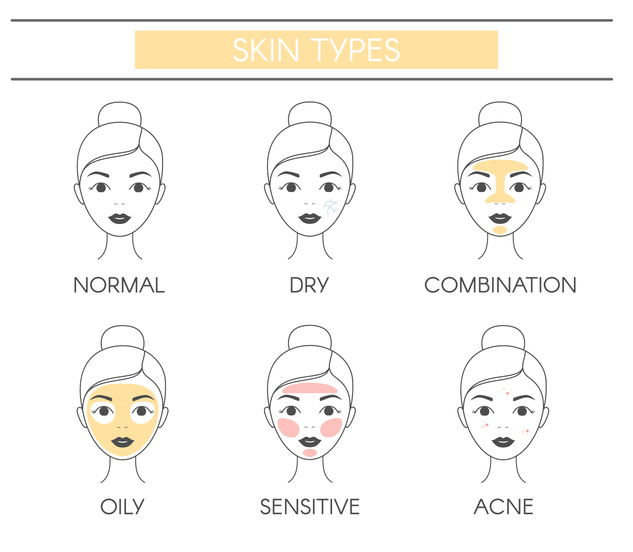
    Trend #5: Global Treatments

    Marking the face with a white pencil for surgical intervention close-up

    “As skin ages, a global treatment is often a better option (i.e. treating the whole face rather than just individual spots)  An example of that might be full face Fraxel for spot removal and anti-wrinkle injections for specific areas or filler and anti-wrinkle injections in one session across all the areas that require these treatments,” says Dr Milone.

    By adopting a global treatment approach and focusing on the whole face rather than just individual spots or areas, you can enjoy a more comprehensive skincare journey. As you explore and integrate these techniques and approaches into your skincare routine, you’ll be well on your way to achieving a more radiant, youthful, and healthy complexion.

    Examples of global treatment techniques and approaches

    • Layered treatments. Combining different treatments in a single session, such as chemical peels, microdermabrasion, and laser therapy, can simultaneously address various concerns like texture, pigmentation and scarring.
    • Facial contouring and rejuvenation. Utilising a combination of dermal fillers, hydrating fillers, and other injectable treatments can provide a more balanced and natural-looking facial rejuvenation, targeting the whole face rather than just specific areas.
    • Full-face skin resurfacing. Techniques like laser resurfacing, micro-needling, and radiofrequency treatments can target the entire face, improving overall skin quality, texture and tone.
    • Comprehensive skincare regimens. Creating a well-rounded skincare routine that includes products targeting hydration, exfoliation, sun protection and antioxidant support ensures that the entire face receives the necessary care and attention.

    Trending with Enrich

    The aesthetics skincare industry is continuously evolving, bringing forth innovative trends that cater to a wide range of skin concerns and preferences. As we move through 2023, we encourage you to explore new innovations and see what might suit your personal skincare routine. 

    Our team is dedicated to helping you navigate the ever-evolving world of aesthetic skincare, ensuring that your journey is both enjoyable and effective. Contact us today.

  • Why You Shouldn’t Put Off Setting Up a Skin Treatment Plan (Even if you think you don’t need one)

    Why You Shouldn’t Put Off Setting Up a Skin Treatment Plan (Even if you think you don’t need one)

    You have regular hairstyling and dental appointments to keep your hair and teeth looking pristine, so why not give your skin the same treatment? As skin experts, we’ve seen firsthand the impact of a lack of skin care on a person’s overall health and confidence.

    Skincare treatment plans are a proactive outline for keeping your skin healthy and looking its best. But what is a treatment plan, and why should you have one?

    What is a treatment plan?

    A treatment plan is a tailored skin program based on your skin health needs. It’s designed to help you achieve the desired results effectively with consideration of minimal downtime, budget and disruption of your daily routine.
    The treatment plan describes the recommended treatments and products to help you reach your goals. Our dermatologists, aesthetic physicians and nurses can help you create a tailored plan depending on your specific objectives and your skin’s current health. 

    It’s important to note that plans change over time as your skin changes, so reviewing and updating your treatment plan regularly is essential.

    What are the benefits of skin treatment plans?

    Helps your skin stay in good shape

    Having a treatment plan enables you to maintain your skin health and achieve the best results. The treatment plan is tailored to your specific skin type, goals and lifestyle. It may include a combination of in-office treatments, such as chemical peelslaser treatments and injectables,  and home care regimens.

    Your treatment plan can help you address common skin concerns such as acne, hyperpigmentation and wrinkles. It can also help prevent skin issues from occurring in the future.

    It helps you organise your skin treatments into your lifestyle

    Skin treatment plans are also designed to help you integrate skin treatments into your daily routine. This means that the treatment plan can be tailored around your lifestyle and free time so that you can choose treatments suitable for your work or leisure activities. If planning a beach holiday, it is best not to tackle a heavy downtime treatment, as your skin shouldn’t be exposed to the intense sun immediately after.  If you’re busy, you can opt for no-downtime treatments.  Treatment plans also enable you to keep skin treatments organised so you don’t miss any therapy or fail to follow the treatment plan.

    Helps to list and prioritise treatment required for any skin issues you may have

    Prioritising allows you to focus on the most urgent treatment first. For example, if you have acne, the treatment may focus on clearing up the active breakouts before addressing any longer-term skin concerns.

    By prioritising treatment this way, you can ensure that your treatment plan is more effective and that you get the most out of each treatment. You can then move on to the other treatment options only when necessary or have time.

    In an aesthetic situation, we often ask, “What bothers you the most?” and start from there. 

    Plan your schedule to help with budgeting.

    Your plan will also include as related to each suggested treatment, which can help you budget for skin treatments. This is especially important for long-term plans that involve multiple treatments, such as laser treatment and microdermabrasion.

    By budgeting for treatment costs ahead of time, you can make sure that you don’t overspend and also plan in advance for any treatment costs that may arise later.

    What influences the treatments involved in your plan?

    Age

    Your age can influence the treatment plan that is right for you. As we age, our skin becomes more prone to wrinkles and sun damage and may require treatment to correct these problems.

    If you’re in your twenties, your treatment plan may focus on preventive care such as sun protection and exfoliation. If you’re in your thirties, treatment may focus on anti-ageing, such as wrinkle reducing treatments or dermal treatments.

    Skin type

    Your skin type can also influence your treatment plan. For example, people with oily skin may benefit from treatments thatlayers of skin infographic reduce oiliness, while people with dry skin may need treatment that moisturises and hydrates their skin.
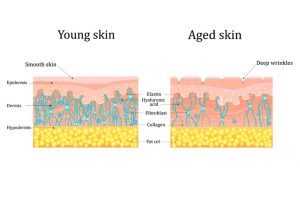
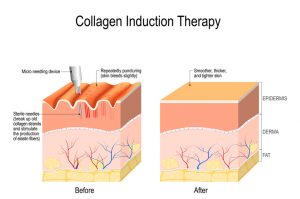
    Our skin specialists also consider your skin sensitivity, as some treatment options may be too harsh or irritating for sensitive skin.

    Skin issues

    It’s important to consider any skin issues you may have when creating your treatment plan. 

    What bothers you most about your skin? Is it a medical issue or cosmetic? Could it be a well-known issue like psoriasis or acne?  

    You should also review your treatment plan regularly to ensure it is still suited to your skin needs.

    Ethnicity

    Your treatment plan should also take into account your ethnicity and skin tone. Different treatment options may be more or less effective on certain skin tones, so discussing this with a skin specialist before starting treatment is important. For example, laser hair removals for a darker skin tone may be difficult if the laser uses only one wavelength.

    It’s also important to note that some treatment options, including particular lasers or strong chemical peels, may not be suitable for all skin tones.

    Gender identity

    Lastly, treatment plans should take into account your gender identity. Both men’s and women’s skin has different needs, so treatment plans should be customised to these needs. 

    For example, treatment plans for men may need to prioritise skin problems, such as hair loss or pearly penile papules. For women, treatment plans may need to focus on hormonal acne or something similar.

    How to create a treatment plan that works for you

    Consult with a professional

    The first step in creating your treatment plan is to consult with a skin specialist or dermatologist. Our skin experts will help you determine what treatment options are best suited for your skin and help you develop a plan that works for you.

    Don’t be afraid to ask questions and voice any concerns about treatment options, as this will help the skin specialist tailor the treatment plan to your needs.

    Assess your goals, lifestyle and budget

    Once you have consulted with a skin specialist, it’s time to assess your treatment goals and needs. Think about what you want to achieve with treatment and what treatments you can realistically do within your budget.

    You may also want to consider any lifestyle factors, such as diet and exercise, that could impact your treatment plan.

    Implement the plan

    Once you have created a treatment plan that works for you, it’s time to start implementing it. Start off slowly and gradually increase the treatment steps as your skin becomes accustomed to them.

    Be sure to stay consistent with treatments and make sure that you follow the treatment plan closely.

    Monitor your progress

    It’s important to monitor your treatment progress regularly. This will help you track any changes in your skin condition and assess if the treatment plan works.

    If you are experiencing any skin irritation or discomfort, be sure to discuss this with your skin specialist and adjust the treatment plan if necessary.

    How to stick to your treatment plan when things get tough

    It can be easy to fall off the treatment plan wagon and give up on treatment when things get tough. However, here are some tips to help you stay on track:

    • Set achievable goals and reward yourself for meeting them
    • Remind yourself why you started treatment in the first place (remember this is about your skin health)
    • Don’t be afraid to ask for help if you’re feeling overwhelmed
    • Find a treatment buddy to help you stay motivated
    • Make treatment part of your daily routine and set reminders for yourself when treatment is due

    Taking care of your skin is important and should not be something you put off. Creating a treatment plan that works for you, based on your skin type and lifestyle needs, is the best way to ensure you achieve the skin results you want. With the right plan and a little dedication, you can be on your way to healthy, glowing skin in no time.

    If you are unsure where to start, book an appointment with one of our skin experts today.

  • Is collagen important?

    Is collagen important?

    Collagen is a buzzword in the health and wellness industry, with many people turning to supplements and skincare products that contain this protein in the hopes of improving their skin, joints, and overall health. 

    But is collagen important for our bodies and what exactly is it? 

    We’ll take a closer look at what collagen is, where it’s found in the body, and what it does. We’ll also explore the evidence for and against collagen supplements and whether they’re necessary for maintaining good health. 

    Hopefully, you’ll have a better understanding of collagen and whether or not it’s something you should be incorporating into your own wellness routine.

    Decrease in collagen production with age

    layers of skin infographic - young skin vs old skin

    Collagen is an important structural protein that plays a vital role in ensuring the integrity and strength of our skin, hair, nails, bones, and joints. Without adequate amounts of collagen, these structures may become weaker and more prone to injury or illness. 

    The healing process for our wounds or injuries may also take longer since the lack of collagen impairs the ability of cells to repair themselves.

    It also affects our skin texture, causing dryness and wrinkles due to reduced elasticity and hydration levels. 

    Our bones and joints are also affected, as collagen helps maintain their normal strength and flexibility, which diminishes when there isn’t enough collagen. 

    Besides ageing, other factors that contribute to low levels of collagen in our bodies include a lack of protein-rich foods–such as fish, eggs and dairy products–poor lifestyle habits such as smoking or excessive sun exposure.

    What can boost collagen production?

    There are a few ways to enhance our body’s collagen production, with some providing instant results and others having more prolonged effects. 

    Dermal procedures

    Cosmetic treatments such as lasers, PDO threads, skin needling and dermal treatments can help to  plump our face in areas where we have lost collagen. These treatments work by stimulating our body’s natural collagen production processes, which increase collagen over time.

    Lasers can be used to heat up our skin’s surface and target deeper layers of tissue to stimulate collagen growth. 

    collagen induction therapy infographic - before and after

    PDO threads, which stand for polydioxanone, help provide structure and strength to our skin by creating a scaffold for new collagen formation. 

    Skin needling is another option that involves using tiny needles on our skin’s surface to create micro-injuries that promote healing and stimulates new cell growth. 

    Diet

    If you want to start small, you can begin by changing your diet. Eating food that is rich in certain vitamins and minerals can help to boost collagen production.

    Vitamin C, for example, helps to promote collagen synthesis and can be found in many fruits and vegetables, such as oranges, red peppers, strawberries, kale and spinach.

    Iron is also essential for producing collagen. Red meat, dark green leafy vegetables like spinach or kale, eggs and legumes are all excellent sources of iron. 

    Zinc is essential for skin health, including the production of collagen. Good sources of zinc include oysters, beef and fortified cereals. 

    Copper also plays a vital role in producing collagen; you can find it in foods such as oysters, nuts and legumes. 

    Eating fatty fish like salmon regularly can provide beneficial omega-3 fatty acids that help support healthy skin cells. 

    Additionally, hydration is critical when it comes to keeping skin healthy; drinking plenty of water throughout the day can keep your body hydrated, which will help promote healthy skin cells.

    Besides eating collagen-friendly food, you should also avoid foods that can damage collagen. Some foods and drinks, such as sugar, excessive alcohol consumption and processed food, can increase inflammation in the body and damage collagen fibres.

    Note that a healthy diet should include a variety of nutrient-dense foods and should be balanced. Consult with a nutritionist or dietitian to ensure you get the right balance of nutrients to support collagen production and overall health.

    Skincare products

    Topical skincare products can also help with collagen production by providing our skin with ingredients that stimulate collagen synthesis, protect collagen fibres from damage, or both. Here are a few examples:

    • Retinoids. These are derivatives of vitamin A that have been shown to stimulate collagen synthesis and increase the thickness of our epidermis (the top layer of the skin). They also help to increase cell turnover and improve our skin texture, fine lines and wrinkles.
    • Vitamin C is an antioxidant that helps to protect our collagen fibres from damage caused by free radicals.
    • Peptides are small proteins that can help stimulate collagen production in our skin. You can find these in many anti-aging skincare products.
    • Hyaluronic acid is a naturally occurring substance in our skin that can help plump and hydrate the skin, making it look smoother and more youthful.
    • Other antioxidants such as Vitamin E, green tea extract, and grape seed extract can also protect collagen fibres from damage caused by free radicals.

    Keep in mind that not all skincare products are created equal, and some may not be as effective as others. Consult with our skincare professionals before starting any new skincare regimen, and be aware of the ingredients in the products you use.

    Lifestyle changes

    Several lifestyle factors could contribute towards increased collagen production levels, including regular exercise, getting adequate sleep each night, spending time in the sun and avoiding smoking as well as dehydration by drinking plenty of water throughout the day.

    Exercise is particularly beneficial, as increased physical activity leads to increased circulation, which could stimulate collagen synthesis within the body. Additionally, regular exercise helps to reduce stress levels, which is vital for collagen production since excessive amounts of stress hormones can interfere with the synthesis of new proteins. 

    Getting adequate sleep has also been associated with higher levels of collagen production. During sleep, our bodies naturally produce more growth hormones which help support our bodies’ natural ability to create and maintain healthy skin cells. 

    Spending time in the sun is also beneficial for collagen production, as exposure to ultraviolet light stimulates vitamin D production and encourages skin cell regeneration. But make sure you don’t overdo it. Climate change has adverse effects on our skin. Make sure you always use 50+ sunscreen when exposed to the sun. 

    Smoking, however, has the opposite impact – smoking damages cells and suppresses collagen formation leading to wrinkles and premature aging. 

    Similarly, dehydration can lead to a decline in skin elasticity due to its dehydrating effect on cells and connective tissue fibres such as collagen and elastin. As such, staying hydrated is essential for maintaining optimal collagen production; drinking plenty of water throughout the day ensures that our body is adequately hydrated to produce sufficient amounts of this vital protein.

    Remember that a healthy lifestyle includes a balance of different activities and practices. Collagen production is a complex process that can be influenced by multiple factors, so focus on overall health and well-being rather than a single aspect.

    Does ingesting collagen help skin and hair?

    When it comes to this question, research results are promising. 

    Several studies have suggested that a collagen supplement could provide a range of benefits for skin health and hair growth. For example, one study published in the journal Nutrients found that taking a collagen supplement for four weeks reduced wrinkles and improved skin elasticity in women 35 years old and up. 

    Despite the body of research on collagen supplements, Harvard expert claims potential conflicts of interest exist since most of the studies are either funded or partially funded by industries that could benefit from positive results. 

    Also, even if it does work, its effect is not immediately visible. It may take months or years for you to notice any difference.

    How to get immediate results

    While obtaining collagen through diet, lifestyle changes and supplementation is possible, you may achieve faster results via our dermal treatments. This can help boost collagen production in your body, leading to immediate improvements in skin texture, tone and appearance. Book an appointment with us today.

  • How Climate Change May Affect Our Skin Health

    How Climate Change May Affect Our Skin Health

    Our skin is the largest organ of our body and performs many vital functions. It protects us from the sun, wind, cold, and other environmental elements. It also helps us regulate our body temperature and eliminates toxins from our system. As one expert said, “it keeps the inside world in and the outside world out.”

    But with the changing climate, our skin faces more threats than ever before. Rising temperatures, air pollution, and UV radiation contribute to an increased risk of skin problems. Below is a list of some of the ways climate change is impacting our skin health.

    Climate change effects on people’s skin

    Air pollution

    Climate change is a severe threat to global health, and one of its most immediate consequences is the rise in air pollution. As the Earth’s temperature increases, certain pollutants like carbon dioxide, methane, and ozone become more prominent in the atmosphere. These pollutants–in particular, polycyclic hydrocarbons from burning fossil fuels–can settle on our exposed skin or be inhaled and absorbed through the pores.

    Once these pollutants are inside our bodies, they can cause inflammation and damage the cells responsible for generating new skin tissue. These can result in premature ageing and pigmentation changes, atopic dermatitis, eczema, and acne flares.

    Sunlight

    skin with and without protection infographicClimate change has also resulted in an alarming increase in the Earth’s average temperature, which has allowed for larger amounts of ultraviolet radiation from the sun to penetrate our atmosphere and reach our skin. This UV radiation is known to cause a plethora of long-term dermatological issues, including wrinkling, premature ageing and, most notably, skin cancer.
    This is because the longer we are exposed to the sun, the weaker our antioxidant defences are. These defences are meant to protect the skin from these harmful radiation sources. This can be due to increased levels of ozone pollution and other air pollutants that come into contact with the skin’s surface area.

    In addition, higher temperatures brought on by climate change can impair our skin’s sweat functions. This could lead to heatstroke if prolonged exposure occurs without any break from the sun’s rays.

    Changing ecosystems and extreme weather conditions

    The global climate crisis is also having a major impact on the world’s ecosystems and weather conditions, which in turn has damaging consequences for our skin. With extreme temperatures, increased flooding, and droughts becoming more common, the environment is changing in ways that allow previously confined diseases to spread to new areas.

    In particular, mosquito-borne illnesses such as dengue fever and Zika virus rapidly spread due to warmer climates that allow their vectors to survive longer through their breeding cycles.

    Not only can these illnesses cause nasty skin infections, but they can also have other long-term health effects on exposed individuals.

    Extreme weather conditions like heat waves and cold snaps may also affect the skin. This is because air humidity can lead to skin dryness, psoriasis and increased sensitivity, while cold weather can strip away the skin’s natural oil barrier.

    How to protect your skin from climate change

    With climate change leading to longer summer days and hotter temperatures, it’s more important than ever to take these steps to protect ourselves from harmful UV radiation.

    Sunscreen

    Sunscreen has been proven to be incredibly effective in protecting skin from the sun’s harmful rays. This is because its active ingredients, such as zinc oxide and titanium dioxide, absorb and reflect dangerous UV rays before they reach the skin.

    But not all sunscreens are created equal. Investing in a quality sunscreen that blocks UVA and UVB rays and has an SPF of 30 or higher is important.

    Apply sunscreen to all exposed areas, including your face, neck, arms, legs and other areas of the body, at least 20 minutes before going outdoors and reapply every two hours or after any swimming or sweating.

    When asked what the best anti-ageing cream is, Dr Rich always replies, “50+ sunscreen, especially on the face, in every season”.

    Appropriate clothing

    In addition to sunscreen, clothing can effectively protect from the sun’s rays. Loose and lightweight clothing with a tight weave that covers as much skin as possible can act as a barrier between your skin and the sun.

    Long-sleeved shirts, pants, hats, and sunglasses are all key items to bring along with you when spending time outdoors. Additionally, darker colours are more effective at blocking sunlight than lighter shades.

    Shade

    dermatologist doing a skin checkStaying in the shade is another great way to protect your skin from the sun’s rays. Try to seek out shady spots that are covered by trees or canvas umbrellas when spending time outdoors.

    Additionally, UV-protective window films can be used to reduce the amount of ultraviolet radiation entering your home, office or vehicle, allowing you to enjoy the outside without exposing yourself to too much direct sunlight.

    Regular skin checks

    Finally, it is important to remain vigilant and have your skin checked regularly by a qualified healthcare professional. This will help you identify any concerning changes in your skin that may be indicative of something more serious, such as skin cancer.

    How Enrich Clinic can help

    Climate change is having a major impact on our skin’s health and should be taken seriously. It is important now, more than ever, to take steps to reduce our carbon footprint and protect ourselves from the sun’s harmful rays. Also, if you have any concerns about your skin or looking for skin cancer treatment, it is best to seek out advice only from trusted dermatologists.

    Contact Enrich Clinic for professional advice.