Category: Skin

  • What happens to your skin as you age?

    What happens to your skin as you age?

    As we age, our skin ages with us. This is an unavoidable reality, and embracing this fact can make the ageing process easier to accept. Over time, there are different ways your skin will change, and therefore different ways to treat your skin to ensure you are always looking your best.

    In this article, we will look at the different stages of skin ageing, what you can expect depending on your age, and some great treatment options you might like to consider. These observations are for both male and female skin – no one misses out on the ageing process! 

    Birth – 10-year-old skin

    baby

    It has often been observed that children, especially babies, have extremely smooth skin. In the case of babies, they come out of the womb having been protected by something known as the vernix coating, which “protects the epidermis from water exposure and creates a drier condition”, according to Visscher et al.

    But babies aren’t just protected from moisture while in the womb. Their skin is also ready for the world if they are full-term. Visscher et al. explain that a “well-developed epidermal barrier is fully competent to execute its primary functions of preventing water loss”.

    So the youngest amongst us generally start out with flawless skin, which generally continues through early childhood and is very smooth before adolescence.

    11- 20-year-old skin
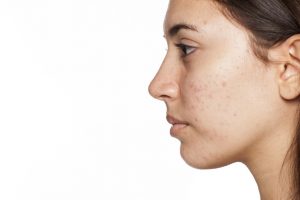
    teenager with acneBroadly speaking, adolescence is the first time we are presented with any skin issues. During puberty, the body goes through a lot of changes, and these have an impact on the skin.

    During puberty, acne often appears on the back neck, and, most prominently, the face, as this area has more pores than the rest of our body. This is when the first major skin care appears in our lives. Sometimes that can be simply by resisting the urge to squeeze a pimple or to scrub your face too hard.

    For more extreme acne, it is important to wash, but gently. You don’t want to use irritating scrubs but a soft cloth and gentle cleanser. There are also medical treatments that can help with extreme acne. At ENRICH, we see many acne and acne scar patients. 

    21-30-year-old skin

    This is the period you need to start preparing your skin for long-term ageing. During this period, especially toward the back end of people’s twenties, your skin starts to show the first signs of aging or skin damage.

    This is due to many different factors, such as a lack of sleep or stress. The reality of ageing is the extra responsibility we take on, and most of us have more adult responsibilities, such as families, by this age. Additionally, by this time, sun damage may have built up over time to the point it is beginning to show.
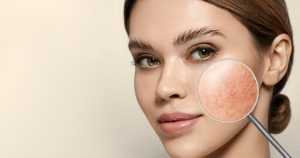
    magnifying glass showing skin on cheek up close

    For this reason, this is the age you want to develop a good skincare routine. This includes using sunscreen on those bad UV days (not just when the temperature is high), exfoliating and moisturising regularly.

    This also might be the time that you start to explore laser treatments or glycolic peels to add to your skincare routine. Our no-downtime treatments give your skin the perfect clean and pep-up.

    The good news is that at this age, your skin is in a strong “collagen-producing” phase so it renews and rebuilds almost constantly.

    Starting your skin routine early, in the habit of taking care of your skin, can be an investment for the future. Good skin health is just as important as all the other tasks you undertake for your general well-being. We have several great skin care products in our ENRICH Clinic Shop.

    31-40-year-old skin

    As you approach middle age, managing your skin becomes more of a focus. As your skin moves into a more mature phase, there is usually a need for a more structured approach to skin care.
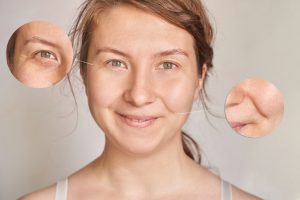
    woman and close ups of her eye and smile lines

    Generally speaking, your thirties are when you start to see some fine lines appearing around your eyes and a loss of volume in your cheeks. It’s usually not too dramatic unless you have spent too many days sunning yourself, however, it is something to keep an eye on. 

    Why does this happen? Your skin can no longer repair itself as well as it once did, which often means it can lack the once super youthful look. Decreases in collagen mean your skin is not as plump as it once was. We also start to produce less collagen as we age, so there is some sense in promoting collagen production by treatment means. This is also the age when dermatology treatments start to become more necessary. It’s even worth looking at the more cosmetic side of skincare, such as dermal treatments & wrinkle reducing treatments. The longer you leave wrinkles to form on your skin, the longer it takes for them to decrease. 

    41-50-year-old skin

    Throughout your forties, your skin starts to lose firmness. A loss of elasticity and volume can lead to a lack of volume, skin starts to lose its laxity and wrinkles become clearer.
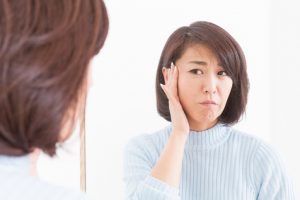
    woman checking her skin in a mirror

    At this point, you want to have a strong skincare process and routine. In addition to your daily routine, however, you might consider other treatment options, such as Facial Rejuvenation.

    These days skin treatments, especially with lasers have become a lot more common, so there is no need to feel like you’re the only one. Lasers can be extremely beneficial for the production of collagen and to help promote skin tightening. We have a broad range of laser and other face treatments at ENRICH clinic that can benefit maturing skin. 

    51-60-year-old skin

    For women, this is generally the menopausal to post-menopausal age, and declining estrogen levels can significantly impact the skin. It becomes thinner and drier, and there is a loss of volume as natural collagen production reduces again. Menopause can even lead to acne, which may not have appeared since adolescence. 
    mature woman with hand on face

    This is also often the time those “cute freckles” are now realised as age or sun spots.  Looking and feeling good is key at this age to both self-esteem and well-being. Spending time on your skin’s health is not vanity; it’s a health necessity, and all of these issues can have some relief. 

    For men, whilst not subjected to menopause, male skin too loses volume and skin wrinkling increases. Male skin is often subjected to elements, especially prone to sun damage and age spots. Skin checks at this age are also key as pre-skin cancers and basal cells tend to crop up around this time. 

    While many people start their plumping journey earlier, some treaments  can help at this age as they plump the skin and add volume where it is often lost. Using wrinkle-reducing treatments to help reduce those wrinkles is certainly quick, a feel-good fix and refreshing. Collagen also needs a boost, and at ENRICH, we have a number of these treatments, including some of the more hard-core skin resurfacing treatments.  Investing in a  regular treatment plan is also a bonus. We strongly encourage you to talk to an expert before making any commitments. You can call us on 03 9500 9500 to speak to our friendly team.

    61-70-year-old skin

    By this point, all the markers of ageing simply can get more extreme. Wrinkles become more pronounced, scars appear more easily, the skin becomes even drier and collagen production lessens even more.

    It’s not all bad news. If you have started your skin journey early in life, much of this “natural”  ageing may have been circumvented to an extent. If you have worn 50+ sunscreen every day for most of your life–the best anti-aging cream–according to Dr Rich, your skin will certainly be reaping the benefits of this now. And very likely, your skin will look much better than those of your contemporaries who haven’t. 
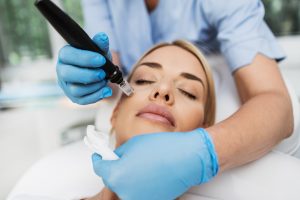
    mature woman smilingWe have several Skin Tightening treatments to help you retain that skin laxity.  These treatments include laser and skin needling, which also impact collagen production. It’s important to know that no one treatment or skin topical can give you back the 20-year-old skin. Managing your own expectations is very important in this process. 

    By this age, it is a good idea to have a regular 6 monthly appointment with your dermatologist, which includes a regular skin check every year and a skin health plan in place. Investing in a skin treatment plan that sees you having regular no-downtime laser treatments ( depending on your needs) &/or skin peels is also incredibly helpful to skin health. Ultimately, we want to find you the best option to tighten, clear and care for your skin and have you comfortable with your own very unique and beautiful look. 

    You can contact us by filling out a form and see how we can help with your skin health through all the ages.

  • Why you should invest in your skin health

    Why you should invest in your skin health

    Skin health can be a complicated thing. For those who take regular care of their skin, there is always new research and updates to the best practices for skin care routines. But it is not always easy to separate science from the fads or establish the best new trends when they pop up.

    As with most trends, some gather momentum because a lot of people are doing them, and others are going to stick around. In this article, we explore some of the new trends in skin care, skincare and analytical approaches, which ones are worth considering, and which ones should be ignored.

    We also provide some thoughts on skin treatment that might work for you and explain just why you should invest in your skin health.

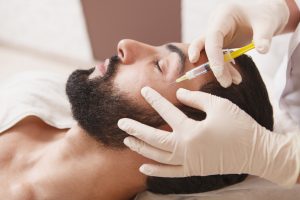
    Plan your cosmetic and skin health journeydoctors hands in gloves inspecting mans face

    It can be time-consuming to settle on the proper skincare routine. And let’s face it, most of us aren’t skin care experts. For this

    reason, it can be a good idea to talk to one of our dermatologists. We will be able to provide you with excellent assessments and advice and help establish a strong skin care plan.

    We offer many different face treatments and skin treatments and we know we can get the right plan for your skin type and concerns.

    We have laser treatments for your skin.

    You can’t go past a laser to increase your skin health and collagen while at the same time cleaning the skin. For the uninitiated, our no-downtime treatments are the best way to start. They are a gentle way to begin the introduction to laser skin care. These treatments are for both men and women, and depending on your skin requirements, these may be the treatments you decide to incorporate into your regular routine without going any further. 

    Of course, we have some hardcore options, such as the CO2 Laser and other resurfacing options, that can solve some of your tougher skin issues. We also offer a facial rejuvenation treatment that can refresh your face in an incredibly effective way.

    Universal skin care techniques

    There are also a number of things you can do that will immediately improve the look of your skin.

    skin care products

    Have a simple skincare routine

    Your skincare routine doesn’t have to be complicated to be effective. In fact, sometimes simpler is better. Of course, there will be times when you need to exfoliate or use a mask, but for the most part, a simple skincare routine of cleansing, moisturising and protecting will do the trick. Just make sure you use products with simple formulations and are fragrance-free.

    Use products designed for your skin

    Just because a skin care product is trending doesn’t mean it’s the right one for you. It’s important to use products that are designed for your skin type. If you have oily skin, look for products that are oil-free or non-comedogenic. If you have dry skin, look for products that are hydrating or contain ingredients like hyaluronic acid. And if you have sensitive skin, look for fragrance-free and hypoallergenic products.

    Protect your skin from the sun 

    We all know how ultraviolet (UV) rays can damage your skin, causing premature ageing and increasing your risk of skin cancer, so ensuring your skin is protected from the sun’s harmful rays is a must. Our curated effective 50+  sunscreens can do just that.

    Be kind to your skin

    When things appear on our face, it is very tempting to pick or even pop them. But this only does bad for our skin. For example, by popping a pimple, you expose the pore to more bacteria, which includes the bacteria on your hands. Additionally, picking at other marks and bumps can be tempting, but the more you do this, the more you risk scarring. It simply isn’t worth it.

    Practice healthy habits 

    Eating too much sugar can have detrimental effects on our skin, which is yet another great reason to cut down on it. And smoking cigarettes, in addition to all the other awful ways they affect our bodies, also can give you bad acne.

    Manage stress 

    Anyone who’s ever had a skin flare-up knows that stress and skin go hand-in-hand. When we’re stressed, we experience dryness, inflammation or breakouts. This is because stress can disrupt the top layer of our skin, designed to keep moisture in and harmful microbes out.

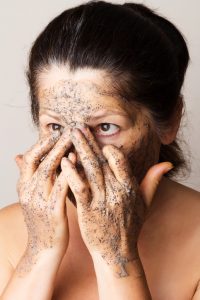
    Don’t get sucked into silly trendswoman applying coffee scrub mask to face

    We think it’s important to acknowledge there are some trends out there that you might be aware of, and identify some that you should absolutely avoid:

    Pore strips 

    They might be extraordinarily satisfying, but pore strips aren’t actually good for your skin. Yes, you can remove a lot of blackheads in a very short space of time, but they often open our pores up much wider than we would advise, which leaves them open to bacteria.

    Toothpaste on pimples 

    This is another terrible idea. Whatever antibacterial agents might be in your toothpaste will be more than counterbalanced by all the other ingredients in toothpaste. You could end up with chemical burns, which seems like a terrible trade.

    Coffee & sea salt scrubs 

    Quite simply, not a good idea. Ground coffee and salt can be coarse, and as such, can do damage to your skin.

    “Natural “ oils

    Using natural oils that perhaps come from your pantry, as a moisturiser, is not a good idea. Often they can cause clogging or breakouts as they are not designed or made for skin care rather they are specifically for cooking. 

    Taking advice from influencers

    Thousands of “ influencers” now profess to be skincare specialists or advisors. Dermatologists are skin, hair and nail care specialists with extensive medical & specialist training. Their advice is based on experience, expertise and medical training – possibly a better source of info and skin health advice.

    There are a seemingly endless array of bad treatments people put their skin through. The thing to remember about all of them is the need to actually be improving your skin health. If it isn’t dermatologist-approved, it likely isn’t good for your skin. To get clarity on the types of products you should use on your skin, you can give us a call on 03 9500 9500. We also have a range of skincare topicals in our shop.

    Healthy skin can translate as beauty

    When it comes to skin health, we naturally look for it as a sign of beauty, whether this is a conscious thing or not. We are naturally attracted to distinctly healthy glowing faces, even if we cannot define what makes them beautiful. Regardless, having lovely skin can make you feel good, mentally and physically. 

    Even if our faces have perfectly natural skin conditions, we can still find we are very self-conscious. Youth is often associated with beauty, and skin that appears to be ageing can define a person’s age and even make them look older. Beauty is definitely in the eye of the beholder however skin health is something everyone can have with a little help to find the best strategies to improve and maintain your skin.

    Want help with your skin health?

    Contact us

  • Vitamins and Minerals; and how they affect our skin 

    Vitamins and Minerals; and how they affect our skin 

    Vitamins and minerals are essential for our health. They are micronutrients and, except for Vitamin K, are not produced by our bodies. They are derived from the food we eat and drink and are required by the body to carry out various functions. Given that we need certain vitamins and minerals to achieve our optimal level of health, it’s important to include these nutrients in our diet whenever we can. It’s not just food that can give us these vital nutrients. Some can be synthesised from external factors such as the sun (Vitamin D), creams or supplements. 

    Your skin is your body’s largest and most visible organ; given this, it can be obvious when you have vitamin and mineral deficiencies. These nutrients help break down food, which provides energy for cellular productivity, and cellular health leads to strong tissue. Strong tissue includes the skin. 

    Ideally, you will get enough vitamins and minerals from your diet and daily activities and meals. However, this is not always the case. This blog explores some of the key vitamins and minerals required for good health and how they can be obtained, whether it be through diets, creams and topicals, or supplements.

    Helpful vitamins and minerals

    You should always aim to get a sufficient amount of nutrients before resorting to supplements. You should keep in mind that most foods that provide us with essential nutrients also contain other things that are great for our bodies, such as fibre. So eating nutrient-rich food is generally very good for us.

    When we eat nutrients, they get distributed to our cells. These build our bodily organs and fluids. 

    So, what are the helpful vitamins and minerals our bodies need?vitamins for skin health

    Vitamin A

    Vitamin A is vital for your skin health, and both the dermis (deep layer) and the epidermis (surface layer) require exposure to Vitamin A for good skin health. As an antioxidant, it can provide some protection against the sun, but it should not be considered a substitute for sunscreen. When lacking vitamin A, your skin becomes susceptible to dryness, itchiness, and even bumps. Vitamin A also stimulates the production and activity of white blood cells, helps with remodelling bone and maintaining healthy endothelial cells which line the body’s interior surfaces. 

    Vitamin A is found in animal products such as meat, fish, poultry, dairy foods and green leafy vegetables – even cantaloupe. 

    Vitamin B

    There are eight different ‘B-Complex’ vitamins, which are all found in similar places. Getting enough Vitamin B is crucial, as it is required for the majority of our bodily functions as it helps our cells’ metabolism and just makes sure all our body’s cells are functioning properly. Some of its many benefits include assisting blood circulation and increasing UV protection. It is also crucial for our general skin health. 

    You can find Vitamin B in whole grains such as brown rice and barley, red meat, poultry, fish, eggs and dairy products, legumes, seeds and nuts, dark, leafy vegetables, citrus fruits, avocados, and bananas – so a lot, really! 

    Vitamin C

    This is another important antioxidant, as it produces collagen and can potentially lower the chances of skin cancer. At the very least, it has been proven to reduce UV damage. It is found in the dermis and epidermis layers of the skin, and is a important part of keeping your skin healthy. Healthy amounts of Vitamin C can reduce signs of ageing in some cases, as it can reduce wrinkles. 

    There are large quantities of vitamins in citrus fruits, or even things like spinach and broccoli. Many people use Vitamin C supplements, but it is always best to talk to a doctor about the best options. It is important to use this vitamin in moderation, as excessive Vitamin C intake can cause things like diarrhoea or kidney stones.

    Vitamin D

    Vitamin D is produced in our bodies when our skin is exposed to sunlight. It helps us to absorb a number of minerals, including calcium. Laboratory studies show that vitamin D can reduce cancer cell growth, help control infections and reduce inflammation. A recent study showed that Vitamin D can also help with negative emotions and depression.

    Whilst it is broadly recommended to take supplements only when required, Vitamin D is one such example where supplements are worth consideration, given the need to expose your skin to the sun to gain the vitamin naturally. That said, it is always advisable to take the right precautions when exposing your skin to the sun.

    Vitamin K

    Sufficient Vitamin K assists the body with blood flow, which helps with the prevention and healing of wounds and bruises. It can also help with stretch marks and scars. It is found in a lot of different topical creams, which are often applied by doctors to patients after surgery. Vitamin K can be found in foods like kale, lettuce, cabbage and green beans. It is also the only Vitamin we naturally produce in our bodies and it is made by bacteria living in the intestine.

    Zinc

    Zinc is an important mineral that affects the functionality of many of the body’s systems. This includes the immune system, thyroid function and the sense of taste or smell. Zinc is found throughout your body, mainly in your muscle and bone. As explained by Health Direct, your body cannot make zinc on its own, and it must therefore be ingested from your food.

    When your body is low on zinc, you are at an increased risk of infection for things like pneumonia, and the ability of your skin to heal from wounds is decreased. In addition, a lack of zinc can lead to skin rashes. A zinc deficiency can also lead to a loss of appetite, eye problems and even hair loss.

    Selenium

    Selenium can be very good for you, as it can help boost an antioxidant known as glutathione, which can reduce acne. Generally speaking, people who smoke or drink excessively risk selenium deficiency. Meats like salmon, lamb and turkey are all good sources of selenium.

    Magnesium

    Magnesium functions as an anti-inflammatory and is very important for skin health. A lack of magnesium can lead to premature ageing in the skin. Lots of different nuts can increase your magnesium levels, such as pecans, hazelnuts and walnuts. Additionally, eating lentils, spinach and brown rice can help your magnesium levels.

    When it comes to vitamin deficiency, it is advisable to talk to a health professional about your best options. They can advise the best places to get the vitamins you need, and which ones you need to take in moderation.

    And remember, vegetables are a fabulous source of vitamins, and a balanced diet is a much more ideal outcome than taking a lot of supplements.

    What is collagen, and do I need some?

    Collagen is a protein that makes up the structure of our cells. Despite there being 28 different types of collagen, one identified as collagen type 1 makes up around 90% of the collagen in the human body, according to Naomi, Ridzuan, and Bahari.

    Collagen is extremely important, as it is found in our bones, skin, cartilage, tendon and skin, and helps with tissue repair and our immune response.

    Whilst our bodies naturally produce collagen, you can also get it through your diet. Collagen can be found in chicken skin and fish. However, some of us don’t produce enough collagen, especially as we age. As such, sometimes supplements can be a great option. However, you want to take the right supplements.

    Collagen can be purchased in power, liquid or capsule form and added to drinks or soft food. Additionally, there are collagen shakes thought by some to be beneficial to collagen levels. However, you should always consult a health professional about these, as some of them are ineffective and have bad side effects.

    Blood testsdermatologist in melbourne

    Blood tests are a great way of finding what vitamins you are deficient in. If you suspect you are running low on some vitamins or minerals, it is a good idea to talk to a health professional about getting some blood tests.

    Vitamins are extremely important for our health. We can provide nutrients to our bodies in a number of different ways. These can be through our diet applying creams and topicals, or even by taking vitamin supplements. A number of our ENRICH skin care range contains vitamins for your skin health. See them in our ENRICH Clinic shop. For more information on skin health, you can check out our other blogs, including If you only do 5 things for your skin health, pick these.

  • The beauty of the natural look – and how to get it

    The beauty of the natural look – and how to get it

    The natural look is on-trend, with a lot of advice dished out on how to wear your hair and make-up, so you look like you fell out of bed that way. Of course, some people can pull that off, but for the rest of us, a little effort in enhancing the core elements of our natural beauty can go a long way. That is your skin, hair and nails – key indicators of health and part of what natural beauty is all about: being naturally healthy. 

    Beautiful skin is the first critical component of natural beauty. Gorgeous skin will never go out of fashion, but being lucky enough to have skin that doesn’t require touchups can be complicated. With some attention focused on a few specific areas, that needn’t always be true. 

    Instead of using makeup, perhaps some longer-lasting treatments would help you achieve the natural look, but using your actual features rather than using makeup to make it seem like you’re not wearing any. So why not cut to the chase? 

    How to get beautiful skin

    There are many reasons why skin may not be looking its best, with many of these issues solvable with a bit of directed effort. Skin treatments at a cosmetic dermatology clinic like ENRICH Clinic are a perfect first step. We’ll assess your skin and any concerns you have and develop a treatment plan. This treatment plan will guide you step by step to more beautiful skin. 

    We have some solid basics that will give you an excellent foundation to work from on your quest. 

    natural looking lip filler

    Chemical peels – great for beginners

    A chemical peel is a treatment that can make a big difference and doesn’t cost the earth. You’ll clear off dead skin cells, stimulate collagen and elastin, and rejuvenate your complexion regularly. In addition, regular peels can help keep breakouts, blackheads and dull skin out of the picture while being part of an ongoing antiageing plan. 

    Laser treatments – a staple for beauty enhancement

    Laser skin treatments are one of our most popular and effective skin treatments. We have so many different lasers for every possible dermatological need; your skin will not be left wanting. 

    Clear off dead skin cells, keep pores clear of debris and oil, even out skin tone, and work on your anti-ageing strategy with collagen production. 

    Laser treatments for redness, rosacea

    Flushing from rosacea is one of the quickest ways to go from feeling good about your bare face to wishing you could hide in a freezer until it passes. Whether you’ve been for a drink with a friend or got too hot, the flushing from rosacea can come on quickly and wreak havoc with your ‘natural look’. 

    We have a special laser at ENRICH Clinic in Melbourne called the Excel V, specially designed for blood vessel conditions. We love this laser for managing rosacea, facial redness, and visible veins because it works so well. 

    The Excel V works by damaging the visible blood vessels to the point where the vessel is no longer viable and is absorbed by the body over the week until it is no longer visible, an extraordinary feat for a laser. These tiny blood vessels aren’t necessary for healthy circulation, so they won’t be missed. 

    We can’t cure rosacea, but we can manage the flushing to the point where you can feel confident that you won’t look like you just ran a marathon – unless you’ve just run a marathon – taking you one step closer to feeling good about going au naturel

    the natural look with cosmetic treatments

    Skin resurfacing for pigmentation

    Pigmentation, sunspots and liver spots can make you want to cover up with makeup. We can deal with these spots very quickly by fading them or completely removing them (depending on the location, size and depth) using laser resurfacing or other methods as appropriate. Don’t forget, pigment has memory, so after one of these treatments, especially 50+ sunscreen, every day is a must. 

    Freckles and moles are now coming into their own finally – we love your freckles and moles and think they’re more than likely part of your natural beauty, but if you don’t love them as we do, we’re happy to soften their impact as per your wish. Also, there is a difference between cute freckles and age spots. 

    We’re also embracing the unique beauty of melasma and vitiligo. As with freckles and moles, not everyone is as enthusiastic, so if you want treatment, let us know, and we’ll support you with treatments and management strategies. 

    Dermal fillers around the eyes

    If you’re starting to notice the area around your eyes is looking a little tired even when you’re feeling well-rested and energetic, we can help with some strategically placed dermal filler. Some filler in the tear troughs and areas under the eyes that cast shadows can make a subtle but important difference to your eye area. 

    Don’t rely on concealer and cucumber slices to get rid of under-eye bags – remove the cause of the shadows with dermal filler and see how you like it. Skin treatments and dermal fillers can even provide a natural-looking facelift. This treatment must be performed by a cosmetic doctor who has expertise in this area. At ENRICH Clinic, our cosmetic physicians are experts in dermal filler and antiwrinkle injections.  

    Ultraformer for crepey skin

    Moisturiser can only go so far as skin ages. Crepey skin can be boosted with Ultraformer treatments to tighten and freshen texture, plumping tissue with collagen and revitalised cells. Crepey skin does not need to interfere with your natural beauty. 

    Getting handsy to turn back the clock

    We use our hands for everything, and they deserve a standing ovation. But, they can start looking a little worn out sooner than the rest of us as a result. Hand skin is thin, with only bone, tendons and a little fat and muscle to round them out. This fat and muscle tend to fall away as we age, leaving stringy tendons and bones. 

    Removing pigmented spots is a fantastic way to rejuvenate your hands, so they look a little younger-looking but are still as functional and fabulous as ever. IPL, laser, peels and fillers can all be used on hands to brighten and revitalise. 

    Lip enhancements

    Thin or uneven lips can impact how you feel about your mouth, including how openly you smile. Smiling is one way to enhance your natural beauty, so feeling great about your mouth is important. While we are not into teeth, we are very into lips. 

    Lip filler is a fantastic way to give your mouth a sweet boost, an enhancement that we aim to be subtle and to fit in with your facial features. Don’t worry; we won’t give you a duckbill pout! Unless, of course, you ask for one. Natural-looking lip filler is an art form, and we’ve got it down pat. 

    Where to from here – natural beauty enhancement

    We will help you enhance your natural features, and you’ll never look like you’ve ‘had work done when you walk out of our clinic. Our goal is to accentuate what nature gave you and help you feel marvellous and fresh-faced. 

    Get in touch, and we’ll see what we can achieve together. 

    ENRICH Clinic

  • How ethnicity plays a role in skin types

    How ethnicity plays a role in skin types

    The most obvious ethnic difference in skin is colour, but there are other important factors to consider when undergoing dermatological and cosmetic procedures. For example, genetics determines the skin’s barrier depth, moisture-retaining qualities and sensitivity. 

    There is no one-size-fits-all for skin, no matter your genetic makeup, so finding a cosmetic dermatologist experienced in your skin type is essential. Some procedures and technologies are more suited to some types than others.

    What are ethnic skin types?

    The discussion of skin types between racial and ethnic groups tends to boil down to a few key factors that are common to all people: the structure of cells, barrier function, reactivity to UV, sensitivity and underlying pigmentation factors. Naturally, variations will always occur within racial groups due to genetic diversity. 

    When we ask, ‘what are ethnic skin types?’ we’re asking what your skin might be prone to versus another genetic group and what considerations your doctor should make when choosing cosmetic treatments. 

    How does skin type impact cosmetic treatments?

    Your skin type can matter greatly when undergoing skin treatments; for example, some lasers don’t play nicely on darker skin tones. 

    Depending on what we’re treating, a laser can work within specific wavelengths, usually corresponding to a colour band. For example, if we set the laser to the red frequency, the laser can target blood vessels without affecting nearby non-red skin. However, if the laser isn’t precise enough or inappropriate for the job, it could target melanin (pigment) in regular, healthy skin, thus causing a burn. 

    The treatment itself depends entirely on your cosmetic doctor, who should have experience treating your skin type before you let them anywhere near you. At ENRICH Clinic, our doctors look like you and know skin. 

    Medicine, including dermatology, has historically been an overly white cis-hetero male pursuit; thus, research and experience in beautifying skin focused almost solely on white people, white women specifically. Thankfully, this is changing quickly. 

    Increasing celebration of diversity and an increasing effort at dismantling the accepted beauty standards allow more people to enjoy the spoils of cosmetic dermatology’s many significant innovations and advancements.

    Cosmetic treatments such as anti-wrinkle injections and dermal fillers have had much more research, resulting in more accessibility than they used to be – think back to the 70s and 80s and all the botched jobs we saw in celebrities. We don’t see much of that anymore because we have improved ingredients and techniques. This, coupled with the ” natural look ” trend, where it’s better not to ” overdo” such treatments, has led to better patient decisions & outcomes.  

    ethnic skin types

    Understanding skin colour

    Research explains the four main elements that make up skin colour. Caucasian skin’s pinkish colour comes from haemoglobin and oxyhaemoglobin, which absorb specific wavelengths of light and reflects to the human eye as reddish. 

    Melanin is responsible for brown and black skin tones, while carotenes create yellow-orange pigmentation. Other hues are due to combinations of all four elements, so there is considerable variation in skin tone across populations – even within the same genetic (ethnic or racial) group.

    All of the world’s human skin contains varying amounts of the four skin-colouring elements. People with very little melanin or carotenes in their skin (a.k.a. white people) are, as a racial/genetic group, fewer in number than many other groups in the global population. 

    While the term ‘person of colour’ is often used to describe a person who is ‘not white’ (Caucasian) and has experienced racial inequities, the underpinnings of this term are ethnically diverse levels of melanin, carotene, haemoglobin and oxyhaemoglobin as is visible from the outside of the skin. 

    different skin colours and types

    Photo-ageing and the influence of skin colour

    We’ll all get wrinkled and saggy at some point, but some ethnic groups are spared the worst of it for longer due to our inbuilt sunscreen: melanin. When we expose skin to UV rays, melanocytes (special skin cells) produce melanin and turn skin darker. It’s a natural slip-slop-slap for a skin cell. 

    Without melanin (or with low amounts), photo-ageing can occur at an accelerated rate, which is likely one of the reasons white people want more cosmetic procedures – they show their age faster than everyone else. 

    Conversely, racial groups with naturally abundant melanin usually have younger-looking skin for much longer. The more UV underlying skin cells get, no matter your racial group, the more wrinkles will likely appear because it’s a dose-dependent result. 

    Differences in skin structure

    Then, there are differences in skin structure. These differences can include moisture levels and skin barrier depth. 

    What we know so far (generally speaking): 

    • Caucasian skin will see wrinkling, sagging, age and sun spots, freckles, moles and other signs of sun-damaged skin more readily than other racial groups. 
    • Darker skin tends to retain the characteristics of younger skin for longer. 
    • Skin barrier function is reportedly stronger in darker skin tones (the stratum corneum is the skin barrier).
    • Asian skin is reported to have similarities with Caucasian skin in terms of water loss and has the weakest barrier function.
    • Asian skin is understood to have lower natural moisturising levels when compared with Caucasian and African skin.
    • Skin ashing is common in African skin due to increased shedding of the outer layer of skin cells (desquamation), which appears to have genetic roots (Cathepsin L2 levels) with varying oil levels. 
    • Compared with other groups, African skin can have a larger pore size, increased sebum production and skin surface microflora.
    • African skin has increased mast cell granule size, meaning the chance of greater sensitivity. Degranulation of a mast cell occurs, for example, during an allergic reaction, releasing histamine locally. The greater the granule size, the more histamine is released when it degranulates, thus the more significant the response. 
    • Despite differences in mast cell granule size, skin sensitivity occurs at similar rates across all ethnic groups, but there are subtle differences in what triggers a reaction. Asian skin may be more sensitive to chemicals in the environment (possibly due to a thinner barrier and more sweat glands). 

    Finding the right dermatologist for your skin type

    At ENRICH Clinic in Melbourne, our team is diverse, and we’re no strangers to all kinds of skin. We’re happy to take your questions on our experience levels with your skin type and condition. We believe in good skin health. 

    Get in touch to book a consultation

    ENRICH Clinic

  • Why dermatologists use liquid nitrogen to remove spots

    Why dermatologists use liquid nitrogen to remove spots

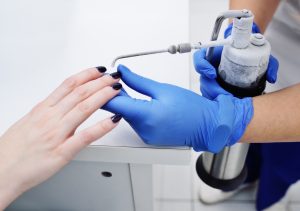
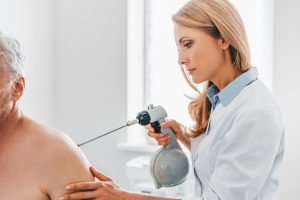
    We use liquid nitrogen to freeze off skin spots in a process known as cryotherapy. In liquid form, nitrogen gas is very cold, sitting at -200°C. Superficial skin cells like warts, moles and sunspots can be frozen off and destroyed without damaging nearby skin. 

    One of the major benefits of cryotherapy is that it seldom leaves scarring. We use liquid nitrogen every day at our clinic for a wide range of skin growths, as treatments are quick with minimal discomfort and easy healing. 

    It’s important to have an experienced dermatologist performing cryotherapy to ensure the end result is smooth, clear skin. 

    cryotherapy in melbourne

    What is liquid nitrogen used for? 

    A dermatologist uses liquid nitrogen treatments for skin growths and spots, including: 

    • Skin tags
    • Warts
    • Skin cancers (non-melanoma)
    • Skin growths
    • Precancerous growths like actinic keratosis
    • Molluscum contagiosum
    • Seborrhoeic keratoses
    • Moles
    • Sunspots

    Does cryotherapy hurt?

    Usually, cryotherapy will cause mild stinging during treatment as the growth or spot is frozen and then thaws. However, discomfort is mild and lasts about five minutes. Most patients find cryotherapy to be a quick, tolerable procedure. 

    What happens to the spot after treatment?

    Later in the day, 1-2 hours from treatment, the treatment site becomes a little swollen and red. At some stage, the treated growth will form a crust, scab or blister, which will fall off by itself over the coming two weeks, taking the growth with it. Then, finally, new, healthy skin emerges underneath the blister. 

    liquid nitrogen for skin tags

    How to prepare for cryotherapy

    There is no preparation for cryotherapy, except perhaps removing makeup, creams, rings, watches or powders from the treatment area. Then, your doctor will clean the area to sterilise the skin and prepare you for treatment. 

    How to support quick healing

    There are some tips on how to help your liquid-nitrogen treated area heal faster. It is advisable to allow the blistering, crusting and scabbing process to run its course, allowing the healthy skin underneath to form to avoid visible scarring. 

    Apply an ointment such as Vaseline twice per day, and cover with a Band-Aid if desired to protect the scab. In the event of bleeding, hold gauze or a tissue firmly onto the wound until bleeding stops. 

    Avoid putting anything onto the blister or scab as it heals, for example, rings or makeup, potions or lotions, but do feel free to apply the protective ointment as often as it needs it. 

    Don’t pop the blister that will form, as this could introduce infection and interrupt healing. Clear fluid may leak out of the blister, which can be absorbed using tissue. 

    Does cryotherapy leave a scar? 

    Liquid nitrogen treatments don’t typically leave a scar, but they may leave a mark of a different colour on the skin (usually whiter). This colour change usually resolves over time but in some cases persists. This colour change is not dangerous and doesn’t mean your growth will come back, but depending on the location, it may be undesirable. 

    This colour mismatch may be more pronounced for deeper treatments since more collagen is required to repair the patch. Cryotherapy may require greater consideration on darker skin tones, as it leaves this white mark that may not return to its normal skin tone even in time. 

    Sometimes spots may require a second treatment if the first didn’t quite do the trick. A second treatment is preferable to doing a deeper treatment initially since it significantly reduces the additional risks of scarring. 

    Freezing skin cancers and precancerous growths using liquid nitrogen

    At ENRICH Clinic in Melbourne, we often use cryotherapy on precancerous growths such as actinic keratoses, though less often for skin cancers. We may use cryotherapy to treat small squamous cell carcinoma in situ. 

    There are only certain circumstances where liquid nitrogen for skin cancer is appropriate, for example: 

    • In the first instance of skin cancer in that area
    • Where multiple skin cancers need treatment
    • The patient has a bleeding disorder whereby excision is inappropriate
    • Another procedure is unable to be considered for some reason

    In some cases, when liquid nitrogen is the treatment of choice in skin cancers, cancer returns after treatment. However, one study found that cryotherapy had a cure rate of 99 out of 100 people. 

    Suppose the growth requires a biopsy to test for cancers. In that case, it is not appropriate to remove it using cryotherapy as this method will destroy the growth, removing the possibility of testing it. Instead, excision is more beneficial for biopsy. 

    Freezing off moles using liquid nitrogen

    Some moles can be frozen off using liquid nitrogen, but it will depend on how deep the roots or blood supply of the mole are. It might be more effective to cut the mole out to prevent it from growing back. 

    The process is the same for other skin growths like moles, and we can safely and effectively remove many types of pigmentation using cryotherapy. 

    Other options for removing spots at the dermatologist

    At ENRICH Clinic, we have many methods for removing spots, depending on the nature and location. We work with patients experiencing pigmentation issues such as sunspots, moles and freckles, clearing or fading spots with lasers, excision, freezing or burning, as per the spot’s requirements. 

    We have some of the best specialist dermatologists in Australia who can clear your skin effectively.

    Book a consultation to see how we can help you with your skin concerns. 

    ENRICH Clinic

  • Best cosmetic skin solutions for your 20s

    Best cosmetic skin solutions for your 20s

    Your skin changes across a lifetime, therefore what’s best for beautifying in your 20s is different to your 30s and beyond. 

    We split the decades of our lives up into blocks of life stages, which also applies generally to our skin. Young skin is flexible, plump, strong and supple, so it doesn’t require anti-wrinkle treatments, with more pressing concerns being skin clarity and antiageing preventative measures. 

    It’s now fairly standard for people in their 20s to start their antiageing preventatives (anti-wrinkle injections and other procedures). There are important timing factors to consider to make the most of the elements in which your skin is already overachieving and provide support as needed. 

    skin care for men in their 20s

    Skipping the collagen boosters in favour of clarifying

    Why bother stimulating collagen and elastin when your skin is already making this in abundance? Instead, focus on keeping skin clear, fresh and making the changes you’d like to see in structure, for example, evening out a bumpy nose or uneven chin or jaw.

    Collagen boosting is often required as you move into your 30’s and 40’s, certainly not in your 20’s. The most important thing at this age is to look after your skin – cleansing,  clarifying and using factor 50 sunscreen every day. These things are the keys to good skin health for the future. 

    skin care routines for women in their 20s

    Focus on the basics you can control

    While everyone’s biology is unique, certain lifestyle elements can impact the skin, sometimes significantly. For example, one major factor we might not consider in our 20s is access to funds for basic things like healthy food and a good moisturiser. 

    Instead, our 20s tend to be a time for low-budget fun and prioritising spending on enjoyment and essentials, making do with what you have in other areas of life. 

    When it comes to health in our 20s, we might hyperfocus on certain areas, such as our weight. As a result, we may fail to recognise clues our body is giving us about what’s happening inside until it affects how we look outside.

    After living with family then moving out into a sharehouse, many people will develop niggling health concerns, including skin problems, that are simply a result of not eating properly, partying and stress.

    The first signs of not taking proper care of ourselves could be breakouts, dull skin, bags under our eyes and the development of dryness, blotches, redness, and other minor skin irritations. Enter stage left, scouring the internet for home remedies and fighting skin spot fires, when the problem all along was coming from the inside, not the outside. 

    Thus, the first step to keeping your skin healthy in your 20s is putting some effort into understanding how to eat well and get all your nutrients, even on a tight budget. If you’re not getting your nutrients, your skin will show it. There are plenty of apps to help you work out where you’re getting plenty of nutrients and where you’re missing out. Use them to your advantage. 

    If you have underlying health conditions such as polycystic ovarian syndrome (PCOS) or metabolic disorders, taking care of your diet becomes even more important. 

    skin care in your 20s

    Spending money in all the right places

    Choosing where to put your funds, which may not yet be in great abundance, can be a tricky process. Cosmetic treatments do not come cheap, so working out how to get the most bang for your buck is a worthwhile time spent. 

    One of the best ways to set yourself up is to have a skin consultation and discuss your health history, your expectations and your budget. They can advise which treatment strategies might best serve you for the coming year or so. If, for example, you have an underlying health condition that is thwarting your skin efforts, you can get the medical help that you need for management, often with some rebate from Medicare. 

    A proper skin treatment plan will help you focus on the elements that will make the most difference and avoid wasting time and money on treatments that are simply not appropriate for your body or skin. 

    Set yourself up with a solid skincare routine for your 20s

    Use good-quality products on your skin, and you’ll reap the rewards by having healthier skin. Have great skin habits, for example, cleanse and moisturise morning and night, don’t wear make-up to bed, change your pillowcase regularly, and see a doctor for any skin problems when they first appear, rather than waiting until they get worse. 

    Investing in facial structure

    If you are looking to augment certain features of your face, such as the nose, eyelids, jawline, cheeks or chin, your 20s is a great time to dive in and see how you like it. Dermal filler treatments are temporary and last several months (e.g. lips) to 18 months (e.g. nose). Some other treatments result in permanent changes, such as double chin liposuction or eyelid surgery. 

    Treatments include: 

    • Non-surgical nose job (rhinoplasty) using dermal filler
    • Lip filler to enhance thin or uneven lips
    • Jawline enhancement filler
    • Cheek filler
    • Chin injections to modify contours or reduce muscle contractions and dimples (‘witchy chin’)
    • Double chin liposuction 

    Dermatologist-recommended skincare treatments for your 20s

    • China Doll carbon facial – clarifying treatment with a little smokey excitement
    • Skin needling for acne scars – great skin refresher, fantastic for acne scars (with several treatments)
    • Chemical peels – skin refresher, remove topmost dry skin cells
    • Laser facials – clear off dry skin cells, clarify the complexion

    Skincare for your 20s in Melbourne

    If you’re feeling confused about the most useful treatments for you, we’ve mapped out five of our favourite beginner treatments

    Feel free to book in with one of our expert practitioners at ENRICH Clinic in Melbourne to talk over your skin concerns. We will develop a personalised recommendation and treatment plan to keep your skin looking great into the future. 

    ENRICH Clinic

  • Looking after your skin after lockdown

    Looking after your skin after lockdown

    Not being able to keep the same level of care for your skin as before, extended lockdowns may have left your skin a little dull. Getting back into the swing of things with some gentler treatments may be in order, though for some of you, the decision to undergo a deeper treatment may have finally been made. 

    No matter where you’re at, we’re here to propel your skincare into 2022. We’ve got a full suite of treatments available, from facial rejuvenation to deep facial resurfacing. In addition, to make the most of those post-lockdown curves, we have a range of body treatments, such as cellulite and skin tightening treatments and body contouring. 

    If you need to start slow…

    It might be tempting to dive into treatments now that you’re allowed out of the house, but starting slow and building back up to your pre-lockdown skin condition might be in order. On the other hand, if you haven’t done any treatments, you might want to go easy and get some advice on preparing your skin for re-entry. 

    If you’re keen to get started, a gentle step back into your skincare regimen could be a skin peel to build up your skin condition and strength. Mild peels that get progressively stronger at each appointment can be a good way to build skin resilience and refresh your complexion. 

    You might just want to get a quick laser treatment to remove those dull, dry skin cells or luxuriate with a deeply moisturising hydrotherapy facial to plump the skin for that dewy look.

    If you’ve been missing out on injectables, we’re fully stocked and can’t wait to see you again! 

    There are plenty of low-stakes, high-reward treatments we can recommend if you’re not sure which would suit your skin best or you’re just starting on your skincare journey. Get in touch with our clinic, check out our treatment options on our website and see what works for you!  

    skin health clinic melbourne

    If you want to go big…

    There is nothing like spending your days on Zoom looking at yourself to catalyse booking a more significant treatment to kick off your new normal. 

    If you’ve been considering a more extensive treatment for a while, such as skin resurfacing or liposuction, and you’re ready to dive in, this could be the time for more intensive downtime treatments. 

    skin health science

    Back out in the world!

    As we all get used to having face-to-face conversations with real people and try to remember how to engage in small talk properly, how we look may seem more important than it has been for a while. 

    When you’ve spent the past two years in tracksuit pants, working out what to wear and how to put on your game face for the world can feel confusing. 

    How to make the transition easier? Do something just for yourself! 

    Having a facial is a lovely way to ready yourself to face going back to the office, seeing friends who live more than 5km away, and meeting new people.  Choosing things you can control that make you feel good on the outside can help smooth difficult transitions going on inside. 

    Renewing commitment to your skincare regimen

    Having the same skincare regimen, you had two years ago may not be the best fit for your skin anymore. We are, after all, two years older, and a lot has happened. That two years may have coincided with important body changes such as having a baby, undergoing medical treatment, or heading into menopause. 

    We suggest booking in with us for a full skin assessment, where we’ll check in regarding other elements of your health and your skin or body goals. We use the latest in skin science to assess and treat your skin. We aim to get your skin in great condition. 

    skin health regimen post lockdown

    Your skin health clinic in Melbourne

    We have the technology at ENRICH Clinic, a Melbourne skin clinic with specialist dermatologists, aesthetic doctors  & nursing staff. Our specialist doctors perform cosmetic procedures to effectively treat wrinkles, fine lines, pigmentation, skin cancer, and hair and nail concerns. We also perform procedures such as liposuction. 

    We perform anti-wrinkle injections, dermal filler, non-surgical rhinoplasty, body shaping, cellulite treatments and have a full suite of laser, radiofrequency, plasma and ultrasonic devices. Whatever your pick-me-up pleasure, we’ve have your covered, 

    We can guide you with a personalised skincare regimen with high-quality products to nourish and protect your skin. 

    Deciding on the next best step

    The best person to help you with an ongoing skin care regimen is your dermatologist, so book in for an appointment, and we’ll make an ongoing treatment plan that will take you into 2022 and beyond. 

    ENRICH Clinic

  • The danger of homemade sunscreens

    The danger of homemade sunscreens

    There are so many reasons making your own products at home is a great idea, but when it comes to sunscreen, the jury is out: don’t do it!

    There are concerns with some ingredients in commercial sunscreens; some of the cheaper sunscreens contain controversial components. Not all sunscreens are created equal, some ingredients are worse than others, but homemade sunscreen is worse than them all. Why? Because research shows that these DIY sunscreens simply aren’t up to a  sunscreens main job: UV protection. 

    Who is offering you the recipe for natural sunscreen?

    DIY sunscreen recipes from beauty or wellness bloggers on Instagram or Pinterest do not take into account the molecular complexity of sun protection factors in commercial sunscreens, which require stringent testing before going to market – by law. These laws exist because so many sunscreens historically came up short, simply not offering adequate sun protection and indeed not the protection claimed on the labels. 

    Your favourite influencer on Insta might have a lovely colour palette and good lighting, but that does not a sunscreen expert make. 

    It is true that this level of expertise doesn’t matter anywhere near as much when you’re making natural soap and moisturisers, but remember, humans have been perfecting soap and moisturiser recipes since the ancient times. 

    Sunscreen, however, has a less soft and silky history, with the original sun protection being mud, a hat, or a good old fashioned shady tree. Sunscreen is a very recent invention and, compared with moisturiser or soap, pretty complex. Additionally, the ozone layer is as thin as it’s ever been; in the past, we just didn’t get as sunburnt, and certainly not as quickly as we do now. Therefore, we need high-quality lab-tested sunscreen products more than ever.sunscreen

    Ingredients for homemade sunscreen

    The ingredients used in DIY sunscreen vary but typically include essential oils (like lavender and raspberry), coconut oil, shea butter and sometimes – but not nearly enough – zinc oxide. Zinc oxide is used in sunscreens and is a known and trusted UV blocker, but only found it in about a third of natural sunscreen recipes in an analysis. Add to the fact that pure oils on your skin can effectively burn your skin, not moisturise. 

    Understanding SPF in DIY sunscreen

    Sun Protection Factors (SPF) is the rating system for sunscreens, with some ratings on essential oil SPF charts based on some rickety assumptions often not based in science. For example, some claim the SPF ratings of raspberry-seed oil is 50 when in reality, it is more like SPF 1-3 (almost useless against the sun). Another common oil touted as having an SPF of 40 is carrot-seed oil, which again, in reality, has negligible SPF. 

    The science into plant oil SPF is clear. Plant oils used in homemade sunscreens make ineffective sunscreen (but otherwise lovely moisturiser recipes).

    How homemade sunscreen stacks up in a direct comparison

    Researchers analysed 15 sunscreen recipes found online to assess their photoprotective effectiveness. Researchers made the products in the lab following the instructions posted online, as per each recipe. 

    Specific indicators determined the efficacy of each of the preparations: the SPF, the Protection Factor in the UVA domain (PF-UVA) and the critical wavelength. 

    Results of the homemade sunscreen study

    • Three of the 15 recipes do not contain any sunscreening abilities at all
    • The other 12 sunscreens cannot be considered as sun protection because they all had a real-life SPF under 6 – the European threshold for sunscreens

    Sunscreen formulation expert, Saul Pyle, did experiments using a DIY zinc oxide-based sunscreen recipe. The final product was measured with a spectrophotometer (a special sunscreen testing device) to establish how much UV the sunscreen absorbed at different wavelengths. The natural sunscreen was then compared to commercially available SPF50+ sunscreen with identical amounts of zinc oxide (typically about 26 per cent). 

    The homemade sunscreen had about half the UV absorbance of the commercial sunscreen. While this might not seem like a huge deal, the SPF factor and amount of zinc oxide don’t necessarily correlate in an orderly fashion, as you might expect: equal zinc levels do not mean similar protection factors. In this case, the DIY sunscreen had a very low SPF of about 5, even though the zinc levels were the same in both products. 

    Amanda Foxon-Hill, a cosmetic chemist, working to develop effective natural sunscreen for many years, scientifically tests for SPF. Unfortunately, despite her best efforts and the high-tech gear, her sunscreens were not rating as she would have expected based on their ingredients. Foxon-Hill eventually found success in her formulations, but every time a component is changed (for example, she adds a new fragrance or preservative), the SPF is negatively affected, and a reformulation is required. 

    Sensitive skin, allergies and taking care of our environment

    Many of us are concerned about the impact of the products we consume, whether that’s due to sensitive skin, allergies in kids, or reducing plastic waste. Our reasons are all valid and important. 

    Due to consumer demand, high SPF, lab-tested natural sunscreen products are appearing on our shelves, albeit a little slowly. Keep an eye on your favourite sunscreen brands.

    Unfortunately, DIY sunscreen is currently not a safe avenue for skin and increases the risk of skin cancers and premature ageing. 

    Remember, a good sunscreen is the best anti-ageing treatment you can have. 

    If you’re not sure what products are safe for skin, talk to us at ENRICH Clinic in Melbourne, and we’ll point you in the right direction. If you’re concerned about skin cancers or sun damage, come in and see us for a skin cancer check and skin assessment. We can help. 

    We love skin and are sun damage and skin cancer experts – make a booking today

    ENRICH Clinic

  • Skincare tips for men

    Skincare tips for men

    There are some key differences in skin between the sexes that need to be taken into account when developing a skincare regime; for example, men’s skin tends to be thicker than women’s. Many men prefer a hands-off, minimalist approach to skincare, so a regime simple works well. 

    When developing a skincare regime, we need a few fundamentals under our belt to inform choices. The goals of any skincare regime are to keep skin clean and supple, free from blemishes and breakouts. 

    Step 1: Identify your skin type

    To figure out what products will suit your skin, you need first to establish your skin type:

    1. Sensitive
      Sensitive skin might burn or sting readily, redden or blotch easily, and may react badly to products.
    2. Normal
      Normal skin is not overly sensitive and is clear from obvious problems like pimples or dryness.
    3. Dry
      Dry means flaking, itching or rough skin, where you can either see or feel the skin’s surface is not hydrated or suffering oiliness. 
    4. Oily
      Oily skin is greasy and shiny, with some areas usually worse than others, such as the forehead or around the nostrils. 
    5. Combination
      Combination skin is dry in some areas while oily in others. 

    Once you’ve worked out which skin type you are, we can move onto the next step. 

    Step 2: Choosing products

    Start reading labels to see which skincare products will best suit you based on your skin type. For example, don’t buy something for acne if you don’t have acne, as it will likely be quite drying. Conversely, if you have acne-prone skin, don’t buy products for dry skin, as they’ll probably add to your oil load. If in doubt, go normal. 

    Step 3: The regime

    Washing your face

    Wash your face every day before bed, after exercise, sweating or using sunscreen. You can use a dedicated cleanser, which should be mild. Your oily barrier keeps your skin safe from the outside world, and stripping this is not the goal. You want to cleanse your pores of the buildup from the day, including exhaust fumes, dust and other microscopic ‘bitties’ that float onto your skin and sit there until you wash them off. 

    If you like using a washcloth, feel free, but make sure it’s very soft. Crunchy facecloths can provide some exfoliation but are likely to rough up your face too much. Soft and smooth wins this race. 

    When washing your face, use lukewarm water, not hot water and not cold water. Hot water will cause your natural oils to become very liquid, and they’ll wash off, while cold water will snap your pores shut, and with that, the grime. 

    Regular soap will strip your skin, which is what happens when you feel ‘squeaky clean’. Avoid being that clean even if you’re used to it, and it feels good. Readjust your parameters of feeling clean since a good cleanser will leave your skin feeling lovely. 

    Check your shaving technique

    Some multi-blade razors can strip the top layer of skin off, leaving you with no oily barrier and exposed skin. Razor bumps, burns and ingrown hairs can all be signs that your shave is just a little too close for comfort. Opt for a single or double razor blade instead while avoiding pulling the skin tight to shave. 

    Wet the skin and hair to soften before shaving, shave in the direction of hair growth, and use moisturising shaving cream. Rinse the blade after every swipe with the razor and keep your blades sharp/change out every 5-7 shaves, so you need less pressure for the same close shave. 

    Moisturise! 

    Moisturising after cleansing is essential to keep moisture trapped close to the skin. When you cleanse your skin, a lot of the oily barrier will be lost (but with a good cleanser, not all), but it’s important to follow this up with a good moisturiser to seal the deal. 

    Apply moisturiser while the skin is still a little damp. Buff the face gently with a towel to remove most of the water, and immediately apply moisturiser for best results. Moisturised skin looks brighter and healthier than dull, dry skin. Plus, dry skin feels bad to the touch – rough and flaky. If your skin feels rough or dry during the day, moisturise more often. 

    Wear sunscreen, but not just any sunscreen

    Protecting your skin from the sun, especially the face, is vital for retaining healthy and more youthful-looking skin as you age. Sunscreen prevents the DNA damage caused by UV rays, helping stave off wrinkles, fine lines, freckles and sunspots. 

    The sunscreen you choose is important since we now know that many sunscreens are endocrine disruptors, affecting fertility. Avoid chemical sunscreens, and opt for zinc-based products that are not absorbed but sit on top of the skin and reflect light, heat and UV rays. Do your homework here.

    Additionally, ensure you don’t altogether avoid all sun on your body since we develop vitamin D as the UV rays cause a chemical reaction in our skin. Sunscreen blocks this process, so people who get no UV ray-skin action can be vitamin D deficient. 

    Vitamin D is critical for our immune system and bones, so get your levels checked at your annual checkup and supplement as advised. 

    Additionally, if you’re swimming or doing water sports, help keep those chemicals out of our waterways by opting for frog-friendly sunscreens. 

    See your dermatologist for anti-ageing

    At ENRICH Clinic in Melbourne, our focus is on ensuring you have beautiful, healthy skin. We’re also cosmetic dermatologists who can work with you to achieve your anti-ageing skin goals. That might be reducing a double chin, softening some wrinkles or getting a skin lift. No matter your anti-ageing goals, we’ve got you covered. 

    If you’re not sure what is best for your skin or have skin issues and want support, get in touch. We can help!

    ENRICH Clinic

  • Acne treatment Melbourne – acne scarring at ENRICH Clinic

    Acne treatment Melbourne – acne scarring at ENRICH Clinic

    acne treatment melbourne

    Acne is an inflammatory skin condition resulting in whiteheads, blackheads & pimples appearing predominantly on the face, forehead, chest, upper back & shoulders.

    Dr Michael Rich leads a team of experienced cosmetic doctors & dermatologists in Melbourne, highly trained in advanced lasers & treatments for acne and acne scarring. If acne or acne scarring is an issue for you, contact us to arrange a consultation. 

    Types of Acne Scars

    • Rolling scars – broad, sloped-edge depressions in the skin
    • Ice-pick scarring – pitted, deep, thin slit-like scars
    • Box-car scars – defined-edge depressions
    • Atrophic scarring – thin, flat scars
    • Keloid (hypertrophic) scars – thick, lumpy scarring

    Treatments for acne scarring – Acne treatment Melbourne

    ENRICH Clinic is home to several effective laser treatments for acne scarring. Radio frequency devices & lasers can be used to target skin cells at a deeper level, working to strengthen and support skin cells & structure. This reduces the appearance of scars and marks that acne can cause.

    Radio frequency treatments have the added benefit of killing bacteria and improving overall skin tone & texture. Laser treatments work by either stimulating collagen producing cells & collagen or ablating the skin surrounding the scar, evening out the surface of the skin.

    Other effective and minimally invasive treatments include:

    Deep acne scars

    Of course, there are some very extreme cases of deep acne scarring and they will be too deep for ablative laser treatments to work alone. A combination of medicated creams, medication, lasers, light treatments & lasers and of course time may be the best route to clear, smooth skin. 

    Contact us to secure an appointment for acne scarring consult or treatment at ENRICH Clinic

  • Why two skin treatments can offer 3X the result

    Why two skin treatments can offer 3X the result

    Combining skin treatments may seem like double the effort, but it could offer triple the benefit. There is no single ‘best’ treatment when it comes to your skin. Often a few excellent procedures combine that offer, together, even better results than you’d see with just one treatment alone.

    If you are concerned about signs of ageing (wrinkles, blemishes, brown spots or sallow cheeks), you aren’t going to find one single best treatment. A laser may work well on your skin tone, while an anti-wrinkle injection may be useful to stave off a deep wrinkle.

    Age and sunspots are treated with a laser, chemical peel or another light-based treatment, while sallow cheeks can also be treated with hydration increasing treatments.

    Finding treatments that complement one another is key to getting the 1 + 1 = 3 effect. We love combining treatments because the results can often be three times more effective!

    Ageing is a complicated process

    There is no one-size-fits-all when it comes to how your face is going to age or what concerns you the most. There is an intricate pattern of wrinkles, some that stay static (like a frown line) and those that appear on flatter surfaces of the skin (think forehead and cheeks).

    We lose facial volume, which in turn results in new folds and contours appearing over time. Blood vessels can also become more prominent.

    The multifaceted process of ageing, therefore, is best served with a combination cosmetic approach.

    Treatments that work well in combination

    Needling, lasers, intense pulsed light (IPL), microdermabrasion, chemical peels, hydration treatments and high-quality skincare products can all be used together in various combinations for positve cosmetic outcomes.

    We use these combos a lot at ENRICH Clinic, where Dr Michael Rich is a great proponent of the multi-treatment approach. The treatments can often be performed in one appointment but may be scheduled over several appointments where necessary.

    Classic treatment combos

    • Laser and radiofrequency
    • Hydration and wrinkle reducing treatments
    • Acne medication and topical acne or acne scarring treatments
    • Skin needling (The Secret) and chemical peels
    • Peels & Diodes
    • Ultraformer (HIFU) and lasers

    What is the best cosmetic treatment combination?

    The best cosmetic treatment combination for you depends on your skin concerns. Talk to your cosmetic dermatologist or doctor to see what their thoughts are. Consultations are the key as well as developing a long-term plan for your skin health, and also handy for budgeting!  Combination treatments can be different for everyone and depends on ou skin type, age, diet, gender and genetics.

    A break between treatments may be necessary, so your skin can do its thing

    Some procedures are, by necessity, performed away from others. For example, a robust collagen-boosting treatment requires at least a month, if not more, to reach its maximum potential. There’s not much point in doing more collagen-boosting treatments over the top. Your skin is already maxing itself out. However, this doesn’t mean you can’t do wrinkle-reducing treatment or even a pampering, ultra-hydrating facial.

    Other treatments require a break due to the way they function in the skin. For example, certain needle-based treatments need time to settle before other skin treatments go over the top. This timing is in place because the liquid can migrate, or the skin has been pierced so you have to be careful of infection for at least 24 hours — also, no facial massage after any kind of needling.

    Swelling from some treatments may impede the effect of others, so a break for healing may be useful for the best outcomes for some combined treatments. You don’t have to have them done in the same appointment for the combination treatment effect to come into play.

    Using lasers and other wave-based treatments in combination

    Some cosmetic devices are designed to penetrate more deeply than others, which is why we may utilise the powers of two or more wave-based devices as a combination treatment.

    One such combination may be a radiofrequency device, which penetrates deeper layers, with a laser that works on the skin’s surface. This way, skin gets a deep treatment that stimulates, tightens and strengthens as well as undergoes a smoothing, brightening, resurfacing treatment. Here’s a paper on a study that reviewed how certain combination treatments can be effective.

    Your cosmetic doctor knows the best combination of treatments. 

    If you’re not sure what you need, don’t worry! We do. Come in for a consultation, and we’ll help you figure out the best course of action for your skin.


    Let us get the most out of your skin.
    Contact us for an appointment

    ENRICH Clinic

  • How to reverse sun damage on the face

    How to reverse sun damage on the face

    The jury is out on whether you can reverse all sun damage on the face with cosmetic treatments, but we have a few tricks up our sleeve for just that. At ENRICH Clinic, we have a set of pretty great tools in our arsenal, some which can remove sun-damaged skin cells.

    Before we get into reversing sun damage, we need to be on the same page with just what sun-damaged skin is.

    What is sun-damaged skin?

    When you expose your skin to the sun, ultraviolet (UV) rays penetrate your skin, entering the cells and send signals to your skin cells. Not all UV rays are damaging – just UVB rays.

    In response to this damaging influx of UVB energy, specialized skin cells called melanocytes produce a pigment, melanin. Melanin is the dark skin pigment that makes darker skin tones and in lighter skin tones, causes a tan to develop. Melanin is responsible for freckles and moles – and melanoma.

    The little skin cell that got a tan…

    Melanin production occurs when the DNA in a skin cell is damaged. The DNA damage is the SOS of a skin cell to the melanocytes: “Produce more pigment!” they cry, “More! More! We’re dying here!”

    The skin cell lays gasping while the melanocytes get to work, trying to prevent further damage by building a physical barrier of pigment in the skin cells. This pigment helps protect against future sun, but the damage to the DNA in the cell has occurred. That’s how the melanocyte knew what to do in the first place.

    A tan is never a healthy sign for your skin cells – it’s a cry for help. It just means you’ve been out in the sun (which may seem like you’ve been on a relaxing tropical holiday, hence the association with relaxation and health).

    Is darker skin protective, or does it mean I’ve got damaged skin cells?

    In darker skin tones, there is already a base layer of melanin present from birth that protects the cells from increased UVB damage. Darker skin tones still have a skin cancer risk and in some cases, a higher risk of certain types of melanoma.

    Darker skin does not exempt you from skin damage from UVB rays (though darker skin types don’t get as much skin cancer as lighter skin tones, plus darker skin ages better regardless of sun exposure).

    You still have to wear sunscreen!reverse sun damage with cosmetic procedures

    Sun-damaged skin makes you wrinkly faster

    The more sun you are exposed to, the worse the damage. Excessive UV exposure may result in the production of certain enzymes in the skin that breaks down collagen and elastin fibres. These fibres are the strength and structure of your skin and are the only things holding you up. Without collagen and elastin, your thinning skin starts to sag and wrinkle.

    Another problematic occurrence is the increase in a specific growth factor that increases the proliferation of blood vessels, resulting in very sun-damaged skin appearing with a map of veins across it.

    Sun-damaged skin can look fine from the outside, but once you put it under a Woods lamp, all the sun damage appears. This damage will keep appearing as the years wear on, as pigmentation spots, wrinkles and sagging.

    The big sun that got a bad reputation

    We shouldn’t completely hide from the sun. We need sunshine to cause the chemical reaction in our skin that results in vitamin D production. Vitamin D is essential for our immune system and bones, and we should remember this in our attempts to cover up and block the sun’s rays.

    If you don’t get any sun or are always fully protected, consider getting tested regularly for vitamin D levels and using a supplement. Speak to your healthcare provider.

    Reversing sun damage in the skin

    ‘Reversing’ may not be the best term here, since that’s not necessarily the process that occurs in the skin when we treat sun damage. Sun damage may have gone deep.

    When we treat sun-damaged skin, we are usually removing the damaged or pigmented skin cells and promoting the function of the skin. These advanced skin treatments are done at the clinic only, so do require appointments and in some cases, an outlay of money and recovery time.

    However, we can remove much of the sun damage from your face in our clinic, sometimes in just one treatment.

    Can skin cells repair DNA damage?sunscreen to protect skin

    Other animal species can repair DNA damage, but humans, not really. Non-mammals have a photolyase enzyme that can remove damaged lesions; however, mammals don’t have this marvellous piece of kit.

    The only protection we have from DNA damage to skin cells is to avoid direct UV rays without sunscreen or protective clothing. Wearing sunscreen is the only protection we have from damaging UV rays.

    You do have some internal mechanisms to help, which is where antioxidants come in. Research shows that UV exposure is a significant trigger for the release of damaging free radicals. Eating a diet rich in antioxidants can help mitigate some of the damage. Antioxidants can help pick up some of those stray free radicals floating around, taking them out of circulation so they can’t keep doing damage.

    That means a diet rich in high-antioxidant fresh fruit and vegetables.

    Methods we use to reverse or remove sun-damaged skin

    • Chemical peels
    • Microdermabrasion
    • Laser skin resurfacing
    • Laser skin treatments
    • Topical treatments

    How chemical peels remove sun damage on the face

    Chemical peels are a type of skin resurfacing using various ingredients to dissolve the outermost layers of skin. The depth of the peel depends on the ingredients used.

    Benefits of chemical peels

    • May remove sun-damaged and pigmented superficial skin cells
    • Freshens complexion
    • Improves texture and tone
    • Can mitigate blemishes and redness
    • Stimulates collagen production
    • Deep clean skin – removes whiteheads and blackheads
    • Helps control oil production
    • Tends to be low or no downtime
    • One or more treatments
    • Peels are very affordable

    How microdermabrasion removes sun damage on the face

    Microdermabrasion is the gentle process of removing the topmost skin cells, revealing fresh new skin underneath. At ENRICH Clinic, we prefer to use the erbium laser for microdermabrasion as results are far superior to other abrasive dermabrasions on the market.

    Benefits of microdermabrasion

    • Helps remove damaged superficial skin cells
    • Refreshes complexion
    • Evens skin tone
    • Improves skin texture
    • Reduces the appearance of large pores
    • Smooths blemishes, pigmentation and redness
    • Stimulates collagen production to help firm skin
    • Clears breakouts
    • Helps control oil production
    • Low or no downtime
    • One treatment is excellent, but regular treatments improve results
    • Microdermabrasion is gentle on skin

    How laser skin resurfacing removes sun damage on the face

    Using the laser to resurface skin is much like microdermabrasion, but much more in-depth. This type of treatment can come with some dramatic results, but also some downtime. Where microdermabrasion can be a lunchtime no-downtime treatment, laser resurfacing requires some home time.

    Benefits of laser skin resurfacing

    • Dramatic results
    • Removes significant amounts of sun-damaged skin
    • Improves the appearance of fine lines and wrinkles
    • Can soften deep grooves
    • Completely resurfaces the skin to a deep level
    • How laser skin treatments remove sun damage on the face

    We also have laser skin treatments that target specific issues on the skin surface caused by sun damage such as pigmentation. Lasers can focus on any one particular skin problem with ease, allowing us to target the results of sun damage, rather than a full resurfacing treatment. Spots on the face, hands and chest are easy and painless to remove in the clinic.

    Laser skin treatments work well with other treatments such as anti-wrinkle injections and dermal fillers.

    Benefits of laser skin treatments

    • Remove or reduce the prominence of single spots quickly
    • No need for full laser resurfacing treatments
    • Work on individual areas or full face and neck
    • Efficiently treat the skin on the backs of the hands
    • Reduce the appearance of fine lines and wrinkles
    • Stimulate collagen for overall firming (where required)

    How topical treatments remove sun damage on the face

    There are a handful of excellent high-strength topical treatments for sun-damaged skin only available through your clinic and cosmetic doctor. You require a prescription for these products, and therefore, a consultation will be required.

    Benefits of topical treatments

    • Reduce the appearance of fine lines and wrinkles
    • Improve skin texture and tone
    • Rejuvenate skin cells
    • Strengthen skin
    • Helps prevents degradation of collagen
    • Improves skin barrier and skin thickness

    Interested in the process of skin ageing and what science is doing about it? Read this scientific paper, Fighting Against Skin Ageing.

    We are cosmetic skin experts!
    Contact us for a consultation on your skin

    ENRICH Clinic

  • How to choose the right cosmetic treatment and practitioner

    How to choose the right cosmetic treatment and practitioner

    Choosing the right cosmetic treatment, doctor & practitioner can be challenging. We’re faced with a vast array of treatments, renowned practitioners and clinics, but the white noise of marketing hype can be confusing.

    If you’re new to cosmetic treatments, accurately comparing products and services and figuring out how to choose a cosmetic practitioner can be challenging to do well. We understand there’s a lot to consider, so we’ve taken some time with tips to help you choose the right cosmetic treatments, practitioners and clinics.

    Think practitioner, not products

    Dermal treatment at a cosmetic clinic like ENRICH Clinic are products approved for use in Australia and can only be prescribed by a doctor. These products are standardised and effective, allowing you to turn your attention to your practitioner and the application of the treatment rather than the treatment itself.

    Cosmetic treatments are a mixture of art and science – the right tools in experienced hands get the  results you require. The right tools in the wrong hands can mean at best a mediocre job, at worst, a short or long-term disaster for your skin.

    Every doctor at ENRICH is an experienced cosmetic doctor, and our specialist dermatologists are skin experts and they all take pride in guiding patients towards good skin health.

    Choosing a cosmetic practitioner

    Selecting a cosmetic practitioner can be a rather big undertaking. Often we want a cosmetic practitioner based on personal referrals: if someone we know had a great experience and got the results they were after with a particular practitioner, we are likely to choose that practitioner.

    If you don’t have any first-hand recommendations, the first step in choosing a cosmetic surgeon is to find a list of practitioners who are well-versed in the procedure you want to perform.

    Examining a cosmetic practitioner’s reputation and treatment preferences is next. You want to choose a cosmetic practitioner that has not only a good reputation, but that also seems to suit your style. Each cosmetic practitioner has their preferences in terms of the tools and techniques they use. For example, a liposuction practitioner who has experienced the tumescent technique that Dr Michael Rich at ENRICH uses may have consistently smoother results than a practitioner who uses,  in Dr Rich’s opinion, often riskier, laser-enhanced liposuction.

    It may seem like an added expense, but a few personal consultations with potential plastic or cosmetic practitioners are essential. Trusting the person and the process tends to result in you feeling happier with the results, and that’s the ultimate goal of all of this.

    At ENRICH, we have a range of talented, skilled doctors, cosmetic practitioners and specialist dermatologists, each with specific areas of interest.

    Our practitioners love what they do. Our doctors & dermatologists are passionate, dedicated professionals who want nothing more than for you to have healthy skin.

    Only ENRICH doctors administer injectables

    Dermal treatments or wrinkle reducing treatments are specific and intricate tasks that only our cosmetic doctors can perform. You are treating the skin on your face – so you will want only a qualified, experienced cosmetic doctor to do that work. Things can go wrong, and having a medical professional who knows how to contain any issue or to avoid that issue in the first place is important.

    Think past your cosmetic treatments to patient care

    Having a highly skilled cosmetic practitioner is essential not just for aesthetic results but for the relationships you build. People tend to prefer to use a clinic or practitioner that they trust, and that takes time to develop. We aim for great relationships with our patients straight off the bat.

    This relationship is like any: you get more comfortable with your practitioners, can ask better questions, and gain more trust in the advice you are given. These elements lead to positive treatment outcomes.

    Knowing that your clinic has the highest standards is reassuring, especially when you put your body and face in the hands of strangers.

    Choosing the right cosmetic treatment

    There is no doubt: cosmetic treatments cost a lot, especially when you’re in the clinic every few months getting top-ups and repeat treatments or saving up for a significant procedure like liposuction.

    Finding a price for your cosmetic treatment that suits your budget is, therefore, a canny financial move. Well, maybe not. While this might be true of many other industries, there is no such thing in cosmetic treatments as an ‘amazing deal’.

    The products, equipment and people required to provide you with quality cosmetic treatments all cost money, so any clinic promising you cheap cosmetic procedures is skimping somewhere along the line, but where?

    At a clinic like ENRICH, we encourage our patients to work with a treatment plan so we can tailor the patient’s needs, and work through the timing of a plan’s journey.

    Saving money is great, but often the cheapest can be fraught with issues.  Trusting in the people who will be doing cosmetic treatments on your face and body is key to an outcome you will be happy with.  Be cautious and do your homework when choosing the right cosmetic treatment & practitioner for your body and budget.  Invest in quality treatment from a quality clinic.

    men's cosmetic treatments

    Knowing what to expect from your cosmetic treatments

    Cosmetic treatments can be scary if you’re new to them. Will it hurt? Will you be able to go out in public? How much does it cost? There are lots of questions. We make sure you are prepared for each treatment so there are no surprises.

    Managing your expectations is vital to us. Cosmetic treatments are not magic.  Cosmetic treatments all have areas in which they excel, but also have certain limitations. Understanding where the edges lie means you have realistic expectations going in.

    You’ll be provided with plenty of information on what to expect and how to care for yourself at home after a procedure. You can also call our nurse anytime if required.

    We want you to feel as comfortable as possible, knowing you are in capable hands.

    The ENRICH Clinic difference

    We are very proud of our clinic here in Armadale. Our support staff, nurses, doctors, cosmetic practitioners, and dermatologists are all experienced in skin health and cosmetic procedures. We continually update our training and knowledge base so we can give our patients the best of our skills at all times.

    ENRICH clinic was founded by Dr Michael Rich, a specialist dermatologist with an interest in liposuction. The clinic has been operating for decades, and we pride ourselves on having practitioners who have been with ENRICH for a long time. This is the ENRICH Clinic difference – we are all invested in your results!

    We are skin health practitioners.
    Contact our friendly staff for an appointment.

  • What does a dermatologist do?

    What does a dermatologist do?

    We define a dermatologist is an expert medical professional who works to diagnose, treat and prevent skin, hair and nail conditions. A cosmetic dermatologist specialises in the aesthetics of the skin, and may work on anti-ageing and beautifying skin.

    In Australia, you need a referral from your regular doctor to see a dermatologist, but you do not need a referral for cosmetic dermatology appointments. Many costs may be partially or fully covered by medicare or private health insurance for referred medical treatments, however cosmetic treatments are paid privately, with some exceptions.

    Dermatologist qualifications – how do we define a dermatologist?

    Dermatologists in Australia complete a six-year medical degree, which requires another several years of full-time training and practice as a hospital junior. Then, a doctor must complete four years of specialist training to become qualified as a dermatologist and complete their dermatologist qualifications.

    The Australiasian College of Dermatologists is the only accredited provider of this specialist training and dermatologist qualifications. This College is the only provider who can define ‘dermatologist’ legally in Australia.

    dermstologist in melbourne

    Define dermatologist – what does a dermatologist do?

    Because the skin is the largest organ of the human body, many complaints taken to a doctor are skin-related. Your regular doctor can deal with many minor skin complaints, but a referral may be required if the problem is beyond their scope of practice or ability to diagnose or treat you. This is the domain of the dermatologist.

    Define a dermatologist – who does a dermatologist with the correct qualifications treat?

    Dermatologists treat everyone, from babies to the elderly, for all skin conditions. In Australia, sunspots and skin cancers may play a large part in clinical practice due to our lack of ozone and our love of the outdoors.

    Common conditions a dermatologist treats include:

    Define a dermatologist – what treatments do dermatologists use?

    The treatment you are offered will depend on the problem you present with, but dermatologists have a wide range of tools at their disposal to treat various conditions. This includes lasers, light and wave-based devices, and creams, ointments and drugs.

    dermatology clinic in melbourne

    Define a dermatologist – Does a cosmetic dermatologist need extra dermatologist qualifications?

    While a cosmetic dermatologist is the same as a regular dermatologist, their private practice includes what’s known as aesthetic medicine. A cosmetic dermatologist also treats the regular set of issues of skin, hair and nails, but has an interest in cosmetic outcomes too.

    ‘Cosmetic’ means the look, or aesthetics, of something, but this doesn’t mean cosmetic dermatology is overly focused on ‘superficial beauty’. Being able to put your best face forward to the world matters, and to some people this means treating parts of their face or body the same way we might get braces.

    A cosmetic dermatologist has the expertise and equipment to solve sometimes embarrassing or uncomfortable issues that may affect our day-to-day life. This includes scarring, pigmentation, and the shape of our faces after surgery or trauma. The realm of the cosmetic dermatologist is wide and varied, and helps people feel good about themselves in some way, big or small.

    A dermatologist performing cosmetic procedures is trained in the treatments they apply.

    Define a dermatologist – a cosmetic dermatologist may perform:

    • Non-surgical nose or facial augmentation
    • Anti-ageing treatments such as dermal  or wrinkle reducing treatments
    • Laser and light/wave-based treatments to improve skin quality
    • Treatments for skin tone or texture
    • Removal of visible blood vessels around the nose or cheeks
    • Removal or fading of scarring or pigmentation/birthmarks
    • Hair regrowth strategies after hair loss in men and women
    • Laser hair removal
    • Laser tattoo removal
    • Skin tightening
    • Penile treatments –  papule removal

    Cosmetic dermatologists have a huge range of state-of-the-art technology in their clinics, and are well-placed to treat the aesthetics of skin, hair and nails. At ENRICH, Dr Michael Rich and his team are dedicated dermatologists and doctors, treating all dermatological conditions and providing cosmetic dermatology services.

    The ENRICH team of specialist dermatologists and cosmetic doctors are experienced professionals.

    The team at ENRICH consists of dermatologists and cosmetic doctors each with their own special interests:

    Dr Michael Rich – MBBS, FACD

    Dr Michael Rich, founder and director of the ENRICH Clinic, is a dermatologist specialising in dermatology and cosmetic dermatology and surgery.

    Dr Michael Rich is a specialist dermatologist who practices in clinical dermatology, aesthetic dermatology and surgery. He established the clinical dermatology and cosmetic practice – ENRICH Clinic which is based in Melbourne and has been practising for over 30 years.Dr Rich was the Founder and 2015 and 2016 President of the Skin and Cancer Foundation of Victoria (now Skin Health Institute), a centre of dermatological and skin health and a training facility closely affiliated with the University of Melbourne and St Vincent’s Hospital.

    Dr Priscilla Auyeng – MBBS, FRACP, FRCPA, PHD

    Dr Auyeng has completed specialist training in clinical immunology, allergy and immunopathology, and is ENRICH’s allergy expert. Think hayfever, hives and eczema, and mast-cell disorders, this is where Dr Auyeng can help.

     Dr Maria Milone MBBS, FRACGP, DIP OBS

    Dr Milone is a practising GP and cosmetic practitioner with a special interest in sweat disorders, skin rejuvenation techniques and cosmetic treatments. Dr Milone focuses on cosmetic techniques that minimise patient discomfort and give the most natural outcome.

     Dr Afrah Mazhar MBBS, FRACGP

    Dr Mazhar is one of ENRICH’s cosmetic facial treatment experts, with a keen interest in and a knack for lasers, anti-ageing treatments and other cosmetic treatments. Dr Mazhar firmly believes that every face is beautiful and that this beauty can be enhanced, not created.

     Dr Lena Ly  MBBS, FACD,

    Dr Lena Ly is passionate about Dermatology. Dr Ly’s areas of interest include eczema in children and adults, allergies, hair, nails, skin cancer and sweating disorders.

    We have a dermatologist or cosmetic doctor that could help you 
    Contact ENRICH to make an appointment with our specialists today

  • Teen acne treatments

    Teen acne treatments

    teen with acne

    Acne is an inflammatory skin condition that is most common amongst teenagers and adolescents, but can affect people of all ages. We can help with acne treatment in Melbourne.
    Suffering from acne? Contact ENRICH Clinic for a consultation with one of our friendly and experienced doctors. We are experts in acne treatments in Armadale, Melbourne.
    What causes acne?

    Acne is generally the result of a number of factors. It is predominantly genetic and hormonal, but may also be the result of:

    • Bacteria
    • Genetic predisposal
    • Hormonal changes – an increase in the androgen hormone can result in acne
    • Immune system
    • Blocked hair follicles
    • Lifestyle factors such as excessive stress, poor diet or stress and anxiety

    Risk factors for the development of acne include menstrual cycle, anxiety and stress, hot and humid climates, and some forms of oil-based make up and skin care.

    What are the side effects of acne?

    Acne can be a disabling and often times disfiguring skin condition, with a number of associated potential physical and mental side effects. Acne may have wider-ranging effects than some skin cancers. A recent study published in the British Journal of Dermatology examined a group of participants both with and without acne found that the probability of developing major depression was 18.5% amongst patients with acne and 12% amongst those without. Similarly, research suggests that following a diagnosis of acne the risk of diagnosis of major depressive disorder can spike by up to 60% in comparison to the general population.

    At ENRICH, we understand the wide-ranging implications acne can have and work with you to treat all aspects of acne.

    Acne can also have associated side effects relating to:

    • Self-esteem and body image
    • Social withdrawal and relationship building
    • Education and work

    Common physical side effects of acne include scarring and pigmentation in previously inflamed areas. At ENRICH Clinic, we have a number of treatments that can help with the physical side effects of acne, such as laser treatments, chemical peels and skin care consultations.

    Acne treatment at ENRICH Clinic in Melbourne 

    Treatment will be dependent on the severity and persistence of each individual case of acne and the patient’s own symptoms. There are a variety of treatments available to assist in reducing and resolving acne. These include:

    • Chemical peels and light therapy
    • Topical creams and anti-biotic creams
    • Oral prescription medication 

    Contact ENRICH Clinic Melbourne to secure an appointment with one of our dedicated and experienced cosmetic doctors to start treating acne.

    Check out Dr Michael Rich’s comments on the treatment of acne in this recent BeautyCrew.com.au article.