Category: Miscellaneous

  • Eye Creams for Dark Circles: Do They Work?

    Eye Creams for Dark Circles: Do They Work?

    You’ve probably read countless articles or watched numerous reviews about the best eye creams for dark circles. There’s a whole aisle dedicated to them at your local drugstore, promising to banish those pesky under-eye circles. 

    But should you rely on these sources? Are eye creams truly effective in combating dark circles? Let’s discuss and find out if they’re worth the hype.

    What Causes Dark Circles Under The Eyes?

    Before we talk about the effectiveness of eye creams, let’s understand what causes dark circles in the first place. Knowing this will help you determine if an eye cream is the right solution.

    Here are some common culprits:

    • Genetics. Sometimes, dark circles are simply hereditary.
    • Lack of sleep. Insufficient rest can contribute to a tired appearance, including dark circles.
    • Ageing. As we get older, the skin under our eyes becomes thinner, which can make underlying blood vessels more visible, leading to dark circles.
    • Allergies. Allergies can cause inflammation and swelling around the eyes, making them appear darker.
    • Lifestyle factors. Factors like excessive alcohol consumption, smoking, and stress can also contribute to dark circles.

    Depending on the cause, dark circles can be classified as:

    • Vascular, caused by visible blood vessels under the thin skin
    • Pigmentary, resulting from hyperpigmentation or excess melanin in the skin
    • Shadowing, which is created by the way light reflects off the hollowed-out areas under the eyes

    Are Eye Creams For Dark Circles Effective?
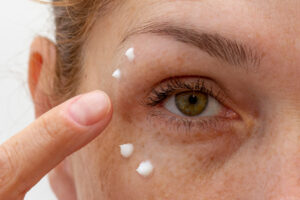
    The effectiveness of eye creams for dark circles can vary depending on the underlying cause and the specific ingredients they contain. 

    While eye creams can’t address genetic factors or the hollowing of the under-eye area, many can help to improve the appearance of dark circles by:

    • Hydrating the skin. Dry skin can accentuate the appearance of dark circles. Eye creams can help to moisturise the delicate skin around the eyes, reducing the appearance of dryness and wrinkles.
    • Reducing puffiness. Some eye creams contain ingredients that can help reduce swelling and puffiness, making dark circles appear less prominent.
    • Brightening the skin. Certain ingredients, such as vitamin C, can help to brighten the skin and reduce the appearance of dark circles.
    • Improving blood circulation. Some eye creams contain ingredients that can improve blood circulation in the area, reducing the appearance of dark circles.

    The ingredients to look for are:

    • Retinol, which helps stimulate collagen production and reduce the appearance of wrinkles in the eye area
    • Vitamin C, which is a powerful antioxidant that can help to brighten the skin and reduce the appearance of dark circles
    • Caffeine, which can help to reduce puffiness and improve blood circulation
    • Hyaluronic acid, a humectant that can help to hydrate the skin and reduce the appearance of fine lines
    • Peptides, which also help to stimulate collagen production and improve skin elasticity
    • Niacinamide, which helps  brighten the skin, reduce inflammation, and improve the skin’s barrier function

    Lifestyle changes can also improve your eyes’ appearance. We recommend getting seven to nine hours of quality sleep each night, eating plenty of fruits, vegetables, and whole grains, drinking plenty of water throughout the day, and wearing sunscreen with broad-spectrum protection to shield your skin from harmful UV rays.

    What Professional Treatments Are Available For Dark Circles?

    If you’ve tried home remedies and over-the-counter products without seeing significant improvement in your dark circles, it might be time to explore professional treatments. Some of your treatment options are:

    Laser therapy 

    Laser treatments target various underlying causes of dark circles to improve the appearance of the delicate under-eye area.

    Q-switched lasers, for example, break down the pigment responsible for dark circles for a more even skin tone. Fractional lasers, on the other hand, stimulate collagen production and improve skin texture, reducing the visibility of dark circles caused by thin skin. Pulsed dye lasers address dark circles caused by dilated blood vessels.

    Chemical peels
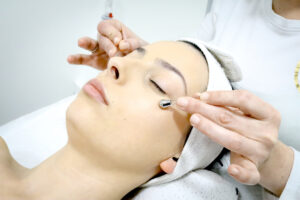
    Chemical peels use acids to exfoliate the top layers of skin, removing damaged and pigmented cells. This can help to reduce the appearance of dark circles by revealing brighter, healthier skin underneath.

    Chemical peels can also stimulate the production of collagen, which can help reduce the appearance of dark circles by improving the overall quality of the skin in the under-eye area.

    Micro-needling

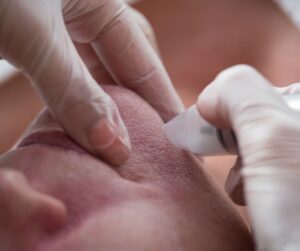
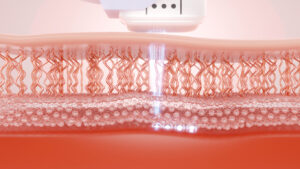
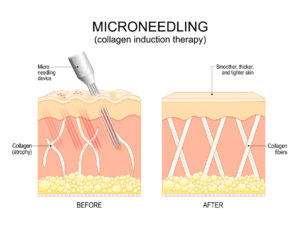
    Micro-needling uses a device with tiny needles to create controlled micro-injuries in the skin. These injuries trigger the body’s natural healing process, stimulating collagen and elastin production.

    The increased collagen and elastin production can help to improve the overall skin texture and thickness in the under-eye area, reducing the appearance of dark circles.

    Micro-needling can also help reduce hyperpigmentation by stimulating cell turnover. It helps lighten the skin and reduce the appearance of dark spots.

    Traditional dermal treatments

    Other treatments help improve the “pockets” that can occur under the eyes, contributing to the appearance of dark circles.

    Under Eye Dark Circle Management at ENRICH

    From lasers, chemical peels, and micro-needling to traditional dermal treatments, we have a solution for you.  Schedule a consultation with us so we can assess what dark circle treatment plan suits you.

  • How To Remove Blackheads and Other Symptoms of Skin Congestion

    How To Remove Blackheads and Other Symptoms of Skin Congestion

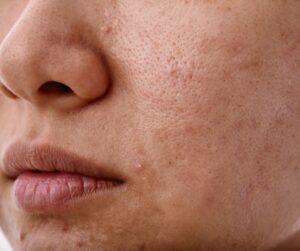
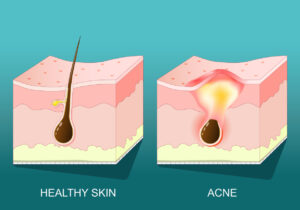
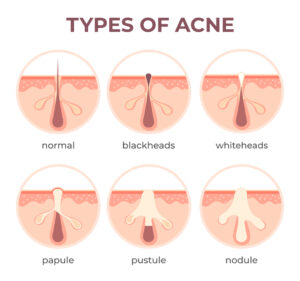
    Blackheads are a common skin concern caused by clogged pores. These tiny, dark spots are open comedones, which expose the pore opening. Inside the pore, a small plug of oil and dead skin cells forms, creating a dark appearance due to oxidation.

    Blackheads are just one type of skin congestion. Other types, such as whiteheads and nodules, can also occur. 

    Below, we discuss skin congestion as a whole and its causes, symptoms, and treatments.

    What is Skin Congestion?

    Skin congestion, or clogged pores, occurs when pores become clogged with a buildup of dead skin cells, sweat, impurities, and sebum (oil). This accumulation can lead to various skin problems, including:

    • Blackheads (open comedones)—The dark spots that form when a clogged pore becomes exposed to air
    • Whiteheads (closed comedones)—The small, white bumps that occur when a clogged pore is closed
    • Bumps and uneven skin texture—The buildup of oil and dead skin cells can create a rough, bumpy appearance.
    • Breakouts and acne—When bacteria infect a clogged pore, it can lead to inflammation and acne
    • Dull and lacklustre skin appearance—Congested skin often appears dull and lacks a healthy glow

    What Causes Skin Congestion?

    There are many culprits for skin congestion. Some of them are out of our control, such as:

    • Hormonal fluctuations—Overactive sebaceous glands, often triggered by hormonal changes, can lead to increased oil production and clogged pores.
    • Genetics—Some people are genetically predisposed to oily skin and clogged pores.

    There are also those that we have direct control over, like:

    • Skincare routine—Neglecting a regular skincare routine or using incorrect products for our skin type can exacerbate congestion.
    • Skincare products—Using comedogenic products that contain ingredients like isopropyl myristate, propylene glycol, lanolins, triclosan, phthalates, and parabens can irritate the skin and contribute to congestion.

    There are also these factors that do not directly contribute to clogged pores but can worsen the condition:

    • Diet—Certain foods can contribute to acne and skin congestion by influencing sebum production and composition. Some may increase oil production, while others may alter sebum quality, making it thicker and more likely to clog pores.
    • Friction—Clothing, backpacks, helmets, or other garments or equipment that rub against your skin can irritate pores and lead to congestion.
    • Environment—Humid weather can contribute to skin congestion by increasing sweat production and pore size. The excess sweat, which does not evaporate quickly due to the weather, can trap dirt and oil within pores. And since the heat and moisture in the air can dilate our pores, the latter can trap more dirt and become more susceptible to clogging.
    • Picking at pimplesPopping pimples, whether successful or unsuccessful, can have negative consequences. Unsuccessful attempts may push the contents deeper into the skin, clogging pores, worsening acne, and triggering inflammation. Successful attempts can break the skin barrier, allowing infected pus to spread bacteria and cause larger acne outbreaks.
    • Air pollution—Poor air quality is caused by a complex mix of environmental pollutants, such as heavy metals, chemicals from burning fuels, and other tiny particles. These can get trapped in the skin and clog pores.

    How to Get Rid of Blackheads and Other Skin Congestions

    Use Topical Skincare

    One of the simplest ways to address skin congestion is by using topical skincare products with the following ingredients:

    • Salicylic acid—This beta-hydroxy acid (BHA) helps to exfoliate the skin, remove excess oil and unclog pores by breaking down the “sticky glue” or the bonds that hold dead skin cells together. This process allows them to shed more easily. 
    • Retinol—This vitamin A derivative also reduces oil production and stimulates cell turnover, which can help to unclog pores and improve skin texture. 
    • Azelaic acid—This natural compound helps to reduce inflammation and unclog pores. It works by inhibiting the growth of bacteria that can contribute to acne. It can also help reduce sebum production, preventing pores from becoming clogged.
    • Benzoyl peroxide—This over-the-counter medication can also help kill bacteria that contribute to acne by oxidising them. This can help to reduce the number of bacteria in the pores and prevent them from clogging.

    Chemical Peels

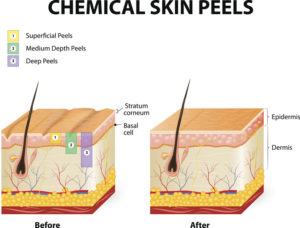
    Chemical peels are a more aggressive treatment option for skin congestion, usually performed by qualified dermatologists. They involve applying a chemical solution to the skin, which causes the top layers of the skin to peel off. This can help to unclog pores, improve skin texture, and reduce the appearance of scars.

    There are three main types of chemical peels:

    • Superficial peels—These peels use mild acids to exfoliate the top layer of skin.   
    • Medium peels—These peels use more potent acids to exfoliate the middle layers of the skin.
    • Deep peels—These peels use the strongest acids to exfoliate the deeper layers of skin.

    Microdermabrasion

    Microdermabrasion is a non-invasive procedure that also helps unclog pores. It works by

    • Exfoliation—Using a handheld device with tiny crystals or a diamond-tipped wand to exfoliate the top layer of skin
    • Vacuuming—A vacuum is used to suction away the exfoliated skin cells, revealing smoother, healthier-looking skin.

    Microdermabrasion is typically a series of treatments. The number of treatments needed will depend on your skin condition.

    Laser Resurfacing

    Laser skin resurfacing is a more invasive procedure that uses a laser beam to remove the top layers of skin to unclog pores.

    At ENRICH, we use different types of laser resurfacing techniques using:

    • UltraPulse CO2 laser—A fractional laser that uses tiny columns of energy to resurface the skin with minimal downtime
    • Erbium laser—A newer resurfacing tool with shorter recovery times and less heat than the CO2 laser.
    • Fractional lasers—Target specific areas of the skin, leaving surrounding cells intact to reduce damage and recovery time. 
    • Portrait—A cosmetic device that uses plasma energy to trigger skin regeneration without removing the top layer of cells.

    LED Light Therapy

    LED light therapy is a non-invasive treatment that uses different wavelengths of light to target specific skin concerns. While not directly used for unclogging pores, it can be beneficial for treating acne and reducing inflammation, which can indirectly improve skin congestion.   

    How LED light therapy works:

    • Different wavelengths of light penetrate the skin and interact with cells.
      • Blue light can help to kill bacteria that contribute to acne.
      • Red light can help to reduce inflammation and stimulate collagen production.
      • Green light can help to balance skin tone and reduce redness.

    Dermaplaning

    Dermaplaning is another non-invasive procedure that uses a small blade to exfoliate the top layer of skin gently. This can help remove dead skin cells and vellus hair (peach fuzz) and unclog pores.

    Dermaplaning is often used in conjunction with other skin treatments, such as chemical peels or facials. Dermaplaning is also an “ at home” tool that some people use. However, it’s incredibly important to be careful when performing at home. Blades not correctly disinfected or deep planing can cause infection or worsen the skin condition. 

    Note that we don’t offer dermaplaning at ENRICH.

    How To Prevent Skin Congestion

    Maintaining a proper skincare routine is the key to preventing skin congestion. Wash your face gently twice daily with a mild cleanser and use a moisturiser that suits your skin type. While on this topic, ensure you avoid touching your skin with unwashed hands, as this can transfer dirt, oil, and bacteria. 

    While some oils may benefit certain skin types, excessive use can clog pores. So, be mindful when using oil on your skin. 

    Depending on your skin type, exfoliate your skin gently once or twice weekly to remove dead skin cells and prevent pore blockage. 

    When going out, always protect your skin from the sun. Wear sunscreen daily and seek shade when possible.

    Lastly, refrain from picking at or popping pimples, which can worsen inflammation and lead to scarring.

    In addition to skincare, pay attention to your diet. Include plenty of fruits, vegetables, and whole grains in your meals. Limit processed foods and sugary drinks, as they can contribute to hormonal imbalances and skin inflammation. Stay hydrated by drinking plenty of water to maintain healthy skin.

    Also, manage stress through meditation, yoga, or deep breathing, which can also help prevent skin congestion. Stress can contribute to hormonal imbalances and skin problems.

    Finally, avoid irritants by using gentle skincare products and be mindful of environmental factors. Pollution, humidity, and extreme temperatures can contribute to skin congestion.

    Skin Congestion Treatment at ENRICH

    Our experienced dermatologists can help you achieve clearer, healthier skin. With personalised treatment plans and advanced techniques, we can address the causes of your skin congestion and provide solutions. Schedule an appointment with us.

  • Why Is It Recommended To Move My Face After Wrinkle-Reducing Treatment?

    Why Is It Recommended To Move My Face After Wrinkle-Reducing Treatment?

    One of the most common misconceptions about wrinkle-reducing treatments is that you’ll look frozen or that you’re not allowed to move your face for hours afterwards. While there are some immediate post-treatment precautions, moving your face is actually encouraged for optimal results.

    Why You Should Move Your Face A Lot After Having A Traditional Wrinkle-Reducing Treatment

    Helps Distribute the Product

    When you move your face, you’re essentially helping to spread the wrinkle-reducing product more evenly across the treated area. This ensures that the product can work its magic on all the targeted wrinkles and fine lines.

    Helps to Activate the Product

    Facial movement can stimulate the muscles and tissues beneath the skin, which can help to activate the ingredients in the wrinkle-reducing product. This can enhance its effectiveness and accelerate the results.

    Prevents Unwanted Spread

    While you want the product to spread evenly, you also want to prevent it from migrating to unintended areas. Gentle facial movements can help keep the product contained within the treated zone.

    Maximises Results

    Following these post-treatment recommendations increases the likelihood of achieving the desired outcome from your wrinkle-reducing treatment. 

    So, don’t be afraid to move your face and make the most of your investment.

    How Wrinkle-Reducing Treatments Work

    It’s best to know how wrinkle-reducing treatments work to understand why facial movement is beneficial after the procedure.

    Normally, your brain sends electrical messages to your muscles, causing them to contract and move. This message is transmitted by a substance called acetylcholine

    Wrinkle-reducing treatments work by blocking the release of acetylcholine, effectively preventing the muscles from receiving the message to contract.

    As a result, the muscle spasms or movements that cause wrinkling are significantly reduced or stopped. This temporary “paralysis” of the treated area is what leads to the smoothing of wrinkles and fine lines.

    Even though the muscles are temporarily relaxed or “paralysed”, they still need to be maintained to prevent shrinking or weakening. Gentle movement helps to keep the muscles toned and healthy.

    Also, the effects of the wrinkle-reducing treatment may fade over time. By maintaining a natural range of motion, you can help prevent the muscles from becoming overly stiff or restricted, which could lead to unnatural facial expressions.

    Another reason is that if you restrict facial movement for too long, your neighbouring facial muscles may overcompensate, leading to new wrinkles or muscle imbalances.

    Other Post-Treatment Care Recommendations

    Besides facial movements, here are additional post-treatment care recommendations:

    • Avoid facial treatments and massage for at least 24 hours after your treatment. This can help prevent the product from spreading or being absorbed too quickly.
    • Rest and avoid strenuous activity for three hours after your treatment. This can help minimise bruising and swelling.
    • Avoid exposing the treated area to heat sources like saunas, hot tubs, or tanning beds for at least four hours. Heat can increase blood flow and raise blood pressure, potentially increasing the risk of bruising.
    • Limit alcohol for at least 24 hours. Alcohol can thin your blood, which may increase the risk of bruising. 
    • If your treatment was on your forehead, avoid wearing accessories like sunglasses that can put pressure on the treated area.
    • If you experience discomfort or pain, you can use over-the-counter pain relief medication as directed by your doctor.

    The Importance of a Qualified Practitioner in Wrinkle Reduction

    Besides the aftercare tips mentioned above, the success of wrinkle-reducing treatments heavily relies on the practitioner’s expertise. A qualified dermatologist or aesthetic doctor is the best choice for these procedures due to their extensive training and understanding of skin anatomy, physiology, and ageing.

    Our cosmetic dermatologists at ENRICH Melbourne, for example, undergo years of specialised training, including medical school and a residency program focused on skin disorders. Our aesthetic doctors have also undertaken further training in cosmetic skin treatments and are continually in touch with new methodologies and treatments in this area. This rigorous training equips them with the knowledge and skills to:

    • Accurately assess your skin condition and identify the most suitable treatment options.
    • Safely administer wrinkle-reducing treatments while minimising risks and side effects.
    • Address any potential complications that may arise during or after the procedure.
    • Provide personalised post-treatment care to optimise results and ensure a smooth recovery.

    Wrinkle-Reducing Treatments At ENRICH

    Every face is unique, and so should your wrinkle-reducing treatment. Schedule a consultation with our experienced team to discuss your concerns. Our qualified dermatologists will assess your concerns and goals during the consultation and develop a personalised treatment plan for a natural-looking result.

  • How Can I Protect My Skin After Cancer Treatment?

    How Can I Protect My Skin After Cancer Treatment?

    Going through cancer treatment can have a significant impact on your skin. If you’ve undergone chemotherapy, radiation, or surgery, you may have noticed changes in your skin’s appearance and texture. Perhaps your skin is feeling sensitive or dry. 

    It can also be prone to various skin issues, so you must understand how to protect your skin after cancer treatment.

    Effects of Cancer Treatments on the Skin

    Chemotherapy and Immunotherapy

    Chemotherapy and immunotherapy can often cause rashes and dry skin, which may be accompanied by itchiness or burning. While less common, these treatments can also lighten or darken the colour or pigment of your skin, hair, and nails. 

    These changes occur because these treatments target specific molecules in tumours. Unfortunately, these same molecules also exist in our skin, hair, and nails. Consequently, patients may experience side effects in these areas during treatment.

    Typically, these skin changes are not permanent. Once you stop treatment, your skin should gradually return to its previous state.

    Radiation Therapy

    Radiation therapy can also lead to skin changes in the treated area, including dryness, peeling, itching, redness, or darkening. Your skin might appear sunburned, swollen, or puffy. Sometimes, sores can develop and become painful, wet, and potentially infected, a condition known as a moist reaction.

    These skin changes happen because radiation passes through the skin and can damage healthy cells in the treatment area. If you receive frequent radiation, your skin cells may not have enough time to repair and regenerate between treatments. 

    Surgery

    Surgery’s side effects on the skin are usually scarring or disfigurement, especially when a wide excision or other extensive procedure is necessary.

    Swelling and blistering can also occur in cryosurgery, a technique that uses extreme cold to destroy abnormal tissue.

    Skin Care Plan After Cancer Treatment

    Before starting any new skincare routine, consult our dermatologists to have your skin assessed. Then, based on your cancer treatment history, we will provide personalised recommendations. 

    Only a dermatologist can help you identify potential skin issues and develop a tailored plan to address them, including the following.

    Sun protection

    Protecting your skin from the sun is especially important after cancer treatment, particularly if you had radiation therapy. Essential sun protection tips include:

    • Applying a broad-spectrum sunscreen with an SPF of at least 30 daily, even on cloudy days. Don’t forget to protect your lips with a sun-protective lip balm.
    • Covering your treated skin with loose-fitting, long-sleeved shirts, pants, and a wide-brimmed hat when outdoors. 
    • Trying to stay in the shade as much as possible to minimise sun exposure.
    • Avoiding tanning beds and hot tubs. Tanning beds emit more UV rays than the sun and can seriously damage your skin. Additionally, the heat from a hot tub can irritate your skin and increase the risk of infection.
    • Following your dermatologist’s recommendations regarding sun protection.

    Gentle cleansing

    As mentioned previously, rashes and itchy skin are common side effects of cancer treatments. To combat these two, try the following:

    • Gently wash the treated area with warm water to remove bacteria.
    • Be gentle when washing your skin, especially after undergoing radiation therapy. Avoid using washcloths, sponges, or loofahs, as these can irritate your skin.
    • Opt for a mild, low-pH cleanser that won’t strip your skin of its natural oils. Ask your dermatologist for advice on which product to use.
    • Apply the cleanser with your hands and rinse it off with warm water. Avoid rubbing or scrubbing your skin.
    • If your skin is really itchy, your doctor might suggest adding baking soda, bath oil, or oatmeal to your bath. You can put these ingredients in a cloth or mesh bag before adding them to the water.

    Hydration

    Proper hydration is necessary to prevent dryness and itchiness and reduce the risk of infection after cancer treatment. Your dermatologist will recommend specific moisturisers suitable for your skin type and needs. 

    If your skin is severely dry, itchy, or painful, ask your doctor about special creams or ointments that can provide relief. But, avoid applying moisturiser, creams, or ointments directly to open wounds and use only products prescribed by your doctor.

    Topical skincare

    The specific topical skincare products you’ll need will depend on your skin concerns and the cancer treatment you’ve undergone. But your dermatologist will mainly recommend avoiding products that contain:

    • Alcohol, as it can be drying and irritating to the skin
    • Fragrances because they can cause allergic reactions and sensitivity
    • Talcum powder, which can irritate the skin and may contain harmful contaminants

    Your dermatologist may also advise avoiding antiperspirants, which can irritate the skin.

    For dry and cracked skin, your dermatologist may prescribe products containing:

    • Salicylic acid—This helps to exfoliate and soften the skin.
    • Urea—A natural humectant that helps to retain moisture.
    • Ammonium lactate—Helps to soften and moisturise the skin.
    • Lactic acid—A natural alpha hydroxy acid that can help to exfoliate and improve skin texture.

    Skin treatments

    While aesthetic treatments may not be necessary for everyone, they can help to improve your self-esteem and overall quality of life.

    Laser treatments, for example, have been proven to help manage hyperpigmentation, scars, and post-radiotherapy dermatitis.

    Other skin treatments you can try, as per your dermatologist’s advice, are glycolic peels, hydro facials, IPL, and micro-needling. These aesthetic treatments can address common post-cancer treatment skin concerns, such as uneven skin tone, dryness, and redness.

    FAQs

    How can I soothe irritated or inflamed skin after cancer treatment?

    Irritated or inflamed skin is a common side effect of cancer treatment, particularly radiation therapy. The underlying causes can include direct damage from radiation, dryness, and infections.

    To soothe irritated skin, avoid irritants like alcohol and fragrance, gently cleanse with a mild cleanser, moisturise regularly, apply cool compresses, avoid scratching, and protect from the sun. 

    For uncontrollably itchy or inflamed skin, ask our ENRICH dermatologists for recommendations.

    What are the best skin care products for post-cancer?

    Because the skin of post-cancer individuals is extra sensitive, the best skin care products are gentle, hydrating, and free of harsh chemicals. Consult our dermatologists for personalised recommendations based on your specific needs and treatment history.

    How can I protect my skin from the sun after cancer treatment?

    To protect your skin, apply broad-spectrum sunscreen with a high SPF (at least 30) daily, even on cloudy days. When outdoors, cover your skin with loose-fitting, long-sleeved shirts, pants, and a wide-brimmed hat. Seek shade whenever possible, avoid tanning beds, and have regular skin checks for new or changing moles, spots, or sores.

    Can I use anti-aging products after cancer treatment, and if so, which ones are safe?

    Yes, you can generally use anti-aging products after cancer treatment. Ask our ENRICH dermatologists for personalised recommendations before starting any new skincare routine.

    How can I manage dry or sensitive skin after cancer treatment?

    Dry or sensitive skin is a common side effect of cancer treatment. To manage these symptoms, gently cleanse with a mild, fragrance-free cleanser, moisturise regularly using a fragrance-free moisturiser, protect your skin from the sun, avoid irritants, and treat infections promptly. 

    Post-Cancer Skincare at ENRICH

    Always consult a health professional before using or trying any of the above methods. Our ENRICH dermatologists provide tailored skin treatment plans. Schedule a consultation with our dermatologists for guidance.

  • Can AI Diagnose Dermatology Concerns? Experts Weigh In

    Can AI Diagnose Dermatology Concerns? Experts Weigh In

    Skin conditions, particularly malignant ones, need early detection. But with the average wait time to see a dermatologist continually increasing and the financial barrier for many, it’s no surprise people are seeking alternatives.

    One such option that is gaining traction is artificial intelligence (AI). You’ve likely encountered skin diagnosis apps promising instant results. But how reliable are these apps?

    Below are expert insights.

    Firstly, there is no substitute for seeing a specialist face-to-face. A dermatologist has over 12 years of medical training and is the best option for any skin concerns. Like any good tool, AI can certainly help with pre-diagnosis and possible treatment options. 

    Potential Benefits of AI in Dermatology

    Potential Accuracy

    One of the most promising aspects of AI in dermatology is its potential for accuracy in diagnosing skin cancers.

    For instance, a study by Stanford University showcased an AI model trained on a dataset of 129,450 clinical skin images representing 2,032 different diseases. The model learned directly from these images, using only pixel and disease label information.

    The AI model showed comparable accuracy to board-certified dermatologists when asked to identify melanoma and non-melanoma skin cancers.

    Enhanced Analysis

    Another study ​aimed to find patients with atopic dermatitis (AD) using artificial intelligence from electronic health records (EHRs) for genetic studies. 

    The researchers developed a machine learning algorithm for an AI model using information from EHRs, including structured data (codes) and unstructured data (text from doctor’s notes). The model showed high accuracy in identifying patients with AD (high positive predictive value and sensitivity).

    In essence, this research shows that AI can effectively sift through patient records to accurately identify those with a specific condition.

    Accessibility

    One of the most appealing aspects of AI in dermatology is increased accessibility. AI-powered smartphone apps could revolutionise skin care by providing an initial risk assessment for various skin conditions, which could be particularly beneficial for individuals in remote areas or those facing financial barriers to dermatological care. 

    Imagine being able to take a photo of a suspicious mole and receive an immediate assessment, potentially prompting a timely referral to a healthcare professional.

    Challenges and Limitations of AI in Dermatology

    Lack of External Validity

    While AI models have shown promise in diagnosing skin conditions, their generalisability to diverse patient populations is a significant challenge. Many AI models are trained on specific datasets that may not accurately represent the global population.

    For instance, skin tone, age, and geographic location can influence the appearance of skin lesions, and AI models may not be equipped to handle this variation.

    Risk of Missed Diagnoses

    Another concern is the potential for inaccurate diagnoses. While AI has the potential to be highly accurate according to some studies, there needs to be a replacement for human expertise. 

    Misleading information from inaccurate apps could lead to delayed treatment or unnecessary anxiety. For example, if an AI app misclassified your melanoma as a benign mole, you might delay seeking professional medical attention. This could have serious consequences, as early detection is crucial for successful melanoma treatment.

    Need for Contextual Information

    AI models often lack the ability to consider a patient’s complete medical history unless integrated with electronic health records (EHRs). This limitation can hinder accurate diagnosis.

    Skin conditions can sometimes be symptoms of underlying systemic diseases, and a comprehensive diagnosis requires a holistic view of the patient’s health.

    There is no substitution for seeing a specialist 

    AI is undoubtedly a promising tool in dermatology. But remember, they shouldn’t replace the expertise of a qualified dermatologist. Dermatologists undergo rigorous and continuing education and training, so you can rest assured that they provide top-tier service.

    An app, for instance, might provide some information about a suspicious mole, but it can’t replicate the thorough examination and years of training a dermatologist brings to the table. 

    When it comes to your skin health, there’s no substitute for professional care. Your skin deserves the best care possible, and that often involves a human touch.

  • 6 Alternatives to Injectables for Skin Rejuvenation

    6 Alternatives to Injectables for Skin Rejuvenation

    Looking for a way to achieve a healthy glow without injecting? Or, perhaps, you’re new to skincare and would like to explore non-invasive procedures first. Whatever your reason, there’s a growing array of treatments designed to revitalise and rejuvenate your skin without the commitment of injectables.

    Here are six of them.

    Non-Injectable Treatments For Skin Rejuvenation

    1. Microdermabrasion

    Microdermabrasion is a non-invasive treatment that gently exfoliates the top layer of dead skin cells. When done correctly, this process helps to improve your skin’s texture, reduce the appearance of sun damage, and brighten your complexion.

    By sloughing off dull, rough skin, microdermabrasion can reveal a fresher, more radiant skin. It’s a popular choice for addressing concerns like acne scars, fine lines, and uneven skin tone. 

    Traditional microdermabrasion uses a diamond-tipped instrument, but at ENRICH, we use a laser for a more precise and controlled treatment.

    The procedure itself is quick—about 30 minutes—and relatively painless. You may feel a slight tingling, like a fine sandpaper going over the skin, with a warm, lightly sunburnt feeling afterwards. You can also expect slight redness and irritation that typically subsides within a day or two. 

    Your dermatologist will recommend consistent sunscreen use to maximise results and protect the newly revealed skin.

    While microdermabrasion is generally safe, it’s not suitable for you if you have:

    • Severe acne or rosacea. The exfoliation process can irritate inflamed skin.
    • Skin infections. Active infections can spread during the procedure.
    • Open wounds or sores. Avoid this treatment until your skin has healed completely.
    • Skin cancer. A dermatologist should evaluate any suspicious moles or growths before considering microdermabrasion.
    • Diabetes. You may have slower healing times, increasing the risk of complications.

    If you recently used isotretinoin or any strong acne medication, ask your doctor if microdermabrasion is appropriate. This medication can thin the skin, increasing the risk of complications.

    2. Chemical Peels

    Chemical peels are a more intensive approach to skin rejuvenation. They involve applying a chemical solution to the skin to remove damaged outer layers and reveal the smoother, fresher skin underneath when done by an experienced dermatologist.

    There are different types of chemical peels for various skin concerns.

    • Superficial peels: These types of chemical peels use mild acids to exfoliate the outermost layer of skin. They are ideal for addressing fine lines, acne, and dull complexion.
    • Medium peels: These use more potent acids to penetrate deeper into the skin to treat sun damage, acne scars, and deeper wrinkles.
    • Deep peels: These are reserved for more severe skin issues. Therapeutic-strength acid is used to penetrate the middle skin layer. They are effective for deep wrinkles and facial scarring but require significant downtime.

    The duration of the procedure and recovery vary depending on the type and depth of the peel. The process can be anywhere from 30 to 75 minutes, and downtime can be from half a day to several days.

    Chemical peels are generally safe, but if you have active acne or skin infections or are currently using certain medications, your dermatologist may not recommend this procedure. If you have a history of cold sores, you may experience an outbreak after the treatment, so ask your doctor if it’s advisable.

    3. Microneedling

    Microneedling, also known as collagen-stimulating therapy, is a minimally invasive cosmetic procedure that creates tiny punctures in the skin using a device with fine needles. Ok so these are technically needles but much more surface bound. This controlled injury stimulates the skin’s natural healing process, prompting it to produce collagen and elastin, the two proteins largely responsible for skin firmness and elasticity.

    At ENRICH, we combine microneedling with radiofrequency (RF), both well-regarded skin rejuvenation techniques. We call this process The Secret.

    When conducted by an expert, microneedling can improve the appearance of acne scars, fine lines, wrinkles, large pores, and uneven skin texture.

    A typical micro-needling session can last 30 to 60 minutes, depending on the treated area. The procedure usually begins with cleansing the skin and applying a numbing cream. 

    Once the cream takes effect, your dermatologist gently rolls or stamps the micro-needling device over your skin to create microscopic punctures. After the treatment, your doctor will apply a soothing serum or moisturiser to calm the skin.

    Immediately following microneedling, your skin may appear slightly red and inflamed, similar to a mild sunburn. This redness typically subsides within a few hours or days. It’s also not uncommon to experience mild swelling, dryness, or pinpoint bleeding. 

    Whatever the side effect, avoid touching the treated area, use harsh skincare products, and have excessive sun exposure during healing to prevent infection.

    Microneedling is generally safe for most skin types, but avoid it if you have active acne, skin infections, or recent facial surgeries. Also, keloids or hypertrophic scars may increase your risk of complications. Ask a qualified dermatologist if microneedling is appropriate for your skin concerns.

    4. Laser Treatments

    Laser treatment, often referred to as laser resurfacing or laser peel, is a procedure that uses concentrated beams of light to improve the skin’s appearance. There are different laser devices. At ENRICH, we use the Fraxel laser or fractional CO2 laser.

    Fraxel laser is a dual-laser technology that targets two skin layers at the same time. One laser is for the skin’s surface to tackle sun damage and pigmentation. The other penetrates deeper, stimulating collagen production to improve wrinkles, texture, and acne scars. Each session, including numbing, takes about an hour and a half. While uncomfortable, the procedure is not excruciating.

    Your skin must be clear of infections and breakouts to ensure optimal results for a Fraxel laser treatment. Your doctor may also advise you to avoid retinoids for a week before treatment. Depending on the severity of your skin concerns, you may need multiple treatments spaced a few weeks apart.

    Fractional CO2 lasers are also used to improve the appearance of wrinkles, scars, uneven skin tone, and sagging skin. But unlike the Fraxel laser, which uses a dual-laser approach, this one delivers concentrated heat energy in tiny columns to the skin. Also, unlike its traditional counterpart, the fractional CO2 laser delivers laser energy in a grid-like pattern, which means it spares healthy skin. This is the most invasive of these lasers and there is downtime. Not for htose new to lasr treatments.

    The treatment takes about 30 minutes, but you’ll need additional time for numbing. Your recovery time will vary based on the depth of treatment. It can be anywhere from 3 to 14 days.

    5. Light Therapy (LED)

    LED therapy, also known as low-level light therapy, is a non-invasive skin treatment that uses light-emitting diodes (LEDs) to emit specific wavelengths of light. These wavelengths penetrate the skin to stimulate skin rejuvenation and healing. At ENRICH, we call this diode for short. 

    Different colours of LED light have varying benefits. For instance, red light is often used to reduce inflammation, stimulate collagen production, and improve skin texture, while blue light targets acne-causing bacteria.

    A typical LED therapy session lasts 10 to 20 minutes. The treatment is painless and has no downtime, so it’s perfect for the “time-poor.”

    LED therapy generally suits most skin types and has minimal side effects. You may experience temporary redness or dryness, but these symptoms usually subside quickly.

    While LED therapy is suitable for a wide range of skin concerns, it may not be as effective for severe acne or deep wrinkles. Also, if you have skin conditions like lupus or porphyria, you should avoid LED therapy due to the potential risks associated with photosensitivity.

    6. Facials Tailored For Rejuvenation

    Facials are a more holistic approach to skin rejuvenation, combining cleansing, exfoliation, extraction, and hydration. There are quite a few treatments that can help, including the HydraFacial, the Genesis, and the Pico Rejuvenation – all no-downtime treatments, so they can be performed at any time of the year. 

    All of the facial processes begin with a thorough cleanse.

    The Pico treatment helps to freshen skin while also smoothing skin over time via collagen production with several passes of the PicoSure laser at different frequencies, helping to tackle soem of the pioigment as well.

    While the laser is working, you may feel a warm, tingling sensation and hear a slight clicking sound. These are normal and painless, simply a sign that the treatment effectively removes impurities. You can resume your usual activities immediately after the treatment. 

    Genesis is great for balancing out redness, minimising pore size and increasing collagen renewal to the treated areas. Can also help to improve red-based scars. The laser gently heats the dermis (the layer of skin underneath the outer layer, the epidermis), which shrinks the blood vessels that cause redness, pinkness, and flushing. It can also help stimulate collagen production and constrict small blood vessels.

    A HydraFacial, on the other hand, focuses on intense hydration and nourishment. This facial typically includes cleansing, exfoliation, extraction, and applying hydrating serums and masks. At ENRICH, we use advanced electroporation technology to ensure optimal serum absorption. Then, it concludes with an LED therapy session to stimulate collagen and elastin production. The entire process takes about 30 minutes.

    Hydroactive facials benefit all skin types but are particularly effective for dehydrated or dry skin. They help to replenish moisture, improve skin texture, and create a plump, dewy complexion.

    What Is The Best Non-Injectable Treatment For Skin Rejuvenation?

    The best skin rejuvenation treatment is highly personalised. Your skin type, age, specific concerns, and lifestyle all influence the selection of the most effective approach.

    Our dermatologist can conduct a thorough evaluation of your skin and create a skin treatment plan for you for optimal results. Schedule a consultation today. 

  • What Is Skin Tightening Treatment, And How Long Does It Last?

    What Is Skin Tightening Treatment, And How Long Does It Last?

    If wrinkles and sagging skin bother you and you’re looking to tighten your skin, your options range from non-invasive treatments to surgical procedures. As with any procedure, each has its pros and cons, which we will discuss below.

    However, remember that there is no one-off miracle treatment. Your skin has spent years developing these wrinkles and skin laxity, so it will take a little bit of time to reduce them.

    What is skin tightening treatment?

    As the name suggests, skin tightening treatments address loose skin and improve its firmness. These treatments work by stimulating the production of collagen and elastin, two essential proteins that keep our skin looking young. 

    Collagen provides the skin’s structure, while elastin gives it flexibility. Our body produces less of both as we age, and the existing proteins break down faster. This decline results in a loss of skin firmness, which is why we get wrinkles, sagging, and hollow areas.

    The best skin tightening treatments

    The best skin tightening treatment is one that’s right for your skin. Each of us has different treatment needs based on our skin type, desired level of tightening, and treatment tolerance. A consultation with our doctors will determine the right treatment plan for you.

    But for the sake of information, these are the skin-tightening procedures dermatologists use.

    Non-surgical skin tightening treatment

    Non-invasive procedures

    If you prefer non-surgical skin-tightening treatments, the following noninvasive procedures are for you. They all use controlled heat to tighten the skin but differ in the skin layer they target.
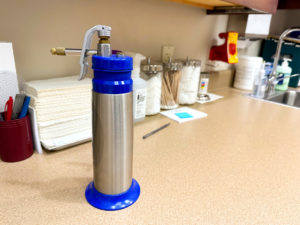
    • High-Intensity Focused Ultrasound. This procedure is more commonly known by its acronym HIFU. It penetrates the skin’s deeper layers–as deep as the second layers under the facial muscle–where collagen production takes place to stimulate collagen regeneration and tissue tightening. A popular HIFU treatment targets the superficial musculoaponeurotic system (SMAS) layer, the same layer addressed in a surgical facelift. At ENRICH, we use one of the high-performance HIFU devices called the Ultraformer III.
    • Radiofrequency (RF). RF procedures can also penetrate deep layers of the skin but not as deep as HIFU. These are best if you are just starting to show signs of ageing. Some common examples are Venus Freeze and TruSculpt ID for the body and ThermiTight for the face.
    • Laser therapy. Laser treatments target the topmost layer of the dermis and the epidermis (outer layer). It’s best for addressing wrinkles. Piqo Rejuvenation and Genesis are two popular no-downtime laser treatments for skin tightening.

    Minimal to medium downtime procedures

    If needles don’t bother you that much and you want immediate effect, these skin-tightening procedures with minimal to medium downtime are for you.
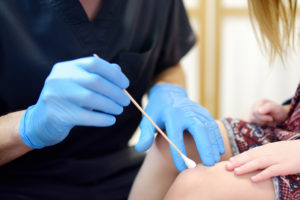
    • The Secret. This procedure combines radiofrequency with microneedling. The tiny needles create micro-injuries, stimulating collagen production, while the radiofrequency energy heats the deeper layers of the skin for added tightening.
    • Dermal treatments. While primarily used to restore volume loss, certain dermal treatments can also improve skin tone and texture. Filling in lines and wrinkles can create a smoother, more lifted appearance.
    • Wrinkle-reducing treatments. Often used to address dynamic wrinkles, these treatments can also indirectly tighten the skin. By relaxing facial muscles, they reduce the appearance of lines, allowing the skin to appear firmer and more lifted.
    • Thread lifts. This procedure uses thin, barbed threads beneath the skin to lift and reposition sagging tissue. Compared to non-invasive options, thread lifts provide a more immediate lifting effect.
    • Suture lifts. Similar to thread lifts but using surgical sutures, suture lifts offer a more pronounced lifting effect. This procedure is suitable for individuals with more significant skin laxity and is often combined with other facial rejuvenation treatments.
    • The Portrait. Portrait Plasma Skin Regeneration (PSR) uses energised nitrogen gas to revitalise the skin. Unlike other treatments that remove skin cells or stimulate collagen production, PSR triggers the growth of new skin cells. This process helps to improve wrinkles, fine lines, skin laxity, and texture.

    Surgical skin tightening treatment

    We do not offer this procedure at ENRICH, but a facelift is an option–albiet expensive–if you prefer more dramatic and long-lasting results. This surgical skin-tightening procedure involves repositioning the underlying facial tissues and removing excess skin.

    During the procedure, your surgeon makes incisions along the hairline, around the ears, and behind the ears. They then lift and tighten the underlying tissues and muscles, remove excess skin, and redrape the remaining skin for a more youthful contour.

    How much skin gets tightened?

    The amount of skin tightening you can achieve depends on several factors. First, consider the procedure itself. Generally, the deeper the treatment, the more downtime it requires and the more significant the results.

    Another crucial factor is your skin’s laxity. If you have mild skin sagging, non-invasive treatments might be sufficient. However, if your skin laxity is more pronounced, you may need a more aggressive approach, like a surgical facelift.

    Lastly, your skin type, age, ethnicity, gender, and lifestyle can influence treatment outcomes. 

    How long does skin tightening treatment last?

    The longevity of your skin tightening results depends on several factors. But typically:

    • Non-invasive treatments provide results lasting from six months to a year
    • Minimally invasive procedures can offer improvements for about two years
    • Surgical procedures can deliver results that last several years

    But then again, your skin quality, lifestyle, and overall health influence how long your results will last.

    What are the side effects of skin tightening treatments?

    While skin-tightening treatments are generally safe and effective, side effects can occur, although they are rare. These often depend on the specific procedure and the skill of the dermatologist. That’s why we always recommend choosing a certified dermatologist for your treatments.

    Some common side effects of non-invasive treatments are temporary redness, swelling, or discomfort in the treated area. These side effects usually subside within a few days.

    Procedures like microneedling and thread lifts may cause bruising, crusting, and discomfort. Over-the-counter pain relievers like Panadol can usually manage any pain.

    Facelifts and other surgical skin-tightening procedures carry more risks. While rare, potential side effects include bleeding, infection, scarring, nerve damage, and asymmetry. 

    Skin tightening treatment at ENRICH

    We have a range of skin-tightening treatments for different needs and budgets. Schedule a consultation with us today.

  • Male Skin Care: Why You Need It And How To Do It Properly

    Male Skin Care: Why You Need It And How To Do It Properly

    Men, it’s time to rethink male skin care. Razor burn, ingrown hairs, and dryness are just some of the everyday battles you may face. Severe forms of psoriasis, premature ageing, and skin cancer also pose a serious threat.

    Below, we’ll explain why proper skincare is crucial for men and outline a basic routine to help you achieve healthier skin.

    Why Men Need Skin Care

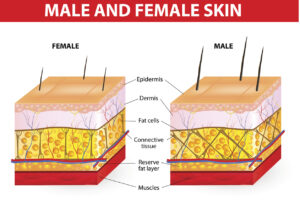
    Studies have shown that men’s skin tends to be less hydrated than women’s, especially as they age. Skin hydration is necessary for skin repair and renewal, maintaining the skin’s barrier function, protecting it from external factors, and healing response to injury or irritation. 

    Another key difference is in sebum production. Men generally produce more sebum than women, which can lead to issues like acne, clogged pores, and an oily complexion if not managed properly. 

    The researchers also found significant differences in how men’s and women’s skin behaves under physical stress. Women’s skin is generally less stretchy than men’s, but it is more able to bounce back to its original shape after being stretched.

    These differences are not a cause for alarm per se, but because men often engage in activities that expose their skin to harsh elements—outdoor work, sports, or simply commuting—men’s specific skin characteristics can accelerate skin ageing and damage. 

    What Is A Good Male Skincare Routine

    As mentioned in the previous section, men’s skin ages differently than women’s. They often experience thicker, more pigmented skin, deeper wrinkles, especially around the eyes, and more pronounced sagging in the lower eyelid area. 

    There are also inherent colour differences between male and female skin. These differences are crucial to consider when checking for skin irritation.

    You can find male skin care recommendations online, but we all have different skin types and compositions. The most effective way to develop a male skincare routine is through a consultation with a dermatologist. 

    This is especially crucial as men’s skin ages differently than women’s, with distinct physiological, chemical, and biophysical characteristics. A one-size-fits-all approach can be ineffective or even harmful.

    A dermatologist can assess your skin type and needs, recommend products, and create a tailored routine. They can also discuss specific issues like acne, razor bumps, or signs of ageing and identify potential skin problems early. They will also tell you what products to avoid based on your skin type.

    Most likely, your routine will include:

    • Gentle cleansing to remove dirt, oil, and impurities without stripping the skin. Your doctor will recommend products containing hydrating ingredients like hyaluronic acid or aloe vera.
    • Moisturising to prevent dryness. If you have oily skin, your dermatologist will recommend a lightweight, oil-free formula—dry skin benefits from a richer, creamier moisturiser. Hyaluronic acid, glycerin, and ceramides are some ingredients you may have to look for.
    • Sun protection, which is essential for protecting against harmful UV rays. The best anti-ageing treatment is SPF50+ sunscreen every day.
    • Skin checks to identify any potential skin concerns early on.
    • Exfoliation to remove dead skin cells. This can be done through chemical peels or physical exfoliation using products with micro or nanobeads. 
    • Proper shaving techniques to prevent razor burn, ingrown hairs, and irritation
    • Other need-based treatments or products, such as ones for acne, ageing or dark circles

    Your dermatologist may also recommend a lifestyle change to protect your skin. It can be adopting a healthy diet rich in antioxidants, managing stress levels, getting adequate sleep, and limiting alcohol and tobacco consumption. All of these factors affect skin health.

    Build Your Male Skin Care Routine with ENRICH

    Ready to take care of your skin further? Schedule a consultation with our dermatologists today.  Our skin specialists will thoroughly assess your skin, recommend suitable treatments or products, and provide valuable tips for optimal skin health.

  • What are the bumps on my oily skin?

    What are the bumps on my oily skin?

    If you have oily skin and your face has a bumpy texture, that could be caused by sebaceous hyperplasia.

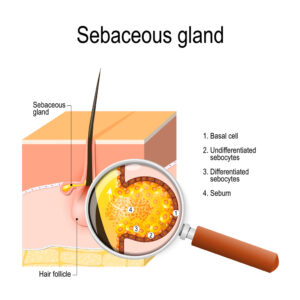
    Sebaceous hyperplasia is a common, harmless condition that tends to become more frequent as we age. It arises when our sebaceous glands, which are responsible for producing oil (sebum) to lubricate our skin and hair, go into overdrive. This excess sebum gets trapped beneath the surface, forming small bumps.

    What does sebaceous hyperplasia look like?

    Structure of the Sebaceous gland

    Sebaceous hyperplasia presents itself as small, typically painless bumps on our skin. These bumps can be yellowish or flesh-coloured.

    They commonly appear on our forehead and nose, where we have a naturally higher concentration of sebaceous glands.

    While these bumps are generally harmless, they can sometimes resemble basal cell carcinoma, a type of skin cancer. To properly diagnose and rule out any concerns, we highly recommend consulting a dermatologist to conduct a skin check and determine if any treatment is needed.

    What are the causes of sebaceous hyperplasia?

    As previously mentioned, the bumpy texture associated with sebaceous hyperplasia is caused by an overgrowth of the very sebaceous glands that keep our skin lubricated. Factors contributing to this overgrowth are:

    • Age. As we age, our androgen levels decrease. These changes can disrupt the normal turnover of cells within the sebaceous glands.
    • Genetics. If sebaceous hyperplasia runs in your family, you may be more predisposed to developing it.
    • Hormonal changes. Fluctuations in our hormone levels, such as those experienced during puberty, pregnancy, or menopause, can also influence sebaceous gland activity and contribute to sebaceous hyperplasia.
    • Sun exposure. While not the primary cause, sun exposure is thought to play a role in some cases.
    • Medications. Certain medications, like those that suppress the immune system or some hormonal therapies, may increase your risk of developing sebaceous hyperplasia.
    • Muir-Torre Syndrome. This rare genetic condition can cause sebaceous hyperplasia, along with other skin growths. If you have sebaceous hyperplasia and a family history of certain cancers, consult your doctor to rule out Muir-Torre syndrome.

    How do I treat sebaceous hyperplasia?

    If you find the bumps cosmetically bothersome, consult a dermatologist. They will recommend the most suitable treatment based on the severity and your individual needs. The potential treatment options are:

    • Topical retinoids. These creams or gels, derived from vitamin A, can help regulate oil production and promote skin cell turnover, potentially reducing the size and appearance of the bumps.
    • Oral tetracycline antibiotics. These antibiotics have anti-inflammatory properties that can help reduce the inflammation associated with sebaceous hyperplasia.
    • Oral isotretinoin. This medication is typically reserved for severe cases. It works by shrinking the oil glands and reducing sebum production. 
    • UltraPulse CO2 laser. This type of laser treatment delivers a focused beam of energy to precisely target and vaporise the sebaceous hyperplasia bumps.
    • Erbium laser. Another laser option, the erbium laser, uses a different wavelength to gently ablate the top layer of the skin to reduce the prominence of the bumps.

    How do you get rid of sebaceous hyperplasia naturally?

    There’s no guaranteed way to eliminate sebaceous hyperplasia naturally, but you can try the following to help manage the bumps and potentially minimise their appearance:

    • Topical treatments. Look for products containing retinol or salicylic acid. Retinol helps regulate oil production and promotes skin cell turnover, while salicylic acid has gentle exfoliating properties that can unclog pores.
    • Warm compresses. Applying warm compresses to the affected area for a few minutes at a time, a couple of times a day may help soften sebum blockages and make the bumps appear less prominent.
    • Dietary changes. Some believe that a diet lower in refined carbohydrates and sugars may help regulate hormone levels and potentially reduce sebum production. 
    • Sun protection. Sun exposure can worsen the appearance of sebaceous hyperplasia. To protect your skin, make sure to wear sunscreen with SPF 30 or higher daily.
    • Avoid oil-based products. Oil-based skincare products and cosmetics can clog pores and potentially exacerbate bumps. Opt for non-comedogenic (won’t clog pores) and oil-free formulations instead.

    What happens if you pick sebaceous hyperplasia?

    Those little bumps might be tempting to pick at, but picking or squeezing sebaceous hyperplasia can make them worse.

    1. You might irritate the surrounding area, which can lead to inflammation and redness that lingers far longer than the bumps themselves. Sebaceous hyperplasia isn’t filled with pus waiting to be extracted, so picking can only inflame the delicate skin.
    2. Your fingers can introduce bacteria into the open wound created by picking. This can lead to an infection, making the area even more swollen, red, and painful than before.
    3. These bumps have a blood supply, and picking at them can cause bleeding.
    4. The worst-case scenario is scarring. Persistent picking can damage the deeper layers of your skin which can leave permanent marks.

    These are the reasons why we recommend consulting a dermatologist. They know exactly the treatment options that minimise the bumps’ appearance without harming your skin.

    Sebaceous hyperplasia treatment at ENRICH

    We offer personalised treatment options to address your concerns. Book a consultation with us.

    During a consultation, our dermatologists will thoroughly examine your skin, discuss your goals, and recommend the most effective treatment plan for you.
  • Breast Stretch Marks: What can and can’t be done about them

    Breast Stretch Marks: What can and can’t be done about them

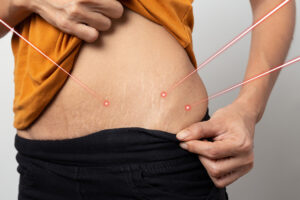
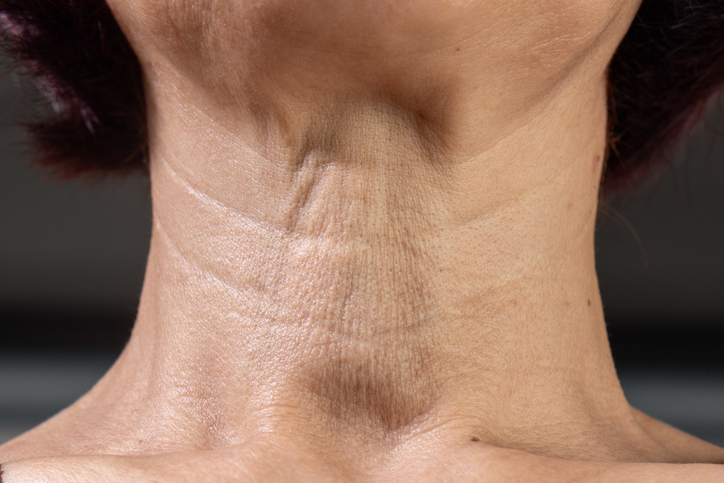
    Breast stretch marks are common for many women, particularly during the stages of life when our bodies experience significant changes, such as puberty, pregnancy, or rapid weight loss or gain. These marks appear when the top layer of skin struggles to keep pace with the growth happening underneath. 
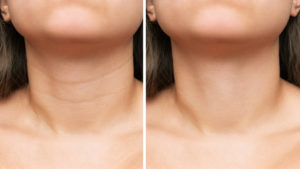
    This rapid stretching can cause collagen and elastin fibres, the building blocks of healthy skin, to break down. 

    Can breast stretch marks be removed?

    Unlike some blemishes, stretch marks are considered permanent. The rapid stretching that causes these marks damages the deeper layers of your skin, and unfortunately, there’s no magic solution to “un-stretch” them. 

    This doesn’t mean you’re out of options, but it’s important to manage expectations when undergoing stretchmarks “removal” treatment.

    What can you do about stretch marks on your breast?

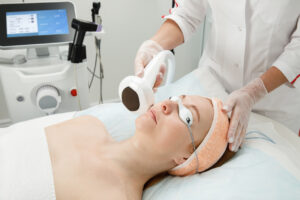
    Laser removal treatment of stretch marks

    Consult a dermatologist

    Consulting a dermatologist allows for a personalised assessment of your stretch marks. Based on their severity and your skin type, they can recommend various options like:

    • Prescription medications. Dermatologists may prescribe topical creams containing retinoids (like tretinoin), which can help fade newer stretch marks by stimulating collagen production.
    • Procedures for improvement. In some cases, your dermatologist might suggest in-office procedures to make stretch marks less noticeable. These could include laser treatments that target the affected tissue or microneedling techniques that encourage collagen growth.

    Use stretch mark creams, lotions, and gels early and regularly

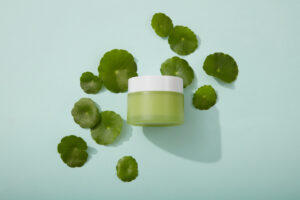
    While research hasn’t found conclusive evidence that popular home remedies like almond oil, cocoa butter, or vitamin E actually prevent stretch marks, studies suggest promise for products containing Centella Asiatica or hyaluronic acid. These ingredients may help improve skin elasticity and hydration, potentially minimising the appearance of new stretch marks.CENTELLA for stretch marks

    When using these products, massage them into your stretch marks. The massaging can help improve blood flow to the targeted tissue, enhancing the delivery of the beneficial ingredients and promoting skin cell turnover.

    Massaging might also stimulate the production of collagen, a key protein for skin elasticity. This can contribute to a more plump and even appearance.

    But note that the key here is regular and early use. Studies suggest these topical treatments might be more effective on newer stretch marks compared to mature ones.

    Embrace stretch marks

    Stretch marks often transform from red or purple streaks to a more subtle white appearance over time. While treatments can improve their visibility, as previously mentioned, the underlying damage cannot be completely reversed. Just like scars, stretch marks are a permanent part of your skin’s story.

    Embrace your stretch marks as a reminder of your body’s strength and resilience. They don’t diminish your beauty or worth. They represent the incredible journey your body has been on.

    breast stretch marks
    breast stretch marks

    Breast stretch mark reduction at ENRICH

    Some stretch marks can make you feel conscious, especially in highly visible areas. Schedule a consultation with our dermatologists to assess your needs and customise a treatment plan for you.

  • Should You Pop Pimples? A Dermatologist Weighs In

    Should You Pop Pimples? A Dermatologist Weighs In

    We’ve all been there. You wake up with a giant pimple right before a big event, or you catch a glimpse of a whitehead in the mirror and can’t resist the urge to squeeze. It’s tempting – the instant gratification of popping a pimple can be oh-so-satisfying.

    But is popping pimples really a good idea? Or is it causing more harm than good? We asked our very own board-certified dermatologist, Dr. Rich, to weigh in and give us an expert opinion.

    Is it better to pop a pimple or not?

    In a word, no. While popping a pimple might seem like a quick fix, it’s usually a bad idea. Dr Rich explains that popping a pimple can worsen inflammation, potentially leading to longer healing times and more noticeable redness.

    Furthermore, the pressure from popping can rupture the pimple under the skin, forcing bacteria and pus deeper into the tissues. This can result in a more severe infection and increase the likelihood of acne scarring.

    And let’s not forget the bacteria on our hands. Popping a pimple with unwashed hands can introduce new bacteria into the broken skin, worsening the infection or even causing new breakouts.

    Where does the pus go if you don’t pop a pimple?

    If you leave a pimple alone, your body’s natural healing process takes over. White blood cells rush to the site of the infection to fight off the bacteria. These white blood cells, along with dead skin cells and sebum (oil), form the pus you see in a pimple.

    Over time, the inflammation subsides, and the pimple either comes to a head and drains on its own or is reabsorbed by the body. This process might take a few days or even weeks, depending on the severity of the pimple. While it might not be as satisfying as popping, allowing the pimple to heal naturally is ultimately the best way to minimise scarring and prevent further breakouts.

    Dr Rich reassures us that the body’s immune system will eventually eliminate the pus even without popping. 

    Effective pimple treatments

    We understand that waiting for the natural healing process can be frustrating, especially when dealing with a stubborn pimple or a full-blown breakout. If you can’t resist the urge to take action, Dr Rich recommends the following:

    Consultation with a dermatologist

    They can help you get to the root of your acne problem and prescribe the proper treatment based on your skin type and specific needs. This might include prescription medications, topical creams, or other therapies.

    Getting quick fixes

    If you’re looking for an over-the-counter solution, look for products containing ingredients like salicylic acid, retinol, or benzoyl peroxide. These can help reduce inflammation, unclog pores, and kill bacteria. Our ENRICH Glycolic Skin solution sprayed onto a cotton wool pad and dabbed on the pimple also works.

    Treatments for long-term acne issues

    Patience, lifestyle changes and a good skincare routine are foundations of clearer skin. But for persistent or recurring acne, some long-term treatment options are:

    Prescription medicine

    If you have moderate to severe acne, your dermatologist may prescribe medications based on your specific needs. Oral antibiotics can help reduce inflammation and kill acne-causing bacteria. Topical medications can unclog pores, regulate oil production, and prevent new breakouts.

    Regular skin peels

    Chemical peels, such as salicylic or glycolic acid peels, exfoliate the skin’s surface, remove dead skin cells, and unclog pores. This can help reduce the severity of acne breakouts, improve skin texture, and fade acne scars.

    Dedicated skin routine with products designed for acne treatment 

    Having a consistent skincare routine with products specifically formulated for acne-prone skin is crucial for managing and preventing breakouts. A dermatologist can prescribe specific products for you, but usually, these are cleansers containing salicylic acid or benzoyl peroxide, toners with witch hazel or tea tree oil, oil-free and non-comedogenic moisturisers, and spot treatments with sulphur or niacinamide.

    The Secret

    This procedure, also known as RF microneedling, combines the power of microneedling with radiofrequency energy to stimulate collagen production and rejuvenate the skin. 

    Microneedling creates controlled micro-injuries to trigger the body’s natural healing response. This promotes skin regeneration and reduces the appearance of acne scars, fine lines, and wrinkles. These wave-based therapies also kill bacteria and improve overall tone and texture.

    The Secret is not an acne treatment per se but for managing acne scarring. But it can be used along with acne prescription medicine for faster healing.

    Consult with ENRICH dermatologist today about your acne

    Acne treatment is highly individualised because the most effective approach varies depending on factors like your age and skin type.

    Adults with acne, for instance, often require different treatment plans than teenagers due to differences in skin structure and hormonal activity. 

    It’s best to consult with a dermatologist for personalised advice and a treatment plan.

    If you’re struggling with acne or have questions about how to care for your skin, book a consultation with us via email, phone or online.

  • How Do I Choose a Good Laser Clinic?

    How Do I Choose a Good Laser Clinic?

    Laser treatments have revolutionised how we address various skin concerns, from unwanted hair removal and tattoo removal to skin rejuvenation and acne scar treatment. With the growing popularity of these procedures, laser clinics have sprung up everywhere, making it crucial to know how to choose the right one for safety and effectiveness.

    To help you, we discuss three places to get laser treatments: laser, cosmetic, and dermatologist clinics. 

    But first, let’s differentiate the professionals who work in them.

    Differences between a skin specialist and a dermatologist

    “Skin specialist” is a broad term for any professional working in skincare. This includes aesthetic doctors, nurses, therapists, dermal clinicians, and beauticians. However, the title “specialist” in Australia is regulated and can only be used by those who have undergone extensive training and possess recognised qualifications in a specific area of expertise.

    This regulation means dermatologists are the true skin specialists among the various skin care professionals. They are medical doctors who specialise in the diagnosis, treatment, and prevention of over 3,000 skin, hair, and nail conditions. 

    Becoming a dermatologist is highly competitive. It requires a medical degree and acceptance into specialised training programs. To become experts, dermatologists undergo years of extensive training beyond medical school.

    The combination of education and training qualifies them to perform: 

    • Diagnostic exams. Dermatologists can diagnose and assess various skin conditions, from everyday issues like acne and eczema to more complex problems like skin cancer.
    • Preventive exams. They can also conduct skin checks to identify potential risks and recommend preventive measures to maintain healthy skin.
    • Counselling and education. Dermatologists offer guidance and education on skincare routines, product selection, and lifestyle factors impacting skin health.
    • Treatment. They offer various treatment options for skin conditions, including topical medications, oral medications, light therapy, and surgical procedures.

    What is a dermatology clinic?

    A dermatology clinic is a healthcare facility where you can receive medical and cosmetic dermatology procedures, including laser treatments if offered. Dermatologists and other healthcare professionals like nurses and physician assistants staff these clinics.

    Beyond skin treatments, dermatology clinics address a wide range of concerns related to the skin, hair, nails, sweating, and even some intimate issues. They offer comprehensive care for various skin conditions like acne, eczema, psoriasis, and skin cancer, as well as cosmetic procedures to enhance your appearance.

    What is a cosmetic clinic?

    A cosmetic clinic is primarily focused on enhancing the external appearance of skin. It offers many services beyond laser treatments, such as facials, chemical peels, microdermabrasion, and injectables. 

    Dermatology clinics with a cosmetic arm within their practice are sometimes called cosmetic clinics. However, unlike dermatology clinics, not every cosmetic clinic has a dermatologist on staff. Instead, it may have dermal therapists, nurses, beauticians, or therapists trained in various cosmetic procedures. Note that if you need an injectable treatment, a supervising doctor is legally required to be present within the practice. 

    In that case, cosmetic doctors can help. Cosmetic doctors specialise in non-invasive aesthetic treatments. They are medical doctors who offer cosmetic treatments, but not necessarily dermatologists. Also, note that any doctor can call themselves a cosmetic doctor.

    This is important because a cosmetic doctor is not the best choice if you want help with a skin condition, a medical prescription for your skin problems, or an invasive treatment.

    In other words, while cosmetic clinic staff members are skilled in providing treatments for the outermost layers of your skin, there are procedures that only dermatologists should perform.

    What is a laser clinic?

    In a technical sense, a laser clinic is an establishment that focuses primarily on laser treatments for various purposes, such as hair removal, skin rejuvenation, tattoo removal, and more. These clinics often have a range of laser devices for different skin concerns.

    The term “laser clinic” can also be used more broadly to describe cosmetic and dermatology clinics that offer laser treatments alongside other services. These clinics may have a broader range of expertise and offer a more comprehensive approach to skincare, and laser treatments are part of a personalised treatment plan.

    The level of medical supervision in laser clinics varies. Some clinics have doctors on-site to oversee procedures and handle potential complications; others rely on trained technicians or therapists to perform the treatments.

    How to choose a laser clinic

    Prioritise experience

    Your skin is your body’s largest organ, and your face is your most visible feature. Entrusting your skin to an experienced practitioner should be your top priority. 

    Look for clinics with a track record of successful treatments and positive patient testimonials. It’s also crucial to choose a clinic where a medical practitioner supervises the procedures, as the skin can be easily damaged if treatments are not performed correctly.

    Check reputation and reviews

    Before committing to a clinic, research its reputation and read online reviews from previous patients. This can give you insights into the clinic’s professionalism, quality of service, and overall patient satisfaction.

    Evaluate technology and equipment

    Not all laser clinics use the same technology. Some have lower-grade lasers, which may be less effective and require more treatments. Inquire about their specific devices and research their effectiveness for your desired treatment.

    Ask about pricing

    While affordability is important, cheaper isn’t always better. Clinics with lower prices may use less advanced equipment or have less experienced staff. Compare prices between different clinics, but prioritise quality and experience over the lowest cost.

    Insist on a consultation

    Schedule a consultation with the clinic. This is particularly important if you have existing skin issues. A dermatologist is the most qualified professional to assess your skin and recommend the appropriate treatment plan.

    Laser treatment at ENRICH

    We offer various laser treatment options to address multiple skin concerns. Schedule a personalised consultation with one of our experienced dermatologists, who will carefully assess your skin, discuss your goals, and guide you toward the most effective treatment for your needs.

  • Types of Chemical Peels

    Types of Chemical Peels

    If you’re looking to brighten and rejuvenate your skin, chemical peels may help. Also known as cosmetic peels, chemical peels are a popular skincare treatment that targets a wide range of imperfections.

    Different types of chemical peels are available, each designed to address specific skin concerns. Whether you’re looking to treat wrinkles and fine lines, acne scars, or uneven pigmentation, there’s a chemical peel suited for your skin’s unique needs.

    Different types of chemical peels

    Different chemical peels work on various skin conditions, but all aim to revitalise the skin. The most common types are superficial, medium, and deep peels. Stronger or deep peels are used to target deep-seated scars; others are for correcting hyperpigmentation or uneven skin tone.

    Superficial or lunch-time peels

    Superficial peels, the so-called “lunchtime peels,” are perfect if you crave a quick skin refresh but your schedule is packed. These gentle chemical treatments work fast to exfoliate the outermost layer of your skin for a brighter and smoother appearance – all without disrupting your busy life.

    Some examples of superficial peels are:

    • Glycolic acid peel: This peel uses a compound of various strengths, from a lighter 20% and 35% concentration for gentle exfoliation to a more intense 50% and 70% concentration for deeper effects. The strength of the glycolic acid peel determines its effectiveness for different conditions. It can reduce the appearance of acne scars, even out skin tone, fine lines and wrinkles, or give an overall refreshed look.
    • Salicylic acid peel: This lighter peel is performed using a compound known for its ability to penetrate oil-filled pores. It is for managing acne, blackheads, whiteheads, and oily skin.

    Medium peels

    Compared to superficial peels, medium peels use more potent agents to penetrate deeper into the skin. They target the middle layers of the skin, effectively treating issues like fine lines, wrinkles, and moderate skin discolouration. 

    These peels require a bit more downtime than superficial peels, but the results are more pronounced. Common examples of medium peels include:

    • Retin-A peel: Retin-A is a vitamin A derivative for treating acne and improving skin health. It’s available in prescription (strong) and over-the-counter (weak) strengths and may initially cause dryness and peeling. A Retin-A peel softens wrinkles, fades brown spots, reverses sun damage, reduces pore size, and keeps skin clear.
    • Jessner peel: A Jesneer peel combines multiple exfoliating agents to manage crepey skin, pigmentations and acne.
    • PCA peels: PCA peels use professional-grade chemical peels and bleaching agents to reveal fresher skin underneath. They are used to improve acne and hyperpigmentation.

    Deep peels

    Deep peels are the most intensive type of cosmetic peels. They penetrate the lower dermal layers to address severe skin issues, such as facial wrinkles, sun-damaged skin, or deep-seated scars. These peels are performed by cosmetic doctors and dermatologists and require longer recovery times. 

    • Medipeel: This therapeutic-strength acid peel is administered by a cosmetic doctor and is designed for deep skin rejuvenation. A combination of potent acids penetrates the skin to address various issues such as uneven skin tone, dull skin and enlarged pores.
    • TCA peel at 20%: A TCA peel is a blend of compounds to enhance skin texture, tone, and clarity. They are for removing dead skin cells and boosting cell turnover to manage scarring, pigmentation and ageing.

    What is the most effective chemical peel?

    The most effective chemical peel depends on your unique skin concerns and goals. Whether you’re dealing with acne, hyperpigmentation, sagging skin, or wrinkles, there’s a peel that can help. It’s important to consult your dermatologist, who can help you choose the type of peel that fits your needs. But here’s a quick guide to get you started:

    Best chemical peel for beginners

    If you’re new to chemical peels, start with a glycolic acid peel. This gentle peel lightly exfoliates the skin, leaving it fresh and glowing with minimal irritation or downtime. Choose this if your concern is mild sun damage, uneven skin tone, or fine lines.

    Best chemical peel for hyperpigmentation

    If pigmentation is your core concern, we recommend getting a PCA peel. But if you want to improve skin texture, tone and clarity, along with hyperpigmentation, go for TCA peel at 20%. For severely pigmented skin, you can try Medipeel.

    Best chemical peel for acne scars

    Glycolic peels can improve surface-level scarring and overall skin texture. But for deeper acne scarring, you may need a Retin-A peel. For deep-seated acne scars, your dermatologist will personalise your treatment plan, which might include peels alongside other options like microneedling or laser therapy.

    Best chemical peel for sagging skin

    While chemical peels can’t tighten sagging skin, some can improve its appearance. One is TCA peel at 20%, which can improve texture and tone.

    Best chemical peel for acne

    A salicylic acid peel is often a top choice for acne-prone skin, especially for active breakouts. But for long-term acne control and the prevention of future flare-ups, Retin-A peels are more common.

    Best chemical peel for wrinkles

    While most chemical peels offer some benefits for wrinkles, the ideal type and strength depend on the depth of your wrinkles. A dermatologist might combine different peels or acids to customise the treatment based on your wrinkle severity and skin tolerance. For wrinkles, however, consistency can often be the key, so getting a regular glycolic peel every six weeks can help keep the wrinkles at bay.

    Discover Chemical Peeling at ENRICH

    If you need help determining which option will give you the best results, schedule a consultation with us. Our expert skincare specialists will thoroughly assess your skin, discuss your goals, and create a personalised treatment plan for you.

  • How Dermatologists Remove Skin Tags

    How Dermatologists Remove Skin Tags

    Removing skin tags, those small, flesh-coloured growths on the skin, can be tempting. While they are harmless and, in some cases, fall off on their own, you may choose to have them removed for aesthetic reasons or if they cause irritation by friction with clothing or jewellery.

    You may be tempted to remove skin tags yourself but ask for a medical professional’s help for safety and aesthetic reasons. We will discuss why in the later sections. First, let’s explain the ways dermatologists remove skin tags.

    How to remove skin tags

    By freezing

    Can of liquid nitrogen

    One method of removing skin tags is cryotherapy, which involves freezing the tag using liquid nitrogen. Your dermatologist will first soak the forceps in liquid nitrogen for about 20 seconds. Then, they will use these chilled forceps to firmly grasp each skin tag for about five seconds until it turns white. The forceps will then be dipped back into the liquid nitrogen to cool before repeating the process. Each skin tag will be frozen and thawed three times. This freezing process causes the tag to die and fall off over time. Your dermatologist can also snip it off with a sterile blade or scissors. The number of skin tags treated in one session depends on how many you have and your comfort level during the procedure. 

    Cryotherapy is a quick and relatively painless dermatologist procedure. But as with all medical procedures, it has its advantages and disadvantages.

    Pros

    • Cryotherapy is usually a fast treatment, often taking just a few minutes to complete.
    • While there may be a slight stinging or burning sensation during the procedure, most patients tolerate it.
    • Cryotherapy can remove multiple skin tags in one session.
    • When performed by a trained professional, cryotherapy typically results in minimal scarring.

    Cons

    • After cryotherapy, the treated area may be red, swollen, or blistered temporarily. If the treated area is visible, you may need to cover it until it heals.
    • You must wait up to two weeks for the skin tags to fall off.
    • Larger or more stubborn skin tags may require multiple cryotherapy sessions for complete removal.
    • In some cases, the skin surrounding the treated area may temporarily become lighter or darker in colour.
    • On occasion, depending on the patient, scarring can occur. 
    • If you have other skin conditions or sensitivities, cryotherapy may not be suitable for you.

    By cutting

    Another way to remove skin tags is to cut them off. After numbing the area, your dermatologist will remove the skin tag with either sterile surgical scissors or a blade. They will then apply a solution to stop any bleeding. Here are its pros and cons:

    Pros

    • Cutting off a skin tag provides instant removal of the tag. This means there’s no need to wait days for it to fall off or have multiple sessions.
    • If your skin tag is relatively large, snipping is better than freezing it. 
    • Excision allows for precise tag removal, ensuring minimal damage to the surrounding skin.
    • Excision is often a cost-effective option for removing skin tags.
    • Snipping can work for you even if you have sensitive skin. 

    Cons

    • Cutting off a skin tag may result in minor bleeding, especially if the tag is large or deeply rooted.
    • Improper sterilisation of instruments or poor wound care after excision can lead to infection. This is why we highly recommend having it removed by a board-certified dermatologist.
    • While excision aims to minimise scarring, there is still a risk of visible scarring, particularly if the wound is not properly cared for during the healing process.

    These are just two of the most popular skin removal methods. A consultation with a dermatologist will help you decide which method is suitable for you. They will assess your skin tag’s size and location to determine the best removal method. They can also advise you about the proper aftercare following the removal.

    Other skin tag removal treatments involve using low-voltage current. However, we don’t offer these treatments at ENRICH.

    Can I remove skin tags on my own?

    You might have been advised to pick on your skin tags to remove them. Some do-it-yourself skin tag removal methods make it seem easy, but it’s generally not the best idea. You run a high risk of infection, bleeding, and scarring. 

    Also, popular DIY skin tag removal methods, such as tying off the tag or cutting it off with scissors, can be painful and might not completely remove the tag, which could cause more problems. 

    It’s safer to consult a healthcare professional if you want to remove your skin tag. Our skin is different from one another’s, and a dermatologist can determine the best course of action.

    Why a doctor’s advice is a must

    Getting advice from a doctor about your skin tags is important because sometimes they could be a sign of something serious. This is particularly true if you suddenly develop many skin tags, which could be a sign of Birt Hogg Dube (BHD) syndrome. This syndrome is a rare, inherited genetic disorder that increases your risk of kidney cancer and lung issues, among other illnesses.

    It might also be a different kind of skin growth–like warts or skin cancer–that needs other treatment. A dermatologist can help you determine what’s going on and give you appropriate advice.

    Can you prevent skin tags?

    While there’s no guaranteed way to prevent skin tags, there are ways to reduce their likelihood.

    By taking care of yourself and your skin health, you might be able to prevent those pesky skin tags from occurring constantly.

    Skin tag removal at ENRICH

    Our dermatologists can guide you on the best course of action for removing your skin tags, including complex cases. Schedule a consultation with us.

  • How do you treat platysmal bands?

    How do you treat platysmal bands?

    Platysmal bands, those vertical lines that appear on our necks as we age, are a common sight after 55. While completely harmless and pose no health risks, let’s be honest: sometimes, their aesthetics aren’t exactly our cup of tea.

    The good news is there are several ways to treat these bands– both surgical and non-surgical. The following sections will give an overview of these treatment options. But first, let’s discuss the causes of these bands to understand better how the treatments work.

    What causes platysmal bands?

    The platysma muscle plays two main roles in our bodies: facial expressions and neck support. It helps pull down the corners of your mouth, creating expressions like sadness, surprise, and even horror. It also assists in opening your mouth by slightly depressing the jaw. The platysma can also play a role in tensing the skin of the neck and supporting the superficial veins. This helps to maintain the shape of the neck and facilitate blood flow.

    As we age, the platysma muscle can weaken and lose its elasticity. This can lead to the formation of visible bands on the neck, known as platysmal bands. 

    While time plays a significant role, several other factors contribute to the formation of these bands, such as:

    • Genetics. Some of us are predisposed to developing platysmal bands due to our inherited traits–thin skin and a naturally prominent platysma muscle.
    • Muscle activity. Repeated muscle activity, like clenching the jaw or frowning, can thicken and separate the platysma muscle fibres, creating noticeable bands under the skin, especially during expressions.
    • Sun damage. Ultraviolet radiation from the sun damages skin collagen and elastin, accelerating the aging process and contributing to platysmal band formation. 
    • Weight fluctuations. Weight fluctuations, especially significant ones, can stretch the skin and weaken supporting structures. This can worsen the appearance of platysmal bands, particularly when weight loss occurs rapidly.

    What are the surgical treatments for platysmal bands?

    Please note that these are for informational purposes only. If you’d like to know more about these procedures, plastic surgeons are your go-to specialists. We do not offer these treatments at ENRICH clinic. 

    Platysmaplasty 

    A neck lift, medically called platysmaplasty, is the most common surgical procedure for platysmal bands.

    The procedure is typically performed under general anesthesia and can take anywhere from two to four hours. The specific technique used will vary depending on your needs but generally involves:

    • Making incisions behind or around the ears and sometimes under the chin
    • Lifting and tightening the underlying muscles
    • Removing excess fat and skin
    • Redraping the skin and closing the incisions

    Recovery from a neck lift typically takes two to four weeks. During this time, you may experience swelling, bruising, and discomfort. 

    Also, note that neck lifts are surgical procedures with certain risks, such as bleeding, infection, and scarring. You must be in good overall health to be a candidate for a neck lift. Certain medical conditions can increase the risks of surgery. Discuss these risks with your doctor before deciding if a neck lift is right for you. 

    Percutaneous platysmotomy

    Closed platysmotomy, or percutaneous platysmal band myotomy, is a less invasive surgical procedure than platysmaplatsy used to weaken or sever the platysmal bands, improving the definition and smoothness of the neck contour. 

    Unlike traditional neck lifts involving incisions, closed platysmotomy uses a needle-based approach. The surgeon inserts a small needle under the skin and uses a particular instrument to target and sever the platysmal bands. Different techniques and devices exist, such as lasers or threads, but the overall goal remains: severing the bands without incisions.

    Because the procedure is less invasive than traditional neck lifts, percutaneous platysmotomy typically takes less time. There’s also less downtime since there are fewer post-operative restrictions.

    But note that closed platysmotomy may not be for you if you have severe skin laxity or advanced signs of aging in the neck.

    Surgical denervation of platysma bands

    Surgical denervation is a relatively new and less invasive technique than traditional neck lift surgeries. It involves severing the nerve branches that control the platysma muscle, specifically the cervical branch of the facial nerve. This weakens the muscle, preventing it from contracting and forming visible bands on the neck.

    Here’s how it works:

    • The surgeon identifies the cervical branch of the facial nerve, which supplies motor function to the platysma muscle.
    • This nerve branch is carefully sectioned, disrupting the signal to the muscle and causing it to weaken or become paralysed.

    As a result, the platysma bands relax and become less visible, leading to a smoother and more youthful-looking neck.

    How do you get rid of neck banding without surgery?

    At ENRICH Clinic, we can help you with non-surgical solutions for platysmal bands that suit your particular situation. 

    Muscle relaxant treatments

    Muscle-relaxant treatments reduce the tautness of the platysmal bands in the neck. The treatment involves injecting a minimal prescription-only muscle relaxant directly into the platysmal bands,  performed by one of our cosmetic doctors. 

    One session typically takes only about 15-30 minutes and requires no anesthesia. There is usually no downtime or recovery period associated with the injections.

    But, this treatment version requires regular injections to maintain the effect. The effects typically last for three to four months, after which the muscle resumes normal activity, and the bands may become visible again. 

    Dermal Treatments

    Another popular non-surgical approach to addressing platysmal bands is dermal fillers. These injectable solutions add volume and fullness to the treated area to:

    • Reduce the prominence of the bands by filling in the depressions and wrinkles around the bands.
    • Indirectly reduce the visibility of the underlying platysma muscle by lifting and tightening the skin.
    • Improve overall skin quality. Some fillers stimulate collagen production for better skin texture and elasticity.

    The treatment involves injecting small amounts of filler into specific neck areas, targeting the depressions around the platysmal bands and areas requiring additional volume. The procedure typically takes 30-60 minutes and requires minimal discomfort due to numbing cream or local anesthesia.

    While convenient and practical, dermal fillers for platysmal bands are temporary solutions. The effects typically last for 6-18 months, depending on the type of filler used and individual factors. So, you may need repeat injections to maintain the desired results.

    Radiofrequency

    Radiofrequency (RF) treatment works by delivering controlled radiofrequency waves to the deeper layers of the skin, stimulating collagen production and tightening the underlying muscles. 

    During the procedure, a handheld device emits RF energy that penetrates the skin, targeting the platysma muscle and surrounding tissues. This heat stimulates collagen production, tightens existing collagen fibres and improves skin texture.

    Several types of radiofrequency devices and techniques can be used for platysmal bands, each with its own unique characteristics:

    • Monopolar RF. This method uses a single electrode to deliver RF energy to the targeted area. It is a versatile option suitable for treating various depths and concerns.
    • Bipolar RF. This technique uses two electrodes, focusing the energy delivery to a specific depth within the skin, offering more precise targeting.
    • Microneedling RF combines microneedling with RF energy, creating tiny channels in the skin to allow the RF waves to penetrate deeper and more effectively stimulate collagen production. At ENRICh we use The Secret device for needling and RF in one. 

    Treatment sessions typically last 30-60 minutes, depending on the size of the treated area and the device used. Topical numbing cream may be applied to your skin for added comfort, but anesthesia is usually unnecessary.

    While radiofrequency treatment can offer a noticeable improvement in the appearance of platysmal bands, the newly formed collagen gradually breaks down over time. To maintain the desired effects, you may need to repeat treatments every 6-18 months.

    PDO Threads

    PDO thread lifts are another minimally invasive option for managing platysmal bands. They are known for their biocompatibility and ability to dissolve within 6-12 months. During this procedure, your practitioner will insert tiny threads with a needle and place them strategically to anchor and lift the sagging skin in your neck. 

    The procedure usually takes around 30-60 minutes and requires minimal anesthesia, often just topical numbing cream. There is minimal downtime; you can return home shortly after the treatment.

    You may need repeat treatments after 12 to 24 months to keep the neck bands at bay.

    Other treatments

    While fractional non-ablative laser rejuvenation and Intense Pulsed Light (IPL) do not directly address the bands themselves, they can improve overall skin tone and texture, making them appear less prominent.

    What is the best treatment for neck bands?

    The best treatment for platysma bands depends on many factors, so manage your expectations when considering any treatment. Remember, the skin naturally ages, and collagen production significantly decreases after our 20s. While various treatments can offer improvement, they won’t completely stop the aging process.

    To determine your best option, consult one of our qualified healthcare professionals. They can assess your case, explain the limitations of different treatments based on your skin’s current state, and answer any questions.

    Let’s discuss your options in more detail – book your consultation today.

  • 3 Ways to Fix a Gummy Smile Without Surgery

    3 Ways to Fix a Gummy Smile Without Surgery

    More than 10% of people, particularly women, have what’s medically called an “excessive gingival display” (EGD), commonly known as a gummy smile. 

    Several potential causes of a gummy smile include short teeth, gingival overgrowth, and an overactive upper lip. While not a health risk, gummy smiles can be an aesthetic concern for some individuals.

    If you are one of those individuals and prefer to avoid surgeries, these treatments could be an option.

    Non-surgical gummy smile treatments

    Dermal Treatments

    Dermal treatments are injected strategically to modify facial features and achieve aesthetic goals.

    How dermal treatments help with gummy smiles

    In gummy smiles, dermal fillers primarily target two areas:

    • Upper lip. It volumises the upper lip to add more tissue, creating a “lift” to help hide some gum tissue exposed when smiling. It can also subtly reshape the lip when injected along the border, minimising the visible gum line.
    • Jawline. Sometimes, a gummy smile can be related to the perception of a short chin. Filling specific points along the jawline can create a more defined contour, enhancing overall facial balance and making the gum line appear less prominent.

    Are dermal treatments painful?

    While dermal treatment might involve some temporary discomfort, most people find it manageable with proper numbing measures and post-care. 

    After the procedure, you might experience temporary swelling at the injection site, minor bruising and mild soreness or discomfort, but these should go away in a few days.

    Individual experiences vary, so be honest with your provider about your concerns and expectations.

    Who is this for?

    Dermal treatments suit you if:

    • You have a thin upper lip. If a lack of lip volume contributes to your gummy appearance, fillers can offer fullness and balance.
    • You have uneven lip borders. Defined borders can create a more prominent lip, minimising gum visibility.
    • You have minor skeletal imbalances. Subtle jawline sculpting might improve overall facial harmony, reducing the focus on the gum line.

    Wrinkle Reducing Treatments

    Wrinkle reducing treatments offer another non-surgical option for addressing gummy smiles caused by overactive muscles. These injections target specific muscles involved in smiling, temporarily relaxing them and reducing their ability to lift the upper lip excessively.

    How wrinkle reducing treatments work for gummy smiles

    The main muscle responsible for lifting the upper lip is called the levator labii superioris. When this muscle contracts too much during smiling, it can expose more gum tissue than desired. Wrinkle reducing treatments block the nerve signals that tell this muscle to contract, essentially “relaxing” it and limiting its upward movement.

    Are wrinkle reducing treatments painful?

    Like dermal fillers, anti-wrinkle injections are generally considered minimally painful. The injections involve very fine needles, and most providers use topical numbing creams and ice packs to minimise discomfort. Additionally, the amount of product used is typically small, further reducing potential pain.

    Who is it for?

    Anti-wrinkle injections might be for you if an overactive levator labii muscle causes your gummy smile. If this muscle is the primary culprit behind your gummy smile, injections can reduce its activity and limit gum exposure.

    But if you have a more severe case (you have over 6mm of gum on display), injections might be combined with other approaches, such as lip fillers, jawline sculpting, or TADs (see below).

    Temporary skeletal anchorage devices (TADs)

    While we don’t offer this treatment at ENRICH, temporary anchorage devices, or TADs, are another popular choice. They use small, screw-like implants used in orthodontics to provide stable anchor points for tooth movement. They are typically made of biocompatible titanium alloy and inserted into the jawbone.

    How TADs fix a gummy smile

    To help with gummy smiles, your dentist or orthodontist inserts the TADs into specific locations in the jawbone, typically between the roots of your teeth. The procedure can cause some discomfort even with local anesthesia.

    Next, tiny hooks or elastics are attached to the TADs to connect them to your braces. Then, gentle, controlled forces are applied through the TADs to push your teeth upwards into the jawbone. Over time, this process reduces the amount of gum tissue visible when smiling.

    Is TAD insertion painful?

    TADs are performed by orthodontists, so they are best placed to tell you about the pain level you may endure. Some patients report feeling a “popping” sensation when the TAD pierces the gum tissue, but this is usually brief. 

    We understand that after the procedure, you might feel mild discomfort, soreness, or swelling around the TAD insertion site for a few days. You can take over-the-counter pain relievers and put ice packs on the affected sites. Some patients experience minor bleeding or tenderness at the site, which usually resolves within a day or two.

    Who is this for?

    TADs for gummy smiles can be safe for most people unless you have insufficient bone quality, active periodontal disease, or certain medical conditions that can impair healing and increase the risk of complications, such as autoimmune diseases.

    Gummy smile treatment at ENRICH

    If you’d like to know more about treating a gummy smile or are ready to book, contact us.