
Author: ENRICH Team

  • Why you snore and how it’s treated

    Why you snore and how it’s treated

    man who snoresThere is usually only one reason why the airway causes noise during sleep, with the main issue being something – tissue – partially blocking the airway. This causes the air passing to cause the tissue to vibrate. This vibration causes the loud noise of snoring. Snoring is often related to the position or size of the jaw, nasal passages, throat and mouth.

    The most common causes of snoring

    • Nasal congestion (hayfever, cold)
    • Deformed or irregularly-shaped nose and nasal cavity
    • Swollen adenoids or tonsils
    • Sleep position
    • Being overweight
    • Allergies
    • Food intolerances
    • Pregnancy
    • Over-eating at night
    • Some medications

    Typical treatments for snoring

    If snoring is disruptive to sleep (of you or someone else next to you), an overnight sleep study may be undertaken to find out the exact nature of your snoring. A sleep disorder assessment will be made to check for, in particular, obstructive sleep apnoea (OSA). Treatment will depend heavily on the cause of your snoring, your age, body weight, medical history, airway anatomy, and other factors.

    Some common treatments include:

    • Adhesive devices covering the nostrils
    • Sleeping only on your side using special devices
    • Losing weight
    • Quitting smoking
    • Special dental devices to hold the mouth in a certain position
    • For OSA the use of a special air pump
    • Nasal steroids
    • Allergy treatments
    • Nasal sprays
    • Surgery to open passageways
    • Nasal strips
    • Reducing use of alcohol and sedative drugs at bedtime
    • Radiofrequency and laser assisted treatments, which we offer at ENRICH

    Treatment varies depending on the cause, so you need to have your snoring investigated by a specialist to rule out more serious conditions prior to visiting our clinic for assistance with snoring. We have state-of-the-art equipment with a proven track record for helping snorers and their loved ones get a better night’s sleep.

    Got a snoring problem?
    We can help.
    Contact us

  • Solving snoring problems with an RF treatment

    Solving snoring problems with an RF treatment

    woman in bed snoringRadiofrequency can be used on the soft palate to shrink tissue, and help reduce or eliminate snoring. The point of this treatment is ultimately to reduce excess tissue in specific areas – the uvula and the soft palate. Collagen production is also stimulated during this process, which helps to firm up the tissue, lifting and tightening. This action helps reduce snoring, since loose tissue vibrates more easily.

    Radiofrequency is a useful treatment because it causes minimal pain and no bleeding, which can be associated with other techniques. A local anaesthetic is typically used for this treatment, which is quick to perform.

    The procedure

    Radiofrequency snoring treatments use carefully directed and controlled heat to exert an effect on tissue – thermal radiofrequency energy. A tiny electrode is placed in the mouth, with protections in place for other parts of the mouth that we don’t want affected. The tissue is heated without burning, which injures the target cells – these cells are then naturally reabsorbed into the body, thereby reducing the amount of tissue in those areas.

    Radiofrequency for snoring – recovery and results

    The procedure usually causes some swelling and a sore throat afterwards, which can be relieved using over-the-counter painkillers. The treatment takes a few weeks to have its full effect, as the injured cells are reabsorbed and taken away by your body’s garbage collectors. Several treatments may be required, but this is on an individual case-by-case basis.

    Your doctor will discuss with you your individual recovery expectations, including any time off normal activities.

    Got a snoring problem?
    We can help.
    Contact us

  • How to correctly do Kegels exercises

    How to correctly do Kegels exercises

    This is a quick guide to doing Kegels to strengthen your pelvic floor muscles.

    Step 1   |   Find the correct muscles

    To find the correct pelvic floor muscles – the key to getting it right – you need to first isolate the muscles. To do this, you can try to stop urinating mid-stream. If you can do it, good job, you’ve got the right muscles.

    Don’t make a habit of stopping your urine stream to do your Kegels, because it can increase your risk of urinary tract infections. Instead, learn how to do the same thing minus the pee.

    Step 2   |   Get into a comfortable position

    Your whole body needs to be relaxed, so you could be sitting at your desk at work, or on the couch, or lying on the bed. It doesn’t really matter, so long as you can feel the muscles you are trying to tighten, and are not tightening anything else at the same time. If you can feel yourself tightening other muscles (like your abs), change position.

    Step 3   |   Start the exercises three times daily

    The routine is thus: tighten your pelvic floor muscles for five seconds, then relax for five seconds. Do this five times, and repeat the whole operation three times during the day, keeping a record so you can tick your sessions off.

    The middle session should be quick contractions, instead of slow holds, so try to do the contractions as rapidly as you can – which might be pretty slow at first. This will be one key area that you notice the difference in – how quickly you can contract.

    That’s day one. On day two, you can go for six seconds, with six seconds break, six times; then on day three go for seven seconds, with a seven-second break, seven times, etc. until you reach 10 seconds. Once you get to the 10-second mark, do this every day, increasing if you feel like it.

    Soon, you will be standing at the traffic lights wantonly doing your Kegels.

    Step 4   |   Perfect your technique

    Be hyper-aware of what the rest of your body is doing until you get the hang of it. At first, you may find yourself overcompensating for weak pelvic floor muscles, and therefore other parts of your body may jump in to help, but over time, as your muscles get stronger, this will become less and less obvious. Maintaining good technique with Kegels is just as important as any other exercise.

    Make sure you are not holding your breath, relax the muscles in your abdomen, thighs and butt, and stay focused during the exercise period.


  • Why low-fat milk can cause or worsen acne

    Why low-fat milk can cause or worsen acne

    Treating acne just got a little bit easier, with recent research offering us a greater understanding of the role low-fat and skim milk might play.

    study discovered that teens with facial acne consumed significantly higher amounts of low-fat/skim milk than those without acne. Full-fat milk was not associated with acne. Skim milk has actually been implicated in many health conditions, ranging from infertility to colorectal cancer.

    How does skim milk contribute to acne?

    The link between low-fat dairy and pimples is a little bit more complicated than a simple case of ‘too much sugar’ or ‘not enough vitamins’ in the diet. There are certain elements of milk that are far more biologically available in skim milk, because the fat and other critical elements that keep them in check are gone.

    The hormone left free of constraint in low-fat or skim milk responsible for triggering some types of acne is called insulin-like growth factor.

    What’s missing in skim milk?

    In full-fat milk, this hormone is matched with another molecule (a protein) that binds to the insulin-like growth factor and deactivates it.

    This doesn’t happen in skim milk, because the ratio is off – the special binding protein is either destroyed or removed (we’re not quite sure which). That means insulin-like growth factor can roam unimpeded throughout our bodies simply because there is nothing to stop it.

    How does insulin-like growth factor cause acne?

    Insulin-like growth factor causes acne by stimulating the production of androgens, like testosterone. Excess androgens are a known trigger of acne, since androgens cause the sebaceous glands in the skin to enlarge, and as a result, these bigger glands produce more sebum – oil. This blocks pores and results in an oily feast for certain types of skin bacteria: acne. Not just a couple of pimples, but full-blown inflamed acne.

    Teenagers have higher levels of androgens, especially boys, since they are required for the development of what’s known as secondary sex characteristics: pubic, facial, and underarm hair, development of the testes, and deepening of the voice. Put these two sources of androgens together – low-fat milk and adolescence – and you have a recipe for acne.

    In adults, the same applies, but there are less teenage androgens at play, and other factors involved that can cause acne. Being judicious with food is certainly one weighty element to cleaning up your skin, but it’s not everything – as you can see, there are some foods you might consider very healthy that are actually causing you health problems. This means having your acne properly investigated and treated is crucial if you want to have clear skin.

    Need to clear up acne or reduce acne scarring?
    We can help.
    (Oh, and get off skim milk!)

  • What sunscreen is made of and how it works

    What sunscreen is made of and how it works

    Sun on your skin is a surefire way to accelerate the visible signs of ageing, making sunscreen one of your greatest weapons. Choosing the right sort and applying it properly, however, aren’t always at the top of our list of summertime activities. It doesn’t help that we believe that all sunscreen is created equal.

    Not applying sunscreen regularly enough or properly is a major issue, but there’s more: there is some evidence to suggest that some sunscreen ingredients can interrupt your hormones. This article introduces you to sunscreen in a deeper way, with a list at the end of suspect ingredients and those considered safe.

    Why do we need sunscreen anyway?

    UV rays come in two forms – UVA and UVB – and we need to protect ourselves from both kinds.

    • UVA is what causes us to tan (used in tanning beds)
    • UVB causes redness and sunburn (causes cancer)
    • Both damage the skin in different ways
    • ‘Broad spectrum’ on your sunscreen label means it protects you from UVA and UVB rays, which all sunscreens (over SPF 4) are required by Australian law to do.

    How does sunscreen work?

    Sunscreen is not magic and it’s useful to understand how it works so you can get the most out of it. Sunscreen has ingredients in it that ‘catch’ and absorb, or reflect and scatter the UV rays before it can get to your skin cells. Some ingredients are for UVA rays and some are for UVB, and in combination, they are broad spectrum.

    Sunscreen ingredients

    The active ingredient in sunscreen is one of two types: an organic chemical filter or inorganic metal oxide (the white zinc you can buy). Newer sunscreens may contain organic chemical particles that actually behave more like zincs.

    • Organic chemical filters: These filters absorb UV rays, and some reflect and scatter rays too.
    • Physical metal oxide blockers: reflect and scatter rays (like zinc – less popular due to ‘ghosting’ on skin, making it seem whiter, despite being more effective and safer)

    Sunscreen sensitivities and allergic reactions

    Dermatological irritation can occur with sunscreen use due to sensitivities or even allergies, so if you are sensitive or want to double check, it can pay to do a sensitivity test on your inner arm – if you have no adverse symptoms after a day, you’re good to go. Obviously this can be inconvenient or expensive, so check with family and friends and try before you buy, avoiding suspect ingredients where possible.

    Most allergenic ingredients checklist:

    • Butyl methoxydibenzoylmethane
    • Oxybenzone
    • 4-methylbenzylidene camphor (4MBC) – Denmark has banned this from all products, USA and Japan have not approved it for use

    Hormone disruptors

    Some chemical sunscreens are suspected of being endocrine disruptors, which means they impact hormones via absorption through the skin. This is never good, but can be problematic in those who already have disrupted hormones, or are pregnant or breastfeeding. This impact is mostly theory and based on animal studies where high amounts of ingredient were used – we would never use that much as sunscreen, at least not in one day. It doesn’t mean it can’t have a cumulative effect.

    Most common suspected endocrine disruptors:

    • Oxybenzone,
    • Octyl methoxycinnamate,
    • Homosalate and
    • 4-methylbenzylidene camphor (4-MBC) – Denmark has banned this from all products, USA and Japan have not approved it for use

    Ingredients considered safe and effective:

    • Bemotrizinol (Tinosorb S or Escalol S)
    • Methylene bis-benzotriazolyl tetramethylbutylphenol (Tinosorb M or Bisoctrizole)

    Tips and tricks for saving your skin in the sun and making the most of sunscreen

    • If you are going swimming at all, make sure you have a reliable water resistant sunscreen and reapply after being in the water – it does wash off.
    • If you are exercising, sweat pushes the sunscreen out of your pores and drips off your body. Wipe yourself down, then reapply sunscreen.
    • If you are in the sun, reapply your sunscreen every two hours religiously.
    • If you are applying sunscreen to babies, only apply to small areas if necessary, and use loose clothing and shade to protect your baby’s delicate skin as the first form of protection.
    • Sensitive skin and small children may do better with zinc-based metal oxide (physical blockers) sunscreens. It is more effective, less easy to wash off, and causes fewer sensitivity reactions.
    • Avoid sunscreen with insect repellent if possible – some insect repellents reduce the efficacy of sunscreens by significant percentages. Reapply more frequently.
    • Use enough 50+ sunscreen – between 7-9 teaspoons for an adult body.
    • Don’t rub it in too hard – it is absorbed into the top layer of skin.
    • Don’t forget your ears, neck, back of your hands, and tops of your feet or the bottoms of your feet if you are lying around.
    • Try to avoid relying heavily on sunscreen alone – dress with a lightweight, loose-fitting physical barrier and you will find yourself unscathed at the end of the day.

    Got sun damage?
    Talk to our expert dermatologists

  • Is your orgasm problem actually a vaginal or vulvar tissue problem?

    Is your orgasm problem actually a vaginal or vulvar tissue problem?

    Orgasmic dysfunction in women is not well-understood, nor is it oft discussed. Almost by mistake, lasers and radio frequency treatments are now paving the way for better and more orgasms for women. Vaginal treatments with lasers and other beam- and light-based contraptions are fundamentally changing the way vaginal and vulvar tissue is treated by medicine. Finally, we can actually do something about it.

    Women having trouble orgasming – ‘orgasmic dysfunction’ – has its roots in several areas. There are a handful of medical causes for orgasm troubles, with one in particular being the state of the vagina and vulvar. This is just not discussed, except as it pertains to vaginal laxity after childbirth. There hasn’t been a lot you can do about a stretched-out vagina except try to push through your Kegels and if it was really bad, possibly surgical intervention.

    It probably wouldn’t occur to any woman that her vagina or vulvar was ‘underperforming’ and was causing her orgasm issues. These orgasm issues might look like taking a long time to reach orgasm, previously easily orgasming then not being able to, or not orgasming at all or infrequently.

    The research into laser and RF treatments and female orgasm – it works!

    TTCRF, a thermal radiofrequency treatment, was analysed in a 2016 study specifically as it related to the female orgasm. Researchers took 25 sexually active women (aged 21-65) who reported having difficulty orgasming during sex. That is, it either took ages or just didn’t happen at all.

    Each woman was given three TTCRF sessions with about a month between. The treatment time was 25 minutes on average, with external treatments covering the whole vulva, which includes both sets of labia, perineum, mons pubis, clitoral glans (little clitoral nub) and the clitoral hood. The full vaginal length was also treated, with a focus on the top wall where the elusive g-spot exists (this area is thought to actually be where the large, leggy clitoral structures that reach deep inside are stimulated via the vagina).

    After treatments, all the women were asked to resume normal sexual activities. When brought back in to be quizzed, the results were positive. Twenty-three out of the 25 women reported reaching orgasm an average of 50 per cent faster. All patients noted significant vaginal tightening, increased vaginal moisture, and improved sensitivity of the labia and clitoris.

    All the women who had previously said they couldn’t achieve orgasms, did indeed orgasm. This treatment could be a non-hormonal, non-surgical option for women having problems orgasming.

    Vaginal and vulvar treatments can significantly improve your sex life.
    Non-surgical, pain-free vaginal rejuvenation.
    Contact us

  • Can dermal filler get rid of laugh lines?

    Can dermal filler get rid of laugh lines?

    dermal fillers for laugh linesYes, dermal filler can – depending on the lines – fill out, plump and over time, improve the appearance of laugh lines.
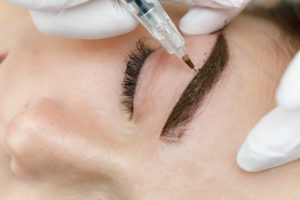
    Dermal fillers come in several varieties, but one of the main fillers is found naturally in human tissue, including skin, and performs basically the same job it does when it’s used as a filler: plumping, supporting your skin, collagen stimulation, and hydration. This makes this substance an ideal solution for a filler, which is why it’s one of the most popular types.

    How our dermal fillers work

    Our dermal fillers actually stimulate collagen and elastin in the skin, so treatments ‘treat’ the skin cells over time, actually improving the skin, instead of simply existing within the skin’s layers.

    When using dermal filler to fill out laugh lines around the mouth, the effect is cumulative, so it actually improves your skin until it’s reabsorbed, which naturally occurs over time. This is why further treatments are required, but usually less than before.

    About your laugh lines (nasolabial folds)

    The anatomical term for laugh lines around the mouth is nasolabial folds. That is, the creases in your cheeks that at their outer edges, start to fold to join the nose – naso – and lips – labial – when we smile. As we age, these folds can become a feature of our faces, instead of just appearing when we laugh or smile. Sagging cheeks contribute to this.

    What the research says

    One study observed that dermal filler in the nasolabial folds lasted up to 18 months after one treatment. The researchers decided to extend the study up to 36 months to see just how long the dermal filler was effective for after the first treatment. The study therefore included – where appropriate – a second treatment.

    The results revealed that out of 52 original patients, 40 required retreatments, but the second treatment took less than 50 per cent liquid of the initial treatment. Ultimately, the study found that 94-100 per cent of the study group maintained at least a little bit of effect for 36 months.

    Want to smooth your laugh lines?
    We can help!
    Contact us

  • Why isn’t regular tattoo ink used in cosmetic tattoos?

    Why isn’t regular tattoo ink used in cosmetic tattoos?

    There are two types of pigments used in cosmetic tattoo inks – organic and inorganic. Organic uses lakes pigments, while inorganic pigments use iron oxides. Most manufacturers of cosmetic tattoo ink use a mixture of both, but they do not use traditional tattoo inks.

    Traditional tattoo inks are famous for their boldness and brightness, whereas cosmetic tattoo inks are called pigments, and are softer tertiary colours. You do not want your eyebrows or lips to stand out so much from your face that they appear to walk into a room before you. Subtly is key.

    What are cosmetic tattoos?

    The skin is pierced with single, or multiple, sterile needles that contain various pigments to create a long-lasting mark on the skin. This is most commonly used for eyeliner, eyebrows and lips.

    Ingredients of cosmetic tattoo inks

    Iron and zinc oxides (inorganic) are a critical component of cosmetic tattoo pigments because oxides are very stable, nontoxic, and there are many colours available. Iron oxides are used in plenty of makeup and cosmetics (like mineral makeup), food, medication, and are a common ingredient in sunscreens. Iron oxide is non-reactive and inactive. Most human beings do not seem to be allergic to iron oxide.

    Pigments are ground into a very fine powder, then added to a binder to create a product you use all the time. The oxides provide opacity, so solid colours, making them great for foundations. These oxides are used in various combinations to make different colours in foundation, blusher, lipstick and eye shadow. Tone is obtained by changes in temperature and other factors, and inorganic pigments are less intense in colour than organic pigments (lakes).

    Lakes (organic) are certified colours, also known as metal salts. These colours are more intense than iron and zinc oxides.

    Why not regular tattoo ink?

    Traditional tattoo ink is not used, nor are vegetable pigments that can cause food-related allergic reactions due to the permanence of these inks, and their safety profile around delicate areas like the eyes. Instead, cosmetic-grade iron oxides and lakes are used, which tend to fade over time, which is useful when applying to our faces, which change – and need changing eyebrows.

    Iron oxide (inorganic) pigments are more stable and less likely to migrate (causing blurring of a tattoo). Using organic pigments for cosmetic tattoos makes the makeup temporary, because it will fade. Traditional inks barely fade, meaning that as the normal ageing of the skin occurs, the drooping will also apply to the tattooed makeup (like an eyebrow), whereas if you get the easier-fading option, you can get a ‘facelift’ by getting your eyebrows up higher next time.

    Getting cosmetic tattoos removed

    Removing them is much more difficult because these tattoos aren’t made of the same pigments as a regular tattoo. Talk to your cosmetic doctor about cosmetic tattoo removal and what your options could be.

    Contact us

  • 5 things you should know about anti-wrinkle injections in Melbourne

    5 things you should know about anti-wrinkle injections in Melbourne

    anti wrinkle injections melbourneStopping wrinkles in their tracks and softening the look of the lines you already have can be achieved using certain combinations of anti-wrinkle injections and dermal fillers. Here are five things you should know when considering anti-wrinkle injections in our Melbourne clinic.

         1. You can stop new wrinkle development and wrinkle deepening
    Anti-wrinkle injections are actually a muscle relaxant and do not ‘remove’ wrinkles magically, but prevent the cause of your wrinkles – facial movements. Anti-wrinkle injections also soften lines that already exist by relaxing the tiny facial muscles underneath the skin that draw your skin together to form a wrinkle. Anti-wrinkle injections can stop your skin from crinkling excessively when you laugh, frown, or talk. An example would be frown lines injections between your eyebrows, or frown lines injections in your forehead.

         2. Your facial expressions will not be snatched from you
    You can get rid of crow’s feet, frown lines, smoker’s lines, a pebbly chin, nose bridges (‘bunny lines’), but you won’t remove your lovely smile or your ability to express empathy or compassion. And don’t worry – people will still know when you’re mad!

         3. It’s fast – you can be in and out in 20 minutes
    Anti-wrinkle injections are fast and effective immediately, so you can pop in on your own time and be out within the half-hour.

        4. Only experienced doctors do anti-wrinkle injections at our clinic
    Many clinics use nurses, but at ENRICH, we only use registered, experienced cosmetic doctors to inject the right dose for the right contour. Our doctors take pride in their work.

         5. The results are temporary, so you can experiment and age gracefully
    We don’t always want to change our look forever – maybe you just want to try cosmetic injections out for size and see how anti-wrinkle treatments and face recontouring suits you. Your face also changes as you age, and what suited you in your 20s may not be the right thing for you in your 50s. We change with you.

    Not sure what you want and need to talk it over? Contact us for a consultation to discuss your anti-wrinkle treatments. 

  • What ‘getting your lips done’ really means – lip fillers

    What ‘getting your lips done’ really means – lip fillers

    Dermal lip fillers can make a huge difference to the appearance of your mouth and lips, restoring plumpness and redefining the shape of the mouth and surrounding skin. You can even-out, reshape or volumize lips, and reinforce the surrounding skin to make the whole area less wrinkle-prone.

    Your lips may be thin to start with, or have lost their voluptuousness with age, so your doctor’s goal will be to help your lips look naturally lovely, plump, and full. Eliminating lines around the mouth may also be a goal.

    How does lip enhancement work?
    A dermal filler is used on lips and often the surrounding areas, if indicated. This substance is injected into the lips at strategic points for best results. At ENRICH, we only use temporary  fillers because they can be dissolved quickly f there is an issue, and absorb back into your body over time. Dermal filler treatments last from six to 18 months.

    There are a few different options for lips:

    • Accentuating the Cupid’s bow at the top of the lips
    • Strengthening the vermillion border – that’s the border around your lips
    • Soften creases/vertical lines in the upper lip
    • Increase hydration
    • Increase volume
    • Enhance definition
    • Help soften wrinkles around the mouth, like ‘sad-mouth’ marionette lines

    What lip enhancement can’t do
    You can’t change the shape of your lips completely – you can only work with what you’ve got, to make your mouth fuller, smoother, and more youthful-looking.

    Things to consider when choosing lip enhancement

    • The shape of your lips and the areas that support the lips are important, not just the lips
    • After treatment, some bruising or swelling may occur
    • Lip fillers are a delicate, artistic procedure
    • At ENRICH, only highly skilled doctors do face contouring, including lip filler injections (not nurses)
    • Choose a doctor you feel comfortable with and trust

    Having lip enhancements is a very personal choice, and is an investment in your appearance. Contact us for a personal consultation to discuss your needs with one of our highly-trained cosmetic doctors.

  • Recontour your face with dermal fillers

    Recontour your face with dermal fillers

    Dermal treatments are an increasingly popular method of creating a more youthful, supple appearance, particularly in the face. Dermal fillers can compensate for sagging, inelastic skin, a loss of facial structures (due to bone and tissue loss) over time, drooping skin, and thinning lips.

    Dermal treatments are just one prong in a multifaceted approach to curb the visible signs of ageing.

    What dermal fillers can do for you

    The dermal fillers we use at ENRICH are injections of a substance naturally found in the skin, but in a refined form. This substance naturally breaks down over time, is non-toxic, and restores volume and skin texture. We use your natural contours when we work with your face, to enhance what’s already there.

    Dermal fillers can soften lines, particularly those in between our eyebrows, crow’s feet, and lines around our mouth and eyes. Volume can be added to the cheeks, under the eyes, temples, jaw, and chin. Scarring or pitting can be corrected.

    Areas often enhanced include:

    • Lips
    • Cheeks
    • Nose
    • Hollows under eyes
    • Chin
    • Brow shaping or lifting
    • Non-surgical facelift
    • Non-surgical jowl reduction
    • Forehead contouring
    • Frown-line smoothing

    Wrinkled or creased areas commonly treated include:

    • Nasolabial folds (between the nose and outer mouth)
    • Marionette lines (between the outer mouth and chin)
    • Vertical lip lines (above the upper lip)
    • Lines around the eyes (crow’s feet)
    • Furrowed brow lines (frown lines)

    Areas that can benefit from increased volume include: 

    • Cheeks
    • Hollows under the eyes (or ‘tear troughs’)
    • Temples
    • Jowls or jawline
    • Chin

    Face contouring – why getting a good cosmetic doctor makes all the difference

    Enhancing the shape of your face is a very personal decision, so getting the right doctor can impact how good you feel about your face when the dust settles and your procedures are over. Your investment of time, money, and swelling ought to be worth it.

    Choosing an experienced, highly-skilled doctor most often means better outcomes – less recovery time due to less bruising and swelling, better contours, and a more lovely shape. Precision and experience take centre stage.

    Contact us for a personal consultation to discuss your needs with one of our highly-trained, experienced cosmetic doctors.

  • Surgery-free post-birth vaginal tightening

    Surgery-free post-birth vaginal tightening

    Having a vaginal birth isn’t a walk in the park. The older you are and the more babies you have, the less your vagina bounces back post-birth, leaving many mamas with a looser-feeling vagina than you might prefer.

    Having strong pelvic floors and toned vaginal walls can feel unachievable by doing ongoing pelvic floor exercises alone. That’s where a vaginal rejuvenation treatments can fill the gap, so to speak.

    The Juliet and ThermiVa are the latest in a series of vaginal lasers that actually stimulate your body to regenerate collagen-rich vaginal cells, restoring tone (tightness) and functions like self-lubrication. ENRICH has its own vaginal rejuvenation treatment program to get your vagina well and truly back in shape.

    Vaginal rejuvenation - Enrich Clinic, MelbourneWho is Juliet, and why would I let her near my vagina?
    Juliet goes deep with 300+ laser beams penetrates the mucosa and submucosa, the layers of your vaginal walls that are responsible for elasticity, lubrication and tone. Her laser beam stimulates the cells to regenerate themselves, which results in brand-new vaginal cells.

    New cells means more collagen, which means more tightness – connective tissue like collagen gives our flesh flexibility and firmness. Friction is the main reported loss after collagen stretches out beyond return. The Juliet can help restore friction, making sex feel better.

    Where Juliet can’t reach, the ThermiVa can. That’s why both are included in our unique vaginal rejuvenation treatment program.

    Is this for new mums, or can I have it later in life?
    Our state-of-the-art equipment can be used on almost any vagina, since it is now safer than ever and completely nonsurgical. That’s right. No blood, no mess, no pain. Just a tighter, more responsive vagina and urinary stress incontinence improvements from the cellular level up without surgery. You can be in and out in 15 minutes, and you’ll need at least one, possibly two, treatments for lasting results.

    There is a small list of no-gos, for women who shouldn’t have this type of procedure, including pregnant women and those with vaginal or urinary tract infections. You need to have had a normal pap smear recently and not have any undiagnosed vaginal bleeding, but outside of that, this laser procedure is open to all women.

    Tears and prolapse – is it too complicated?
    It is well-observed that vaginal childbirth comes with a increased risk of vaginal and pelvic relaxation syndromes and sometimes traumatic tears, which can come with an increased risk of later prolapses due to tissue laxity or damage. This doesn’t exclude you from being able to make the most of laser vaginal rejuvenation techniques, and in fact these techniques may offer you excellent results.

    If you have a complex or traumatic vaginal injury case, discuss it with one of our specialist doctors who can advise you on the best course of action.

    Want to improve the tone or function of your vagina or improve urinary incontinence?
    We can help.
    Contact us

  • Can I get vaginal rejuvenation?

    Can I get vaginal rejuvenation?

    Vaginal rejuvenation is a blanket term for the series of procedures that include labiaplasty, clitoral hood reduction, hymenoplasty, vaginal tightening, and vaginal or vulvar tissue improvements. 

    Some of these vaginal rejuvenation procedures are considered ‘major’ procedures, while the vaginal rejuvenation laser and the ThermiVa vaginal RF machine, in particular, is considered a ‘minor’ procedure.

    At ENRICH, we perform vaginal rejuvenation using the Juliet laser and the ThermiVa radiofrequency machine, which can also plump or shrink the labia minora or majora, as well as tighten and rejuvenate the vagina and bladder area.

    Most women who seek vaginal rejuvenation are able to go through our vaginal rejuvenation program see results – some more than others – it is patient dependent, as are all treatment results.

    Can my vagina be rejuvenated?


    Yes, in most cases, we can help but here are the conditions

    vaginal rejuvenation

    1. If you are not pregnant
    2. Have had a recent normal pap smear
    3. Have no vaginal infections
    4. Have no urinary tract infections
    5. Do not have undiagnosed abnormal vaginal bleeding

    Age restrictions for vaginal rejuvenation

    There are no age restrictions on vaginal rejuvenation procedures, but some guidelines are in place to protect you against rushing into procedures that may not be in your best interests, though at ENRICH, we take great care to make sure every client is suitable for the procedures they seek.

    Younger clients are treated with extra care not only by our doctors, but also by law, since altering your appearance with surgery is long-lasting and not suitable for everyone who wants it.

    The law regarding under-18s

    As of October 2016, the Medical Board of Australia requires that anyone under 18 wishing to undergo major procedures is evaluated by a registered general practitioner, psychologist or psychiatrist and abides by a three-month cooling-off period prior to surgery.

    Minor procedures, including those using our vaginal rejuvenation laser, require a seven-day cooling-off period for under-18s and, if deemed appropriate, an evaluation by a psychologist. We do not perform surgical vaginal procedures, such as labiaplasty, at ENRICH Clinic

    Major cosmetic medical and surgical procedures

    means any procedure that cuts beneath the skin. This would include labiaplasty, hymenoplasty, and clitoral hood reductions, but because a laser does not cut the skin, vaginal rejuvenation that improves vaginal tissue structure is considered minor and non-surgical.

    Minor (non-surgical) cosmetic medical procedures

    do not involve any cuts beneath the skin, but can involve piercing the skin, for example, mole removal and laser treatments on the skin or inside the vagina.

    We understand that undergoing a cosmetic procedure is a very personal decision, so we welcome the opportunity to impress you. Contact us to arrange a personal consultation.

  • Subcision, Punch Excision, Punch Elevation and Punch Grafting for acne scarring

    Subcision, Punch Excision, Punch Elevation and Punch Grafting for acne scarring

    Subcision, Punch Excision and Elevation & Punch GraftingA combination of treatments are often used in conjunction with our acne scar removal treatments.

    What is subcision, punch excision, punch elevation and punch grafting?

    Subcision is beneficial when acne scarring has left ‘depressions’ or ‘divots’ on the skin’s surface. The procedure involves breaking up the fibrous tissue under the scar which pulls the skin downwards.

    Punch Excision, Punch Elevation and Punch Grafting are techniques where damaged skin is removed by excision of tiny areas of scarred skin, depressions in the skin are elevated, and undamaged skin (usually taken from behind the ear) can be used to repair areas if needed.

    What happens during the treatment?

    Local anaesthetic is used to numb the area so that the procedure is comfortable.

    During this procedure, some bleeding occurs which is beneficial in assisting to raise the skin and flatten out the depressed scars.

    After this treatment, the depressed or divot areas of the skin appear to be less deep, but there can be some associated mild swelling.

    Recovery process

    Swelling can take a week or two to settle.

    When are results visible?

    Results may not be seen for up to 6-24 weeks.

    Want to get rid of your acne scarring?
    We can help.
    Contact us