Author: ENRICH Team

  • Combining Skin Treatments: How a Layered Approach Supports Skin Health

    Combining Skin Treatments: How a Layered Approach Supports Skin Health

    Combining Treatments: Why a Layered Approach Can Help You Get More From Your Skin Plan

    Most people are looking for a single solution—one treatment, one product, one quick fix. In reality, skin doesn’t work like that. 

    Concerns such as pigmentation, redness, laxity, breakouts, and texture changes are usually influenced by multiple factors happening at different levels of the skin. That’s why a more considered, combination approach is often recommended.

    At Dermatology Institute of Victoria and ENRICH Clinic, treatment plans are rarely built around just one modality. Instead, they’re layered, combining in-clinic treatments with targeted at-home skincare such as Script Skincare, to support the skin from multiple angles.

    While no treatment can guarantee outcomes, combining the right approaches can often enhance overall skin quality and help you work toward your skin goals more effectively over time.

    Why Combining Treatments Makes Sense

    Skin is a complex organ (and the largest in the body), composed of multiple layers, each playing a distinct role.
    Different treatments work at different depths and target different processes, such as:

    • Pigment production
    • Blood vessels and redness
    • Collagen and elastin support
    • Oil production and inflammation
    • Surface texture and hydration

    A single treatment may improve one of these areas—but combining treatments allows you to address several at once.

    What a Combination Approach Can Offer

    A layered approach to skin treatments can:

    • Support improvements across multiple concerns
    • Help maintain consistency in skin quality
    • Complement how different treatments perform
    • Provide a more structured pathway toward your skin goals

    Rather than relying on one treatment to do everything, combination plans recognise that skin responds best to a coordinated approach.

    How Combination Treatment Plans Are Built

    A well-structured skin plan isn’t about doing more—it’s about doing what works, in the right order. At clinics like ENRICH and DIV, treatment plans are typically developed in stages:

    Assessment

    Understanding your skin condition, history, triggers, and goals.

    Foundation

    Establishing a consistent skincare routine to support the skin barrier and prepare for treatments.

    Correction

    Introducing in-clinic treatments to address specific concerns such as pigmentation, laxity, or redness.

    Maintenance

    Supporting results over time with lighter treatments and ongoing skincare. Each of these layers plays a role, and when combined, they can work together to support overall skin health.

    Where Laser Treatments fit in and what treatments are a good support. 

    Laser and energy-based treatments are commonly used to address:

    • Pigmentation and sun damage
    • Fine lines and wrinkles
    • Acne scarring
    • Uneven tone and texture

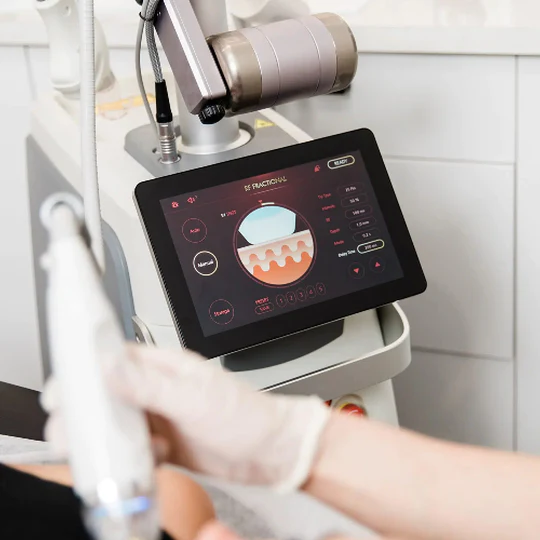
    Available options across ENRICH and DIV include fractional lasers, CO₂ resurfacing, Tixel®, and Pico/Piqo technologies.

    Why Combine With Maintenance Treatments?

    Laser treatments can create changes within the skin, particularly at deeper levels. However, without ongoing support, results may not be maintained as effectively. Maintenance treatments—such as hydrating facials, LED therapy, or light resurfacing—help support the skin between more intensive procedures.

    How This Works Together

    • Laser treatments help target deeper structural or pigment concerns
    • Maintenance treatments support recovery and skin function
    • Skincare helps maintain consistency

    This combination allows the skin to be treated and supported over time, rather than relying on a single intervention.

    Skin Tightening + Collagen Support Treatments – why do both matter ?
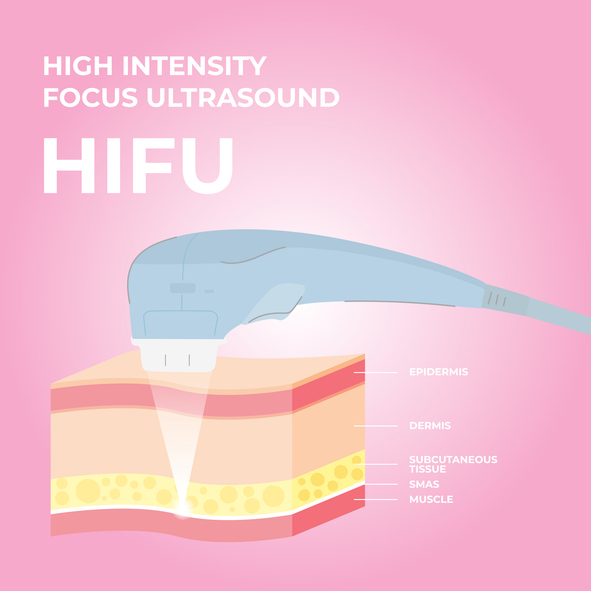
    As skin changes over time, loss of firmness and structure can become more noticeable.

    Technologies available at ENRICH and DIV include:

    Why Combine These?

    Different technologies work at different depths:

    • Some target deeper structural layers
    • Others focus on improving skin texture and quality

    Using them together allows for a more comprehensive approach.

    Example Approach

    • Initial treatment: deeper structural support (e.g. HIFU)
    • Follow-up treatments: RF microneedling or similar
    • Ongoing skincare: ingredients that support collagen and hydration

    This layered approach can help address both the structure and surface of the skin over time.

     Pigmentation or Redness Treatments – why this is almost never one step 

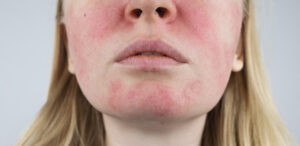
    Conditions such as pigmentation and rosacea often require a combination approach. Treatments options available include:

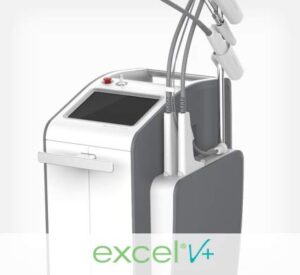
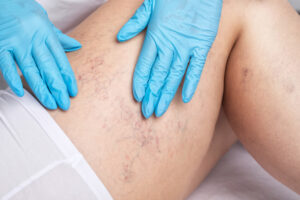
    • Vascular lasers (e.g. Excel V)
    • Pigment-targeting lasers
    • Dermatology-led treatment plans

    Why Add Skincare?

    While in-clinic treatments can target visible concerns, skincare helps support the skin between treatments and may help maintain results.

    Products from Script Skincare may include:

    • Vitamin A derivatives
    • Brightening agents
    • Barrier-support formulations

    How They Work Together

    • Laser treatments address visible pigment or redness
    • Skincare helps support skin function and maintenance
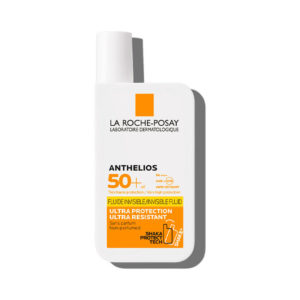
    • Sun protection is essential to help prevent recurrence

    This combination is particularly important for conditions that require ongoing management rather than a one-off solution.

    Resurfacing + Hydration + Barrier Support
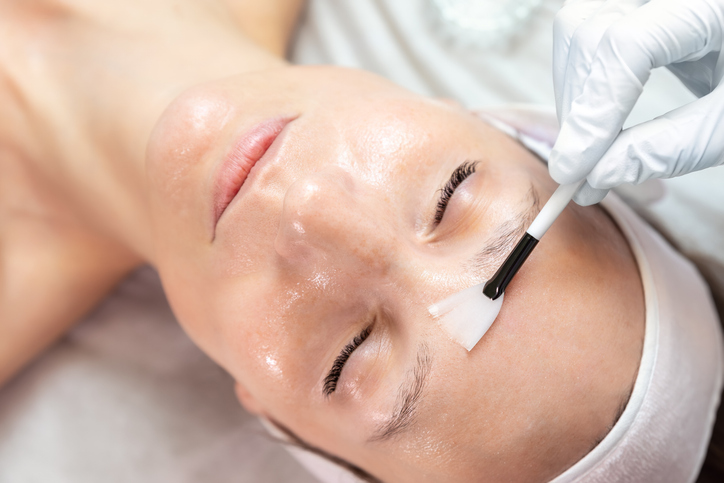
    Skin texture, dullness, and congestion are common concerns and often benefit from a combined approach.

    Treatments suggested include:

    Why Combine These?

    Each treatment plays a different role:

    Example Plan

    • Periodic resurfacing treatments
    • Regular hydration-focused treatments
    • Consistent daily skincare

    This approach focuses on improving overall skin quality rather than targeting a single issue.

    The Role of At-Home Skincare

    In-clinic treatments are only part of the picture. What you do daily has a significant impact on how your skin responds. Consistent skincare using products such as Script Skincare can:

    • Prepare the skin for treatments
    • Support recovery
    • Help maintain results
    • Improve overall skin function

    A Typical Routine May Include:

    • Gentle cleansing
    • Active ingredients (e.g. Vitamin A, antioxidants)
    • Hydration and barrier repair
    • Daily sun protection

    Without a consistent routine, results from in-clinic treatments may be harder to maintain.

    Timing Matters: Not Everything Happens at Once

    Combination treatments don’t mean having everything done in one visit. In most cases:

    • Treatments are spaced over time
    • Some are used as maintenance between others
    • Skincare is adjusted depending on your treatment plan

    This staged approach allows the skin to respond appropriately and reduces the likelihood of over-treatment.

    A Personalised Plan Is Key

    Every skin is different, and treatment plans should reflect that. At Dermatology Institute of Victoria and ENRICH Clinic, plans are typically tailored based on:

    • Skin type and condition
    • Medical history
    • Lifestyle factors
    • Tolerance for downtime
    • Individual goals

    What works well for one person may not be suitable for another.

    Managing Expectations

    It’s important to approach any treatment plan with realistic expectations.

    • Results vary between individuals
    • Multiple sessions may be required
    • Improvements are often gradual
    • Maintenance is usually needed

    A combination approach may enhance overall results compared to a single treatment, but it is not a quick fix. It’s a longer-term strategy focused on improving skin health over time.

    Bringing It All Together

    Combining treatments isn’t about doing more—it’s about doing what works together.

    By layering:

    • Targeted in-clinic treatments
    • Maintenance therapies
    • Consistent skincare

    …you can create a more structured and effective approach to improving your skin.

    The goal is not perfection, but healthier, more resilient skin that continues to improve with the right support.

    Book a consult with any of our team to discuss your skin health needs and treatments that will help with your skin care, maintenance and health.

  • At Home Skin Needling Rollers – Do They Really Work?

    At Home Skin Needling Rollers – Do They Really Work?

    Skin needling has become one of the most talked-about treatments in modern skincare. From at-home dermal rollers to advanced clinical devices, the promise is the same: smoother, brighter, healthier-looking skin.

    But do at-home skin needling rollers actually work—and are they the best option for your skin?

    Let’s break it down

    What Is Skin Needling and What Does It Do to the Skin?

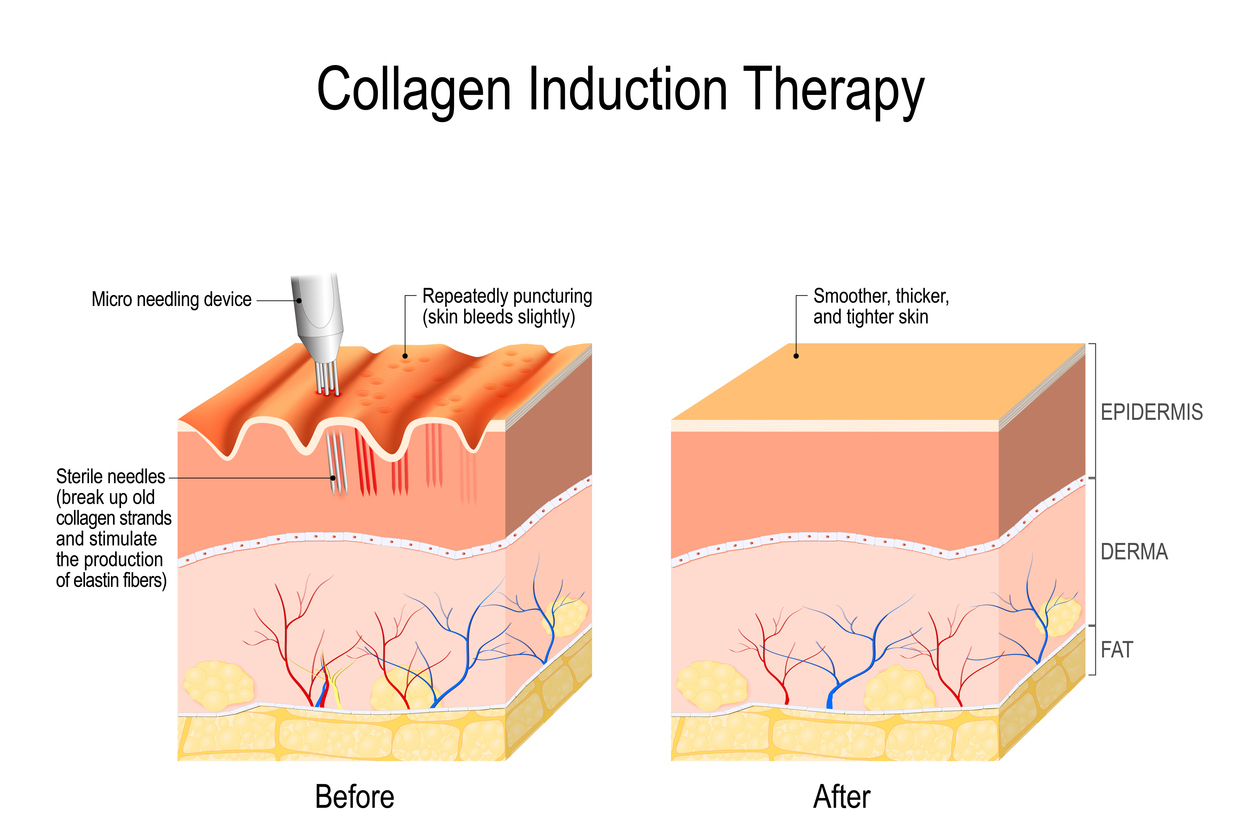
    Skin needling (also known as microneedling or collagen induction therapy) is a process that creates controlled micro-injuries in the skin using fine needles.

    These micro-injuries stimulate the skin’s natural repair process, leading to:

    • Increased collagen and elastin production
    • Improved skin texture and tone
    • Reduction in the appearance of fine lines
    • Support for acne scarring and pigmentation management

    In simple terms, skin needling encourages your skin to behave like it did when it was younger—repairing, renewing, and rebuilding.

    How Do At Home Skin Needling Rollers Work?

    At home dermal rollers use very short needles (typically 0.2mm–0.5mm) that roll across the skin to create superficial microchannels.

    These devices can:

    • Enhance product absorption
    • Gently stimulate the skin surface
    • Improve skin radiance over time

    However, their effects are generally mild and surface-level compared to professional treatments.

    Do Skin Needling Dermal Rollers Really Work?

    The honest answer is: yes—but with limitations.

    At home rollers can:

    ✔ Improve product penetration
    ✔ Support overall skin maintenance
    ✔ Give a temporary “glow” effect

    But they cannot:

    ✘ Reach deeper layers of the skin
    ✘ Significantly remodel collagen
    ✘ Effectively treat deeper acne scarring or wrinkles

    For more noticeable, longer-term skin changes, clinical skin needling treatments are required.

    Should You Use a Serum with a Dermal Roller?

    Yes—but this is where caution is essential.

    Because microneedling creates microchannels in the skin, anything you apply can penetrate more deeply than usual.

    Recommended:

    • Simple, hydrating serums (e.g. hyaluronic acid)
    • Barrier-supporting ingredients

    Avoid:

    • Active ingredients like retinol or strong acids
    • Fragranced or potentially irritating products

    Using the wrong serum can lead to irritation or adverse reactions—especially with repeated use.

    What Are the Risks of At-Home Skin Needling?

    While convenient, at-home devices come with risks if not used correctly:

    • Skin irritation and inflammation
    • Infection from poor hygiene
    • Worsening of pigmentation
    • Damage to the skin barrier

    If you are managing pigmentation or melasma, it’s best to seek professional advice 

    Clinical Skin Needling at ENRICH Clinic & DIV

    At ENRICH Clinic and Dermatology Institute of Victoria (DIV), skin needling is performed using advanced medical-grade devices under the supervision of trained professionals.

    Clinical Microneedling Benefits

    • Targets deeper layers of the skin
    • Stimulates significant collagen production
    • Improves Acne scarring  and texture
    • Supports long-term skin rejuvenation

    What Is the Secret RF Treatment?

    One of our most advanced options is the Secret RF (Radiofrequency Microneedling) treatment.

    This technology combines microneedling with radiofrequency energy to:

    • Deliver heat into deeper skin layers
    • Stimulate collagen more effectively
    • Improve skin firmness and texture
    • Address fine lines, acne scarring, and laxity

    At ENRICH Clinic, we have been performing advanced skin needling treatments, including Secret RF, for many years with consistently positive patient outcomes.

    At Home vs Clinical Skin Needling: What’s the Difference?

    Feature At-Home Rollers Clinical Treatments
    Needle depth Superficial Adjustable, deeper
    Results Mild, gradual More significant
    Safety User-dependent Professionally controlled
    Skin concerns treated General maintenance Scarring, ageing, pigmentation

    So… Should You Use a Dermal Roller at Home?

    At-home skin needling can be a useful addition to your skincare routine, but it should be viewed as maintenance—not treatment. It’s always best to speak with your dermatologist or skin health practitioner before starting to use a dermal roller. 

    If your goals include:

    • Acne scar reduction
    • Wrinkle improvement
    • Skin tightening
    • Pigmentation management

    Then professional treatments at ENRICH Clinic or DIV will deliver more effective and predictable outcomes.

    FAQs – At-Home Skin Needling

    Do dermal rollers work?
    They can improve product absorption and skin texture slightly, but the results are limited.

    How often should you use a dermal roller?
    Typically once every 1–2 weeks, depending on needle length and skin tolerance.

    Can skin needling damage the skin?
    Yes, if overused or used incorrectly, it can cause irritation or barrier damage.

    What serum should I use with microneedling?
    A gentle hydrating serum such as hyaluronic acid is usually recommended.

    Is professional microneedling better than at-home rollers?
    Yes, clinical treatments reach deeper layers and deliver more noticeable results.

    Does microneedling help with acne scars?
    Clinical microneedling may help improve the appearance of acne scarring over time.

     Book a consult or make an enquiry about skin needling today

  • The Difference Between Male and Female Skin

    The Difference Between Male and Female Skin

    Understanding skin biology, hormones, ageing, and personalised treatment options

    Skin is the body’s largest organ and one of the most complex. While it performs the same fundamental functions for everyone—protecting the body from environmental damage, regulating temperature, and acting as a barrier against infection—there are measurable biological differences between male and female skin.

    These differences are influenced by hormones, genetics, lifestyle, and ageing. They affect how skin behaves, how it ages, and how it responds to treatment. However, when it comes to caring for skin health, the discussion is not simply about gender. Skin type, environmental exposure, and individual concerns are often far more important when determining the best approach to skincare and dermatological treatments.

    At ENRICH Clinic and the Dermatology Institute of Victoria (DIV), treatment plans are developed with a personalised approach that considers skin type, age, hormones, and lifestyle rather than relying solely on whether someone is male or female. With experienced dermatologists, doctors, and nurses working across both clinics, patients have access to comprehensive dermatology care and advanced aesthetic skin treatments tailored to their individual needs.

    Understanding the Biology of Skin

    Before looking at the differences between male and female skin, it helps to understand the basic structure of skin itself.

    Skin is made up of three main layers:

    1. Epidermis
      The outermost layer that protects the body and acts as the first barrier against environmental damage.
    2. Dermis
      This layer contains collagen, elastin, hair follicles, blood vessels, and sebaceous (oil) glands.
    3. Subcutaneous Layer
      The deeper layer that contains fat and connective tissue that help insulate and cushion the body.

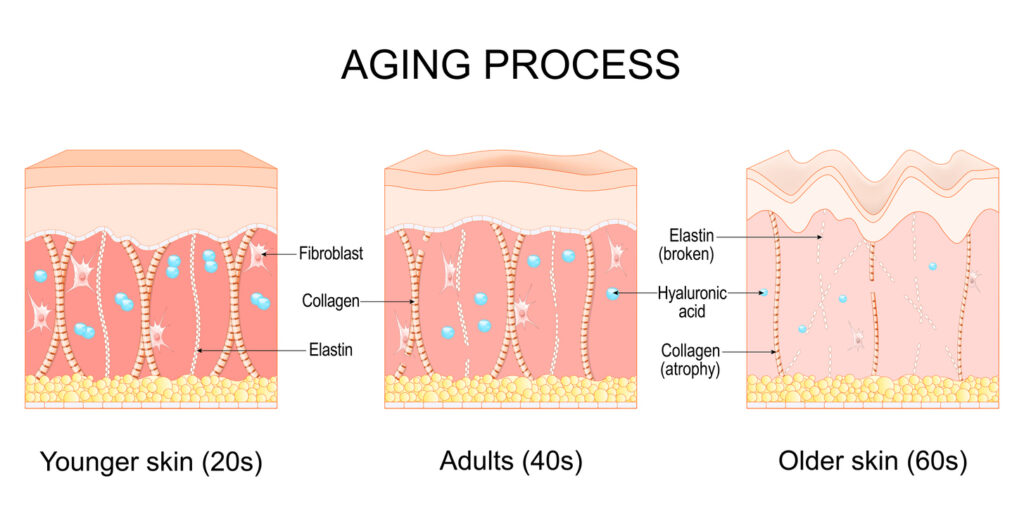
    Collagen and elastin in the dermis play a significant role in skin firmness and elasticity. Changes to these structures over time are what lead to wrinkles, sagging, and other visible signs of ageing.

    Structural Differences Between Male and Female Skin

    Skin Thickness

    One of the most well-documented differences is thickness.

    Male skin is typically 20–25% thicker than female skin, largely due to the effects of testosterone. Men also tend to have higher collagen density in the dermis.

    This difference means:

    • Men may show visible ageing slightly later than women.
    • Wrinkles may appear deeper once they do develop.
    • Male skin can sometimes be more resilient to environmental damage in earlier years.

    Female skin, on the other hand, is generally thinner and more delicate. Collagen levels also decline more rapidly with age, particularly after menopause, which can lead to increased skin laxity and fine lines.

    Oil Production and Pore Size

    Hormones also influence sebaceous gland activity.

    Men typically produce more sebum (oil) due to higher testosterone levels. As a result, male skin often has:

    • larger pores
    • oilier texture
    • higher likelihood of acne in younger years

    Women generally have lower baseline oil production, although this can fluctuate due to hormonal changes throughout life.

    Hormonal shifts during puberty, pregnancy, and menopause can all affect oil production and skin behaviour.

    Facial Hair and Shaving

    Another major difference is facial hair growth.

    Regular shaving in men acts as a form of physical exfoliation, removing dead skin cells and potentially improving skin smoothness. However, shaving can also lead to:

    • irritation
    • razor burn
    • ingrown hairs
    • inflammation

    Women may experience facial hair growth due to hormonal changes, but they generally do not shave the skin as frequently.

    Hormones and Their Impact on Skin

    Hormones play a major role in determining skin behaviour throughout life.

    Testosterone

    Testosterone influences:

    • thicker skin structure
    • increased sebum production
    • stronger collagen density

    This hormone contributes to the oily nature of male skin and can also play a role in acne development.

    Oestrogen

    Oestrogen has a protective effect on skin and supports:

    • collagen production
    • skin hydration
    • elasticity

    When oestrogen levels decline, particularly during menopause, women may notice changes such as:

    • increased dryness
    • thinning skin
    • loss of firmness
    • accelerated wrinkle formation

    These hormonal changes are why many women begin seeking professional skin treatments during their 40s and 50s.

    Hormonal Pigmentation

    Hormones can also influence pigmentation. For example, melasma is more common in women and is often associated with hormonal fluctuations during pregnancy or while using hormonal medications. Sun exposure combined with hormonal changes can lead to pigmentation irregularities that require targeted treatment.

    Hormones and Connective Tissue

    Hormonal changes can also influence connective tissue and collagen levels within the skin.

    For example, during menopause, declining oestrogen levels may contribute to:

    • reduced collagen production
    • changes in skin elasticity
    • shifts in fat distribution

    Septae, Fat Distribution and Why Cellulite Differs Between Men and Women

    Another interesting structural difference between male and female skin occurs deeper in the subcutaneous layer, where fat and connective tissue interact.

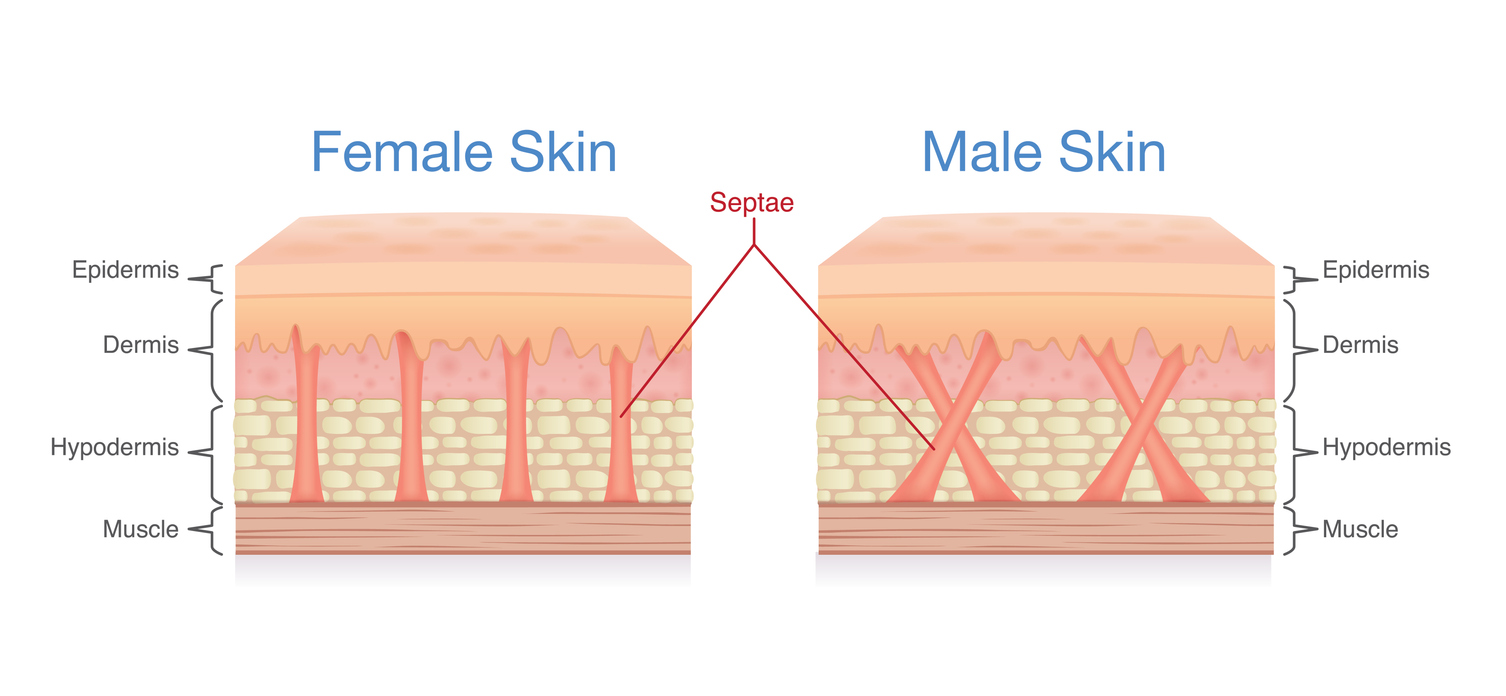
    Within this layer are fibrous connective tissue bands called septae (or septa). These bands act like internal support structures, anchoring the skin to deeper tissues and dividing fat into small compartments known as fat lobules. The orientation and structure of these septae differ between men and women, largely due to hormones, genetics, and natural fat distribution patterns.

    Female Septae Structure

    In women, septae tend to run vertically between the skin and underlying tissue. This arrangement allows fat lobules to expand more easily between the connective tissue bands. When fat pushes upward while the septae pull downward, it can create the dimpled or uneven skin texture commonly referred to as cellulite. Hormones such as oestrogen influence how fat is stored in areas like the thighs, hips and buttocks, which is why cellulite most commonly appears in these regions.

    Male Septae Structure

    In men, the fibrous septae usually form a cross-hatched or diagonal network. This structure provides stronger internal support for the fat layer beneath the skin, helping to keep fat distributed more evenly. As a result, the skin surface tends to appear smoother and cellulite is less commonly visible in men.

    These changes can influence how septae interact with fat beneath the skin and may affect skin texture over time.

    Ageing and Skin Changes

    Ageing affects everyone’s skin, but the patterns can differ between men and women.

    Male Skin Ageing

    Men tend to experience:

    • slower early collagen loss
    • deeper wrinkles once ageing becomes visible
    • increased sun damage due to historically lower sunscreen use

    Female Skin Ageing

    Women may experience:

    • earlier fine lines
    • collagen decline during menopause
    • increased skin dryness and sensitivity

    This is why preventative skincare and collagen-supporting treatments can be beneficial for both men and women.

    Is It Really About Gender or Skin Type?

    While biological differences exist, dermatologists increasingly recognise that skin type and lifestyle factors often matter more than gender alone.

    Skin is commonly categorised into the following types:

    • oily skin
    • dry skin
    • combination skin
    • sensitive skin
    • normal skin

    Two individuals of different genders with the same skin type may require very similar treatment approaches.

    For example:

    • An oily-skinned man and an oily-skinned woman may both benefit from treatments targeting excess sebum.
    • A woman with sensitive skin and a man with rosacea may both require barrier-supporting treatments and gentle skincare routines.

    At ENRICH Clinic and DIV, treatment plans are designed around individual skin assessments rather than assumptions based on gender.


    Should Men Pay as Much Attention to Their Skin as Women?

    The short answer is yes.

    Historically, skincare and cosmetic dermatology were more commonly associated with women. However, this perception is changing rapidly. Men are increasingly interested in maintaining healthy skin, addressing sun damage, and improving skin quality. In Australia, where ultraviolet radiation levels are among the highest in the world, skin health is an important concern for everyone. Men are statistically more likely to develop serious sun damage and skin cancers, partly due to lower sunscreen use and later presentation for medical advice.

    Regular skin checks, sun protection, and early intervention for skin concerns are therefore important for both men and women.

    Skin Treatments Available at ENRICH Clinic and DIV

    Both clinics provide a broad range of dermatology and aesthetic treatments that can address a wide variety of skin concerns.

    Skin Rejuvenation Treatments

    Modern dermatology offers many non-surgical approaches to support skin quality and collagen production.

    Treatments may include:

    These treatments are commonly used to address:

    Treatment suitability is always determined during consultation with a qualified practitioner.

    Pigmentation Treatments

    Pigmentation concerns can affect both men and women.

    Common concerns include:

    • sunspots
    • melasma
    • uneven skin tone

    Depending on the cause and severity, treatment options may include:

    Acne and Oil-Control Treatments

    Acne can affect people of all ages and genders.

    Professional treatments may assist with managing:

    • persistent acne
    • oily skin
    • acne scarring

    Treatment approaches may include laser technologies, dermatology consultations, and tailored skincare plans.

    Dermatology and Skin Health

    Both ENRICH Clinic and DIV focus strongly on medical dermatology, including:

    • skin cancer checks
    • treatment of benign skin lesions
    • management of inflammatory skin conditions such as rosacea and dermatitis

    This integrated approach ensures both cosmetic and medical skin concerns can be addressed.

    Everyday Skin Care Habits for Healthy Skin

    Regardless of gender, there are several core habits that support skin health.

    Sun Protection

    Australia has some of the highest UV exposure levels in the world. Daily sunscreen use is one of the most effective ways to prevent premature ageing and reduce the risk of skin cancers.

    Gentle Cleansing

    Using a cleanser appropriate for your skin type helps maintain the skin barrier and remove excess oil, pollutants, and sunscreen.

    Hydration

    Moisturisers support the skin barrier and help maintain hydration levels.

    Professional Skin Advice

    Seeing a dermatologist or experienced practitioner can help identify concerns early and guide personalised treatment plans.

    FAQs: Male vs Female Skin
    Is men’s skin really different from women’s skin?
    Yes. Male skin is generally thicker and produces more oil due to testosterone, but skin type and lifestyle often play an equally important role.

    Do men age differently than women?
    Men may develop wrinkles later, but they can appear deeper due to thicker skin and stronger facial muscles.

    Do men need skincare routines?
    Yes. Basic skincare such as cleansing, moisturising, and sun protection is beneficial for everyone.

    Are skin treatments different for men and women?
    Treatment choices are usually based on skin condition and skin type rather than gender alone.

    Does shaving help skin health?
    Shaving can remove dead skin cells but may also cause irritation or ingrown hairs if not done carefully.

    Can hormones affect skin appearance?
    Yes. Hormonal fluctuations can influence oil production, pigmentation, and collagen levels.

    Is sunscreen important for men?
    Absolutely. Sun protection helps reduce the risk of sun damage and skin cancers.

    A Personalised Approach to Skin Health

    While male and female skin have biological differences, the most effective skincare approach is one that considers the individual characteristics of each person’s skin.

    Skin type, lifestyle, environmental exposure, hormones, and genetics all play an important role in determining how skin behaves and how it should be treated.

    At ENRICH Clinic and the Dermatology Institute of Victoria, the focus is on personalised dermatology care and advanced skin treatments designed to support long-term skin health.

    Book  or email  for more info here 

  • Is AI Helping or Hindering Dermatology Diagnosis in Australia?

    Is AI Helping or Hindering Dermatology Diagnosis in Australia?

    Artificial intelligence (AI) is rapidly reshaping many areas of healthcare — and dermatology is no exception. From smartphone skin scanners to sophisticated lesion-mapping platforms used in specialist clinics, AI is increasingly part of the diagnostic conversation.

    But is AI genuinely improving dermatology diagnosis, or is it creating new risks and confusion?

    For patients researching skin concerns — whether it’s a changing mole, acne, pigmentation, or a persistent rash — AI may seem like a convenient shortcut. However, dermatology is complex, visual, and highly contextual. Technology can assist, but it cannot replace clinical expertise.

    In this article, we explore the role of AI in dermatology, its potential benefits and limitations, and how it fits within evidence-based, clinical care in Australia.

    What Is AI in Dermatology?

    Artificial intelligence in dermatology refers to computer systems trained on large datasets of skin images to recognise patterns. These systems use machine learning algorithms to:

    AI tools are most commonly discussed in relation to skin cancer detection, but research is expanding into acne, inflammatory conditions, and pigment disorders.

    For example, some systems are trained to differentiate between benign lesions and suspicious lesions using image recognition. However, AI tools do not make medical diagnoses independently — they provide decision support that must be interpreted by a qualified medical practitioner. This is especially true when dealing and diagnosing skin cancer . 

    The Potential Benefits of AI in Dermatology

    1. Earlier Identification of Concerning Lesions

    Some AI systems have demonstrated the ability to analyse images and flag lesions that warrant further assessment. In theory, this may:

    • Encourage earlier medical review
    • Support triage in rural or remote areas
    • Improve workflow efficiency in high-volume settings

    This may be particularly relevant in Australia, where skin cancer rates are among the highest in the world.

    2. Supporting (Not Replacing) Clinical Judgement

    In specialist clinics, AI may assist dermatologists by:

    • Comparing lesions against extensive image databases
    • Providing probability-based classifications
    • Supporting digital mole mapping systems
    • However, AI does not assess:
    • Patient history
    • Symptom progression
    • Immune status
    • Medication influences
    • Full body skin examination findings

    A dermatologist integrates all of these factors during a consultation — something an algorithm cannot replicate.

    Clinics such as Enrich Clinic and Dermatology Institute of Victoria (DIV) prioritise comprehensive, doctor-led assessment alongside appropriate technology where indicated.

    3. Improved Access in Underserved Areas

    AI-assisted teledermatology platforms may improve access for patients in regional Australia. However, telehealth and image-based assessments still require medical oversight.

    The Limitations and Risks of AI in Dermatology

    While promising, AI in dermatology is not without concerns.

    1. Image Quality and Context Limitations

    AI systems are highly dependent on image quality. Variations in:

    • Lighting
    • Camera resolution
    • Skin tone representation in datasets
    • Lesion positioning

    can significantly impact accuracy. Additionally, many publicly available apps are not regulated as medical devices in Australia. The Therapeutic Goods Administration(TGA) regulates medical devices and digital health tools. Not all AI skin apps meet TGA standards.

    2. Risk of False Reassurance

    A low-risk output from an app does not replace a clinical diagnosis. Delayed medical review based on AI reassurance may result in:

    • Late presentation of skin cancers
    • Missed inflammatory or autoimmune conditions
    • Progression of treatable disorder

    3. Dataset Bias

    AI models are only as good as the datasets used to train them. Historically, dermatology image datasets have over-represented lighter skin tones. This raises concerns about:

    • Reduced accuracy in diverse populations
    • Health equity implications
    • Diagnostic bias

    The World Health Organization has highlighted the importance of inclusive AI ethics in healthcare.

    AI and Skin Cancer Detection: What Does the Evidence Say?

    Research has shown that certain AI systems can perform at levels comparable to trained dermatologists in controlled study environments. However:

    • Real-world conditions vary
    • Studies are often retrospective
    • Clinical judgement includes more than image analysis

    AI may assist in identifying suspicious features, but biopsy decisions, management planning, and patient counselling remain clinical responsibilities.

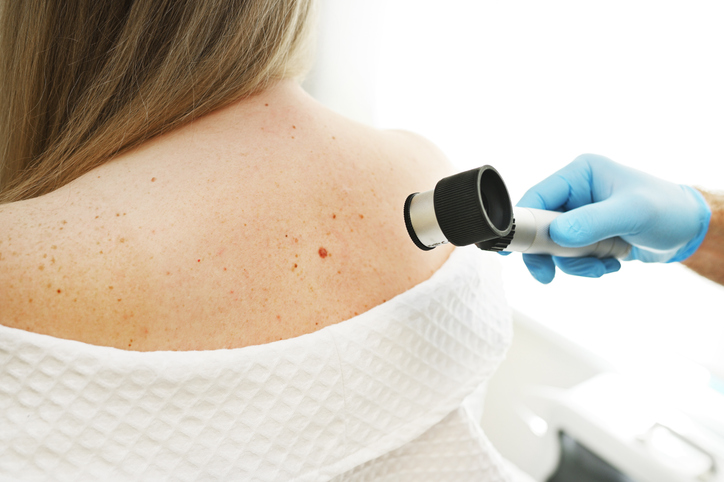
    At clinics such as the Dermatology Institute of Victoria, dermoscopy and specialist review are integrated into skin cancer assessment protocols — with technology supporting, not replacing, medical expertise.

    AI in Cosmetic Dermatology and Skin Analysis

    AI is also increasingly used in aesthetic skin analysis platforms that:

    • Map pigmentation
    • Assess redness
    • Evaluate skin texture
    • Track changes over time

    While these tools may support treatment planning discussions, they do not replace clinical examination.

    For patients exploring skincare ingredients, barrier repair, and evidence-based formulations, educational resources and product transparency are essential. Script Skincare provides ingredient-focused information aligned with dermatological principles.

    The Human Element: Why Clinical Context Still Matters

    Dermatology diagnosis involves more than pattern recognition. A dermatologist considers:

    • Family history
    • Occupational exposure
    • Immune status
    • Systemic disease
    • Medication interactions
    • Morphology and distribution patterns
    • Symptom evolution

    AI cannot palpate a lesion, assess texture, or interpret subtle contextual cues such as asymmetry across the entire body. Let not forget it takes years of training and experience to become a dermatologist .

    At Enrich Clinic and DIV, consultations are doctor-led and patient-centred, ensuring that technology is integrated appropriately within a broader clinical framework.

    Is AI Helping or Hindering?

    The answer is nuanced.

    AI May Help When:

    • Used as a clinical decision-support tool
    • Integrated within regulated healthcare systems
    •  Interpreted by qualified practitioners
    • Applied to appropriate image datasets

    AI May Hinder When:

    • Used as a standalone diagnostic substitute
    • Relied upon without medical review
    • Promoted with misleading marketing claims
    • Applied outside regulatory frameworks

    The Future of AI in Dermatology

    AI is likely to continue evolving in areas such as:

    • Automated mole mapping
    • Predictive risk modelling
    • Treatment outcome tracking
    • Clinical workflow optimisation

    However, ethical governance, transparency, and regulatory compliance will remain central to safe implementation.

    The goal is not replacement — but collaboration.

    Technology may assist dermatologists in analysing patterns at scale, but human expertise remains essential in translating data into diagnosis and management. Everyone is indiviual and this is the level of care that is important in any healthcare situation. 

    Hero or Villain?

    AI is neither hero nor villain in dermatology diagnosis. Most importantly, it is a tool — one that must be applied carefully, ethically, and within regulated medical practice.

    For patients, the safest approach remains:

    • Seek a qualified medical assessment for new or changing skin concerns
    • Use AI tools cautiously
    • Avoid relying solely on app-based reassurance

    If you have concerns about your skin, a comprehensive consultation with a qualified dermatologist is the most reliable way to assess your condition.

    While technology continues to evolve, nothing replaces an experienced clinical eye.

    If you’d like your skin professionally assessed — whether for a mole check, skin cancer review or general dermatology concern — we invite you to book a consultation with our doctor-led team at ENRICH Clinic  and The Dermatology Institute of Victoria


  • Skin Care Actives – What Are They and What Do They Do?

    Understanding Skin Care Actives in Australia

    If you’ve ever wondered, Skin Care Actives – what are they and what do they do?, you’re not alone. Australian consumers are increasingly searching for ingredient-led skincare supported by evidence rather than marketing language. Skin care actives are ingredients included in formulations at concentrations shown in clinical research to influence skin function. Unlike fragrance, fillers, or texture enhancers, active ingredients are included for a specific physiological purpose. In Australia, interest in evidence-based skincare continues to grow, particularly in relation to acne, pigmentation, rosacea, sun damage, and age-related skin changes.

    What Are Skin Care Actives?

    Skin care actives are biologically active ingredients that interact with the skin and may:

    • Support normal cell turnover
    • Assist in reducing visible inflammation
    • Support collagen production
    • Help regulate oil production
    • Improve hydration levels
    • Assist in reducing the appearance of pigmentation

    These ingredients are commonly found in cosmeceutical products and therapeutic skincare ranges available through medical and dermatology clinics.

    How Do Skin Care Actives Work?

    Different actives function in different ways:

    Category Mechanism of Action Examples
    Retinoids Support cellular turnover & collagen production Retinol
    Antioxidants Help neutralise free radicals Vitamin C
    Chemical Exfoliants Dissolve bonds between dead skin cells AHAs, BHAs
    Humectants Attract water into the skin Hyaluronic Acid
    Anti-inflammatory Agents Support calming of redness-prone skin Niacinamide
    Keratolytics Assist in unclogging pores Salicylic Acid

    Most Commonly Used Skin Care Actives in Australia

    Vitamin C (Ascorbic Acid)

    Vitamin C is a topical antioxidant supported by dermatological research and widely used in clinical and cosmeceutical skincare formulations. Ascorbic acid is the biologically active form most commonly studied in dermatology.

    Potential benefits may include:

    • Supporting a brighter-looking complexion
    • Assisting in reducing the appearance of hyperpigmentation
    • Helping protect against environmental oxidative stress
    • Supporting collagen production
    • Improving the appearance of uneven skin tone

    How Vitamin C Works

    Vitamin C functions primarily as an antioxidant. Environmental factors such as UV exposure, pollution, and normal metabolic processes generate free radicals in the skin. These unstable molecules can contribute to visible skin ageing and pigmentation changes. Topical vitamin C may help neutralise these free radicals, supporting overall skin integrity and resilience. In addition, vitamin C plays a role in collagen synthesis, which is why it is often included in products targeting visible skin ageing. While topical formulations cannot replicate in-clinic procedures, research suggests that consistent use may support improvements in skin texture and tone over time.

    Efficacy: Why Formulation Matters

    Not all vitamin C products perform the same way.

    The effectiveness of a topical vitamin C product depends on:

    • Concentration (often 10–20% in clinical formulations)
    • Form of vitamin C used (ascorbic acid vs. derivatives)
    • pH level of the formulation
    • Packaging stability

    L-ascorbic acid (pure vitamin C) is considered the most biologically active form, but it is also the most unstable. For absorption, it typically requires a low pH formulation, which can increase irritation risk in sensitive skin types.

    Vitamin C derivatives (such as sodium ascorbyl phosphate or magnesium ascorbyl phosphate) are generally more stable but may convert less efficiently in the skin.

    This is why professional guidance can be helpful when selecting a product suited to individual skin type and tolerance.

    Why Does Vitamin C Turn Orange or Dark?

    One of the most common consumer questions is why some vitamin C serums change colour over time.

    Pure ascorbic acid is chemically unstable and readily oxidises when exposed to:

    • Air (oxygen)
    • Light
    • Heat
    • Repeated opening of the container

    As oxidation occurs, the serum may shift from clear or pale straw-coloured to yellow, then orange, and eventually dark brown.

    When significantly oxidised:

    • The product may become less effective
    • It may increase the likelihood of skin irritation
    • It can sometimes cause temporary surface staining on lighter skin tones

    For this reason, vitamin C products are often packaged in dark glass bottles or airless pumps to reduce exposure to light and oxygen.

    If a serum has turned dark orange or brown, it may no longer provide the intended antioxidant support and should generally be replaced.

    Storage and Use Tips

    To help maintain stability:

    • Store in a cool, dry place away from direct sunlight
    • Close the lid immediately after use
    • Avoid leaving the product open for extended periods
    • Use within the recommended time after opening

    Daily broad-spectrum SPF is recommended when using antioxidant or active skincare products.

    Retinoids (Vitamin A Derivatives)

    Retinoids are among the most extensively studied ingredients in dermatology. They are derivatives of vitamin A and are commonly used in both prescription and over-the-counter skincare formulations. Retinoids influence how skin cells grow, mature, and shed. Because of this, they are frequently included in treatment plans for acne, photoageing, and uneven skin tone.

    Evidence suggests retinoids may assist with:

    • Improving the appearance of skin texture
    • Reducing the appearance of fine lines
    • Supporting acne management
    • Supporting collagen production
    • Improving the appearance of pigmentation irregularities

    How Retinoids Work

    Retinoids bind to specific receptors in skin cells and influence gene expression involved in cellular turnover and collagen synthesis.

    In simple terms, they:

    • Encourage epidermal renewal
    • Support normal shedding of dead skin cells
    • Help reduce follicular blockage
    • Stimulate collagen production within the dermis

    This combination of effects is why they are often considered a foundational ingredient in evidence-based skincare.

    Types of Retinoids in Australia

    There are different strengths and forms available:

    • Cosmetic retinoids (e.g., retinol, retinaldehyde) – available in over-the-counter formulations
    • Prescription retinoids – regulated under the Therapeutic Goods Act and only available following medical consultation

    Efficacy and Time Frame

    Retinoids typically require consistent use over several weeks to months before visible changes may be observed.

    During the initial adjustment period, some individuals may experience:

    • Dryness
    • Redness
    • Peeling
    • Increased sensitivity


    This is sometimes referred to as a “retinisation” phase and can often be managed with gradual introduction and appropriate moisturiser support. Individual responses vary depending on concentration, skin type, and formulation.

    Pregnancy and Safety Considerations

    Oral retinoids are known to be teratogenic (harmful to a developing fetus). While topical retinoids have lower systemic absorption, Australian medical guidance generally advises avoiding their use during pregnancy and pre-conception as a precaution.

    If you are pregnant, planning pregnancy, or breastfeeding, you should seek medical advice before using retinoid-containing products.

    Practical Use Guidance

    To reduce irritation risk:

    • Introduce slowly (e.g., 2–3 times per week initially)
    • Use at night
    • Apply a moisturiser to support barrier function
    • Use broad-spectrum SPF daily

    Hyaluronic Acid

    Hyaluronic acid is a naturally occurring glycosaminoglycan found in the skin, connective tissue, and joints. In dermatology, it is primarily valued for its ability to bind and retain water.

    How It Works

    Hyaluronic acid is classified as a humectant, meaning it attracts water to the skin. One molecule can bind up to 1,000 times its weight in water under laboratory conditions.

    Topically applied hyaluronic acid may:

    • Improve surface hydration
    • Reduce the appearance of fine dehydration lines
    • Support skin barrier function
    • Enhance skin smoothness

    Unlike exfoliants or retinoids, hyaluronic acid does not increase cell turnover. Its benefits are primarily related to hydration and barrier support.

    Molecular Weight Matters

    You may see references to “low molecular weight” or “multi-weight” hyaluronic acid in formulations.

    • High molecular weight HA tends to sit closer to the surface and support immediate hydration.
    • Lower molecular weight HA may penetrate slightly deeper into the epidermis and support longer-lasting hydration.

    Formulation quality influences performance.

    Clinical Considerations

    In very dry climates, humectants should ideally be paired with a moisturiser containing occlusive or barrier-supporting ingredients to minimise transepidermal water loss.

    Niacinamide (Vitamin B3)

    Niacinamide is a water-soluble form of vitamin B3 and one of the most versatile and well-studied cosmetic actives in dermatology.

    Mechanism of Action

    Niacinamide supports several key skin functions:

    • Enhances skin barrier function
    • Reduces visible redness
    • Helps regulate sebum production
    • Supports even skin tone
    • Assists in improving the appearance of enlarged pores

    It works in part by supporting ceramide production within the skin barrier and modulating inflammatory pathways.

    Efficacy and Concentration

    Most studies evaluate niacinamide at concentrations between 2–5%, although higher concentrations are sometimes used in cosmeceutical products.

    Higher strengths do not necessarily mean better outcomes and may increase irritation risk in some individuals.

    One reason niacinamide is widely used in Australian skincare is its compatibility with other actives. It is often paired with:

    • Retinoids
    • Hyaluronic acid
    • Salicylic acid
    • Vitamin C (in stabilised formulations)

    Who May Benefit

    Niacinamide may be particularly useful in individuals with:

    • Oily or acne-prone skin
    • Barrier impairment
    • Mild pigmentation concerns
    • Sensitive or redness-prone skin

    It is generally considered low irritation and suitable for long-term use when tolerated, howver as with all active ingredients soem skin types may react. 

    Salicylic Acid (Beta Hydroxy Acid – BHA)

    Salicylic acid is a lipid-soluble exfoliant commonly used in acne-prone and sebaceous skin types.

    How It Works

    Unlike water-soluble exfoliants, salicylic acid penetrates into the oil-rich follicular environment. This makes it particularly suited to managing congestion.

    It may assist with:

    • Loosening and removing dead skin cells
    • Reducing follicular blockage
    • Supporting acne management
    • Reducing the appearance of blackheads and whiteheads

    Anti-Inflammatory Properties

    Salicylic acid is chemically related to acetylsalicylic acid (aspirin) and has mild anti-inflammatory properties, which may help calm inflamed breakouts.

    Concentration and Safety

    In over-the-counter Australian skincare products, concentrations typically range from 0.5% to 2%. Higher concentrations are sometimes used in professionally administered chemical peels under clinical supervision.

    Overuse may lead to:

    • Skin dryness
    • Irritation
    • Barrier disruption

    Gradual introduction is generally recommended.

    Alpha Hydroxy Acids (AHAs)

    Alpha hydroxy acids include glycolic acid, lactic acid, and mandelic acid. They are water-soluble exfoliants used to improve surface texture and radiance.

    Mechanism of Action

    AHAs work by:

    • Dissolving the bonds between dead surface skin cells
    • Promoting exfoliation
    • Supporting smoother skin texture
    • Improving the appearance of dullness

    Glycolic acid has the smallest molecular size and penetrates more readily, while lactic acid is generally milder and more hydrating.

    Clinical Uses

    AHAs may assist with:

    • Uneven texture
    • Superficial pigmentation
    • Mild photoageing changes
    • Dull or congested skin

    Higher concentrations are used in professional chemical peel treatments administered in clinical settings.

    Sun Sensitivity Consideration

    AHAs can increase photosensitivity. For this reason:

    • Daily broad-spectrum SPF 50 + is recommended
    • Introduction should be gradual
    • Individuals with sensitive or rosacea-prone skin should seek professional advice.

    Comparison of Common Skin Care Actives

    Active Ingredient Primary Function Best Suited For How It Works Irritation Potential Day or Night Use Key Considerations
    Retinoids (Retinol, prescription forms) Supports cell turnover & collagen production Acne-prone skin, visible ageing, uneven texture Encourages epidermal renewal and supports collagen synthesis Moderate (especially during introduction) Typically night May increase sensitivity; gradual introduction recommended; prescription forms regulated in Australia
    Vitamin C (Ascorbic Acid) Antioxidant protection & brightening support Dullness, uneven tone, environmental exposure Neutralises free radicals and supports collagen production Low–moderate (depends on concentration & pH) Morning commonly used Oxidises with light/air; colour change may indicate reduced stability
    AHA (Glycolic, Lactic Acid) Surface exfoliation Dullness, mild pigmentation, texture concerns Dissolves bonds between dead surface skin cells Moderate / High (varies by strength) Usually night Can increase sun sensitivity; daily SPF recommended
    BHA (Salicylic Acid) Oil-soluble exfoliation Oily or acne-prone skin, congestion Penetrates pores and helps reduce blockage Low–moderate Morning or night Overuse may dry skin; beneficial for sebaceous skin types
    Niacinamide (Vitamin B3) Barrier support & oil regulation Sensitive, redness-prone, oily or combination skin Supports ceramide production and modulates inflammation Low Morning or night Generally well tolerated; compatible with many other actives

    Important Note

    Individual skin responses vary. Combining multiple active ingredients without guidance may increase irritation risk. A personalised skin assessment by a dermatologist can help determine appropriate combinations and sequencing.

    Why understand these products and terms

    Understanding Skin Care Actives – what are they and what do they do? empowers Australian consumers to make informed, evidence-based skincare decisions. Rather than focusing on trends, selecting ingredients supported by dermatological research and suited to individual skin concerns is key. These terms are bandied around in marketing, so it is worth patients and consumers knowing what these active ingredients do, not just recognising a “fancy” term. 

    Everyone’s skin is different and can react in completely different ways to active products.  It is always advised to undertake a skin assessment with a dermatologist and discuss which active ingredients are appropriate for your skin type or concerns. A personalised skin consultation can help clarify your options. The clinical team at Enrich Clinic provides evidence-based skin assessments and can guide you on ingredient selection and treatment planning based on your individual skin needs.

    Book a consultation at ENRICH Clinic here. 

  • Platysmal Bands & Neck Banding: Causes and Treatment Options

    Platysmal Bands & Neck Banding: Causes and Treatment Options

    Understanding Neck Banding (Platysmal Bands): Causes and Treatment Options

    Vertical neck bands, medically known as platysmal bands, are a common structural change that can develop as the skin and underlying muscles naturally change with age. While platysmal bands are harmless and part of normal ageing, some people choose to explore treatment options to improve the appearance of neck definition or skin texture.

    Both surgical and non-surgical management approaches exist. This article provides general educational information about platysmal bands, including factors that contribute to their development and treatment options that may be discussed with qualified healthcare professionals.

    What Are Platysmal Bands?

    The platysma is a thin sheet-like muscle that runs from the lower face down into the neck and upper chest. It contributes to facial expression, jaw movement and helps support the soft tissues of the neck.

    Over time, changes in the skin and muscle can lead to separation or tightening of muscle fibres, which may become visible as vertical neck bands.

    What Causes Neck Banding?

    Platysmal bands typically develop due to a combination of structural, environmental and genetic factors.

    Natural Ageing Changes

    Ageing causes gradual changes in collagen and elastin, which help maintain skin firmness and elasticity. These changes may make the platysma muscle more visible beneath the skin.

    Genetics

    Some individuals naturally have thinner skin or a more prominent platysma muscle, which may increase the visibility of neck banding.

    Repetitive Muscle Movement

    Regular movements such as jaw clenching, facial expressions and neck tension may contribute to muscle thickening and separation over time.

    Sun Exposure

    Ultraviolet (UV) exposure is known to contribute to collagen breakdown and premature skin ageing, which can influence neck skin quality.

    Weight Fluctuations

    Significant weight changes may stretch the skin and supporting tissues, sometimes increasing the appearance of neck laxity and banding.

    Surgical Management Options

    Surgical procedures are typically performed by specialist plastic surgeons. ENRICH Clinic and the Dermatology Institute of Victoria do not perform surgical neck lifting procedures, but patients may be referred for further surgical consultation when appropriate.

    Neck Lift (Platysmaplasty)

    A neck lift is a surgical procedure designed to reposition muscles and remove excess skin. It is generally considered when significant skin laxity or structural changes are present. As with all surgery, procedures involve recovery time and potential risks. Patients should discuss suitability and potential outcomes directly with a qualified surgeon.

    Other Surgical Techniques

    Less common surgical methods may include muscle modification or nerve-related procedures. Suitability varies between individuals and requires specialist assessment.

    DIV and Enrich Clinic do not perform any of these surgeries.  They are  performed by specialist plastic surgeons and facial plastic surgeons, particularly those with expertise in facial rejuvenation

    Non-Surgical Treatment Options

    Dermatology and cosmetic medicine may offer non-surgical treatments that focus on improving muscle activity, skin support or overall skin quality. Suitability varies between individuals, and outcomes differ depending on anatomy and ageing patterns.At clinics such as Dermatology Institute of Victoria (DIV) and ENRICH Clinic, treatment options may include the following.

    Prescription Muscle-softening  Treatments

    Treatment options that may help reduce muscle activity in the platysma include: This can soften the appearance of neck banding in some patients. Treatment is performed by appropriately trained medical practitioners and usually involves treatment into targeted muscle areas. Results vary between individuals and are temporary, requiring maintenance treatments if ongoing improvement is desired.

    Dermal Volume Support Treatments

    Dermal volume support treatments may be used to improve contour and support surrounding tissues in the neck and jawline region. These treatments may also support skin hydration and structure in selected patients. Suitability depends on skin thickness, tissue support and individual anatomy. Results are temporary and vary between individuals.

    Biostimulatory Skin Treatments

    Biostimulatory treatments such as Rejuran-1  focus on supporting the skin’s natural collagen-producing processes. These treatments are sometimes used to improve skin quality, elasticity and support in the neck and lower face. These treatments may be recommended as part of a personalised skin management plan.

    Treatments That May Support Overall Neck Skin Quality

    While some treatments focus on muscle activity or skin tightening, other dermatology treatments may support overall skin health and appearance.

    Radiofrequency Microneedling

    Radiofrequency (RF) microneedling treatments use controlled heat energy delivered through fine needles to stimulate collagen production and support skin tightening. At ENRICH Clinic, RF microneedling technology such as Secret RF is used to support skin quality, texture and mild laxity in the neck area. Multiple treatment sessions may be recommended, depending on individual goals and skin condition.

    Fractional Laser Skin Rejuvenation

    Fractional laser treatments may be used to improve skin texture, tone and early laxity. These treatments stimulate collagen renewal within the skin and may support overall neck rejuvenation. DIV and ENRICH Clinic provide fractional laser technologies that may be recommended following clinical assessment.

    Ultrasound Skin Tightening

    Ultrasound-based treatments use focused ultrasound energy to stimulate collagen production in deeper layers of tissue. These treatments may support skin firmness and neck contour in selected patients. Suitability depends on the degree of skin laxity and anatomical factors, and treatment recommendations vary following consultation.

    These may also include:

    • Medical-grade skin care
    • Laser rejuvenation treatments
    • Intense pulsed light (IPL) for pigmentation and sun damage
    • Preventative skin health strategies

    These treatments do not directly alter muscle structure but may improve overall neck skin appearance.

    Choosing the Right Treatment Approach

    There is no single treatment suitable for every patient. The most appropriate option depends on factors such as:

    • Skin quality and thickness
    • Degree of muscle activity
    • Presence of volume loss
    • Ageing pattern
    • Individual treatment goals
    • Medical history

    A consultation with a qualified healthcare professional is always recommended to determine appropriate options, expected outcomes and potential risk.

    Clinical Assessment 

    Neck structure, muscle activity and skin quality all play a role. A clinical assessment can help clarify what’s happening beneath the surface and discuss suitable treatment pathways based on your individual concerns. Our ENRICH Clinic team is here to guide you.

    Schedule a consultation or give us a call on  03 9500 9500 to  book and explore your options

  • Weight Loss and Skin Changes: What to Know

    Weight Loss and Skin Changes: What to Know

    What Can Happen to Your Skin During Rapid Weight Loss

    Rapid weight loss is everywhere right now — on social media, around dinner tables, and in everyday conversations. From keto-style eating plans to GLP-1 therapies, the focus on losing weight has reached a new level of intensity. But while the scales may shift quickly, what impact does rapid weight loss have on your skin — during the process and after the weight has come off?

    GLP-1 medicines have become widely discussed for their role in managing type 2 diabetes and, in some cases, supporting weight loss under medical supervision. Alongside changes in weight and metabolism, many people notice changes in their skin — particularly the face and body.

    These changes are not unique to GLP-1 therapy itself. They are more accurately linked to rapid weight loss, changes in fat distribution, and shifts in collagen support. Understanding what’s happening can help set realistic expectations and guide appropriate skin care and dermatology-led support.

    What Are GLP-1 Medicines?

    GLP-1 medicines are prescription medications that act on hormonal pathways involved in appetite regulation, glucose metabolism and gastric emptying. They are prescribed and managed by medical practitioners for specific indications.

    This article does not provide advice on medication use. Instead, it focuses on skin changes that may occur during periods of significant or rapid weight loss, including in people receiving GLP-1 therapy. We do not prescribe GLP-1 Medications at Enrich Clinic. Consult your GP  to discuss whether these treatments are right for you. 

    Why Skin Can Change During Rapid Weight Loss

    Skin relies on a combination of:

    • Collagen (structure and support)
    • Elastin (stretch and recoil)
    • Subcutaneous fat (volume and contour)
    • Hydration and barrier integrity

    When weight loss occurs quickly, the underlying fat that once supported the skin may be reduced faster than the skin can adapt. At the same time, collagen production naturally slows with age, which can make skin changes more noticeable.

    Commonly reported skin concerns include:

    • Loss of facial fullness
    • Increased skin laxity
    • Fine lines appear more visible
    • Crepey or loose skin on the body
    • Changes in overall skin texture

    These changes are sometimes referred to in the media related directly to GLP1 medications, but this term is misleading. The changes are not specific to one medication and are more accurately related to weight loss and collagen dynamics.

    The Role of Collagen in These Skin Changes

    Collagen is the main structural protein in skin, providing strength and support. From the late 20s onward, collagen production gradually declines, typically by about 1% per year.

    During rapid weight loss:

    • There may be less underlying support for the skin
    • Existing collagen networks may be less able to compensate
    • Skin may appear thinner or less firm

    This does not mean collagen is “lost overnight,” but rather that age-related collagen changes become more visible when volume changes occur quickly.

    What You Can Do to Support Skin Health

    While skin changes can be confronting, there are supportive strategies that may help improve skin quality, texture and resilience over time.

    1. Topical Skincare Support

    Topical skincare cannot replace collagen, but it can help support the skin environment.

    Commonly recommended approaches include:

    • Broad-spectrum sunscreen to reduce collagen breakdown from UV exposure
    • Barrier-support moisturisers (ceramides, glycerin, hyaluronic acid)
    • Topical vitamin C to support antioxidant protection
    • Prescription or dermatologist-guided retinoids, where appropriate, to support skin renewal

    Any active skincare should be introduced gradually and tailored to individual skin needs.

    2. Dermatology-Led Treatments for Skin Texture and Support

    At Enrich Clinic and Dermatology Institute of Victoria, dermatologists assess skin changes in the context of overall health, age, skin type and rate of weight loss.

    Depending on individual needs, supportive treatments may include:

    Laser and Energy-Based Treatments

    Certain laser and energy-based devices are used to support skin quality and texture by stimulating natural repair pathways in the skin. These treatments are not instant fixes, but may contribute to gradual improvements over time.

    Medical Microneedling

    Microneedling creates controlled micro-channels in the skin, triggering repair processes that can support texture and skin quality.

    Skin Quality Treatments

    Some dermatology-led treatments focus on improving hydration, skin density and overall quality, rather than volume or dramatic change.

    All treatments are individualised and discussed in detail during consultation.

    Why a Dermatology Assessment Matters

    Skin changes during weight loss can vary significantly between individuals. Factors include:

    • Age and baseline collagen levels
    • Speed of weight loss
    • Sun exposure history
    • Hormonal status
    • Overall skin health

    A dermatologist can help determine which changes are expected, which may be treatable, and which require a more conservative, long-term approach.

    FAQs

    Can medications affect your skin?

    Weight loss medicines themselves do not directly target the skin. However, weight loss associated with treatment may make age-related skin changes more noticeable, particularly in areas where volume has reduced.

    Why does skin look looser after weight loss?

    When fat volume decreases quickly, skin may not immediately adapt. Reduced collagen and elastin with age can make skin laxity more visible.

    Are these changes permanent?

    Skin changes associated with weight loss are not necessarily permanent. Skin quality may improve over time, and dermatologist-guided treatments may help support texture and resilience.

    Can collagen supplements fix skin changes?

    Collagen supplements are broken down into amino acids during digestion. While they contribute to overall protein intake, they do not directly restore collagen in the skin.

    What treatments help skin after weight loss?

    Treatment options vary and may include topical skincare, laser or energy-based treatments, microneedling, or other dermatologist-led approaches, depending on skin type and concerns.

    A final thought 

    Skin changes during weight loss can feel unexpected, but they are usually a reflection of normal biology rather than a sign that something has gone wrong. With the right information and professional guidance, many people find that there are constructive ways to support skin health during body changes.

    The team at ENRICH Clinic, together with the team  at Dermatology Institute of Victoria (DIV), work collaboratively to assess skin concerns, provide personalised advice, and discuss treatment and prevention options tailored to your individual needs.

    If you would like guidance on supporting your skin health or exploring suitable treatment pathways, we invite you to book a personalised consultation with our team.

    Book your consultation to discuss your skin goals and treatment options.


  • What Builds Collagen? Why It Matters for Skin & Ageing

    What Builds Collagen? Why It Matters for Skin & Ageing

    What Builds Collagen – Really

    And Why Collagen (and Elastin) Matter More Than You Think

    Collagen is one of the most talked-about ingredients in skincare, supplements and aesthetic treatments. But beyond the marketing, collagen is a vital structural protein that plays an essential role throughout the body — not just in the skin.

    So what actually builds collagen? When does collagen production slow down? Why is collagen important for skin health, and how does it differ from elastin? Let’s look at the science behind collagen — clearly, realistically, and without the hype.

    What Is Collagen?

    Collagen is the most abundant protein in the human body, making up around 30% of total protein content. It functions as a structural framework, providing strength and support to tissues.

    There are at least 28 different types of collagen, but the most relevant include:

    • Type I: skin, bones, tendons, ligaments
    • Type II: cartilage
    • Type III: skin, blood vessels and organs

    In the skin, collagen is found in the dermis, where it forms a supportive network that helps skin maintain strength, structure and resilience.

    Why Is Collagen Important for Skin?

    Collagen plays a central role in:

    • Supporting skin structure and firmness
    • Helping skin withstand daily mechanical stress
    • Maintaining skin thickness and integrity
    • Supporting smooth surface texture

    When collagen levels are well maintained, skin tends to feel more resilient and supported. As collagen gradually declines, changes in texture, firmness and elasticity may become more noticeable — all part of normal skin ageing.

    It’s important to note that collagen doesn’t work alone. It functions alongside elastin, hyaluronic acid and other components of healthy skin.

    When Do You Stop Producing Collagen?

    You don’t stop producing collagen entirely, but collagen production begins to slow from the mid-to-late 20s.

    Research suggests:

    • From around age 30, collagen loss may occur at roughly 1% per year
    • Hormonal changes, including menopause, can accelerate collagen decline
    • Sun exposure, smoking and chronic inflammation can contribute to collagen breakdown

    The rate of collagen loss varies significantly between individuals and is influenced by genetics, lifestyle and environmental factors.

    What Builds Collagen 

    Collagen is made inside the body, not absorbed whole through the skin. The body builds collagen using specific building blocks and supportive nutrients.

    Key contributors to collagen production include:

    Protein and Amino Acids

    Collagen is formed from amino acids such as glycine, proline and hydroxyproline, derived from dietary protein sources.

    Vitamin C

    Vitamin C is essential for collagen synthesis. Without adequate vitamin C, the body cannot properly form collagen fibres.

    Minerals

    Zinc and copper support enzymatic processes involved in collagen formation and tissue repair.

    Sun Protection

    UV radiation accelerates collagen breakdown. Protecting skin from sun exposure helps preserve existing collagen.

    Overall Skin Health

    Chronic inflammation and barrier disruption can interfere with normal collagen balance. Supporting skin health helps maintain natural renewal processes.

    Collagen vs Elastin: What’s the Difference?

    Collagen and elastin are often grouped together, but they serve different roles in skin structure and ageing.

    What Is Collagen?

    Collagen acts like the skin’s scaffolding. It provides strength, structure and support within the dermis and throughout connective tissues in the body.

    What Is Elastin?

    Elastin is responsible for stretch and recoil. It allows skin to move and return to shape — like a rubber band. Elastin fibres are formed early in life and are far less easily replaced than collagen. UV exposure is a major contributor to elastin damage.

    Collagen vs Elastin at a Glance

    Feature Collagen Elastin
    Primary role Strength and structure Stretch and recoil
    Location Dermis Dermis
    Age-related change Gradual decline from late 20s Very limited regeneration
    Most affected by Ageing, UV, inflammation UV exposure, smoking
    Skin impact Loss of support and firmness Reduced elasticity and bounce

    Understanding this difference helps set realistic expectations — no skincare product can “replace” either protein directly.

    Where Else Is Collagen Important in the Body?

    Collagen isn’t just about skin appearance. It is essential for:

    • Bones: tensile strength and structure
    • Joints and cartilage: cushioning and movement
    • Tendons and ligaments: force transmission
    • Blood vessels: structural integrity
    • Organs and connective tissue: support and resilience

    This is why age-related collagen changes can affect multiple systems, not just the skin.

    Collagen, Skincare and Dermatology

    Topical collagen molecules are generally too large to penetrate the skin. However, skincare can still play a supportive role by:

    • Helping protect collagen from environmental damage
    • Supporting the skin barrier
    • Reducing oxidative stress

    Dermatologist-guided treatments may aim to support the skin’s natural repair and renewal pathways, rather than claiming to replace collagen.

    At Enrich Clinic and the Dermatology Institute of Victoria, collagen-related concerns are assessed in the context of overall skin health, ageing and individual needs.

    And Finally

    Collagen isn’t a miracle — but it is fundamental. It provides structure, strength and resilience throughout the body, and its gradual decline is a normal part of ageing. Understanding what collagen is, how it’s formed, and how it differs from elastin helps cut through marketing noise and supports informed, realistic skincare decisions. If changes in skin texture or firmness are a concern, a dermatologist can assess your skin holistically and discuss evidence-based options suited to you.

    Call us and book a consultation with one of our dermatologists to talk about your skin health. There are several treatment options designed to support collagen production and skin quality. A clinical assessment helps determine which options may be suitable for your skin.

    Book with ENRICH Clinic Here 

  • How Often Does Skin Renew? Skin Cell Turnover Explained

    How Often Does Skin Renew? Skin Cell Turnover Explained

    Your Skin Is Shedding Right Now: Understanding Skin Cell Turnover & How to Support It


    How Often Does Your Skin Renew Itself?


    Did you know your skin is constantly renewing itself? On average, your body sheds 30,000–40,000 skin cells every minute. That adds up to roughly 4 Kilograms of skin cells each year — a statistic that never fails to surprise.
    But what does that mean on a smaller, more relatable scale?

    Daily Skin Cell Shedding

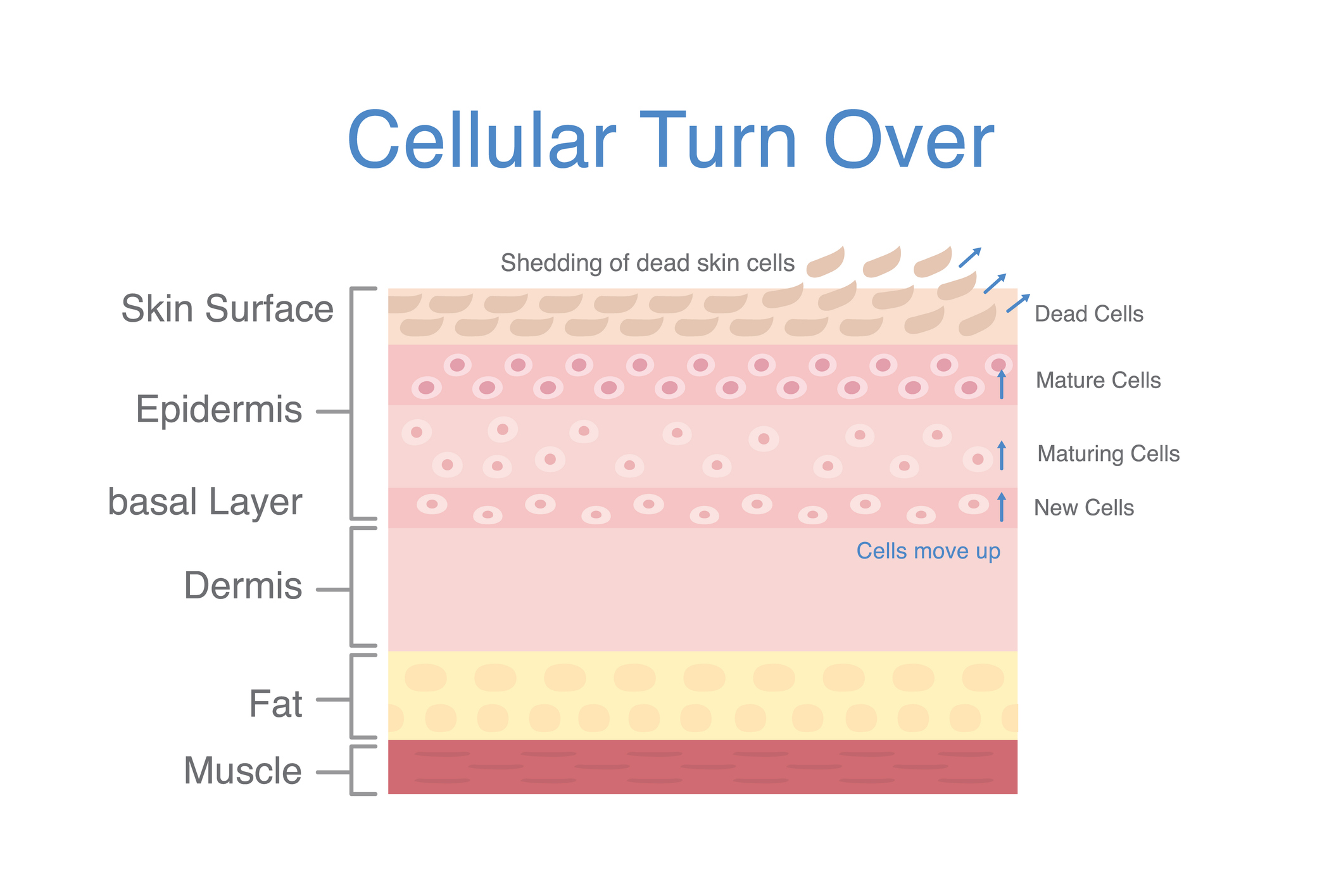
    Your skin is a living, breathing organ that’s always in motion. Each day, your body sheds an estimated 500 million skin cells. These cells come from the outermost layer of the skin, the epidermis, which acts as your primary barrier against the outside world.

    Weekly Skin Cell Shedding

    Over the course of a week, this natural process results in the loss of around 3.5 billion skin cells. While it sounds dramatic, it’s completely normal — and essential for healthy, resilient skin. This constant renewal allows new, healthier cells to rise to the surface, helping your skin maintain its protective function, texture and appearance.

    Why Does Skin Shed in the First Place?

    Skin shedding (also known as desquamation) is part of your skin’s renewal cycle, often referred to as cell turnover. New skin cells are formed in the deeper layers of the epidermis and gradually migrate upwards. As they reach the surface, older cells flatten, die, and are eventually shed.

    This process helps:

    • Maintain a healthy skin barrier
    • Protect against environmental damage
    • Regulate temperature
    • Support even skin tone and texture

    However, cell turnover slows with age, stress, sun exposure and certain skin conditions. When old skin cells linger on the surface for too long, skin can appear dull, rough or uneven — which is why exfoliation and in-clinic treatments can be helpful for some people.

    Factors That Affect How Quickly Your Skin Sheds

    Several internal and external factors influence skin renewal:

    Age and Skin Renewal

    Younger skin typically renews itself every 28 days. Over time, this process can slow to 40–60 days, contributing to dryness, congestion and texture changes.

    Sun Exposure

    UV radiation can disrupt healthy cell turnover, damage collagen and lead to uneven shedding. This is also one of the big factors in premature ageing. 

    Climate & Environment

    Dry air, pollution and harsh weather can interfere with the skin barrier and shedding process.

    Skincare and Exfoliation Habits

    Over-exfoliation can damage the barrier, while too little exfoliation may allow dead cells to accumulate. Dermatologists are fans of harsh daily scrubs (such as those containing nut shells or large, jagged particles), which can create microscopic tears in the skin and erode the stratum corneum, or the outermost layer. 

    Supporting Your Skin’s Natural Renewal Process

    Hydration

    Well-hydrated skin functions better. Adequate water intake and barrier-supportive moisturisers help prevent flakiness and irritation.

    Gentle Exfoliation

    Exfoliation assists the skin in removing dead cells that don’t shed efficiently on their own.

    Sun Protection

    Daily sunscreen use helps preserve healthy skin renewal and prevents UV-related damage that slows turnover and can be a factor in premature skin ageing. If you ask Dr Rich what the best anti-aging cream is, he will always say SPF 50 sunscreen.

    Dermatology Skincare Products That Support Skin Shedding

    If you’re looking to support your skin’s natural exfoliation process, dermatology-guided skincare can help.

    Chemical Exfoliators (AHAs & BHAs)

    Chemical exfoliants dissolve the bonds holding dead skin cells together.

    • Glycolic Acid (AHA): Improves texture and radiance
    • Salicylic Acid (BHA): Penetrates pores and supports congestion-prone skin

    These ingredients are commonly incorporated into dermatologist-recommended peels and home-care products. are generally preferred over physical scrubs because they dissolve the “glue” between dead cells without creating micro-tears like some harsh daily scrubs that cause micro-tears, inflammation, clogged pores and more. 

    Retinoids (Vitamin A Derivatives)

    Retinoids are widely used to support skin renewal and texture refinement.

    • Encourage more efficient cell turnover
    • Support collagen production
    • Improve uneven texture and tone

    They are often introduced gradually to minimise irritation and are best guided by a dermatologist.

    • Retinol & Retinoid Products
      • Retinol: A gentler, over-the-counter form of Vitamin A that encourages skin renewal.
      • Prescription Retinoids: Stronger retinoids like tretinoin are often recommended by dermatologists for more significant skin concerns like acne and signs of aging.
      • Popular Products @ Scriptskincare  :

    Enzyme-Based Exfoliation

    Fruit enzymes gently digest surface proteins, making them suitable for sensitive skin types who struggle with acids or scrubs.

    Enzyme-based products gently exfoliate the skin by breaking down the proteins that hold dead skin cells together. These products are often a good alternative for those with sensitive skin who may find acids or scrubs too harsh.

    Hydrating Moisturisers

    When your skin sheds, it’s important to lock in moisture to prevent dehydration and keep the skin barrier intact. Moisturisers help replenish moisture and create an optimal environment for skin regeneration.

    • Ceramides & Hyaluronic Acid
      • These ingredients strengthen the skin’s natural barrier and prevent moisture loss.

    Barrier-Supporting Moisturisers

    Ingredients such as ceramides and hyaluronic acid support hydration while skin renews itself, helping maintain comfort and resilience.

    Chemical Peels (Professional & At-Home)

    Chemical peels are designed to assist exfoliation of surface skin layers and support the skin’s natural renewal process. They range from mild at-home peels to more intense professional treatments.

    • Superficial Peels – focus on texture & brightness 
      • Mild chemical peels that use AHAs or BHAs help exfoliate the skin without downtime.
    • Professional Peels –  delivered under medical supervision for targeted concerns
      • Stronger chemical peels, such as TCA or glycolic peels, are typically performed by dermatologists and can offer more noticeable results.

    Vitamin C Serums

    While Vitamin C is often thought of as an anti-aging powerhouse, it also promotes cell turnover. Vitamin C helps brighten the skin and fades hyperpigmentation caused by sun exposure or acne scars. It can aid the shedding of skin cells by encouraging fresh, new skin growth.

    Popular Products:

    Laser & Device Treatments That Support Skin Texture & Renewal

    For patients looking for in-clinic options, device-based treatments can complement the skin’s natural renewal process by targeting texture, tone and collagen support.

    At Dermatology Institute of Victoria and Enrich Clinic, dermatologists may recommend the following technologies depending on skin type and concerns:

    Fractional Laser Treatments

    Fractional lasers work by creating controlled micro-injuries in the skin, stimulating repair and renewal.

    They can help improve:

    • Uneven skin texture
    • Fine lines
    • Sun-related skin changes

    By encouraging the skin’s natural healing response, these treatments support exfoliation and long-term regeneration.

    Non-Ablative Laser Treatments

    Non-ablative lasers target deeper skin layers while leaving the surface largely intact.

    They are commonly used to:

    • Improve skin tone and texture
    • Support collagen remodelling
    • Encourage gradual skin renewal with minimal downtime

    Microneedling (Medical Skin Needling, The Secret)

    Microneedling uses fine needles to create micro-channels in the skin, triggering repair pathways.  Devices such as The Secret and Micro Needling help with collagen production as well as other benefits, including:

    • Improved texture
    • Enhanced penetration of topical treatments
    • Support for smoother, more even skin

    Light & Energy-Based Devices

    Certain light-based treatments can help manage pigmentation, redness and textural irregularities by encouraging healthy skin turnover and barrier repair.

    All treatments are assessed individually and tailored by dermatologists to ensure suitability and safety.

    Vitamin C & Skin Renewal – How does it fit in?

    Vitamin C supports skin brightness and collagen formation. While it doesn’t exfoliate directly, it works alongside the renewal process to improve the appearance of newly surfaced skin.

    Sun Protection: The Final (Essential) Step

    Freshly renewed skin is more vulnerable to UV damage. Daily sunscreen use helps protect the skin barrier, maintain even texture, and preserve the results of exfoliation or in-clinic treatments.

    SPF Protection

    After shedding skin cells, your skin is often more sensitive and prone to damage. Protecting your newly revealed skin with sunscreen is essential to prevent further UV damage and support the skin’s overall health.

    See the full range at Script Skin here

    Final Thoughts: Skin Shedding Is a Good Thing

    Skin shedding isn’t something to worry about— it’s a sign that your skin is doing its job. Supporting this process with the right skincare, sun protection and (when appropriate) dermatologist-guided treatments can help maintain smoother, healthier-looking skin over time. Supporting the natural shedding process is essential for maintaining fresh, glowing skin. Whether you prefer exfoliating with gentle acids, applying retinoids for cell turnover, or using a hydrating moisturiser to lock in moisture, there are plenty of dermatology products to fit your routine. Just remember to start slowly with active ingredients (like retinoids or exfoliators) to avoid irritation, and always follow up with sunscreen to protect your skin!

    Ready to start your skin shedding journey? Consider consulting one of our dermatologists to tailor a skincare regimen to your specific needs!


  • Thinning Hair: Causes, Treatments, and When to talk to your Dermatologist.

    Thinning Hair: Causes, Treatments, and When to talk to your Dermatologist.

    Thinning hair can feel unexpected, or even overwhelming—but it’s also incredibly common. Many people experience noticeable changes in their hair density at some stage of life, and while it’s not always a sign of a medical issue, understanding why it happens is the first step to getting the right help.

    At ENRICH Clinic, our dermatology team—including Dr Bevin Bhoyrul and Dr Michael Rich—regularly diagnose and treat hair loss using evidence-based medical dermatology, regenerative options such as PRP (Platelet-Rich Plasma), and advanced red light therapies designed to improve scalp health and stimulate follicles as well as oral medication. 

    This guide covers the most common causes of thinning hair, the treatments that may help, and when it’s time to seek expert care.

    Not All Hair Loss Is the Same (And Why That Matters)

    It’s important to understand that thinning hair is not one single condition. Hair loss is an umbrella term, not a diagnosis. Genetics, hormones, stress, illness, autoimmune activity, nutritional deficiencies, and even certain hairstyles can all play a role. Each cause affects the hair follicles in a different way—some slow growth, some push hair into shedding mode, and others damage the follicle directly.

    Because of these variations, symptoms, speed of progression, and treatment options will differ dramatically from person to person. This is why an early professional diagnosis is so valuable.

    Below are the main types of hair loss our dermatologists commonly diagnose.

    Genetic Hair Loss (Androgenetic Alopecia)

    The most common cause of thinning hair is Androgenetic Alopecia.

    Androgenetic Alopecia—often called male pattern baldness or female pattern hair loss—is the most common cause of thinning hair. It’s a hereditary condition, which means the genes that influence hair follicle sensitivity are passed down through families. But genes are only part of the story. A combination of hormones, follicle changes, age, and individual biology all contribute.

    Common signs include:

    • Men: receding hairline, thinning at crown
    • Women: widening part line, diffuse thinning on the top of the scalp
    • Miniaturised (smaller) hairs in affected areas

    Why does it happen?

    The Hair Follicles Become Sensitive to DHT 

    This hormone causes them to shrink and produce finer hairs over time.

    • DHT is a by-product of testosterone and is present in all genders.
    • Some people inherit follicles that are more sensitive to DHT.

    When DHT attaches to these sensitive follicles, it can trigger a process called follicle miniaturisation.

    Weirdly, DHT seems to be trending on social media of late, with lots of “experts” looking to sell and help you replace that hormone. Buyer beware, and it is always best to get an opinion from a real expert such as a dermatologist whose specialty is skin, hair and nails. 

     Miniaturisation: The Follicle Shrinks Over Time

    Miniaturisation means the hair follicle gradually becomes smaller. As this happens:

    • hairs become shorter
    • strands become finer
    • the growth phase shortens
      more hairs enter the resting (shedding) phase

    Eventually, the follicle may produce “vellus” hairs—very fine, almost invisible strands—or stop producing hair entirely.

    Hormones and Age Play a Major Role

    Androgenetic alopecia can begin at any age after puberty but often becomes more noticeable:

    • in men: 20s–40s
    • in women: around perimenopause or post-menopause

    Why?
    Because hormones naturally shift with age. In women, lower oestrogen levels mean hair follicles are more influenced by androgens such as DHT.

    Treatment options at ENRICH Clinic and DIV  may include:

    • Topical or oral medications (prescribed by our dermatologists)
    • Needling-based therapies  can stimulate follicles
    • Low-level red light therapy for scalp circulation and follicle activity
    • Personalised combinations based on severity and goals

    Early intervention gives the best outcomes.

    Temporary Hair Shedding (Telogen Effluvium)

    Often stress-related or hormonal

    This type of hair loss is usually temporary and happens when the body experiences a significant stressor—physical or emotional.

    Common triggers include:

    • Illness or high fever
    • Surgery
    • Hormonal shifts (postpartum, menopause, thyroid imbalance)
    • Crash dieting or iron deficiency
    • Emotional stress or trauma

    Shedding often appears two to three months after the trigger, and while it usually resolves, recovery may take several months.

    Dermatologist-guided care can help by:

    • Identifying and treating underlying causes
    • Supporting regrowth with needling-based therapies, medications  and LED red light therapy
    • Improving scalp health to optimise recovery

    Autoimmune Hair Loss (Alopecia Areata)

    Patchy or sudden hair loss

    Alopecia Areata is an autoimmune condition where the immune system mistakenly attacks hair follicles, causing round or oval patches of hair loss.

    In more severe cases, it may affect:

    • Eyebrows
    • eyelashes
    • beard
    • the entire scalp (Alopecia Totalis)

    Treatment typically involves:

    • Prescription topical or medications
    • Immune-modulating therapies
    • Scalp treatments to encourage regrowth
    • Supportive options like PRP, depending on the case

      Early diagnosis is key to managing flare-ups and protecting follicle health.

    Scarring Alopecia (Cicatricial Alopecia)

    Less common, but requires urgent diagnosis

    This is a group of inflammatory conditions that cause permanent follicle damage if not treated early. Symptoms may include:

    • burning scalp sensation
    • redness or scaling
    • tenderness
    • visible changes in scalp texture

    Because follicle loss is permanent once scarring occurs, a vist to your dermatologist is key to recovery. 

    Traction Alopecia

    Hair loss from tension or styling habits

    Repeated pulling on the hair from:

    • tight ponytails
    • Braids
    • hair extensions
    • chemical relaxers ( hair straightening treatments) 

    ….. can all damage follicles over time.

     Who would have thought that keeping your hair “tidy” could cause hair loss? If you have to put your hair up, try to use the softest bands you can find. Those rubber bands are not an option for good hair health. 

    If caught early, regrowth is often possible. If tension continues, follicles may scar.

    How ENRICH Clinic Approaches Hair Loss Treatment

    At ENRICH Clinic, we combine medical dermatology, including prescription and topical medications, regenerative therapies, and red light-based solutions to treat thinning hair.

    Platelet-Rich Plasma (PRP)

    PRP is a doctor-performed treatment that uses a concentration of your own platelets prepared from a small blood sample. It is commonly used in medical and dermatology settings, including for patients seeking support with hair-loss concerns.

    Red Light-Based Therapies

    ENRICH Clinic uses evidence-based energy devices to boost circulation, reduce inflammation, and encourage follicle repair.

    Low-level laser treatments using red light wavelengths can complement PRP and medical therapies for a synergistic effect.

    Medical Dermatology Expertise

    Consultations with Dr Bevin-Bhoyrul and Dr Michael Rich focus on:

    • diagnosing the type of hair loss
    • ruling out thyroid, hormonal, or autoimmune causes
    • prescribing topical or oral medications where appropriate
    • designing a personalised treatment plan

    When Should You Worry About Thinning Hair?

    Seek professional assessment if you notice:

    • sudden or rapid shedding
    • round patches of hair loss
    • redness, burning, itching or pain on the scalp
    • thinning that runs in the family and is getting worse
    • changes after illness, stress, childbirth or menopause
    • hair not growing back after 3–6 months

    A dermatologist can identify the cause, protect follicles, and start treatment early—often preventing long-term loss.

    Contact us to talk about your hair at ENRICH Clinic today

  • What are the best consistency and moisturiser type for my skin?

    What are the best consistency and moisturiser type for my skin?

    What’s the Best Consistency and Type of moisturisers for Australian Skin

    Whether you’re dealing with dry winter skin, post-laser sensitivity, or want that healthy, hydrated glow year-round, choosing the right moisturiser can make a big difference. With Australia’s unique climate—from dry inland air to coastal humidity—and increasing demand for cosmetic treatments, understanding how to support your skin barrier is more important than ever. Let’s also not forget that everyone is unique, and so skin also varies from person to person, type to type.Professional advice is always a good start. 

    As dermatologists and skin professionals, in Australia, hydration is fundamental to healthy skin and post-treatment recovery. In this guide, we explore the best consistencies and types of body moisturisers, what ingredients to look for, and how they support both everyday skin maintenance and cosmetic dermatology outcomes.

    Why Moisturising Matters in Dermatology and Skin Treatments

    Whether you’re visiting your cosmetic dermatologist for laser resurfacing, chemical peels, or treating chronic conditions like eczema or psoriasis, the skin needs moisture to heal and function well. Moisturisers serve three key purposes:

    1. Hydrate – Increase the skin’s water content.
    2. Protect – Strengthen the skin barrier and reduce trans-epidermal water loss.
    3. Soothe – Calm inflammation and improve comfort after treatments.

    In cosmetic dermatology clinics across Australia, moisturisers are routinely recommended after procedures such as laser treatments, microneedling, or dermal treatments to support the healing process and maintain results.

    Understanding Moisturiser Types by Consistency

    The key to choosing the proper moisturiser lies in its formulation and texture. Here’s a breakdown of the most common types used in dermatological skincare:

    1. Lotions – Light and Fast-Absorbing

    • Best for: Normal to slightly dry skin, humid climates, oily or acne-prone body areas (like the back or chest).
    • Texture: Thin and fluid, often water-based.
    • Use if: You want something that absorbs quickly and won’t feel sticky in the heat.

    In Australia, where summers can be hot and humid, many dermatologists recommend lightweight lotions containing ingredients such as glycerin or hyaluronic acid for daily hydration. These are particularly useful after treatments like LED therapy or superficial peels when the skin isn’t overly dry.

    2. Creams – Balanced and Hydrating

    • Best for: Dry or sensitive skin, mild barrier repair.
    • Texture: Thicker than lotions but still spreadable.
    • Use if: You need more nourishment without a heavy, greasy feel.

    Certain creams are a go-to for dermatology clinics, especially for post-procedure use. After treatments like IPL (intense pulsed light) and Laser treatments, or facial rejuvenation, patients are often advised to apply fragrance-free creams containing ceramides and niacinamide to help reduce redness and inflammation.

    3. Body Butters and Balms – Rich and Occlusive

    • Best for: Very dry, flaky, or compromised skin.
    • Texture: Thick, buttery, and sometimes waxy.
    • Use if: You’re in a dry climate or need to lock in serious moisture (e.g., elbows, knees, post-retinoid treatments).

    In cooler parts of Australia, such as Tasmania or elevated areas in NSW and VIC, winter skin often craves extra nourishment. You would think it would be the other way around, but often with heating, heavy clothing and the weather, this is the case. Rich moisturisers with shea butter, urea, or cocoa butter are ideal for this, especially for people using topical treatments like tretinoin or undergoing laser resurfacing.

    4. Gels and Gel-Creams – Lightweight and Cooling

    • Best for: Oily, acne-prone, or inflamed skin.
    • Texture: Water-based, often oil-free.
    • Use if: You want a cooling, non-comedogenic option, ideal for summer or after treatments like chemical peels.

    These formulas are popular among younger patients or those receiving acne treatments, particularly in the tropical climates of Queensland and the Northern Territory. Look for aloe vera, panthenol, or green tea extract in these products.

    Of course, remember to always add factor 50+ sunscreen to your face or any other exposed areas if you are going outside. 

    Moisturiser Ingredients to Look For
    In both cosmetic and medical dermatology, ingredients matter. Here are some evidence-based moisturising ingredients frequently recommended by Australian dermatologists:

    • Ceramides – Restore the skin barrier and retain moisture.
    • Glycerin – A humectant that draws water into the skin.
    • Hyaluronic Acid – Binds water for deep hydration without heaviness.
    • Niacinamide – Anti-inflammatory and brightening. 
    • Shea Butter – Deep nourishment and soothing benefits. Not suitable for oily skin. 
    • Urea – Hydrating and exfoliating; ideal for rough or keratinised skin.
    • Squalane – Lightweight oil with antioxidant properties.

    For patients recovering from procedures like fractional laser resurfacing or microneedling, most dermatology clinics often recommend fragrance-free creams rich in ceramides and hyaluronic acid, such as CeraVe, La Roche-Posay, or QV Intensive.

    Pro Tip: Apply on Damp Skin

    Dermatologists often recommend applying your body moisturiser within three minutes of showering. Damp skin absorbs moisturiser more effectively, helping lock in hydration—particularly useful after in-clinic treatments or when dealing with trans-epidermal water loss, a common issue in ageing or sun-damaged skin.

    What are  “Actives” in skincare? 

    Actives refer to active ingredients in skincare, these ingredients that do the heavy lifting. They’re the scientifically proven compounds—like retinol, vitamin C, niacinamide, peptides, AHAs, BHAs, and more—that create fundamental, measurable changes in the skin. Unlike basic hydrators or textures that make a product feel nice, actives are designed to target specific concerns such as pigmentation, fine lines, breakouts, dullness, or loss of firmness. They work by interacting directly with skin cells or the skin barrier to boost renewal, improve clarity, increase collagen production, or calm inflammation. When used correctly (and consistently!), actives help your skincare routine move beyond “maintenance” to truly transformative results.

    Actives can cause issues if they’re not chosen or used correctly. While they offer powerful benefits, they also come with a bit of “personality.” Some actives, like retinoids, AHAs, BHAs, and high-strength vitamin C, can cause irritation, redness, dryness, peeling, breakouts, or heightened sun sensitivity, especially when you’re new to them or use too much too soon. 

    Others may clash when layered together or be unsuitable for specific skin types or conditions (e.g., rosacea, eczema, compromised barriers). 

    The key is slow and steady: introduce one active at a time, start with lower strengths, patch test when possible, and always pair actives with a gentle routine and daily SPF. When used thoughtfully, actives are incredibly effective—but respecting their potency helps keep your skin happy.

    See your dermatologist to discuss what actives would suit your skin type or skin issues.

    Common Mistakes to Avoid

    1. Using face moisturisers on the Body – These are often too expensive and not rich enough for thicker body skin.
    2. Applying to dry skin – Misses the chance to trap moisture.
    3. Using fragranced products post-treatment – Can irritate healing skin and disrupt results.
    4. Skipping moisturiser after in-clinic treatments – Slows healing and increases risk of dryness or redness.
    5.  Using active ingredients that are inappropriate for your skin type or condition. 
    6. Not applying factor 50+ sunscreen on your face and other exposed areas every day.

    Consistency Counts in More Ways Than One

    Choosing the right moisturiser for your Body is about more than just texture—it’s about supporting your skin’s natural barrier, especially after cosmetic procedures or during seasonal transitions. Whether you’re managing post-laser care in Melbourne, navigating humidity in Brisbane, or simply building a solid body care routine, using the right moisturiser—and applying it consistently—can visibly improve your skin health.

    If you’re unsure what’s best for your needs, speak to your cosmetic doctor, dermatologist or skincare clinician. At ENRICH we can incorporate tailored skin barrier support into your treatment plan. We recognise that well-hydrated skin heals better and responds more effectively to treatments.

    How We Can Help

    At ENRICH & DIV, we offer skin consultations before any treatment, or you can come into our Clinic and discuss any topical creams we have in our range at our Script skincare store downstairs with our ENRICH & DIV skin consultant.

    Book a consultation with our team at ENRICH & DIV today, and let’s make your skin health a priority. 


  • Good Skin Is Not Just About Your Face | Hands, Neck & Décolletage

    Good Skin Is Not Just About Your Face | Hands, Neck & Décolletage

    Good Skin Is Not Just About Your Face – Treating Your Hands, Neck & Décolletage

    When most people think about skincare or rejuvenation, the focus is almost always on the face. Serums, moisturisers, laser treatments, sunscreen — they’re all typically applied front-and-centre. But there are three areas that often indicate your age faster than your face does:
    your hands, your neck, and your décolletage.

    These areas are exposed to the same environmental stressors as your face — UV radiation, pollution, dryness, and natural ageing — yet most people overlook them in their daily routine. At ENRICH Clinic in Melbourne, we see first-hand how it can be when these areas are treated with the same care as the face. From no-downtime lasers to deeper resurfacing options, we offer a range of evidence-based treatments designed to restore tone, texture, elasticity, and radiance safely and effectively.

    In this blog, we explore why these areas age differently, the types of pigmentation you may see, the difference between benign pigment and skin cancer, and the medical-grade treatments available.

    Why Hands, Neck & Décolletage Age Differently

    Thinner, More Delicate Skin
    The skin on the neck, chest, and hands is thinner and contains fewer oil glands, making it more vulnerable to:

    • fine lines
    • crepiness
    • dryness
    • discolouration
    • collagen loss


    Daily UV Exposure
    Even with diligent sunscreen use on the face, the neck and chest are often left unprotected. Hands are also constantly exposed while driving (that’s a big one) , walking, or even sitting by a window. Chronic UV exposure leads to:

    • pigmentation (sunspots, freckles)
    • broken capillaries
    • premature ageing
    • uneven tone

    Hormonal Changes

    During peri-menopause and menopause, oestrogen decline reduces collagen production, affecting the neck and décolletage in particular.

    Volume Loss

    Hands lose subcutaneous fat over time, making veins, tendons, and bones appear more prominent, giving a “hollowed” appearance.

    Common Concerns in These Areas

    • Brown spots / sunspots
    • Neck wrinkles
    • Décolletage wrinkles
    • Hand rejuvenation
    • Age spots
    • Crepey skin

    These concerns can usually be improved with targeted, non-surgical options — but first, it’s important to understand the difference between benign pigmentation and potential skin cancer.

    Pigment vs Skin Cancer: What You Must Know

    Pigmentation and sunspots are extremely common on the hands, neck, and chest due to chronic UV exposure. However, not all “sunspots” are harmless.

    Benign Pigmentation May Include:

    • Freckles 
    • Solar lentigines (sunspots)
    • Melasma
    • Post-inflammatory hyperpigmentation

    These are typically treated with:

    • Laser
    • light-based therapies
    • chemical peels
    • topical prescriptions

    But Skin Cancers May Also Present as Pigmented Lesions

    Some melanomas are flat and brown. Some basal cell carcinomas appear as shiny red or pink patches on the chest. Squamous cell carcinomas on the hands are also common in Australia.

    Red flags include:

    • Rapidly changing spots
    • Irregular borders
    • Multiple colours
    • Bleeding or crusting lesions
    • A lesion that looks “different” from the rest

    It’s important that any suspicious lesion be assessed by a GP or dermatologist.
    At ENRICH Clinic, we prioritise medical safety and regularly refer patients for full skin checks if anything appears atypical. At ENRICH Clinic and DIV we can help you with regular skins checks

    Laser Treatments for Hands, Neck & Décolletage

    ENRICH Clinic offers a comprehensive suite of medical-grade lasers tailored to address various concerns and skin types.  These often fall into two categories:

    No-Downtime Laser Treatments

    These are ideal for patients who want meaningful results without taking time off work or making social commitments. Often, these no-downtime treatments require repeat treatments and are perfect to put in your regular treatment or skin maintenance plan. 

    Laser Genesis

    • Redness
    • fine lines
    • mild crepiness
    • early pigment
    • overall texture

    Perfect for delicate areas like the neck and chest.

    IPL (Intense Pulsed Light)

    Effective on :

    • Sunspots
    • Redness
    • broken capillaries
    • general skin tone

    Helps hands and décolletage to reduce mottled pigmentation. The IPL laser has been tried and true  for treating the hands at ENRICH Clinic for many years. 

    Downtime Laser Treatments

    For deeper wrinkles, pronounced sun damage, or significant skin laxity, a more intensive laser may be suggested.

    CO₂ Laser Resurfacing

    This ablative laser can significantly improve:

    • deep sun damage
    • crepey skin
    • etched-in lines
    • Scarring
    • advanced pigmentation

    Downtime is longer, but results are often quite strong and last longer than no-downtime treatments. You will need  quite some time out of the sun and time to heal. This is a serious laser, and treatments should be performed by a dermatologist. 

    Erbium Laser

    A more controlled resurfacing option with slightly less downtime than CO₂ but still powerful for:

    • Texture
    • Lines
    • pigmentation

    Fractional Laser Resurfacing

    Targets micro-columns in the skin to induce collagen remodelling. Used for:

    • neck lines
    • décolletage crepiness
    • hand rejuvenation

    This laser has also been an ENRICH Clinic stalwart and it too has some downtime. About a week should do the trick for you skin to peel and heal. Some patients take longer, but it all depends on your skin type, amount of pigmentation and genetics. 

    ALMA Hybrid ™

    This laser has been used by our friends at DIV for a few years and has  solid results on 

    • Pigmentation correction of sunspots, age spots and freckles
    • Reduced appearance of wrinkles and fine lines
    • Skin tightening and rejuvenation
    • Reduced the appearance of sun damage
    • Acne scar improvement

    It is also an ablative laser, so at least a week, soemtimes more for the downtime. 

    Other Rejuvenation Options for These Areas

    Chemical Peels

    Help soften pigmentation and boost radiance, depending on the type and the tiem it is on your face. Glycolic peels are perfect for a 15-minute skin pick-me-up on a regular basis. The stronger peels are for more damaged skin and a doctor-led treatment. 

    Dermal treatments 

    To restore volume and soften hands and the neck area. There are now a  quite a few types of dermal treatments to choose from that can help these areas to increase volume. 

    Add to your regular routine 

    Add these areas to your regular skin care routine. As you apply any skin care to your face, take that application down to your neck and chest. Spread the leftover product on your hands, especially the top of your hands. Adds a few more minutes to your routine but is well worth it.  Make sure that factor 50 sunscreen also goes on your hands, face and neck – it will protect and also moisturise. If driving a lot of the day, have sunscreen in your car so you can apply it whenever needed. 

    Why Treating the Neck, Hands & Décolletage Matters

    These areas often show signs of ageing earlier than the face, and they play a key role in determining overall skin health. Addressing them can:

    ✔ create harmony with facial rejuvenation
     ✔ reduce pigment for a more even skin tone
    ✔ soften lines and crepiness
    ✔ protect long-term skin health

    At ENRICH Clinic, we tailor treatment plans based on medical assessment, skin type, lifestyle, and goals. Every patient is unique and we focus on what will suit your individual skin’s needs. Book a consult,  with one of our Doctors or Dermatologists and we can discuss options.

  • Snoring Solutions Melbourne | How a Dermatology Clinic Can Help

    Snoring Solutions Melbourne | How a Dermatology Clinic Can Help

    Snoring Solutions: How a Dermatology Clinic Can Help

    Snoring is incredibly common — and incredibly frustrating. Whether it’s keeping your partner awake, interrupting your own sleep, or leaving you tired and foggy the next day, snoring can have a real impact on your wellbeing. With thousands of Australians searching for how to stop snoring (5.4K monthly searches), it’s clear many people are looking for practical, effective solutions.

    At ENRICH Clinic in Melbourne, we understand that snoring isn’t just a nighttime nuisance — for many, it can be linked to the soft tissues in the mouth and throat. While traditional snoring solutions such as nasal strips, snoring mouth guards, and anti-snoring devices can help some people, others benefit from innovative, non-surgical laser treatments performed in a medical skin clinic environment.

    ENRICH Clinic offers a dedicated Snoring Program designed to assess snoring causes and provide evidence-based treatment options, including the Romeo Laser — a gentle, non-surgical treatment that targets soft-tissue laxity.
    Below, we explore what causes snoring, how to stop snoring, when to see a sleep specialist, and how ENRICH Clinic may be able to help.

    What Causes Snoring?

    Snoring occurs when airflow causes loose tissue in the throat or soft palate to vibrate during sleep. Contributing factors include:

    • Anatomical structure: A deviated septum, narrow airway, long soft palate, or enlarged uvula.
    • Age: Soft tissues loosen naturally as we get older.
    • Weight changes: Additional weight around the neck narrows the airway.
    • Sleeping position: Back-sleeping allows the tongue to fall backward.
    • Nasal congestion: Allergies or chronic sinus issues force mouth-breathing.
    • Lifestyle factors: Alcohol, sedatives, and smoking relax tissues or irritate the airway.
    • Hormone changes: Especially during peri-menopause and menopause.

    Women often investigate the causes of snoring in females as they approach menopause, because hormonal changes make them more susceptible to snoring, and they may not have encountered this issue before.

    Snoring in Men vs Women

    Men often snore more due to:

    • Larger neck circumference
    • Thicker airway tissues
    • Higher incidence of sleep apnoea

    Women may snore due to:

    • Hormonal changes
    • Pregnancy
    • Narrower airway structure
    • Nasal congestion

    Both groups benefit from a tailored approach to snoring treatment.

    Common Snoring Solutions

    Before exploring in-clinic options, many people first try:

    Nasal Strips

    These can temporarily widen nasal passages, but don’t address throat tissue laxity.

    Snoring Mouth Guards / Anti-Snoring Devices

    These reposition the jaw to keep the airway open. Helpful for some, uncomfortable for others.

    Lifestyle Adjustments

    • Reducing alcohol before bed
    • Managing allergies
    • Sleeping on your side
    • Losing weight, if relevant
    • Improving nighttime routine

    If these aren’t enough, patients often move on to clinical treatment options.

    Romeo Laser Snoring Treatment at ENRICH Clinic

    One of the most effective non-surgical snoring solutions offered at ENRICH Clinic is the Romeo Laser, which targets one of the main causes of snoring: soft palate laxity.

    How the Romeo Laser Works

    The Romeo Laser gently heats soft palate tissues, triggering collagen tightening and strengthening. This reduces vibration — the main source of snoring.

    Benefits include:

    • Non-surgical and minimally uncomfortable
    • Quick in-clinic sessions
    • No downtime
    • Gradual improvement in airflow and snoring volume
    • Suitable for adults with primary snoring (snoring without sleep apnoea)

    Most patients require a series of treatments for optimal results.

    Is Snoring the Same as Sleep Apnoea?

    No. Snoring and sleep apnoea are different.

    Snoring alone does not mean you have sleep apnoea, but sleep apnoea (32K searches) is a medical condition involving repeated pauses in breathing, and requires diagnosis by a sleep physician.

    Signs of sleep apnoea may include:

    • Morning headaches
    • Waking up choking 
    • Excessive daytime fatigue
    • Very loud snoring
    • High blood pressure
    • Observed breathing pauses

    If sleep apnoea is suspected, ENRICH Clinic will refer you to the appropriate specialist. The Romeo Laser is not a treatment for sleep apnoea,.

    Romeo Laser vs Other Snoring Solutions

    Treatment Works Best For Limitations
    Nasal strips Nasal congestion Short-term
    Snoring mouth guard Jaw positioning issues May cause jaw discomfort
    Anti-snoring device Mild vibration Can be bulky
    Lifestyle changes Mild snoring May not help structural problems
    Romeo Laser Soft palate laxity Not for sleep apnoea


    Who Is a Good Candidate?

    You may be suitable for the Romeo Laser if you:

    ✔ Snore regularly
    ✔ Do not have sleep apnoea
    ✔ Have soft palate relaxation
    ✔ Want a non-invasive option
    ✔ Prefer no downtime

    During your consultation, our team will assess your airway and throat anatomy to determine suitability.

    Book a consultation with ENRICH Clinic

    How to Stop Snoring: A Basic Step-By-Step Plan

    Step 1: Lifestyle Adjustments

    Address factors like alcohol, sleep position, allergies, and weight.

    Step 2: Try Simple Aids

    Nasal strips, snoring mouth guards, or anti-snoring devices.

    Step 3: Rule Out Sleep Apnoea

    If you experience daytime fatigue, choking at night, or heavy snoring, see a sleep doctor.

    Step 4: Explore Clinical Options

    If throat tissue laxity is the cause, the Romeo Laser may help reduce snoring.

    Why Choose ENRICH Clinic?

    ENRICH Clinic brings over 30 years of dermatological and laser expertise. We combine medical assessment, evidence-based treatments, and collaborative care.

    Learn more about our Snoring Program: https://926f0001-f295-45e7-a280-4553641abaf8.cc10.conves.io/snoring-program-melbourne/

    Ready to Reduce Snoring?

    If snoring is affecting your sleep or energy, ENRICH Clinic can help determine your best path forward . Whether it’s lifestyle advice, clinical assessment, laser treatment, or a specialist referral.

    Book your consultation today

  • Freckles, Sunspots & Age Spots | Understanding Skin Pigmentation

    Freckles, Sunspots & Age Spots | Understanding Skin Pigmentation

    Understanding Pigmentation: Freckles, Sunspots and Age Spots

    Pigmentation is one of the most common skin concerns seen in dermatology and cosmetic skin clinics. While freckles, sunspots and age spots can look similar, they have distinct causes and behaviours. Understanding the differences helps you protect your skin and make informed choices about care and treatment.

    At ENRICH Clinic Melbourne, we regularly see patients seeking information about freckles, sun damage and uneven skin tone. Here’s what you should know.

    What Are Freckles?

    Freckles are small, flat spots on the skin, usually less than 5 mm across. They form when clusters of skin cells produce extra melanin, the pigment that gives skin and hair their colour. Freckles are evenly coloured and harmless, though they are always darker than the surrounding skin.

    They can range in colour from light tan to deep brown or even reddish and often appear on areas that catch the sun—like the cheeks, nose, shoulders and arms.

    Why Do Freckles Form?

    Freckles are mostly genetic, influenced by the MC1R gene, sometimes nicknamed the freckle gene. If your parents are freckly, you probably will be too. But freckles only appear when UV exposure triggers pigment-producing cells to make more melanin.

    If you don’t carry the gene, no amount of sunshine will create freckles. Protecting your skin from UV rays will help reduce the formation and darkening of freckles over time.

    Freckles: The Skin’s Tiny Umbrellas

    Melanin acts like a natural sunscreen by absorbing and scattering UV radiation. Freckles can therefore be thought of as the skin’s way of shielding itself—tiny “umbrellas” of melanin helping to protect against UV damage.

    However, more freckles often mean more UV exposure than ideal. They’re your skin’s early-warning system: time for SPF 50+ or shade.

    Freckles often fade during winter as UV levels drop, but they can darken again when the sun returns.

    Freckles vs Sunspots vs Age Spots

    Sunspots (Solar Lentigines)

    Sunspots are usually larger—sometimes up to 2 cm—and appear on areas that see regular sun exposure, such as the face, arms, shoulders and backs of hands. They’re caused by cumulative UV exposure and are more common in adults than children.

    The term “liver spots” is an old misnomer; these marks come from sunlight, not liver issues. Unlike freckles, sunspots don’t fade in winter and may darken further with time.

    Age Spots

    Age spots are essentially the same as sunspots, with the name referring more to when they appear—later in life, after years of sun exposure. They are flat, brownish marks that remain stable over time.

    Freckles fade; age spots do not.

    Recognising Sun Damage

    Sun damage builds up gradually. Early signs include:

    • Uneven pigmentation or dark patches
    • Fine lines and wrinkles
    • Dry, rough or leathery skin texture
    • Dull or uneven skin tone
    • Redness or blotchiness

    Serious warning signs include spots that change shape, colour, or texture, or new moles that appear suddenly. Regular professional skin checks are essential for identifying potential skin cancers early.

    Preventing Pigmentation

    Prevention is always best:

    • Apply broad-spectrum SPF 50+ every day, even in winter.
    • Reapply every two hours outdoors or after swimming.
    • Wear protective clothing, hats and sunglasses.
    • Avoid peak UV hours (10 am – 3 pm).
    • Support skin health with antioxidants and moisturisers.

    Managing Pigmentation and Uneven Skin Tone

    If pigmentation is an issue, a range of non-surgical, evidence-based treatments can help improve the appearance of the skin. At ENRICH Clinic, our qualified medical practitioners use treatments tailored to each person’s needs, skin type and budget. Here are some options to consider.

    Laser and Light-Based Therapies

    Certain laser and Intense Pulsed Light (IPL) devices can target pigment in the upper skin layers. They work by breaking down clusters of melanin so the body can gradually clear them. These treatments may also stimulate collagen, helping with skin tone and texture.

    Chemical Peels and Exfoliation

    Supervised chemical peels and microdermabrasion gently remove surface layers of dead skin, promoting new cell turnover and revealing brighter skin beneath.

    Microneedling and Topical Options

    Microneedling uses fine needles to prompt the skin’s repair process, improving overall tone and firmness. Specific topical creams or serums prescribed by a medical practitioner may also assist in fading pigmentation gradually.

    Every person’s skin is different, so your practitioner will assess your skin type, pigmentation depth, and desired outcome before recommending a treatment plan.

    A Balanced Perspective

    Freckles, sunspots and age spots are common and usually harmless. Some people embrace them as part of their individuality; others prefer to reduce their visibility. Both choices are perfectly valid.

    At ENRICH Clinic, all cosmetic treatments are doctor-led, evidence-based and focused on informed decision-making. We don’t promise results—every skin responds differently—but we do provide clear information so you can make confident, informed choices about your care.

    When to Seek Medical Advice

    Book a professional review if you notice:

    • A freckle or mole that changes colour, shape or texture
    • A new spot that looks irregular or grows rapidly
    • Pigmentation that bleeds, crusts or feels sore


    Your doctor may recommend a full skin check or refer you to a dermatologist for further assessment if needed.

    The Takeaway

    Freckles, sunspots and age spots each tell a story about your skin’s relationship with the sun. Freckles often fade and are genetic, while sunspots and age spots develop from accumulated UV exposure.

    The best protection is prevention—consistent sunscreen SPF 50+, protective clothing and mindful sun habits. If you’d like to discuss professional options for improving uneven pigmentation, the experienced dermatologists and doctors at ENRICH Clinic Melbourne can guide you through evidence-based treatments tailored to your skin.

    Contact Us for a Consultation  or call 03 9500 9500

  • Tinted Sunscreen vs Non-Tinted : What’s the Difference?

    Tinted Sunscreen vs Non-Tinted : What’s the Difference?


    Tinted Sunscreen vs Non-Tinted Sunscreen: What’s the Difference?

    Keywords used: tinted sunscreen, tinted moisturiser, best tinted sunscreen, tinted sunscreen Australia, La Roche-Posay tinted sunscreen.

    When it comes to protecting your skin from Australia’s harsh UV rays, sunscreen isn’t optional—it’s essential. But with more choice than ever, patients often ask: what’s the difference between tinted sunscreen and non-tinted sunscreen, and which is better?At Enrich Clinic and the Dermatology Institute of Victoria (DIV), we help patients choose the right sunscreen for their skin type and lifestyle. Here’s what you need to know.

    Why Do We Need Sunscreen?

    Sunscreen protects against ultraviolet (UV) radiation—the invisible rays responsible for sunburn, skin cancer and premature ageing. Daily sunscreen use slows the visible signs of ageing and helps reduce pigmentation such as freckles, sunspots and age spots.

    Learn more about sun-related pigmentation: Pigmentation Melbourne.

    Do I Need to Wear Sunscreen in Winter?

    Yes. UV radiation penetrates clouds and glass, so Australians are exposed even on cool, cloudy days. Dermatologists recommend daily, broad-spectrum SPF 30+ or higher year-round.

    What Does UV Stand For?

    UV stands for ultraviolet radiation.

    • UVA penetrates deeply and accelerates pigmentation, photoageing and DNA damage.
    • UVB burns the surface of the skin and contributes to skin cancer.

    For the best protection, choose a broad-spectrum sunscreen that covers both UVA and UVB.

    What Is Tinted Sunscreen?

    Tinted sunscreen is a broad-spectrum SPF with added mineral pigments that give a sheer tint. These pigments can offer extra defence against visible light and help even out skin tone—so it can double as a light tinted moisturiser.

    Is Tinted Sunscreen Better?

    Both tinted and non-tinted sunscreens protect against UVA and UVB. Tinted formulas can add protection against visible light and provide cosmetic coverage, which may help people prone to pigmentation or redness.

    Concerned about freckles vs sunspots? Read: The difference between freckles and age or sunspots.

    Are More Expensive Sunscreens Better?

    Not necessarily. The most important factors are SPF 30+ (or 50+) and broad-spectrum protection—plus consistent daily application. Premium products may feel lighter or blend more easily, but affordable options can protect just as well.

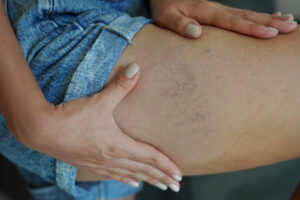
    Popular Tinted Sunscreens in Australia

    • La Roche-Posay tinted sunscreen — widely used for sensitive skin.
    • Propaira tinted sunscreen — dermatologist-recommended. Where to buy? Ask at your appointment at Enrich Clinic & The  Dermatology Institute of Victoria  or you can buy online at Script Skincare here
    • Best tinted sunscreen in Australia — depends on skin type, tone match and finish (matte vs dewy). Our doctors can help you choose.

    Independent consumer reviews and tests

    It’s also a good idea to consult independent consumer reviews and tests when choosing a sunscreen. For example, Choice magazine in Australia regularly publishes sunscreen test results, evaluating factors like SPF accuracy, UVA protection, water resistance, and ingredient transparency. Their annual tests help identify which products live up to their claims and which might fall short. Reading those findings can guide you toward effective, trustworthy sunscreens—especially ones that deliver what they promise in real-world use. You can check their latest results here: Choice sunscreen test.

    FAQs: Tinted vs Non-Tinted Sunscreen

    • What does tinted sunscreen do?
      It protects from UVA, UVB and helps defend against visible light, while giving light coverage to even out skin tone.
    • What does tinted sunscreen mean?
      It means the sunscreen contains pigments that provide a sheer tint in addition to sun protection.
    • Is tinted sunscreen better for pigmentation?
      It may be helpful for people prone to pigmentation because it adds protection against visible light. Combine with shade, hats and regular reapplication.
    • Should I still get a skin check if I wear sunscreen daily?
      Yes. Sunscreen reduces but doesn’t eliminate risk. Book regular checks: Skin Checks Melbourne.

    Key Takeaways

    • Sunscreen is essential year-round—even in winter.
    • Tinted sunscreen adds visible-light defence and cosmetic coverage; non-tinted works well if you prefer a clear finish.
    • Expensive doesn’t always mean better—focus on SPF, broad-spectrum and daily use.
    • Explore pigmentation care with our team: Pigmentation Melbourne.


  • Spider Vein & Broken Capillary Treatments in Melbourne

    Spider Vein & Broken Capillary Treatments in Melbourne

    Can a Skin Clinic Help You with Those Veins?

    Spider veins, varicose veins, and broken capillaries are common concerns that many Australians want to address. Whether it’s for cosmetic reasons or comfort, visible veins can sometimes signal deeper issues. But when should you consider visiting a dermatology or medical skin clinic for vein treatment, and which options are effective?

    At Enrich Clinic and the Dermatology Institute of Victoria (DIV) in Melbourne, our doctors provide evidence-based vein treatments, including the Excel V laser system by Cutera and sclerotherapy—two of the most widely recognised and effective methods for dealing with unwanted veins.

    Why Do Veins Become Visible with Age?

    • Thinning skin and collagen decline – As we age, our skin loses elasticity and structure, making tiny blood vessels more visible. See Ageing Skin – Australasian College of Dermatologists (ACD).
    • Repeated trauma or pressure – Everyday activities such as wearing glasses, scrubbing the face too harshly, or crossing legs for long periods can stress small blood vessels, causing them to dilate or break.
    • Hormonal changes and pregnancy – Shifts in hormone levels, particularly during pregnancy, increase blood volume and pressure in superficial veins, contributing to telangiectasia (spider veins). See Telangiectases (Spider Veins) – ACD.
    • Sun damage and UV exposure – Australia’s high UV index weakens vessel walls, making redness or veins more apparent. See Varicose veins and spider veins – Better Health Channel.

    What Are Broken Capillaries? Are They Dangerous?

    Broken capillaries—also called spider veins or thread veins—are tiny blood vessels just beneath the skin’s surface. They typically appear on the face, thighs, calves, or ankles, and show up as fine red, blue, or purple lines.

    For most people, spider veins are primarily cosmetic and often blanch (fade) when pressed. However, if veins are accompanied by pain, swelling, heaviness, or skin changes, seek medical advice, as these can sometimes signal underlying venous insufficiency. See Varicose veins – Healthdirect and the ACD overview on Leg Veins.

    Do Home Treatments Work?

    There’s no shortage of home remedies advertised for spider veins—creams, vitamins, essential oils, even DIY massage devices. While some may provide temporary relief or reduce redness, they do not remove or significantly diminish visible veins.

    • Cold compresses, Vitamin C, Vitamin K, and certain botanicals may calm inflammation.
    • Lifestyle modifications—avoiding excess alcohol, heat, spicy foods, and excessive sun—may prevent existing veins from worsening. Long periods of sitting can also aggravate venous congestion; see The dangers of sitting – Better Health Channel.
    • Exercise and weight management improve circulation and may reduce the risk of new vein formation.

    Bottom line: only professional, medical treatments like vascular laser or sclerotherapy have proven, lasting results for removing spider veins and broken capillaries. See ACD’s section on Leg Veins and RACGP guidance on Varicose veins – assessment and management.

    Professional Vein Treatment Options at Enrich & DIV

    Excel V Laser

    The Excel V laser is designed for facial veins, redness, and superficial vascular lesions. Using dual wavelengths (532 nm and 1064 nm), it targets both superficial and deeper vessels, safely heating and sealing them so that treated veins fade over several weeks. (See ACD’s discussion of laser options for telangiectasia.)

    • Sessions typically 10–15 minutes
    • Some discomfort with integrated cooling
    • Results often visible after 1–2 treatments
    • Minimal downtime—most people resume daily activities the next day

    Sclerotherapy

    For leg spider veins and small varicose veins, sclerotherapy is a long-standing, first-line option in Australia and worldwide. See the Australian Society of Plastic Surgeons (ASPS) overview on Sclerotherapy (Spider Veins) and ASPS patient leaflet (PDF).

    How it works

    1. The skin is cleansed and legs positioned to elevate veins.
    2. A very fine needle injects a sclerosant solution directly into the vein.
    3. The solution irritates the vein wall, causing it to collapse.
    4. Over weeks, the body naturally reabsorbs the treated vein.
    5. Compression stockings are worn afterwards to support healing.

    Treatment plan & results

    • Usually 2–4 sessions, spaced 4–6 weeks apart
    • Noticeable fading in 3–6 weeks; full results over several months
    • Significant, lasting improvements in appearance and comfort

    Possible side effects

    Temporary bruising, redness, or pigmentation changes are common but settle. Other risks include allergic reactions or small clots—hence treatments should be carried out by experienced doctors. See ACD’s Leg Veins and RACGP’s synopsis of international guidance (RACGP 2017).

    When Is Surgery Necessary?

    Larger or symptomatic varicose veins may need a vascular surgeon’s input. Options include endovenous laser ablation (EVLA), radiofrequency ablation (RFA), and, less commonly today, vein stripping/ligation. See ANZSVS (vascular surgeons) patient resources on Endovenous Therapy – RFA & EVLT and Varicose Vein – Surgery.

    At Enrich Clinic and DIV, we assess each patient’s needs. If surgical intervention is more appropriate, we’ll recommend a vascular specialist. (We do not perform EVLA/RFA , vein stripping or any surgical intervention  in-clinic.)

    Which Treatment Is Right for You?

    Concern Best Treatment
    Facial redness & spider veins Excel V laser
    Spider veins on legs Sclerotherapy
    Mixed superficial & feeder veins Combination (Excel V + sclerotherapy)

    Every treatment plan is customised based on vein size, skin tone, location, and patient goals.

    Frequently Asked Questions

    Are spider veins dangerous?
    Usually, they’re cosmetic. Pain, swelling, heaviness, or skin changes may indicate underlying venous disease that needs medical assessment. See Better Health Channel and Healthdirect.

    How many treatments will I need?
    Laser therapy often needs 1–2 sessions; sclerotherapy typically 2–4 sessions for optimal results.

    How soon will I see results?
    Laser results often appear within weeks; sclerotherapy results build gradually over 3–6 weeks.

    Can home remedies remove spider veins?
    No—creams and supplements may soothe redness, but only medical treatments remove veins. See ACD on Leg Veins.

    Is recovery time long?
    No. Both Excel V and sclerotherapy involve minimal downtime. Most people return to work or normal activities the next day.

    Are treatments safe in Australia?
    Yes—when performed by qualified doctors following best-practice protocols. See RACGP, ACD A–Z of Skin, and ANZSVS patient information.

    Why Choose a Skin Clinic in Melbourne?

    Australia has one of the highest rates of sun exposure–related skin damage, making spider veins and broken capillaries more common. Choosing a specialist skin clinic in Melbourne ensures accurate assessment, access to advanced technology, evidence-based care, and personalised plans tailored to Australian skin types and lifestyles.

    Key Takeaways

    • Spider veins, varicose veins, and broken capillaries are common in Australia.
    • Home remedies can’t remove veins—only in-clinic procedures like vascular laser and sclerotherapy are proven effective.
    • Excel V laser is ideal for facial veins; sclerotherapy is the standard option for leg veins.
    • Larger or symptomatic varicose veins may require referral to a vascular surgeon (EVLA/RFA/surgery).
    • Always choose a qualified medical clinic for safe, evidence-based vein care.


    Medical resources referenced for this blog

    • Better Health Channel – Varicose & spider veins

    • Healthdirect – Varicose veins & Varicose vein surgery

    • Australasian College of Dermatologists – Telangiectases, Leg Veins, Ageing Skin

    • RACGP – Varicose veins: assessment & management and Guidelines & new modalities

    • ANZSVS – Endovenous Therapy (RFA & EVLT), Varicose Vein – Surgery

    • Australian Society of Plastic Surgeons – Sclerotherapy (Spider Veins) and patient info PDF