Author: ENRICH Team

  • From Wrinkle Treatments to Dermal Care—Why Skin Procedures Need Medical Experts

    From Wrinkle Treatments to Dermal Care—Why Skin Procedures Need Medical Experts

    Why Skin Procedures Need Medical Experts

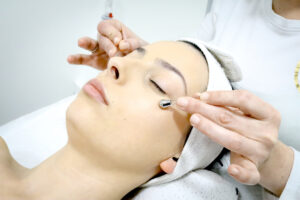
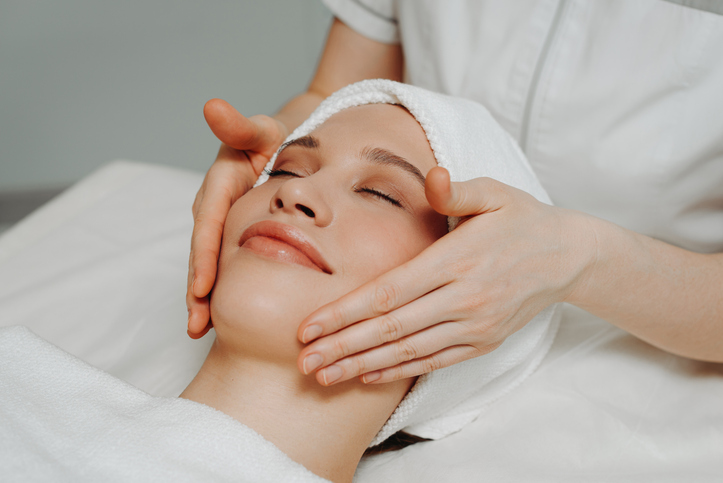
    Why Wouldn’t You Go to a Skin Expert? facial massage
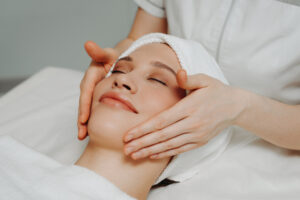
    You go to a gym or a trainer for your body. You go to a professional hairdresser for your hair. So why trust your skin—the body’s largest and most visible organ—to someone unqualified?

    Your skin is not just about aesthetics; it plays a vital role in your health and well-being. Whether you’re considering certain wrinkle-reducing treatments, dermal care, or laser procedures, one thing is clear: cosmetic treatments are medical grade treatments. They require training, precision, and safety oversight.

    Why Expertise Matters in Skin Care

    Cosmetic skin treatments, including certain wrinkle-reducing treatments, laser therapies, and medical-grade skincare, aren’t simply beauty trends—they’re clinical procedures.

    When performed by medical professionals such as dermatologists, doctors, or registered nurses, these treatments combine a safety profile with efficacy. In contrast, when administered by untrained or underqualified providers, these same treatments can be dangerous.

    According to the Australasian College of Dermatologists, improper application of needle-based applications and lasers can result in infections, burns, nerve damage, or even blindness. These risks are not theoretical—they’re real and preventable.

    “Backyard injectables can be fatal—some Australians don’t even realise they’re receiving them,” reports The Guardian.

    Why You Should Choose a Qualified Australian Provider

    Here in Australia, there are stringent health regulations and professional standards for cosmetic practitioners. The safest choice is always to go with a provider who:

    • Is registered with AHPRA (Australian Health Practitioner Regulation Agency)
    • Works under medical oversight (e.g., in a doctor-led clinic)
    • Uses only TGA-approved products and devices
    • Offers consultation, follow-up, and complication support

    The Dangers of Non-Medical Cosmetic Providers

    Choosing someone who isn’t a qualified health practitioner to administer cosmetic treatments can lead to:

    • Lumpy or uneven results
    • Allergic reactions
    • Infections and swelling
    • Tissue death or vascular complications
    • Permanent scarring
    • No immediate access to medical care

    Worse still, News.com.au has revealed the ease of importing counterfeit products into Australia. Without proper regulation, these products can contain harmful or unknown ingredients.

    Going professional: what does it look like?

    • Dermatologists: Fully trained specialists with full medical qualifications, certified by the Australasian College of Dermatologists 
    • GPs and Registered Nurses: Many now specialise in cosmetic and skin-health treatments, with accredited training in anatomy, infection control, and procedure management. Look up AHPRA 
    • Accreditation is key: Aftercare pathways, reporting frameworks, and legal frameworks all depend on proper registration.

    What you can do: smart and safe skincare

    1. Book with certified professionals – Check AHPRA registration and membership with the Australasian College of Dermatologists.
    2. Research the provider’s qualifications – Are they a FRACP Dermatologist, GP with cosmetic training, or registered nurse?
    3. Don’t chase bargains – Cheaper doesn’t equal safer. Price gaps often mean corners cut. 
    4. Ask questions – What are the risks? Side effects? Emergency contacts?
    5. Check follow-up care – Ensure there’s post-treatment support locally, including corrections or referrals.
    6. Report poor practices – If you suspect unqualified work or counterfeit products, report it to TGA or AHPRA.

    Overseas Procedures: A Growing, Risky Trend

    i

    The appeal of cheaper treatments abroad is understandable, but the risks often outweigh the savings. Australian patients are travelling for cosmetic procedures in countries where regulations, hygiene, and training don’t match local standards.

    The Australian Society of Aesthetic Plastic Surgeons warns that complications are common in medical tourism—and when you return to Australia, many health professionals may be unable (or unwilling) to help.

    Here’s why: if an Australian doctor treats complications from an overseas procedure, they could become legally liable for the outcome, despite not performing the original treatment.

    Even if an overseas clinic claims to offer “board-certified” care, their standards may differ significantly from Australian medical training and governance.

    Plastic Surgery Australia has issued safety warnings for those considering going abroad for treatments.

    So medical tourism can appear appealing—but consider:

    1. Regulations differ: Overseas clinics may lack TGA oversight or proper sterilisation. 
    2. Inadequate pre-procedure consultations: You may sign up without seeing the actual doctor, or due to language barriers  Society of Plastic Surgeons.
    3. Follow-up challenges: Aftercare distance, post-flight complications (like deep-vein thrombosis), and foreign medical standards increase health risks 
    4. Rising corrective cases: 38% more Australian patients needing help post-overseas cosmetic surgery 


    ⚠️ A hidden legal risk

    If complications arise after an overseas procedure, local health practitioners often cannot help—you may be left with no legal recourse because the original provider is offshore. Public hospitals may be forced to intervene in emergencies, but follow-up and corrective care falls squarely on your shoulders.

    Your Skin Deserves Expert Care

    When it comes to your health and appearance, there are no shortcuts. A cheap treatment today can result in permanent damage tomorrow.

    Don’t leave your skin in the hands of someone who lacks the training or credentials. Whether it’s a specific wrinkle-reducing treatment, laser resurfacing, or medical-grade skin care, consult a professional.

    You wouldn’t trust a random person with your teeth or your heart—why do it with your skin?

    At ENRICH Clinic, we specialise in advanced skin treatments & consultations performed by experienced dermatologist, doctors, nurses, and dermal clinicians. Our team offers:

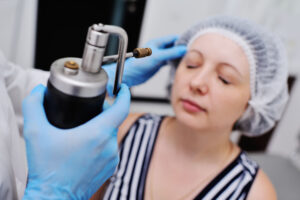
  • Is a Purple Skin Tag Dangerous?

    Is a Purple Skin Tag Dangerous?

    Is a Purple Skin Tag Dangerous?

    What are Skin Tags

    Skin tags are small, soft, benign skin growths that often appear on areas where the skin folds or rubs together, such as the neck, underarms, eyelids, and groin. While they are generally harmless, a sudden change in colour or appearance—such as a skin tag turning purple—can cause concern. If you’ve noticed a purple skin tag, you might be wondering: is this something I should worry about?

    Let’s explore what it means when a skin tag turns purple, when to seek professional advice, how to remove skin tags safely, and how ENRICH Clinic in Melbourne can help.

    What Causes Skin Tags?

    Skin tags form when clusters of collagen and blood vessels become trapped inside thicker bits of skin. They tend to occur more often in people with obesity, insulin resistance, or skin friction issues. Genetics and hormonal changes can also be contributing factors. Understanding what causes skin tags can help you reduce triggers and take preventive steps.

    What Causes a Purple Skin Tag?

    A skin tag may turn purple if its blood supply is interrupted. This usually happens when the tag becomes twisted, pinched, or irritated—common in areas where clothing or skin causes friction. When blood flow is cut off, the tag can darken and even fall off on its own. This process is known as necrosis, and while it might sound serious, it’s usually benign.

    However, a change in colour—especially if it occurs suddenly—can sometimes mimic other skin conditions, including more serious concerns. It’s important to observe whether the tag changes in size, shape, or texture, or if it becomes painful or starts bleeding.

    Are Cherry Angiomas Also Called Purple Skin Tags ?

     No, cherry angiomas are not the same as purple skin tags, although people sometimes confuse the two because of their appearance.

    Cherry angiomas are clusters of capillaries at the skin’s surface, which is why they appear red or purple. They’re not skin tags, and they don’t usually change in shape unless irritated.

    What a Purple Skin Tag Typically Looks Like:

    • Shape: Soft, small, rounded or teardrop-shaped bump attached by a narrow stalk (pedunculated).
    • Size: Ranges from 1–5 mm, though larger ones exist.
    • Colour: Purplish to dark red. This colour change usually happens due to torsion or damage to the blood supply.
    • Texture: Slightly wrinkled or smooth surface; soft to touch.
    • Location: Common in friction-prone areas—neck, underarms, eyelids, or groin.

    Is a Purple Skin Tag Dangerous?

    In most cases, a purple skin tag is not dangerous. It is typically the result of minor trauma or twisting, leading to temporary loss of circulation. However, there are situations when further investigation is warranted.

    According to the American Academy of Dermatology, skin tags are generally benign and non-cancerous. That said, there are rare occasions when what appears to be a skin tag may actually be another type of growth, such as a mole, wart, or even a form of skin cancer.

    If you notice the following signs, it’s best to get it checked:

    • Rapid growth or spreading
    • Irregular borders or colour changes
    • Persistent bleeding or oozing
    • Pain or tenderness
    • Itching or inflammation

    When to See a Dermatologist

    If your skin tag has changed colour, grown in size, or is causing discomfort, it’s time to consult a skin expert. At ENRICH Clinic Melbourne, our team of qualified dermatologists can evaluate the tag and determine whether it’s truly benign or something that needs further assessment.

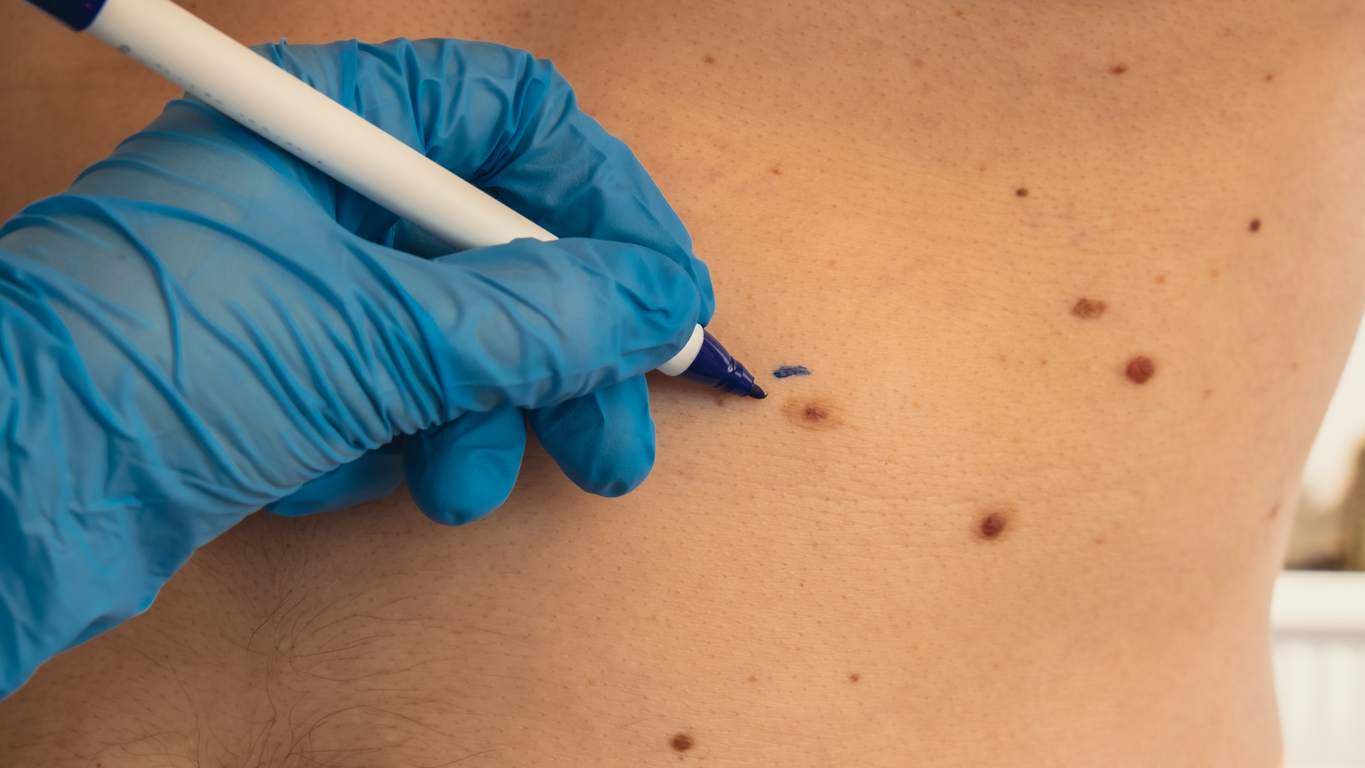
    Using techniques like dermoscopy (a magnified, illuminated examination of the skin), your dermatologist can distinguish between benign and potentially concerning skin lesions. In some cases, a biopsy may be performed to confirm the diagnosis.

    Treatment Options for Purple Skin Tags

    If the purple skin tag is benign but bothersome—whether cosmetically or physically—it can be safely removed. At ENRICH Clinic, we offer several skin tag removal options, including:

    • Cryotherapy: Freezing the tag with liquid nitrogen
    • Cauterisation: Burning the tag using a special device
    • Snip excision: Cutting the tag off with sterile surgical scissors
    • Laser removal: Using focused light energy to remove the tag

    These treatments are quick, usually performed under local anaesthetic, and involve minimal downtime. We customise our approach based on the tag’s location, size, and skin sensitivity.

    Many people wonder how to remove skin tags in one night. While some over-the-counter remedies claim quick results, it’s important to avoid DIY solutions that can damage skin or cause infection. Professional removal is the safest and most effective method.

    Are Skin Tags Linked to Other Health Conditions?

    While skin tags themselves are harmless, they may sometimes be associated with underlying

    metabolic conditions such as insulin resistance or type 2 diabetes. A study published in the Annals of Medical and Health Sciences Research highlighted a link between skin tags and elevated blood glucose levels in some individuals (NCBI).

    If you have multiple skin tags—especially around the neck or underarms—it may be worth discussing your metabolic health with a healthcare professional.

    Can Purple Skin Tags Be Prevented?

    Prevention is not always possible, especially if you’re genetically predisposed to skin tags. However, there are some practical steps that may help reduce the risk of developing them:

    • Reduce friction in common areas by wearing looser clothing
    • Maintain a healthy weight
    • Keep skin clean and dry
    • Avoid excessive jewellery or accessories that rub the skin

    Regular skin checks are also key. Our skin consultations at ENRICH Clinic help identify changes in your skin early and give you peace of mind.

    Talk To A Dermatologist

    A purple skin tag is most often nothing to worry about. However, any sudden or unexplained changes in your skin should be evaluated by a professional. While most skin tags are completely harmless, it’s always better to be safe and seek an expert opinion, especially when it comes to your skin’s health.

    At ENRICH Clinic in Melbourne, our dermatology team, led by Dr Michael Rich, provides evidence-based diagnosis and treatment for a wide range of skin concerns, including unusual or changing skin tags. Whether you’re after reassurance or ready to have a skin tag removed, we’re here to help you restore confidence in your skin.

    Interested in discussing a suspicious skin tag? Book a consultation with one of our dermatologists today and get expert care you can trust.

  • Understanding and Treating Melasma

    Understanding and Treating Melasma

    Melasma is a common skin condition that affects thousands of Australians, particularly women. At ENRICH Clinic in Melbourne, we take a personalised and multi-faceted approach to managing this often stubborn form of pigmentation. Whether you’re wondering what is melasma, how to get rid of melasma, or how to treat melasma on the face naturally, this guide will give you some of the answers.

    What is Melasma?

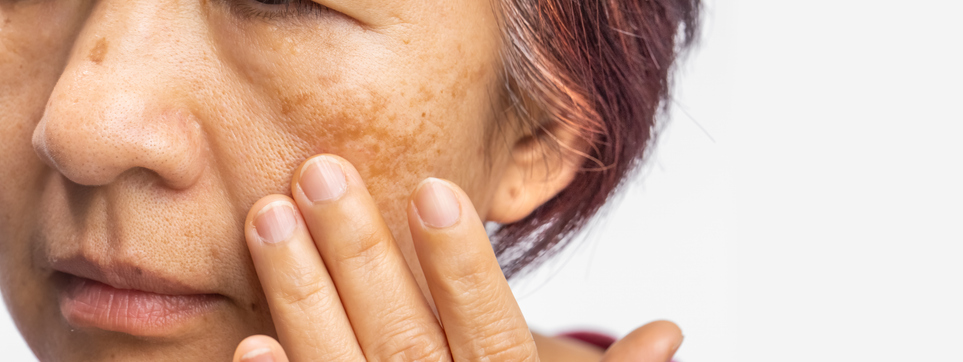
    Melasma is a chronic skin condition characterised by brown or grey-brown patches, most commonly appearing on the cheeks, forehead, upper lip, and chin. It’s caused by overproduction of melanin (the pigment in skin) and is often triggered by:

    • Hormonal changes (e.g. pregnancy, oral contraceptives, HRT)
    • Sun exposure
    • Genetics
    • Skin irritation or inflammation

    Melasma is sometimes confused with conditions like vitiligo, but they are very different. If you’d like to understand more about how melasma differs from other pigmentation disorders, see our article on melasma vs vitiligo.

    How to Get Rid of Melasma

    Melasma is a complex condition and unfortunately, there’s no one-size-fits-all solution. At ENRICH Clinic, we often explain that melasma is a management condition, rather than one with a guaranteed permanent cure. However, significant improvement is possible with the right approach.

    We prefer a combination approach to melasma treatment, as melasma tends to respond best when multiple treatment modalities are used together.

    How to Treat Melasma: Our Combination Approach

    At ENRICH Clinic, our melasma treatment plans are customised for each individual and may include the following:

    1. Stopping Hormonal Triggers

    If melasma appears to be hormonally driven, we may recommend discussing the discontinuation of oral contraceptives or hormone replacement therapy (HRT) with your GP or specialist.

    2. Sun Avoidance and Sunscreen

    Sun exposure is one of the biggest triggers of melasma. We stress the importance of strict sun avoidance and daily use of broad-spectrum sunscreen (SPF 50+), even on cloudy days or indoors. Hats and physical blockers are also crucial.

    3. Topical Treatments

    Prescription-strength melasma creams are often used to lighten pigmentation. These may include:

    • Hydroquinone (a powerful melanin suppressant)
    • Topical retinoids
    • Vitamin C
    • Anti-inflammatory agents

    We often incorporate topical vitamin C in our melasma protocols, known for its antioxidant and skin-brightening properties.

    4. Chemical Peels

    Peels containing glycolic acid or lactic acid can be highly effective for gently exfoliating the skin and reducing the appearance of pigmentation over time. These treatments also enhance the penetration of topical agents.

    5. Oral and Topical Tranexamic Acid

    Tranexamic acid has emerged as a promising agent for treating melasma, particularly when pigmentation is resistant to traditional approaches. It can be used topically or orally under medical supervision.

    6. Laser Treatments

    We offer low-energy laser treatments designed to reduce pigmentation without triggering rebound pigmentation, a known risk with higher-intensity lasers. Each laser program is tailored to suit the individual’s skin tone and melasma severity.

    Can you Cure Melasma From the Inside

    Although there’s no definitive internal cure for melasma, addressing hormonal imbalances, gut health, inflammation, and overall well-being can have a significant impact.

    At ENRICH Clinic, we often take a holistic view of melasma, encouraging:

    • A nutrient-rich, anti-inflammatory diet
    • Avoidance of endocrine disruptors
    • Managing stress levels (which affect hormones)
    • Reviewing medications that may be contributing

    Supplementing with antioxidants, omega-3 fatty acids, and vitamin D may also be discussed, though these are supportive and not stand-alone cures.

    How to Treat Melasma on Face Naturally

    Natural methods can play a supportive role in managing melasma, though they often work best in combination with clinical treatments. Here are some gentle, skin-supportive options that we may incorporate:

    • Aloe vera (anti-inflammatory and calming)
    • Licorice extract (brightening and melanin-suppressing)
    • Niacinamide (vitamin B3, reduces pigment transfer)
    • Gentle exfoliation with lactic acid or fruit enzymes

    Importantly, all-natural methods should be used cautiously to avoid irritation, which can worsen pigmentation.

    Why Melasma Is Hard to Treat

    Melasma is not just a surface issue—it can involve deep pigment layers and underlying inflammation. Hormonal influences also make it prone to recurrence, especially if sun protection isn’t maintained. This is why we don’t rely on a single product or treatment but instead build a tailored, long-term management plan.

    The ENRICH Clinic Difference

    At ENRICH Clinic Melbourne, our approach to melasma is grounded in:

    • Evidence-based skincare
    • Tailored laser programs
    • Medical-grade peels
    • Hormonal evaluation
    • Ongoing support and education

    Our experienced team works closely with patients to identify triggers, set realistic goals, and track improvements over time.

    We believe that treating melasma effectively requires patience, precision, and personalisation—and that’s what we offer.

    ? Learn more about our melasma treatments in Melbourne.

    Final Thoughts

    Melasma may be stubborn, but it’s far from untreatable. With the right support and a comprehensive approach, clearer, brighter skin is possible. Whether you’re newly diagnosed or have been managing melasma for years, our team at ENRICH Clinic is here to help you take the next step.

  • What Happens to Your Skin When You Lose Weight?

    What Happens to Your Skin When You Lose Weight?

    What Happens to Your Skin When You Lose Weight? Here’s some insights. 

    In recent years, Australia has seen a significant rise in weight loss journeys, whether through improved lifestyle habits, bariatric surgery, or the increasing popularity of new prescription medications. While shedding excess kilos brings many health benefits, one common but often surprising side effect is how your skin reacts.

    At our dermatology clinic, we regularly see patients concerned about loose skin, stretch marks, and other skin changes after weight loss. So what’s actually going on beneath the surface?

    Let’s take a closer look at what happens to your skin when you lose weight—and what you can do about it.

    Why Does Skin Change After Weight Loss?

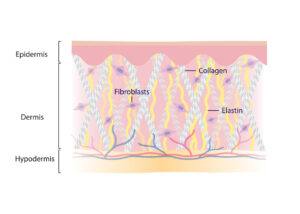
    Your skin is a living organ that’s incredibly adaptable, but it has its limits. When you gain weight, your skin stretches to accommodate fat tissue. If this weight is carried for an extended period, the skin’s structural proteins—collagen and elastin—can weaken.

    When you lose weight, especially rapidly, your skin doesn’t always bounce back to fit your new shape. This is especially noticeable after losing a large amount of weight or losing weight quickly, as is often the case with the newer prescription weight loss treatments now available in Australia.

    Key factors that affect your skin’s response include:

    • Age (younger skin is more elastic)
    • Genetics
    • How much weight you’ve lost
    • How quickly you lost  that weight
    • Hydration and nutrition levels

    Common Skin Concerns After Weight Loss

    1. Loose or Sagging Skin
      This is the most common issue, particularly around the abdomen, upper arms, thighs, and face.
    2. Stretch Marks
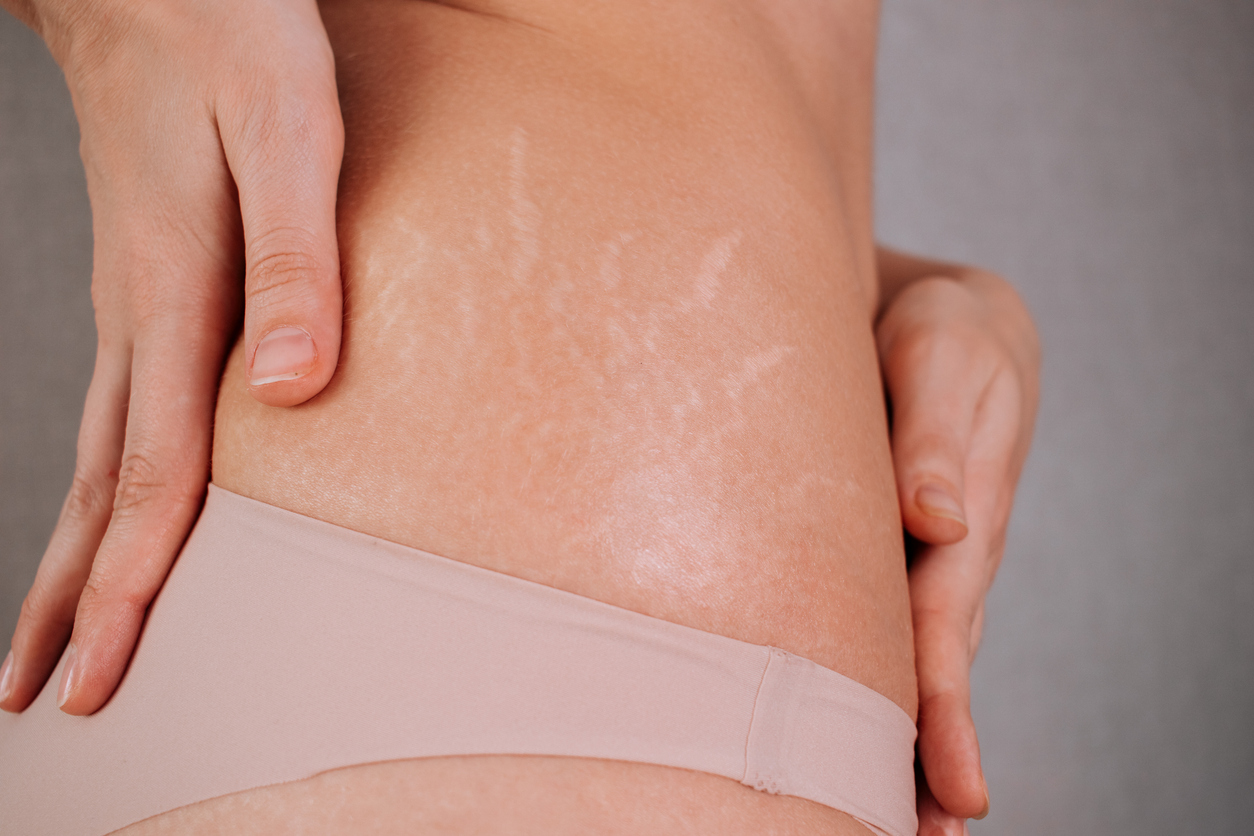
      While often associated with weight gain, stretch marks can also become more noticeable as skin tightens and fat underneath decreases.

    3. Skin Irritation and Rashes
      Excess folds of skin can trap sweat and moisture, leading to discomfort or fungal infections.
    4. Dryness and Dull Texture
      Weight loss, especially when driven by medication or rapid dietary changes, can affect hydration and skin tone.

    Will My Skin Bounce Back On Its Own?

    It depends. For those who lose a modest amount of weight slowly, and who have good skin elasticity, some natural tightening is possible, especially if you’re under 40. However, for significant weight loss (10kg or more), especially over a short time, the skin often doesn’t fully contract.

    It’s important to be realistic. While a healthy lifestyle helps, skin that’s been stretched for a long time usually needs a bit of extra help, or you wear it like a badge of honour for adopting an new lifestyle. 

    Professional Skin Tightening Treatments in Australia

    Fortunately, modern dermatology offers a range of non-surgical treatments to help firm and rejuvenate the skin after weight loss. Remember, as we have said  be realistic, that over 40 skin  will not bounce back like 20-year-old skin:

    1. Radiofrequency Skin Tightening

    A popular, non-invasive option that uses heat to stimulate collagen production and firm the skin.

    2. Ultrasound-Based Treatments – Ultraformer III

    Uses focused ultrasound energy to lift and tighten deep layers of the skin.

    3. Laser Skin Rejuvenation

    Helps improve skin texture, reduce stretch marks, and promote elasticity.

    4. Microneedling with RF

    Combines collagen induction with radiofrequency energy for improved skin tone and structure. Our treatment is called the Secret RF and we are big fans for face and body. 

    5. Topical Retinoids and Firming Creams

    Medical-grade products with retinol, peptides, and antioxidants can help improve skin firmness and reduce the appearance of stretch marks.

    6. Surgical Referral

    In cases of severe excess skin, especially after major weight loss, we may refer you to a qualified plastic surgeon for skin removal options. We do not perform skin-tightening surgery at ENRICH clinic. 

    At-Home Skin Care Tips Post-Weight Loss

    If you’re on a weight loss journey or just starting one, supporting your skin from the inside and out can make a big difference:

    • Hydrate regularly – inside and out.
    • Eat skin-friendly nutrients – including vitamin C, zinc, and protein to support collagen. Your skin health and gut health are closely related. 
    • Consider collagen supplements – some Australian brands offer marine or bovine collagen powders. The jury is out on how effective these supplements are; they can be helpful.
    • Moisturise daily – to maintain skin barrier health and hydration. For the body, generally, a heavier moisturiser than you use on your face should be considered unless you are acne-prone.

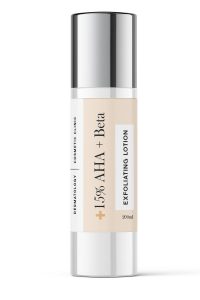
    • Gentle exfoliation – to improve skin texture and tone. We mean gentle, without damaging the skin on a daily basis. ENRICH 15% AHA+Beta Exfoliating Lotion can help with exfoliation and removing dead skin cell buildup gently. We use this lotion on the body every third day, coupled with your normal skin moisturiser every other day. 

    When Should You See a Dermatologist?

    If you’re experiencing loose skin that’s affecting your comfort or daily life, it’s time to seek expert advice. Our dermatologists can assess your skin’s condition and recommend tailored solutions—ranging from in-clinic treatments to medical-grade skincare.

    We’re here to guide you through this next chapter of your transformation, with real solutions that support both your skin health and your self-confidence.

    How We Can Help

    At ENRICH  & DIV, we offer moderate skin tightening and rejuvenation treatments suitable for certain stages of your weight loss journey. Whether you’ve recently started on medication-assisted weight loss or you’re months into your transformation, we can support you with personalised, science-backed dermatological care.

    Book a consultation with our expert team at ENRICH & DIV today and let us help your skin look as good as you feel.


  • Top 10 Skin Conditions Dermatologists Treat (And What They Can Do for You)

    Top 10 Skin Conditions Dermatologists Treat (And What They Can Do for You)

    Top 10 Skin Conditions Dermatologists Treat (And What They Can Do for You)

    When it comes to your skin, sometimes over-the-counter skincare just doesn’t cut it. That’s where dermatologists in Australia come in — they’re trained experts in all things skin health, hair loss, and nail disorders. Whether it’s a persistent breakout or a strange new spot, dermatologists can diagnose, treat, and help you manage a wide range of skin conditions.

    Here are the top 10 skin issues dermatologists see in their clinics every day — and how they can help you tackle them.

    1. Acne

    Let’s be honest — acne isn’t just a teenage problem. Adult acne is on the rise and can be hormonal, menopause, stress-related, or even caused by using the wrong skincare products. Dermatologists treat acne with personalised plans that include prescription acne creams, oral medications, chemical peels, or laser acne treatments.

    2. Eczema (Atopic Dermatitis)

    Itchy, red, and inflamed skin that just won’t quit? That could be eczema, a chronic condition that often starts in childhood but can flare up at any age. It’s especially common in Australia due to our dry climate.

    3. Psoriasis

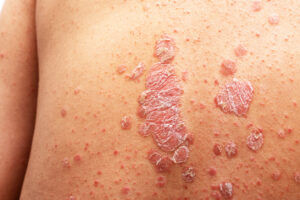
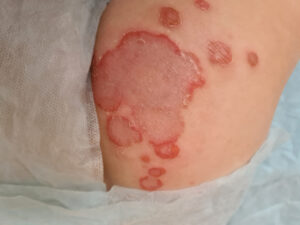
    This autoimmune skin disease causes thick, scaly patches on areas like the elbows, knees, and scalp. It can be mild or severe, and it often requires long-term management with help from a dermatologist for psoriasis.

    4. Rosacea

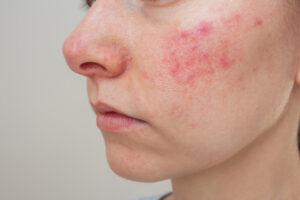
    Redness, flushing, visible blood vessels, and acne-like bumps? That’s rosacea. Common in adults over 30, rosacea can be triggered by sun, heat, spicy food, and even stress.

    5. Skin Cancer

    Australia has one of the highest rates of skin cancer in the world. From basal cell carcinoma to melanoma, dermatologists are trained to spot early signs through skin checks and provide safe, effective skin cancer treatment.

    6. Warts

    Warts, caused by the HPV virus, can appear on the hands, feet, or elsewhere. While they often go away on their own, many people turn to a skin specialist for faster wart removal.

    7. Dermatitis (Contact and Seborrheic)

    This includes contact dermatitis (caused by allergens or irritants) and seborrheic dermatitis (like dandruff and flakey skin). Both can be persistent and uncomfortable but are easily treated by a dermatologist.

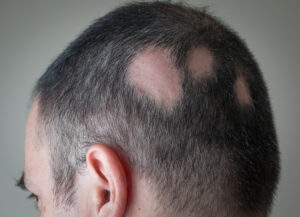
    8. Hair Loss (Alopecia)

    Losing hair? Whether it’s androgenetic alopecia (pattern baldness) or alopecia areata (autoimmune), dermatologists can diagnose the cause and offer effective treatment options.

    9. Fungal Infections

    Common fungal infections like athlete’s foot, ringworm, and yeast infections can show up on the skin, scalp, or nails. A dermatologist can provide accurate diagnosis and targeted treatment.

    10. Hyperpigmentation and Melasma

    Uneven skin tone, dark spots, or melasma are some of the most common skin concerns — especially in sunny climates. Dermatologists can help with pigmentation treatments that actually work.

    When Should You See a Dermatologist?

    If your skin condition isn’t improving with over-the-counter products, or it’s affecting your quality of life, it’s time to see a professional. Dermatologists tailor your treatment based on your skin type, lifestyle, and goals. They are specialists and have been trained in the care and treatment of skin, hair and nails.

    Pro tip: Australians are encouraged to have an annual skin check, especially if they have fair skin or a history of sun exposure.

    Your Skin health is important

    Skin health isn’t just about looking good — it’s about feeling comfortable, staying healthy, and preventing serious issues like skin cancer. If you’re dealing with any of the concerns above, don’t wait. 

    Book a skin consultation with our dermatology team to get personalised recommendations, including professional-grade treatments and products that actually work.

  • Do Collagen Supplements Really Help Your Skin? What the Science Says

    Do Collagen Supplements Really Help Your Skin? What the Science Says

    Do Collagen Supplements Really Help Your Skin? What the Science Says

    In the ever-growing world of skincare and wellness, collagen supplements have become a popular addition to beauty routines—especially in Australia, where the market for powders, capsules, and drinks continues to boom.

    But the big question remains: do collagen supplements actually help your skin, or is it all clever marketing?
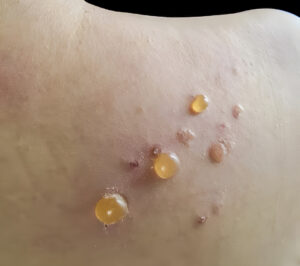
    Let’s break down what collagen is, how it affects your skin, and what the latest research says about whether taking it in supplement form actually makes a difference.

    What Is Collagen, and Why Does It Matter for Skin?

    Collagen is the most abundant protein in the human body. It’s essentially the scaffolding that keeps your skin plump and  firm. Think of it as your skin’s natural support structure.

    As we age—especially after our mid-20s—our natural collagen production begins to decline. By the time we’re in our 40s, we could be losing around 1% of our collagen per year. This leads to common signs of ageing, such as:
    • Fine lines and wrinkles
    • Loss of skin firmness
    • Dryness or dull texture
    • Thinner, more fragile skin

    Other factors like sun exposure, smoking, poor diet, and stress can speed up collagen breakdown.

    What Are Collagen Supplements?

    Collagen supplements are typically made from animal sources (bovine or marine), broken down into smaller peptides or amino acids for easier absorption. They come in various forms:

    • Powders (to mix into drinks)
    • Capsules
    • Liquid shots
    • Gummies

    In Australia, marine collagen (from fish) is particularly popular for its smaller peptide size, which may be more easily absorbed by the body. Bovine collagen (from cows) tends to contain a broader range of collagen types and is often more cost-effective. 

    What Does the Research Say?

    This is where things get interesting. Multiple studies in recent years have begun to show promising results—but with important caveats.

    Positive Findings

    A 2019 systematic review published in the Journal of Drugs in Dermatology looked at 11 clinical trials and found that oral collagen supplements showed statistically significant improvements in skin elasticity, hydration, and dermal collagen density after 8 to 12 weeks of daily use.

    A 2022 randomised controlled trial involving 100 participants found that daily intake of low-molecular-weight collagen peptides over 12 weeks led to improvements in skin hydration, elasticity, and wrinkle reduction without adverse effects, especially when taken alongside other nutrients like vitamin C and hyaluronic acid.

     Mixed or Limited Results

    Not all studies agree. Some reviews note that while collagen may provide modest benefits, the improvements aren’t always visible or long-lasting, especially if the supplement isn’t taken consistently or at a high enough dose.

    Further, some dermatologists remain cautious, pointing out that supplements are digested and processed by the body like any other protein source. There’s still debate about whether enough of those peptides reach the skin in a bioactive form to make a real difference.

    What to Look for in a Collagen Supplement

    If you’re considering adding collagen to your skincare regimen, here are a few tips:

      • Hydrolysed (or hydrolyzed) collagen peptides are easier for the body to absorb.
      • Look for added ingredients like vitamin C, zinc, or hyaluronic acid, which help with collagen production and skin hydration.
      • Check the dose – 2.5 to 10g per day is typically used in clinical trials.
      • Choose reputable Australian brands that provide transparency about sourcing and testing.

    Are Marine or Bovine Collagen Better?

    Both can be effective, but they have subtle differences:

    • Marine collagen is more easily absorbed and may be preferred for skin-specific goals.
    • Bovine collagen typically contains types I and III collagen, which are also important for skin, but it’s also useful for joint and bone health.

    There’s no strong scientific evidence yet to say one is dramatically better than the other for skin—so it often comes down to personal preference, dietary restrictions, and budget.

    Are There Any Side Effects?

    Collagen supplements are generally considered safe, with minimal side effects. However, some people may experience:

    • A bad taste or fishy aftertaste (especially from marine sources)
    • Mild digestive issues
    • Allergic reactions if sensitive to fish, eggs, or shellfish (check labels!)

    As always, speak to your doctor or dermatologist before starting a new supplement, especially if you’re pregnant, breastfeeding, or have food allergies.


    So… Do Collagen Supplements Work? Final Thoughts

    Collagen supplements may offer real benefits for skin elasticity, hydration, and texture—especially when used consistently over time and as part of a broader skincare and health routine.

    But they’re not a magic fix. For best results:

    • Combine them with a healthy diet
    • Stay hydrated 
    • Use sun protection
    • Consider professional skin treatments (like microneedling, lasers, or radiofrequency) for more significant skin tightening or rejuvenation
    • Talk  your dermatologist or skin specialist about a skin health plan tailored to you and your skin type 

    In short, collagen supplements can support healthy skin, but they work best when they’re part of a bigger picture, not the only tool in the kit and please remember they are actually supplements, which are defined as products designed to add nutritional value to your diet. They fill nutritional gaps and support specific health needs. They are not a substitute for a balanced diet 

    Want Professional Skin Advice?

    At ENRICH & DIV, we specialise in helping you maintain glowing, healthy skin—whether you’re on a skin health journey, navigating ageing, or just want to address some concerns. 

    Book a skin consultation with our dermatology or cosmetic team to get personalised recommendations, including professional-grade treatments and products that actually work.

  • LED Light Therapy – What Each Colour Really Does for Your Skin

    LED Light Therapy – What Each Colour Really Does for Your Skin

    LED Light Therapy: What Each Colour Really Does for Your Skin

    LED light therapy is now a well-versed treatment in the skincare world  — and for good reason.  LED therapy is safe, painless, and effective. This non-invasive treatment uses different wavelengths (colours) of light to target specific skin concerns. But with all the colours out there, it can be confusing to know which one does what.

    Here’s a simple guide  — colour by colour — so you can choose the right one for your skin goals.

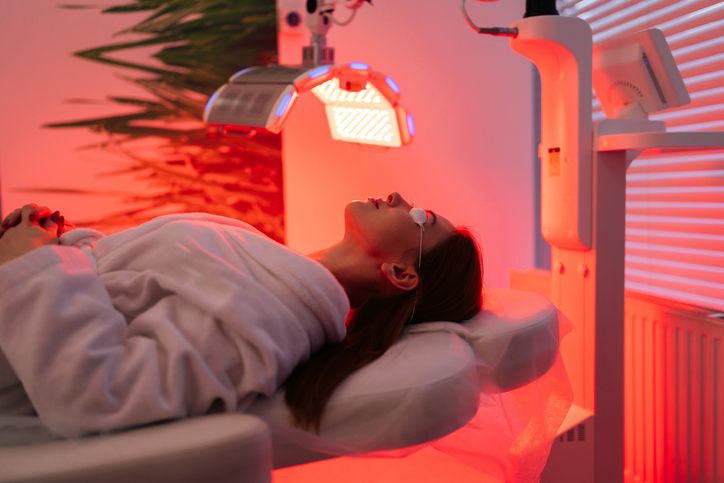
    ? Red Light (620–750 nm): Anti-Aging Hero

    What it does:
    Red light penetrates deep into the skin to stimulate the production of collagen and elastin. It helps reduce fine lines and wrinkles, improve skin elasticity, and speed up healing.

    Best for:

    • Fine lines & wrinkles
    • Loss of firmness
    • Redness and inflammation
    • Post-treatment healing

    Bonus: Red light therapy is great for sensitive skin — think rosacea or post-laser recovery.

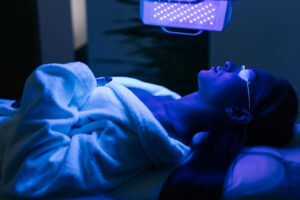
    ? Blue Light (405–470 nm): Acne Fighter

    What it does:
    Blue light targets acne-causing bacteria (Propionibacterium acnes) on the skin’s surface, helping to reduce breakouts and inflammation without drying the skin out.

    Best for:

    • Acne
    • Oily or congested skin
    • Enlarged pores

    Caution: Can be drying for sensitive skin if overused, so balance is key.

    ? Green Light (525–550 nm): Skin Tone Balancer

    What it does:
    Green light helps to reduce hyperpigmentation by calming overactive melanin-producing cells. It evens out skin tone and can reduce redness or blotchiness.

    Best for:

    • Hyperpigmentation
    • Age spots
    • Redness or uneven tone
    • Dark circles

    Pro tip: Combine with red light for anti-aging + brightening benefits.

    ? Yellow Light (570–590 nm): Skin Soother

    What it does:
    Yellow light penetrates deeper than green and works to reduce redness, soothe sensitive skin, and improve lymphatic flow.

    Best for:

    • Rosacea
    • Red or irritated skin
    • Post-treatment calming
    • Sensitive or allergy-prone skin

    Think of it as the “comfort light” for stressed skin.

    ? Purple (Red + Blue Combo): Dual Action Repair

    What it does:
    Combines the benefits of red and blue light — reducing inflammation and killing acne bacteria while also promoting skin healing and anti-aging.

    Best for:

    • Acne-prone mature skin
    • Breakouts with scarring
    • Combination skin types

    White Light (Full Spectrum ie: all colours ): Deep Skin Repair

    What it does:
    White light is a combination of all visible wavelengths and penetrates the deepest. It stimulates skin renewal and can assist with overall skin repair and tone.

    Best for:

    • Deep wrinkles
    • Skin laxity
    • Dull, tired-looking skin

    Many people ask – Do LED treatments really work?  Short answer, they do, but results come with consistency

    Professional-strength LED treatments are always the best option, and visiting a professional to understand what each colour does helps you treat the right concern at the right depth. Professional devices used in clinics deliver higher light intensities and often penetrate deeper into the skin, resulting in faster and more noticeable results.

    LED home devices can have some effect for maintaining skin health, but they are generally not as powerful or targeted as professional-grade treatments.  At-home devices, while convenient and more affordable, usually operate at lower energy levels to ensure safety for untrained users.

    At ENRICH DIV we can help. Many of our laser treatments include an LED treatment, or you can try the LED treatment on its own.

    Call us on  039500 9500 or book a consultation here.

    ✨ Healthy skin doesn’t have to be complicated — just well-lit.

  • Vitamins In Topicals And Skin Care – What Do They All Do?

    Vitamins In Topicals And Skin Care – What Do They All Do?

    You’ve probably heard over and over that vitamins are good for our skin. We’re told to eat our fruits and veggies for a healthy glow. 

    But what about the skincare products promising vitamin-infused miracles? While we know vitamins are essential for overall health, how do they benefit our skin when applied topically?

    What Do Topical Vitamins Do?

    Antioxidant

    One of the most talked-about benefits of topical vitamins is their antioxidant properties. Antioxidants fight off harmful free radicals, those molecules that damage your skin and contribute to premature aging.

    Vitamins C and E are two antioxidants that work together to protect your skin from environmental stressors like pollution and UV rays. These vitamins can help reduce the appearance of fine lines and wrinkles, improve skin tone, and give your complexion a youthful glow. Vitamin C, in particular, is known for its ability to fade age spots and pigmentation.

    Cellular Renewal and Repair

    Another key role of topical vitamins is in cellular renewal and repair. Our skin naturally sheds old cells and produces new ones to maintain a healthy, youthful appearance.

    Vitamin A, often found in skincare as retinol, accelerates this cell turnover. This process also stimulates collagen production, the protein responsible for skin’s elasticity and firmness. As a result, retinol can help reduce the appearance of wrinkles, fine lines, and hyperpigmentation.

    Hydration and Barrier Function

    The skin barrier is your skin’s protective shield against environmental aggressors like pollution, bacteria, and allergens. It also prevents moisture loss, so your skin is hydrated and healthy. 

    Hydration, on the other hand, is necessary to maintain your skin’s suppleness, elasticity, and overall radiance. When adequately hydrated, your skin looks plump, smooth, and youthful. 

    Topical vitamins can help maintain these two. Vitamins B3 (niacinamide) and B5 (pantothenic acid) are particularly beneficial for this. Vitamin B3 helps retain moisture, while Vitamin B5 acts as a humectant, drawing moisture into the skin and helping it lock in hydration. 

    Choosing the Right Vitamins for Your Skincare Routine

    Selecting the right vitamins for your skincare can be confusing, given the seemingly never-ending choice online. Here are our top tips:

    Understand Your Skin

    The first step is to identify your skin type and concerns. If you have acne-prone or oily skin, look for formulations that deliver vitamin benefits, help control oil production and prevent breakouts. If you have dry or mature skin, focus on hydrating and anti-ageing ingredients.

    Look For Reputable Brands And Formulations

    Just because a topical skincare product is vitamin-infused doesn’t mean it’s right for your skin. The quality of ingredients and the product’s formulation also play a role.

    For example, different formulations of vitamin C can significantly impact its effectiveness. According to a study, an ideal clinical formulation contains L-ascorbic acid (the active form) at a concentration of 10% to 20% with a pH below 3.5. 

    Another one is Vitamin E. While many cosmeceuticals contain vitamin E, research suggests that its effectiveness in topical application is often compromised due to instability when exposed to air and light.

    Ask a Dermatologist

    Personalised advice from a dermatologist is often the best approach to achieving optimal skin health for several reasons:

    • They can identify any skin issues contributing to your concerns and recommend appropriate vitamin treatments. Their recommendation is based on a comprehensive assessment of your skin type, medical history, and skin concerns.
    • They can prescribe higher concentrations of vitamins or vitamin-derived medications for more severe skin conditions.
    • They can inform you about the potential side effects of specific vitamin treatments and help you manage them if they occur.

    FAQs

    Can I get enough vitamins for my skin through diet alone?

    While it’s true that a balanced diet rich in fruits, vegetables, and whole grains provides essential vitamins and nutrients for overall health, including skin health, relying solely on diet might not be sustainable.

    To ensure adequate vitamin levels for your skin, you need to consume specific amounts of various foods daily. Factors like food availability, dietary restrictions, and individual nutritional needs can also influence your ability to achieve this through diet alone. Plus, with a busy lifestyle, it can be challenging to maintain.

    What if a skincare product contains multiple vitamins?

    Vitamin combos can be beneficial, as different vitamins often work synergistically to enhance their effects. But, some vitamins might react with others when combined, potentially reducing their effectiveness or causing irritation. 

    Carefully read product labels and understand the role of each vitamin in the formula. If you have sensitive skin or specific concerns, ask your dermatologist.

    What vitamin deficiency causes sagging skin?

    Vitamin C is often highlighted as a key player in skin elasticity because it plays a crucial role in collagen production. A deficiency in Vitamin C can lead to reduced collagen synthesis, resulting in less supple and more sagging skin.

    Are topical vitamins better than oral supplements for skin health?

    The age-old question: is it better to apply vitamins directly to your skin or consume them through supplements or diet? The answer is, “It depends.”

    Topical vitamins deliver nutrients directly to the skin’s surface, which can address concerns like dryness, uneven tone, or fine lines. They can provide immediate and targeted benefits.

    On the other hand, oral supplements nourish your skin from within, supporting overall skin health. They can be beneficial for conditions like acne or those with severe vitamin deficiencies.

    The ideal approach is often a combination of both. For example, if you’re treating a specific skin condition like acne or eczema, you might benefit from both topical and oral treatments.

    Ultimately, the best way to determine the optimal approach for your skin is to consult with a dermatologist.

    Personalised Advise at ENRICH

    The ENRICH team of highly qualified specialist dermatologists and doctors are experienced professionals. For personalised advice, schedule a consultation with us.

  • Rosacea: Triggers, Treatment and Taking Control

    Rosacea: Triggers, Treatment and Taking Control

    You might be dealing with rosacea if you’re experiencing persistent facial redness, bumps, and flushing. This chronic skin condition affects millions worldwide and can significantly impact your quality of life.

    Rosacea is more than just a skin irritation. Beyond the visible symptoms, it can also lead to eye problems known as ocular rosacea. This makes your eyes feel itchy, burning and red. In some cases, it can progress to rhinophyma, causing the nose to become enlarged and red.

    That’s why understanding rosacea, its triggers, and available treatment options is critical to managing this condition.

    What Causes Rosacea

    The exact cause of rosacea is unknown. While researchers believe inflammation plays a key role in its symptoms, they’re still figuring out why this happens. 

    For now, the experts believe that factors such as increased skin sensitivity, sun exposure, and skin bacteria contribute to the issue. It’s also likely that a combination of genetic and environmental factors leads to the development of rosacea.

    Another aspect we know about rosacea is that certain triggers can exacerbate symptoms. Some of these triggers are:

    • Sun exposure. Harmful UV rays can worsen redness and inflammation.
    • Spicy foods. Consuming spicy dishes can trigger facial flushing.
    • Alcohol consumption. Alcohol can dilate blood vessels, leading to increased redness.
    • Hot beverages. Similar to spicy foods, hot drinks can cause facial flushing.
    • Stress. Emotional stress can contribute to rosacea flare-ups.
    • Certain skincare products. Some skincare ingredients may irritate sensitive rosacea skin.
    • Weather extremes. Both hot and cold temperatures can affect rosacea symptoms.

    How To Get Rid of Rosacea

    Rosacea is a chronic condition, which means there’s no permanent cure. However, various treatment options can help manage symptoms and improve your skin’s appearance. The best approach to managing rosacea depends on your specific goals. Are you looking to reduce redness and inflammation, minimise bumps and pimples, or prevent future flare-ups?

    Your treatment option will likely include:

    • Topical medications. Creams and gels containing ingredients like antibiotics, azelaic acid, and metronidazole help reduce redness and inflammation.
    • Oral medications. In more severe cases, your doctor may prescribe oral antibiotics to clear up active inflammation.
    • Laser and light therapy. These treatments target blood vessels and reduce redness.

    Taking Control of Rosacea

    While it’s not possible to get rid of rosacea permanently, you can keep the symptoms at bay by:

    Having a Daily Skincare Routine

    To manage rosacea, your skincare regimen should mainly include:

    • Gentle, fragrance-free cleansers to clean your face without irritating your skin
    • Fragrance-free moisturiser to hydrate and protect your skin’s barrier
    • Sensitive skin-friendly, broad-spectrum SPF 30 or higher every day to safeguard your skin from harmful UV rays

    Avoid harsh scrubs, exfoliants, and products containing alcohol.

    Modifying Your Lifestyle 

    Your lifestyle plays a significant role in managing rosacea, so make these conscious choices to help keep your skin calm:

    • Watch what you eat. As mentioned, spicy foods and alcohol can trigger flare-ups for many people, so you might want to cut back or avoid them altogether.
    • Find healthy ways to manage stress. Try relaxation techniques like meditation or yoga and get enough sleep.
    • Avoid hot showers and saunas. Overheating can trigger rosacea symptoms.
    • Maintain a healthy lifestyle. Eat a balanced diet, exercise regularly, and avoid stressful situations if possible.

    Following a Treatment Plan

    We’ve always said that everyone’s skin is different, so a dermatologist is the best person to ask for a treatment plan for your rosacea. They’ll consider the severity of your symptoms and recommend the most appropriate treatments, which might include prescription medications, laser therapy, or other procedures. 

    More importantly, working with a dermatologist for a rosacea management plan means regular check-ups to monitor your progress and adjust your treatment plan if needed. 

    Rosacea Management at ENRICH

    Our experienced dermatologists offer comprehensive rosacea management, including personalised treatment plans and ongoing support. Schedule your appointment today.

  • What Are Autoimmune Skin Diseases And How Do They Happen?

    What Are Autoimmune Skin Diseases And How Do They Happen?

    Are you experiencing unexplained skin changes? Your immune system may be acting up. 

    Our immune system plays a crucial role in protecting our bodies from bacteria and viruses. But sometimes, it can mysteriously go awry and mistakenly attack our own tissues instead of targeting foreign threats. This is known as an autoimmune disease.

    What Is an Autoimmune Disease?

    An autoimmune disease occurs when the immune system attacks healthy cells. In the case of autoimmune skin diseases, these healthy cells are found in the skin.

    While the exact cause of autoimmune diseases remains a subject of ongoing research, experts believe it involves a complex interplay of genetic and environmental factors. Some potential triggers and risk factors may include:

    • A family history of autoimmune diseases can increase your risk
    • Exposure to certain toxins, infections, or stressors may contribute to the development of autoimmune conditions
    • Fluctuations in hormones, such as during pregnancy or menopause

    Common Autoimmune Skin Diseases

    Psoriasis

    Psoriasis is a chronic skin condition that causes skin cells to grow too quickly. This rapid growth leads to a buildup of thick, scaly patches on the skin’s surface, which can be itchy, painful, and sometimes even embarrassing.

    The severity of psoriasis can vary significantly from person to person. Some individuals may experience only mild symptoms, while others may have severe psoriasis that affects a large portion of their body. In severe cases, psoriasis can lead to significant physical and emotional distress.

    The symptoms of psoriasis can vary depending on the type of psoriasis you have. For instance, if you have plaque psoriasis, you will see raised, red, scaly patches on the skin, while pustular psoriasis appears as blisters or bumps filled with pus near or inside red skin blotches.

    Vitiligo

    Vitiligo causes loss of pigment, resulting in white patches on the skin. It occurs when melanocytes, the cells responsible for producing melanin (the pigment that gives skin its colour), are destroyed or stop functioning. 

    Vitiligo can progress in different ways. In some cases, the white patches may remain stable, while they may continue to grow and spread in others. The rate of progression varies from person to person.

    The symptoms include:

    • White patches, which vary in size and shape and may appear anywhere on the body
    • Loss of colour within the patches
    • Sun sensitivity
    • Hair loss in the affected areas

    Lupus of the skin

    Skin lupus, also known as cutaneous lupus erythematosus (CLE), is a skin condition that occurs in people with systemic lupus erythematosus (SLE). SLE is a chronic autoimmune disease that affects multiple organs, including the skin.

    The symptoms of skin lupus can vary depending on the type you have, further discussed below. 

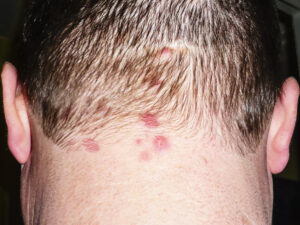
    Discoid Cutaneous Lupus is characterised by round, disk-shaped, thick, scaly, and red lesions, which can be painful, itchy, or burning but may also be asymptomatic. They commonly appear on the face, ears, and scalp.

    A significant concern with this type of skin lupus is it can persist for years and may lead to scarring, discolouration, or hair loss. Also, lesions that have been present for a long time may increase the risk of skin cancer. 

    Subacute Cutaneous Lupus has red borders around the edges of lesions, often with a darker red circle on the outer edge. These lesions typically appear on the neck, chest, upper back, shoulders, and arms, often after sun exposure. They do not usually cause pain, itching, or scarring but can lead to skin discolouration.

    Acute Cutaneous Lupus often presents as a malar rash or “butterfly rash” across the cheeks and bridge of the nose, frequently triggered by sun exposure. While scarring is uncommon, skin discolouration may occur. 

    Note that the characteristic “butterfly rash” is a sign of systemic lupus, indicating potential symptoms in other body areas. If you develop this rash, consult with a healthcare professional for further evaluation.

    Dermatomyositis

    Dermatomyositis is actually a systemic autoimmune muscle disease that causes skin problems. 

    The skin rash associated with dermatomyositis is often described as a “heliotrope rash” due to its purplish-red colour. It typically appears on the eyelids but can also affect other areas of the face and body. 

    Besides the heliotrope rash, people with dermatomyositis may also develop Gottron’s papules, which are small, red bumps on the knuckles.

    Alopecia Areata

    Alopecia areata is the autoimmune disorder that causes hair loss in patches. These patches can vary in size and shape and may appear anywhere on the scalp. 

    In some cases, the hair loss may be complete, resulting in a condition known as alopecia totalis or alopecia universalis.

    Alopecia areata does not pose a threat to physical health and, in most cases, is not life-threatening. But, some individuals may experience psychological distress due to the cosmetic impact of hair loss.

    Dermatitis Herpetiformis

    Dermatitis herpetiformis is a skin condition associated with celiac disease, an autoimmune disorder triggered by gluten consumption, a protein found in wheat, barley, and rye.

    Its symptoms include:

    • Itchy, blistering skin eruptions typically on the elbows, knees, buttocks, and scalp
    • Burning sensation on the affected skin
    • Pain in severe cases

    Bullous Pemphigoid

    Bullous pemphigoid is an autoimmune blistering disease that causes large, fluid-filled blisters on the skin. Before the blisters appear, you may experience itching for weeks or months. Then blisters will form along creases or folds in the skin. They are typically tense and do not rupture easily.

    The skin around the blisters may appear normal, reddish, or darker than usual. Some people with bullous pemphigoid may also develop eczema or a hive-like rash. Small blisters or sores may sometimes form in the mouth or other mucous membranes, a condition known as benign mucous membrane pemphigoid.

    It can be a chronic condition lasting several months or even years. In some cases, the condition may resolve on its own, while in others, it may persist or recur.

    Morphea/Scleroderma

    Morphea, also called scleroderma, is a rare condition that causes painless, discoloured patches on the skin, often appearing on the belly, chest, or back. These patches may gradually become firm, dry, and smooth. While morphea typically affects the outer layers of the skin, some forms can also impact deeper tissues and restrict joint movement.

    The signs and symptoms of morphea vary depending on the type and stage of the condition. Reddish or purplish oval patches often develop on the belly, chest, or back, gradually acquiring a lighter or whitish centre. Linear patches may appear on the arms, legs, forehead, or scalp. Over time, the affected skin becomes firm, thickened, dry, and shiny.

    Morphea can cause several complications, including self-esteem issues due to the cosmetic effects on the skin, movement problems in the arms or legs, widespread areas of hardened, discoloured skin known as generalised morphea, loss of hair and sweat glands in the affected area, and potentially permanent eye damage in children with head and neck morphea.

    Pemphigus

    Pemphigus is a group of autoimmune blistering diseases that cause painful, erosive blisters on the skin and mucous membranes. 

    There are two main types of pemphigus:

    • Pemphigus vulgaris: This is the most common type of pemphigus, characterised by large, fluid-filled blisters that can appear anywhere on the body.
    • Pemphigus foliaceus: This type is characterised by smaller, superficial blisters that are often crusted over.

    Pemphigus is often confused with bullous pemphigoid but differs in blister formation and severity. Pemphigus blisters tend to be superficial, easily ruptured, and often accompanied by erosions, while bullous pemphigoid blisters are typically larger, tense, and less likely to rupture.

    Pemphigus can be a severe and life-threatening condition if left untreated; bullous pemphigoid is generally less severe, although it can still cause significant discomfort.

    When To See A Dermatology Clinic For Autoimmune Skin Disease Symptoms

    If you are experiencing any of the following symptoms, consult a dermatologist immediately for evaluation. Early diagnosis and treatment can help to prevent complications and improve your quality of life. 

    • If you have skin symptoms that are not improving or are getting worse
    • Any unusual skin changes, such as new rashes, blisters, or discolouration
    • If you are experiencing systemic symptoms, such as fatigue, fever, joint pain, or weight loss, in addition to skin symptoms
    • If your skin condition is causing significant psychological distress

    If you have a family history of autoimmune diseases and you have at least one of the symptoms above, you may be at increased risk for developing an autoimmune skin condition.

    Managing Autoimmune Skin Diseases

    Managing autoimmune skin diseases often involves a combination of medical treatments and lifestyle modifications. The specific approach will depend on the type of disease, its severity, and the individual’s overall health.

    Medical Treatments

    • Topical medications, such as corticosteroid creams and ointments to help reduce inflammation and itching
    • In severe cases, systemic medications such as immunosuppressants or antimalarial drugs to suppress the immune system
    • Narrowband UVB phototherapy for treating certain autoimmune skin diseases, such as psoriasis and vitiligo

    Lifestyle Modifications

    • Stress management techniques to avoid exacerbating autoimmune skin diseases 
    • Gentle skin care routines to soothe irritated skin and prevent infections
    • A healthy diet to support overall well-being and manage autoimmune skin diseases
    • Regular physical activity to boost mood, reduce stress, and improve overall health

    Autoimmune Skin Disease Care at ENRICH

    Working closely with your dermatologist is necessary to develop a personalised management plan that addresses your specific needs and goals.  Make a booking with us to help manage your autoimmune skin disease.

  • How To Avoid Dry Skin in Winter

    How To Avoid Dry Skin in Winter

    If you find yourself scratching more than usual during the colder months, you’re not alone. Many Australians report that their skin is at its driest during the winter months, with the face (64%) and hands (51%) being particularly affected. But why does this happen? 

    Understanding how our skin reacts to colder temperatures can help us take preventive measures.

    How Weather Affects Skin

    Skin is the body’s temperature regulator. When you get overheated, your body produces sweat, which evaporates from your skin’s surface, carrying away heat. However, if your body sweats faster than your pores can eliminate it, the sweat can become trapped beneath the skin, leading to heat rash. This condition is characterised by tiny, red, itching bumps that often appear on areas covered by clothing, such as the neck, chest, and groin.

    When you sweat more, it can mix with the oil your skin produces. If you’re prone to acne, this combination can clog your pores. This creates a perfect environment for bacteria to grow, which can cause inflammation and lead to acne.

    On the other hand, cold weather can make it difficult for our skin to retain moisture. This is because the air becomes drier and colder, causing our skin to lose water. As a result, our skin may become itchy, dry, and cracked, especially around the lips. As the skin loses moisture, it becomes less elastic, making wrinkles and fine lines more noticeable.

    How To Prevent Skin Dryness in the Winter

    The key to preventing dry skin in the winter is to stay hydrated. Here are some skin hydration tips:

    Modify your home environment

    Use a humidifier to help add moisture to dry indoor air, preventing your skin from losing too much moisture. Aim for a comfortable home humidity level of 30% to 50%. 

    Avoid setting the humidifier too high, as excessive humidity can create an environment conducive to mould, fungi, dust mites, and other allergens. Also, regularly clean your humidifier to prevent the spread of dust and germs.

    Another thing you have to check is your home’s insulation. Seal any air leaks in doors, windows, attics, and crawl spaces with caulk, spray foam, or weather stripping. This will help prevent cold, dry air from entering your home.

    Lastly, avoid sitting directly in front of a heater or open fire, as this can dry out your skin and damage its protective barrier. Opt for alternative heating methods or maintain a comfortable distance from heat sources.

    Adjust your skincare routine

    Consider your skin type when selecting products. If you have oily or acne-prone skin, you may benefit from beta-hydroxy acids like salicylic acid and oil-free, non-comedogenic moisturisers. 

    If you have a sensitive skin type, your skin may prefer unfragranced products with fewer ingredients, such as those containing niacinamide. If your skin is dry, you may need thicker ointment-like moisturisers and more frequent applications.

    Avoid the foaming or soap-like ones, whatever your skin type, as they can strip your skin of hydration. Also, apply a daily sunscreen with an SPF of 30 or higher, even in winter. The UV index can be high in Australia, even during the cold months.

    Consider professional skin exfoliation

    Regular exfoliation can help skincare products like serums and moisturisers penetrate your skin more deeply. Dead skin cells can prevent moisturisers from effectively treating dry skin, so removing these flakes is necessary for achieving hydrated, healthy skin.

    However, the way you exfoliate is important. Avoid removing all the flakes at once; instead, focus on gradual improvement over a week. Chemical peels or exfoliants are generally a better choice for minimising irritation than physical exfoliants. 

    Also, over-exfoliation can be harmful, which is why we recommend seeking professional exfoliation treatments for optimal results.

    Nourish your skin from within

    Just as your body relies on nourishment for overall well-being, your skin also benefits from the nutrients you consume.

    Neglecting a healthy skin diet can lead to various skin problems, including sallowness, dryness, and premature ageing. While these changes may not occur overnight, prolonged neglect can significantly impact your skin’s appearance.

    We recommend incorporating hydrating foods and healthy fats into your diet. Fruits, vegetables, and foods rich in omega-3 fatty acids can help nourish your skin and reduce dryness.

    Protect your skin from the elements

    Protecting your skin from harsh elements in winter is essential for maintaining its health and hydration. Some of the protective measures you can take are:

    • Wearing gloves and scarves to shield your hands and face from the cold, dry air and wind. This can help prevent moisture loss and irritation.
    • Covering your head with a hat to protect your scalp and hair from the cold and dry air. This can help prevent dryness and flakiness.
    • Using lip balm, as your lips are particularly vulnerable to dryness in cold weather. Apply a hydrating lip balm regularly to keep them moisturised and prevent cracking.
    • Limiting exposure to harsh elements such as extremely cold or windy weather conditions.

    Seek professional advice

    Consult our ENRICH cosmetic dermatologists if you’re experiencing persistent itchiness or dryness despite following the above tips. They can accurately diagnose any underlying skin conditions that may be contributing to your dryness or irritation.

    Based on your skin type and condition, a dermatologist can also recommend appropriate treatments, such as prescription moisturisers, topical medications, or supplements, and provide tailored advice on skin care routines, product recommendations, and lifestyle changes to help improve your skin health.

    Manage Winter Skin Dryness at ENRICH

    Don’t let dry skin ruin your winter. At ENRICH, we offer many skin treatments. Ask our dermatologists what works best for your situation.

  • What Is HIFU Treatment And Does It Really Work?

    What Is HIFU Treatment And Does It Really Work?

    HIFU, or High-Intensity Focused Ultrasound, is a non-invasive treatment that uses ultrasound technology to target specific tissues deep within the body. This versatile technique has found applications in both cosmetic dermatology and medical fields.

    To know whether HIFU really works, it’s best to understand the science behind this treatment.

    What is HIFU and How Does It Work?

    Ultrasound technology, a cornerstone of HIFU treatments, is an imaging tool that has been around for decades. It uses high-frequency sound waves that are inaudible to the human ear. 

    These sound waves travel through the body, bouncing off tissues and structures. Medical professionals can create detailed images of internal organs and tissues by analysing the echoes.

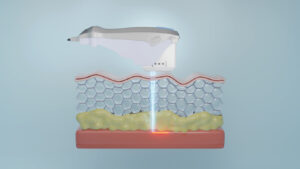
    HIFU is not for imaging. Instead, the ultrasound energy in HIFU treatments is focused on a precise point within the body. This focused beam of energy heats the targeted tissue, causing controlled damage. 

    In cosmetic applications, when HIFU damages the targeted tissue, the body responds by producing new collagen. This collagen production helps to tighten and rejuvenate the skin, reducing the appearance of wrinkles and sagging. 

    In medical applications, HIFU is used to target and destroy abnormal tissues without harming surrounding healthy tissue.

    Applications of HIFU

    Medical Applications

    HIFU is a non-invasive alternative to surgery for women with uterine fibroids, the non-cancerous growths that develop in the uterus. They can vary in size and number and often cause no symptoms. But, in some cases, they can lead to heavy bleeding, pelvic pain, and pressure on the bladder or rectum.

    By focusing ultrasound energy on the fibroids, HIFU can cause them to shrink and reduce symptoms like heavy bleeding and pelvic pain.

    HIFU can also be used to treat certain types of prostate cancer, particularly in early-stage cases. The procedure involves focusing ultrasound energy on the cancerous tissue, causing it to heat up and die. This targeted treatment can help to control the cancer and reduce the risk of recurrence.

    HIFU can also target and destroy abnormal brain tissue associated with essential tremor, a neurological condition characterised by involuntary shaking. In some cases, HIFU can be used to alleviate symptoms of Parkinson’s disease by targeting and destroying specific areas of the brain.

    HIFU has been investigated as a potential treatment for certain types of liver tumours, such as hepatocellular carcinoma. By focusing ultrasound energy on the tumour, HIFU can cause it to shrink or disappear.

    HIFU may also be used to treat bone metastases, which are secondary tumours that develop in the bones from primary cancer. By targeting and destroying these metastases, HIFU can help alleviate pain and improve patients’ quality of life.

    Cosmetic Dermatology Applications

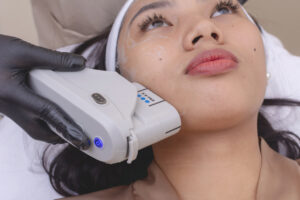
    HIFU has gained popularity in cosmetic dermatology for its ability to tighten skin non-invasively, particularly on the face, neck, and décolletage. By targeting deeper layers of the skin, HIFU can help to improve skin elasticity and reduce the appearance of wrinkles.

    HIFU is also often called a “non-surgical facelift” because it achieves similar results to traditional surgical procedures without incisions or anaesthesia.

    Another cosmetic application of HIFU is body contouring, which targets and reduces excess fat in areas such as the abdomen, thighs, and arms. 

    HIFU can also be used to rejuvenate the skin, improve skin texture, and reduce the appearance of fine lines.

    Does HIFU Really Work?

    HIFU’s effectiveness varies depending on several factors, including:

    • The device used. Different HIFU devices may have varying levels of power and precision, which can impact their effectiveness. Medical-grade HIFU devices are specifically designed for use in clinical settings, providing precise and controlled ultrasound energy delivery for various medical and cosmetic applications. These devices are subject to rigorous testing and regulatory approval to ensure safety and efficacy. 
    • The provider’s expertise. A skilled and experienced provider who understands the body’s anatomy and the nuances of HIFU treatment is more likely to achieve optimal results.
    • Your skin type and skin concerns. HIFU may work better for certain skin types and address specific skin concerns more effectively than others.
    • Your age. Younger individuals may experience more dramatic results from HIFU due to their skin’s natural elasticity and collagen production.
    • Your lifestyle. Factors such as sun exposure, smoking, and diet can influence your skin’s overall health and appearance, affecting the results of HIFU treatment.
    • Other factors. Individual factors such as hormonal changes, medical conditions, and medications can also impact the effectiveness of HIFU.

    We highly recommend consulting with a qualified healthcare professional to discuss your specific goals and determine if HIFU suits you.

    HIFU Treatment at ENRICH

    HIFU treatment is part of our Skin Tightening Program at ENRICH. Our experienced team of Melbourne cosmetic dermatologists uses state-of-the-art HIFU devices to deliver precise results. To learn more about how it works, its benefits, and others, visit our HIFU treatment page.

  • Birthmark Removal: Should You or Shouldn’t You?

    Birthmark Removal: Should You or Shouldn’t You?

    Birthmarks are common, affecting millions of people worldwide. While many birthmarks are harmless, some can have a significant psychological impact, especially if they are large or prominently displayed. For individuals who feel self-conscious or uncomfortable with their birthmarks, birthmark removal may seem like an attractive option.

    If you’ve been considering birthmark removal, this blog will help you determine if it’s the right decision for you.

    Understanding Birthmarks

    Birthmarks come in various forms, each with its own characteristics. Two of the most common types are vascular and pigmented birthmarks.

    Vascular birthmarks are caused by incorrectly formed blood vessels. Examples include hemangiomas (red, raised bumps), macular stains (faint red marks) and port-wine stains (flat, red patches).

    Pigmented birthmarks are caused by an excess of melanin, the pigment that gives skin its colour. Some common examples of pigmented birthmarks are café-au-lait spots (oval-shaped, flat, brown spots), Mongolian spots (bluish-grey patches on babies’ lower back, buttocks, or legs), and moles.

    The cause of birthmarks remains a mystery. They are not the result of any actions or mistakes mothers make during pregnancy but rather occur spontaneously. While some birthmarks may be inherited and resemble those seen in family members, most are not.

    Birthmarks, while generally harmless, can pose certain risks to self-esteem and body image, primarily when located in prominent areas.

    Another risk is if you have pigmented birthmarks, mainly moles, you may have a higher risk of developing skin cancer. 

    Also, while rare, birthmarks can be associated with other conditions, including growths on internal organs like the liver, lungs, stomach, or intestines.

    Consult our dermatologists at ENRICH for regular check-ups of your birthmarks, especially when they first appear. Early detection can help identify potential issues and determine the appropriate action.

    Contact your healthcare provider immediately if you experience any concerning symptoms, such as bleeding, pain, itching, or infection.

    Reasons for Birthmark Removal

    • Usually either for cosmetic or medical reasons
    • Placement
    • Type of birthmark

    Birthmark Removal Process

    The most common reason many people consider birthmark removal is related to physical appearance and self-esteem, particularly for large and visible birthmarks. The emotional distress caused can lead to social anxiety, depression, or other mental health issues. 

    In some cases, birthmarks can interfere with daily activities or cause discomfort. For example, a large birthmark around the eye area might impair vision, and a birthmark on the hands could limit dexterity.

    Whichever your reason is for having your birthmark removed, here are some methods to expect:

    Laser Therapy

    Laser therapy uses intense beams of light to target and destroy the tissue that makes up the birthmark. Each session lasts at least 15 minutes, depending on the size of your birthmark. You may need multiple sessions if your birthmark is large.

    Laser therapy can cause redness, swelling, and temporary crusting. There may also be a risk of scarring, especially if you have a darker skin tone.

    Your recovery time is generally short. You can expect to return to your normal activities within a few days. 

    Also, your ENRICH cosmetic dermatologist may prescribe aftercare to protect the treated area from sunlight and topical ointments for healing.

    Surgical

    Surgical excision involves cutting away the birthmark and closing the wound with stitches or sutures. This method is often used for large or complex birthmarks that cannot be effectively treated with other methods.

    Scarring can be a side effect of surgical excision. There is also a risk of infection and bleeding. Choosing a doctor, dermatologist or plastic surgeon experienced in this type of removal can help to mitigate scarring issues. 

    As with laser therapy, surgical excision can take anywhere from a few minutes to several hours, depending on the size and location of your birthmark. The recovery time varies depending on the incision size and the procedure’s complexity. 

    Your aftercare involves wound care, pain management, and monitoring for signs of infection. 

    Cryotherapy

    Cryotherapy uses liquid nitrogen to freeze the birthmark, causing the tissue to die and eventually peel off. It is often the go-to procedure for small, raised birthmarks like hemangiomas.

    You can expect multiple treatment sessions to remove the birthmark completely. After the last session, there can be blistering, crusting, and scarring. 

    Recovery time is generally short, with the treated area crusting over and peeling off. Your aftercare for cryotherapy involves keeping the area clean and dry.

    Can I remove my birthmark naturally?

    While some birthmarks, particularly those that are small or faint, may fade or disappear on their own over time, there is no guaranteed natural method for complete removal. 

    Home remedies, such as applying apple cider vinegar or lemon juice, are often promoted as natural alternatives to medical treatments. But, these methods may be ineffective and can even irritate the skin.

    Birthmark Removal at ENRICH

    We have different ways to remove birthmarks. Schedule a consultation with us. We will assess your case, recommend appropriate treatment options, and help you weigh the risks and benefits of each course of action.

  • Health Regulations: Key Differences Between Australia and The US

    Health Regulations: Key Differences Between Australia and The US

    Both Australia and the United States prioritise public health and safety, but they use distinct approaches to achieving these goals. 

    One significant area of divergence is in their regulatory frameworks, particularly concerning drug advertising and approval processes. While both countries aim to protect consumers from harmful or misleading information, their specific regulations and enforcement of them vary.

    Health Regulatory Bodies

    Australia

    Australia’s primary health regulatory body is the Department of Health and Aged Care (DHAC), which is responsible for overseeing health and aged care services. DHAC plays a critical role in formulating policies, providing funding, and regulating the healthcare sector in Australia. 

    Under the DHAC is the Therapeutic Goods Administration (TGA). The TGA evaluates, assesses, and monitors therapeutic goods, which include medicines, medical devices, and biologicals. It ensures that these products meet safety, quality, and efficacy standards before being supplied to the Australian market.

    Another regulatory body is the Australian Health Practitioner Regulation Agency (AHPRA). It oversees a range of health professions, including doctors, nurses, dentists, and pharmacists. Under AHPRA, various boards regulate specific professions, such as the Medical Board of Australia and the Pharmacy Board of Australia.

    The United States

    The United States Health and Human Services is the country’s primary health regulator. Under this department are various divisions and agencies, such as the US Food and Drug Administration (FDA).

    The FDA is responsible for regulating a wide range of products, including:

    • Prescription, over-the-counter, and generic drugs
    • Medical devices, from simple bandages to complex surgical equipment
    • Biologics such as Vaccines, blood products, and gene therapies
    • Food to ensure safety and nutritional labelling
    • Regulating ingredients and labelling of cosmetics 

    The FDA ensures that these products are safe, effective, and meet quality standards before making them available to the public.

    Drug Advertising and Promotion

    One of the most striking differences between Australian and US health regulations is drug advertising and promotion. The TGA imposes limitations on the content and frequency of drug advertisements. It prohibits direct-to-consumer advertising of prescription drugs. This means that pharmaceutical companies cannot directly promote their products to consumers through digital or print media. If they do, promotional materials must be educational and cannot encourage the unnecessary use of medicines.

    In the United States, drug advertising and promotion are generally less restrictive than in Australia. The FDA regulates prescription drug advertising, but direct-to-consumer (DTC) advertising is allowed, provided the ads present both the drugs’ benefits and risks in a balanced manner. Also, advertisements cannot be misleading or deceptive.

    Cosmetic Treatments

    In Australia, the regulation of cosmetic treatments is primarily overseen by three key bodies:

    • TGA, which regulates medical devices used in cosmetic procedures, ensuring their safety and efficacy
    • AHPRA, which regulates the professional conduct of healthcare providers who perform cosmetic treatments, including doctors, dentists, and nurses.
    • Individual states and territories that may have additional regulations or licensing requirements for practitioners performing cosmetic treatments

    In the US, the FDA primarily regulates cosmetic treatments. It also regulates medical devices used in cosmetic procedures, ensuring that they are safe and effective. However, the FDA does not regulate individual practitioners who perform these procedures.

    State-level variations in the regulation of cosmetic treatments also exist in the US. Some states have more stringent licensing requirements for practitioners, while others may have additional consumer protection measures. 

    For example, the rules for laser hair removal vary widely depending on the state. In many places, a medical professional, such as a doctor, nurse, or physician assistant, must be directly involved and oversee the facility and staff. But, some states permit licenced cosmetologists or aestheticians to perform laser hair removal if they have extra training or certification. 

    Are Drugs Different Between the Two Countries?

    Many drugs are developed and marketed internationally, with similar active ingredients and dosages. However, even in these cases, variations in excipients (inactive ingredients) or manufacturing processes can affect the drug’s performance or bioavailability.

    A study found that several FDA-approved products had brand names identical or highly similar to drug products marketed in other countries containing different active ingredients. If you are unaware of the differences, this can have serious health consequences.

    Potential Implications of These Differences

    The differences in health regulations between Australia and the US have implications if you travel between the two countries and seek specific healthcare services.

    There’s a risk that certain medications you rely on may not be available or may be sold under different brand names. So, bring enough medication to last your entire trip, as refilling prescriptions may be challenging.

    Also, just because a drug or treatment is not heavily advertised doesn’t mean it’s unavailable. Another thing you have to remember is that just because a drug or treatment is advertised doesn’t guarantee its safety or efficacy. Always consult with a healthcare professional before making decisions about your health.

  • Eye Creams for Dark Circles: Do They Work?

    Eye Creams for Dark Circles: Do They Work?

    You’ve probably read countless articles or watched numerous reviews about the best eye creams for dark circles. There’s a whole aisle dedicated to them at your local drugstore, promising to banish those pesky under-eye circles. 

    But should you rely on these sources? Are eye creams truly effective in combating dark circles? Let’s discuss and find out if they’re worth the hype.

    What Causes Dark Circles Under The Eyes?

    Before we talk about the effectiveness of eye creams, let’s understand what causes dark circles in the first place. Knowing this will help you determine if an eye cream is the right solution.

    Here are some common culprits:

    • Genetics. Sometimes, dark circles are simply hereditary.
    • Lack of sleep. Insufficient rest can contribute to a tired appearance, including dark circles.
    • Ageing. As we get older, the skin under our eyes becomes thinner, which can make underlying blood vessels more visible, leading to dark circles.
    • Allergies. Allergies can cause inflammation and swelling around the eyes, making them appear darker.
    • Lifestyle factors. Factors like excessive alcohol consumption, smoking, and stress can also contribute to dark circles.

    Depending on the cause, dark circles can be classified as:

    • Vascular, caused by visible blood vessels under the thin skin
    • Pigmentary, resulting from hyperpigmentation or excess melanin in the skin
    • Shadowing, which is created by the way light reflects off the hollowed-out areas under the eyes

    Are Eye Creams For Dark Circles Effective?

    The effectiveness of eye creams for dark circles can vary depending on the underlying cause and the specific ingredients they contain. 

    While eye creams can’t address genetic factors or the hollowing of the under-eye area, many can help to improve the appearance of dark circles by:

    • Hydrating the skin. Dry skin can accentuate the appearance of dark circles. Eye creams can help to moisturise the delicate skin around the eyes, reducing the appearance of dryness and wrinkles.
    • Reducing puffiness. Some eye creams contain ingredients that can help reduce swelling and puffiness, making dark circles appear less prominent.
    • Brightening the skin. Certain ingredients, such as vitamin C, can help to brighten the skin and reduce the appearance of dark circles.
    • Improving blood circulation. Some eye creams contain ingredients that can improve blood circulation in the area, reducing the appearance of dark circles.

    The ingredients to look for are:

    • Retinol, which helps stimulate collagen production and reduce the appearance of wrinkles in the eye area
    • Vitamin C, which is a powerful antioxidant that can help to brighten the skin and reduce the appearance of dark circles
    • Caffeine, which can help to reduce puffiness and improve blood circulation
    • Hyaluronic acid, a humectant that can help to hydrate the skin and reduce the appearance of fine lines
    • Peptides, which also help to stimulate collagen production and improve skin elasticity
    • Niacinamide, which helps  brighten the skin, reduce inflammation, and improve the skin’s barrier function

    Lifestyle changes can also improve your eyes’ appearance. We recommend getting seven to nine hours of quality sleep each night, eating plenty of fruits, vegetables, and whole grains, drinking plenty of water throughout the day, and wearing sunscreen with broad-spectrum protection to shield your skin from harmful UV rays.

    What Professional Treatments Are Available For Dark Circles?

    If you’ve tried home remedies and over-the-counter products without seeing significant improvement in your dark circles, it might be time to explore professional treatments. Some of your treatment options are:

    Laser therapy 

    Laser treatments target various underlying causes of dark circles to improve the appearance of the delicate under-eye area.

    Q-switched lasers, for example, break down the pigment responsible for dark circles for a more even skin tone. Fractional lasers, on the other hand, stimulate collagen production and improve skin texture, reducing the visibility of dark circles caused by thin skin. Pulsed dye lasers address dark circles caused by dilated blood vessels.

    Chemical peels

    Chemical peels use acids to exfoliate the top layers of skin, removing damaged and pigmented cells. This can help to reduce the appearance of dark circles by revealing brighter, healthier skin underneath.

    Chemical peels can also stimulate the production of collagen, which can help reduce the appearance of dark circles by improving the overall quality of the skin in the under-eye area.

    Micro-needling

    Micro-needling uses a device with tiny needles to create controlled micro-injuries in the skin. These injuries trigger the body’s natural healing process, stimulating collagen and elastin production.

    The increased collagen and elastin production can help to improve the overall skin texture and thickness in the under-eye area, reducing the appearance of dark circles.

    Micro-needling can also help reduce hyperpigmentation by stimulating cell turnover. It helps lighten the skin and reduce the appearance of dark spots.

    Traditional dermal treatments

    Other treatments help improve the “pockets” that can occur under the eyes, contributing to the appearance of dark circles.

    Under Eye Dark Circle Management at ENRICH

    From lasers, chemical peels, and micro-needling to traditional dermal treatments, we have a solution for you.  Schedule a consultation with us so we can assess what dark circle treatment plan suits you.

  • How To Remove Blackheads and Other Symptoms of Skin Congestion

    How To Remove Blackheads and Other Symptoms of Skin Congestion

    Blackheads are a common skin concern caused by clogged pores. These tiny, dark spots are open comedones, which expose the pore opening. Inside the pore, a small plug of oil and dead skin cells forms, creating a dark appearance due to oxidation.

    Blackheads are just one type of skin congestion. Other types, such as whiteheads and nodules, can also occur. 

    Below, we discuss skin congestion as a whole and its causes, symptoms, and treatments.

    What is Skin Congestion?

    Skin congestion, or clogged pores, occurs when pores become clogged with a buildup of dead skin cells, sweat, impurities, and sebum (oil). This accumulation can lead to various skin problems, including:

    • Blackheads (open comedones)—The dark spots that form when a clogged pore becomes exposed to air
    • Whiteheads (closed comedones)—The small, white bumps that occur when a clogged pore is closed
    • Bumps and uneven skin texture—The buildup of oil and dead skin cells can create a rough, bumpy appearance.
    • Breakouts and acne—When bacteria infect a clogged pore, it can lead to inflammation and acne
    • Dull and lacklustre skin appearance—Congested skin often appears dull and lacks a healthy glow

    What Causes Skin Congestion?

    There are many culprits for skin congestion. Some of them are out of our control, such as:

    • Hormonal fluctuations—Overactive sebaceous glands, often triggered by hormonal changes, can lead to increased oil production and clogged pores.
    • Genetics—Some people are genetically predisposed to oily skin and clogged pores.

    There are also those that we have direct control over, like:

    • Skincare routine—Neglecting a regular skincare routine or using incorrect products for our skin type can exacerbate congestion.
    • Skincare products—Using comedogenic products that contain ingredients like isopropyl myristate, propylene glycol, lanolins, triclosan, phthalates, and parabens can irritate the skin and contribute to congestion.

    There are also these factors that do not directly contribute to clogged pores but can worsen the condition:

    • Diet—Certain foods can contribute to acne and skin congestion by influencing sebum production and composition. Some may increase oil production, while others may alter sebum quality, making it thicker and more likely to clog pores.
    • Friction—Clothing, backpacks, helmets, or other garments or equipment that rub against your skin can irritate pores and lead to congestion.
    • Environment—Humid weather can contribute to skin congestion by increasing sweat production and pore size. The excess sweat, which does not evaporate quickly due to the weather, can trap dirt and oil within pores. And since the heat and moisture in the air can dilate our pores, the latter can trap more dirt and become more susceptible to clogging.
    • Picking at pimplesPopping pimples, whether successful or unsuccessful, can have negative consequences. Unsuccessful attempts may push the contents deeper into the skin, clogging pores, worsening acne, and triggering inflammation. Successful attempts can break the skin barrier, allowing infected pus to spread bacteria and cause larger acne outbreaks.
    • Air pollution—Poor air quality is caused by a complex mix of environmental pollutants, such as heavy metals, chemicals from burning fuels, and other tiny particles. These can get trapped in the skin and clog pores.

    How to Get Rid of Blackheads and Other Skin Congestions

    Use Topical Skincare

    One of the simplest ways to address skin congestion is by using topical skincare products with the following ingredients:

    • Salicylic acid—This beta-hydroxy acid (BHA) helps to exfoliate the skin, remove excess oil and unclog pores by breaking down the “sticky glue” or the bonds that hold dead skin cells together. This process allows them to shed more easily. 
    • Retinol—This vitamin A derivative also reduces oil production and stimulates cell turnover, which can help to unclog pores and improve skin texture. 
    • Azelaic acid—This natural compound helps to reduce inflammation and unclog pores. It works by inhibiting the growth of bacteria that can contribute to acne. It can also help reduce sebum production, preventing pores from becoming clogged.
    • Benzoyl peroxide—This over-the-counter medication can also help kill bacteria that contribute to acne by oxidising them. This can help to reduce the number of bacteria in the pores and prevent them from clogging.

    Chemical Peels

    Chemical peels are a more aggressive treatment option for skin congestion, usually performed by qualified dermatologists. They involve applying a chemical solution to the skin, which causes the top layers of the skin to peel off. This can help to unclog pores, improve skin texture, and reduce the appearance of scars.

    There are three main types of chemical peels:

    • Superficial peels—These peels use mild acids to exfoliate the top layer of skin.   
    • Medium peels—These peels use more potent acids to exfoliate the middle layers of the skin.
    • Deep peels—These peels use the strongest acids to exfoliate the deeper layers of skin.

    Microdermabrasion

    Microdermabrasion is a non-invasive procedure that also helps unclog pores. It works by

    • Exfoliation—Using a handheld device with tiny crystals or a diamond-tipped wand to exfoliate the top layer of skin
    • Vacuuming—A vacuum is used to suction away the exfoliated skin cells, revealing smoother, healthier-looking skin.

    Microdermabrasion is typically a series of treatments. The number of treatments needed will depend on your skin condition.

    Laser Resurfacing

    Laser skin resurfacing is a more invasive procedure that uses a laser beam to remove the top layers of skin to unclog pores.

    At ENRICH, we use different types of laser resurfacing techniques using:

    • UltraPulse CO2 laser—A fractional laser that uses tiny columns of energy to resurface the skin with minimal downtime
    • Erbium laser—A newer resurfacing tool with shorter recovery times and less heat than the CO2 laser.
    • Fractional lasers—Target specific areas of the skin, leaving surrounding cells intact to reduce damage and recovery time. 
    • Portrait—A cosmetic device that uses plasma energy to trigger skin regeneration without removing the top layer of cells.

    LED Light Therapy

    LED light therapy is a non-invasive treatment that uses different wavelengths of light to target specific skin concerns. While not directly used for unclogging pores, it can be beneficial for treating acne and reducing inflammation, which can indirectly improve skin congestion.   

    How LED light therapy works:

    • Different wavelengths of light penetrate the skin and interact with cells.
      • Blue light can help to kill bacteria that contribute to acne.
      • Red light can help to reduce inflammation and stimulate collagen production.
      • Green light can help to balance skin tone and reduce redness.

    Dermaplaning

    Dermaplaning is another non-invasive procedure that uses a small blade to exfoliate the top layer of skin gently. This can help remove dead skin cells and vellus hair (peach fuzz) and unclog pores.

    Dermaplaning is often used in conjunction with other skin treatments, such as chemical peels or facials. Dermaplaning is also an “ at home” tool that some people use. However, it’s incredibly important to be careful when performing at home. Blades not correctly disinfected or deep planing can cause infection or worsen the skin condition. 

    Note that we don’t offer dermaplaning at ENRICH.

    How To Prevent Skin Congestion

    Maintaining a proper skincare routine is the key to preventing skin congestion. Wash your face gently twice daily with a mild cleanser and use a moisturiser that suits your skin type. While on this topic, ensure you avoid touching your skin with unwashed hands, as this can transfer dirt, oil, and bacteria. 

    While some oils may benefit certain skin types, excessive use can clog pores. So, be mindful when using oil on your skin. 

    Depending on your skin type, exfoliate your skin gently once or twice weekly to remove dead skin cells and prevent pore blockage. 

    When going out, always protect your skin from the sun. Wear sunscreen daily and seek shade when possible.

    Lastly, refrain from picking at or popping pimples, which can worsen inflammation and lead to scarring.

    In addition to skincare, pay attention to your diet. Include plenty of fruits, vegetables, and whole grains in your meals. Limit processed foods and sugary drinks, as they can contribute to hormonal imbalances and skin inflammation. Stay hydrated by drinking plenty of water to maintain healthy skin.

    Also, manage stress through meditation, yoga, or deep breathing, which can also help prevent skin congestion. Stress can contribute to hormonal imbalances and skin problems.

    Finally, avoid irritants by using gentle skincare products and be mindful of environmental factors. Pollution, humidity, and extreme temperatures can contribute to skin congestion.

    Skin Congestion Treatment at ENRICH

    Our experienced dermatologists can help you achieve clearer, healthier skin. With personalised treatment plans and advanced techniques, we can address the causes of your skin congestion and provide solutions. Schedule an appointment with us.