Author: ENRICH Team

  • 3 Ways to Fix a Gummy Smile Without Surgery

    3 Ways to Fix a Gummy Smile Without Surgery

    More than 10% of people, particularly women, have what’s medically called an “excessive gingival display” (EGD), commonly known as a gummy smile. 

    Several potential causes of a gummy smile include short teeth, gingival overgrowth, and an overactive upper lip. While not a health risk, gummy smiles can be an aesthetic concern for some individuals.

    If you are one of those individuals and prefer to avoid surgeries, these treatments could be an option.

    Non-surgical gummy smile treatments

    Dermal Treatments

    Dermal treatments are injected strategically to modify facial features and achieve aesthetic goals.

    How dermal treatments help with gummy smiles

    In gummy smiles, dermal fillers primarily target two areas:

    • Upper lip. It volumises the upper lip to add more tissue, creating a “lift” to help hide some gum tissue exposed when smiling. It can also subtly reshape the lip when injected along the border, minimising the visible gum line.
    • Jawline. Sometimes, a gummy smile can be related to the perception of a short chin. Filling specific points along the jawline can create a more defined contour, enhancing overall facial balance and making the gum line appear less prominent.

    Are dermal treatments painful?

    While dermal treatment might involve some temporary discomfort, most people find it manageable with proper numbing measures and post-care. 

    After the procedure, you might experience temporary swelling at the injection site, minor bruising and mild soreness or discomfort, but these should go away in a few days.

    Individual experiences vary, so be honest with your provider about your concerns and expectations.

    Who is this for?

    Dermal treatments suit you if:

    • You have a thin upper lip. If a lack of lip volume contributes to your gummy appearance, fillers can offer fullness and balance.
    • You have uneven lip borders. Defined borders can create a more prominent lip, minimising gum visibility.
    • You have minor skeletal imbalances. Subtle jawline sculpting might improve overall facial harmony, reducing the focus on the gum line.

    Wrinkle Reducing Treatments

    Wrinkle reducing treatments offer another non-surgical option for addressing gummy smiles caused by overactive muscles. These injections target specific muscles involved in smiling, temporarily relaxing them and reducing their ability to lift the upper lip excessively.

    How wrinkle reducing treatments work for gummy smiles

    The main muscle responsible for lifting the upper lip is called the levator labii superioris. When this muscle contracts too much during smiling, it can expose more gum tissue than desired. Wrinkle reducing treatments block the nerve signals that tell this muscle to contract, essentially “relaxing” it and limiting its upward movement.

    Are wrinkle reducing treatments painful?

    Like dermal fillers, anti-wrinkle injections are generally considered minimally painful. The injections involve very fine needles, and most providers use topical numbing creams and ice packs to minimise discomfort. Additionally, the amount of product used is typically small, further reducing potential pain.

    Who is it for?

    Anti-wrinkle injections might be for you if an overactive levator labii muscle causes your gummy smile. If this muscle is the primary culprit behind your gummy smile, injections can reduce its activity and limit gum exposure.

    But if you have a more severe case (you have over 6mm of gum on display), injections might be combined with other approaches, such as lip fillers, jawline sculpting, or TADs (see below).

    Temporary skeletal anchorage devices (TADs)

    While we don’t offer this treatment at ENRICH, temporary anchorage devices, or TADs, are another popular choice. They use small, screw-like implants used in orthodontics to provide stable anchor points for tooth movement. They are typically made of biocompatible titanium alloy and inserted into the jawbone.

    How TADs fix a gummy smile

    To help with gummy smiles, your dentist or orthodontist inserts the TADs into specific locations in the jawbone, typically between the roots of your teeth. The procedure can cause some discomfort even with local anesthesia.

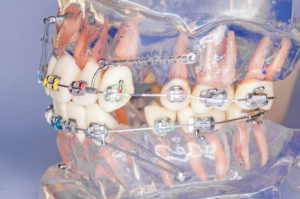
    Next, tiny hooks or elastics are attached to the TADs to connect them to your braces. Then, gentle, controlled forces are applied through the TADs to push your teeth upwards into the jawbone. Over time, this process reduces the amount of gum tissue visible when smiling.

    Is TAD insertion painful?

    TADs are performed by orthodontists, so they are best placed to tell you about the pain level you may endure. Some patients report feeling a “popping” sensation when the TAD pierces the gum tissue, but this is usually brief. 

    We understand that after the procedure, you might feel mild discomfort, soreness, or swelling around the TAD insertion site for a few days. You can take over-the-counter pain relievers and put ice packs on the affected sites. Some patients experience minor bleeding or tenderness at the site, which usually resolves within a day or two.

    Who is this for?

    TADs for gummy smiles can be safe for most people unless you have insufficient bone quality, active periodontal disease, or certain medical conditions that can impair healing and increase the risk of complications, such as autoimmune diseases.

    Gummy smile treatment at ENRICH

    If you’d like to know more about treating a gummy smile or are ready to book, contact us.

  • Hypertrophic scars: what are they, and will they ever go away?

    Hypertrophic scars: what are they, and will they ever go away?

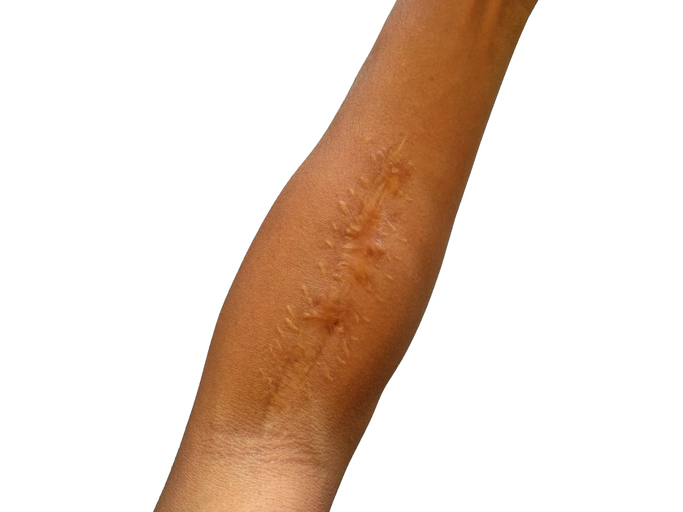
    If you have a scar that’s thicker and raised compared to normal scars, you could have hypertrophic scars. While not dangerous, they can be a concern due to their appearance and, sometimes, discomfort.

    The good news is hypertrophic scars can respond well to various treatment options, but it’s crucial to consult a healthcare professional for proper diagnosis and personalised guidance. Self-treating these scars can be counterproductive and even harmful. The following sections will explain why. 

    What causes a hypertrophic scar?

    When you get a wound, your body goes through three healing stages:

    • Inflammatory phase. This is like the cleaning-up phase. Your body sends white blood cells to fight infection and clean the wound. 
    • Proliferative phase. This is the rebuilding stage when cells called fibroblasts lay down collagen to help rebuild tissue. 
    • Remodelling phase. This is the polishing stage. Your body removes extra collagen and rearranges things to make the scar smooth.

    The first stage, inflammation, is crucial for how your scar will turn out. Some chemicals called cytokines help control this process. In normal healing, the balance between “pro-inflammatory” cytokines (that cause inflammation) and “anti-inflammatory” cytokines (that calm things down) is important. If this balance is off, it can lead to thicker, raised scars like hypertrophic scars or keloids.

    In the second stage, a protein called TGF-beta tells the fibroblasts how much collagen to make. In normal healing, TGF-beta levels are just right. But in hypertrophic scars and keloids, fibroblasts produce too much collagen.

    This abnormal response to wound healing is more common after deeper wounds, like those from surgery, burns, or tattoos. People with specific genes, skin colours, or ages (younger adults) are more likely to get them. They also tend to show up more in certain regions of the body.

    What is the difference between a keloid and a hypertrophic scar?

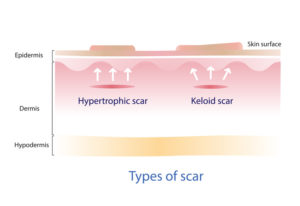
    Both keloids and hypertrophic scars are raised, thickened formations that develop after skin injury or surgery. But, there are some key differences between the two:

    Growth

    • Keloids grow beyond the original wound boundaries, often spreading outwards and forming irregular shapes.
    • Hypertrophic scars remain confined to the original wound area, not extending past its edges.

    Appearance

    • Keloids can be red, pink, or purple, often with a smooth, shiny surface. They also contain an abundance of collagen arranged in a haphazard pattern.
    • Hypertrophic scars are typically red or pink, with a bumpy or ridged texture. The flattened outer layer has increased collagen fibres organised in parallel to the middle layer of the skin.

    Progression

    • Keloids tend to continue growing over time, even after the wound has healed.
    • Hypertrophic scars usually reach a peak size within a few months and then stabilise or slowly flatten over time.

    Treatment

    • Keloids can be more challenging to treat and often require multiple treatment approaches due to their persistent nature.
    • Hypertrophic scars may respond better to treatment and have a higher chance of improvement.

    Prevalence and risk factors

    • Keloids
      • Less common than hypertrophic scars.
      • More frequent in those with Fitzpatrick skin types III to VI.
      • Seem to have a stronger genetic predisposition, with a higher incidence in populations with darker skin complexion and families with a history of keloid formation.
    • Hypertrophic scars
      • Common and can occur in all races and ages
      • May be more common in populations with darker skin tones
      • More likely to develop on areas of skin under tension, such as over joints or on the chest
      • No clear genetic link identified

    Here’s a table summarising the key differences:

    Feature Keloid Hypertrophic scar
    Growth Extends beyond wound Confined to wound
    Appearance Red/pink/purple, smooth/shiny Red/pink, bumpy/ridged
    Progression Continues growing Reaches peak size, stabilises/flattens
    Treatment More challenging Responds better
    Skin types More common in III-VI May be more common in darker skin tones
    Genetic link Strong None identified
    Collagen arrangement Haphazard Parallel

    Note that these are general guidelines, and there can be some overlap in the characteristics of keloids and hypertrophic scars. These two can also be mistaken for something else, such as:

    • Malignant dermatofibrosarcoma protuberans (DFSP). This slow-growing soft tissue tumour can appear similar to a keloid. It usually occurs on the legs, trunk, or arms and may be red, pink, or brown. DFSP requires surgical removal, and mistaking it for a keloid could lead to delayed diagnosis and treatment.
    • Cutaneous scleroderma. This autoimmune disease can cause thickening and hardening of the skin, sometimes resembling a keloid. It can affect any body part but commonly involves the hands, face, and upper chest. Cutaneous scleroderma requires different treatment approaches than keloids, and misdiagnosis could lead to inappropriate therapy. 

    These “mimickers” pose a risk in treating keloids or hypertrophic scars because what helps one can be harmful to the other. For example, corticosteroids, which are often used to reduce keloid appearance, can worsen DFSP.

    If you have a raised scar, it’s best to consult with a dermatologist or other healthcare professional for a proper diagnosis and treatment plan. 

    Can hypertrophic scars go away?

    While hypertrophic scars themselves won’t completely disappear, they often improve significantly, even without treatment, becoming less noticeable and flatter. This process can take weeks to months, depending on the size and location of the scar.

    If the scar is located on a joint or other area that restricts movement or you’re bothered by the scar’s appearance, various treatments can help.

    What is good for hypertrophic scars?

    Injections 

    Corticosteroids, given every few weeks for several months, are often the first-line treatment for hypertrophic scars. They reduce inflammation and collagen production, helping to flatten and soften the scar. 

    If your scar is stubborn, steroids may be given with fluorouracil to inhibit cell growth, preventing excessive scar tissue formation. 

    Laser therapy

    This noninvasive approach uses targeted laser beams to remove excess scar tissue and stimulate collagen remodelling. Different types of lasers–pulsed dye and fractional ablative– are used depending on the scar’s characteristics.

    Radiofrequency

    A newer option with promising results is radiofrequency ablation. This technique uses radio waves to heat and destroy scar tissue, potentially reducing its size and thickness.

    Microneedling

    This minimally invasive procedure involves creating tiny punctures in your scar tissue with fine needles. This stimulates collagen production and improves the scar’s texture and appearance.

    Surgery

    Surgery might be considered in rare cases if other options haven’t been successful or if the scar significantly impacts movement. This can involve scar excision and reconstruction, followed by additional treatments to minimise scar formation.

    Other treatment options

    • Silicone gel sheets. These sheets, worn for several hours daily, can help flatten and soften scars.
    • Pressure therapy. Applying continuous pressure to the scar with garments or bandages can help reduce its size and thickness.
    • Massage therapy. Gentle massage can improve blood circulation and promote scar healing.

    Flatten your hypertrophic scars at ENRICH

    The best treatment for your hypertrophic scar depends on its specific characteristics, individual goals, and doctor’s recommendations. At ENRICH, treatments range from laser and radiofrequency to micro-needling but can involve several effective treatment strategies. 

    Contact us to talk about your scarring, and we’ll put together a plan to help your skin health. 

  • The evolution of intense pulsed light

    The evolution of intense pulsed light

    Intense pulsed light (IPL) has become a staple in beauty salons and dermatology clinics alike. This is no surprise, given it’s been one of the most versatile tools–from tackling unsightly veins to rejuvenating sun-kissed skin.

    But how did this technology emerge from its early days of treating leg veins to become the tool it is today?

    What is IPL and the science behind it?

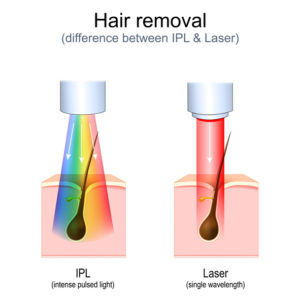
    Intense Pulsed Light (IPL) therapy is a non-invasive aesthetic treatment that uses broad-spectrum light pulses to target specific structures in the skin. It’s not a laser, which emits a single wavelength of light, but rather a “flashlamp” that emits a range of wavelengths across the visible and near-infrared spectrum.

    Here’s how the science behind IPL works:

    IPL vs laser hair removal

    • Selective absorption. Different colour-absorbing molecules (aka chromophores) within the skin absorb specific wavelengths of light. For example, melanin in hair follicles absorbs light in the red and infrared range, while hemoglobin in blood vessels absorbs green and yellow light.
    • Targeted heating. When a molecule absorbs light, it converts into heat. This targeted heating can trigger various biological responses, depending on the chromophore and the treatment goal.

    Depending on the targeted chromophore and the parameters of the light pulse (wavelength, pulse duration, energy level), IPL can achieve various effects:

    • Hair removal. By heating melanin in hair follicles, IPL damages the follicle, leading to reduced hair growth.(Please note : as of 2025 ENRICH Clinic no longer performs hair removal )
    • Treatment of pigmented lesions. Targeting melanin in sunspots, freckles, and melasma can lighten or fade these marks.
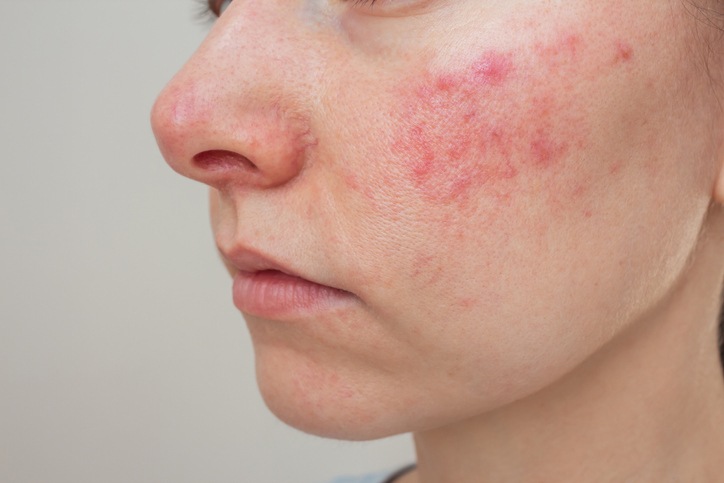
    • Treatment of vascular lesions. Heating hemoglobin in blood vessels can cause them to shrink or collapse, reducing the appearance of spider veins and rosacea.
    • Photodynamic therapy. Combining IPL with certain light-activated medications can target precancerous lesions and acne bacteria.
    • Skin rejuvenation. Stimulating collagen production and promoting cell renewal through controlled heating can improve skin texture, reduce fine lines, and promote overall skin health.

    What is the history of intense pulsed light?

    IPL’s origins can be traced back to the significant developments in light-based therapies, including laser technology, during the 20th century. 

    The key innovation that led to IPL was adapting flashlamp technology, which allowed for emitting a broad spectrum of light, unlike the single wavelength of lasers. This breakthrough occurred in the 1990s, marking the beginning of IPL as we know it today.

    The early use of IPL was primarily focused on treating spider veins.

    How has IPL developed over the years?

    The first generation of IPL devices primarily emitted light in the infrared part of the spectrum. While effective for certain treatments, this approach often led to epithelial damage due to the intense heat and had a higher incidence of side effects, including skin burns and pigmentation issues.

    Responding to these challenges, experts created second and third-generation IPL devices that incorporated water filters that effectively filtered out the infrared portion of the light spectrum. This advancement significantly reduced the risk of side effects, making IPL treatments safer and more comfortable for patients. 

    The fourth generation of IPL devices, like Lumenis One from Lumenis, addressed some of the earlier limitations and shortcomings of IPL technology. They offered enhanced precision, greater control over light intensity and wavelength, and more effective cooling systems to protect the skin. 

    Modern-day uses of IPL

    Hair removal

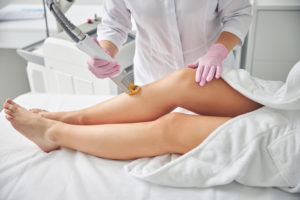
    IPL has become a popular method for hair removal. It targets the melanin in hair follicles with light pulses, which are then converted to heat, damaging the follicle and inhibiting future hair growth.

    Treatment of pigmented lesions

    IPL also treats pigmented skin lesions, such as sunspots, freckles, and melasma. The light energy targets melanin in these lesions, helping to break down the pigment and reduce the appearance of these spots, leading to a more even skin tone.

    Treatment of vascular lesions

    Vascular lesions like spider veins and port wine stains are well-treated with IPL. The light targets and heats the hemoglobin in the blood vessels, causing them to collapse and eventually be reabsorbed by the body, reducing the visibility of these lesions.

    Photodynamic therapy

    IPL is also used in photodynamic therapy, particularly for treating certain types of skin cancer and pre-cancerous growths. This approach applies a light-sensitive drug to the skin, which becomes active when exposed to the IPL. This combination can destroy cancer cells or pathogens.

    Acne management

    IPL can be effective in managing acne, especially inflammatory acne. The light helps to reduce inflammation and can also target the bacteria that contribute to acne, reducing the severity and frequency of acne outbreaks.

    Evaporative dry eye

    A newer application of IPL is in treating evaporative dry eye, a condition often related to dysfunction of the meibomian glands in the eyelids. IPL helps to unblock these glands, improving tear quality and reducing dry eye symptoms. We do not do this treatment at ENRICH; this is the area of an eye specialist. 

    Skin rejuvenation

    Lastly, IPL is widely used for skin rejuvenation, addressing fine lines, wrinkles, enlarged pores, and uneven skin texture. The light energy stimulates collagen production and promotes cell renewal, leading to firmer, smoother, and more youthful-looking skin.

    The future of IPL therapy

    While IPL therapy remains a beneficial method for various medical needs, IPL may be drawing to its natural conclusion for dermatology as more specific technologies overtake it in effectiveness. 

    IPL is no longer a standalone option in skin care; instead, it’s increasingly used with other treatments. For example, while we still use IPL for areas like the hands and décolletage at ENRICH, it’s often paired with technologies like Fraxel lasers, for décolletage or face treatments.

    The shift towards single-wavelength, energy-based treatments marks a significant development. These technologies offer more precise and effective results for specific conditions than IPL’s broader spectrum approach. However, IPL  continues to be widely used in clinics and by beauticians, primarily because of its established presence and the widespread availability of IPL machines.

    Find out what’s best for your skin at ENRICH

    Exploring the possibilities of IPL therapy and other skin treatments? Contact us

  • What is the difference between eczema, dermatitis and psoriasis?

    What is the difference between eczema, dermatitis and psoriasis?

    For millions of Australians, the battle against itchy, inflamed skin is a daily reality. One of its causes is rated in the top five causes of non-fatal disease burden. Three common culprits behind this struggle are eczema, dermatitis, and psoriasis. 

    These terms are often interchangeable in general discussion, but they are completely different & represent distinct skin conditions with varying characteristics and management strategies. If you’re experiencing itchy and inflamed skin, you must understand the differences to seek appropriate treatment and improve your quality of life. 

    Eczema vs psoriasis vs dermatitis: the differences

    Eczema

    Appearance

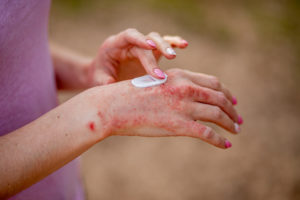
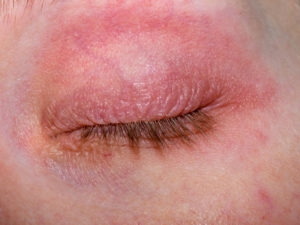
    Eczema, also known as atopic dermatitis, typically manifests as red, dry, itchy patches of skin with fine scaling. Blisters, oozing, and crusting can occur in severe cases.

    The skin may also appear discoloured, with shades varying from pink to brown, depending on your skin tone.

    Sensation

    Eczema is notorious for its intense itching, often worse at night and with scratching. The sensation can be relentless and even disrupt sleep.

    Location

    It typically affects the inner elbows, back of the knees, face, and neck. However, it can appear on any part of the body. In infants, eczema tends to affect the cheeks and scalp.

    Triggers

    Numerous factors can trigger eczema flares, including stress, dry air, harsh soaps, allergies, and certain fabrics. Identifying individual triggers is crucial for effective management.

    Onset

    Most commonly, eczema develops in infanthood between ages 0 and 6 months. According to a study, more than half of surveys indicated that the condition was diagnosed around that age. Many children outgrow the condition, but for 52% of eczema sufferers, it continues into adulthood.

    Treatment options

    Treatment for eczema involves a combination of moisturising creams to hydrate the skin, topical steroids to reduce inflammation during flare-ups, and avoiding known triggers. In severe cases, doctors may prescribe systemic treatments or immunosuppressant medications. They may also recommend phototherapy.

    Psoriasis

    Psoriasis is multi-system disease that can affect the joints, heart, lung and bowels and is not often well understood. 

    Appearance

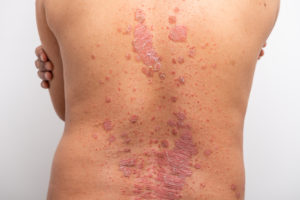
    Psoriasis presents as thick, red, raised patches of skin covered with silvery-white scales. These plaques are distinctive and can cover large areas of the body.

    Sensation

    Psoriasis typically causes less intense itching than eczema, but burning, stinging, and tenderness are common. If psoriasis affects joints, it can lead to painful cracking and bleeding of the skin.

    Location

    Common areas for psoriasis include the scalp, elbows, knees, and lower back, but it can develop anywhere, including the nails and joints.

    Triggers

    Hormones, stress, infections, physical injury to the skin, certain medications, and weather changes can trigger psoriasis flares. But unlike eczema, psoriasis is more closely linked to the immune system, and these triggers can prompt an autoimmune response.

    Onset

    Psoriasis can start at any age, with two common onset periods: one in late adolescence and another in middle age. This is especially true for hormone-caused psoriasis because it’s associated with puberty and menopause.

    Treatment options

    The severity and extent of the condition can vary significantly from person to person, so treatment of psoriasis also varies. It ranges from topical creams and ointments to help reduce inflammation and slow skin cell growth to phototherapy. For more severe cases, systemic medications and biologic drugs target specific parts of the immune system.

    Dermatitis

    Dermatitis encompasses a broad category of skin conditions, each with diverse presentations. So, the specific appearance, sensation, location, and triggers can vary depending on the type of dermatitis. Here are some of them:

    • Atopic dermatitis. This is another term for eczema, which we covered in detail above.
    • Contact dermatitis. This skin problem presents as a red, swollen rash. It may also blister, ooze, or develop crusts. The sensation is often intense itching or burning, especially when the skin comes into contact with allergens or irritants. Common locations include areas directly exposed to the irritant or allergen, such as hands, face, neck, or legs. Triggers range from allergic reactions to substances like nickel, latex, or certain cosmetics to irritants such as soaps, detergents, or chemicals. Contact dermatitis typically occurs soon after exposure to the trigger.
    • Seborrheic dermatitis. It’s characterised by oily, scaly patches on the skin, often appearing with a yellowish or reddish tinge. It can be itchy and slightly sore. This usually occurs on the scalp, face (particularly around the nose and eyebrows), ears, and chest. The exact causes are unclear, but stress, hormonal changes, cold and dry weather, and yeast living on the skin are potential triggers. It is common in infants (as cradle cap) and adults.

    Managing dermatitis involves avoiding known triggers, using emollients to moisten the skin, and applying topical steroids during flare-ups. In some cases, antihistamines are prescribed to control itching.

    Have your skin checked at ENRICH

    If you’re worried you have one of these skin conditions and need help with diagnosis or treatment, contact us.

  • Can snoring be dangerous? We detail the top 5 problems that might be contributing to your snoring!

    Can snoring be dangerous? We detail the top 5 problems that might be contributing to your snoring!


    men's treatments

    If you or someone you live with snores, you’ll know what a disturbing effect it can have on enjoying a quality night’s sleep! Snorers (or their partners) may feel increasingly tired and unable to obtain restful, deep sleep. If snoring is an issue for you, ENRICH Clinic can help. The Romeo laser we use in treatments is effective and comfortable and can help reduce your snoring. Required treatments range from 1 – 3, depending on the patient.

    Snoring is the sound of the soft tissue in the back of your throat vibrating as you breathe whilst still asleep. Whilst we know the impact it can have on a good night’s sleep, did you know that snoring might be a sign of more serious health issues? Here, we discuss the top four reasons that can cause snoring and outline our clinic’s approach to treatment.

    What causes snoring?

    Snoring can be the result of a combination of different physical factors.

    1. The anatomy of the mouth and nasal airways

    The anatomy of the mouth and nasal airways can contribute to snoring. If the airways are blocked, a snoring sound will occur. The snoring can be temporary, perhaps due to allergies or infection (think being sick with a cold and struggling to breathe freely overnight!), or more permanent and severe due to the nostrils’ shape and anatomy of the mouth and airways.

    2. Soft tissue

    If the soft palate and uvula are lacking in tone, thus narrowing the airway, snoring can occur due to the contact of the uvula on the throat and soft palate.

    3. Low muscle tone in the tongue and throat muscles

    The mouth and throat are comprised of muscles, and if they are too relaxed, they can collapse and loosen in the airways, resulting in snoring. Muscle relaxation can occur temporarily from alcohol consumption or the use of some medications (you might find you snore after falling asleep after a few too many!), as well as from general muscle laxity as we age.

    4. Being overweight

    If you are overweight, it is likely that you may have excess fat around the neck. This can lead to extra pressure on the airways when sleeping. In addition, oversized tonsils and adenoids can also become an issue, but this is usually only temporary.

    5. Gender

    Causes of snoring in females

    Pregnancy and menopause are two significant life stages that can influence snoring in women through hormonal and physical changes. 

    Snoring during pregnancy is often due to hormonal changes that cause nasal passage swelling, combined with weight gain that narrows the airways in the neck and throat. This issue typically intensifies in the third trimester but usually diminishes after giving birth.

    During and after menopause, a decrease in estrogen and progesterone, hormones that experts believe help protect against snoring, can increase snoring. This, coupled with common post-menopausal weight gain, can narrow the airways and change breathing patterns during sleep, further contributing to snoring.

    Causes of snoring in men

    Snoring in men is often attributed to distinct anatomical and physiological traits. The larger oropharynx in men, resulting from bigger upper airways and a lower larynx, increases the likelihood of airway obstruction during sleep, leading to snoring. 

    Also, men typically accumulate more fat in their upper chest and neck, further narrowing the airways and making snoring more likely. 

    Lastly, the change in the structure of the airways when transitioning from sitting to lying down is more pronounced in men, leading to increased airway obstruction in this position.

    Other factors include:

    • Alcohol or sedative consumption
    • Smoking
    • Allergies or a cold with nasal congestion
    • Sleep position
    • Natural aging processes
    • Decline in collagen

    When should snoring be a concern?

    • Witnessed breathing pauses during sleep
    • Excessive daytime sleepiness
    • Difficulty concentrating
    • Morning headaches
    • Sore throat upon awakening
    • Restless sleep
    • Gasping or choking at night
    • High blood pressure
    • Chest pain at night
    • Your snoring is so loud it’s disrupting your partner’s sleep

    These symptoms are associated with obstructive sleep apnoea.

    Do I have sleep apnoea?

    snoring treatments

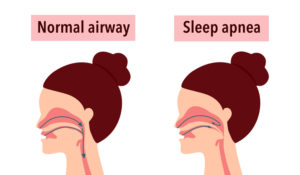
    It’s important to note that not all snoring is the result of sleep apnoea. Sleep apnoea occurs when the walls of the throat close together during sleep, blocking off the upper airway. Breathing stops for a while (generally between ten seconds and up to one minute) until the brain registers the lack of breathing or a drop in oxygen levels and sends a small wake-up call to the body. Often, the person suffering from sleep apnoea doesn’t even realise they have woken up. The pattern can repeat itself hundreds of times each night, causing fragmented and disrupted sleep. This can result in excessive daytime sleepiness, poor daytime concentration, and fatigue. Approximately five per cent of Australians suffer from this sleep disorder, with around one in four men over the age of thirty years affected.

    Sleep apnoea is treated differently from snoring and must be investigated and ruled out by the treating doctor. It is quite a serious issue, sleep apnoea and can have some health implications, so please check in with your GP and, if need be, see an Ear, Nose & Throat specialist if you suspect you have sleep apnoea.

    We do not treat sleep apnoea here at ENRICH Clinic.

    How do I stop my snoring?

    Lose weight

    Extra weight, especially around the neck, can compress and narrow the airways. Losing weight can alleviate this pressure and improve airflow during sleep.

    Avoid alcohol close to bedtime

    Avoiding alcoholic beverages a few hours before going to bed can help keep these muscles firm, reducing the likelihood of snoring.

    Treat nasal congestion

    Addressing the cause of congestion, whether allergies, a cold, or a structural issue like a deviated septum, can help improve breathing and reduce snoring. 

    Avoid sleep deprivation

    When you’re sleep-deprived, you tend to sleep more deeply the next time you catch up on sleep, causing the muscles in your throat to relax more than usual, which can worsen snoring.

    Avoid sleeping on your back

    Sleeping on your back can cause the tongue and soft palate to collapse to the back of your throat, blocking the airway and leading to snoring. Sleeping on your side can help keep the airway open.

    Seek medical treatment

    If lifestyle changes aren’t effective, seek medical advice. A healthcare provider can assess for underlying conditions like obstructive sleep apnea, which may require specific treatments such as Continuous Positive Airway Pressure (CPAP) therapy, oral appliances, or, in some cases, surgery.

    Romeo, Romeo wherefore art thou Romeo – Snoring treatments at ENRICH Clinic

    The Romeo procedure is a snoring treatment that delivers laser to the soft palate, which causes stimulation and tightening of collagen that firms up the soft palate. This change results in decreased vibrations and decreased snoring. This leads to a reduction in the vibration of the tissue and snoring when the patient is asleep. The treatment itself is very comfortable for the patient. It is normal to experience a warm sensation at the back of the throat as the laser tightens the tissue, but this is tolerable. Post-treatment recovery is usually quick, and there is no downtime with the Romeo laser – many patients return to work immediately.

    Research has shown that snoring can be reduced by up to 60% after two or three treatments with ENRICH Clinic’s high-tech target lasers designed to tighten the soft palate and stop snoring. The laser has minimal downtime, with doctors suggesting you might have a few days with a sore throat feeling. Following the treatment, we recommend avoiding cold foods, fizzy drinks and no smoking or alcohol for 24-48 hours. For best results, patients will undergo two to three treatments at four-week intervals.

    Contact us for an appointment to stop snoring today.

  • Why is my skin suddenly itching all over?

    Why is my skin suddenly itching all over?

    If you’re wondering, “Why is my skin suddenly itching all over?” You’re not alone. Itchy skin is a condition we’ve all faced at some point. It can range from a mild annoyance to a significant discomfort that disrupts our daily lives. While it’s usually nothing serious, sometimes it can be a sign of a bigger health issue.

    Itchy skin, or ‘pruritus’, can be caused by many different things – from the weather to allergies or even more complex health problems. Understanding what’s behind that itch is vital to finding the right way to treat it.

    Reasons your skin is itchy

    Dermatitis

    Dermatitis is a general term for skin inflammation. It can cause an itchy rash or red, swollen skin. There are different types, like atopic dermatitis (eczema), contact dermatitis (from touching irritants), and seborrheic dermatitis (often affects the scalp). 

    Each type has its triggers, such as hot/cold temperatures, irritants and microbes, but all result in itchy skin. 

    Dry skin

    Dry skin, known as xerosis, happens when your skin lacks moisture. It’s pervasive in areas with low humidity or during the colder winter months when the air is drier both outside and inside due to heating systems. This dry air can strip moisture from your skin, leading to dehydration and itching. 

    Cold temperatures also contribute by reducing the skin’s natural oil production, which is essential for retaining moisture and protecting the skin barrier. 

    The tendency to take hot showers or baths in winter can further remove natural oils from the skin, worsening the dryness.

    Allergic reactions

    Allergies are another common cause of itchy skin. Various allergens like food, medications, latex, nickel, or certain chemicals in cosmetics or personal care products trigger it. 

    When your body encounters an allergen, it can react by releasing histamines, leading to symptoms like inflammation and itchy skin.

    Environmental factors

    Poison Ivy plant, forest floor

    The environment has a significant impact on skin health. In Australia, where the climate and natural surroundings are quite diverse, several environmental factors can cause skin irritation and itchiness.

    Intense UV rays, for example, can dry out our skin, making it itchy and irritated. Insect bites are another common culprit, especially in areas near water or bush. 

    Australia is also home to various plants that can cause skin reactions, like poison ivy. Contact with it can result in an itchy rash.

    Nerve-related issues

    Sometimes, itching sensations can be caused by issues with the nervous system, a condition known as neuropathic itch. This type of itch happens when there’s a problem with the nerves themselves. Nerve irritations, shingles, or peripheral neuropathy due to diabetes are common causes of neuropathic itch.

    Internal diseases

    Certain internal diseases like liver disease, kidney failure, or thyroid problems can cause itching. This itching occurs due to the way these diseases affect the body’s normal processes and lead to a buildup of toxins.

    For instance, when the liver is not functioning properly, it struggles to filter out toxins from the blood. These toxins can accumulate in the body and cause symptoms, including itching.

    Psychological factors

    When you’re dealing with stress or mental health issues like anxiety or depression, these can show up in physical ways, including causing your skin to itch. This is because stress can alert your body to sensations, turning even a tiny itch into something much more noticeable. Sometimes, you might start scratching without even realising it, especially if you’re nervous or anxious, which can worsen the itchiness.

    Depression can also affect your skin. It might change how you care for yourself, including your skincare routine, leading to dry and itchy skin. Plus, some medicines for treating depression and anxiety can have side effects that include making your skin itch.

    Nutrient deficiency

    When you’re not getting enough of certain nutrients, like vitamins, iron, and fatty acids, it can lead to itchiness. Your skin needs a range of nutrients to stay healthy, and a deficiency in these can affect your skin’s health.

    For example, Vitamin A helps repair skin tissue, and a lack of it can lead to dry, itchy skin, while the lack of adequate iron in your diet affects your skin’s oxygen supply, leading to poor health. Fatty acids, especially omega-3 and omega-6, play a vital role in maintaining the health of your skin’s lipid barrier. This barrier helps retain moisture and protect your skin from irritants. A deficiency in these fatty acids can lead to dry skin prone to itching.

    How to identify the possible cause of sudden itchiness

    It can be uncomfortable and puzzling when you suddenly start experiencing itchiness. Here are some steps you can take to determine what might be causing your itchy skin so you can get the proper treatment:

    Observe the area

    First, take a close look at the itchy area. Is the skin dry, red, or swollen? Are there any rashes, bumps, or blisters? The appearance of the skin can give clues about the cause. For example, a red, bumpy rash might suggest an allergic reaction, while dry, flaky skin could indicate xerosis (dry skin).

    Consider recent changes

    Think about any recent changes in your life that could affect your skin. Have you started using new skincare products, detergents, or cosmetics? Have you been exposed to new environments or substances, like chlorine in a swimming pool or a new sunscreen brand? Sometimes, the cause of itchiness can be traced back to a recent change in your environment or products you use.

    Review timing and triggers

    Try to recall when the itchiness started and what you were doing then. Did it begin after you ate a certain food, used a particular product, or visited a specific place? Also, consider if the itchiness worsens at certain times of the day or in particular situations, like after a shower or during the night. Nocturnal pruritus can be caused by either the natural change in our circadian rhythm or bed bugs!

    Monitor other symptoms

    Symptoms like fatigue, weight changes, or digestive issues can be relevant. For example, if you’re also feeling exhausted, it could be a sign of an internal condition like a thyroid problem or iron deficiency.

    Perform a patch test

    If you suspect a particular product is causing the itchiness, you can do a patch test. Apply a small amount of the product to a discreet area of your skin and wait 24 to 48 hours. If the skin becomes itchy or irritated in that spot, you might be allergic or sensitive to the product. Otherwise, your itchy skin is caused by something else.

    Keep a skin diary

    Record what you eat, the products you use, your activities, and when you experience itchiness. Over time, this record can help you and your healthcare provider identify patterns or triggers for your skin reactions.

    When should I be worried about itchy skin?

    Persistent itchiness

    If your itchiness is constant and doesn’t go away with over-the-counter treatments or home remedies, seeing a doctor is a good idea. Persistent itchiness, especially if it’s severe and interferes with your daily activities or sleep, could indicate an underlying health issue like eczema, psoriasis, or internal diseases.

    Accompanying severe symptoms

    If your itchy skin is accompanied by more severe symptoms, such as significant swelling, hives, or difficulty breathing, seek medical attention immediately. These could be signs of a severe allergic reaction, known as anaphylaxis, which is a medical emergency. Other severe symptoms to watch out for include rapid heartbeat, dizziness, or a feeling of tightness in the chest.

    Signs of infection

    If you’ve been scratching the itchy area and notice signs of infection, such as increased redness, swelling, warmth, or tenderness, or if the area starts to ooze pus, it’s important to consult a healthcare professional. An infection may require treatment with antibiotics or other medications.

    How do I stop uncontrollable itching all over my body?

    Dealing with uncontrollable itching all over your body can be extremely uncomfortable and frustrating. Here are some strategies for immediate relief and long-term solutions:

    For immediate relief

    Cold compresses

    woman soothing itchy skin with an ice pack

    Applying a damp cloth to itchy areas can provide quick relief. The cold helps reduce inflammation and numbs the skin, which can lessen the itchy sensation.

    Over-the-counter creams and ointments

    Various creams and ointments are available to help soothe itchy skin. Look for products containing hydrocortisone, calamine, or menthol. 

    Antihistamines

    If your itchiness is due to an allergic reaction, over-the-counter antihistamines can help. They work by blocking the action of histamine, a chemical in the body that contributes to allergic symptoms, including itching.

    Have an oatmeal bath

    Oatmeal contains compounds that have anti-inflammatory and antioxidant properties. These compounds help soothe and reduce redness and inflammation in the skin, alleviating itchiness. It also has a high lipid and protein content, which can help to nourish and moisturise the skin. This is particularly beneficial for dry, itchy skin, as it helps to restore the skin’s natural barrier, preventing further moisture loss and protecting against irritants.

    To create an oatmeal bath, add 1 cup of finely ground whole oats to lukewarm bathwater and soak for 15-20 minutes. Moisturise immediately after bathing.

    Don’t wear tight clothes, and avoid itchy fabrics

    Tight clothing can irritate your skin and make itching worse. Wear loose, comfortable clothes made from soft fabrics like cotton. Avoid wool and synthetic fabrics, as they can be more irritating to the skin.

    Long-term solutions

    Consult a specialist

    If your itching persists or you suspect it’s a symptom of an underlying condition, it’s important to see a healthcare professional. A dermatologist or allergist can help diagnose the cause of your itchiness and recommend appropriate treatments.

    Lifestyle changes

    Altering your daily habits can be effective in controlling and preventing itchy skin. Changes include ensuring you drink plenty of water, using a humidifier to maintain moisture levels in your environment, opting for shorter, cooler showers or baths, and choosing gentle, unscented soaps and laundry detergents.

    Prescription medications

    When remedies available without a prescription don’t bring relief, it might be time to consult your doctor for stronger medication options. Depending on what’s causing your itchiness, they might suggest prescription-strength creams, oral drugs, or other specific treatments.

    Itchy skin? Contact us

    If you’re struggling with itchy skin that just won’t go away, contact us for advice and tailored solutions.

  • What is xanthelasma, and how can you treat it?

    What is xanthelasma, and how can you treat it?

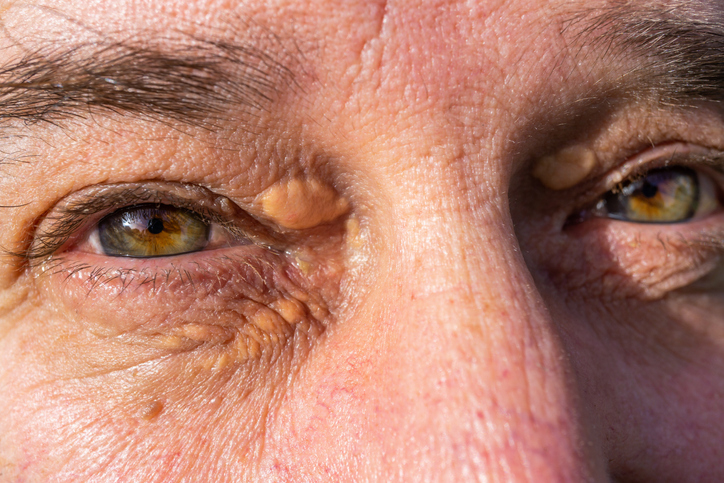
    Have you noticed a yellowish growth on or near the corners of your eyelids, particularly close to your nose? If so, you might be dealing with a condition known as xanthelasma. While this is common, it can indicate underlying health conditions.

    Below, we’ll explain xanthelasma, its causes and the most effective treatment options.

    What is xanthelasma?

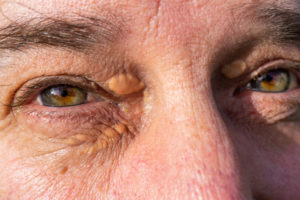
    person with xanthelasma

    Xanthelasma, medically referred to as xanthelasma palpebrarum, is a condition characterised by the development of benign, yellowish growths on the skin. These growths are typically soft, flat or slightly raised and appear as plaques or patches. 

    They are most commonly found on the upper or lower eyelids, particularly near the inner corner of the eye. They are often symmetrical and can grow over time, both in size and thickness, that they can cover a significant portion of the eyelid.

    Xanthelasma is more common in middle-aged and older individuals of Asian and Mediterranean descent, with a higher prevalence in women than in men. It is also more frequently observed in people with certain health conditions, such as hyperlipidemia, liver disease and diabetes. 

    While not painful, their appearance can be a cosmetic concern for many.

    What is the main cause of xanthelasma?

    Genetic factors

    One of the genetic factors in the development of xanthelasma is inherited high cholesterol, a condition known medically as familial hypercholesterolemia. This genetic disorder affects how your body eliminates bad cholesterol, resulting in high low-density lipoprotein (LDL) cholesterol in your blood. This genetic predisposition makes you more susceptible to these cholesterol deposits.

    Lifestyle factors

    Diet

    If you regularly consume foods high in fats, cholesterol, and calories, you may be at a higher risk of developing xanthelasma. Such a diet can lead to increased LDL cholesterol levels, the type often associated with forming these cholesterol deposits. 

    Lack of exercise

    Besides diet, a sedentary lifestyle is another significant factor contributing to the development of xanthelasma. Lack of regular physical activity can lead to weight gain and poor cholesterol metabolism, both risk factors for xanthelasma.

    Medical conditions

    Interestingly, not all individuals with xanthelasma have high cholesterol levels. This observation has led some experts to believe that other factors, such as inflammation, might also contribute to the development of xanthelasma. Chronic inflammation in the body, regardless of cholesterol levels, can lead to changes in the skin and the formation of these characteristic plaques.

    Does xanthelasma ever go away?

    In general, xanthelasma plaques do not resolve on their own. Once formed, these cholesterol deposits remain or may grow in size over time unless actively treated.

    What is the treatment of choice for xanthelasma?

    The choice of treatment for xanthelasma often depends on the size and location of the plaques and your overall health and preferences. Each method has its side effects, which your doctor will discuss.

    Here’s what you can expect:

    Surgical procedures


    Surgical excision has traditionally been a preferred method for treating xanthelasma because it yields excellent cosmetic outcomes. There are several techniques:

    • Traditional surgical excision
    • Le Roux’s technique, a modified blepharoplasty approach
    • Simple excision with blepharoplasty ( we do not do blepharoplasty at ENRICH) 
    • Simple excision and local flaps or skin grafts
    • Surgery and chemical peeling
    • Light electrodesiccation and topical trichloroacetic acid (TCA) application

    Chemical peels

    Chemical peeling with trichloroacetic acid (TCA) is another recognised treatment for xanthelasma.

    TCA is used topically in concentrations ranging from 50% to 100%. The application process involves carefully smearing the TCA in a circular manner, ensuring the highest concentration at the lesion’s margins. After application, the treatment area is neutralised with sodium bicarbonate to halt the acid’s effect.

    Laser

    Laser ablation has emerged as an effective therapy for the treatment of xanthelasma. This technique uses lasers to precisely treat the affected areas by:

    1. destruction of perivascular foam cells
    2. coagulation of dermal vessels

    The thermal energy generated by the laser destroys the foam cells around blood vessels. These cells are typically laden with lipids and contribute to the formation of xanthelasma. Then, the treatment coagulates the blood vessels in the dermis to block further leakage of lipids into the surrounding tissue, which is crucial in preventing the recurrence of xanthelasma.

    There are different techniques your dermatologist can use:

    • CO2 laser
    • Erbium Laser 
    • Q-switched Nd:YAG laser
    • Argon laser
    • Potassium titanyl phosphate (KTP) laser
    • Pulsed dye laser

    At ENRICH Clinic, we use the Erbium laser for xanthelasma treatment. 

    Radiofrequency

    Radiofrequency (RF) ablation has been explored as another treatment option for xanthelasma. According to studies, RF ablation can be effective and may require fewer treatment sessions compared to chemical peeling.

    But, it is associated with a higher rate of complications, such as scarring and pigmentation, compared to TCA treatment. 

    How can you prevent xanthelasma?

    While xanthelasma itself is not harmful, its presence–as previously mentioned–can be a sign of underlying health issues, mainly related to cholesterol and lipid metabolism. So preventing it often involves overall health and lifestyle changes, such as:

    Managing cholesterol levels

    Since high cholesterol levels are closely linked with the development of xanthelasma, managing these levels is crucial. You can achieve this through:

    • Incorporating a diet low in saturated fats and cholesterol. Focus on fruits, vegetables, whole grains, and lean proteins.
    • If prescribed by a healthcare provider, taking cholesterol-lowering medications can effectively manage cholesterol levels.

    Maintaining a healthy lifestyle

    Lifestyle choices significantly prevent xanthelasma. Regular physical activity to maintain a healthy weight and improve cholesterol metabolism is one. Another is avoiding smoking, which can exacerbate cholesterol-related issues.

    Having regular health check-ups

    Regular check-ups with a healthcare provider can help in early detection and management of conditions that might lead to xanthelasma, such as hyperlipidemia, liver diseases and thyroid disorders.

    Monitoring and managing underlying health conditions

    If you have conditions like diabetes, liver disease, or thyroid issues, managing these effectively is another solution to preventing xanthelasma. 

    Get a xanthelasma treatment plan at ENRICH

    If you are concerned about xanthelasma and looking for treatment options, we can create a treatment plan for you. Contact us today.

  • Skin needling: What can it treat, and how does it work?

    Skin needling: What can it treat, and how does it work?

    Skin needling is a term you’ve likely heard in beauty circles or perhaps during a visit to your dermatologist. Also known as microneedling, it has become a popular treatment for various skin concerns. 

    Often recommended by dermatologists and skincare professionals, this minimally invasive procedure has gained significant attention for its ability to treat acne and rejuvenate and revitalise the skin. But what exactly is skin needling, and how does it work its treatment on the skin?

    Below is a closer look at how skin needling treatment works, its advantages, and the different skin problems it can help with.

    What is skin needling?

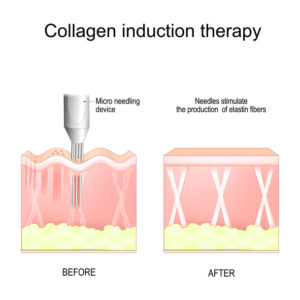
    collagen induction therapy diagram

    Skin needling is a type of collagen induction therapy, a cosmetic procedure that stimulates collagen production in the skin. Microneedling does this by creating thousands of tiny, almost invisible puncture wounds in the top layer of the skin using a device with fine needles.

    While the idea of multiple punctures might seem intimidating, these are extremely small and only superficially penetrate the skin’s surface. The true magic of skin needling lies in how the skin responds to these micro-injuries.

    When the skin is punctured, it triggers a natural healing process. This process involves the production of collagen and elastin, two vital proteins that are key to maintaining our skin’s firmness, elasticity and youthful appearance. 

    Basically, skin needling stimulates the skin to regenerate and repair itself, leading to a smoother, more vibrant, and healthier-looking complexion.

    What is skin needling best for?

    Skin needling is known for  addressing  many skin concerns, but it’s mainly famous for:

    • reducing the appearance of fine lines and wrinkles, leading to smoother, more youthful-looking skin
    • remodelling the skin and filling in atrophic and depressed scars
    • improving the appearance of stretch marks by stimulating collagen growth in the stretched skin tissue
    • evening out the skin tone to reduce hyperpigmentation or uneven skin tone, such as melasma or age spots
    • improving overall skin texture, making it smoother and firmer
    • repairing and rejuvenating skin that has been damaged by prolonged sun exposure
    • reducing the thickness and redness associated with rosacea by strengthening the skin, reducing inflammation and enhancing blood flow
    • stimulating collagen production, keeping the skin firm and preventing early signs of aging
    • reducing the appearance of large pores. As the skin becomes firmer and more elastic due to increased collagen, pores appear smaller and less prominent.
    • stimulating hair follicles, which can encourage new hair growth. This could be due to the increase in blood flow and nutrients to the follicles, as well as the induction of stem cells in the area of the follicles.
    • increasing permeability for better absorption of skincare products

    Tools for skin needling

    Dermal rollers

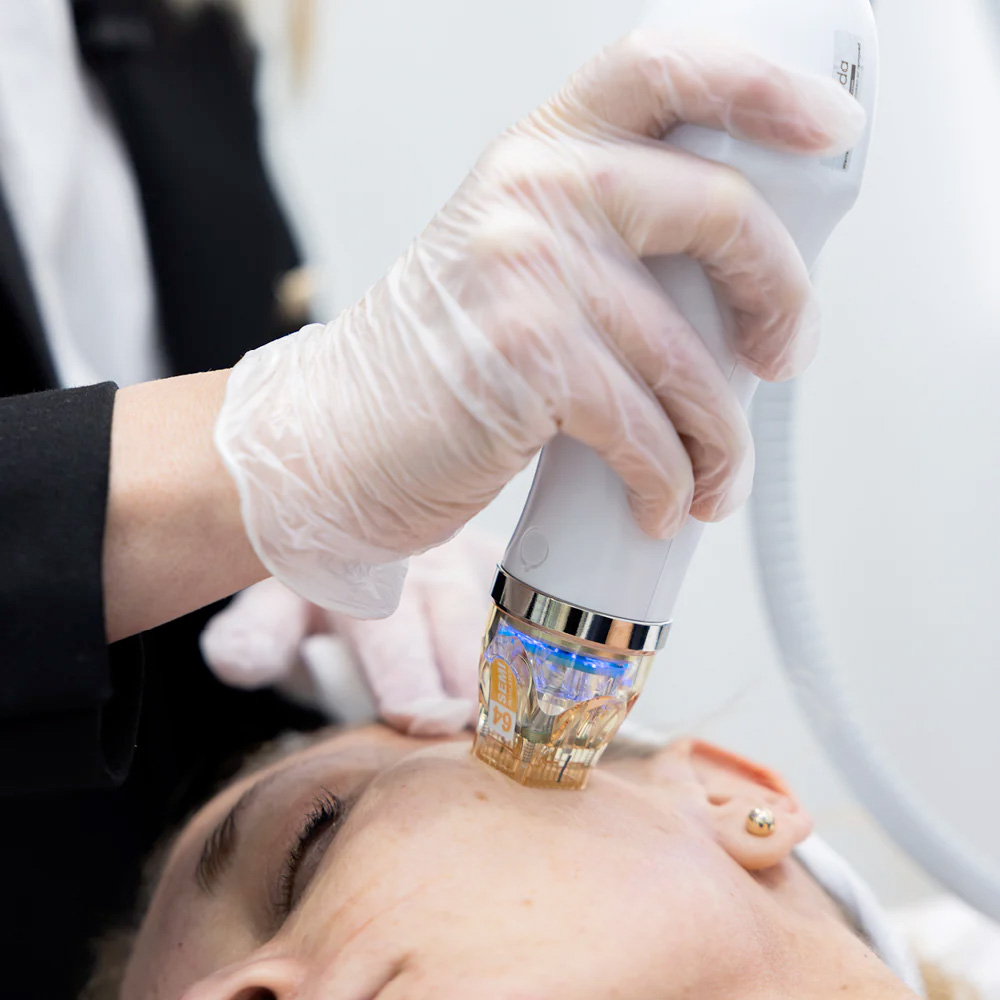
    dermaroller in use on a woman's face

    Dermal rollers, or dermarollers, are handheld devices with rolling heads covered in tiny needles. Due to their ease of use and accessibility, they are popular for at-home skin needling treatments. 

    While dermarollers are effective for various concerns like fine lines and mild scarring, they have limitations. The needle length in these devices is typically shorter than professional-grade tools, limiting their effectiveness for deeper scars or more pronounced signs of aging. 

    Also, if using dermarollers at home, you must learn how to apply and control them properly. You don’t want to puncture sensitive areas or over-puncture your skin. You must also ensure your device and skin are sanitised before application to avoid infection.

    Dermal pens

    Also known as microneedling pens, dermal pens offer a more precise and controlled approach to skin needling. These devices resemble pens and contain a cluster of fine needles that rapidly puncture the skin. Its penetration depth can be adjusted, making dermal pens suitable for targeted treatments and sensitive areas. And because its tip is narrower than a dermaroller’s, it’s easier to use on narrow areas such as around the nose, eyes and lips.

    The Secret Micro-Needle Fractional RF System

    This advanced system combines traditional microneedling with fractional radiofrequency (RF) technology. It delivers RF energy deep into the skin via fine needles, significantly enhancing collagen and elastin production. The Secret RF system is known for its precision and effectiveness in treating various skin issues, including deep wrinkles and significant skin laxity, with minimal downtime. This system is a professional-grade tool used in clinical settings for more intensive skin rejuvenation treatments. At ENRICH Clinic, The Secret is our go-to microneedling treatment.

    Does skin needling really work?

    The short answer is yes. Skin needling works mainly because it triggers our body’s natural wound-healing process.

    But, of course, the success of skin needling can vary depending on your skin type, specific skin concern, the depth of needle penetration and the overall quality of the treatment. Also, your body’s natural collagen production rate, which can be influenced by age and lifestyle, plays a significant role in the results.

    Where you get the treatment also affects skin needling’s effectiveness. Professional treatments, especially when combined with technologies like radiofrequency (as in the Secret RF system), tend to be more effective because the device can penetrate deeper and be controlled more precisely. At-home treatments can work but are generally more suitable for minor skin concerns and require consistent use over time to see noticeable results.

    How often should skin needling be done?

    The ideal frequency and interval between sessions vary, depending on the type of skin needling you’re undergoing, your skin type and condition, and your specific treatment goals. Here’s what you should consider:

    Professional treatments

    If you’re going the professional microneedling route, such as those done with dermal pens or the Secret RF system, you’ll typically need one session every 4 to 6 weeks. This schedule allows your skin enough time to heal properly and begin the process of collagen production. For comprehensive results, especially if you’re targeting deep wrinkles or scars, your dermatologist may recommend a series of 3 to 6 treatments.

    At-home treatments

    If you’re using at-home tools like dermarollers, you can treat your skin more frequently, usually once a week to every other week. Since these tools are less invasive, your skin can tolerate more frequent sessions. 

    Your skin’s reaction 

    The reaction to microneedling can vary from person to person. Some people might recover quickly and be ready for the next session sooner, while others may need more time between treatments. Observing how your skin heals and feels after each session is essential.

    Your goals

    The frequency of your treatments also depends on what you’re trying to achieve. More intensive treatments for issues like scars require longer breaks between sessions, whereas lighter, preventive treatments could be done more frequently but with less intensity.

    What are the disadvantages of skin needling?

    Although generally beneficial, skin needling has its downsides, too. Some of these are:

    Risk of skin irritation and redness

    One of the most common side effects of skin needling is temporary skin irritation and redness immediately following the procedure. This is a natural response to the tiny injuries made by the needles. While these symptoms usually subside within a few days, they can be inconvenient if you have social or professional commitments.

    Potential for bruising and swelling

    Depending on your skin’s sensitivity and the intensity of the treatment, you might experience bruising and swelling. This is more common with deeper needle penetrations often used for treating scars or wrinkles.

    Risk of infection

    Any procedure that involves breaking the skin can lead to infection. While this risk is low when a professional performs the process under sterile conditions, it’s higher with at-home treatments if you don’t maintain proper hygiene.

    Possibility of skin damage

    If not done correctly, skin needling can cause damage, such as tearing, especially with at-home treatments. This is why you should only have this procedure under the guidance of a real professional.

    Not suitable for everyone

    If you have sensitive skin or skin conditions, this procedure might not suit you. We cannot stress enough that professional advice is always the best way to go before undertaking any procedure. Home treatments may be appealing, but without proper advice, they can leave patients with issues that may be worse than the initial skin problem. 

    Experience skin needling at ENRICH

    Ready to rejuvenate your skin with skin needling? Book an appointment with us today.

  • Top 3 Vitamins We Love for Skin Health

    Top 3 Vitamins We Love for Skin Health

    With the rise of skincare trends and so much hype on social media, it’s easy to feel overwhelmed by all the information. From influencers raving about the latest miracle product to countless DIY face mask recipes, where does one even begin?

    If you need help figuring out where to start or are looking to cut through the noise and get straight to the essentials, this guide is for you. Below, we share the top vitamins we love that can make a difference in your skin health.

    Vitamin B3

    Vitamin B3 is one of the eight B vitamins. It plays a vital role in converting the food we eat into usable energy and maintaining the health of our skin, nervous, and digestive systems.

    It comes in two forms: niacin and niacinamide. Niacin is often used to treat high cholesterol and to reduce the risk of heart disease, while niacinamide is used in many skincare products due to its anti-inflammatory properties.

    Vitamin B3’s primary functions include:

    • Energy production: It helps our body break down carbohydrates, fats and proteins into energy.
    • DNA repair and production: Niacin is involved in DNA synthesis and repair and plays a role in our cellular response to stress.
    • Digestive system support: It helps produce certain hormones in our adrenal glands and removes harmful chemicals from the liver.
    • Improving skin health: Niacinamide can help reduce redness, inflammation, and acne.

    Why we love it

    Fortifies and hydrates the skin

    Niacin and niacinamide team up to keep our skin barrier strong and intact. Whereas niacin helps with cell energy and DNA repair, niacinamide further strengthens our skin by boosting the production of ceramides. This combination locks in moisture and keeps out harmful environmental pollutants. 

    Fights signs of aging and improves skin texture

    Beyond skin hydration, Vitamin B3–niacinamide in particular–also helps in collagen production. And we know that collagen reduces the appearance of fine lines and wrinkles, improves skin elasticity and minimises the appearance of pores to give your skin a smoother texture.

    Protects and repairs

    Niacinamide offers a defence mechanism against the harmful effects of UV radiation. While it doesn’t replace the need for sunscreen, it complements sun protection by helping repair UV-induced damage. Niacin is also an excellent remedy for post-sunburn or skin irritations since one of its main jobs is to help the body grow and repair itself.

    Reduces skin concerns

    Addressing specific skin concerns is another area where Vitamin B3 shines. Niacinamide is especially effective in treating hyperpigmentation, helping to even out skin tone and fade dark spots. If you have oily skin, you would be happy to know that niacinamide can also regulate sebum production, leading to fewer breakouts. Moreover, the anti-inflammatory properties inherent in both niacin and niacinamide offer relief from conditions like acne and rosacea, reducing redness, swelling, and irritation.

    May also help with skin cancer

    Recent studies have suggested that Vitamin B3 when taken in the right amounts, can help reduce our risk of non-melanoma skin cancers. While more research is needed, the potential protective effects of this vitamin against skin cancer make it an even more valuable nutrient for skin health.

    Where to get Vitamin B3

    • Skincare products: Many products are now fortified with niacinamide. It’s commonly seen in serums, moisturisers, sunscreens, facemasks, toners, essences, and eye creams.
    • Supplements: If you’re looking to boost Vitamin B3 intake, supplements are available over the counter. It can be in niacin tablets or capsules, multivitamin supplements, B-complex vitamins or niacinamide supplements.
    • Diet: Some rich sources include chicken, tuna, turkey, brown rice, mushrooms, and peanuts. 

    Vitamin C

    Also known scientifically as ascorbic acid, Vitamin C is a nutrient that plays an essential role in many bodily functions. These functions include collagen synthesis, boosting the immune system and detoxification.

    Another term you may hear alongside Vitamin C is sodium ascorbate. Essentially, it’s the sodium salt of ascorbic acid. It offers the same benefits as ascorbic acid but is often considered gentler on the stomach, especially when taken in larger doses.

    Why we love it

    Great for skin pigmentation

    Vitamin C is a potent antioxidant that can neutralise free radicals in our skin. This helps to reduce the appearance of dark spots and hyperpigmentation. Also, it can inhibit the enzyme responsible for producing melanin–the complex pigment responsible for the colouration of our skin, hair, and eyes–which can lead to a brighter and more even skin tone.

    Smoothens and brightens skin

    Vitamin C is crucial for collagen synthesis, providing skin structure and elasticity. This results in reduced fine lines and wrinkles and improved skin texture. Its brightening properties also fade pigmentation, reduce redness, and diminish under-eye circles, giving our skin a radiant appearance.

    Protects and repairs

    Vitamin C is a potent antioxidant against UV-induced free radicals, environmental pollutants, and sun damage. Also, it helps rapidly heal our wounds, blemishes, and acne scars.

    Hydrates and soothes

    Formulations with Vitamin C derivatives, like magnesium ascorbyl phosphate, hydrate our skin by reducing water loss. And because it has anti-inflammatory properties, it alleviates redness and inflammation, making it beneficial for conditions like acne and rosacea.

    Where to get Vitamin C

    • Skincare: Many skincare products are now enriched with Vitamin C. Mostly, they are serums, moisturisers and face masks. Our ENRICH Vitamin C night & day creams have a string of Vitamin C ingredients in them, a testament to our very own Dr Rich’s strong advocacy for the benefits of Vitamin C in skincare.
    • Supplements: The health market is flooded with Vitamin C supplements, available in various forms such as tablets, capsules, powders and effervescent tablets. 
    • Diet: A balanced diet is a natural source of Vitamin C. Citrus fruits like oranges, lemons, and grapefruits are classic sources. Other Vitamin C-rich foods include strawberries, bell peppers, broccoli, kiwi, and guava. 

    Vitamin D

    Vitamin D, often referred to as the “Sunshine Vitamin,” is a fat-soluble vitamin that helps maintain the health of our bones and teeth, supporting the immune system, brain, and nervous system and regulating insulin levels, among other functions.

    Why we love it

    Reduces risk of skin cancer

    By bolstering our skin’s defence mechanisms, Vitamin D can reduce the risk of certain types of skin cancers. If you are one of those with a higher susceptibility due to prolonged sun exposure or inherent genetic factors, adequate Vitamin D levels can help against the harmful effects of UV rays. 

    Promotes skin radiance

    Vitamin D optimises the skin’s immune system, helping destroy free radicals notorious for causing premature aging. This results in a more radiant and youthful complexion that glows from within.

    Reduces acne

    Research suggests that Vitamin D can regulate the production and activity of sebaceous glands, leading to less oily skin. Additionally, its anti-inflammatory properties can help reduce the redness and swelling associated with acne breakouts.

    Treats skin conditions

    Beyond its preventive measures, Vitamin D has therapeutic benefits, especially for chronic skin conditions like psoriasis and eczema. Its ability to promote skin cell growth and repair damaged skin makes it a sought-after remedy for these conditions.

    Enhances skin barrier

    Just like Vitamin B3, Vitamin D fortifies our skin barrier, ensuring that the skin retains its moisture and remains resilient against external aggressors, leading to healthier, more supple skin.

    Where to get Vitamin D

    • Skincare: While sun exposure is the most natural way to get Vitamin D, you can still get it from skincare products like creams, serums and oil.
    • Supplements: If you live in areas with limited sunlight or have specific health conditions that prevent you from getting enough Vitamin D, supplements can be a great option. They are available in various forms, including drops and tablets. Metagenics Vitamin D drops and tablets are available at ENRICH. You can ask our dermatologists or doctors to prescribe. 
    • Diet: Foods like fatty fish (such as salmon, mackerel, and sardines), cheese, egg yolks, and fortified foods (like dairy products and cereals) are also excellent sources of Vitamin D.

    Precautions

    While the benefits of these vitamins are plenty, adding them to your diet or skincare routine may cause unwanted results. You can consult our healthcare professionals, especially if you have an existing medical condition or are taking medications.

  • Considering Cosmetic Procedures? Know your Fitzpatrick Skin Type First

    Considering Cosmetic Procedures? Know your Fitzpatrick Skin Type First

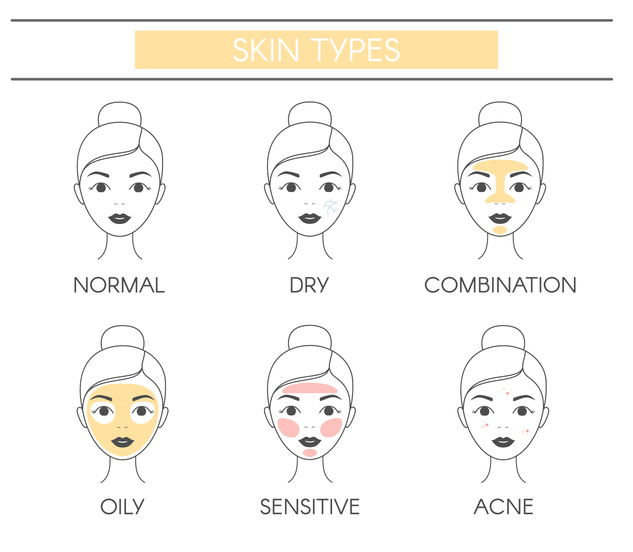
    When we mention “skin type,” most of us immediately think of the common categories like normal, dry, oily, or combination. These classifications are correct, but they primarily revolve around the skin’s texture, hydration level, and how it reacts to products or environmental factors. 

    There’s another skin type classification that often goes unnoticed but plays a crucial role, especially when considering cosmetic procedures: the Fitzpatrick skin type. Here’s why we must be aware of it.

    What is the Fitzpatrick skin type system?

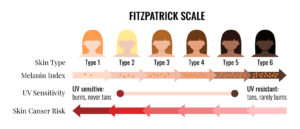
    The Fitzpatrick skin type system categorises skin types based on their response to ultraviolet (UV) light. It was developed by Dr Thomas Fitzpatrick in 1975.

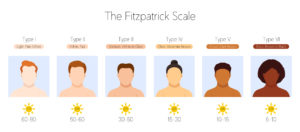
    The six Fitzpatrick skin types

    Type I: Always burns, never tans

    This skin type is characterised by pale white skin highly sensitive to UV rays. Individuals with this skin type often have light-coloured hair, blue eyes and pale skin, often with freckles.

    Type II: Usually burns, tans minimally

    White-skinned individuals fall into this category. They might achieve a light tan after repeated sun exposure but are prone to sunburns. This is common in people with blonde or red hair and blue, green, or hazel eyes.

    Type III: Sometimes burns, tans uniformly

    This skin type is typically associated with light brown or cream-white skin. These individuals can tan to a moderate brown shade but risk sunburn.

    Type IV: Burns minimally, always tans well

    People with moderate brown or olive (Mediterranean type) skin fall under this category. They tan easily and have a reduced risk of sunburn compared to the lighter skin types.

    Type V: Very rarely burns, tans very easily

    This skin type is characterised by dark brown skin, which is common among Middle Eastern or some African types. Individuals with this skin type tan very quickly and have a minimal risk of sunburn.

    Type VI: Never burns, deeply pigmented

    This is the darkest skin type, ranging from intensely pigmented dark brown to black common in those of African descent. Individuals with this skin type have natural protection against sunburn due to the high melanin content in their skin.

    Why you should know your Fitzpatrick skin type

    Understanding your Fitzpatrick skin type is more than just a classification; it’s a guide to better skincare, health, and cosmetic decisions. Here’s why:

    Skin cancer risk and prevention

    Each Fitzpatrick skin type has a varying degree of susceptibility to UV radiation. For instance, individuals with Types I and II are at a higher risk of developing skin cancers like melanoma due to their skin’s heightened sensitivity to sun exposure. Recognising your skin type can help you understand your risk level and take appropriate preventive measures.

    Also, while everyone should practice sun protection, it’s especially crucial if you have light skin. This means you should use broad-spectrum sunscreens, wear protective clothing, and avoid peak sun hours. 

    But that’s not to say those with darker skin types are safe. If you belong to this group, you still need sun protection, as prolonged exposure can lead to skin damage and potential health risks.

    Vitamin D synthesis and sun exposure

    Our skin synthesises vitamin D when exposed to sunlight. However, the efficiency of this synthesis varies based on the Fitzpatrick skin type.

    Lighter skin types can produce vitamin D more quickly than darker skin types. This means if you have darker skin, you might need more prolonged sun exposure to synthesise the same amount of vitamin D. 

    But again, you should balance this need with the risk of skin damage, making it crucial to understand your skin type and consult a healthcare professional about your vitamin D needs.

    Guide to skin care and cosmetic procedures

    Your Fitzpatrick skin type can also guide you in selecting skincare products tailored to your skin’s needs. For example, lighter skin types might benefit from products with higher SPF or antioxidants to combat UV-induced damage. In comparison, darker skin types might look for products addressing hyperpigmentation or uneven skin tone.

    Knowing your Fitzpatrick skin type is also crucial in cosmetic procedures, especially those involving lasers or intense pulsed light (IPL). Some treatments might pose risks like hyperpigmentation or scarring for specific skin types. 

    How to determine your Fitzpatrick skin type

    While the descriptions provided above give a general idea, a dermatological assessment is the most accurate way to determine your Fitzpatrick skin type. A dermatologist will consider your genetic background, observe your skin’s natural colour, and ask about your history of sun exposure, tanning, and sunburn. 

    But you can also get a rough idea by observing how your skin reacts to sun exposure over time and comparing it to the descriptions of the six skin types we mentioned above.

    Know your skin type at ENRICH

    Before any treatment at ENRICH, we always check your skin type. Ready to start? Book an appointment with us now.


  • Can you lift your eyebrows without surgery?

    Can you lift your eyebrows without surgery?

    Our eyebrows, the unsung heroes of our faces, play a pivotal role in our expressions and overall facial aesthetics. They can say so much without uttering a word, whether arched in surprise, furrowed in concentration or lifted in intrigue. 

    But over time, gravity, ageing, and a host of other factors can cause them to sag, leading many people to consider an eyebrow lift, which removes excess skin from the eyelids and therefore gives the brow more prominence.

    But what if you don’t want to go under the knife? What if you’re searching for a less invasive way to rejuvenate and uplift those two important arcs on your face? 

    This post is all about answering the question, “Can you lift your eyebrows without surgery?” We will delve into non-surgical alternatives that can have your eyebrows raising [no pun intended].

    How can I lift my eyebrows without surgery?

    Non-Surgical Eyebrow Lift Techniques

    Facial exercises and makeup tricks stand out as two of the most prevalent methods for achieving a brow lift without resorting to surgery. These techniques are not just simple to implement but also cost-free.

    Facial exercises

    Facial exercises, often known as face yoga, are a natural method to help lift and firm the muscles around your eyebrows. These exercises are designed to target the orbicularis oculi (the muscle that surrounds your eye socket) and the corrugator (the frown muscle).

    Here’s a simple one you can try:

    Start by placing your index fingers just above your eyebrows. Next, apply slight pressure and push your eyebrows down. While doing this, try to raise your eyebrows. Repeat this exercise for about ten minutes a day, and you may notice a difference over time.

    The benefits of facial exercises are many: they’re completely natural, free and can be done anywhere. 

    However, the results are gradual and require consistency and there are no real studies to prove they work. They may not be as dramatic as surgical or professional non-surgical treatments, but they are a risk-free place to start.

    Makeup tricks

    The right makeup techniques can create an illusion of lifted eyebrows. Start with a well-shaped eyebrow; pluck any stray hairs and define your brows with an eyebrow pencil, following the natural arch of your brow. Then, use a highlighter just below the brow bone and on the inner corner of your eye to create an instant lift. And remember, less is more for a natural appearance.

    The advantage of makeup is that it’s a quick fix and can dramatically change your appearance. In addition, you control how subtle or dramatic you want the results to be. However, it’s a highly temporary fix requiring a degree of makeup skills and the right products to achieve a natural, uplifted look. 

    Professional Non-Surgical Treatments

    If you’re looking for something more potent than facial exercises and makeup tricks, professional non-surgical treatments may be the answer. Three popular treatments include wrinkle reducing treatments, Ultraformer (High-Intensity Focused Ultrasound or HIFU), and PDO threads.


    Wrinkle Reducing Treatments

    Wrinkle reducing treatments block the nerve signals to certain muscles, causing them to relax and reducing the appearance of lines and wrinkles. This can subtly raise the eyebrows, creating a more youthful and refreshed appearance.

    The benefits of these injections include quick treatment time, no downtime, and noticeable results within a few days. However, possible risks include temporary bruising, swelling and, in rare cases, asymmetry or drooping of the eyebrows.

    The effects of wrinkle reducing treatments typically last between three to six months, depending on your metabolism and lifestyle.

    Ultraformerwoman receiving ultrasound treatment for an eye brow lift

    Ultraformer, a type of High-Intensity Focused Ultrasound (HIFU) therapy, delivers concentrated ultrasound energy to your skin’s foundational layer without disturbing the surface. This energy stimulates collagen production, resulting in a natural lift and tightening of your skin over time.

    The benefits of Ultraformer include non-invasiveness, no downtime and gradual, natural-looking results. However, some people might experience temporary discomfort during the procedure and slight redness or swelling afterwards. 

    Results from Ultraformer can be seen in two to three months as new collagen forms and can last up to a year or longer, depending on your skin conditions and the ageing process.

    PDO threads

    PDO (Polydioxanone) threads are absorbable sutures inserted under the skin to provide a mechanical lift. Over time, these threads stimulate collagen production, enhancing the lifting effect.

    PDO threads have the benefit of immediate results, along with continued improvement over several months. However, you may experience minor bruising and swelling; although rare, there is a risk of infection or thread migration.

    Results from PDO threads typically last between 12 to 18 months as the threads dissolve and the body continues to produce collagen.

    Remember, while these treatments offer non-surgical alternatives to a brow lift, they should be performed by trained medical professionals to ensure treatment efficacy and protocol ahearence. Always have a thorough consultation to discuss your options and potential risks.

    How to choose the brow lift option for you

    Choosing the best non-surgical brow lift method depends on multiple factors. Here’s a guide to help you make an informed decision.

    What are your desired results?

    If you’re seeking subtle changes and don’t mind waiting for results, facial exercises and makeup tricks might be a great starting point. However, for more noticeable and immediate results, consider the professional non-surgical treatments we outlined above.

    How much is your budget?

    Facial exercises and makeup tricks are essentially free (minus the cost of makeup products), making them an accessible choice for most people. In contrast, professional treatments come with a higher price tag due to their complexity and the expertise required.

    How much discomfort can you tolerate?

    While facial exercises and makeup application involve no physical discomfort, professional treatments can cause mild to moderate discomfort during or after the procedure. It’s important to consider your personal comfort levels when choosing a brow lift method.

    How much time can you spare?

    Facial exercises require a regular commitment to see results over time, whereas makeup provides an instant lift but needs to be reapplied daily. Professional treatments typically require less frequent visits, but they may involve some recovery time, and the results are temporary, requiring periodic maintenance.

    Ultimately, the best brow lift without surgery is the one that aligns with your personal needs, lifestyle and aesthetic goals. It’s always a good idea to consult a skin care or aesthetic professional who can provide personalised advice based on your unique circumstances.

    Talk to our dermatologists for the best option for you.

  • Hope or Hype? Muscle relaxing treatments for teeth grinding

    Hope or Hype? Muscle relaxing treatments for teeth grinding

    Bruxism, commonly called teeth grinding, is a dental condition affecting countless individuals worldwide. You may have experienced its effects yourself, perhaps in the form of persistent jaw pain, worn-down teeth or disrupted sleep. 

    If you’ve sought treatment, you may have been advised to consider a surprising option: injections. These injections, typically associated with cosmetic enhancements, have recently emerged as a potential treatment for bruxism. 

    But is this approach to bruxism treatment founded on hope or hype?

    In this article, we’ll delve deep into the science behind muscle relaxing treatments for teeth grinding, their effectiveness and potential risks.

    Overview of muscle relaxing treatments and teeth grinding

    woman grinding teeth in bed

    Teeth grinding can occur due to a variety of factors. While the exact cause can sometimes be challenging to determine, the following are some of the most common reasons:

    • stress and anxiety
    • sleep disorders
    • lifestyle factors
    • abnormal bite or missing/crooked teeth
    • genetic factors
    • other health conditions

    If you’re grinding your teeth, you might experience a range of symptoms, from the ones we mentioned in the previous section to severe cases, such as serious dental damage, changes in facial appearance and severe jaw disorders. Conventional treatments for bruxism include dental interventions, behavioural therapies and medications.

    Now, let’s talk about these injections. They are treatments that have been used for decades to address wrinkles and fine lines. When these are injected into a muscle, they block nerve signals in that muscle, reducing its activity and causing a temporary reduction in muscle contraction. This is what leads to a softening of wrinkles and fine lines on your face.  

    What do muscle relaxing treatments in the masseter do?

    If you’re considering these treatments  for teeth grinding, you’re probably wondering how they work. The process targets your masseter muscles – the ones you can feel bulging when you clench your jaw or grind your teeth.

    When these injections are administered into your masseter muscles, they block the nerve signals that cause these muscles to contract. This results in your masseter’s relaxation, significantly reducing the force with which you grind your teeth.

    You might be asking, “Does this weaken my jawline?” The answer is not exactly. These treatments  in the masseter muscle don’t weaken the jawbone itself; instead, they relax the overactive masseter muscle, which could result in a less pronounced jawline due to decreased muscle bulk. However, this effect is often subtle and may not even be noticeable.

    You might also be concerned about whether masseter these treatments will make your face sag. While these injections relax the masseter muscles, they don’t cause your skin to sag. Sagging skin is typically a result of decreased skin elasticity or loss of facial fat, not relaxed muscles. 

    In fact, for some people, masseter injections can have a slimming effect on the face. This is because chronic teeth grinding can lead to hypertrophy or enlargement of the masseter muscles, giving a wider, square-shaped appearance to the lower face. By relaxing these muscles, the injections can reduce the size of the masseter muscles, leading to a slimmer, more oval-shaped face.

    But results can vary significantly from person to person. What’s most important is that these injections can provide relief from the pain and dental damage caused by teeth grinding. 

    What’s the procedure?

    It’s a straightforward process that involves a few key steps:

    man being prepped for injections for treating teeth grinding

    1. Consultation and assessment. Your journey begins with a consultation with a healthcare professional or cosmetic practitioner experienced in administering the treatment. This is your opportunity to discuss your symptoms, medical history and concerns. The professional will assess your teeth grinding and determine whether you’re a suitable candidate for the treatment (see the last section below for more details). They may examine your face and jaw to gauge the size and strength of your masseter muscles. They’ll also explain the procedure, potential risks, and expected outcomes.
    2. Injection process. If the doctor deems you a suitable candidate and you decide to proceed, the injection process can begin. You’ll be seated comfortably, and the specialist will clean the area to be treated. The professional will then use a fine needle to inject the product into your masseter muscles. This usually takes just a few minutes per side. While you might feel a slight pinch or discomfort during the injection, the process is typically well-tolerated.
    3. Aftercare and follow-up. After the procedure, your doctor may advise you to avoid strenuous activity, heat and massaging the treated area for a day or two. Some mild swelling, redness, or bruising is normal, but these effects should subside within a few days. 

    You should start to notice a reduction in your teeth grinding within a couple of weeks as the product takes effect. This will be where the masseter muscles begin to relax, reducing the force and frequency of teeth grinding. 

    Your doctor may also schedule a follow-up appointment a few weeks after the treatment to assess its effectiveness and determine whether additional injections are needed.

    How long do masseter injections in masseter last?

    The effects of these  injections in the masseter muscle aren’t permanent; they typically last for a certain period before gradually wearing off. On average, you can expect the effects of these injections to last between three to six months. However, this is patient-dependent. Success factors include the severity of your teeth grinding, the size of your masseter muscles and the exact amount of product used.

    After this time, the masseter muscles will slowly regain their original strength, and you may notice the return of your teeth-grinding symptoms. To maintain the results, you’ll likely need to have the treatment repeated. The good news is that with repeated treatments, the results can sometimes last longer. This is because the masseter muscles can become trained to function with less force, which might prolong the period of relief you experience.

    As with any treatment, weigh the benefits against the potential risks and costs outlined below. Discuss these factors thoroughly with your healthcare provider to make the most informed decision about your bruxism treatment.

    What is the downside of masseter injections?

    While masseter injections can be an effective treatment for teeth grinding, like any medical procedure, they come with potential downsides that you should be aware of.

    • Temporary bruising or swelling. One of the most common side effects is temporary bruising, swelling, or redness at the injection site. These effects usually subside within a few days and can be managed with over-the-counter pain relievers and cold compresses.
    • Although rare, allergic reactions to the components of the injection can occur. Symptoms include itching, rash, redness, or difficulty breathing. If you experience these symptoms after the treatment, seek immediate medical attention.
    • Weakening of adjacent muscles. There’s a slight risk that the injections could affect nearby muscles, leading to unwanted muscle relaxation. This could affect your facial expressions or how you chew or speak. However, these side effects are generally rare and temporary when the injections are administered correctly by a skilled professional.
    • Complications ?: More severe complications are uncommon but can include infection, nerve damage or problems swallowing. These complications are infrequent, especially when the procedure is performed by a qualified and experienced professional.

    Remember, discussing all potential risks and side effects with your healthcare provider before deciding on any treatment is crucial. While many people have found relief from bruxism with anti-wrinkle injections, you should fully understand the potential downsides to make an informed decision.

    Candidates for  injections for teeth grinding

    Determining whether you’re a good candidate for injections for teeth grinding involves a thorough evaluation by a qualified professional. They typically consider the following factors during this assessment:

    Severity of teeth grinding

    The severity of your bruxism plays a significant role in determining whether anti-wrinkle injections would be an appropriate treatment. For example, masseter injections could benefit you if you’re experiencing frequent, severe teeth grinding that is causing dental damage or significant discomfort.

    Previous treatments and outcomes

    Your healthcare professional will want to know what other treatments you’ve tried for your teeth grinding and how successful they’ve been. This could include dental appliances, behaviour modification techniques or medications. If these interventions have not provided sufficient relief or have caused undesirable side effects, you may be a candidate for masseter injections.

    Medical history and contraindications

    Certain conditions or medications may increase the risk of complications the treatment. For example, people with certain neuromuscular disorders, such as myasthenia gravis, or those who are pregnant or breastfeeding may not be suitable candidates. Therefore, providing your healthcare professional with a comprehensive overview of your health status is essential to ensure safety.

    Have your assessment at Enrich

    Masseter injections, while potentially an effective treatment for bruxism, aren’t suitable for everyone. Our doctors at Enrich can help you weigh the potential benefits and risks and guide you in making the best decision for your circumstances.

    Book an appointment with us today.

  • Scar Wars: A Guide to Battling Blemishes and Marks

    Scar Wars: A Guide to Battling Blemishes and Marks

    Scars are the body’s natural way of healing wounds caused by injury, surgery, or skin conditions like acne. When the skin’s outermost layer, the epidermis, sustains damage, the body springs into action, generating collagen fibres to repair the wound. Unfortunately, these fibres contribute to the formation of new tissue, which, while functional, might look different from the surrounding skin, resulting in a scar.

    While all scars are a natural part of the healing process, some may be more visually unappealing than others, leading to a desire for their removal or improvement.

    Recognising the various types of scars is vital, as it guides your approach to their treatment and management. The most prevalent scar types include hypertrophic, keloid, atrophic, and contracture scars. Each type exhibits unique appearances, characteristics, and potential complications, making it essential to identify and accurately address them with tailored treatments.

    Atrophic scars
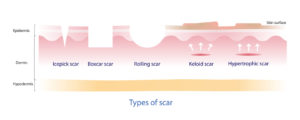
    Types of scar vector, icepick scar, boxcar scar, rolling scar, keloid scar and hypertrophic scar infographic

    Atrophic scars are characterised by their sunken, depressed appearance and are typically found on the face, most commonly resulting from acne or other inflammatory skin conditions such as chickenpox. 

    These scars form when the skin loses collagen during the healing process, causing the skin to sink below the surrounding, healthy tissue. 

    Atrophic scars can be further classified into three subtypes: ice pick scars, boxcar scars, and rolling scars. Each subtype’s unique appearance and depth may require different treatment approaches.

    Common treatments of atrophic scars

    Dermabrasion

    This treatment involves using a specialised device to exfoliate the skin’s surface, removing the top layer and stimulating the growth of new, healthy skin. This process can help improve the texture and appearance of atrophic scars.

    Laser treatment

    Various laser treatments, such as ablative and non-ablative lasers, can target damaged skin, promoting collagen production and the growth of healthy skin. But you may need multiple sessions to achieve optimal results.

    Punch techniques

    Punch excision, elevation and grafting are surgical techniques for treating deep atrophic scars. These methods involve removing the scarred tissue, repositioning it to the same level as the surrounding skin, or replacing it with a skin graft.

    Fat transplantation

    Also known as autologous fat transfer, this procedure involves extracting fat from one part of the body and injecting it into the atrophic scar to fill the depression and create a smoother, more even appearance. We do not do fat transfers at ENRICH Clinic. 

    Other tissue-augmenting agents

    Compunds made from biocompatible materials can be injected into atrophic scars to restore volume and improve their appearance temporarily. Depending on the filler used, the effects usually last several months to a year.

    Needling

    Skin needling, or collagen induction therapy, uses a device with tiny needles to create controlled micro-injuries in the skin. This process stimulates collagen production and can improve the appearance of atrophic scars over time.

    Subcision

    This minimally invasive surgical procedure involves using a needle or a specialised device to break the fibrous bands tethering the atrophic scar to the underlying tissue. By releasing these bands, subcision allows the scar to rise, improving its appearance and texture.

    Limitations of treatments

    Each procedure uniquely treats atrophic scars; some methods work better for specific scar types than others. In addition, atrophic scars can be quite diverse in type and depth, which means different treatments might be needed. 

    If you combine multiple procedures, you’re likely to see an improvement in many types of scars and even some fine textural irregularities that you wouldn’t get with just one method. 

    We recommend consulting with a qualified dermatologist or skin care professional to determine the most suitable treatment plan for your specific scar type and skin condition.

    Hypertrophic scars
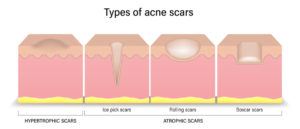
    Types of acne scars - Hypertrophic scars and Atrophic scars infographic

    Hypertrophic scars are characterised by their raised, thickened appearance, which can be red or pink. They typically form within the boundaries of the original wound and result from an overproduction of collagen during the healing process. 

    Hypertrophic scars can develop after various injuries, including burns, cuts, surgical incisions and piercings. These scars may be itchy or painful and can take several months to years to mature and become less noticeable.

    Common treatments

    Silicone sheets and gels

    These non-invasive treatments create a moist environment that helps soften and flatten hypertrophic scars. Silicone sheets can be cut to fit the scar’s size and should be worn for several hours each day, while silicone gels can be applied directly to the scar.

    Corticosteroid injections

    Injecting corticosteroids directly into the scar can help reduce inflammation, relieve pain and itchiness and improve the scar’s appearance by softening and flattening it. However, multiple injections may be required, depending on the severity of the scar.

    Cryotherapy

    This treatment involves freezing the scar tissue using liquid nitrogen, which helps reduce the scar’s thickness and size. A qualified healthcare professional should perform cryotherapy and may require multiple sessions.

    Laser therapy

    Various laser treatments can help improve the appearance of hypertrophic scars by targeting excess collagen, reducing redness and promoting the growth of healthy skin. Multiple sessions may be needed for optimal results.

    Surgery

    There are times when surgery might be needed to remove the scar or change how tension affects it. Generally, surgery is considered when other treatments haven’t worked out, mainly because surgery can also leave a scar behind. Surgery can be combined with other treatments to get the best results, giving you a more effective solution.

    Limitations of treatments

    How well these treatments work can depend on factors like your skin type, the scar’s severity, and your chosen treatment method. Also, you might need more than one treatment session to get your desired results. 

    It’s a good idea to chat with a qualified dermatologist or skin care professional who can help you figure out the best treatment plan for your specific scar and skin type.

    Keloid scars
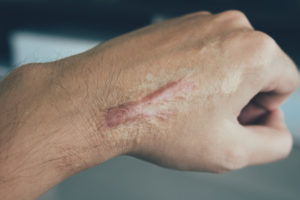
    keloid scar - raised scar on hand

    Keloid scars are a more severe form of raised scars extending beyond the original wound’s boundaries. These scars are firm, rubbery, and can be red or dark. They result from an overproduction of collagen and an abnormal healing response, which leads to excessive scar tissue growth. 

    Keloid scars can develop after various skin injuries, including burns, cuts, surgical incisions, piercings and even minor injuries like insect bites. 

    Genetics and skin type can predispose individuals to keloid formation. These scars may continue to grow over time and can cause discomfort, pain, or itchiness.

    Limitations and potential complications of treatments

    Treating keloids can be tricky, as there’s no one-size-fits-all solution. What works for one person might not work for someone else, and no treatment can guarantee that a keloid won’t return after it’s been treated.

    That’s why dermatologists are working hard to understand better what causes keloids and develop more effective treatments.

    If one of these new treatments might help you, your dermatologist may discuss it with you, especially if other treatments haven’t worked. How you care for your skin can make a difference, so be sure to follow any at-home care instructions your dermatologist provides. It’s also essential to stick to your treatment plan and get all the treatments your dermatologist recommends.

    Also, if you’ve had a keloid in the past, you might develop another one in the future.

    Contracture scars
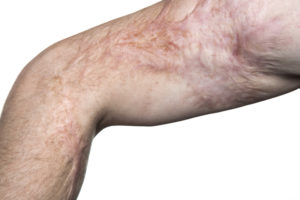
    Contracture scars - burn scar

    Contracture scars are characterised by their tight, constricted appearance, which forms due to the skin and underlying tissue contracting during the healing process. 

    These scars are commonly associated with burns or other injuries that cause significant skin loss. As the skin heals, it pulls together and may restrict movement, especially when the scar is located near a joint. 

    In some cases, contracture scars can also cause discomfort or pain due to the tension created by the tightened skin.

    Common treatments

    Physical therapy and massage

    Regular stretching exercises and massages can help improve the flexibility and mobility of the affected area. A physical therapist can recommend specific activities tailored to the scar’s location and severity.

    Pressure dressing

    Pressure garments or bandages can help reduce contracture scar formation by applying consistent pressure to the affected area. This treatment is most effective when initiated soon after the injury and worn continuously for several months.

    Surgical intervention

    In more severe cases, surgical procedures such as skin grafts, tissue expansion, or scar release may be necessary to improve the contracture scar’s range of motion and appearance. These procedures can involve transplanting healthy skin from another part of the body or using artificial skin substitutes.

    Treatment limitations

    In most cases, surgical intervention leads to significant improvement, but scar contractures can still happen even with the surgeon’s best efforts. Your doctor may suggest pressure and range-of-motion exercises for the best possible outcome for both function and appearance.

    Stretch marks
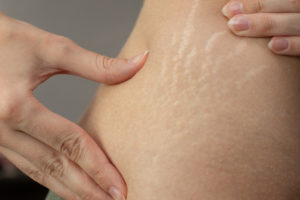
    stretch marks

    Stretch marks, or striae, are linear, narrow streaks or stripes that develop on the skin’s surface. They are usually pink, red, or purple when they first appear and may gradually fade to a silvery-white over time. 

    Stretch marks are caused by the rapid stretching of the skin, often due to growth spurts, pregnancy, rapid weight gain, or weightlifting. The stretching causes the dermis, the middle layer of skin, to tear, allowing the deeper layers of the skin to show through.

    Common treatments

    Retinoid cream

    Topical retinoid creams, derived from vitamin A, can help stimulate collagen production and promote the healing of stretch marks. They work best on newer stretch marks and should be applied consistently for several months to achieve noticeable results. 

    It’s essential to consult with a dermatologist before using retinoid creams, especially if you’re pregnant or nursing, as they may not be suitable in these situations.

    Light and laser therapies

    Light and laser therapies, such as pulsed dye laser (PDL), fractional laser, and intense pulsed light (IPL) treatments, target the stretch marks to stimulate collagen production and improve their appearance. 

    These treatments can be effective for both newer and older stretch marks, but multiple sessions may be required for optimal results. Having these procedures done by a qualified professional is essential to minimise the risk of side effects and ensure the best outcome.

    Microneedling

    Microneedling is a minimally invasive procedure that uses tiny needles to create micro-injuries in the skin, stimulating the body’s natural healing process and collagen production. This treatment can help improve the texture and appearance of stretch marks over time. Typically, multiple microneedling sessions are necessary to achieve the desired results, and a qualified skincare professional should perform the procedure.

    Limitations of treatments

    Though not a medical concern, stretch marks can be a cosmetic issue for some people. While they are harmless and tend to fade over time, it’s important to note that treatments can only help them fade and may not make them disappear completely.

    Several treatments are available to improve the appearance and texture of stretch marks, but no single treatment has been consistently more effective than others. 

    Remember that individual results may vary, and the effectiveness of each treatment can depend on factors like your skin type, the age of the stretch marks and the chosen treatment method. Therefore, it’s always a good idea to consult with a dermatologist or skincare professional to determine the most suitable treatment plan for your specific situation and to manage expectations regarding the outcome.

    Surgical scars
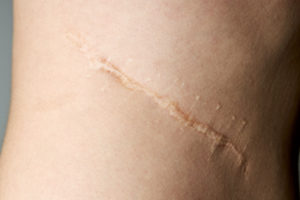
    surgical scar

    Surgical scars are a natural result of the body’s healing process after a surgical incision or procedure. They occur when the skin and underlying tissues are cut or disrupted, prompting the body to produce collagen to repair the damage. 

    The appearance, size and shape of a surgical scar depend on factors such as the size and depth of the incision, the surgeon’s technique, the patient’s skin type, and the individual’s healing process. Surgical scars may initially appear red, raised, and firm but generally fade and flatten over time.

    Common treatments

    Proper wound care

    Following the surgeon’s post-operative care instructions, including keeping the wound clean and dry, is crucial for minimising scar formation. It helps reduce the risk of infection and promotes optimal healing.

    Silicone sheets and gels

    Applying silicone sheets or gels to the surgical scar can help soften and flatten it while also reducing redness and itching. These treatments create a moist environment that aids in the healing process.

    Sun protection

    Protecting the surgical scar from sun exposure by using sunscreen or covering it with clothing is essential. UV rays can slow down the healing process and cause the scar to darken or become more noticeable.

    Topical treatments

    Over-the-counter or prescription creams, ointments, or gels containing ingredients like silicone, retinoids, or alpha hydroxy acids (AHAs) can help improve the appearance of surgical scars by promoting collagen production and skin cell turnover.

    Polyurethane dressing

    This can aid surgical scar healing by maintaining a moist environment, protecting the wound from infection, reducing friction and irritation, allowing gas exchange, and enabling easy monitoring due to their transparency. These factors improve healing, resulting in a better cosmetic outcome and less noticeable scars.

    Limitations of treatments

    Your active participation is crucial in achieving the best outcome in treating surgical scars. During postoperative visits, be attentive to signs of scar hypertrophy. These visits serve as an opportunity to learn and reinforce proper care practices. Remember, early intervention is key to managing hyperplastic responses.

    Scar treatment at Enrich

    The journey to scar treatment and management can be complex and overwhelming, with various factors influencing the success of treatments. Understanding these factors is vital in setting realistic expectations and finding the most effective approach to managing your scars.

    To ensure you’re on the right path, we encourage you to consult an expert dermatologist specialising in scar management. 

    *Please note that ENRICH Clinic does not necessarily perform all of these treatments listed in this blog. This blog is informational only and does not constitute advice. Please contact your GP as an initial gateway to advice and treatment for scarring.
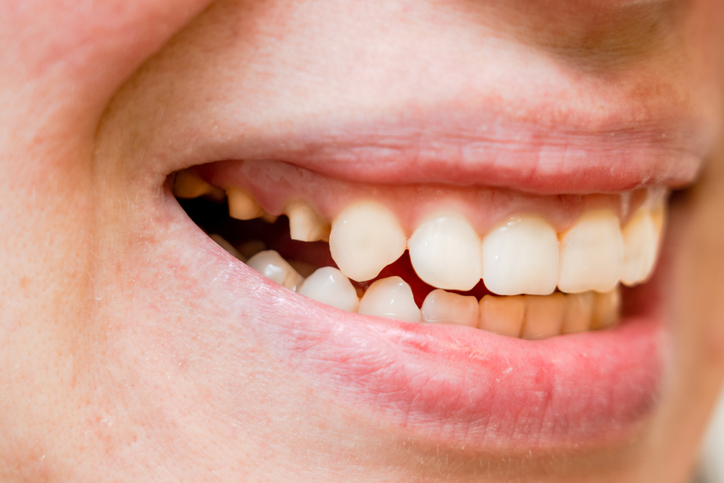
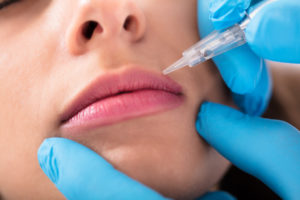
  • Skincare 101: Products and Treatments to Avoid for Each Skin Type

    Skincare 101: Products and Treatments to Avoid for Each Skin Type

    With the explosion of social media and influencer culture, navigating the skincare world has become even more complex. This Skincare 101 blog is here to help you cut through the noise, empowering you with the knowledge to confidently make informed decisions about the skin products and skin treatments that will work best for your unique skin type.

    In this blog, we will address the latest skincare trends and debunk common myths while also providing guidance on the products and treatments you should avoid based on your skin type – dry, oily, combination, sensitive, or acne-prone. Our goal is to ensure your skincare routine is effective in achieving a healthier, more radiant complexion.

    Identifying your skin type

    Before delving into the world of skincare products and treatments, it’s essential to identify your skin type accurately. Knowing your skin type helps you make better decisions when choosing products and allows you to create a customised skincare routine that caters to your specific needs. Here are some tips to help you accurately determine your skin type:

    Observe your skin

    Start by thoroughly cleansing your face and gently patting it dry. Then, wait for about an hour and observe your skin without applying any products. This will allow your skin to return to its natural state, providing you with a better understanding of its true condition.

    Assess your T-zone

    drawing of woman's face with 'T-zome' highlighted

    The T-zone (forehead, nose, and chin) is crucial for determining your skin type, as it can exhibit different characteristics from the rest of your face. Pay close attention to this area’s oiliness, dryness, or balance.

    Perform the blotting paper test

    Gently press a clean blotting paper onto different areas of your face (forehead, nose, cheeks, and chin). Examine the amount of oil left on the paper to help identify your skin type. The more oil absorbed, the oilier your skin type.

    Based on these observations, you can classify your skin into one of the following categories:

    • Normal. Your skin feels balanced, neither too oily nor too dry, with minimal or no breakouts, and has an even texture and tone.
    • Dry. Your skin feels tight and may exhibit flakiness or rough patches, a dull appearance and small pores.
    • Oily. Your skin appears shiny, especially in the T-zone, with enlarged pores and a higher likelihood of experiencing breakouts.
    • Combination. Your skin exhibits a mix of dry and oily areas, usually with an oily T-zone and dry or normal cheeks.
    • Sensitive. Your skin is prone to redness, itching, burning, or stinging sensations and reacts easily to products or environmental factors.
    • Acne-prone. Your skin is characterised by frequent breakouts, clogged pores, and inflammation, regardless of oiliness or dryness.

    Remember that your skin type can change due to age, hormones, climate and lifestyle. Therefore, it’s essential to re-evaluate your skin type periodically and adjust your skincare routine accordingly to maintain its health and radiance.

    Your dermatologist, dermal practitioner, beautician or aesthetic nurse can also help you identify your current skin type.  

    Don’ts for each skin type

    While having a normal skin type may seem like smooth sailing, avoiding specific ingredients, products, and treatments that could disrupt your skin’s balance is crucial. Let’s dive into the don’ts for each skin type, beginning with normal skin.

    logo design, icons and badges for natural and organic cosmetics - no synthetic fragrance and colours

    Normal skin

    • Avoid harsh exfoliants. Though normal skin is relatively balanced, using abrasive scrubs or over-exfoliating can damage the skin’s barrier and lead to irritation. Opt for gentle chemical exfoliants or mild physical scrubs instead.
    • Steer clear of alcohol-based products. Alcohol can strip your skin of its natural oils, leading to dryness and sensitivity. 
    • Pay attention to hydration. It’s essential to keep your skin moisturised even if it feels balanced. Choose lightweight moisturisers with hyaluronic acid, glycerin, or other hydrating ingredients.

    Dry skin

    • Avoid products with drying ingredients. Steer clear of products containing alcohol, sulphates, and harsh detergents that can exacerbate dryness. Instead, look for gentle cleansers and creams with nourishing ingredients like ceramides, shea butter, or jojoba oil.
    • Don’t over-exfoliate. Limit exfoliation to once or twice a week and opt for gentle chemical exfoliants like lactic acid or PHAs, which are less likely to irritate dry skin.
    • Skip long, hot showers. Prolonged exposure to hot water can strip your skin of natural oils, worsening dryness. Opt for shorter, lukewarm showers instead.

    Oily skin

    • Avoid comedogenic ingredients. Steer clear of heavy, pore-clogging ingredients like mineral oil, coconut oil, shea butter and petrolatum. Instead, look for non-comedogenic, oil-free products that won’t exacerbate oiliness or cause breakouts.
    • Don’t over-cleanse. Overwashing your face can strip your skin of natural oils, leading to increased oil production. Instead, try cleansing twice daily with a gentle, foaming cleanser.
    • Avoid harsh acne treatments. While using potent acne-fighting ingredients like benzoyl peroxide is tempting, be cautious not to overdo it. Using too much can cause irritation and dryness, leading to more oil production and breakouts. Glycolic acids can work well for acne skin. 

    Combination skin

    • Don’t use one-size-fits-all products. Avoid products that are too heavy for your oily areas or too light for your dry areas. Instead, consider using different products for each zone or opt for products specifically designed for combination skin.
    • Avoid over-drying toners. Skip alcohol-based toners that can worsen dryness in certain areas. Instead, choose gentle, alcohol-free toners with balancing ingredients like witch hazel or niacinamide.
    • Don’t neglect exfoliation. Ensure you exfoliate gently and regularly, as combination skin can benefit from the removal of dead skin cells and excess oil. Use a gentle glycolic exfoliant to avoid irritation.

    Sensitive skin

    • Avoid harsh ingredients. Steer clear of products containing alcohol, fragrance, synthetic dyes, or other potential irritants. Instead, opt for hypoallergenic, fragrance-free products formulated for sensitive skin.
    • Don’t over-exfoliate. Exfoliating too frequently or using harsh scrubs can exacerbate sensitivity. Instead, limit exfoliation to once a week and choose gentle chemical exfoliants like PHAs or low-concentration lactic acid.
    • Avoid aggressive treatments. Some chemical peels, heavy microdermabrasion and certain laser treatments can be too harsh for sensitive skin

    Acne-prone skin

    • Don’t touch your face frequently. Touching your face can transfer dirt, oil, and bacteria from your hands, leading to breakouts.
    • Don’t ignore your diet. A balanced diet is essential for overall skin health. Foods high in sugar, unhealthy fats, and dairy may contribute to acne for some people.
    • Don’t expect overnight results. Skincare products and treatments take time to work. Be patient and consistent with your skincare routine.
    • Get advice from a dermatologist. Acne is a condition that depends on many factors. Getting some expert advice, especially in the more dramatic cases, can be very beneficial.

    General precautions for all skin types

    Regardless of your skin type, there are certain precautions everyone should take to ensure their skincare routine is both considered and effective. Here are some general guidelines to follow:

    • Allergies and sensitivities. Always be aware of any known allergies or sensitivities to specific ingredients. Carefully read product labels and avoid any known irritants, even if they’re commonly recommended for your skin type.
    • Existing skin conditions. If you have a pre-existing skin condition like eczema, psoriasis, or rosacea, consult a dermatologist before starting a new skincare routine. They can recommend products and treatments that won’t exacerbate your condition and may help alleviate symptoms.
    • Pregnancy and breastfeeding. Certain ingredients, such as retinoids, salicylic acid, and some essential oils, should be avoided during pregnancy and breastfeeding. Consult your healthcare provider or dermatologist for advice on baby-safe skincare alternatives during this time.
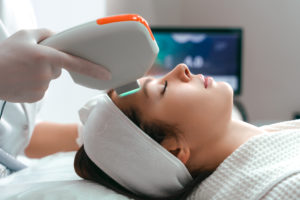
    • Recent procedures or treatments. If you’ve recently undergone a skin treatment or procedure, such as chemical peels, laser therapy, or dermal fillers, follow your practitioner’s aftercare instructions carefully. Avoid using new products or treatments until your skin has fully healed, and always consult your practitioner before introducing new skincare products or treatments post-procedure.
    • Sun exposure. Protecting your skin from the sun’s harmful UV rays is crucial regardless of your skin type. Apply a broad-spectrum sunscreen with at least SPF 30 daily and reapply every two hours when outdoors. Sun protection is vital if you’re using exfoliants, retinoids, or other treatments that can make your skin more sensitive to sun exposure.
    • Patch testing. Before introducing a new product into your routine, perform a patch test to check for potential reactions. Apply a small amount of the product to a discreet area, such as behind your ear or the inside of your wrist and wait 24-48 hours. If you experience any redness, itching, or irritation, discontinue use and consult a dermatologist if necessary.

    • Exfoliation – many dermatologists warn against harsh mass-market exfoliates on the skin. They understand people do “like “ to exfoliate as it makes their skin feel clean, but it is often an unnecessary step, and many people overdo it. Skin does naturally exfoliate- every day, so nature often does the work for you without trying. There is much debate. Glycolic solutions are often the best trick if you need to exfoliate. Don’t get exfoliating mixed up with cleansing – which removes skin debris and should be performed every day with a good cleanser. 

    Consult with a skin professional at Enrich

    By accurately identifying your skin type, avoiding products and treatments that may cause harm, and following general precautions, you can create a customised skincare routine that addresses your unique needs while maintaining your skin’s overall health. 

    When in doubt, consult our dermatologists or skincare specialists to ensure you’re making the best choices for your skin. 

  • Why Taking Care Of Your Skin Is More Important Than Covering It Up with Makeup

    Why Taking Care Of Your Skin Is More Important Than Covering It Up with Makeup

    Growing older is a natural part of life. Just like the sun reliably rises in the east and sets in the west, we can’t avoid ageing. 

    However, unlike the sun’s daily cycle, we have some control over ageing. There are steps we can take to slow the process down. But, unfortunately, many of our daily habits might actually be speeding it up. 

    For one, we don’t invest enough in a consistent and comprehensive skincare routine that addresses our skin’s needs and promotes overall skin health. Instead, many still rely on quick fixes like cosmetics to cover up skin issues.

    Yes, makeup can temporarily make your skin look flawless and dewy, but it merely masks imperfections and may not address the root causes of your skin concerns. 

    Here’s why. 

    The science behind skin ageing and damage

    younger skin vs older skin infographic - skin layers

    Our skin is a complex, multi-layered organ that serves as the body’s primary barrier against environmental stressors, regulates temperature and provides sensory input. 

    While doing its job, it goes through various factors contributing to its degradation. Here are some:

    Extrinsic factors

    • Sun exposure. Ultraviolet (UV) radiation from the sun is the leading cause of premature skin ageing and damage. Excessive sun exposure can lead to the breakdown of collagen and elastin fibres, resulting in wrinkles, fine lines, age spots, and an increased risk of skin cancer.
    • Pollution. Airborne pollutants, such as smog and particulate matter, can clog pores and cause oxidative stress on the skin. This can lead to inflammation, uneven skin tone, and accelerated aging.
    • Smoking. The chemicals in tobacco smoke can damage the skin’s collagen and elastin fibres, leading to premature wrinkles, sagging skin, and a dull complexion.
    • Lifestyle choices. Poor diet, lack of exercise, inadequate sleep, and high-stress levels can negatively impact skin health, contributing to inflammation, breakouts, and premature aging.

    Intrinsic factors

    • Genetics. Our genes play a significant role in determining our skin type, texture, and how it ages. Some people may be genetically predisposed to specific skin issues, such as acne or early wrinkling.
    • Hormonal changes. Hormone fluctuations throughout our lives, such as during puberty, pregnancy, or menopause, can impact skin health and contribute to issues like acne or dryness.
    • Biological processes. Cellular aging, a natural process, can lead to a decrease in collagen production and skin elasticity, resulting in the formation of wrinkles and sagging skin.

    The benefits of prevention in skincare

    From what we’ve discussed earlier, it’s clear that our skin faces quite a few challenges that can lead to ageing and damage. That’s why adopting a proactive approach to skincare, focusing on prevention, can make a huge difference in maintaining the health and appearance of your skin. It’s one of the trends we hope will catch on. More specifically, prevention can:

    Minimise skin damage

    Starting preventive skin care measures early on allows you to tackle potential issues before they become more significant problems. For instance, using SPF50+ sunscreen daily from a young age helps keep premature wrinkles and age spots at bay, which can be caused by sun exposure.

    Also, remember that while some treatments can improve your skin’s appearance, they often can’t fully reverse long-term damage. For example, laser treatments might lessen the visibility of acne scars, but they can’t erase them entirely. In the same way, no treatment can restore skin elasticity and collagen levels to those you had as a teenager once they’ve decreased due to aging. Your body slows down collagen production after you hit 25 and begins to lose collagen after you turn 30.

    Reduce the risk of developing skin conditions

    Simple steps like consistently using a broad-spectrum sunscreen, wearing protective clothing, and limiting sun exposure can make a significant difference. These preventive measures reduce the risk of developing skin concerns like actinic keratoses, melasma, and solar elastosis.

    If you delay addressing your skin’s needs until a condition has developed, you might find that skin treatments, especially invasive ones, come with potential side effects and complications. 

    Be more cost-effective

    Investing in preventive skin care measures, such as using quality skincare products and receiving regular professional treatments, can save you money in the long run by reducing the need for expensive corrective treatments later in life. Take Stage III melanoma treatment as an example. It could set you back a whopping $60,000 to $100,725! But regular skin checks? They’ll cost less than  $300 – $500. Add in the cost of sunscreen, some protective clothing, and a stylish wide-brimmed hat, and you’re still spending way less on prevention than you would on treating skin cancer.

    Enhance overall skin health and appearance

    Celebrities may seem to have discovered the fountain of youth (and strong use of filters!), but the current trend and their secret weapon for reducing ageing is prevention. Whether it’s getting enough sleep, drinking plenty of water or making regular appointments with a dermatologist, skin-savvy stars understand that taking a proactive approach to skincare is essential for maintaining a youthful, radiant appearance.

    Preventive skin care practices

    If you’re not sure where to start when it comes to adopting preventive skincare practices, here are some essential steps to consider:

    Sun protection

    sunscreen protection on skin layers infographic

    Safeguarding your skin from the sun’s harmful ultraviolet (UV) rays is crucial in preventing premature skin ageing, sunburn and skin cancer.

    Start with applying a broad-spectrum sunscreen with an SPF of at least 50 to all exposed skin areas, even on cloudy days. Then, reapply every two hours or more frequently if you’re swimming or sweating.

    Then always wear clothing made of tightly woven fabrics, wide-brimmed hats and UV-blocking sunglasses to provide additional protection from the sun.

    Limit your sun exposure. Avoid extended periods in direct sunlight, particularly between 10 a.m. and 4 p.m., when UV rays are the strongest.

    Skin treatment plans

    Create a comprehensive skincare plan tailored to your needs to address specific concerns and support overall skin health.

    We recommend having a whole-year plan, as your skincare needs may change with the seasons. For instance, you might require a heavier moisturiser in winter or more frequent exfoliation in summer.

    You can discuss this with our skin specialists.

    Laser treatments

    When performed by a qualified professional, laser treatments can help address skin concerns such as acne scars, sun spots, and fine lines. Some beginner-friendly and non-invasive treatments include:

    • Laser Genesis. This non-invasive treatment gently heats the upper dermis layer of your skin. It’s excellent for stimulating collagen production and reducing the appearance of fine lines, wrinkles and uneven skin tone.
    • IPL (Intense Pulsed Light) Photofacial. IPL is a light-based treatment that targets pigmentation issues like sunspots, age spots, and redness. In addition, it can help even out your skin tone and improve overall skin appearance.
    • Fractional Non-Ablative Laser. This treatment uses a non-ablative laser to target the deeper layers of your skin without damaging the surface. As a result, it stimulates collagen production, improves skin texture, and reduces the appearance of scars and fine lines.

    Collagen buildup

    To maintain your skin’s elasticity and strength, use products containing ingredients like retinol, vitamin C, and peptides that promote collagen production. You can also consider micro-needling or radiofrequency treatments to stimulate collagen synthesis. The simple glycolic peel every month is both cost-effective and collagen-building. 

    Regular skin examinations and consultations with professionals

    This is a smart move to keep your skin in tip-top shape. Skin specialists keep a close eye on your skin’s health and tackle issues right away. They can spot potential issues early, offer personalised advice for your unique skin type and suggest the right treatments and products for you.

    Get qualified guidance from Enrich

    Our dermatologists are well-versed in the latest research, techniques, and technologies in the skincare industry, ensuring you receive the most effective and up-to-date advice. We will work closely with you to understand your skin’s unique needs and develop a comprehensive treatment plan addressing your concerns.

  • 1 + 1 = 3: How Pairing Two Skin Treatments Can Yield Triple the Benefits

    1 + 1 = 3: How Pairing Two Skin Treatments Can Yield Triple the Benefits

    Our maths teachers have taught us that 1 + 1 = 2. But life lessons, especially when it comes to skincare and beauty, have a way of proving that sometimes, combining two elements can create an entirely new outcome that can help achieve patient expectations.

    In the world of aesthetics and dermatology, the right pairing of treatments can work together in harmony, offering exponential benefits beyond the individual results of each procedure.

    So let’s explore this fascinating concept and unlock the secrets of these synergistic skincare combinations to help you achieve the glowing, rejuvenated complexion you’ve always desired.

    The science behind combining treatments

    There is proof that combining treatments and/or products works. It lies in understanding the unique characteristics of each treatment, as well as their interactions with one another. By doing so, harnessing the synergistic effects of certain treatments is possible, leading to enhanced penetration of active ingredients and faster, more efficient results.

    Synergistic effects

    Certain treatments, when used together, can amplify each other’s benefits, creating a synergy that leads to improved efficacy. These synergistic effects result from complementary mechanisms that enable the treatments to work harmoniously, ultimately providing a more potent impact on our skin.

    For example, using vitamin C alongside sunscreen not only protects your skin from UV damage but also boosts the antioxidant power of vitamin C, which helps neutralise free radicals and prevent premature ageing.

    Enhanced penetration

    Some treatments can enhance the penetration of active ingredients, allowing them to reach deeper layers of the skin and work more effectively.

    For instance, chemical exfoliants such as alpha-hydroxy acids (AHAs) and beta-hydroxy acids (BHAs) remove dead skin cells, unclog pores, and promote cell turnover. Incorporating these into your skincare routine creates a smoother, more receptive surface that allows other active ingredients, like retinol or peptides, to penetrate more deeply and efficiently, improving your skin texture and appearance.

    Faster and more efficient results

    The ultimate goal of combining treatments is to achieve faster and more efficient results. By carefully selecting complementary treatments, you can target multiple skin concerns simultaneously and reduce the time it takes to see visible improvements.

    For example, pairing a hydrating hyaluronic acid serum with a collagen-boosting treatment like micro-needling can tackle dryness and fine lines at the same time. This not only saves you time and effort but also ensures that your skin receives the maximum benefits from each treatment.

    Popular skin treatment pairings and their benefits

    For acne scars

    Acne scars can be a frustrating and persistent reminder of past breakouts, leaving behind an uneven skin texture and sometimes even causing emotional distress.

    Fortunately, advancements in aesthetic treatments have led to the development of highly effective solutions for reducing the appearance of acne scars. 

    Two treatments that can be combined for enhanced results are Laser Genesis and dermal treatment.

    Laser Genesis

    This non-invasive laser treatment stimulates collagen production, improves our skin texture, and reduces the appearance of acne scars. By gently heating the dermis, Laser Genesis promotes our skin’s natural healing process, encouraging the growth of new, healthy skin cells to replace damaged tissue. This treatment is particularly effective if you have mild to moderate acne scars and can also help reduce redness and improve overall skin tone.

    Dermal Treatment

    By injecting into the scarred area, dermal treatments can help lift and fill the scar, making it less noticeable and promoting a smoother skin surface. Dermal treatments are especially effective if you have atrophic acne scars, such as rolling, boxcars and ice pick scars.

    Combining Laser Genesis and dermal treatment for acne scars

    This powerful pairing can result in a smoother, more even complexion with a significant reduction in the appearance of your acne scars. Laser Genesis works to improve skin texture, tone, and promote collagen production, while dermal treatments directly target and fill in depressed scars.

    Combining these treatments may also help prevent future scarring by promoting healthier skin and encouraging ongoing collagen production.

    For Alopecia

    Our doctors often recommend a multi-pronged approach to address hair loss effectively. One such combination involves Platelet-Rich Plasma (PRP) therapy, oral medications, and Low-Level Laser Therapy (LLLT) using a diode.

    PRP therapy

    Platelet-Rich Plasma therapy is a non-surgical hair restoration treatment that utilises your own blood to stimulate hair growth. Blood is drawn from you, centrifuged to separate the plasma and injected into your scalp. The plasma is rich in growth factors and proteins that promote cellular regeneration and stimulate hair follicles, increasing hair growth and thickness.

    Oral medications

    Several oral medications, such as finasteride and minoxidil, are available for treating hair loss. Finasteride is a prescription medication that inhibits the conversion of testosterone to dihydrotestosterone (DHT), a hormone responsible for hair follicle miniaturisation and hair loss. Minoxidil, available over the counter, is a vasodilator that increases blood flow to hair follicles, encouraging hair growth. 

    Low-Level Laser Therapy (LLLT) using a diode

    LLLT is a non-invasive hair restoration treatment that uses specific wavelengths of light to stimulate hair growth. Exposing your scalp to low-level red light emitted from a diode can increase cellular activity in hair follicles, promoting hair growth and improving hair thickness. LLLT is often administered via handheld devices, laser caps or in-office treatments. This is a low-impact treatment than can have an effect over time however is best realised as part of a combination treatment. 

    PRP + tablets +diode

    Combining PRP therapy, oral medications and LLLT offers a comprehensive approach to treating alopecia. Each treatment targets different aspects of hair loss, creating a synergistic effect that can yield better results than any single treatment alone. PRP stimulates hair follicles at the cellular level, oral medications address hormonal imbalances, and LLLT enhances blood flow and cellular activity in the scalp. This powerful combination can significantly improve hair growth and overall health, helping you regain confidence and self-esteem.

    For pigment/sun spots/age spots

    Pigmentation issues, such as sun spots and age spots, are common skin concerns caused by an overproduction of melanin, usually due to sun exposure, hormonal changes, or the natural aging process. To effectively address these pigmentation issues, a combination of treatments can offer more comprehensive results. Two popular combinations include Fraxel and IPL and Piqo laser treatment.

    Fraxel + IPL

    Fraxel is a fractional laser treatment that targets our skin’s surface and deeper layers to reduce pigmentation, improve skin texture, and stimulate collagen production. By creating microscopic columns of controlled skin damage, Fraxel promotes our skin’s natural healing process, gradually fading pigmentation and a more even skin tone.

    IPL, or Intense Pulsed Light therapy, is a non-laser treatment that uses a broad spectrum of light to target melanin in the skin selectively. The light is absorbed by the pigmented areas in our skin, breaking down the melanin and causing the pigmentation to fade over time. IPL is particularly effective if you need to treat superficial pigmentation and promote a more even skin tone.

    By combining Fraxel and IPL, you can address both superficial and deep pigmentation, as well as improve overall skin texture and tone. The two treatments work synergistically to deliver more comprehensive results, effectively targeting various pigmentation issues and producing a more radiant and youthful appearance.

    IPL & Piqo

    IPL, as mentioned earlier, targets superficial pigmentation by using a broad spectrum of light to break down melanin and promote an even skin tone.

    PiQo4 is a versatile laser treatment that combines both nanosecond and picosecond laser pulses to address various types of pigmentation, including deeper and larger pigmented areas. The different pulse durations allow the laser to shatter pigment particles in our skin more effectively, resulting in faster clearance and reduced risk of side effects.

    When combined, IPL and Piqo provide a comprehensive approach to treating pigmentation issues. The IPL therapy addresses superficial pigmentation, while the Piqo laser targets deeper and larger pigmented areas. This powerful combination ensures a more even skin tone and an overall improvement in skin appearance.

    Please note: most combined laser treatments need to be 2-4 weeks apart, depending on the intensity of each laser.

    For facial rejuvenation

    Rejuvenation treatments focus on revitalising and refreshing our skin, improving its overall appearance, and addressing various signs of ageing. To achieve the best results,  ask our dermatologists or doctors about combining multiple rejuvenation treatments, targeting different aspects of skin health and beauty. Here are three popular rejuvenation combinations to consider:

    Beautiful Eye Package + Anti-Wrinkle Injections

    The Beautiful Eye Package typically includes treatments designed to address concerns in the delicate eye area, such as dark circles, puffiness, fine lines, and crow’s feet. This package includes an Ultraformer treatment followed by a Thermi Smooth & diode two weeks after. This combination was developed by ENRICH clinic to get a strong result around the eye. 

    ThermiSmooth® is a treatment that uses radio frequency energy via a temperature-controlled handpiece.  Using small, circular motions, the handpiece is gently rolled on the surface of your skin while heating targeted tissues below your skin.  

    Wrinkle reducing treatment help relax our facial muscles that form expression lines and wrinkles. By combining the Beautiful Eye Package with anti-wrinkle injections, you can address both the surface and underlying causes of ageing in the eye area, resulting in a more youthful and refreshed appearance.

    Glow Gun & Piqo

    The Glow Gun is a skin rejuvenation treatment that uses an injectable device to deliver a blend of vitamins, antioxidants, and other nutrients directly into our skin. This infusion promotes hydration, nourishment, and overall skin health, producing a natural, glowing complexion.

    As mentioned earlier, Piqo is a versatile laser treatment that combines nanosecond and picosecond laser pulses to address various skin concerns, such as pigmentation and uneven texture. When combined with the Glow Gun treatment, Piqo can further enhance skin rejuvenation by addressing surface imperfections and promoting an even skin tone.

    Piqo Rejuvenation + Erbium Microdermabrasion

    The Piqo Rejuvenation treatment,  is a non-invasive facial that uses a picosecond laser to exfoliate, brighten and rejuvenate your skin. The carbon lotion attracts and absorbs impurities, while the laser targets the particles, removing the outer layer of dead skin cells and stimulating collagen production. This treatment results in a smoother, more radiant complexion.

    Erbium microdermabrasion is a gentle exfoliation treatment that uses an erbium laser to remove the outermost layer of dead skin cells, revealing a brighter and smoother complexion. This treatment promotes cell turnover and can help to address fine lines, mild acne scars, and uneven skin texture.

    When combined, the China Doll treatment and Erbium microdermabrasion provide a comprehensive rejuvenation experience, addressing both surface imperfections and deeper skin concerns. This pairing results in a more radiant, youthful, and even complexion.

    Our cosmetic consultants can talk you through any 1+1 =3 pairings that suit your skin health regime.

    Customising treatment pairings for specific skin concerns

    Each person’s skin is unique, and a one-size-fits-all approach may not effectively address individual needs. Hence, customising treatment pairings for specific skin concerns is crucial for achieving the best possible results in your skincare journey. Here’s the process:

    Identify your skin needs

    The first step in customising treatment pairings is identifying your unique skin concerns and goals. Consider factors such as your skin type (e.g., oily, dry, combination, or sensitive), your primary concerns (e.g., acne, pigmentation, aging, or redness) and any underlying medical conditions or lifestyle factors that may affect your skin health. By understanding your individual needs, you can make more informed decisions about the most suitable treatments to address your concerns.

    Choose appropriate treatments

    Once you’ve identified your skin needs, it’s essential to select treatments that are specifically designed for your skin type and concerns. For example, if you have sensitive skin, you may need to opt for gentler treatments or products with fewer active ingredients. On the other hand, if you have oily, acne-prone skin, you may benefit from treatments that exfoliate, unclog pores and regulate sebum production.

    Some popular treatment pairings can be adjusted to cater to different skin types and concerns. For instance, if you’re looking to treat pigmentation, you may choose between Fraxel and IPL for more resistant pigmentation or opt for a gentler combination like Piqo and Glycolic Peels for sensitive skin.

    Work with a specialist dermatologist or an aesthetic physician

    We highly recommend consulting with a dermatologist or aesthetic physician to ensure you select the most appropriate treatments for your specific needs. These professionals have the expertise to assess your skin condition, identify your individual needs, and recommend customised treatment pairings that will deliver the best results.

    During your consultation, your dermatologist or aesthetic physician may recommend treatments such as chemical peels, laser therapy, or injectables, based on your skin type, concerns, and desired outcomes. They can also help you develop a tailored skincare routine, including the use of appropriate products and at-home treatments to complement and enhance the results of your in-office treatments.

    Embark on your journey towards good skin health and clearer skin at Enrich

    The key to unlocking your skin’s true potential lies in exploring personalised treatment pairings tailored to your unique needs and concerns. By combining complementary treatments, you can harness the power of synergy to achieve results that might surpass what can be accomplished with individual treatments alone. 

    Working closely with a dermatologist or aesthetic physician is essential to develop a customised skin care plan that addresses your skin type, concerns, and goals.

    Contact us.